REVIEW · TOKYO
Tokyo: Mt Fuji Lake Kawaguchi & Yamanaka Hot Spring Day Tour
Book on GetYourGuide →Operated by Hakuu Co Ltd. · Bookable on GetYourGuide
Mt. Fuji in one long day sounds wild, but it works. This small-group tour strings together classic viewpoints plus a couple of off-the-beaten-photo stops, then finishes with a hot spring soak facing the mountain at Lake Yamanaka. You’ll get big scenery time without the hassle of transfers, especially if you like your day planned but still flexible for photos.
The two things I like most: the limited group size (up to 9) keeps photo stops civilized, and the Lake Yamanaka hot spring gives you the kind of payoff you can’t easily schedule on your own. One thing to consider: this is a bilingual non-private tour with a guide who can explain only basic context, so you should plan to do some of the learning on your own rather than expect deep commentary at every stop.
In This Review
- Key things I’d watch for before you go
- A Fuji day tour that respects your time
- Meet at Tokyo Station: the one logistics move that matters
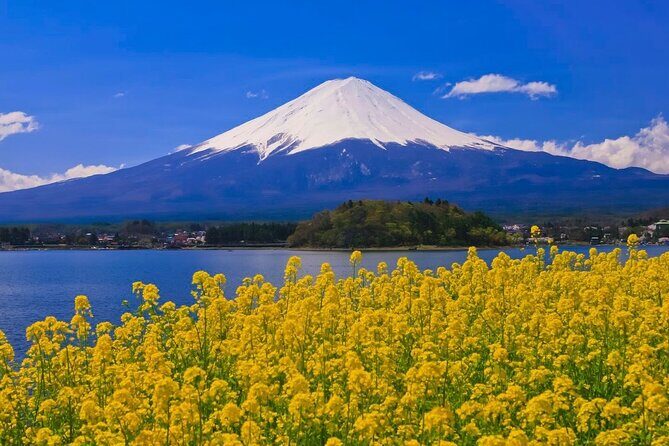
- Oishi Park and the seasonal Fuji color show
- Kawaguchiko Station photo stops: Lawson and Hikawa Clock Shop
- Oshino Hakkai: Fuji water springs and an easy lunch rhythm
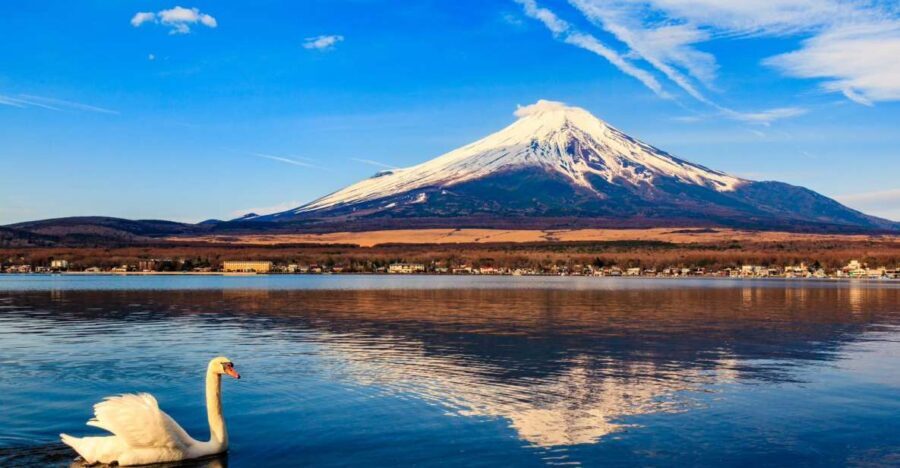
- Lake Yamanaka and Benifuji no Yu: hot spring with the Fuji frame
- The real pacing: what 10 hours feels like on your body
- Price and value: does $68 make sense for this day?
- Who should book this tour (and who might skip it)
- Should you book Tokyo: Mt Fuji Lake Kawaguchi & Yamanaka Hot Spring Day Tour?
- FAQ
- How long is the Tokyo–Mt. Fuji Lake Kawaguchi & Yamanaka day tour?
- Is this a private tour?
- Where do we meet the guide in Tokyo?
- Do I need to pay for the hot spring?
- Does the itinerary change by season?
- Are hotel pickups available?
- What’s the hot spring etiquette (swimwear and tattoos)?
- What should I bring and avoid?
Key things I’d watch for before you go
- Small group flow: fewer people, easier photo moves, and less waiting around at viewpoints
- Seasonal Fuji colors: lavender in summer, Kochia in autumn, and a Maple Corridor swap in late October to late November
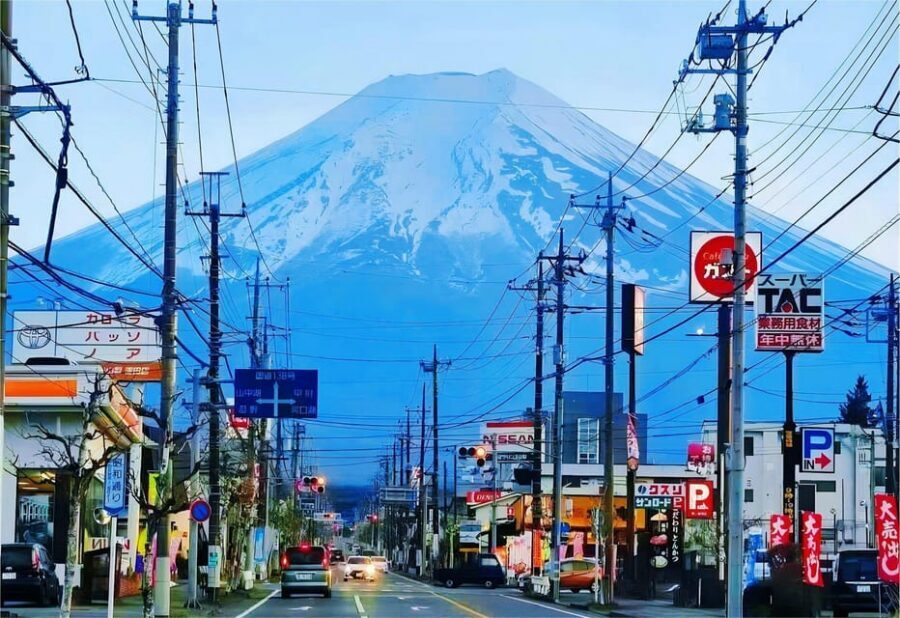
- Easy photo targets: Lawson by Kawaguchiko Station and Hikawa Clock Shop are designed for quick, memorable shots
- Real break time: Oshino Hakkai gives you a lunch-friendly stretch away from bus windows
- Hot spring, extra admission: Benifuji no Yu is worth it, but the ticket isn’t included
- Limited luggage space: bring a compact day bag so you’re not fighting for room
A Fuji day tour that respects your time
This is the kind of tour that makes sense if you’re only in Tokyo for a few days. You’re not trying to “figure it out” while carrying a camera, snacks, and optimism. Instead, you’re handed a tight 10-hour loop: Tokyo up and out early, then a Fuji-focused route that’s mostly timed for photos and viewpoints.
You’ll start with a comfortable vehicle and a small roster of fellow travelers. That matters because Mt. Fuji spots can get busy, and tight schedules turn crowds into chaos fast. Here, the group size stays small enough that you can step off, take your shots, and still catch the rest of the group without playing bus-speed tag.
Another smart piece: you’re not just doing one lake viewpoint and calling it a day. You get multiple angles across Lake Kawaguchi, Oshino Hakkai (Fuji water springs), and Lake Yamanaka (hot spring views). If you care about photography, you’ll appreciate that you’re moving between types of scenery: flowers and trees, historic water sites, then the more open-lake atmosphere at Yamanaka.
The trade-off is simple: you’re on a schedule. Stops are long enough to enjoy them, but not so long that the day turns into a wandering festival. If you want long, unstructured time for a hike or a deep dive into local culture with guided storytelling, this isn’t that format.
Other Mount Fuji tours we've reviewed at Mt Fuji & Kawaguchiko
Meet at Tokyo Station: the one logistics move that matters
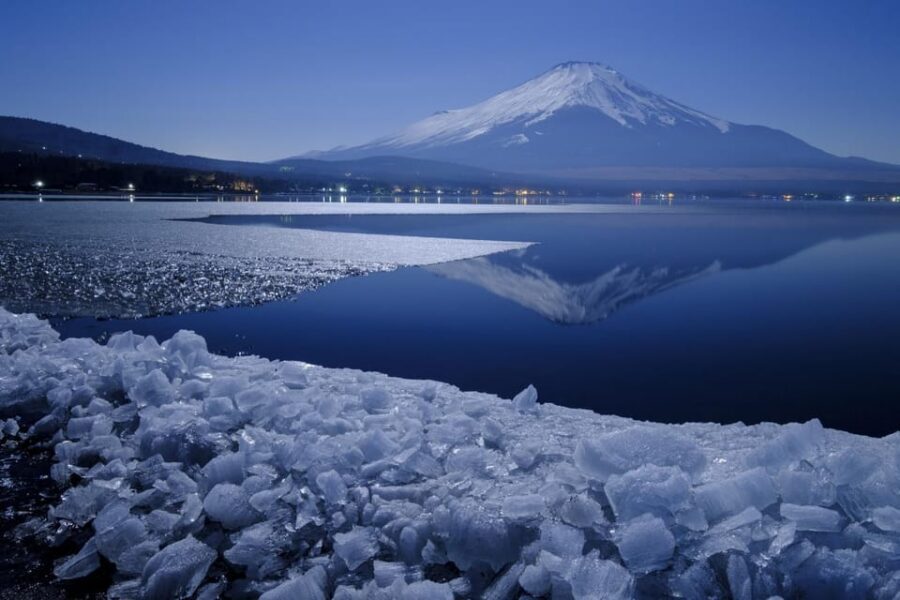
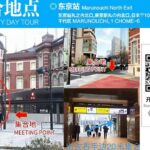
Tokyo logistics can be tricky, but this tour tries to keep it straightforward. You meet your guide at JR Tokyo Station, Marunouchi North Exit. If you choose pickup, it’s available from 12 selected districts, and they’ll confirm your hotel info ahead of time.
The biggest practical advice: be ready with WhatsApp or LINE. The guide contacts you the night before, and the meeting details are shared by photo. This matters because the tour is clear that the bus departs on time—no exception. In Japan, “almost on time” doesn’t exist for buses like this. Show up early, and you’ll avoid the stress spiral.
Also plan for luggage limits. The vehicle has limited space, so keep bags compact. If you bring a huge suitcase, you risk wasting energy on storage instead of taking photos. A day backpack plus a light jacket is the sweet spot.
One more heads-up that affects your comfort: the guide can speak basic English (and also Chinese and Japanese), but explanations at each attraction won’t be detailed. Think of it as guided transportation and time management, not a lecture tour. If you’re the type who loves context, download a few background notes beforehand or bring curiosity questions.
Oishi Park and the seasonal Fuji color show
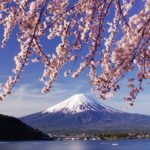
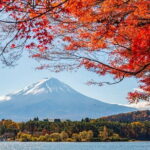
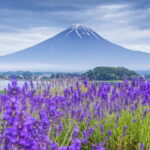
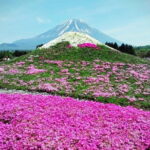
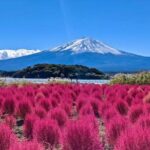
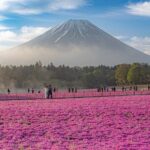
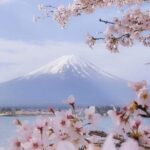
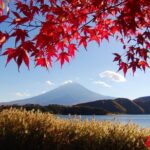
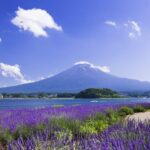
Oishi Park (often your first “wow” stop) is where seasonal color becomes part of the Fuji frame. In summer, the park can be dressed in lavender, which creates a purple strip that contrasts with the mountain. In autumn, the palette shifts—Kochia shrubs turn bright and give you that burnished, warm-toned look people chase in photos.
During peak autumn season, the tour swaps in the Kawaguchiko Maple Corridor (roughly Oct 30 to Nov 25). The goal is straightforward: more reliable autumn color with classic mountain framing. If you’re traveling in late fall, this seasonal switch is a big value point. Fuji tours often become a gamble in shoulder season; this tour tries to hedge that risk by aligning the stop with what’s likely to look best.
How to use your time here:
- Arrive ready to move. With only about 50 minutes, you’ll want to pick a couple of shot ideas fast (wide mountain + colored foreground, then a closer crop).
- Dress for weather changes. Mt. Fuji area conditions can shift quickly even when Tokyo feels stable.
- Bring water and sunscreen. The stop is outdoors, and the park time includes free time.
Possible drawback: if the weather isn’t cooperating, this stop can feel like a lot of walking for clouds. That said, the tour’s structure helps you keep momentum. Even when Fuji hides, the park’s seasonal textures still give you something to capture and enjoy.
Kawaguchiko Station photo stops: Lawson and Hikawa Clock Shop
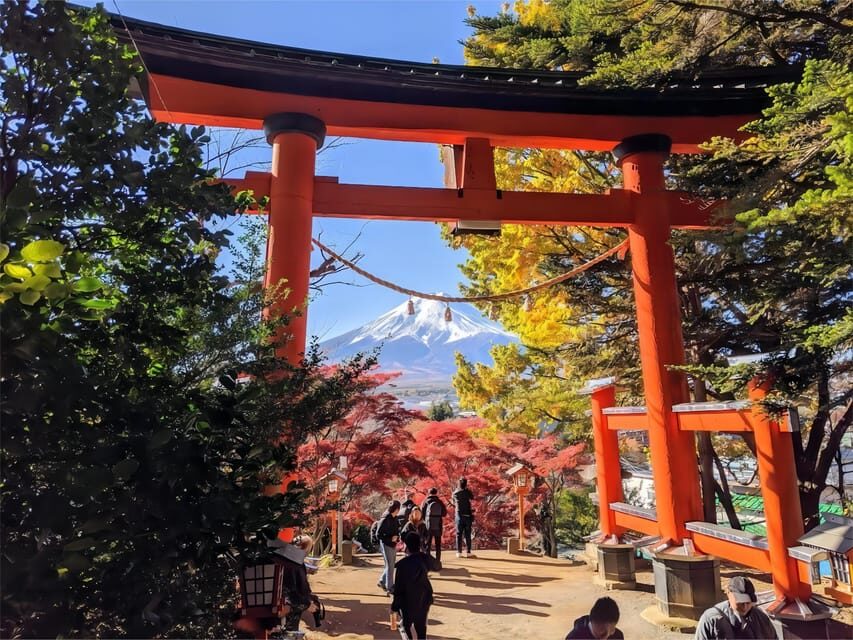
After Oishi Park, you roll into Kawaguchiko Station for two fun, very “Japan” breaks: the Lawson near the station and the Hikawa Clock Shop area.
The Lawson stop isn’t random. It’s become a Fuji photography landmark because of how the mountain can appear in the background of a regular, everyday storefront. You get that contrast of normal life + dramatic scenery. It’s also practical: you have a quick window for snacks and a rest from being in and out of viewpoints.
Then comes Hikawa Clock Shop and its surrounding streets—often described as a charming “clock town” vibe. This is the kind of stop that works even if you’re not a hardcore photographer. You’re getting a different flavor of Kawaguchiko: small, scenic lanes and compact architecture that makes it easy to compose a clean shot without needing a tripod setup.
Timing is short here (the stop is around 20 minutes plus a bit of walking time). That means your job is to make quick choices:
- Do one round for photos.
- Don’t over-plan your “perfect angle,” because the group move is quick.
- If you spot something you love, move before you talk yourself out of it.
The upside of these brief stops is variety. You’re not stuck with only lake viewpoints all day. You get a slice of local town atmosphere, plus that fun “everyday Fuji” perspective.
Oshino Hakkai: Fuji water springs and an easy lunch rhythm
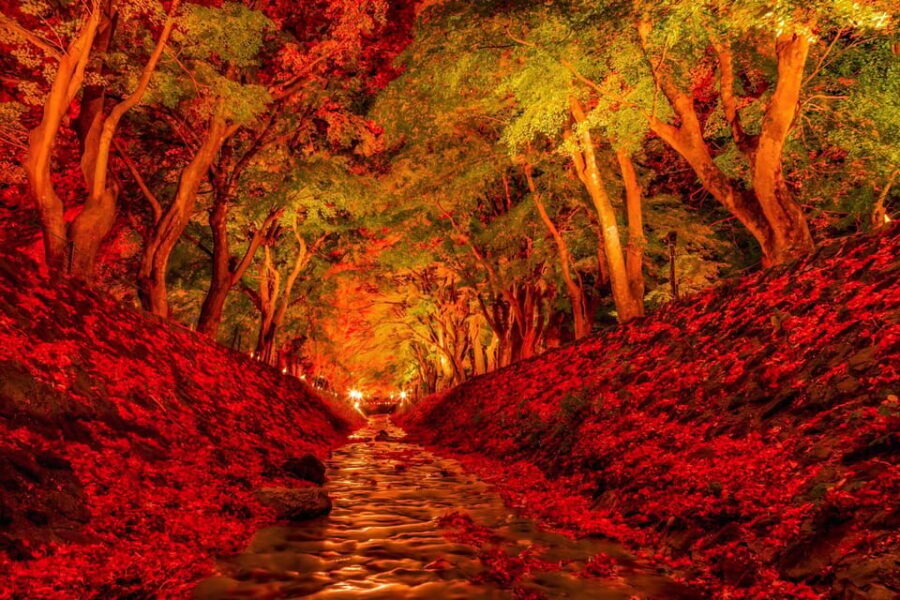
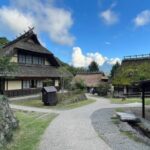
Next is Oshino Hakkai, a historic-feeling water village famous for spring-fed pools fed by Mt. Fuji’s snowmelt. Think of it as the palate cleanser after flower fields and photo stops. The setting is calmer, and you get more time to slow down and walk.
This stop is about 80 minutes, which is a sweet length for:
- strolling the village paths at an easy pace,
- pausing for snacks or a casual meal,
- taking photos without feeling rushed every 30 seconds.
What makes Oshino special is that it’s not just “pretty view for a photo.” It’s built around the water system. Even if your guide doesn’t provide deep explanations on the spot, the physical layout helps you understand what’s happening: calm pools, clear water, and traditional structures. It’s one of those places where you feel like you’re stepping into how people lived with Fuji’s resources long before modern tourism.
Practical advice for this stop:
- Wear comfortable shoes. The ground can be uneven, and you’re on foot for a stretch.
- Don’t pack your schedule too tightly mentally. This is one of the best moments in the day to just breathe and reset.
If you’re hoping for lots of guided storytelling, that’s the one thing to adjust. This tour is mostly self-guided here. Still, the setting does the work for you.
Other Lake Kawaguchiko tours at Mt Fuji & Kawaguchiko
Lake Yamanaka and Benifuji no Yu: hot spring with the Fuji frame
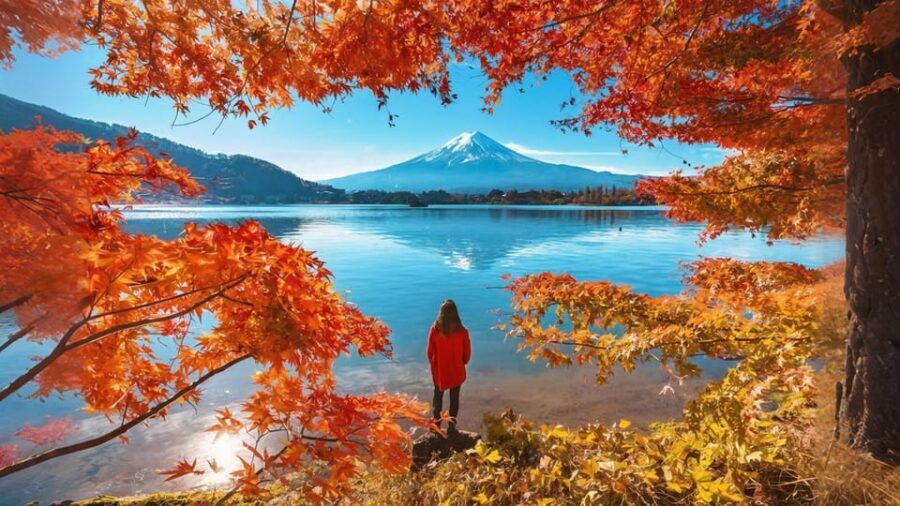
Then you reach the heart of the relaxation part of the day: Lake Yamanaka and the hot spring at Benifuji no Yu.
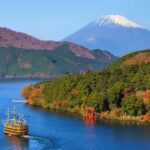
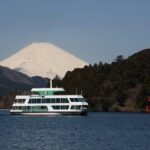
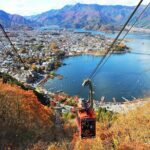
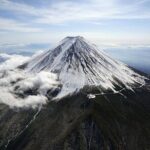
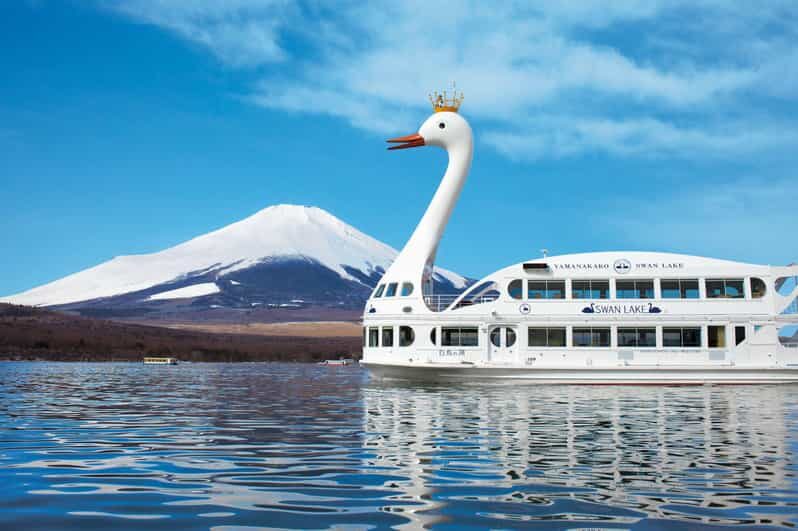
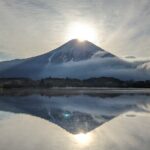
Lake Yamanaka is your chance to see Fuji in a more open, atmospheric setting. The tour gives you about 1.5 hours here, including time for a photo stop, free time, and a walk. This portion is more “views and breathing” than “run around for shots,” and that’s a good thing. After earlier stops, your legs will appreciate the calmer pace.
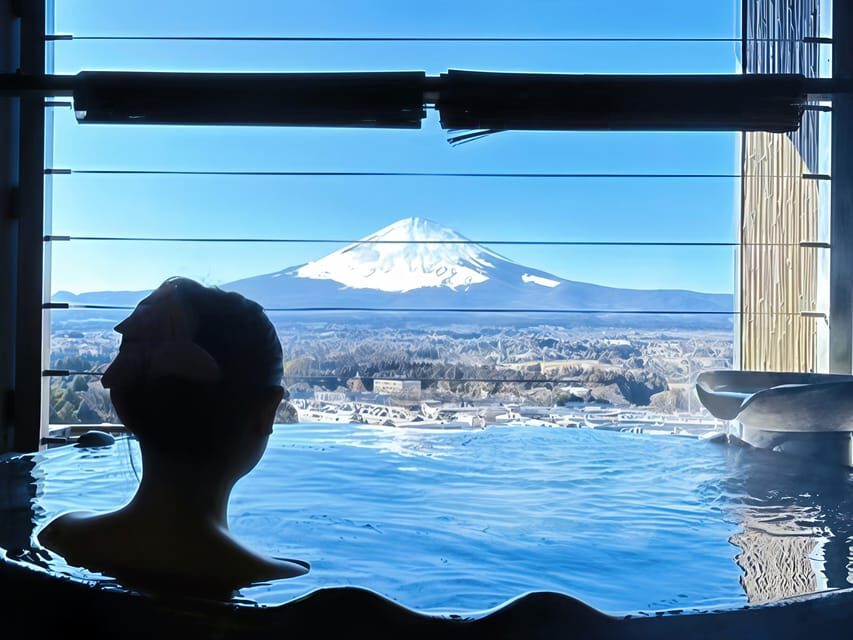
After that, you soak at Benifuji no Yu for about 1.5 hours. Admission isn’t included, so expect an extra fee on the day. This is the kind of add-on that can still be worth it because it turns your day from sightseeing into a real reset. Mt. Fuji views from a bath aren’t something you can fake with a photo filter.
Two very practical hot spring notes from the tour info:
- Hot springs are typically enjoyed without swimwear.
- Tattoos are generally not permitted. You may cover with bandages, and a private bath may be an option for an additional fee.
Also, the tour mentions swimming time and self-guided time in the hot spring area. Just be ready for a mix of soaking and relaxing, not a guided program.
Why I think this part is a strong value even when it’s not free: you’re ending your Fuji experience with sensory comfort—warm water, views, and a lower-stress atmosphere. For a day trip, that’s exactly the kind of memory hook you’ll remember after the photos fade.
The real pacing: what 10 hours feels like on your body
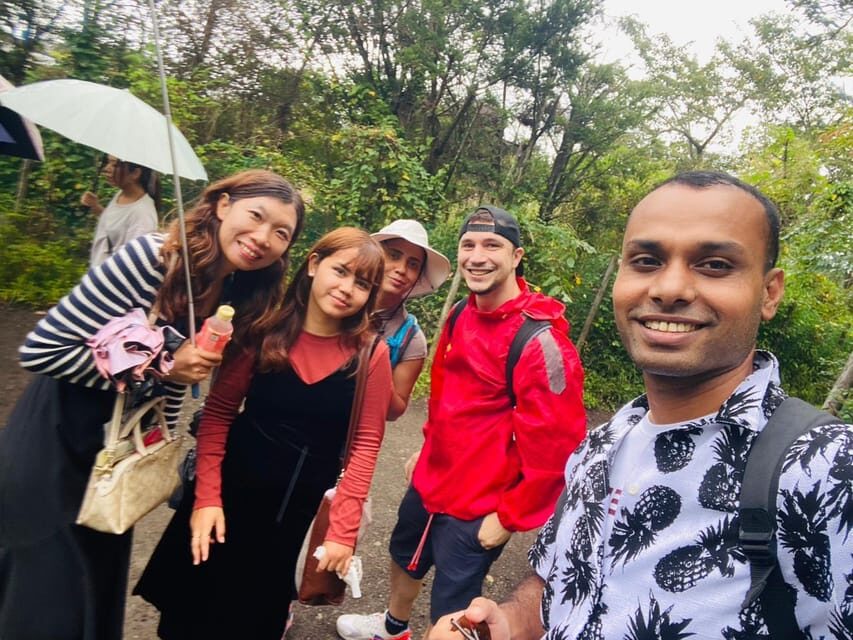
A 10-hour day trip from Tokyo sounds like a lot until you live it. Here’s how it tends to feel based on the stop structure and timing windows.
- You’ll spend meaningful time driving between areas (bus time totals about 2 hours at the start, plus about 2.5 hours on the return).
- Then you’re in a repeating rhythm: short transport, photo stop, a free-time window, regroup.
The win is that the schedule keeps your energy reasonable. You get enough free time to do something with the stop (not just stand there). But you also don’t get stuck in one place for so long that you lose your day to logistics.
Where you can get burned: if you’re a slow walker, or if you’re traveling in strong sightseeing season, you might wish you had a few extra minutes in each location. One review-style takeaway that matches the structure: people often say the route is well organized, but some stops can feel like “just enough.” That’s not a flaw—it’s the price of fitting multiple Fuji highlights into a single day.
Your best strategy:
- Prioritize one “must shoot” per stop.
- Save second-best shots for later in the day (if you get cloud breaks).
- Keep your expectations realistic: Mt. Fuji visibility depends on weather, and you’ll still want to enjoy what’s around it.
Also, remember the tour says the itinerary can shift during peak season due to traffic. That’s normal. The schedule is designed to keep you on track, but it won’t pretend traffic doesn’t exist.
Price and value: does $68 make sense for this day?
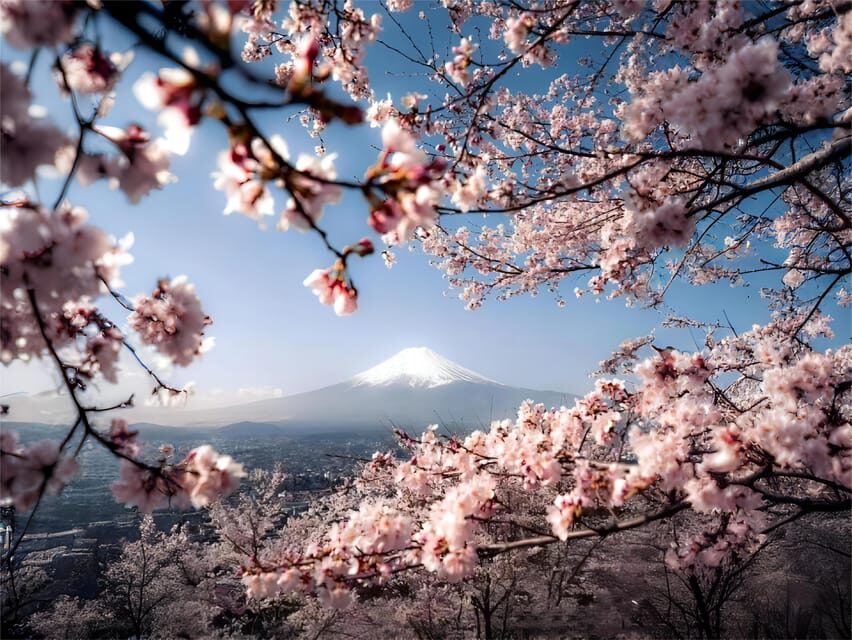
At $68 per person for a 10-hour small-group tour, the value comes from three things you don’t have to manage yourself:
1) Roundtrip transport from Tokyo, including highway and toll fees
2) A driver-guide on the route
3) A compact “greatest hits” Fuji-day structure
Where the value gets a little tricky: entry tickets and meals aren’t included. The hot spring admission at Benifuji no Yu is also not included, so your final spend will be higher than the base price once you add that. If you already plan to pay for a hot spring ticket and want organized transportation, the deal stays solid.
Still, this isn’t a full-service guided tour. You’re getting self-guided time at attractions, with only basic English explanations. If you want museum-style narration or deep cultural context at every stop, you might feel like you’re paying for logistics more than for guided education.
On the flip side, if your travel style is practical—photos, views, a calm hot spring finish—and you’d rather not spend half your day on trains, transfers, and route planning, then this is priced like a sensible shortcut.
Who should book this tour (and who might skip it)
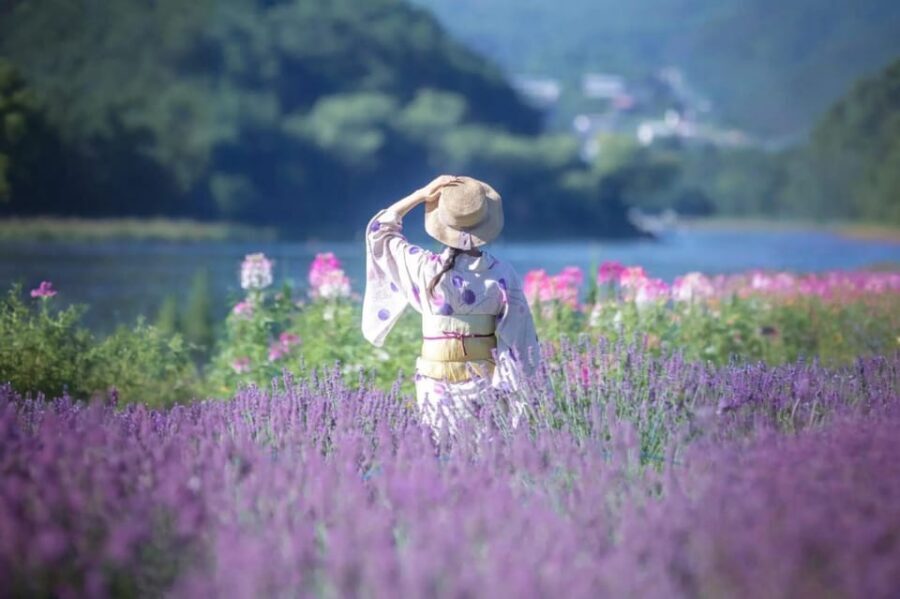
This tour fits best if you:
- want a Fuji day trip without wrestling schedules,
- like photography and want a sequence of different Fuji backdrops,
- appreciate a soak at the end of a sightseeing day,
- prefer small-group pacing (up to 9 participants).
It’s also a decent option if you live for “town stops,” not just nature. The Lawson storefront and Hikawa Clock Shop area add a lighter, more local-feeling rhythm between major scenery stops.
This tour may not fit if you:
- need lots of detailed guided explanations at each attraction,
- want a private, slow-paced itinerary,
- have mobility limits that make frequent stepping on and off the bus and walking periods difficult.
The tour also notes it’s not suitable for people over 80 years, so take that seriously for comfort and safety.
Finally, you’ll be happiest if you’re comfortable with the hot spring culture rules—no swimwear, and tattoo policies that may require covering or choosing a different bathing option.
Should you book Tokyo: Mt Fuji Lake Kawaguchi & Yamanaka Hot Spring Day Tour?
If you want one efficient day where Tokyo stays your base, and you still come home with a real Fuji payoff, I’d book it. The best reason is the combination: flower-and-lake views early, historic water calm in the middle, then the Lake Yamanaka hot spring finish with mountain scenery. That mix is hard to recreate without spending time planning and coordinating.
I’d think twice if you need deep guide-led explanations at every stop or if you’re chasing a specific, guaranteed weather-dependent view. Fuji visibility can’t be controlled. But the good news is this route keeps you busy with scenery and photo-friendly stops even when the mountain is shy.
If you go, do this to set yourself up for a better day: pack light, arrive early at Tokyo Station, keep your WhatsApp/LINE ready, and decide in advance what you want from each stop—one signature shot, one relaxed moment, then move on. That’s how you’ll get the most out of a 10-hour Fuji circuit.
FAQ
How long is the Tokyo–Mt. Fuji Lake Kawaguchi & Yamanaka day tour?
It runs for about 10 hours total.
Is this a private tour?
No. It’s a bilingual non-private tour with a small group size (limited to 9 participants).
Where do we meet the guide in Tokyo?
You meet at JR Tokyo Station Marunouchi North Exit. The guide shares the exact gathering location details by photo via WhatsApp.
Do I need to pay for the hot spring?
Yes. Admission to Benifuji no Yu is not included, so you should plan to pay on-site.
Does the itinerary change by season?
Yes. From approximately October 30 to November 25, the tour visits the Kawaguchiko Maple Corridor instead of Oishi Park to showcase autumn colors.
Are hotel pickups available?
Pickup is optional and available in 12 selected districts. If your hotel is outside the pickup area, you meet the guide at Tokyo Station with a partially refund of 3200 JPY.
What’s the hot spring etiquette (swimwear and tattoos)?
Hot springs are typically enjoyed without swimwear. Visible tattoos are generally not permitted; you may cover tattoos with bandages, and a private bath may be available for an additional fee.
What should I bring and avoid?
Bring comfortable shoes, a hat, camera, sunscreen, and water. Avoid smoking in the vehicle, and don’t bring visible large bags since luggage space is limited. Visible tattoos aren’t allowed.