REVIEW · TOKYO
Full Day Private Tour to Mt Fuji by Luxury Vehicle
Book on Viator →Operated by tripler.jp · Bookable on Viator
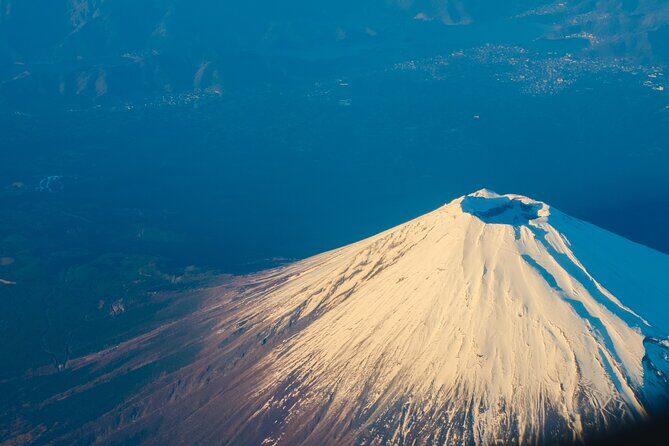
Fuji beats Tokyo traffic in comfort. I love that the day starts with hotel pickup and you also get real breathing room at each stop, not a sprint. This private Mt Fuji outing also leans on a luxury van approach, so you avoid the crowded-train shuffle and spend more time where the views and photos actually happen.
One big consideration: Mount Fuji sightings depend on weather. Even with smart timing and on-the-fly adjustments, fog and clouds can limit the iconic look, so go with a flexible mindset and enjoy the day’s places no matter what.
In This Review
- Key highlights that make this Mt Fuji day work
- Luxury van pickup: skipping the crowded train day
- Lake Kawaguchiko: aiming for the classic view across the water
- Oshino Hakkai: springs, ponds, and easy walking
- Houtou Fudou: a food stop that matters because lunch isn’t included
- Saiko Iyashi no Sato Nemba: traditional thatched houses by Lake Saiko
- Kitaguchi Hongu Fuji Sengen Jinja: cedar forest and pilgrimage history
- What to do when the weather won’t cooperate
- Price and value: $637.30 for up to 6 people
- Who should book this Mt Fuji luxury private tour?
- Should you book it? My practical take
- FAQ
- FAQ
- How long is the Mt Fuji private tour?
- How many people are in the group?
- Is hotel pickup and drop-off included?
- Is lunch included?
- What tickets are included or free?
- Do I get time to explore on my own at each stop?
- Is WiFi available during the tour?
- What happens if weather ruins the Mt Fuji views?
Key highlights that make this Mt Fuji day work
- Hotel pickup and drop-off means less hassle in Tokyo before you even reach Fuji
- Luxury van comfort helps you handle an 8 to 10 hour day without the packed-transit stress
- Free time at each stop lets you walk, snack, and take photos at your pace
- Lake Kawaguchiko timing is adjusted to maximize your chance of a clear Fuji view
- Traditional village stops bring that thatch-roof, old-Japan feeling without making you plan anything
Luxury van pickup: skipping the crowded train day
This is built for people who want Mt Fuji without the commuter experience. You meet the tour team at your hotel, then ride out in a spacious, luxury-style vehicle. That matters because the Tokyo-to-Fuji route is long enough that every transfer and wait can eat up your day fast.
For me, the best part is how the tour reduces decision fatigue. You’re not figuring out which station, which bus, which timing, which ticket desk, and which transfer will be easiest. Instead, you get a plan for where to stop, how long to stay, and how to move between sights.
The day runs about 8 to 10 hours, traffic and weather included. Times are treated as guidance, not promises, which is fair for any Fuji-area itinerary. You also get WiFi on board and bottled water, handy when you’re trying to keep kids calm, charge your phone for photos, or just stay comfortable between locations.
The group size is up to 6, which keeps the experience feeling private. You’ll still have structured stops, but you won’t be stuck in a huge crowd trying to find the same viewpoint as everyone else.
Other Mount Fuji tours we've reviewed at Mt Fuji & Kawaguchiko
Lake Kawaguchiko: aiming for the classic view across the water
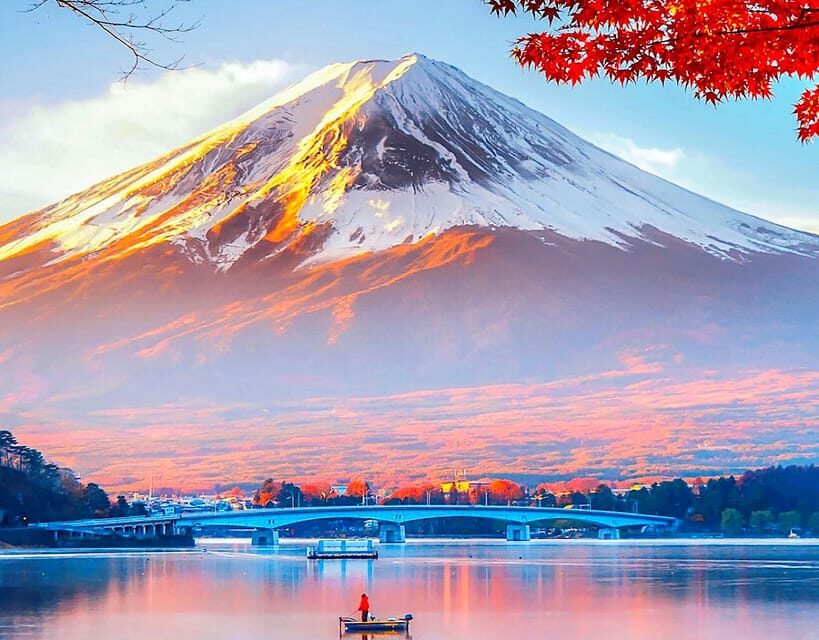
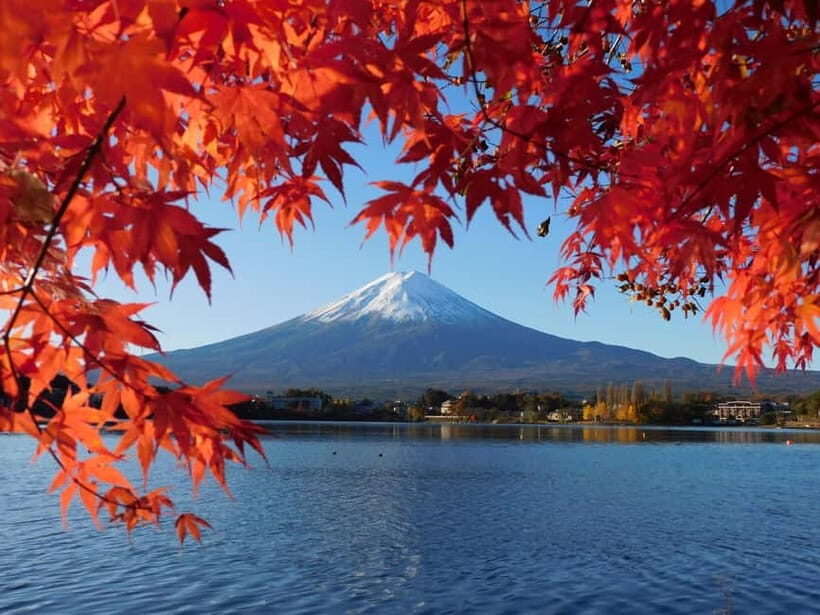
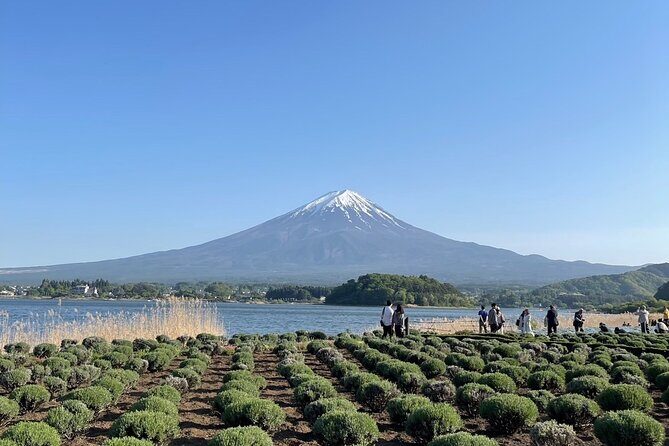
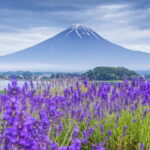
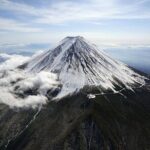
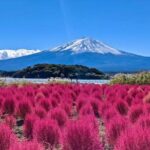
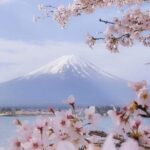
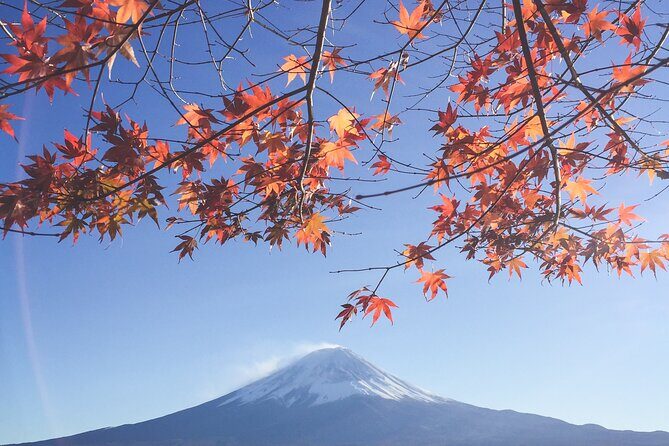
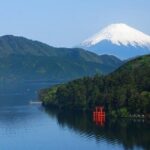
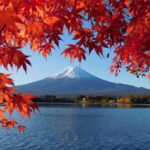
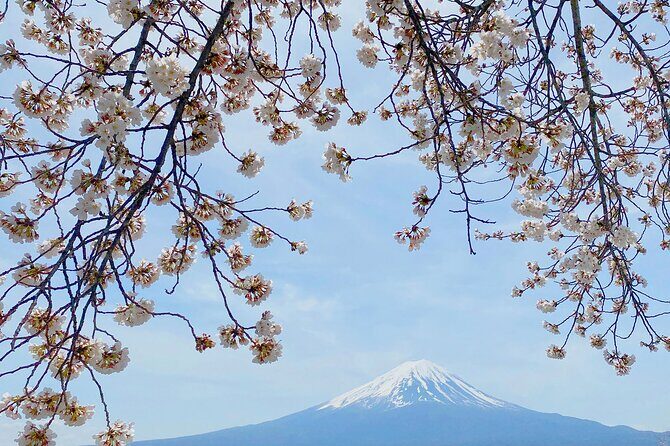
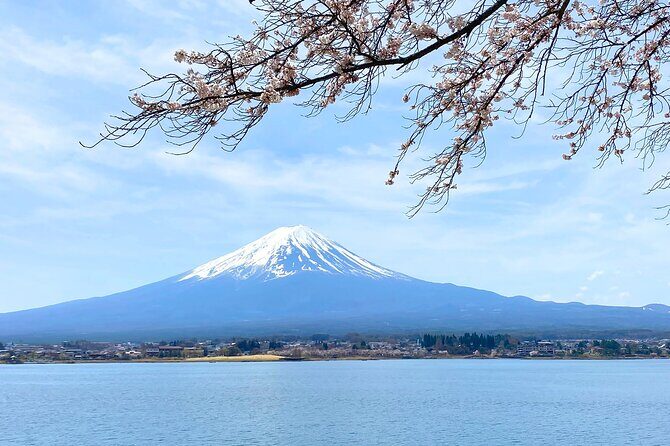
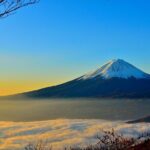
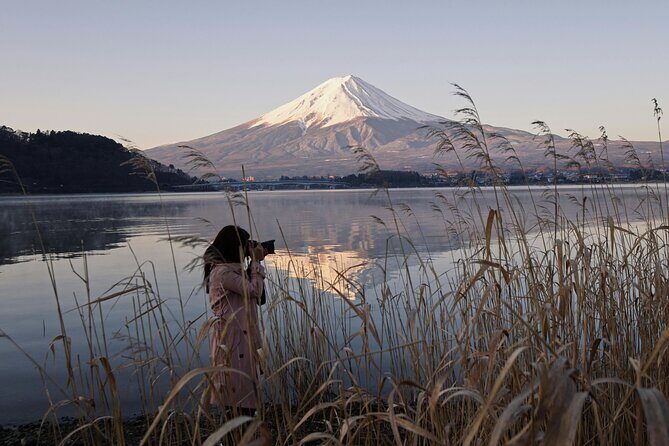
Lake Kawaguchiko is where most people hope to see Mt Fuji at its most recognizable. The tour schedules about 1 hour 30 minutes here, which is long enough to walk a bit and find a strong angle without feeling rushed.
Here’s the smart detail: the timing can be adjusted based on conditions to maximize the possibility of a clear view. That means the tour isn’t locked into a rigid clock. When skies cooperate, you’ll want that flexibility to catch the best moment. When they don’t, you still have time to enjoy the lakeside scenery and set yourself up for photos, even if Fuji shows up only in brief breaks of cloud.
Admission is free for this stop. That’s a small thing, but it helps you manage the day’s costs. Also, because you’re not tied to a paid attraction timeline, you can spend your time where you feel like it—lakeside wandering, viewpoint hunting, and quick photo attempts.
Practical tip: if you’re serious about photography, bring something warm even on mild days. Lake areas can feel cooler, and you’ll likely stand around more than you expect.
Oshino Hakkai: springs, ponds, and easy walking
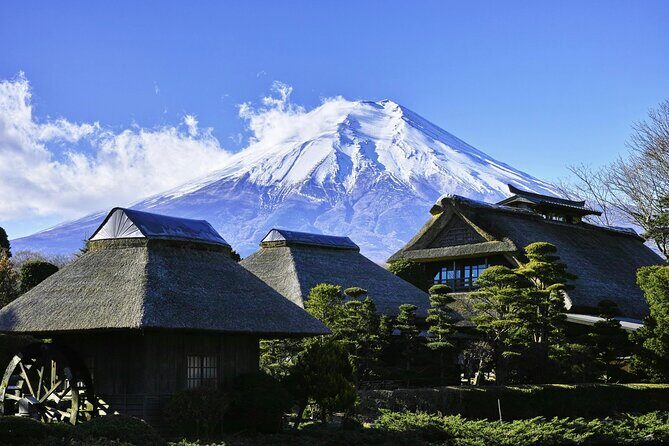
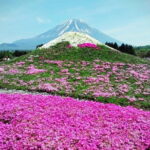
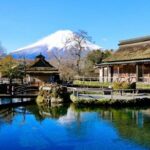
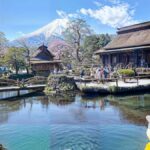
Next comes Oshino Hakkai, a low-key area built around Fuji’s pure springs. You get about 1 hour 30 minutes here, and the pace works well if you like to stroll and snack without overplanning.
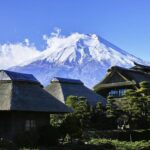
This stop is known for a village feel—thatch-roof buildings, walkable paths, and the eight springs fed by snowmelt from Mt Fuji. That “Fuji water” theme is why people come: the ponds and channels have a clean, almost calming look, and the scenery is great for casual photos.
The tour also gives you freedom to explore independently. You can grab local snacks, pop into a souvenir shop, and slow down without needing to follow every footstep.
Admission is free at Oshino Hakkai, which keeps the focus on the scenery rather than ticket lines. For a Fuji day, that’s a relief. You already have the long-distance travel in your schedule—so saving time and money on entry fees is a real value add.
One consideration: Oshino Hakkai can still be busy at peak times, even if this tour helps you avoid the bigger Tokyo crowds. If you want quiet, plan your walking paths a little off the main photo spots.
Houtou Fudou: a food stop that matters because lunch isn’t included
This is one of those itinerary choices that helps the day feel more Japanese and less like a sightseeing conveyor belt. Houtou refers to a regional noodle specialty—thick, hand-cut noodles in miso broth—because rice is difficult to grow in the area. Translation: the local food story is tied to geography.
You’ll spend about 2 hours at Houtou Fudou. That gives time to eat without turning it into a rushed lunch break, even though lunch is not included in the tour price.
This matters for budgeting and planning. If you eat in this area (and you probably will, since it’s the local reason for this stop), decide ahead of time whether you want something casual or a sit-down meal. You can also treat the stop like a “food and snacks” block—browse options, then settle in.
Admission is free for this part of the outing as well. The food and snack choices are the main event here, and since the tour includes enough time, you’re not forced into the first thing you see.
Saiko Iyashi no Sato Nemba: traditional thatched houses by Lake Saiko
Saiko Iyashi no Sato Nemba brings the old-village atmosphere to the lake edge. You get about 2 hours, and the setting is specifically described as being under the gaze of Mt Fuji—so it’s another place where weather can make a huge difference in what you see.
This stop is built around traditional thatched-roof homes. Inside, you can expect museums, gift shops, cafes, and restaurants, depending on what’s open. That mix makes the stop useful even if Fuji is faint. It’s not just a pretty exterior; it’s a place where you can spend time indoors too.
Here’s the cost detail: admission is not included for this stop. If you want to tour the indoor exhibits or go into the structures, you should plan on additional fees. The upside is that you’re already getting a structured two-hour block here, so you won’t waste time hunting for what to do once you arrive.
Photo note: this area is often a strong choice for architectural shots—thatch roofs, lake reflections, and Fuji in the background if clouds shift your way.
Other private guided tours at Mt Fuji & Kawaguchiko

Kitaguchi Hongu Fuji Sengen Jinja: cedar forest and pilgrimage history
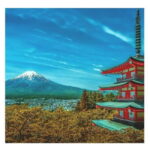
The final set of cultural stops leans more spiritual and historic. At Kitaguchi Hongu Fuji Sengen Jinja Shrine, you’re looking at a shrine dedicated to worshipping Mount Fuji. The grounds include a cedar forest, and trees are said to be over 1,000 years old, which adds weight to the experience beyond the view.
You’ll have about 1 hour 30 minutes here, which is enough time to walk the shrine path, take photos, and slow down. It’s also the kind of place where the details reward you for going a bit slower—wood, stone, forest shade, and the quiet rhythm of people paying respects.
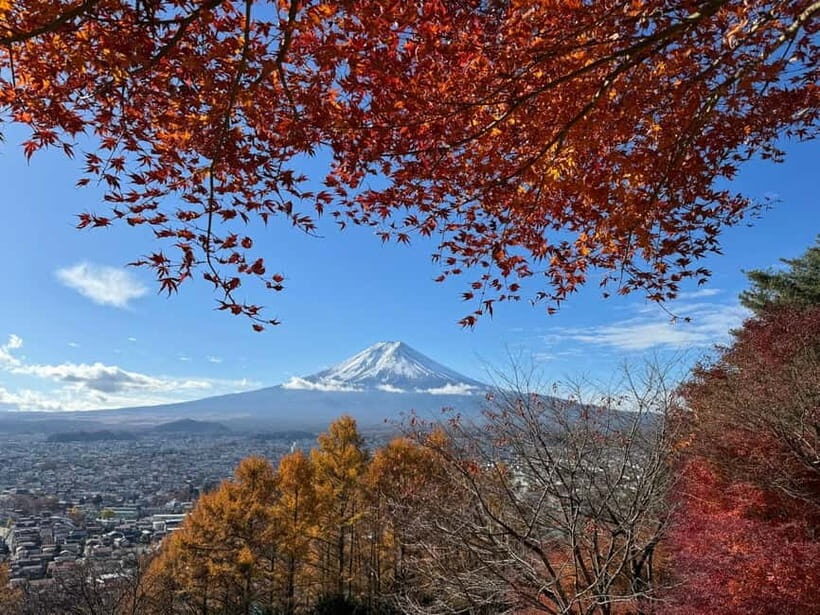
The shrine is described as a place connected to the start of climbs, where people used to pay respects before ascending Fuji. Even if you’re not climbing today, that context helps you understand why this mountain is treated like more than a postcard.
Admission is free for this stop, so you’re paying for the experience through time and attention, not entry fees.
What to do when the weather won’t cooperate
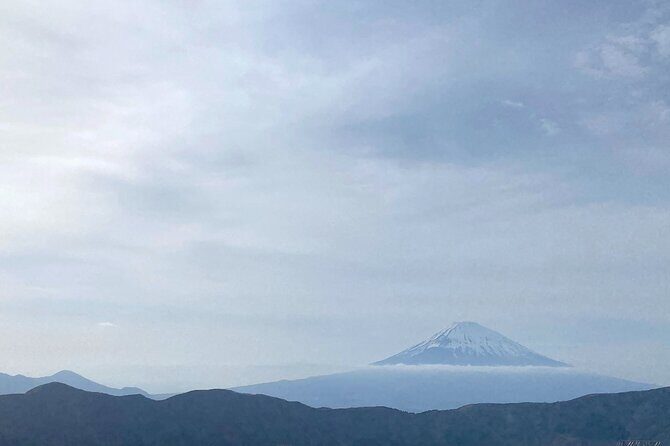
This tour explicitly depends on weather, and that’s not a marketing slogan—it’s a scheduling reality in the Fuji region. If clouds and mist block visibility, you might not get the dramatic Mt Fuji look you’re hoping for.
Still, the tour is designed for this situation. The most important operational idea is flexible timing, especially at Lake Kawaguchiko, where the schedule can shift to catch clearer conditions. That gives you more chances rather than forcing you into one view moment at the wrong time.
Comfort also matters when weather turns. In one reported experience, the guide (Rich) brought umbrellas for everyone and stayed patient and accommodating even when the skies didn’t play along. That kind of practical care makes a day feel smoother, because you’re not spending your tour hunting for a shop that sells rain gear.
If the entire tour is canceled due to poor weather, you’re offered an alternative date or a full refund. It’s the kind of setup that keeps you from feeling stuck with ruined plans.
Price and value: $637.30 for up to 6 people
Let’s talk value plainly. The price is $637.30 per group, for up to 6. If you split it between 4 people, you’re paying far less per head than buying separate trains, taxis, and paid tours that stack up quickly. Even with 6 people, it can still feel expensive compared to public transport—but you’re paying for convenience, comfort, and a private schedule.
What you’re getting that public travel usually makes annoying:
- Private transportation with a luxury vehicle
- Hotel pick up and drop-off (big time saver in Tokyo)
- WiFi and bottled water
- A day-long route with multiple Fuji-region stops and planned time windows
- A guide who helps you move efficiently and keeps the day flowing
What costs extra:
- Lunch is not included
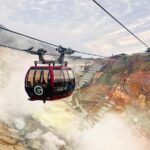
- Ropeway or museum tickets are not included if applicable
- Saiko Iyashi no Sato Nemba admission is not included
So for value, think like this: this tour is easiest to justify if you care about saving time and avoiding stress more than squeezing every yen. It’s also ideal when you’re traveling as a family or small group and want everyone together in one vehicle.
Who should book this Mt Fuji luxury private tour?
This tour fits best if you want Mt Fuji without turning the day into logistics homework.
You’ll likely enjoy it if:
- You’re traveling with family members who won’t love long train transfers
- You care about photos and want time built into the schedule for viewpoint hunting
- You want classic Fuji-area stops—Lake Kawaguchiko, Oshino Hakkai, and shrine grounds—without planning it yourself
- You prefer a private group of up to 6 over joining a large tour bus crowd
It may be less ideal if you love independent travel planning and you’re comfortable building a schedule from public transport, or if you’re budget-only and don’t want to pay for convenience.
Also, note how much of this day can be shaped by weather. If you’re visiting during a season where clouds are common, go into it knowing you’re booking the experience and the places as much as the view.
Should you book it? My practical take
Book this tour if your priority is a smooth, comfortable Mt Fuji day with hotel pickup, a private vehicle, and planned photo stops. The structure matters: it prevents decision fatigue and keeps your day from getting hijacked by transfers and timing mistakes.
Skip it or rethink if weather-view certainty is your only goal and you need guaranteed iconic Fuji from every angle. Fuji can be shy. The good news is that this itinerary is strong even when Fuji is partially hidden, because it includes springs, shrine atmosphere, and traditional village exploring—not just one lakeside viewpoint.
FAQ
FAQ
How long is the Mt Fuji private tour?
The tour runs about 8 to 10 hours. Time at each stop is approximate, and travel time isn’t included in the listed stop durations since traffic and weather can change the schedule.
How many people are in the group?
It’s a private tour, with only your group participating. The group size is up to 6.
Is hotel pickup and drop-off included?
Yes. Hotel pick up and drop off are included.
Is lunch included?
No. Lunch is not included.
What tickets are included or free?
Most stops have admission ticket free as listed. Saiko Iyashi no Sato Nemba admission is not included, and ropeway or museum tickets may be additional if applicable.
Do I get time to explore on my own at each stop?
Yes. You’ll have free time for independent exploring at each location.
Is WiFi available during the tour?
Yes. There is WiFi on board.
What happens if weather ruins the Mt Fuji views?
This experience depends on good weather. If it’s canceled due to poor weather, you’ll be offered a different date or a full refund. There’s also free cancellation up to 24 hours before the start time for a full refund.