REVIEW · TOKYO
Tokyo: Instagram-Worthy Mt Fuji & Lake Kawaguchiko Day Trip
Book on Viator →Operated by Hakuu · Bookable on Viator
Fuji photos are a timing game. This Tokyo to Mount Fuji and Lake Kawaguchiko day trip is built for maximum viewpoint time and easy logistics, so you spend less energy planning and more time shooting. I love how the route is packed with classic stops locals go to, including Chureito Pagoda and Oshino Hakkai’s eight springs.
The other thing I like a lot is the hassle-free Tokyo Station start, which keeps your day simple from minute one. One drawback to consider: you’re on a schedule, so if you want slow, deep cultural storytelling at every stop, you may feel it moves fast.
In This Review
- Key things to know before you go
- Why this Fuji day trip feels different from a basic bus ride
- Getting started: Tokyo Station pickup that sets the tone
- Stop 1: Arakurayama Sengen Park and the Chureito Pagoda photo sprint
- When the itinerary changes (and why)
- Stop 3: Oshino Hakkai and the calm of eight springs
- Stop 4: LAWSON Kawaguchiko Station and the famous Fuji convenience-store shot
- Stop 5: Lake Kawaguchiko Ohashi Bridge and the Oishi Park finishing plan
- Stop 6: Maple Corridor in late October and November (when Oishi Park gets skipped)
- Timing and pace: what 10 hours really feels like
- Price and value: where the $161 goes
- Weather reality: how to think about Fuji visibility
- Who this tour is best for (and who should skip it)
- Should you book the Tokyo to Mount Fuji photo day trip?
- FAQ
- Where does the tour start?
- What time does the tour start?
- How long is the tour?
- How large is the group?
- Is there a mobile ticket?
- What are the main stops on this day trip?
- Is admission included?
- Does the itinerary change in cherry blossom season?
- What happens in late October and November?
- Can I cancel for a full refund?
Key things to know before you go
- Chureito Pagoda at Arakurayama Sengen Park: a short hike to one of the most photographed Fuji views in Japan
- Oshino Hakkai’s eight springs: clear, calm water that mirrors Mount Fuji when the skies cooperate
- Lawson Kawaguchiko Station photo stop: a convenience-store viewpoint that’s famous for a reason
- Seasonal swap: late October to mid-November focuses on the Maple Corridor instead of Oishi Park
- Small group size (max 21): easier pacing and less chaos at the photo stops
- Fuji isn’t guaranteed: the itinerary gives you multiple chances from different angles
Why this Fuji day trip feels different from a basic bus ride
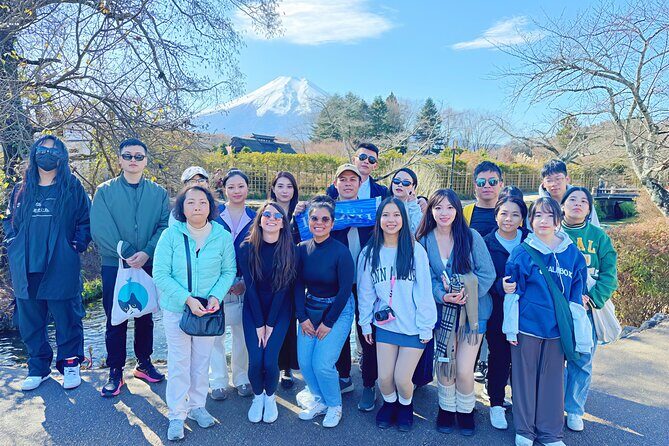
Mount Fuji can be shy. One hour it’s crisp and clear, the next it hides behind clouds, haze, or even just a thick patch of weather that rolls in fast. This is exactly why I like a photo-focused day trip over DIY-only travel: you get multiple chances to see the mountain and multiple viewpoints to try.
The tour also wastes less time on “maybe” plans. Instead of random stops, the day is built around places that deliver the Fuji shot. You’ll do the short walks and picture time, then move on before the area gets too crowded or the light changes.
Just as important, you’ll be with a guide. In the best versions of this trip, guides like Hikari or Sakura are praised for directing the group, keeping things moving, and pointing out good angles. That kind of on-the-ground guidance matters when you’re trying to nail photos without turning your entire day into a route-planning project.
One practical note: your comfort depends on weather and season. If it’s hot, the small hikes can feel longer. If it’s winter, you might get clearer visibility, but you’ll want warm layers for the walks.
Other Mount Fuji tours we've reviewed at Mt Fuji & Kawaguchiko
Getting started: Tokyo Station pickup that sets the tone
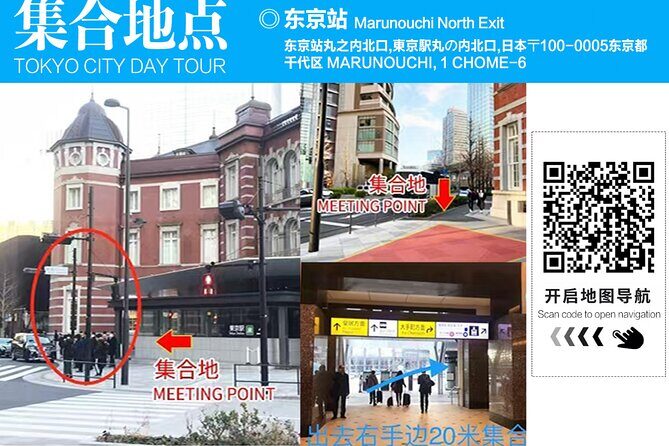
The meeting point is Tokyo Station, 1 Chome-9, Marunouchi, and the tour starts at 8:00 am. It’s a clean setup because Tokyo Station is easy to navigate, even if you’re still getting your bearings.
The tour duration is about 10 hours including travel time, and you’ll end back at the meeting point. In real life, traffic and exact pacing can stretch the day. If you’re the type who needs a strict dinner reservation at night, build in flexibility, because the end time can shift later on busy days.
This “start in the morning and return to Tokyo Station” format is also a value play. You’re essentially paying for the bus, the parking, and the guide coordination so you don’t have to stitch together train schedules, transfers, and location timing.
Stop 1: Arakurayama Sengen Park and the Chureito Pagoda photo sprint
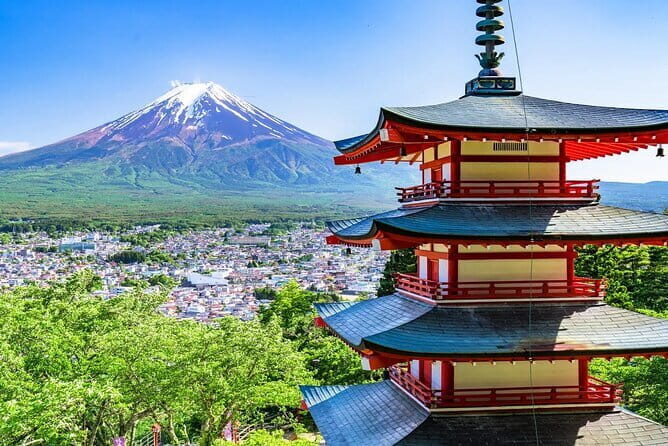
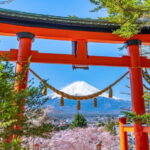
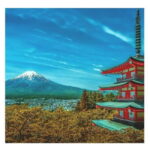
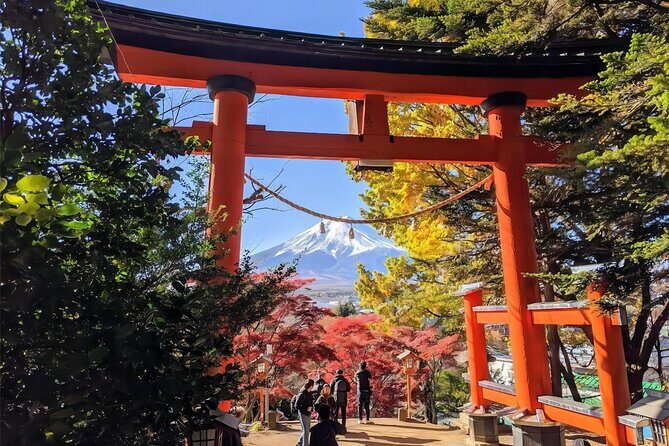
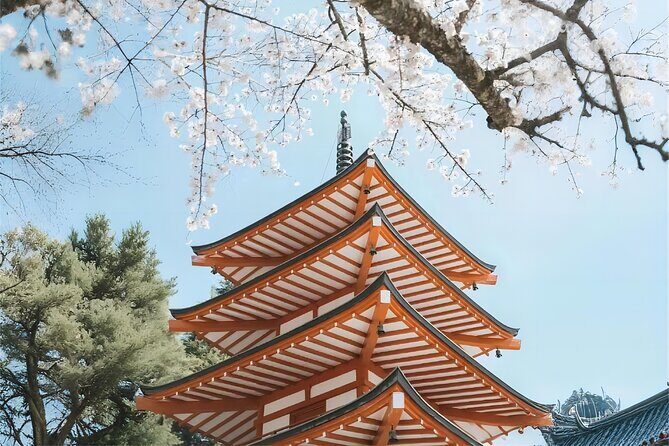
Your first major viewpoint is Arakurayama Sengen Park, famous for the Chureito Pagoda. This is one of those places where the view looks instantly iconic, even before you understand why it’s so widely photographed.
Here’s what makes it worth your time:
- The viewpoint setup gives you a layered Fuji composition: pagoda in front, mountain in the back.
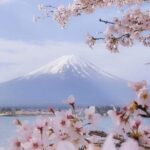
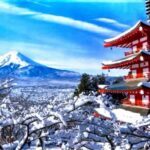
- There’s seasonal sparkle. In mid-April, you can catch cherry blossoms around this area, and in November you’ll be chasing autumn color.
- You get movement built into the stop, which helps if Fuji briefly clears.
The hike is part of the deal. It’s short, but it’s real. One highlight from people who enjoyed the experience is the walk with about 400 steps up toward the shrine viewpoint. In summer heat, that can feel like a bigger workout than you expect, so plan for a slower pace and quick water breaks if needed.
If you want a fast, no-stress photo moment, this stop can deliver. If you want a long, quiet stroll, you may feel a bit rushed because the tour is designed to fit multiple key locations into one day.
When the itinerary changes (and why)
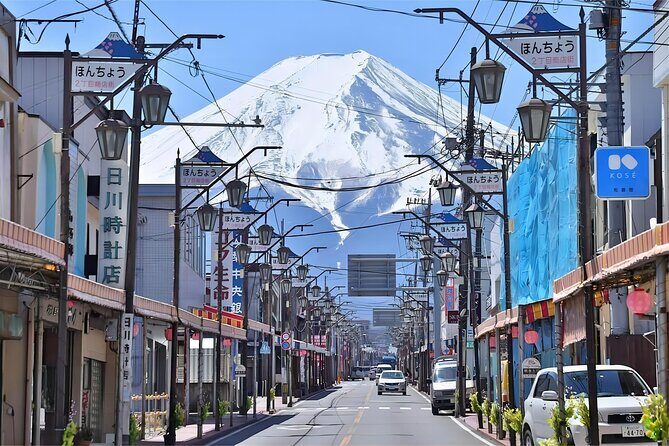
There’s a planned adjustment around the Hikawa Clock Shop during the 2025 cherry blossom window (April 1–18). The tour skips it to manage traffic and time, so you don’t lose the day to delays.
That kind of decision is actually useful. Fuji day trips live and die by timing, especially around peak seasons. You’ll still get plenty of Fuji chances even when a stop is skipped.
Stop 3: Oshino Hakkai and the calm of eight springs
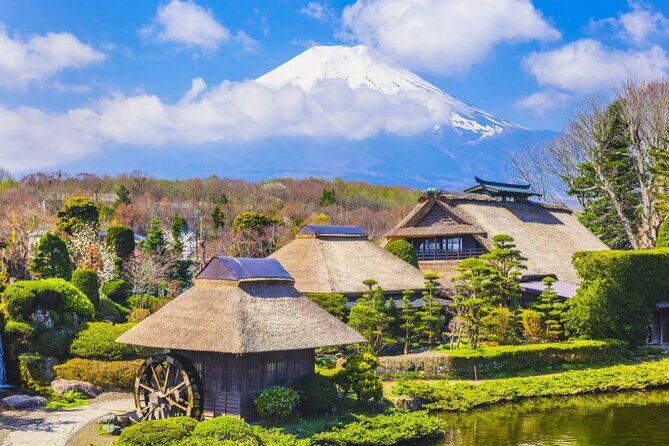
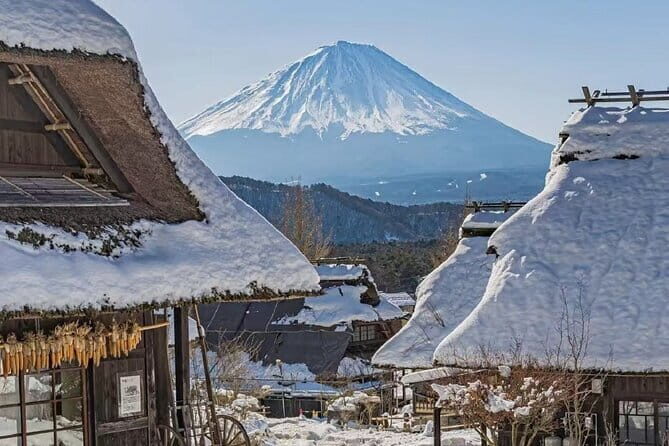
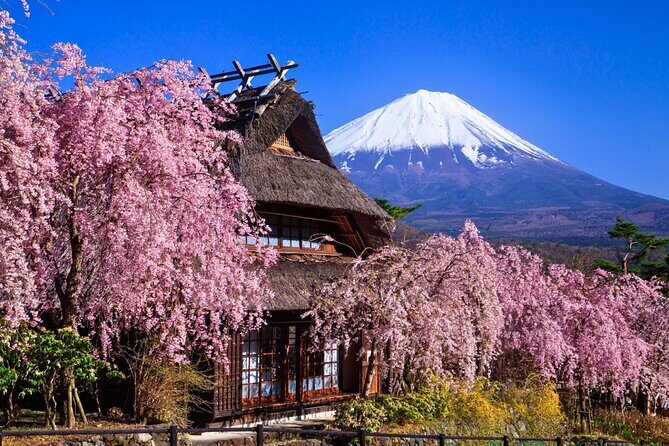
Next up is Oshino Hakkai, a natural monument made up of eight clear springs formed by snowmelt from Mount Fuji. The key here is the mood: this isn’t only about photos. It’s also a chance to slow down for a while and enjoy water that looks almost unreal in the right light.
Why this stop works:
- The water is the star. When Fuji is visible, you can get mirror-like reflections.
- The area feels peaceful compared with the most crowded viewpoint zones.
- It’s a break from the constant “shoot and run” rhythm you get at some tourist stops.
This is also where you’ll appreciate the value of having time set aside for the walk and photo angles. Even if Fuji is cloudy, the springs are still pretty. If you catch a clearer moment, it turns into a much more magical scene.
One drawback to keep in mind: if you’re expecting a big museum-style explanation with deep culture lessons, this stop is more about seeing and experiencing than sitting and listening. You’ll likely get practical guidance from your guide, but the core “why it matters” is best understood by looking.
Other Lake Kawaguchiko tours at Mt Fuji & Kawaguchiko

Stop 4: LAWSON Kawaguchiko Station and the famous Fuji convenience-store shot
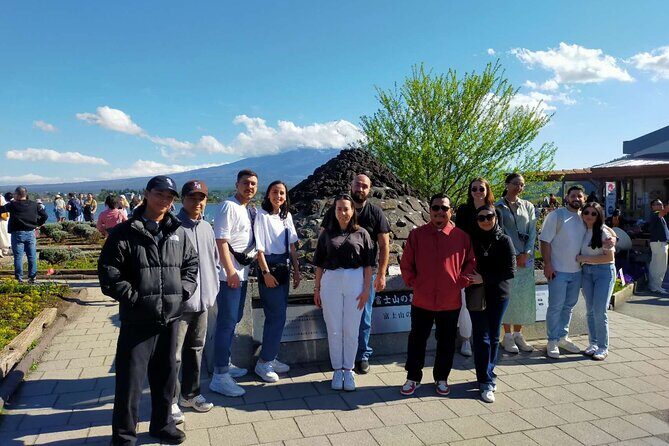
Then you’ll head to LAWSON Kawaguchiko Station, the quirky-but-famous convenience store viewpoint near Kawaguchiko Station. It’s the kind of photo stop that makes you wonder why it’s famous until you see the framing.
What to expect:
- You’ll have a short window to set up your shot.
- The Fuji view here is direct and clean, with the store acting as a strong foreground element.
- It’s a good “backup” location because the framing works even when the rest of the area is busy.
This stop is also an efficient way to keep your energy up. You’re not just standing around for photos; you can usually grab a snack or drink if you need a quick reset (not included in the tour price, but it’s part of the convenience-store appeal).
If you’re picky about getting the perfect picture, you’ll appreciate this kind of viewpoint where you can control your framing without a long walk. If you’re hoping for a deep cultural stop here, it’s not that. It’s a practical photo stop.
Stop 5: Lake Kawaguchiko Ohashi Bridge and the Oishi Park finishing plan
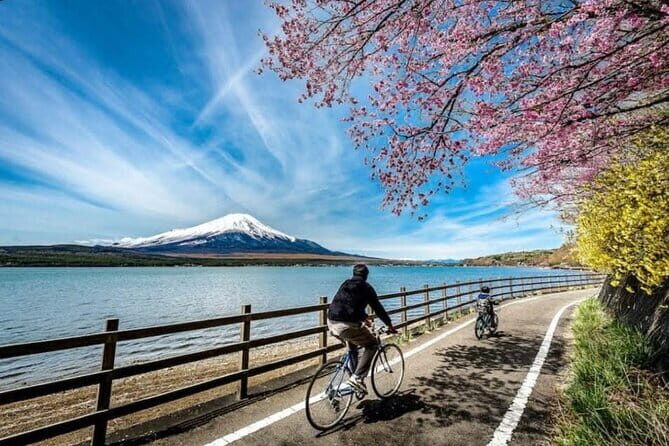
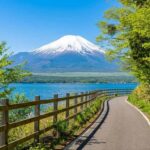
After that, the itinerary moves toward the lake area, with a stop near Ohashi Bridge. Lake Kawaguchiko is where Fuji often looks its most dramatic, but again, cloud cover changes everything. The strategy here is simple: keep you moving through a few high-percentage angles around the lake.
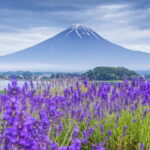
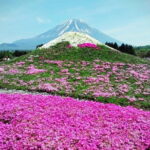
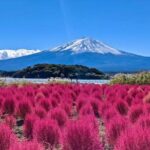
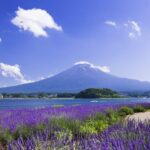
Most of the year, the day finishes at Oishi Park, known for flower fields. The idea is that after you’ve worked through the mountain viewpoints, you end with color and a wide, photogenic scene near the water.
This is where you’ll see the tour’s seasonal flexibility in action. During times when flowers and foliage are best, the tour is designed to match the “what looks good now” factor.
If you’re visiting in hot weather, flowers can still be beautiful, but the walks and sunlight can feel intense. Bring sun protection and plan for slower photo sessions if you need breaks.
Stop 6: Maple Corridor in late October and November (when Oishi Park gets skipped)
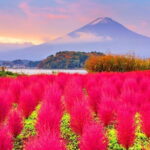
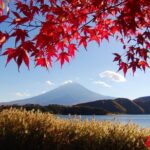
From approximately October 30 to November 20, the tour switches plans and visits the Kawaguchiko Maple Corridor instead of Oishi Park. There’s also a note that the Maple Corridor is the focus during a limited period from around October 20 to November 20, with Oishi Park not included in that window.
This is the autumn version of the Fuji chase:
- Fuji is staged against red maple leaves.
- The payoff is a color-and-mountain combination you won’t get any other season.
- It’s exactly the kind of shot that works best when the sky clears at the right moment.
If you want fall colors, this swap is a big reason the tour is worth booking instead of improvising. Timing an autumn Fuji day trip is not just about transport; it’s about reaching the correct viewing area while the color is peak.
One more weather reality: late autumn can still have cloudy days. The tour’s structure helps because you’re not relying on one single spot. You’re trying multiple.
Timing and pace: what 10 hours really feels like
The tour runs about 10 hours including travel time. That sounds straightforward until you remember Japan traffic patterns and peak season crowds around the Fuji area. One of the most common criticisms from less happy experiences is that the day can feel like you’re “driving from place to place and taking photos.”
Here’s the honest tradeoff:
- This tour is designed to hit key viewpoints efficiently.
- That means you won’t get long, deep time at every stop.
- Guides can either make that pace feel fun and guided, or it can feel rushed if you want more explanation and slower walking.
The best-run versions of the day do a good job with transitions. In the standout experiences, guides like Hikari and Sakura are described as funny, helpful, and focused on helping the group get the shot. The goal is not just photos for photos’ sake; it’s reducing confusion and helping you know where to stand.
So if you’re the type who loves photo challenges and doesn’t mind moving, you’ll likely feel great about the pace. If you want a relaxed half-day feeling, you might find it too full.
Also, keep in mind that the start is early (8:00 am). You’ll be ready for a full day. If you’re prone to getting cranky before 11:00 am, this may be a long stretch.
Price and value: where the $161 goes
At $161, this isn’t the cheapest way to reach Mount Fuji. But it also isn’t just a ticket to sit on a bus. You’re paying for a few big value elements that add up in a one-day trip:
- Transportation with parking included
- Driver and guide service fee
- A schedule that strings together high-probability photo locations around Lake Kawaguchiko
If you tried to build the same day yourself, the hardest parts would be the coordination: getting to each viewpoint at the right time, managing transfers, and knowing where to stand for a good Fuji frame. This tour hands you that structure.
What’s not included matters, too. The tour notes that other personal expenses and dinner aren’t included. Also, admission is listed separately in the tour details. For your planning, treat it like this: some stops have admission included (like entry for Arakurayama Sengen Park), while others are free to visit.
Value-wise, the money makes the most sense if you want:
- a photo-first itinerary,
- guidance and routing,
- and the relief of not planning the entire day by yourself.
Weather reality: how to think about Fuji visibility
You don’t control fog and clouds. But you can control how prepared you are. Fuji can appear briefly and then disappear again. That’s why the multi-stop plan is smart. You’re not stuck betting everything on one viewpoint.
If you’re lucky with weather, you get:
- crisp Fuji silhouettes,
- clear reflections at Oshino Hakkai,
- and strong framing at the Lawson Kawaguchiko Station viewpoint.
If you’re unlucky, you still get:
- the experience of the lake area,
- the eight-spring water feature,
- and plenty of scenery even when the mountain is partially hidden.
One thing I’d do: bring a light layer plus something for wind. Even in seasons that don’t sound cold, Fuji-area air can feel sharper than you expect near the lake.
Who this tour is best for (and who should skip it)
This day trip is a strong match if you:
- want a Fuji photo route that doesn’t require planning every transfer,
- like having a guide help you find good angles and keep the group on track,
- enjoy seasonal highlights like cherry blossoms or maple color.
It’s also a good fit for first-time visitors to Japan who want a classic Mount Fuji experience without turning the day into logistics work.
You might want to look elsewhere if you:
- need slower pacing and longer cultural stops at each location,
- dislike tight time windows where you can feel pushed to move along,
- expect the day to feel like a lecture tour rather than a viewpoint tour.
Also, note the tour’s group limit (max 21). That’s small enough to feel manageable, but it still means you’re sharing space at the popular photo moments.
Should you book the Tokyo to Mount Fuji photo day trip?
Yes, I’d book it if your top priority is seeing Mount Fuji and getting multiple chances for great photos without building the itinerary yourself. The itinerary is built for efficiency and seasonal payoff: Arakurayama Sengen Park for Chureito Pagoda, Oshino Hakkai for the eight springs, a memorable Lawson Kawaguchiko Station viewpoint, and then either Oishi Park flowers or Maple Corridor autumn color.
I’d hesitate if you’re the type who wants long, detailed explanations and lots of quiet time. This is a moving day. When the guide is strong, it feels fun and well-run. When the pacing feels rushed, it can feel more like transportation with photo stops than a slow cultural journey.
If you can handle an early start, want Fuji odds through multiple viewpoints, and care about the season (especially autumn), this is a solid way to spend your day.
FAQ
Where does the tour start?
The tour meets at Tokyo Station, 1 Chome-9, Marunouchi, Chiyoda City, Tokyo 100-0005, Japan.
What time does the tour start?
The start time is 8:00 am.
How long is the tour?
It runs about 10 hours, and that total includes travel time.
How large is the group?
The tour has a maximum of 21 travelers.
Is there a mobile ticket?
Yes, it’s listed as a mobile ticket.
What are the main stops on this day trip?
You visit Arakurayama Sengen Park, Oshino Hakkai, LAWSON Kawaguchiko Station, Lake Kawaguchi Ohashi Bridge, and then either Oishi Park or the Kawaguchiko Maple Corridor depending on the season.
Is admission included?
Admission is listed as not included generally, but Arakurayama Sengen Park shows admission included on the itinerary, and other stops are listed as free.
Does the itinerary change in cherry blossom season?
Yes. There’s an update for 2025 cherry blossom traffic regulations (Apr 1–18): the tour skips the Hikawa Clock Shop to maximize time at Arakurayama Park.
What happens in late October and November?
From approximately Oct 30 to Nov 20, the tour visits the Kawaguchiko Maple Corridor instead of Oishi Park to showcase autumn colors.
Can I cancel for a full refund?
Yes. Free cancellation is available up to 24 hours before the experience starts for a full refund.