REVIEW · TOKYO
Mt Fuji Private Tour with English speaking driver
Book on Viator →Operated by Sakura International Travels · Bookable on Viator
Want Mt. Fuji without the hassle? This private day trip out of Tokyo uses an English-speaking driver and smart stop times to give you a full, Fuji-focused day. You’ll base yourself in the classic sights around the Fuji Five Lakes area, starting and ending back near Asakusa.
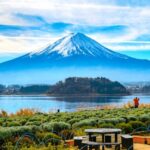
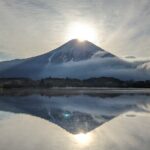
I love the mix of big icon views and small, local-feeling stops—think Mt. Fuji 5th Station plus the shrine-and-park viewpoints at Arakura. I also like how the driver keeps things practical: the plan is structured, but the guide can adjust on the day so you can chase clearer moments of visibility and still hit the highlights.
One watch-out: the Mt. Fuji 5th Station admission isn’t included, and the ropeway is optional (ticket not included if you choose it). And like all Fuji days, you’re at the mercy of weather—good conditions matter.
In This Review
- Key highlights worth knowing
- Your day starts in Asakusa (and ends there too)
- What you’re really paying $160 for
- Mt. Fuji 5th Station: the iconic start (optional, and admission extra)
- Arakura Fuji Sengen Shrine and Park: pagoda + Fuji framing
- Oshino Hakkai ponds: short stop, big local story (and free)
- Mt. Fuji Panoramic Ropeway: optional, but it can add altitude-feel fast
- Oishi Park and Lake Kawaguchiko: lake views without overplanning
- Kitaguchi Hongu Fuji Sengen Jinja: a UNESCO-linked shrine stop
- Your English-speaking driver makes or breaks a Fuji day
- Weather is the real itinerary: plan for the best and the backup
- Who this tour is best for
- Should you book Mt. Fuji Private Tour from Asakusa?
- FAQ
- Where does the tour start?
- Is pickup available?
- Does the tour end back at the meeting point?
- How long is the tour?
- Is this a private tour?
- Is an English-speaking driver included?
- What is included in the price?
- What is not included?
- Which stops are listed as free?
- Is the Mt. Fuji Panoramic Ropeway stop optional?
- Does weather affect the tour?
- Can I cancel and get a full refund?
Key highlights worth knowing
- Private English-speaking driver: You get a more direct, low-stress route than DIY train changes
- Mt. Fuji 5th Station (optional): A long-enough stop to feel like you actually arrived at the mountain
- Arakura Fuji Sengen Park: A shrine viewpoint with a pagoda frame and serious photo potential
- Oshino Hakkai ponds (free): Eight ponds tied to the region’s old lake history
- Lake Kawaguchiko and Oishi Park: Easy, scenic breaks with lake-and-Fuji views
Your day starts in Asakusa (and ends there too)
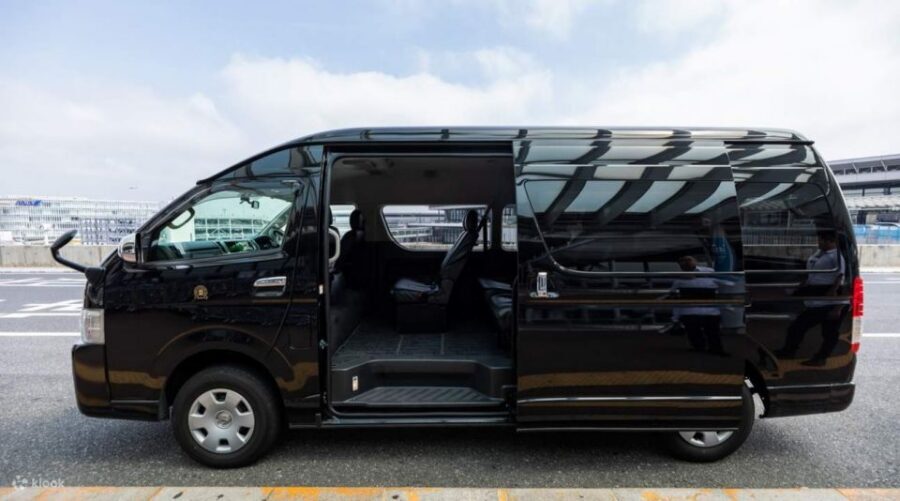
This tour is designed as a 9-hour, private Fuji day from Tokyo. The meeting point is the Kaminarimon Gate area in Asakusa (2-chōme-3-1, Taito City), and the day ends back at the same place. Pickup is offered, so you can avoid that early-morning scramble through transit—especially helpful if you’re staying farther out.
The ride is in an air-conditioned vehicle, and fuel plus tolls are included. Translation: you’re paying for movement, not just sightseeing entrances, and that matters on a day like this when distances add up fast.
Other Mount Fuji tours we've reviewed at Mt Fuji & Kawaguchiko
What you’re really paying $160 for
At $160, the value depends on how you like to travel. If you prefer DIY planning, you might find cheaper options—but you’d be juggling trains, buses, and timing on a very weather-sensitive itinerary. Paying for a private day with an English-speaking driver helps you keep your mental energy for the views and the cultural stops.
Here’s what’s included: the air-conditioned vehicle, fuel, and tolls. What’s not included: admission for Mt. Fuji 5th Station, and the ticket for the Mt. Fuji Panoramic Ropeway if you decide to use it. Many of the other stops are listed as free, which helps the day stay within budget.
Also, because it’s a private tour, only your group participates. That usually means fewer compromises and a schedule that’s easier to shape around your comfort level—like how long you want to linger at a viewpoint.
Mt. Fuji 5th Station: the iconic start (optional, and admission extra)
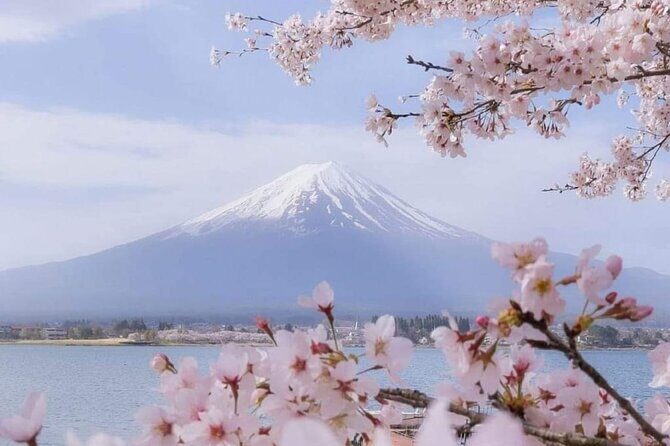
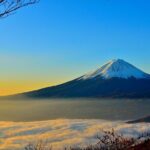
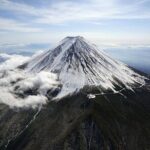
The day’s first Fuji hit is the Mt. Fuji 5th Station. It’s an optional stop with about 2 hours allocated. This is the point many people imagine when they think of “getting close” to the mountain, and it’s also the most likely place where visibility can make or break your day.
A key detail: admission for the 5th Station isn’t included. So if you’re planning to go up, budget for that extra cost. Also, bring realistic expectations—Mt. Fuji visibility changes with weather, and the tour specifically requires good conditions to run as planned.
Why this stop is worth considering anyway: even if you’re not hiking, the 5th Station gives you that sense of altitude and presence. It’s a strong “I’m really here” moment, not just another distant photo.
Arakura Fuji Sengen Shrine and Park: pagoda + Fuji framing
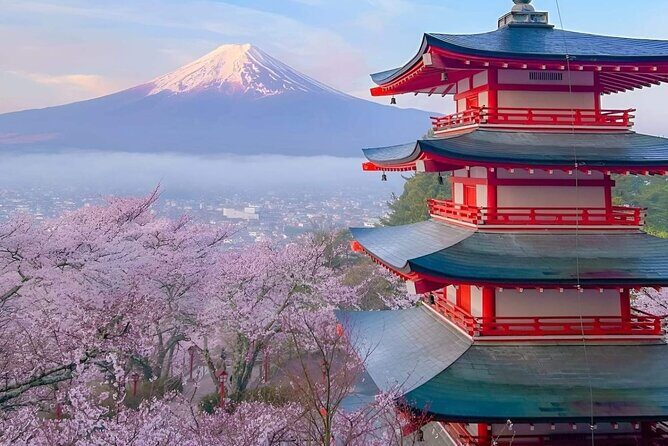
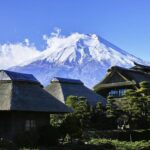
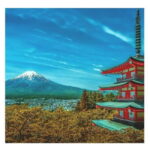
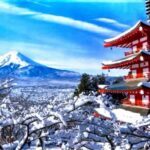
Next up is Arakura Fuji Sengen Shrine at Arakurayama Sengen Park. You get about 2 hours, and the stop is listed as free for admission. This park is known as a top Mount Fuji viewing spot, and the standout feature is the famous combination of a five-storied pagoda and Mt. Fuji in the same view.
One reason this stop fits so well in a private schedule: it’s a viewing location where you can actually take your time. If the mountain is visible, you’ll want room for multiple angles. If it’s hazy, your guide can use the time to keep you moving and not waste the day stuck waiting without a plan.
A practical tip: wear good walking shoes. Even when the route is short, shrine grounds often involve steps and uneven paths.
Oshino Hakkai ponds: short stop, big local story (and free)
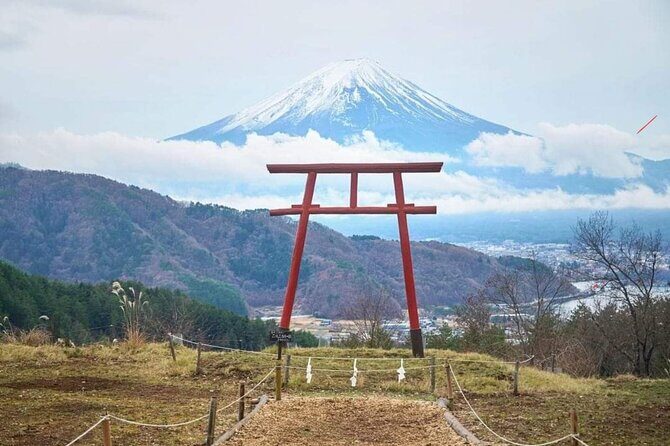
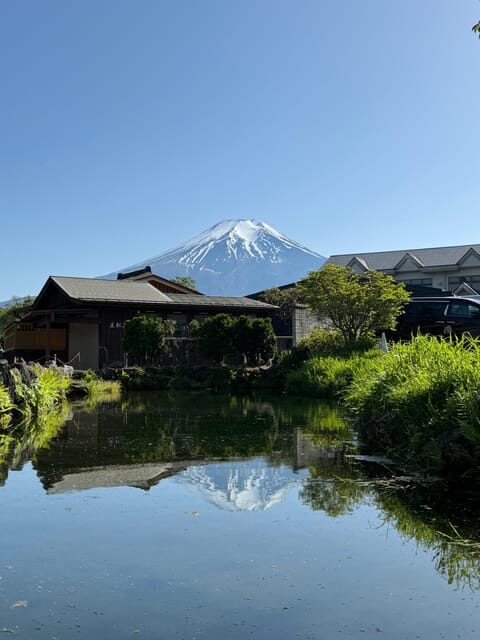
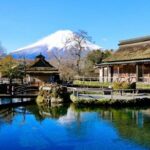
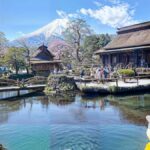
Then you’ll head to Oshino Hakkai, where the tour sets aside about 30 minutes. Admission is free here. You’re looking at eight ponds in the Oshino area, part of the Fuji Five Lakes region.
The ponds sit on the site of a former sixth lake that dried up several hundred years ago—so even though it’s “touristy,” it has a real geography story behind it. This is the kind of stop that helps break up the day: from big summit views and shrine panoramas to something quieter and more grounded.
Given the short time, this is a “see it, understand it, move on” stop. If you like calm breaks between major photo points, you’ll appreciate this pacing.
Other private tours with English driver at Mt Fuji & Kawaguchiko
Mt. Fuji Panoramic Ropeway: optional, but it can add altitude-feel fast
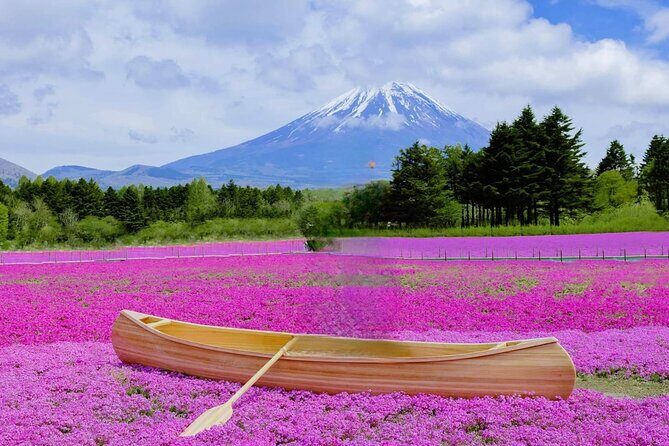
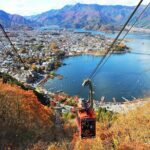
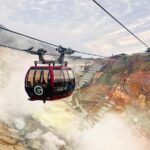
After Oshino Hakkai, you’ll have the option to ride the Mt. Fuji Panoramic Ropeway near Lake Kawaguchiko. This is also allotted about 2 hours, and the ticket is not included.
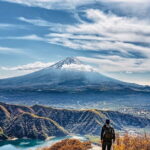
The ropeway ascends 400 meters from the eastern shore of Lake Kawaguchiko to an observation deck near the peak of Mount Tenjo. Even if you’re not going for a “thrill,” that vertical jump can help you get a different angle than you’d get from the road.
Should you use it? If you want maximum mountain-and-lake viewpoints in limited time, it’s a smart add-on. If you’re on a tight budget or prefer to keep things simple, you can skip it and still get a strong day with the other free viewpoints.
Oishi Park and Lake Kawaguchiko: lake views without overplanning
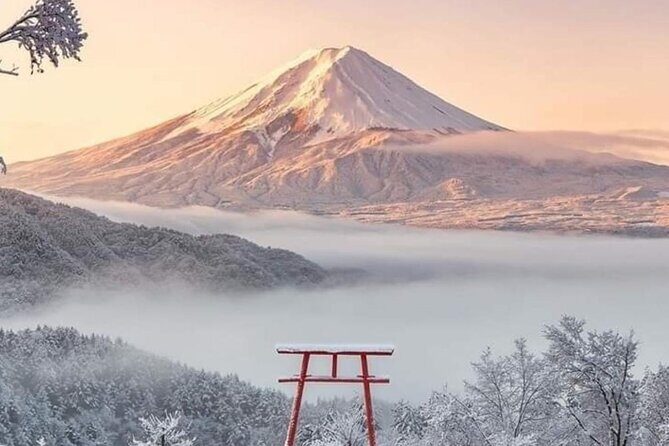
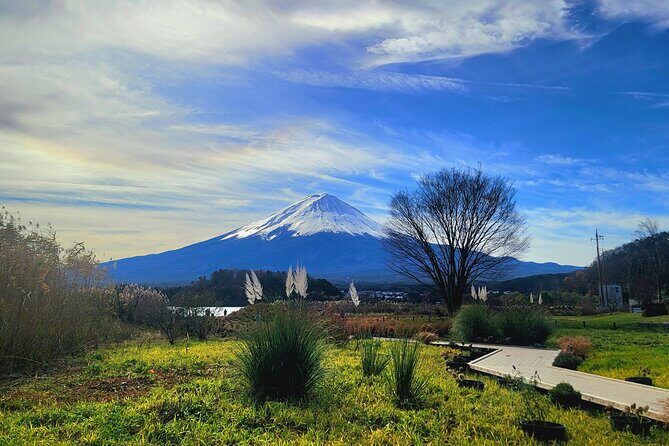
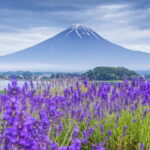
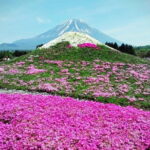
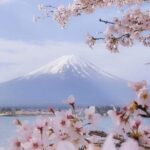
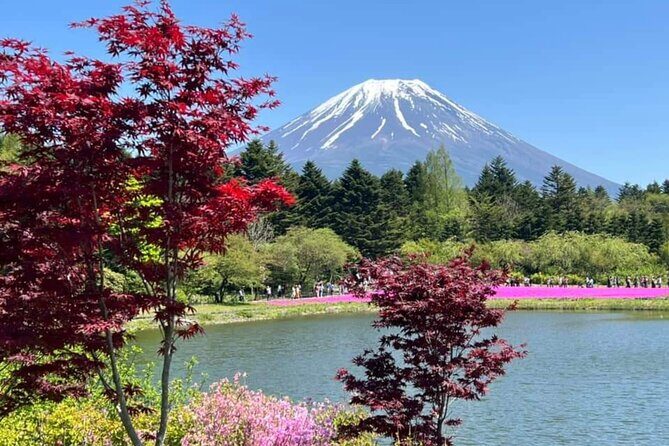
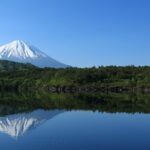
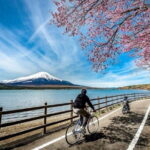
You’ll spend about 30 minutes at Oishi Park. It’s free, and it’s known for a clear lake-and-Mt.-Fuji combination on the north shore of Kawaguchiko. Flowers bloom along the lakeside promenade depending on the season, which is a nice bonus when the weather cooperates.
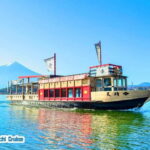
Then the tour continues to Lake Kawaguchiko itself for another 30 minutes (also free). This is described as a hot spring resort town area with tourist attractions and Mt. Fuji views, especially around the eastern end.
This pairing works because Oishi Park feels like a structured viewpoint, while Lake Kawaguchiko is the place where you can shift from “look and photograph” mode to “wander and breathe.” Even with a brief stop, it helps you feel like you reached the Fuji Five Lakes region rather than passing through it.
Kitaguchi Hongu Fuji Sengen Jinja: a UNESCO-linked shrine stop
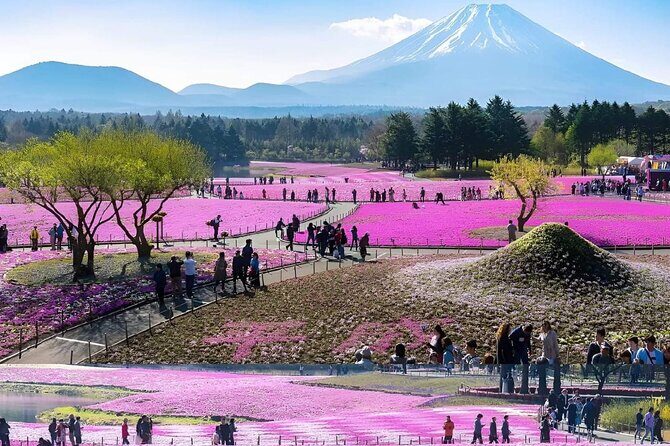
The final stop on the itinerary is Kitaguchi Hongu Fuji Sengen Jinja, with about 30 minutes on-site. Admission is listed as free.
This shrine is one of approximately 1,300 Asama shrines that enshrine the deity of volcanoes in general and Mt. Fuji in particular. It’s also part of the Mt. Fuji UNESCO World Cultural Heritage site, which gives the day a meaningful cultural anchor beyond scenery.
Why this stop matters: Mt. Fuji isn’t just a backdrop. In Japan, it’s connected to worship and long-standing cultural practice. A shrine visit adds context so the day doesn’t feel like a checklist of photo locations.
Your English-speaking driver makes or breaks a Fuji day
The tour includes an English-speaking driver, and that’s a big deal for a day like this. You don’t just need directions—you need someone who can keep your schedule moving, explain what you’re looking at, and stay calm when conditions change.
The experience also stands out for flexibility. The driver approach you’ll likely appreciate is practical: adjust what’s possible based on visibility and comfort, while still covering the main stops. In past experiences, guides were described as experienced, informative, and even funny, with an eye out for the best moments to see Mt. Fuji clearly.
That last part is key. On a mountain day, timing matters. A private guide can help you waste less time when the sky isn’t cooperating.
Weather is the real itinerary: plan for the best and the backup
This tour requires good weather. If conditions are poor, the experience may be canceled and you’ll be offered a different date or a full refund.
So, what should you do before you book or before the day itself?
- Pack layers: Fuji areas can feel cooler than Tokyo, especially if clouds roll in
- Keep expectations flexible: visibility can shift quickly
- Have your priorities straight: if you mainly care about summit proximity, prioritize the 5th Station option; if you care about classic viewpoints, focus on Arakura and the lake area
If Mt. Fuji is clear, the stops listed here become even more powerful. If it isn’t, the value shifts toward the culture and the lake region—and your guide’s flexibility becomes extra important.
Who this tour is best for
This is a strong fit if you:
- Want a private day with an English-speaking driver rather than managing transit changes
- Like a structured itinerary that still gives room to linger at viewpoints
- Want both classic photo spots and shrine/cultural stops in one day
It’s also good for people who get tired easily from logistics. A single vehicle means you’re not repeating the same “where’s the platform” stress again and again.
Should you book Mt. Fuji Private Tour from Asakusa?
If your main goal is a Fuji day that feels smooth, this is an easy yes. The itinerary hits the right variety: Mt. Fuji 5th Station area (optional), Arakura’s famous viewpoint, Oshino Hakkai ponds, plus Lake Kawaguchiko and a UNESCO-linked shrine finish. And because it’s private, you’re paying for less friction, not just transportation.
Skip it—or think carefully—if you’re the type who wants the cheapest possible option and doesn’t mind planning transport on your own. Also, if you hate optional paid add-ons, note that the ropeway and 5th Station admission aren’t included.
If you can travel on a day with good weather, this is one of the most straightforward ways to get a full Fuji-focused experience without turning your day into a logistics project.
FAQ
Where does the tour start?
The start point is Kaminarimon Gate2-chōme-3-1 Asakusa, Taito City, Tokyo 111-0032, Japan.
Is pickup available?
Pickup is offered, and the tour is arranged to get you from the Tokyo meeting area smoothly.
Does the tour end back at the meeting point?
Yes. This activity ends back at the meeting point.
How long is the tour?
The duration is approximately 9 hours.
Is this a private tour?
Yes. It’s a private tour/activity, and only your group will participate.
Is an English-speaking driver included?
Yes. The tour is described as having an English-speaking driver.
What is included in the price?
Included items are an air-conditioned vehicle and fuel and toll.
What is not included?
Mt. Fuji 5th Station admission is not included, and Mt. Fuji Panoramic Ropeway admission is listed as not included if you choose it.
Which stops are listed as free?
Arakura Fuji Sengen Shrine, Oshino Hakkai, Oishi Park, Lake Kawaguchiko, and Kitaguchi Hongu Fuji Sengen Jinja Shrine are listed as free.
Is the Mt. Fuji Panoramic Ropeway stop optional?
Yes, it’s optional, and the admission ticket is not included.
Does weather affect the tour?
Yes. It requires good weather. If canceled due to poor weather, you’ll be offered a different date or a full refund.
Can I cancel and get a full refund?
You can cancel up to 24 hours in advance for a full refund. If you cancel less than 24 hours before the start time, the amount paid is not refunded.