REVIEW · TOKYO
Tokyo:Mt.Fuji,Kawaguchiko Oishi Park,Arakurayama Sengen Park
Book on GetYourGuide →Operated by VIP Japan Tour · Bookable on GetYourGuide
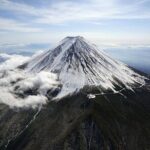
Few things in Japan match Fuji in one day. This 10-hour trip strings together Mt. Fuji viewpoints plus cultural stops around Lake Kawaguchi, so you’re not gambling on just one photo spot.
I like how the day gives you multiple Mt. Fuji angles, from Arakurayama’s iconic pagoda frame to the lake viewpoints where you might catch that famous reflection. I also like that the trip includes the Saiko area village, where you get more than scenery and can see traditional thatched-roof homes in a way that feels practical and hands-on.
One thing to consider: it’s a long day, and Fuji visibility depends on weather. Even with perfect planning, clouds can steal the mountain, and some stops run on a timed schedule.
In This Review
- Key highlights you’ll actually feel on the day
- Getting From Tokyo to Fuji: expect a full 10 hours
- Arakurayama Sengen Park and Chureito Pagoda: the iconic frame
- The stairs vs. the slope: plan your comfort
- Lake Kawaguchi: where the mountain can look mirrored
- Kawaguchiko Craft Park: lunch and souvenirs without derailing the day
- Oishi Park’s Flower Road: seasonal Fuji color
- Saiko Iyashi-no-Sato Nenba: thatched roofs, crafts, and photo moments
- Price and value: is $54 a fair deal?
- What the guide adds (and why that matters)
- Who should book this Fuji day trip
- Should you book this tour?
- FAQ
- How long is the Tokyo to Mt. Fuji day tour?
- Where do I meet the tour in Tokyo?
- What does the tour include for the price?
- Is Mt. Fuji guaranteed to be visible?
- How much free time do I get at each stop?
- Will the guide be able to speak English?
- What if the bus gets delayed due to traffic?
- Can I cancel the tour?
Key highlights you’ll actually feel on the day
- Four+ chances at the classic Fuji look: pagoda viewpoint, lakeside panoramas, and Oishi Park
- Arakurayama’s 398 steps payoff: a real climb to a deck that’s made for photos
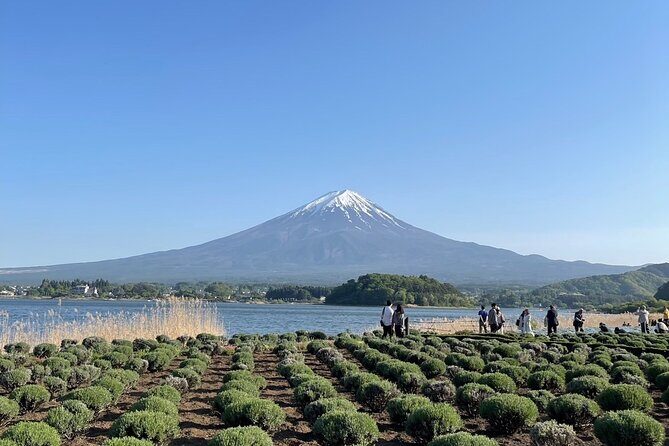
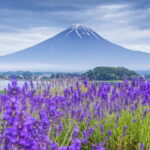
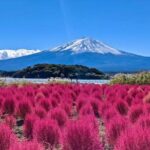
- Oishi Park’s Flower Road: seasonal blooms (tulips, lavender, kochia) with Fuji in the background
- Kawaguchiko Craft Park lunch with views: eat, browse souvenirs, and slow down for a bit
- Saiko Iyashi-no-Sato Nenba: thatched-roof village + photo opportunities with Fuji, when the sky cooperates
- Guides who keep it flowing: clear instructions and on-bus context, with English or Chinese support
Getting From Tokyo to Fuji: expect a full 10 hours
This is a classic Tokyo-to-Fuji day trip, built around getting you out of the city and back with enough time at several stops. You’ll ride in an air-conditioned vehicle with a live guide (English or Chinese), and you’ll have free time at most locations to roam and take photos without rushing every minute.
Your starting point depends on what you booked, with options in Tokyo (including the LOVE Robert Indiana area and a Kokuyo office in Shinagawa). You’ll finish back in Shinjuku Station, which makes it easier to keep your evening plans simple.
Practical tip: show up 10 minutes early. The tour leaves on time, and your best Fuji photos happen early in the day when the sky is less hit-or-miss. If traffic slows the bus, the time you get at attractions may be adjusted, so you’ll want flexibility in your expectations.
Other Mount Fuji tours we've reviewed at Mt Fuji & Kawaguchiko
Arakurayama Sengen Park and Chureito Pagoda: the iconic frame
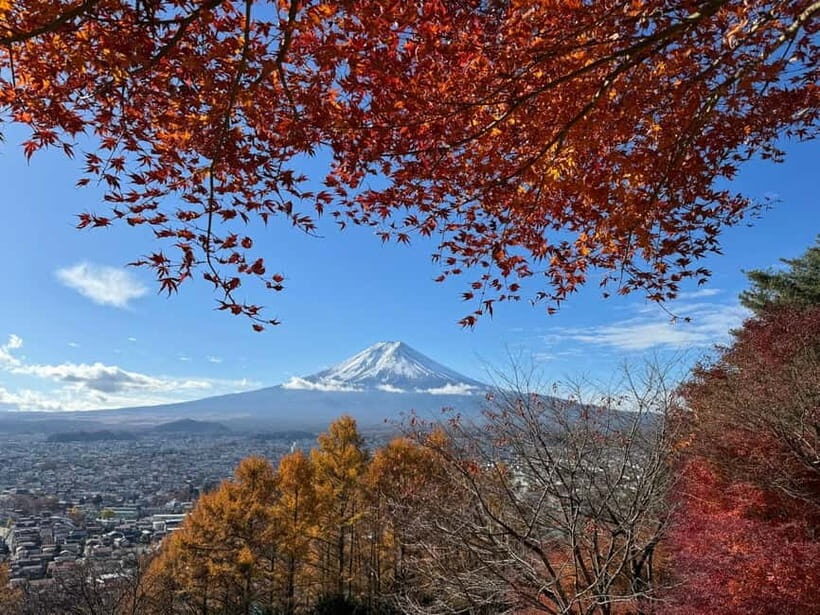
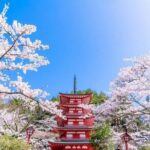
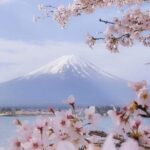
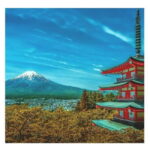
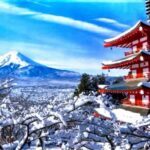
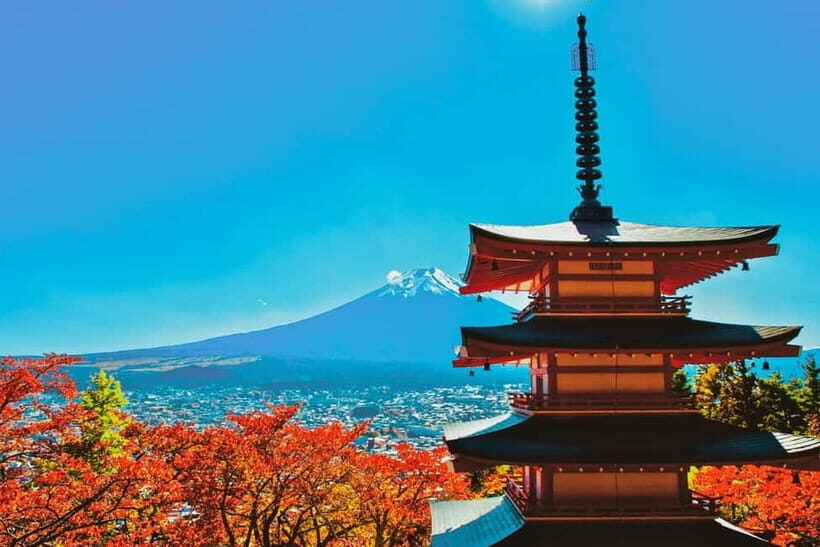
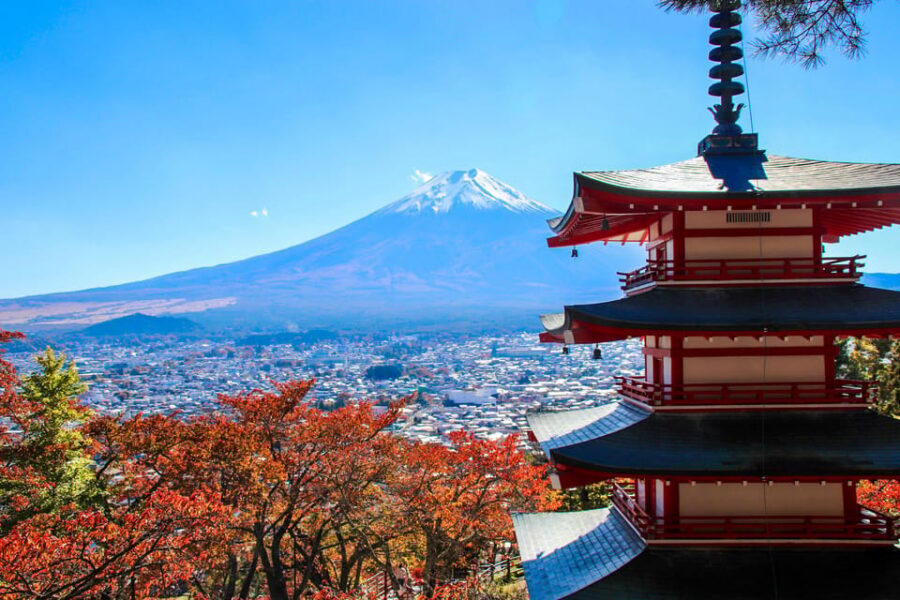
Arakurayama Sengen Park is the kind of place you’ve seen online, but it lands differently in person. You get the classic five-story pagoda view with Mt. Fuji in the same composition, and during peak spring it’s even more photogenic because the park can be lined with cherry blossoms.
To reach the observation area, you climb 398 stone steps from the entrance. That climb is part of why the view feels earned: you’re not just looking at Fuji from street level. In nicer weather, the deck can become a photo bottleneck, so I recommend moving quickly when you arrive—get your framing first, then come back for slower sightseeing.
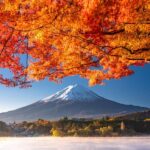
If you’re visiting in late March through mid-April, expect cherry trees (the park can have hundreds). If you’re going in autumn, the park can turn into a color contrast: red-and-gold foliage alongside the vermilion pagoda and a snow-capped Fuji if the weather lines up.
A helpful note: the stops in this area include Arakura Fuji Sengen Shrine and the Chureito Pagoda photo zone. You’ll usually get walking time plus a chance to explore around the nearby photo streets linked with Mt. Fuji backdrops, including areas around the Hikawa Clock Shop.
The stairs vs. the slope: plan your comfort
That step count can be tough if you’re not used to hills or stone stairways. I’d treat Arakurayama as the most physically demanding part of the trip.
One practical strategy: pace yourself. Don’t sprint the climb—take it steady, because once you reach the observation deck you’ll want your energy for photos and waiting for the light. If you need an alternative route, there’s mention that a slope option may be available for people who prefer not to do all the steps. The safest move is to ask the guide on the day based on the conditions in the park.
Even if you’re totally fine walking, wear shoes with grip. These aren’t the kind of smooth sidewalks where you want to risk slipping while you’re trying to line up the perfect shot.
Lake Kawaguchi: where the mountain can look mirrored
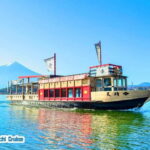
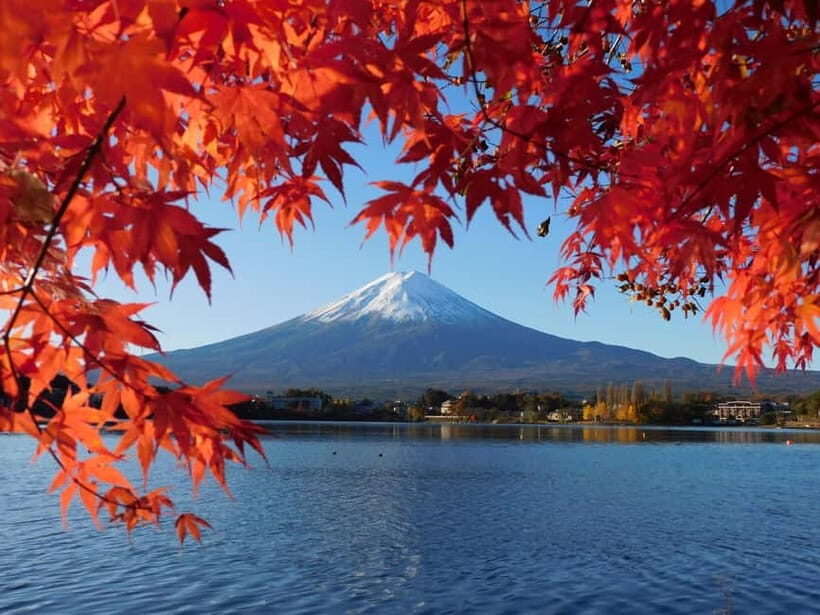
Lake Kawaguchi is the heart of the day’s Fuji mood. You’ll spend time lakeside with room to wander and take in the view from angles that feel calmer than the temple stairways.
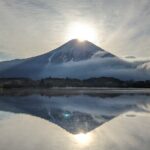
This is also where timing matters. In clear conditions, Fuji can look dramatically solid against the lake, and the shoreline paths create easy “stop, breathe, and shoot” moments. If you’re chasing reflection photos, arriving and finding a good spot early in your lake time helps.
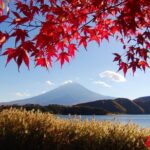
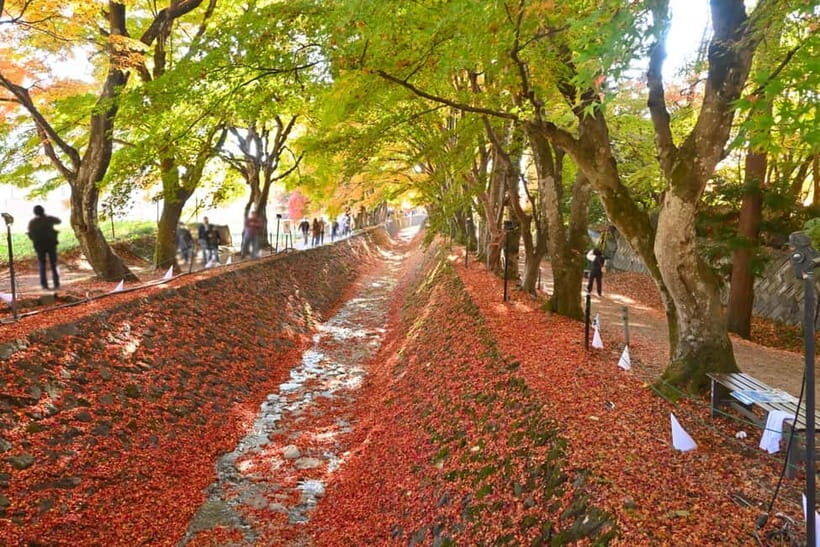
The route also includes a Maple Corridor photo stop, which is especially appealing in autumn. In winter, the scenery has a different vibe again—cool air, crisp visibility on clear days, and a quieter look compared with cherry blossom season. If Fuji is partly hidden, lakeside viewpoints can still be rewarding because you’ll at least get the framing of mountain silhouette against the broader landscape.
Kawaguchiko Craft Park: lunch and souvenirs without derailing the day

Instead of sending you straight from viewpoint to viewpoint, the tour includes a stop at Kawaguchiko Craft Park. This matters because it gives you a calmer pocket of time with food and shopping that’s tied to the area, not a random detour.
The park combines walkable sightseeing space, craft-focused atmosphere, and dining. You can eat with open-air seating where the view of Mt. Fuji (when it’s visible) makes the meal feel like part of the experience instead of just a pause.
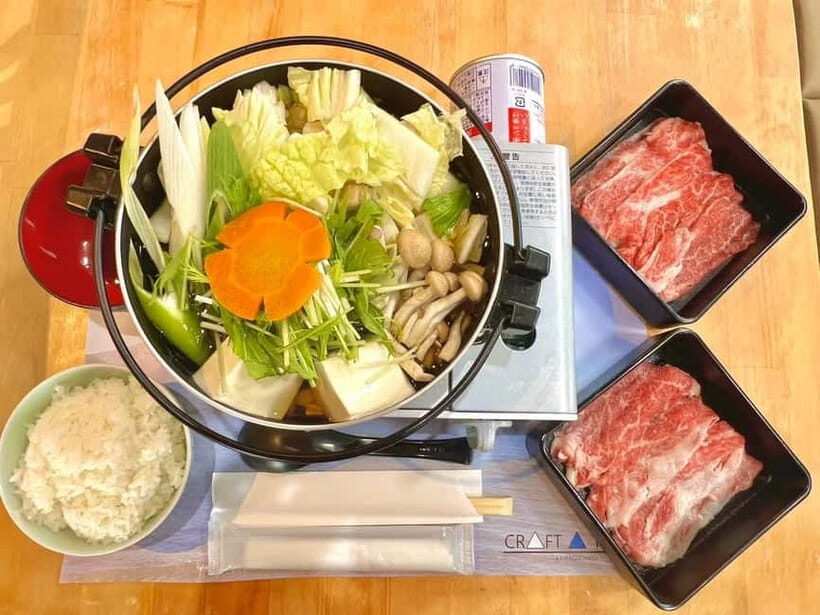
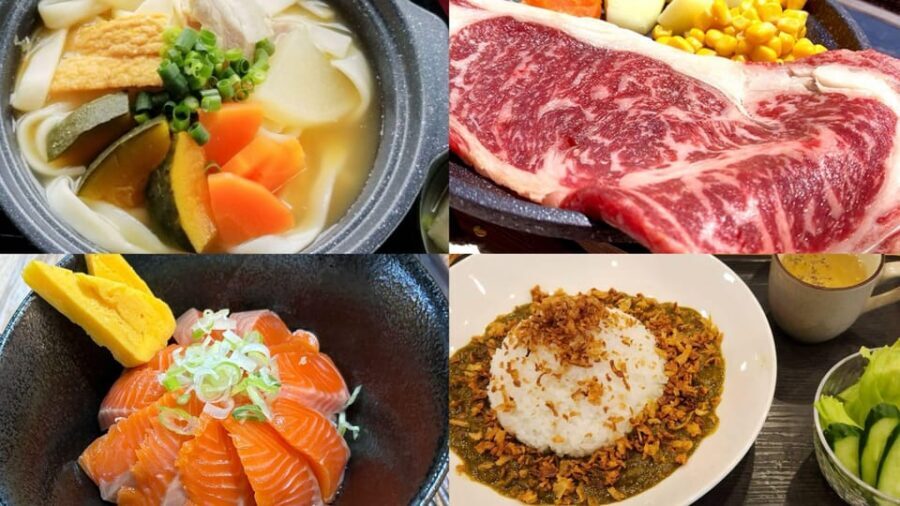
Lunch options (when you choose the lunch add-on) can include:
- Kobe beef shabu-shabu using A5-grade Japanese black Wagyu
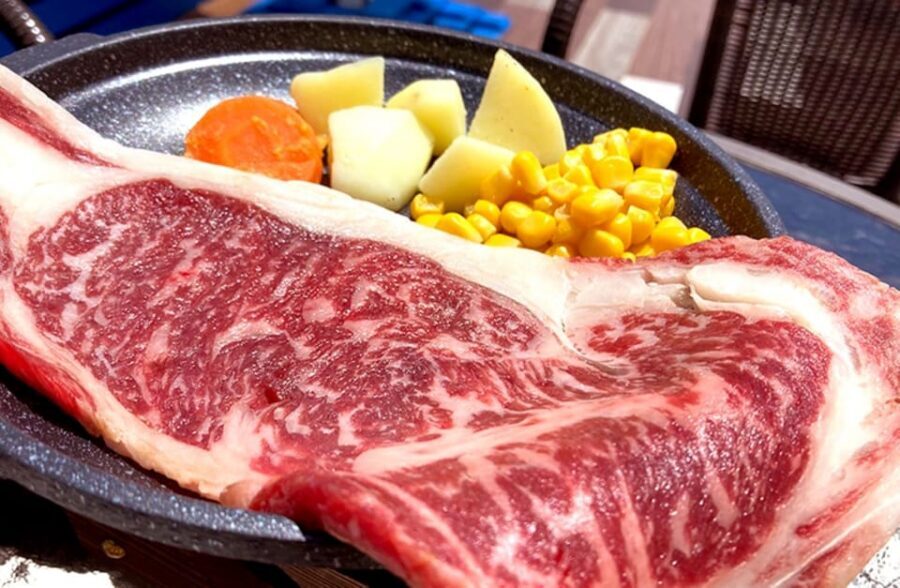
- Koshu wine beef steak, with Wagyu raised on grapes in Yamanashi
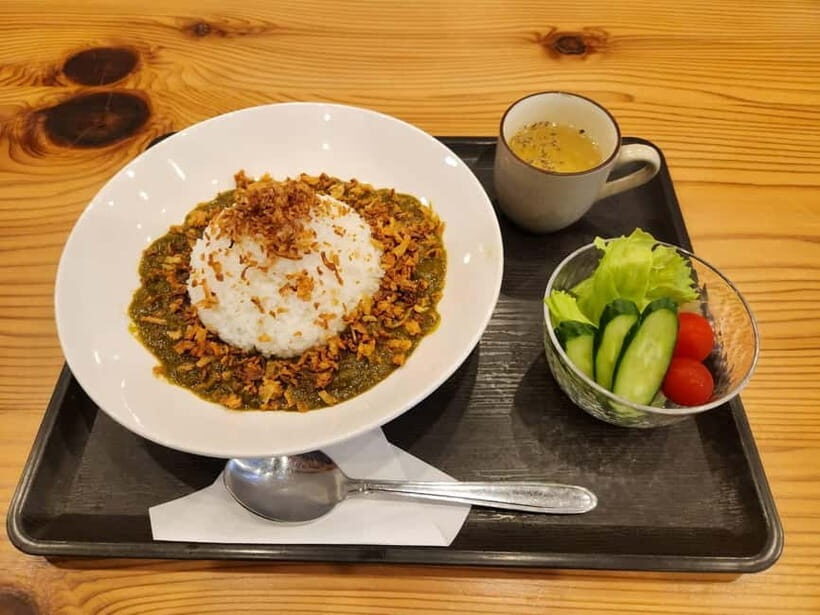
- Houtou noodles, a local miso-based noodle dish with vegetables and chicken
I like this lineup because it’s local to the region, not just generic tourist food. If you prefer something lighter or different, you might find alternative lunch choices available through the operator’s lunch selections, but you should confirm when you book.
After lunch, you’ll also have time for souvenir browsing. This is where smaller items, local specialties, and craft-related goods are easiest to pick up without feeling rushed.
Other Lake Kawaguchiko tours at Mt Fuji & Kawaguchiko

Oishi Park’s Flower Road: seasonal Fuji color
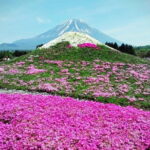
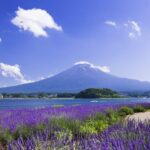
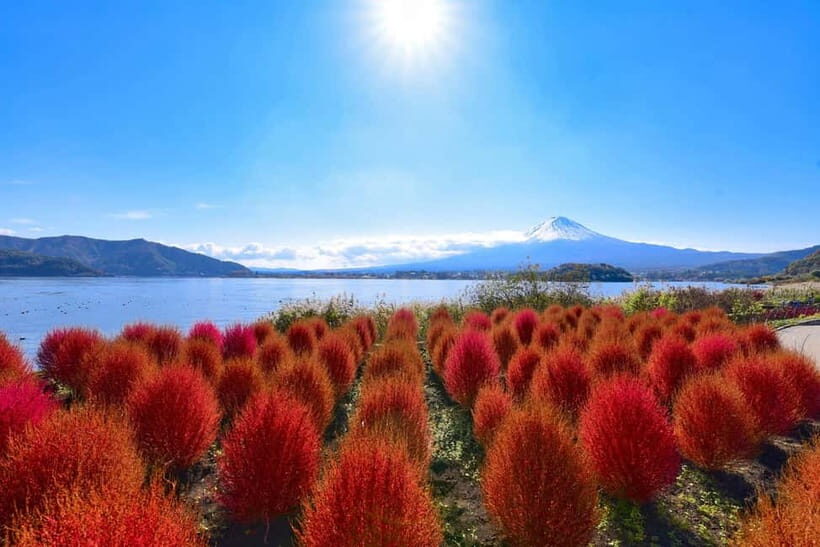
Oishi Park is one of the best places on the itinerary for “Fuji plus atmosphere.” It’s known for expansive lake views, and it has a Flower Road along the shoreline that stretches about 350 meters.
The flowers change by season:
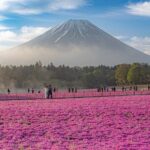
- Tulips in spring
- Lavender in summer
- Kochia (broom grass) in autumn
If you’re traveling in late June to mid-July, there’s also a Kawaguchiko Herb Festival period when lavender fields can create a dreamy purple backdrop with Fuji in the background (assuming the mountain is visible).
Even when Fuji is partly obscured, Oishi Park still works because the shoreline paths give you layers: trees, flowers, lake texture, and sky. You’re not only depending on one postcard frame.
Practical tip: bring a light layer even in warm months. Lakeside areas can cool down when the wind picks up, and you’ll be walking and lingering for photos.
Saiko Iyashi-no-Sato Nenba: thatched roofs, crafts, and photo moments
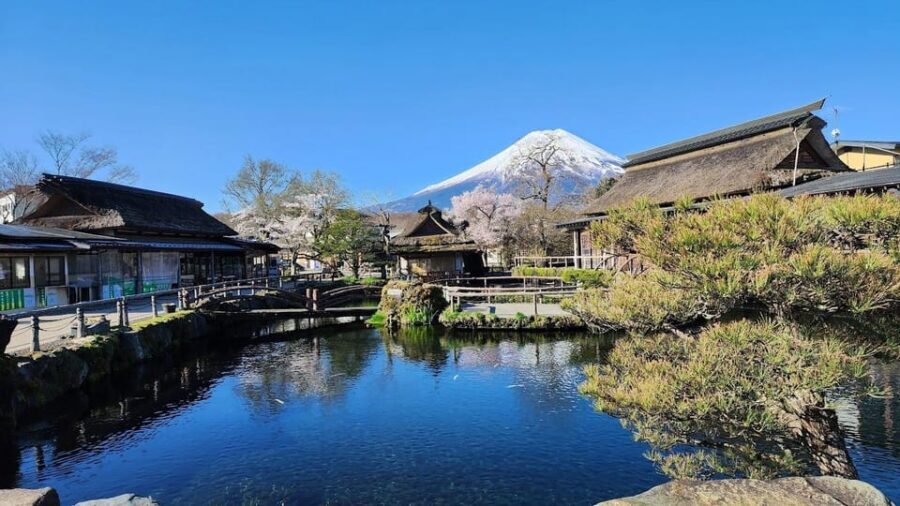
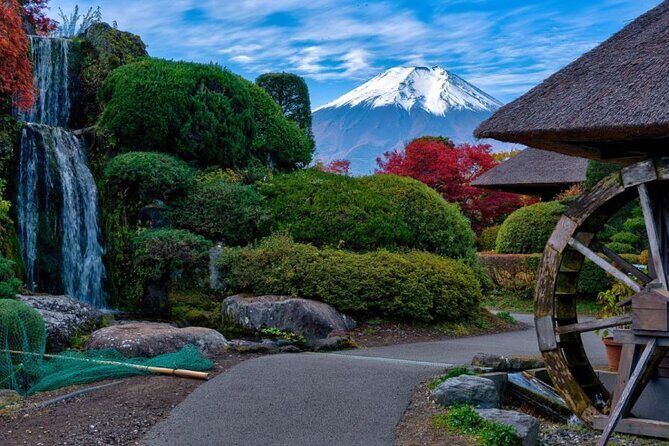
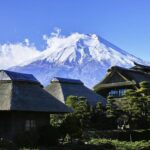
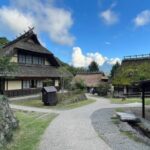
Then comes the most “Japan-feels-like-Japan” stop: Saiko Iyashi-no-Sato Nenba by Lake Saiko. This restored village recreates the atmosphere of thatched-roof homes similar to Shirakawa-go, and it works as a cultural break from the heavy view-and-photo rhythm.
You’ll find around 20 houses, many functioning as craft studios, souvenir shops, and small eateries. The village often includes opportunities for dressing up for photos (kimono or ninja-style outfits are mentioned as options), and it’s especially memorable if Mt. Fuji shows up in the background the way it does in so many images.
What I like here is the way it balances scenery with “do something.” You can take photos, browse crafts, and snack without it feeling like you’re stuck in a theme park. It’s a slower pace than the steps and pagoda areas, and that contrast is part of why the whole day feels complete.
Price and value: is $54 a fair deal?
At about $54 per person for a 10-hour day trip, the value comes from stacking several types of experiences in one ride:
- Transportation by air-conditioned vehicle from Tokyo and back to Shinjuku
- A live guide in English or Chinese
- Entry ticket to Saiko Iyashi-no-Sato Nenba
- Lunch option if you choose it (and the lunch itself can be a meaningful part of the day)
- Multiple paid-feeling viewpoints across Lake Kawaguchi and nearby parks
The big value isn’t just the number of stops. It’s that you’re seeing Fuji from different angles without needing to figure out trains, buses, and timing on your own in a region where connections can be tight. If you care about efficiency and want a high chance of a good photo day, this format is hard to beat.
The only real downside to the price-value equation is the weather gamble. If Fuji is hidden, you’ll still have beautiful parks and a solid village stop, but the main reason you booked—clear mountain views—can’t be forced.
What the guide adds (and why that matters)
Good guides make this kind of day trip smoother. People often mention guides by name—Omar and Koji come up as friendly, funny, and very clear about what to do and when to be back at the bus.
You should expect the guide to:
- give clear meeting-point instructions before each departure
- add context while you’re riding (spiritual significance and local stories connected to the shrines and viewpoints)
- keep the flow organized even with traffic in the mix
If you want the most out of each stop, listen during the bus segments and ask quick questions when you have a chance. A lot of the “best time to get the shot” thinking depends on what the guide thinks you should prioritize next.
Also, the bus itself is described as comfortable and well set up, with air-conditioning and even numbered seats in some reports, which makes it easier to find your group quickly after each stop.
Who should book this Fuji day trip
This tour fits best if you:
- want a one-day Mt. Fuji plan from Tokyo with minimal stress
- love photography but also want cultural and food stops, not just scenery
- prefer a guided structure with free time at each location
- are okay with a long day of walking and waiting for views
It’s also a strong pick if you’re traveling solo and want a mix of group energy plus time to explore at your own pace during each stop.
If you’re someone who hates stair climbs at all, Arakurayama is the only part that might feel like a dealbreaker. But if you can manage a steady pace (and potentially use a slope alternative if offered on the day), it’s still doable.
Should you book this tour?
I’d book it if your goal is to maximize your chances of seeing Mt. Fuji from several famous angles without doing regional logistics yourself. The itinerary makes sense: temple-and-pagoda views first, then lake scenery, then seasonal flower areas, and finally the thatched-roof village for a cultural payoff.
I wouldn’t book it expecting a guaranteed clear Fuji every minute. If weather is poor, the day becomes more about the parks, the lakeside atmosphere, and the village experience than the perfect mountain shot.
If you’re flexible, arrive early to give yourself the best odds, and pack comfortable shoes for the hill and steps, this is a solid value day trip from Tokyo.
FAQ
How long is the Tokyo to Mt. Fuji day tour?
The duration is about 10 hours.
Where do I meet the tour in Tokyo?
The meeting point can vary depending on the option you book. Options listed include the LOVE Robert Indiana area and a Kokuyo Tokyo Shinagawa office.
What does the tour include for the price?
It includes air-conditioned vehicle transportation, a live tour guide, and entry tickets for Saiko Iyashi-no-Sato Nenba. Lunch is included only if you select the lunch option.
Is Mt. Fuji guaranteed to be visible?
Visibility depends on weather and conditions on the day. Some days are clear and some days aren’t.
How much free time do I get at each stop?
You’ll typically get free time for sightseeing and walking at the main attractions, including the Mt. Fuji viewpoint areas and the lakeside stops.
Will the guide be able to speak English?
Yes. The tour offers live guides in English and Chinese.
What if the bus gets delayed due to traffic?
If the bus is delayed due to traffic or other unexpected situations, the stop time at attractions may be adjusted.
Can I cancel the tour?
You can cancel up to 24 hours in advance for a full refund.