REVIEW · TOKYO
Mount Fuji 5th Station, Arakurayama, Oshino Hakkai and Hot Spring
Book on Viator →Operated by Scenic Bend · Bookable on Viator
Mount Fuji day trips can be a gamble, but this one is built around the right sights. I like the mix of Fuji viewpoints and the calm, snow-fed springs of Oshino Hakkai, both of which feel very “on the ground” and not just scenic-photo stops. The day also gives you a flexible add-on: shopping at Gotemba or a hot-spring break at Kinohana no Yu.
The main thing to watch is pacing. The schedule is fixed and time windows are tight, so if you’re hoping to linger (especially at the stops with the most views), plan to go with the flow and keep expectations realistic.
In This Review
- Key highlights you’ll actually care about
- How this day tour is structured (and why it works)
- Mt. Fuji 5th Station vs Arakurayama Sengen Park: pick your season
- The Fuji reality check: weather and visibility
- Oshino Hakkai springs: calm water where snow becomes ponds
- The last choice: Gotemba outlets or Kinohana no Yu hot spring
- The pacing issue: what to expect when the day gets packed
- What’s included in the price (and what you’ll pay anyway)
- Small-group benefits and the guide’s role
- Practical tips that make the day smoother
- Who this tour is best for (and who should think twice)
- Should you book this Mount Fuji day trip?
- FAQ
- Where is the meeting point, and is pickup offered?
- Does the tour include Mt. Fuji 5th Station or Arakurayama Sengen Park?
- What’s included in the price, and what isn’t?
- How long do you spend at Oshino Hakkai?
- Can I cancel for free?
- Can I bring luggage on this tour?
Key highlights you’ll actually care about
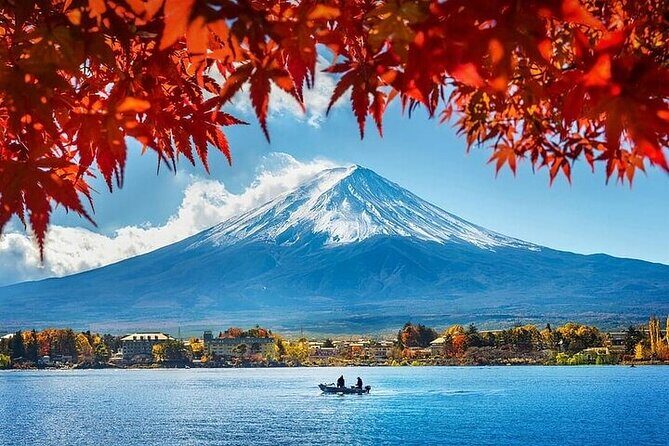
- Season swap for Fuji views: Arakurayama Sengen Park is used in winter months, while Mt. Fuji 5th Station takes over from late April through late November.
- Oshino Hakkai is included and easy: Free entry here and a straightforward walk-through of the spring ponds.
- Two choices at the end: Gotemba Premium Outlets or a hot spring option with Mount Fuji views.
- Pickup from major Tokyo points: Options around 8:00 am or 8:30 am reduce the stress of getting out of the city.
- Small group cap: Up to 15 travelers, which usually makes tight schedules feel less chaotic.
How this day tour is structured (and why it works)
This is a 10-hour, car-based day tour that starts and ends at JR Tokyo Station in Marunouchi. You’ll get picked up from major Tokyo locations at either 8:00 am or 8:30 am, then ride to the Fuji area and hit a set sequence of stops.
The value comes from the format. Transportation and a licensed, certified in-person guide are included, and the stops listed for admission are free. That matters on a trip like this, because the cost of parking, transfers, and separate tickets can creep up fast when you DIY it.
The tour also keeps the group size capped at 15 people. In practice, that helps with bus organization and getting everyone moving on time, especially on days when weather changes fast and traffic gets slow.
Other Mount Fuji tours we've reviewed at Mt Fuji & Kawaguchiko
Mt. Fuji 5th Station vs Arakurayama Sengen Park: pick your season
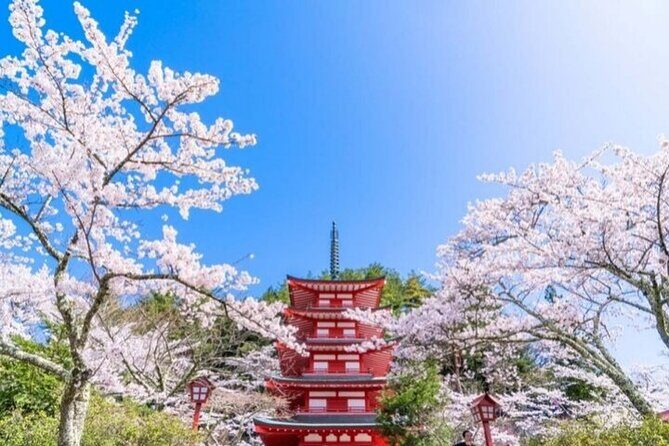
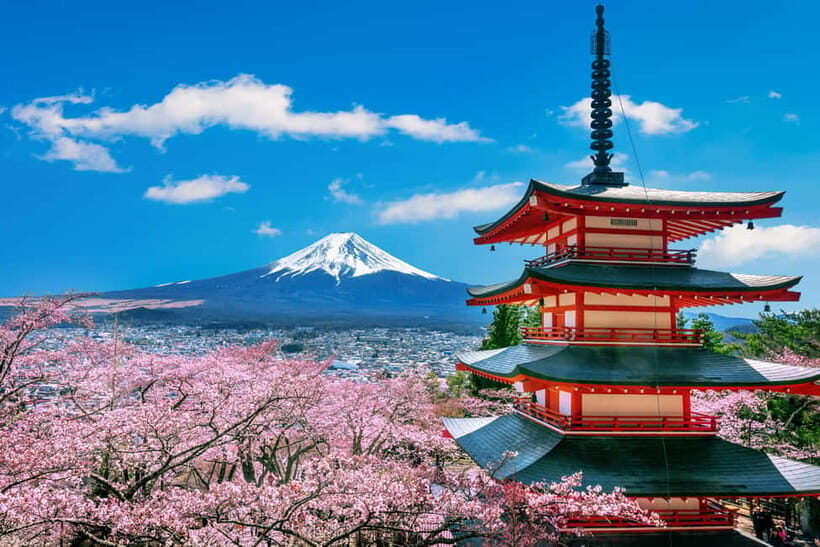
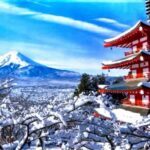
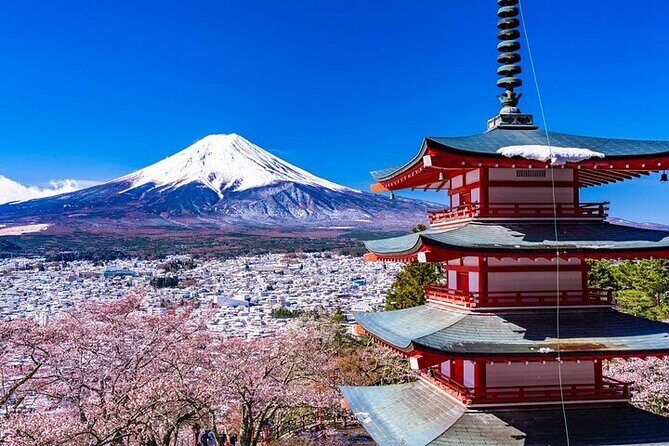
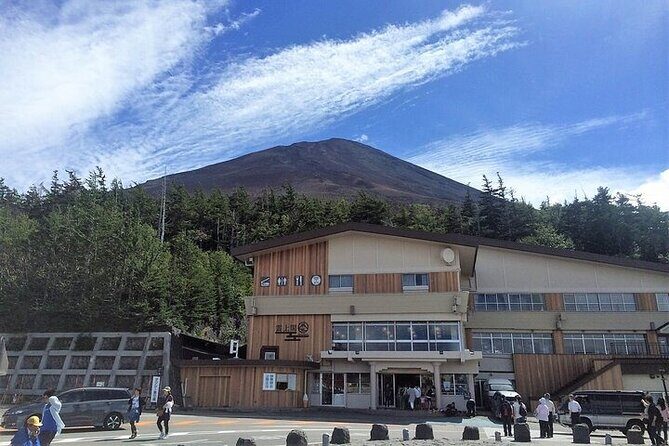
One smart detail is that the itinerary changes by time of year. From April 26 to November 30, the tour focuses on Mt. Fuji 5th Station instead of Arakurayama Sengen Park. From December 1 to April 25, it does the reverse.
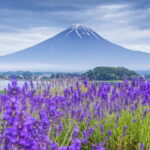
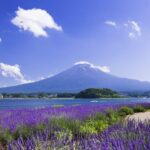
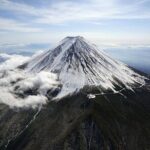
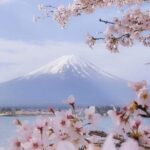
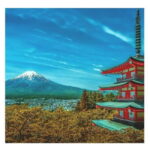
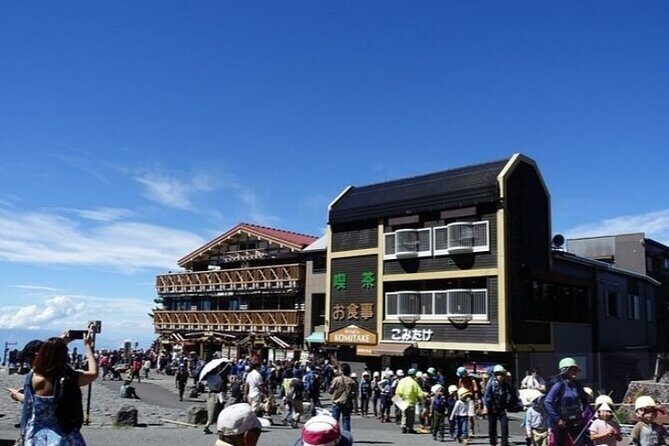
Why this matters: you’re not just choosing a viewpoint. You’re choosing a different “Fuji experience” style. Mt. Fuji 5th Station is the more dramatic, alpine-feeling stop. Arakurayama Sengen Park is built around photo-friendly scenic views and the approach to the famous park area.
Time allocation also differs. Mt. Fuji 5th Station is about 40 minutes (when it’s on the itinerary), while Arakurayama Sengen Park is allotted about 90 minutes. If you’re traveling in winter and you care more about walking around and taking your time, that extra hour-plus can feel like a gift.
The Fuji reality check: weather and visibility
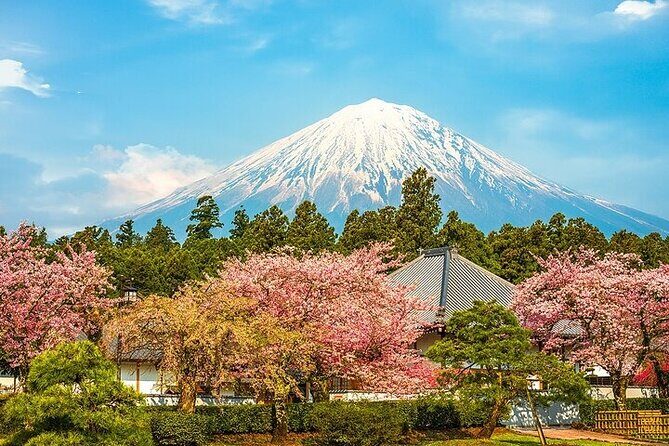
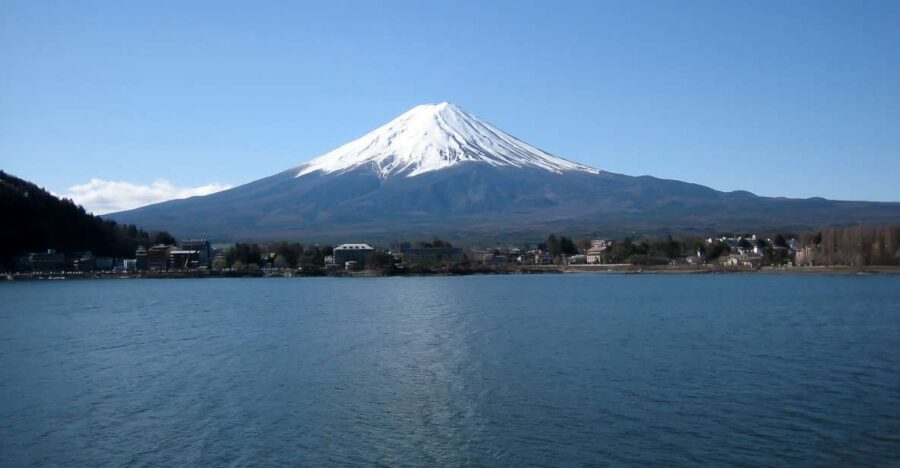
Even the best plan can’t control clouds. This tour specifically notes that cloudy or rainy days can reduce visibility, which may hide Mount Fuji.
So here’s the practical move: check the weather forecast the night before, and be ready for the day to be more about the journey than a perfect summit view. Japan’s weather can flip quickly, and on a day trip, you don’t get unlimited chances.
I also think it helps to dress like you’re going up a bit in elevation even if you’re only going to the 5th Station area or just out to the park. Layering beats overheating, then freezing when the wind comes in.
Oshino Hakkai springs: calm water where snow becomes ponds
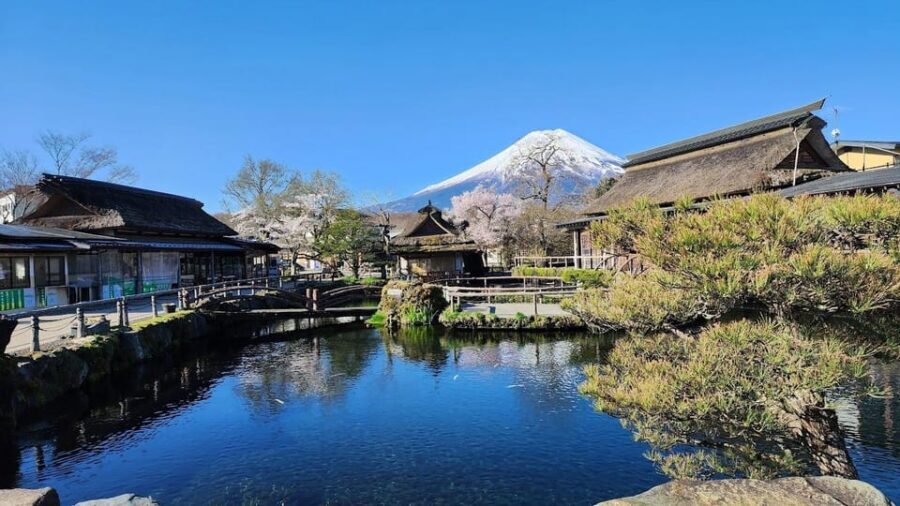
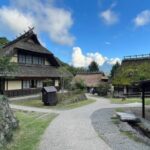
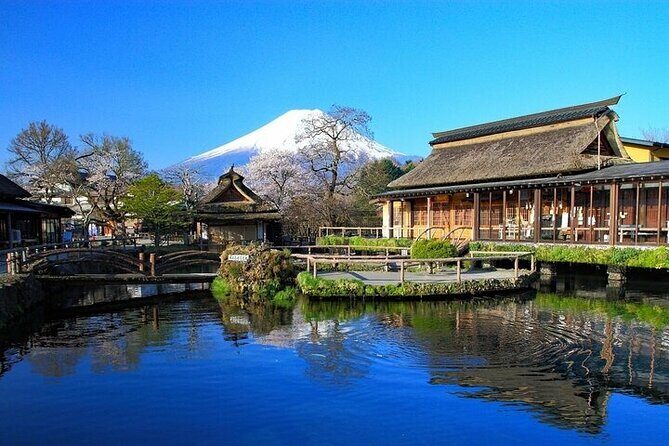
Oshino Hakkai is where this trip shifts from “look at Fuji” to “slow down and notice the water.” The springs are fed by snowmelt from Mt. Fuji, and you’ll see a series of clear spring ponds in a compact area at the foot of the mountain.
Entry is free, and the planned time is about 1 hour. That’s enough to do a calm circuit without rushing, take a few photos, and read the basic setup around the ponds and channels.
One thing to be realistic about: the schedule is fixed. If the day runs long from traffic or weather, the time here can feel tighter than you’d like. Still, it’s one of the best “payoff per minute” stops on the route because it’s not hard to enjoy even if you’re not a hardcore hiker.
The last choice: Gotemba outlets or Kinohana no Yu hot spring
The final portion is where you get options, and this is a big reason the tour feels flexible for different travel styles.
You can choose either:
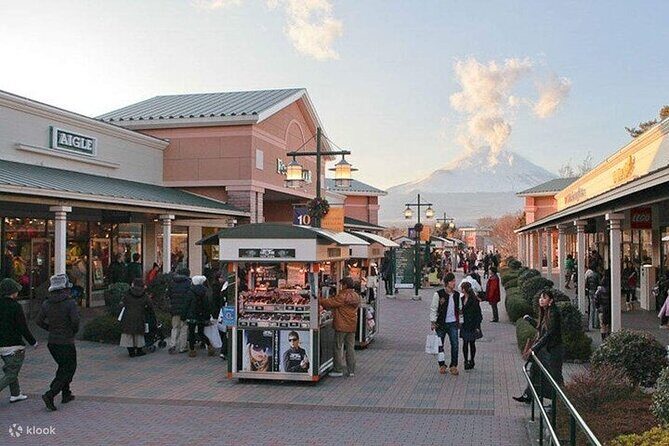
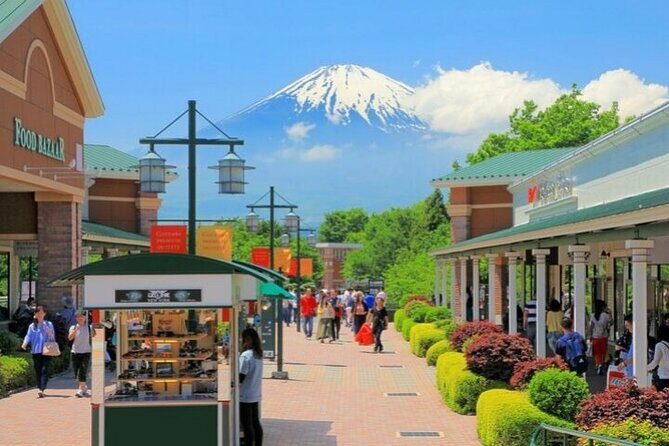
- Gotemba Premium Outlets (about 2 hours) for shopping, without the hot spring stop.
- A hot-spring option at Kinohana no Yu, which includes scenic views of Mount Fuji.
Your instinct might be to choose based on what you value more: souvenirs and brands versus a soak. I’d also consider energy levels. After Fuji and Oshino, two hours at outlets can be fun if you like browsing and you’ve been holding off on buying until you leave Tokyo. But if you want a reset—especially on a cool morning—hot springs can make the day feel more complete.
Also note the cost difference. The bathing fee is not included. The tour lists a reference fee of 1,600 yen on weekdays and 1,900 yen on weekends and holidays. If you’re on a weekend, that extra amount is one more thing to budget for.
Other Mt Fuji 5th Station tours at Mt Fuji & Kawaguchiko
The pacing issue: what to expect when the day gets packed
This kind of itinerary is all about tradeoffs. The planned stops are short, and the “remaining hours” are taken up by travel time and lunch time. On paper, it can look comfortable.
In real life, timing can tighten because traffic and crowds are unpredictable in the Fuji region. The tour explicitly warns that traffic jams can happen on weekends and red days. That’s a normal Japan problem, not a unique tour problem, but it affects how long you’ll actually have at each stop.
I’d plan around the idea that the most time-sensitive moments are the Fuji viewpoints and Oshino Hakkai. If you’re the type who wants a slow, unhurried photoshoot session, I’d either pack fewer expectations or choose the more time-friendly version of the itinerary (for example, the longer Arakurayama option in the winter months).
What’s included in the price (and what you’ll pay anyway)
At $68.74 per person, this feels like a solid value for a guided day trip when you compare what’s included: vehicle service fees for the full ride, driver and guide service, fuel and tolls, plus a licensed/certified guide.
Admission tickets are listed as free for the main listed stops. That’s great, because it reduces surprise costs. Still, you’ll want to budget for three things the tour does not include:
- Bathing fees for the hot spring (if you choose that option)
- Food and drinks
- Any personal shopping and local extras that aren’t part of the included section
On a day like this, I recommend you eat something simple near the stops rather than planning on a sit-down meal that may not fit the schedule. Bring water and snack options if you know you get hungry quickly, then keep it flexible.
Small-group benefits and the guide’s role
With a maximum of 15 travelers, the guide can keep things moving without treating the day like a cattle run. You also get the benefit of having someone who knows how to run a fixed route efficiently.
A key detail: guides do not initiate contact with guests. Instead, you should expect a departure reminder email the night before with the vehicle registration number, pickup time, and contact info. You’ll wait at the specified location based on that email.
This is one of those “small detail that changes your morning” items. If you’re staying near JR Tokyo Station, you’ll have an easier time finding your pickup point. If you’re farther out, set a reminder for the pickup window so you don’t risk missing the bus.
Practical tips that make the day smoother
- Pack light: it’s a one-day trip, and it’s not recommended to carry luggage. If you do need luggage, you’re allowed 1 piece per person, and you should register it when booking. Otherwise, an extra 100 yuan per piece may apply.
- Keep valuables close: the tour advises carrying your passport and valuables with you.
- Don’t bet on perfect Fuji: clouds can hide the view, so keep your day flexible and enjoy the stops even if the peak is faint.
- Dress for temperature swings: Fuji-area wind can feel different than Tokyo, even in the same season.
- Go easy if you’re sensitive to travel: the tour advises extra care for travelers with cardiovascular issues and pregnant women.
Who this tour is best for (and who should think twice)
This works best for you if:
- You want a guided, straightforward Fuji highlights day without the headaches of transfers.
- You like having options at the end (outlets or hot springs).
- You’re okay with short stop times and you prefer efficient sightseeing.
It might not be ideal if:
- You plan to travel for a once-in-a-lifetime, super slow photo session at one exact spot.
- You need long time windows for shopping, soaking, or walking without schedule pressure.
- You want maximum flexibility to change the order on the fly. This itinerary is fixed for carpooling.
If you do want flexibility, the tour info points you toward chartered tour options, which would make more sense for travelers who know they want more time in fewer places.
Should you book this Mount Fuji day trip?
I’d book it if you want a guided, value-focused day that hits the essentials: a Fuji viewpoint, Oshino Hakkai springs, and an optional shopping or hot-spring finish. The combination of included guide service, included transportation, and free admissions (where listed) keeps the total cost from ballooning.
I’d think twice if you’re very time-sensitive about how long you need at each stop. The fixed schedule and traffic variability can compress the day, and the tour’s design prioritizes “see the key sites” over “linger forever.”
If your top priority is just getting out of Tokyo with expert help and checking multiple Fuji-area highlights off your list, this tour is an efficient way to do it. If you’re chasing a perfect weather day and long viewing sessions, add extra realism to your plans.
FAQ
Where is the meeting point, and is pickup offered?
You meet at JR Tokyo Station, 1-chōme-9 Marunouchi, Chiyoda City, Tokyo 100-0005, Japan. Pickup is offered from major Tokyo locations, with pickup times around 8:00 am or 8:30 am.
Does the tour include Mt. Fuji 5th Station or Arakurayama Sengen Park?
It depends on the date. From April 26 to November 30, the tour goes to Mt. Fuji 5th Station instead of Arakurayama Sengen Park. From December 1 to April 25, it goes to Arakurayama Sengen Park instead of the 5th Station.
What’s included in the price, and what isn’t?
Included are transportation service fees, fuel costs and tolls, driver service fee, and a licensed/certified in-person guide. Not included are the hot spring bathing fee (if you choose the onsen option), food and drinks, and any non-included personal expenses.
How long do you spend at Oshino Hakkai?
Oshino Hakkai is scheduled for about 1 hour, and the admission is listed as free.
Can I cancel for free?
Yes. Free cancellation is available if you cancel at least 24 hours before the experience start time for a full refund.
Can I bring luggage on this tour?
The tour recommends not carrying luggage for this one-day itinerary. If you need it, you should register clearly when booking, and 1 luggage piece is allowed per person. If you don’t note it or have more than 1 piece per guest, an extra 100 yuan per piece may be charged.