REVIEW · TOKYO
From Tokyo: Mount Fuji Full Day Customizable Private Tour
Book on GetYourGuide →Operated by Akiri Travels · Bookable on GetYourGuide
Fuji feels huge on a good plan. This private day trip from Tokyo is built around real viewing time at the best spots, with an easy, hotel pickup setup and a flexible route that you can shape as you go. I really like the chance to hit Mt. Fuji 5th Station for wide panorama views, and I also love how the day pairs Fuji lakes with classic landmarks like Chureito Pagoda for that postcard framing.
The main thing to consider is time: you’re signing up for a long day. Even with the convenient van, you should expect roughly four hours in each direction for Tokyo transfers, and there’s also a seasonal rule—private vehicles can’t go to the 5th Station from July 1 to September 10.
The good news: you’re not stuck with a rigid bus-tour checklist. You’re traveling in your own private group with a multilingual guide, and the day is adjustable—so if the morning weather looks good, you can lean into views and photos instead of feeling rushed.
In This Review
- Key highlights to notice before you go
- Fuji and Hakone from Tokyo, without the stress
- Mt. Fuji 5th Station: the big-view payoff
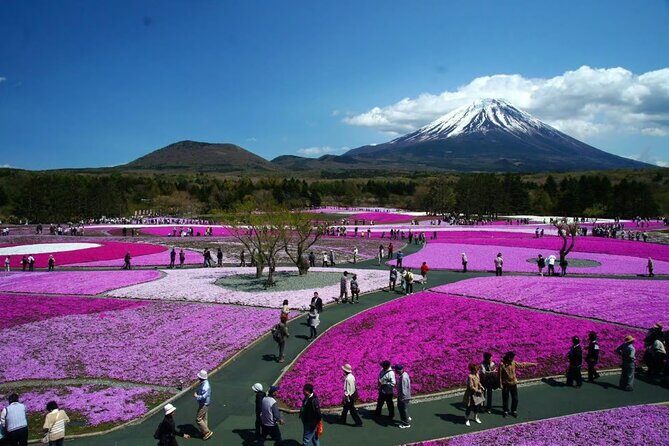
- Oshino Hakkai and the Fuji Five Lakes vibe
- Kitaguchi-hongu Fuji Sengen Shrine: the quieter spiritual stop
- Chureito Pagoda: the view postcard made real
- Hakone Ropeway and Owakudani: volcanic views from above
- Lake Ashi and Hakone Shrine: finishing with water views
- The “in between” stops that make the day work
- Customization: how your guide turns a fixed day into your day
- Getting there from Tokyo: comfort, timing, and what to pack
- Price and value: why $313 per group can make sense
- Who this tour fits best
- Should you book this Fuji and Hakone private day?
- FAQ
- How long is the tour, and how much time is driving?
- What’s included in the price?
- Is the Mt. Fuji entrance fee included?
- Are tickets for ropeways or boats included?
- What meals are included?
- Where does the pickup happen?
- What languages are available for the guide?
- Is the itinerary completely fixed?
- Are there any important seasonal or access limits?
Key highlights to notice before you go
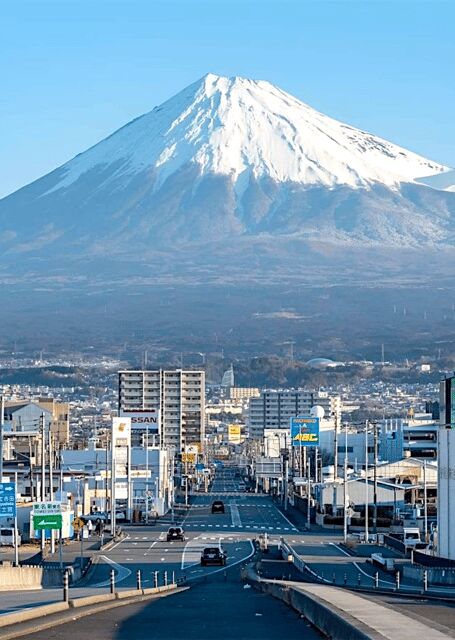
- Mt. Fuji 5th Station with photo time and a short hike, so you get more than a quick look.
- Lake Kawaguchiko strolling time with Mount Fuji in the background, plus lunch on your schedule.
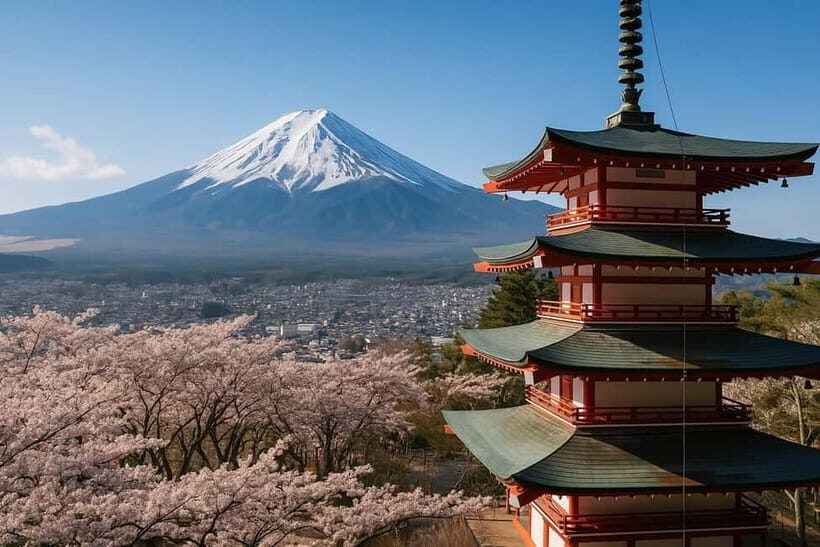
- Chureito Pagoda panoramic views that work especially well for classic framing in the right season.
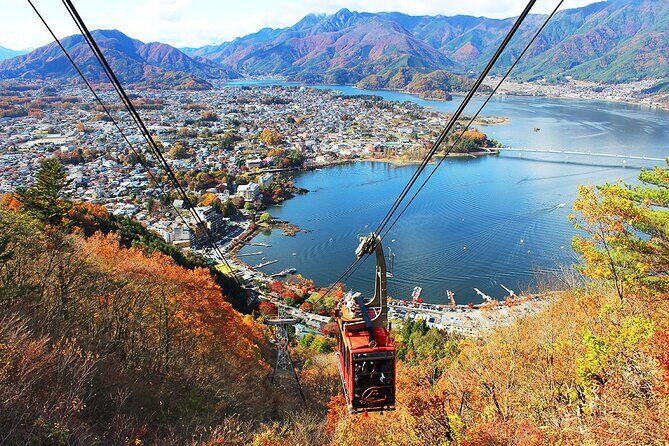
- Hakone Ropeway to Owakudani-area volcanic scenery, plus the chance to pair it with Lake Ashi views.
- Private, customizable pacing led by a multilingual guide in your group (you might have guides like Musa, Mirza, Ali, or Kashif).
Fuji and Hakone from Tokyo, without the stress
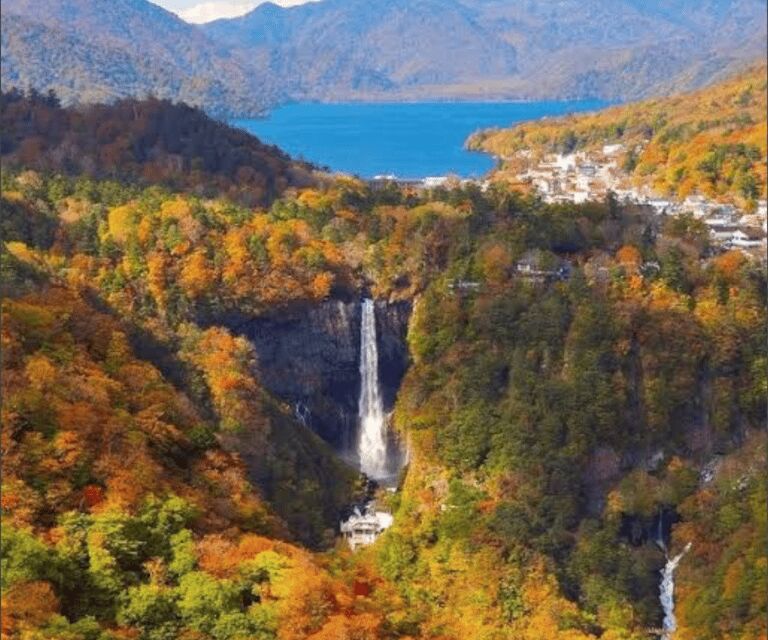
If you only have one day and you still want the full Mount Fuji experience, this kind of private routing is where it clicks. You’re not just “going to Fuji.” You’re getting a guided day with enough structure to keep things smooth, but enough flexibility that you can adjust for what you care about—views, lakes, shrines, or that specific photo angle you’ve been chasing.
I like that the day is set up around time on location rather than endless driving stops. When your guide can read traffic and timing, you can spend your energy looking up at the mountain instead of playing calendar roulette. And with a private group, it’s easier to keep your pace—stop longer where you want and move on when you don’t.
Other Mount Fuji tours we've reviewed at Mt Fuji & Kawaguchiko
Mt. Fuji 5th Station: the big-view payoff
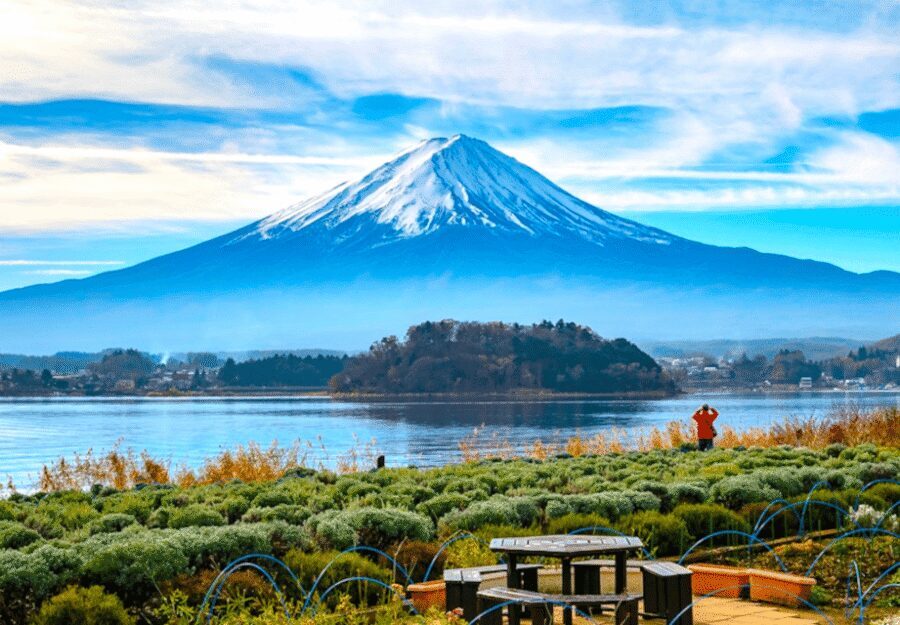
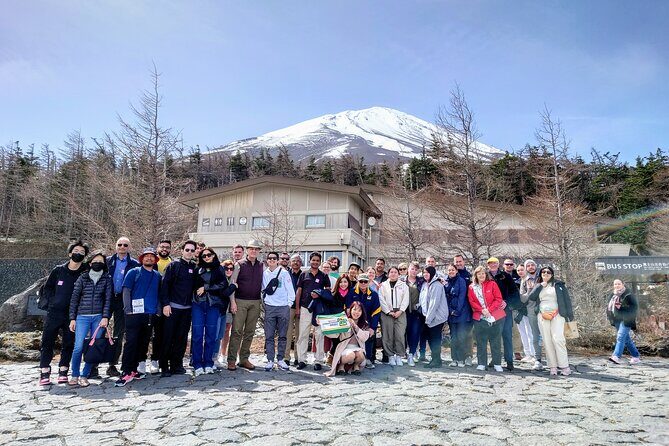
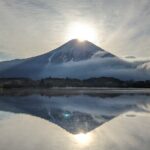
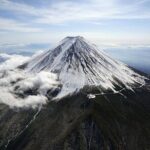
The day’s anchor is the Mt. Fuji 5th Station. This is the point where you start feeling the mountain as a presence, not just a distant landmark. You’ll get time to visit, take photos, and do a bit of hiking—enough to stretch your legs and enjoy the views over valleys and peaks.
Practical tip: bring comfortable shoes even if you’re not “hiking” in the classic sense. A one-hour block with photo stops can still involve uneven ground and stairs. A camera also helps, because the viewpoints here are exactly the sort that reward patience: the best shots often come after you’ve walked 2–3 minutes from the first spot.
One key consideration: the tour notes a seasonal restriction. From July 1 to September 10, private vehicles can’t go up to the 5th Station. If you’re traveling during that window, confirm with your provider what replaces the 5th Station access for your dates.
Oshino Hakkai and the Fuji Five Lakes vibe
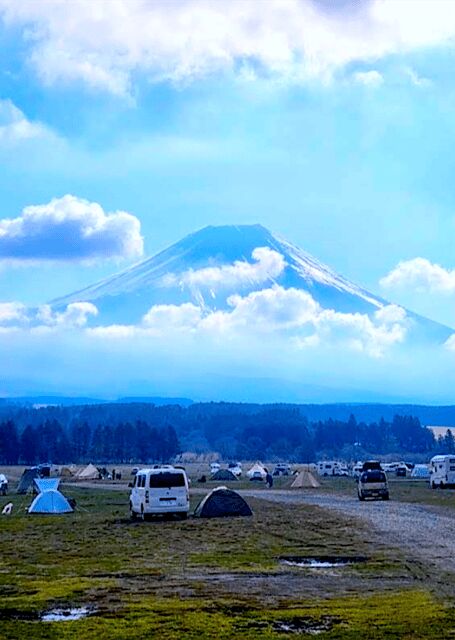
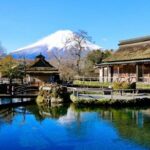
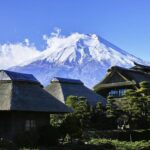
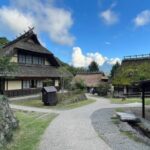
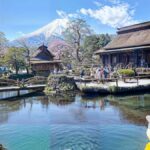
After the 5th Station, the tone shifts from high-altitude drama to a calmer kind of Fuji scenery. Oshino Hakkai is where I love the contrast: traditional homes and ponds with very clear water. It’s a cultural stop, but it’s also a good break for your senses after the mountain viewpoints. You get a guided look and time to wander and photo.
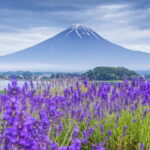
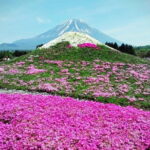
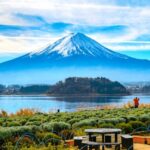
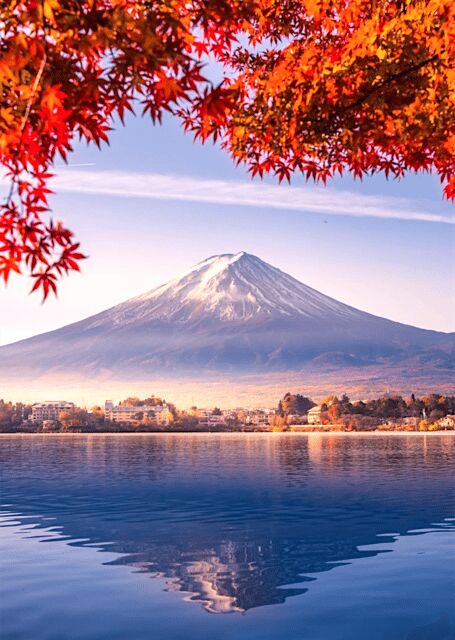
Then you move into the Fuji Five Lakes area with Lake Kawaguchiko. This is one of the best places for seeing Mount Fuji reflected in your memory. You’ll have a break time plus a mix of guided sightseeing and free time—so you can eat when you’re hungry, not when a tour bus says it’s time. The key here is pace: the day allows around 1.5 hours for this area, which is enough to stroll and still keep the rest of the day enjoyable.
A small but real travel detail: bring cash. Japan runs on cards in many places, but entrance fees and smaller shops can be cash-friendly. Since the tour specifies that Mt. Fuji entrance fee is not included, you’ll likely want yen ready before you arrive at any paid entry points.
Kitaguchi-hongu Fuji Sengen Shrine: the quieter spiritual stop
If you want your day to feel more than scenic sightseeing, this is one of the best inserts. Kitaguchi-hongu Fuji Sengen Shrine gives you a sense of how deeply Mount Fuji is woven into Japanese belief and tradition.
You’ll have photo time and guided touring here for about 40 minutes. I like this timing because it’s not so long that it drains you, and it’s not so short that you miss what the place is about. Your guide can explain what matters—how people approach praying, and what to look for—so you don’t just stand there and wonder.
In guides I’ve seen on similar private days, the best moment is often when they explain small practical things: where to pause, how to read the space, and what symbols are doing. On this tour, you’re likely to get that sort of context because the guide is live and multilingual, not just a driver.
Chureito Pagoda: the view postcard made real
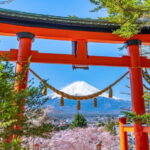
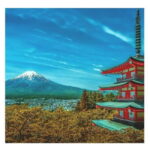
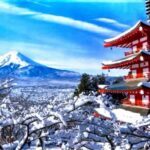
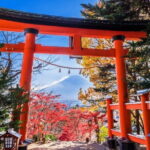
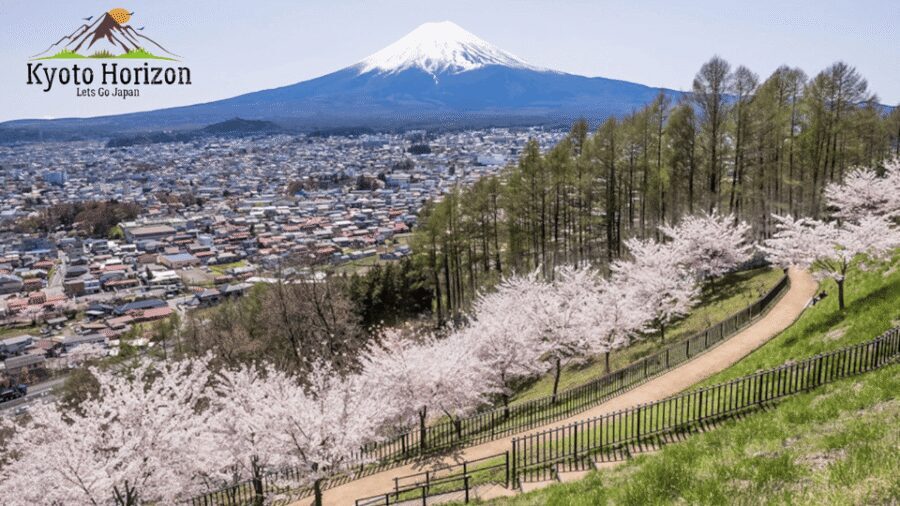
Next comes Chureito Pagoda, one of the most iconic viewpoints in the Fuji region. The big draw is the panoramic framing—especially when seasonal conditions add that classic look people associate with Japan.
You’ll have about 80 minutes here with photo time, guided explanation, and sightseeing/free time. That’s a good window because the best photos are rarely one-and-done. You need a little walking time, a little repositioning, and sometimes just a moment where the light looks right.
What’s smart about a stop like this on a private day is your flexibility around crowds. Your guide can help you pick where to stand and how to time your photos so you’re not stuck waiting for perfect angles. You also won’t feel stuck doing a rushed photo sprint.
Other day trips from Tokyo to Mt Fuji & Kawaguchiko

Hakone Ropeway and Owakudani: volcanic views from above
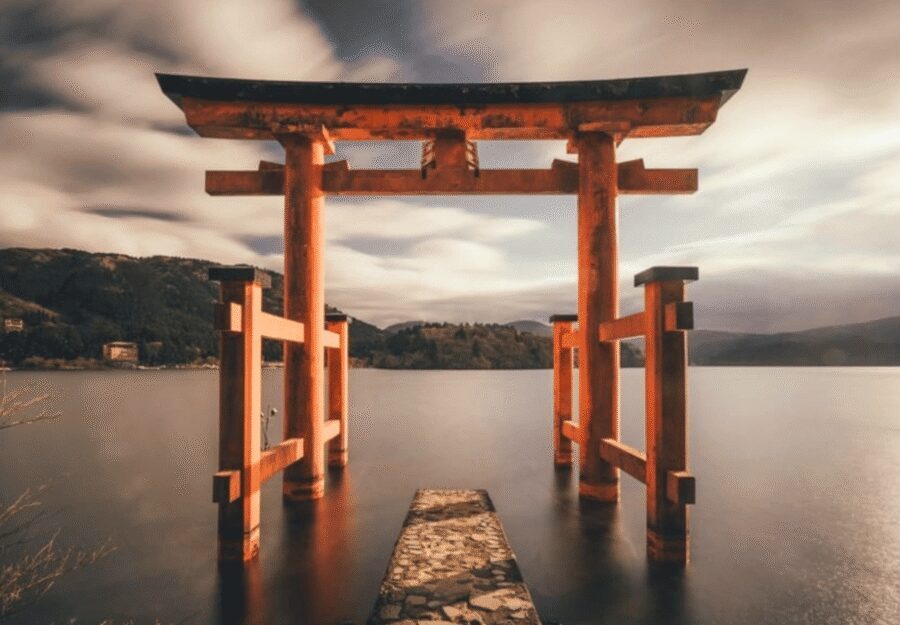
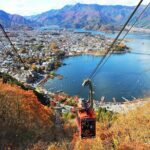
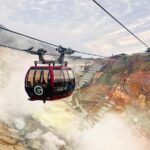
Once you shift toward Hakone, you’re trading lake-and-shrine calm for volcanic scenery. The tour includes Hakone Ropeway, with guided sightseeing and time on site around 1.5 hours.
This part matters because Hakone isn’t only about pretty postcard views—it’s also about geology you can actually see. From the ropeway you get wide views toward Owakudani Valley, with that dramatic volcanic landscape below. It’s the kind of stop that changes how you understand the Fuji-Hakone region: it’s all one story, told through different terrain.
Practical note: ropeway and boat-style tickets aren’t included. The tour also lists that tickets of activities like ropeways and boat rides aren’t included, so budget for that. Your guide can help you decide what’s worth paying for based on your interests.
Lake Ashi and Hakone Shrine: finishing with water views
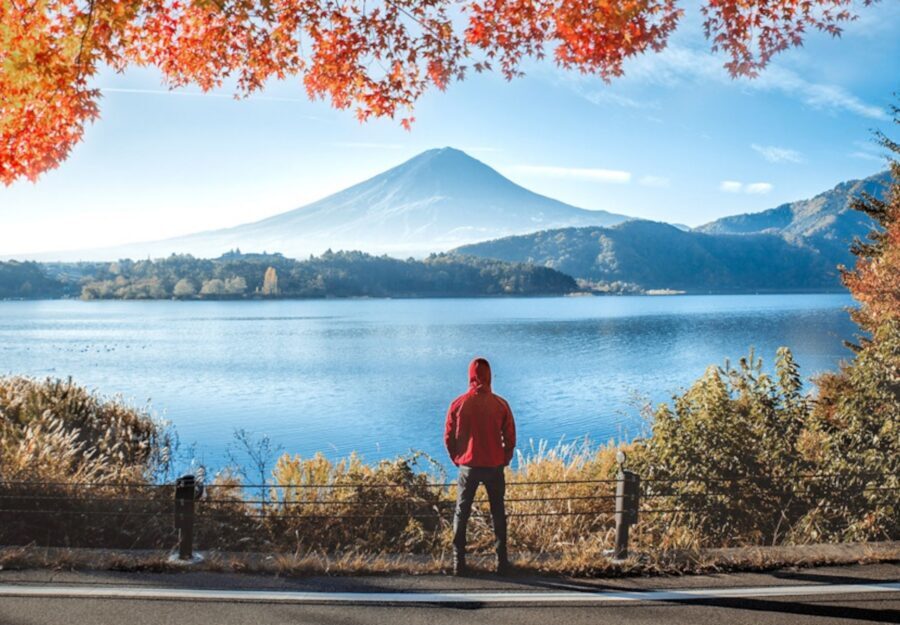
To round out the day, you’ll spend time at Lake Ashi, then visit Hakone Shrine. Lake Ashi is another of those places where you get the mountain-and-water feeling, but with a Hakone twist. The tour includes guided sightseeing there for about 1.5 hours.
Hakone Shrine is often the kind of stop you’d otherwise rush past on a group itinerary, because it’s easy to assume it’s just a quick photo. On a private day, you get room to actually take it in—plus your guide can explain what you’re looking at and how people traditionally experience the space.
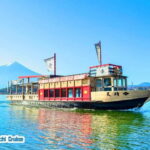
Also, Lake Ashi is specifically called out as a place where a sightseeing cruise may be part of what you do. If you want that on your day, ask early and plan for the ticket cost since boat-related tickets aren’t included.
The “in between” stops that make the day work
Some of the most useful parts of this tour aren’t the headline locations—they’re the stops that reduce friction.
One is Oishi Park. You’ll get a photo stop plus about 1 hour for guided sightseeing and time to explore on foot. This is a great spot for views without feeling like you’re constantly waiting in queues.
Another is the Hakone Open-Air Museum. It’s listed as a long break block (about 2 hours and change), so it can function like a mental reset after ropeway and water views. If you enjoy art in a park setting, this is a solid addition. If you don’t, the good news is that this stop has scheduled time so you can decide how much you want to do while still keeping the day on track.
Finally, the tour can include Fugaku Wind Cave for about 1 hour. This is more niche, but it can be a fun option if you’re the type who likes variety beyond scenic overlooks.
Customization: how your guide turns a fixed day into your day
The “private” part here is not just a fancy way to say you sit in a nicer van. The tour is intentionally built for customization, especially because the day is already long and you can’t afford to waste time on stuff you don’t care about.
Your schedule includes enough core stops to hit the region’s icons—then you can mix and match. If you’re more into scenery, you’ll lean into lakes and viewpoints. If you want culture and religion, you’ll spend more time around shrines and traditional villages. If you want nature and unique experiences, you can add ropeways, caves, and museum time.
Guide choice can also make a big difference in the feel of the day. People reported great results with guides like Musa, Mirza, Kashif, and Ali—and what stood out across those experiences is how well they tailored timing and stop choices to the group. One useful practical tip: if you don’t have must-see priorities, ask your guide what to pick for the best views that day. That’s where you often get the most value from a private guide.
One more timing tip that came up in real-world experience: consider an early pickup. Less traffic and fewer crowd surges can mean more calm time for photos. Your provider also notes that traffic can cause late arrivals, so leaving room for that is part of playing it smart.
Getting there from Tokyo: comfort, timing, and what to pack
The tour is approximately 10–12 hours total, with about 4 hours allocated for transfers each way in a comfortable vehicle. That’s a long day, yes, but it’s the reality of going from Tokyo to Fuji/Hakone while still visiting multiple locations.
The van is air-conditioned and private, and hotel pickup/drop-off is included. You’ll have a multilingual driver/guide, and a Wi-Fi hotspot router may be available. You also get water bottles, which sounds small until you’re doing hours of stops and photos.
What to bring:
- Comfortable shoes (you’ll walk and climb small areas)
- A camera (you’ll want it)
- Cash (for entrance fees and ticketed activities)
And a quick reality check: weather. Mount Fuji visibility can change fast. When visibility is good, you’ll want your time ready for photos. When it’s not, a flexible guide who can pivot to other satisfying viewpoints is a big win.
Price and value: why $313 per group can make sense
The price is listed as $313 per group (up to 6 people) for 10–12 hours, with hotel pickup/drop-off and private transportation included. That’s not “cheap,” but it’s also not paying per person for a crowded group bus.
Here’s how I judge the value:
- You’re paying for time (hotel pickup, organized routing, and guided stops).
- You’re paying for privacy (your group controls pacing).
- You’re paying for a multilingual live guide, which can transform cultural stops from random sights into something you understand.
Not included costs you should plan for:
- Mt. Fuji entrance fee: listed as 2,800 JPY per group
- Tickets for activities like ropeways/boats/caves
- Meals (you’ll choose where and what you eat)
If you’re a couple, this tour can still be a good deal because the price is per group, not per person. If you’re traveling with friends or family and can fill a larger share of the van, the value gets stronger.
Who this tour fits best
This works especially well for:
- Couples who want maximum views without constant decision-making
- Families who need a plan but still want flexibility for kids and meal breaks
- First-time visitors who want both Fuji Five Lakes and Hakone in one day
- People who care about guided context at shrines and cultural villages, not just scenery
There’s one clear limit: it’s not suitable for people over 95 years. If anyone in your group has mobility constraints, confirm details with the local provider ahead of time—especially if you plan to do ropeway sections or any hiking at higher elevations.
Should you book this Fuji and Hakone private day?
I’d book it if you want a smooth day with real structure, but you still want the freedom to adjust based on what you see that morning. The combination of Mt. Fuji 5th Station, lakes around Kawaguchiko, classic pagoda framing at Chureito, and then Hakone’s ropeway and water views is exactly the kind of one-day “greatest hits” that doesn’t feel like a rush when you have a private guide.
I’d think twice if your trip dates fall during July 1 to September 10 and access to the 5th Station may be limited for private vehicles. In that case, it’s still worth booking if your guide can adjust well, but you should confirm what the plan becomes on your specific day. Also, if you hate long travel days, this one won’t be fun—Tokyo-to-Fuji/Hakone is simply a time commitment.
If you want, tell me your travel month and whether you care more about views, shrines, or unique nature stops, and I’ll suggest a smart way to prioritize your day on this private format.
FAQ
How long is the tour, and how much time is driving?
The tour runs about 10–12 hours. Roughly 4 hours are typically spent on transfers to and from Tokyo, and the remaining time is for sightseeing and stops.
What’s included in the price?
Included are hotel pickup and drop-off, private air-conditioned van transportation, a multilingual driver/guide, a customizable itinerary, Wi-Fi hotspot router when available, and water bottles.
Is the Mt. Fuji entrance fee included?
No. The Mt. Fuji entrance fee is listed as 2,800 JPY per group, and it’s not included.
Are tickets for ropeways or boats included?
No. Tickets for activities like ropeways or boat rides are not included.
What meals are included?
Meals are not included, so you’ll choose where to eat during the day.
Where does the pickup happen?
Pickup is possible from hotels, hostels, airbnbs, apartments, or other addresses within Tokyo’s 23 wards. Pickup isn’t available from airports, ports, or stations.
What languages are available for the guide?
Languages listed are English, Hindi, Arabic, Urdu, and Japanese.
Is the itinerary completely fixed?
No. The day is described as customizable, so you can mix and match spots between Fuji and Hakone depending on your preferences.
Are there any important seasonal or access limits?
Yes. The info notes that as part of seasonal restrictions, private vehicles cannot go to the 5th Station from July 1 to September 10.