REVIEW · TOKYO
Mount Fuji Full Day Tour form Tokyo Lake Kawaguchi & Yamanaka
Book on Viator →Operated by F Trip · Bookable on Viator
Mount Fuji shows up fast today, if the clouds cooperate. This 10-hour small coach tour is built for efficiency: you leave Tokyo early, hit the top spots around Lake Kawaguchi and the Fuji Five Lakes area, then return the same day with a guide and a bus that handles the driving.
I love that it’s truly convenient—round-trip transfers from central Tokyo with an air-conditioned vehicle, plus a mobile ticket. I also like the way the schedule stacks views in multiple places (lakes, parks, pagoda area), so you get more than one chance at a clear Mount Fuji moment.
One thing to consider: it’s a packed day. With quick stops (some as short as 15–25 minutes), you’ll have less time to wander slowly than you would on a slower, custom trip—especially if you’re traveling with a young child.
In This Review
- Key things to know before you go
- Why this Mount Fuji day trip works so well from Tokyo
- The 10-hour pacing: what you gain and what you trade away
- Lake Yamanaka: Swan Lake vibes to start the day
- Oshino Hakkai: the spring-water stop that feels like a detour worth it
- Lake Kawaguchiko + Oishi Park: two ways to frame Fuji
- Arakurayama Sengen Park and the Chureito Pagoda viewpoint
- Arakura Fuji Sengen Shrine: a short prayer stop with real age behind it
- Retro streets and the blue Lawson photo corner
- Guide support makes the whole circuit easier
- Price and value: does $60.90 really make sense?
- Who should book this tour (and who might want a slower plan)
- Should you book this Mount Fuji Full Day Tour from Tokyo?
- FAQ
- What time does the tour start, and where does it meet?
- How long is the Mount Fuji tour?
- Is lunch included?
- Are admission fees included for the stops?
- How many stops will I visit?
- Is Mount Fuji guaranteed to be visible?
- What’s included in the price?
- Is there free cancellation?
Key things to know before you go
- Transfers from Tokyo included: you avoid the puzzle of trains + buses for a same-day loop.
- Eight major stops: lakes, springs, shrine, and classic photo viewpoints in one ride.
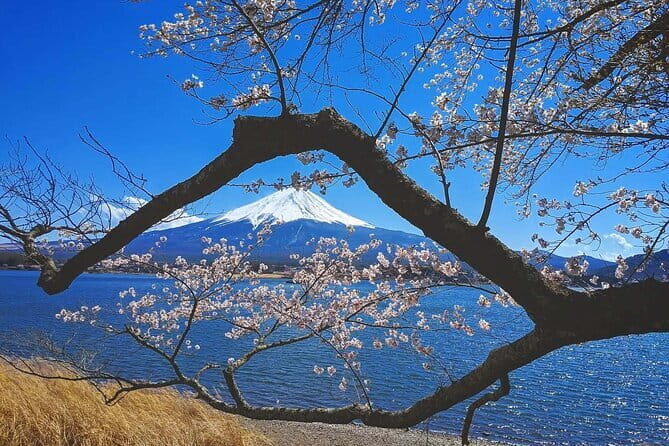
- Multiple photo angles for Mount Fuji: the itinerary spreads views across the area so clouds don’t ruin everything.
- Good pace, not a long linger: short time windows mean grab photos, then enjoy the moment.
- Free admission stops: the schedule lists admission tickets for the key sights as free.
- Max group size 48: big enough to run smoothly, small enough to stay organized.
Why this Mount Fuji day trip works so well from Tokyo
If you’re using Tokyo as your base, getting out to Mount Fuji usually means extra planning. This tour removes that stress. You meet at STAND TJapan in Marunouchi (Chiyoda City) and start at 8:00am, with the bus doing the long haul so you can focus on the views and the stops.
The best part is the structure. Instead of one single viewpoint, you visit a chain of places around the Fuji Five Lakes region. That’s smart, because Mount Fuji visibility is unpredictable—fog, low cloud, and shifting weather can hide the peak even on a clear day. The schedule gives you repeated chances.
Also, it’s designed for people who want variety without changing plans all day. You’ll move from lakes to springs to a shrine complex to a retro shopping street and even a famous convenience-store photo corner. It’s a lot, but it stays coherent: each stop ties to how people actually see Fuji—from water reflections to pilgrimage viewpoints.
Other Mount Fuji tours we've reviewed at Mt Fuji & Kawaguchiko
The 10-hour pacing: what you gain and what you trade away
This is a full-day outing (about 10 hours) with a tight loop. The ride time isn’t just “time in transit,” either—you’re going from major photo areas to major photo areas. That matters, because in this region the best viewpoints are spread out.
Where you’ll feel the trade-off is at the stops. Some are 15 minutes (like the shrine photo/prayer stop), some are 25 minutes, and a couple are longer (like about 1 hour at the Arakurayama area and 1 hour at Oshino Hakkai). That’s plenty to see, take pictures, and walk a reasonable path. It’s not a lot of time if you love lingering.
My practical advice: decide in advance what matters most to you. If you care about photos, bring what you need so you don’t waste minutes at each stop. If you care about slow strolling, this still can work, but you’ll want to keep expectations realistic—this tour is about highlights.
Lake Yamanaka: Swan Lake vibes to start the day
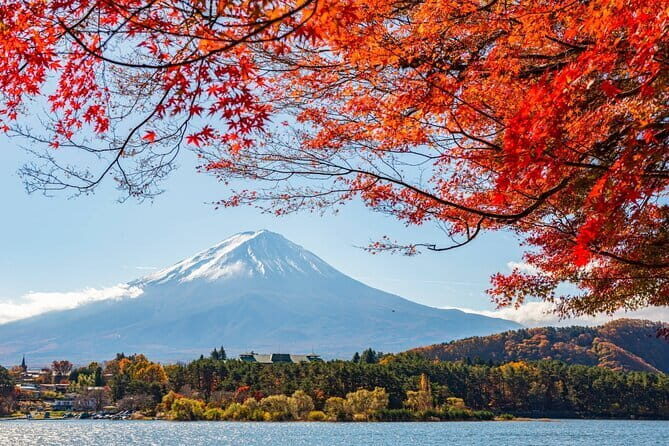
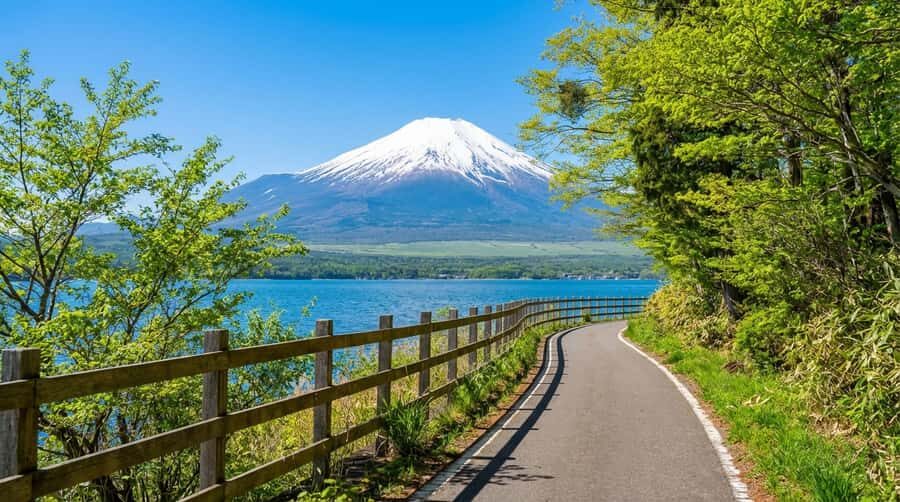
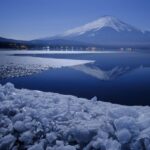
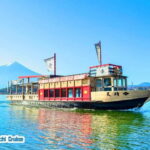
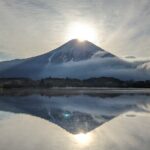
You’ll begin at Lake Yamanakako, often called Swan Lake. The idea here is a calm warm-up: a gentler setting before the bigger viewpoints. You can stroll around the lake area and enjoy the serene atmosphere, and the stop description even includes feeding swans.
Why I like starting here: it sets the tone. By the time you reach Kawaguchi and the pagoda viewpoint, you’re usually in full photographer mode. Lake Yamanaka gives you a quieter break where the scene is natural and the pace feels less rushed.
Time is short—about 25 minutes—so you’ll likely want to focus on a loop walk and a few key angles rather than trying to cover everything. If you’re the type who wants one postcard reflection shot and then you’re done, this is a good opener.
Oshino Hakkai: the spring-water stop that feels like a detour worth it
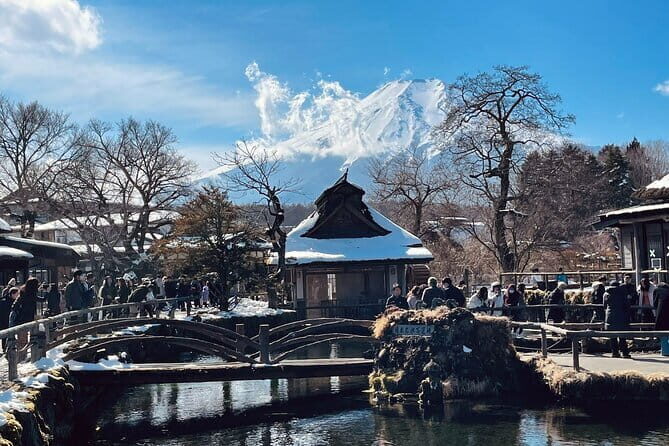
Next is Oshino Hakkai, a World Heritage site known for eight clear springs fed by snowmelt from Mount Fuji. The stop is around 1 hour, which is a healthy chunk because this isn’t just a viewpoint—it’s a walkable water scene.
What makes Oshino special is that it’s tangible. You’re not just looking at Fuji; you’re seeing how the mountain’s snowmelt becomes water in the landscape. And you can sample the spring water for free, which turns the visit from visual to sensory.
Practical tip for your photos: shoot with the water flow and surrounding stonework in mind. You’ll get better variety if you include small details, not only wide shots of Fuji vibes (which may or may not show up depending on the day).
Lake Kawaguchiko + Oishi Park: two ways to frame Fuji
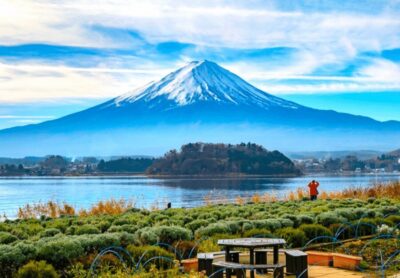
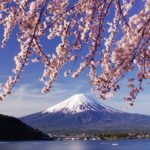
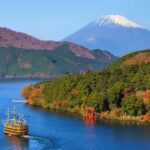
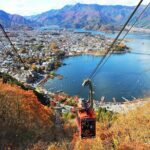
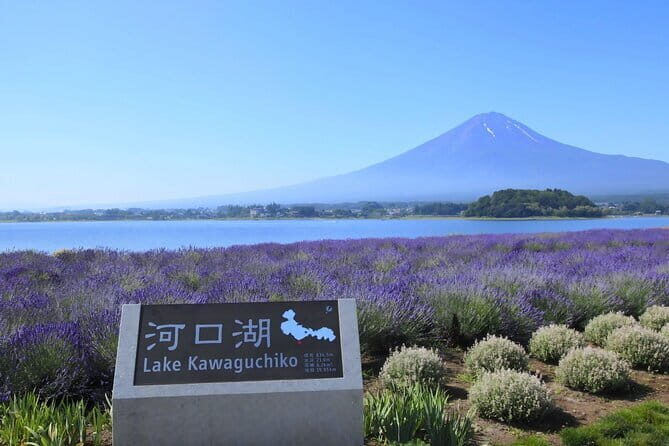
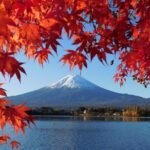
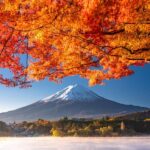
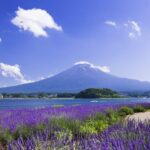
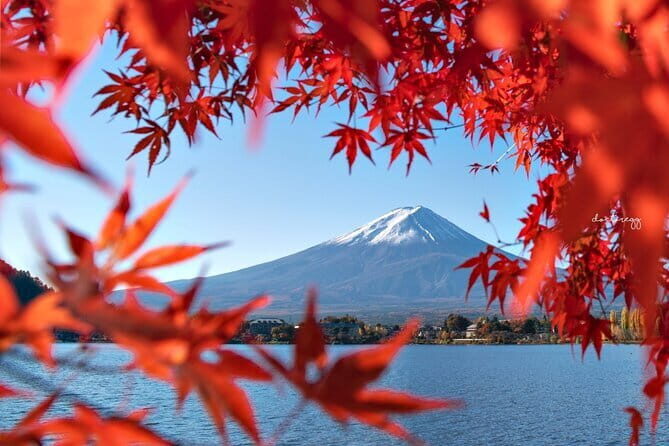
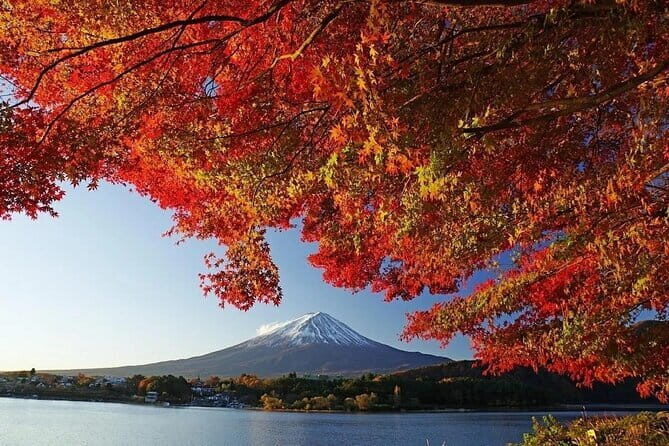
After Oshino, you head to Lake Kawaguchiko (about 25 minutes). This lake is known for its shoreline viewpoints and for the way it can frame Mount Fuji from different angles. Even when Fuji is only partly visible, the lake area still gives you a strong sense of place.
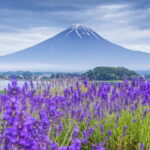
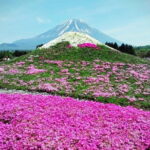
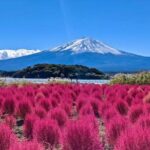
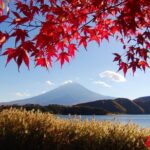
Then you move to Oishi Park for about 25 minutes, where seasonal flowers are the star. The listing calls out a range of seasonal displays—cherry blossoms, lavender, red leaves, kochia, and even snow-and-reeds styling when winter arrives.
This pairing is smart. You get one stop focused on water framing (Lake Kawaguchi) and one focused on foreground texture and color (Oishi Park). If Fuji is visible, the composition can be beautiful. If Fuji is hidden, you still have a scenic reason to stop.
My suggestion: if you’re traveling in a season with prominent flowers, Oishi Park becomes even more valuable. In other seasons, treat it as a palette stop—walk a bit, take a few photos, then move on.
Other Lake Kawaguchiko tours at Mt Fuji & Kawaguchiko

Arakurayama Sengen Park and the Chureito Pagoda viewpoint
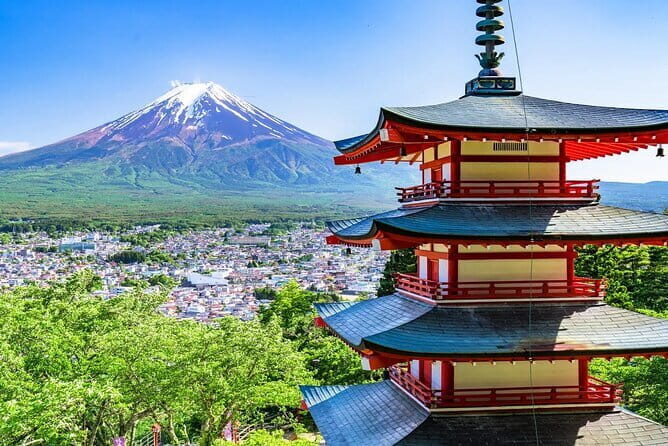
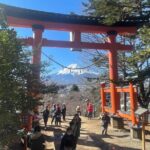
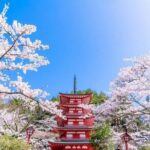
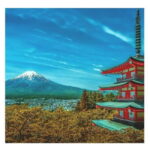
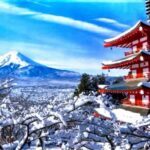
One of the signature moments is at Arakurayama Sengen Park in Fujiyoshida, with about 1 hour at the site. This is where you’ll go for the famous Chureito Pagoda views—an iconic composition that people chase for good reason.
What you should know ahead of time: this area is set up for walking and photographing. The pagoda scene sits inside a larger viewpoint zone, and the walking path is part of the experience. If you want the classic shot, give yourself a little time to find a spot where the angle works.
Why this stop is worth protecting time for: it’s one of the most recognizable Fuji images in Japan. Even if you’re not a heavy photographer, it’s the kind of place where you feel like you’re finally in the right story.
Arakura Fuji Sengen Shrine: a short prayer stop with real age behind it
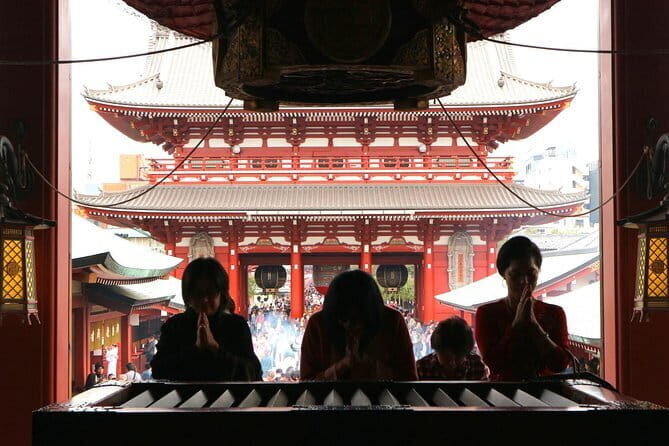
Right after Arakurayama, you’ll visit Arakura Fuji Sengen Shrine (about 15 minutes). The shrine is listed as dating back to 705, with a history of more than 1,300 years, and it’s described as a place people pray for well-being and family happiness.
There’s also a Mount Fuji eruption connection in the stop description: in 807, a large-scale eruption triggered panic, and the shrine is said to have helped society respond. Whether you focus on the architecture or the legend, it adds meaning beyond the photo.
Time here is brief. Think of it as a quick pause to reset—take a moment, look around, and then keep moving. If you go into this stop expecting a long temple visit, you might feel the clock. But if you want context for the place you’re already photographing, it works well.
Retro streets and the blue Lawson photo corner
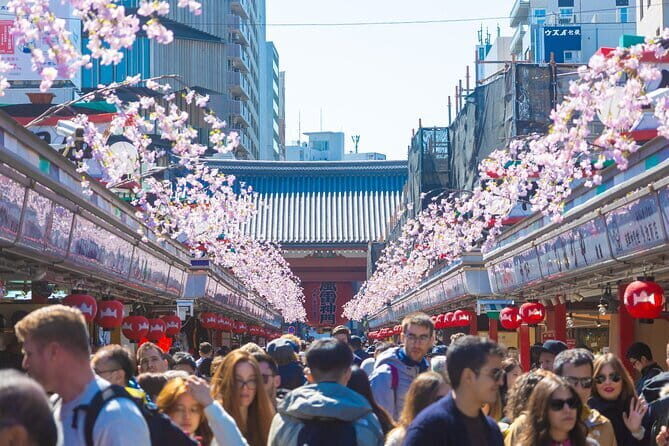
After the shrine area, you head into Fujiyoshida Retro Shopping Street (about 20 minutes). This is Shimoyoshida Honcho Street, and the listing mentions items like the Hikawa Clock Shop and a path called the Stairway to Mt. Fuji.
This stop is more about atmosphere than ticking off a single landmark. You’ll get a little break from the big photo viewpoints and a chance to see the local side of the Fuji pilgrimage zone—plus, it’s a nice change of pace after climbing/walking around the Arakura area.
Then you finish with a highly Instagrammable location: the Lawson Fujikawaguchiko area photo spot (about 15 minutes). The description specifically highlights the modern blue storefront as a contrast against Mount Fuji. It’s quick, but it’s also funny how effective it is—Japan’s tallest-peak view meets everyday convenience-store branding.
My advice: if you’re chasing a clean Mount Fuji shot, this is one of your last chances. Bring your camera ready and don’t burn time on anything that isn’t connected to your main photo goal.
Guide support makes the whole circuit easier
A big part of why day trips like this feel smooth is the guide. Based on guide names that have led this tour (Taiyo, Eric, and Belle show up in past experiences), you can expect a friendly, organized tone and clear communication about what to do at each stop.
I like when guides help you plan your photos without making it feel bossy. In this itinerary, the stops are short enough that you benefit from direction—where to walk first, what to prioritize, and how to keep the group together.
Also, quick practical note: the tour is organized to avoid you stitching together public transportation on your own. That’s not just convenience; it reduces stress. You can show up, listen, and move.
Price and value: does $60.90 really make sense?
At $60.90 per person, this isn’t a luxury tour. It’s value pricing built around transportation + organization. What makes it feel reasonable is that the major admission items on the listed stops are free (Lake Yamanaka stroll, Oshino Hakkai springs tasting, lake/park viewpoints, and the shrine). You’re paying mainly for getting there, getting around, and the guide time.
What’s not included is lunch. That’s the one clear extra cost you should plan for. If you’re budgeting, bring snacks you can handle easily or plan to buy food near the areas during your free time. The stop times are limited, so you’ll want to avoid long meals that eat into sightseeing.
Is it “cheap”? Not exactly. But considering a full-day transfer loop from central Tokyo, it can work out well—especially if you’d otherwise pay separately for transit tickets, timed entries, or multiple half-day tours.
Who should book this tour (and who might want a slower plan)
This tour fits best if you:
- Want a fast Mount Fuji highlights route without train/bus planning.
- Care about seeing multiple scenic types: lakes, springs, shrine context, and the classic pagoda view.
- Prefer a guide-led schedule when time is tight.
It may be less ideal if you:
- Want lots of quiet time in one place (the schedule is short-stop focused).
- Are traveling with someone who needs slower pacing; one past experience flagged that a child might want more time to move gradually.
If you’re a first-time Fuji visitor, this is a smart way to “get oriented.” If you’ve already seen Fuji once and want deeper exploration (longer hikes, more off-the-beaten paths), you’ll probably want a more flexible plan.
Should you book this Mount Fuji Full Day Tour from Tokyo?
I’d book it if your goal is simple: see the best-known Fuji-area scenes in one day, with Tokyo transfers and an itinerary that repeats the chance for clear views. The combination of Lake Yamanaka, Oshino Hakkai, Lake Kawaguchiko, Oishi Park, Arakurayama/Chureito, Arakura Shrine, and the retro street photo stops gives you variety without needing a spreadsheet.
I wouldn’t book it if your priority is a slow, relaxed day. The clock is part of the package here. You’ll enjoy it most if you treat each stop as a “see it, capture it, and move” experience.
Bottom line: for a well-organized first Fuji loop, this is a solid pick—especially at this price point—just go in ready for a packed but rewarding day.
FAQ
What time does the tour start, and where does it meet?
The tour starts at 8:00am. The meeting point is STAND TJapan, Marunouchi (Tokyo Chiyoda City, 1-chōme51 1F), and the tour ends back at the meeting point.
How long is the Mount Fuji tour?
It runs for about 10 hours.
Is lunch included?
No. Lunch is not included.
Are admission fees included for the stops?
The tour lists many of the key stops as having free admission in the itinerary, and the tour includes all fees and taxes.
How many stops will I visit?
You’ll visit eight stops, including Lake Yamanaka, Oshino Hakkai, Lake Kawaguchiko, Oishi Park, Arakurayama Sengen Park/Chureito area, Arakura Fuji Sengen Shrine, a retro shopping street, and a Lawson Fuji photo area.
Is Mount Fuji guaranteed to be visible?
Visibility isn’t guaranteed. The itinerary includes multiple scenic viewpoints to improve your odds if conditions change.
What’s included in the price?
Included items are an air-conditioned vehicle and all fees and taxes.
Is there free cancellation?
Yes. Free cancellation is available up to 24 hours before the experience starts for a full refund.