REVIEW · TOKYO
From Tokyo:Mount Fuji Private Customizable Tour With English
Book on GetYourGuide →Operated by Nihon Tour LLC · Bookable on GetYourGuide
Mt Fuji, in a private day, beats the bus. This trip is built for getting the big views without the hassle, with a private car and enough flexibility to chase the exact kind of day you want. I like that you can frame Mount Fuji with dramatic foreground scenery, and that the route can adapt if your priorities shift after you see the area. Guides on the day can be especially helpful too, including drivers like Abdul and Adi, who focus on making sure everyone gets the shots and the pacing works for families.
I also love the fact that you’re not stuck with just one scenic stop. You can pair the Mt. Fuji 5th Station panorama with time around the Fuji Five Lakes area, including calm lakeside viewpoints and iconic photo corners. On top of the scenery, there’s a real culture stop at the Sengen Shrine Complex, so the day doesn’t feel like driving in circles for photos alone.
One possible drawback: tickets and entrance fees can add up, and the schedule is tight. The Mt. Fuji entrance fee (2100¥) isn’t included, and activities like ropeways or cruises cost extra. Plus, it’s about 10 hours total with roughly 4 hours spent transferring to and from Tokyo, so you’ll want to choose carefully where your 6 hours of sightseeing land.
In This Review
- Key highlights that make this Mt. Fuji day feel worth it
- Private car from Tokyo: fewer delays, more control
- Mt. Fuji 5th Station: the view that anchors the whole day
- Lake Kawaguchiko and the Fuji Five Lakes angle
- Oshino Hakkai: calm ponds and a classic stop near Fuji
- Chureito Pagoda and seasonal framing at a glance
- Optional culture and villages: Saiko Iyashi-no-Sato Nenba
- Hakone choices: when you want volcanic views or art instead of more lakes
- When you want family-friendly fun near Mt. Fuji
- Price and value: $364 per group, plus the real add-ons
- Practical rules and timing: what can make or break the day
- How guides like Abdul, Adi, and Nabeel shape the experience
- Should you book this Mt. Fuji private day trip?
- FAQ
- What’s the total length of the tour?
- Where does pickup happen?
- Is the driver English speaking?
- Is lunch included?
- Are ticket prices for activities included?
- Is the Mt. Fuji entrance fee included?
- Are backpacks and bags allowed?
- Is this tour suitable for pregnant travelers or people with health conditions?
- What is the cancellation policy?
Key highlights that make this Mt. Fuji day feel worth it
- Private car from your Tokyo hotel means fewer waits and easier timing for photos
- Mt. Fuji 5th Station for classic valley views and the iconic climb-you-can-see energy
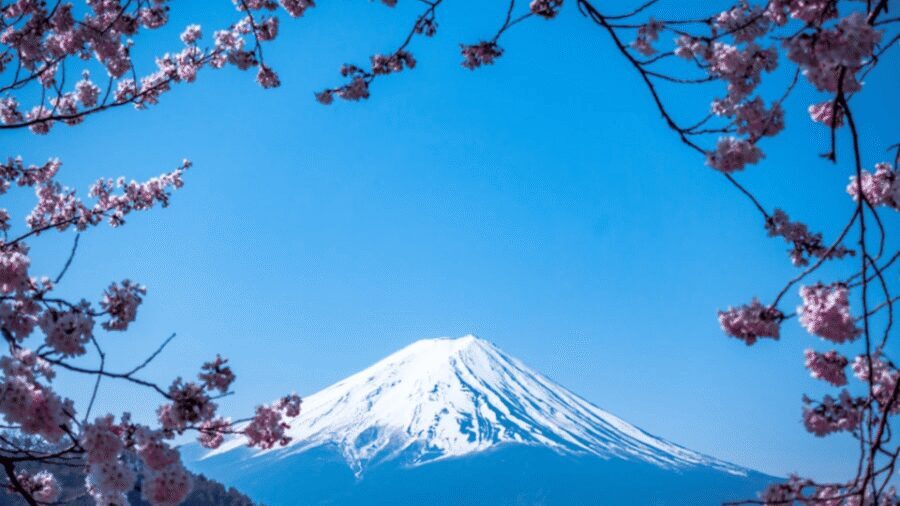
- Fuji Five Lakes options, especially Lake Kawaguchiko for that Fuji-over-the-water look
- Oshino Hakkai ponds for a quieter, historic-feeling break near the springs
- Chureito Pagoda and seasonal views when conditions line up and timing matters
- Hakone or a theme park option if you want a day that’s more than mountains
Private car from Tokyo: fewer delays, more control
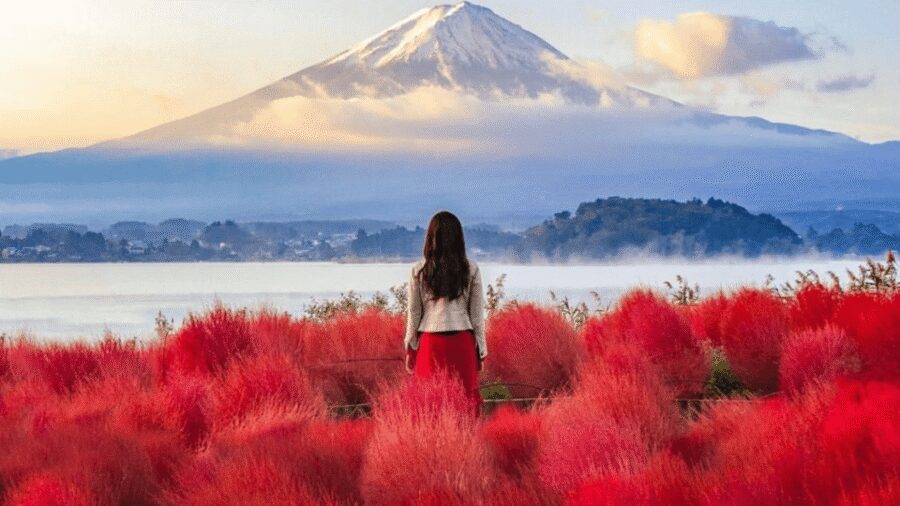
This is a private day trip, so your day starts with pickup from your hotel (or another spot you choose within Tokyo’s 23 wards). The big practical win here is that you’re not stuck coordinating with strangers, and you can tell your English-speaking driver what you want to prioritize.
The tour runs about 10 hours. Roughly 4 hours are for transfers to and from Tokyo, leaving around 6 hours to explore. That time split is important. It means you should think of this as a “main sights” day, not a slow sightseeing marathon. If you try to pack in everything, you’ll likely spend more time in the car than on the ground.
The vehicle is air-conditioned and private, which matters when you’re bouncing between viewpoints. Comfort is one thing; timing is another. In a region where traffic can swing, having a driver who will adapt is a real advantage. Some guides, like Nabeel, are noted for being flexible and asking what you want to do next.
Other Mount Fuji tours we've reviewed at Mt Fuji & Kawaguchiko
Mt. Fuji 5th Station: the view that anchors the whole day
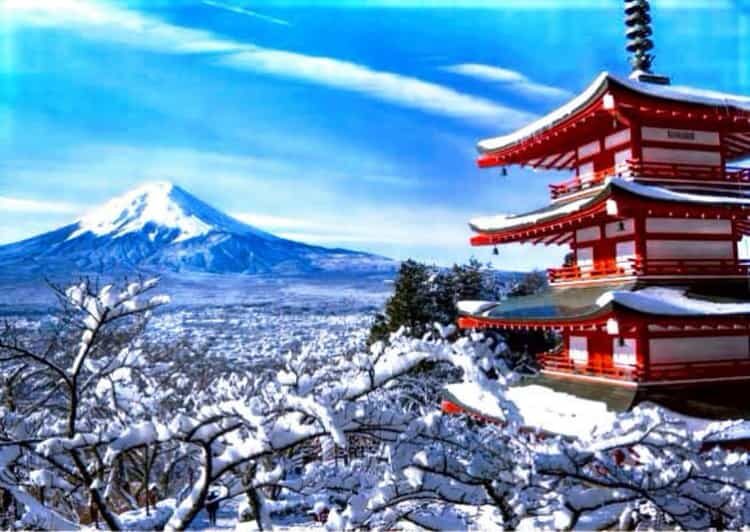
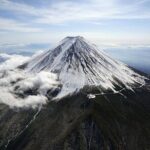
Your first major stop is Mt. Fuji 5th Station. Even if you’re not hiking, this is one of the best “I get it now” moments. The station sits at a key high point where you can see the surrounding valleys and peaks spread out. It’s also one of the strongest places for photo attempts because the perspective makes the mountain feel close and dramatic.
A few practical points to make your stop go smoothly:
- Dress for real temperature swings. Higher elevations can feel cooler than the city.
- Plan for short viewing windows. You’ll likely want to get photos, walk a bit, and then be ready to move on.
- If your goal is video or specific angles, it helps when your driver is willing to slow down for a clean shot. This is something drivers like Abdul have been praised for.
If weather is foggy or cloudy, this stop can still be worthwhile for the atmosphere. But your day plan may shift in that case, which is where having customization helps.
Lake Kawaguchiko and the Fuji Five Lakes angle
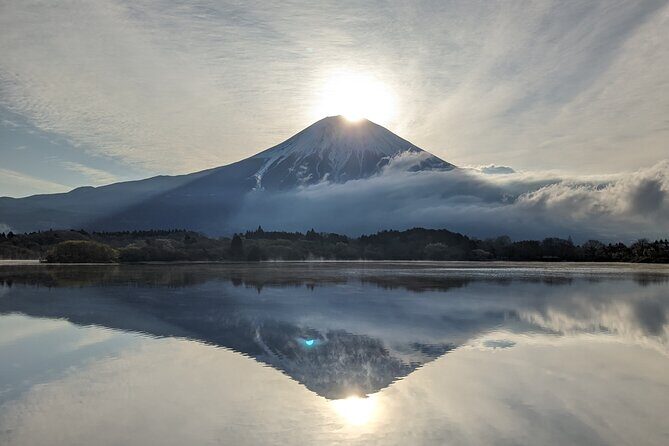
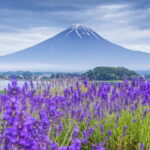
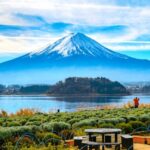
After the 5th Station, the route typically heads into the Fuji Five Lakes region, with Lake Kawaguchiko as a highlight. The appeal is simple: you’re in a spot built for the classic composition—Mount Fuji framed above a calm lake.
What I like about Kawaguchiko is that it works for different travel styles:
- If you want photos, this is a natural choice because the view aligns well with waterfront strolling.
- If you want a breather after the drive and the higher elevation air, it’s quieter and more relaxed than the big shrine/monument stops.
This is also where the day’s pacing starts to matter. Since your total on-the-ground time is limited, you’ll want to treat Kawaguchiko as a meaningful stop, not a quick walk-by.
If your timing is right, you can end up with that crisp “Fuji over water” feeling that most people came for in the first place. If not, the lake still gives you a scenic reset before the next cultural or viewpoint detour.
Oshino Hakkai: calm ponds and a classic stop near Fuji
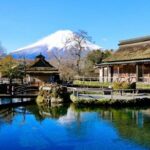
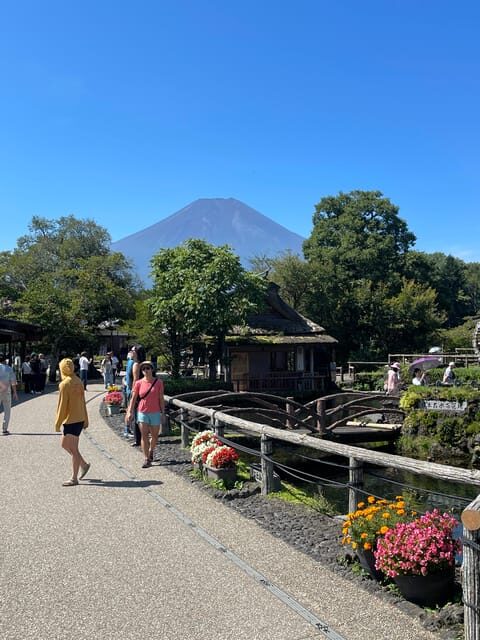
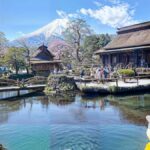
Next up is Oshino Hakkai, a village known for crystal-clear ponds and traditional homes. This is a very different mood from the lake viewpoint. Instead of a wide view, you get close-up scenery—water, small lanes, and a sense of how the area has long attracted pilgrims and travelers.
I find Oshino Hakkai works well as a “human scale” break in a day that otherwise focuses on dramatic vistas. It’s also a good chance to slow down because you’re not managing altitude or long ropes and ladders—just walking, looking, and taking in the details.
One reason this stop adds value: it helps connect the landscape to a story. You’re not only seeing what Fuji looks like; you’re also stepping into a part of Japan’s cultural rhythm that grew around the natural features here.
Chureito Pagoda and seasonal framing at a glance
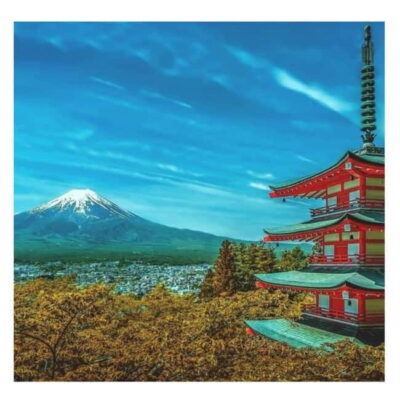
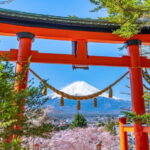
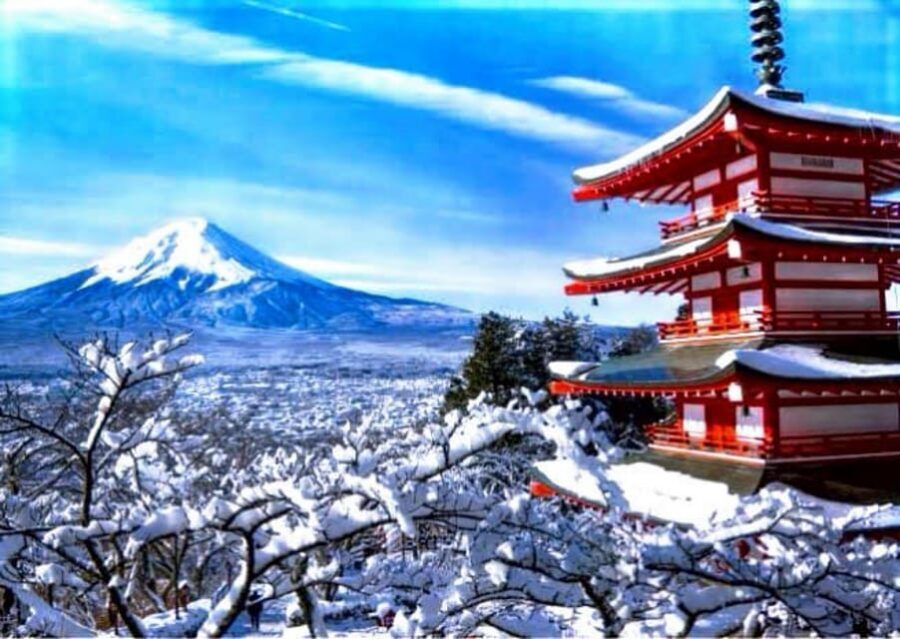
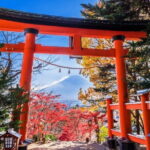
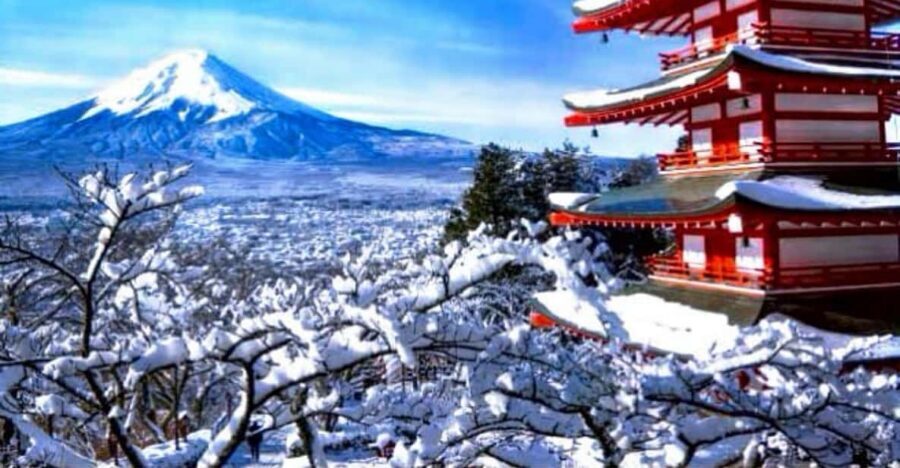
If you choose to include it, Chureito Pagoda is one of the most iconic Fuji photo spots in the area. The tower’s clean lines give you a strong foreground, and Fuji often rises behind it in a way that feels postcard-perfect.
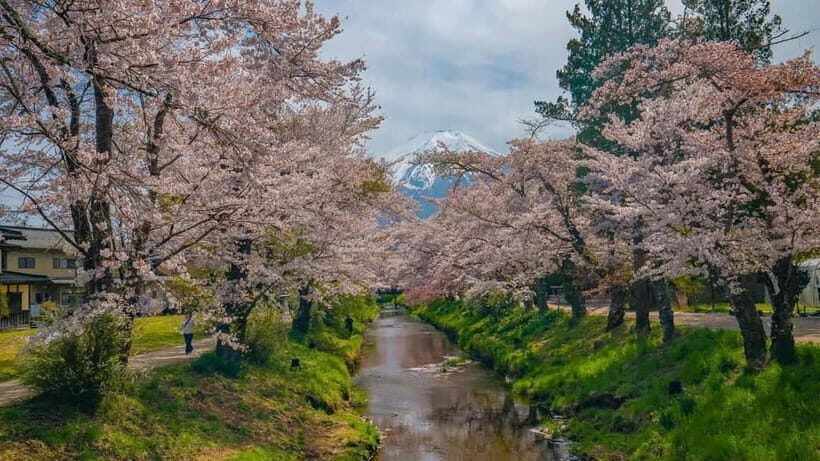
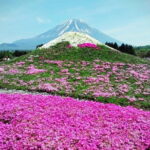
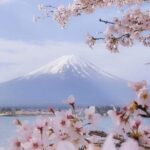
The note you should know is seasonal: cherry blossoms can create a particularly famous frame around this view. Even without blossoms, it still tends to deliver that “wow, that’s Fuji” effect because of the composition.
Because your day is customizable, you’re making a tradeoff: time spent here means less time for another stop. But if the goal is an iconic shot, it’s a high-return stop.
Other day trips from Tokyo to Mt Fuji & Kawaguchiko

Optional culture and villages: Saiko Iyashi-no-Sato Nenba
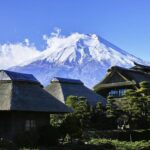
Your itinerary can branch into additional cultural stops, including Saiko Iyashi-no-Sato Nenba, a reconstructed traditional village with thatched-roof houses. This is a slower type of attraction, more about atmosphere and architecture than about wide mountain views.
I like this option when:
- You’re traveling with mixed ages and not everyone wants long viewpoint walks.
- You want something distinctly Japanese that still feels connected to the Fuji region.
Since your sightseeing time is limited, this is best used when you feel you’ve already gotten the core Fuji views you need. Otherwise, it can take time away from more view-heavy stops.
Hakone choices: when you want volcanic views or art instead of more lakes
If you want to broaden the day beyond the Fuji Five Lakes, the itinerary can shift toward Hakone. This is a smart backup plan in many situations because weather can affect the Fuji view differently across the region, and Hakone offers its own dramatic scenery.
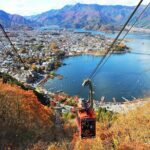
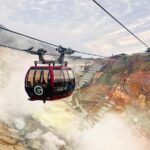
A classic Hakone option is the Hakone Ropeway, with views toward Owakudani Valley and the volcanic landscape below. The ropeway angle is the key here: you’re not only looking at volcano scenery from the ground, you’re riding into it, which changes what the experience feels like.
You can also consider cultural and scenic alternatives such as:
- Hakone Open-Air Museum (art in an outdoor setting)
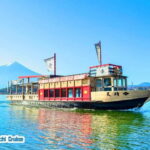
- Lake Ashi, where you can take a sightseeing cruise and view the area from the water
If the mountain is hiding and you still want a “big day,” Hakone can keep the day from feeling like you missed your main event. The downside is ticket costs: ropeway and cruise tickets aren’t included, so budget for those if you plan to do them.
When you want family-friendly fun near Mt. Fuji
This tour can also be shaped for families. One highlight option is a theme park day near Mount Fuji. If your group includes kids (or anyone who wants less museum time and more hands-on fun), this is where the customization really earns its keep.
The practical thing to remember: a theme park can eat up time quickly. Since transfers already take a big chunk of the day, you’ll want to think of it as one “anchor activity.” Pairing a theme park with a lighter set of nature/photo stops usually works better than trying to stack everything.
Price and value: $364 per group, plus the real add-ons
The price is $364 per group up to 6. For a private day trip, that’s a competitive setup because you’re paying for:
- Private transportation
- Air-conditioned vehicle
- Hotel pickup and drop-off in the Tokyo 23 wards
- An English-speaking driver
Here’s the value logic: you’re buying time and convenience. Instead of spending time coordinating transit and hoping you line up with the right views, you pay to move efficiently and follow your own pace.
Now the costs to plan for:
- Lunch is not included
- Activity tickets (ropeway, cruise, and similar) are not included
- Mt. Fuji entrance fee is 2100¥ and not included
- Pickup outside Tokyo’s 23 wards can add extra charges, depending on area, from 5000 yen to 20000 yen
Also note a key constraint: it’s not really designed for heavy luggage. Backpacks and bags aren’t allowed, so plan on bringing only small essentials.
If your group is small (1–2 people), the per-person cost can rise compared with shared tours. But if you care about a private pace, easy pickup, and customization, this setup can still feel like strong value.
Practical rules and timing: what can make or break the day
This is where I recommend you pay attention, because small issues can cause big headaches on a day trip.
Pickup timing: You’ll need to wait in your hotel lobby about 10 minutes before the scheduled pickup. Drivers don’t wait longer than 60 minutes after the pickup time. Tokyo traffic can also cause delays sometimes, so it’s worth keeping your day flexible.
Who should avoid this tour: It’s listed as not suitable for:
- Pregnant women
- People with high blood pressure
- People over 70 years old
- People over 95 years old
What not to bring: Backpacks, alcohol and drugs, and bags aren’t allowed. If you’re used to traveling with a backpack as your “everything bag,” this is the one rule that might change how you pack.
Language support: The driver is available in English, Hindi, and Japanese. Even if your group is mostly English-speaking, it’s helpful to know the support is there.
Finally, remember the core timing math: about 6 hours of sightseeing. If you want both cultural stops and big viewpoints, choose a “must-do” list, then let the driver help you fit the rest.
How guides like Abdul, Adi, and Nabeel shape the experience
This tour can feel great on paper. What makes it work in real life is the human part: your driver’s judgment on pacing and priorities.
In past experiences with guides such as Abdul and Adi, the common thread is responsiveness—adjusting where to spend time, helping coordinate photo moments, and being considerate with families. Another guide, Nabeel, is specifically noted for flexibility: asking what you want next and tailoring the order to keep everyone engaged.
There’s also a fun but real note from those experiences: sometimes conditions line up for a rare visual moment on Fuji days. One guide experience mentions seeing Fuji-san with a halo when the sky allowed it. You can’t bank on miracles, but it’s good to know your driver is actively trying to make the most of changing conditions rather than sticking rigidly to a script.
Should you book this Mt. Fuji private day trip?
Book it if you want:
- A private car and a driver who can adjust
- Classic Fuji stops like Mt. Fuji 5th Station and Lake Kawaguchiko
- Extra options for culture (Oshino Hakkai, Sengen Shrine Complex) and possibly Hakone
- A day plan that can include family-friendly time near the mountain
Skip it or reconsider if:
- You need a fully accessible, low-effort day for health reasons (it’s not recommended for pregnancy, high blood pressure, and older age bands listed)
- You’re carrying a lot of luggage, since backpacks and bags aren’t allowed
- You’re trying to do many ticketed activities without budgeting for extra costs
- You’re set on a super slow day. The transfers are part of the deal, and the on-the-ground window is limited.
If your group is up to 6 and you care about getting the best mix of views plus flexibility, this is a strong way to experience the Fuji area from Tokyo without turning your day into a logistics project.
FAQ
What’s the total length of the tour?
The tour lasts about 10 hours total, with around 4 hours allocated for transfers between Tokyo and the Fuji area, and about 6 hours for sightseeing.
Where does pickup happen?
Pickup is available from your hotel or a location of your choice within Tokyo’s 23 wards. Pickup outside the Tokyo 23 wards may require extra charges based on area.
Is the driver English speaking?
Yes. The tour includes an English speaking driver.
Is lunch included?
No, lunch isn’t included.
Are ticket prices for activities included?
No. Tickets for activities such as ropeways or cruises aren’t included.
Is the Mt. Fuji entrance fee included?
No. The Mt. Fuji entrance fee is 2100¥ and isn’t included.
Are backpacks and bags allowed?
No. Backpacks and bags are not allowed, and alcohol and drugs are also not allowed.
Is this tour suitable for pregnant travelers or people with health conditions?
The tour is listed as not suitable for pregnant women and people with high blood pressure.
What is the cancellation policy?
You can cancel up to 24 hours in advance for a full refund.