REVIEW · TOKYO
One Day 10hrs Mount Fuji Tour English Speaking Driver
Book on GetYourGuide →Operated by Travel Addicts · Bookable on GetYourGuide
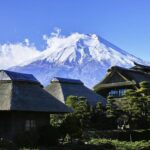
Mt. Fuji looks different in every season. This private 10-hour Mt. Fuji day tour from central Tokyo is built for maximum scenery time, with an English-speaking driver and a flexible plan that can work around your pace. You get a front-row seat to classic photo spots like the Chureito Pagoda area and the quiet lake views around Kawaguchiko.
I particularly like the way the day mixes big landscape moments with small, human-scale stops. Lake Kawaguchiko feels calm and restorative, and Saiko Iyashi-no-Sato Nenba gives you that slower, village-style break where you can wander through reconstructed houses (and sometimes dress-up options, depending on what is available that day).
One thing to keep in mind: communication and timing can vary. One driver (Zohan) was great with questions, while another experience noted English clarity could be better and that traffic delays can happen without instant updates. Also, the Mount Fuji Fifth Station depends on weather, and there’s an uphill fee you pay on-site.
In This Review
- Key highlights I’d plan around
- The vibe: a full Fuji day without the logistics headache
- Getting from Tokyo: why the 1.5-hour drive matters
- First big scene: Chureito Pagoda views from Arakurayama Sengen Park
- Mt. Fuji Fifth Station: the payoff when the sky cooperates
- Oshino Hakkai: spring-water culture in the foothills
- Lake Kawaguchiko: serene water views and easy photo time
- Kachi Kachi Ropeway and Oishi Park: views, then sunset-friendly timing
- Saiko Iyashi-no-Sato Nenba: reconstructed houses you can actually wander through
- Timing and weather: how to make the day work even when Fuji hides
- Price and value: what $554 per group really buys you
- Small group comfort: why it matters for families and first-timers
- Should you book this Mt. Fuji private tour?
- FAQ
- How long is the Mt. Fuji tour?
- Is this tour private?
- What language is available for the driver?
- Where do you get picked up and dropped off?
- Does the tour include Mount Fuji Fifth Station?
- What is included in the price?
- What costs are not included?
- Is there wheelchair accessibility?
- What’s the cancellation window?
Key highlights I’d plan around
- Private, air-conditioned van with hotel pickup and drop-off for a smoother Tokyo-to-Fuji day
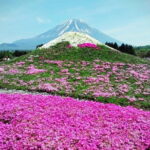
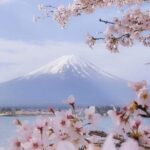
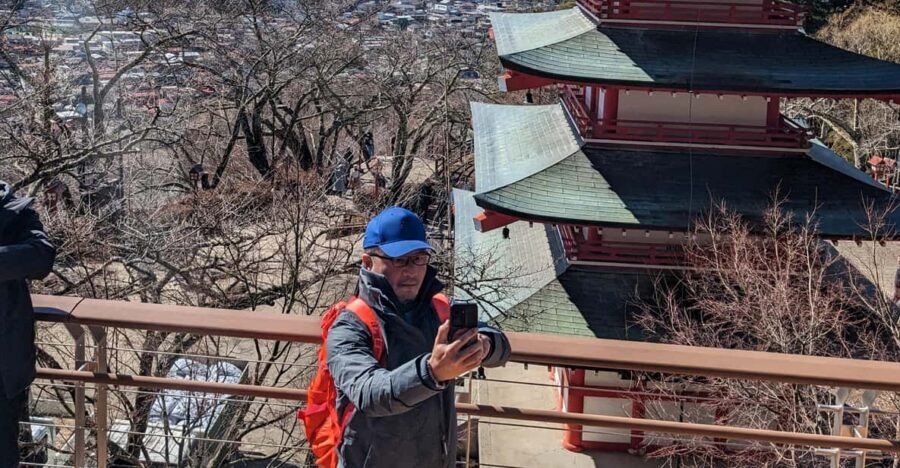
- Chureito Pagoda views from Arakurayama Sengen Park with Fuji in the background (especially magical when blossoms are out)
- Oshino Hakkai’s spring-water village vibe and that classic foothills feel
- Kawaguchiko Lake + Oishi Park photo time, including a sunset-friendly window at Oishi
- Mt. Fuji Fifth Station if weather allows, with a separate onsite uphill fee
- Small group capped at 6, so you’re not herded like a subway crowd
The vibe: a full Fuji day without the logistics headache
This kind of Mt. Fuji trip can go two ways: either you spend your day fighting schedules, or you actually enjoy the scenery. I like that this tour leans hard toward the second option. You start with pickup from your Tokyo hotel, then you’re carried to the region in an air-conditioned vehicle with a driver who can handle the route while you focus on what’s outside the window.
Because it’s private and adjustable, you can set a pace that fits you. If you want extra time for photos near the lake, you can usually ask for it. If you’re happy to move quickly between viewpoints, the driver can keep things moving. That small control matters when you’re trying to catch Fuji in good visibility, since the weather can be fickle.
The group size is also a real quality-of-life factor. With a cap of 6 participants, you’ll likely feel like you’re riding with a small set of people rather than sharing the day with dozens of strangers.
Other Mount Fuji tours we've reviewed at Mt Fuji & Kawaguchiko
Getting from Tokyo: why the 1.5-hour drive matters
The ride from Tokyo into the Mount Fuji area is about 1.5 hours each way, and that time is part of the experience. Leaving with daylight (or at least arriving before the day gets too harsh) helps your chances of seeing Fuji clearly and keeps the photo stops from feeling rushed.
On days when visibility is strong, you’ll often see Fuji gradually appear through different layers of clouds and distance. In practice, that’s when a good driver shines: they know how to position timing so you spend your walking time where it counts, not just on the road.
If you’re sensitive to punctuality, plan to be ready in the lobby about 10 minutes before pickup. The driver will message you when they arrive, but being ready early keeps the day calm.
First big scene: Chureito Pagoda views from Arakurayama Sengen Park
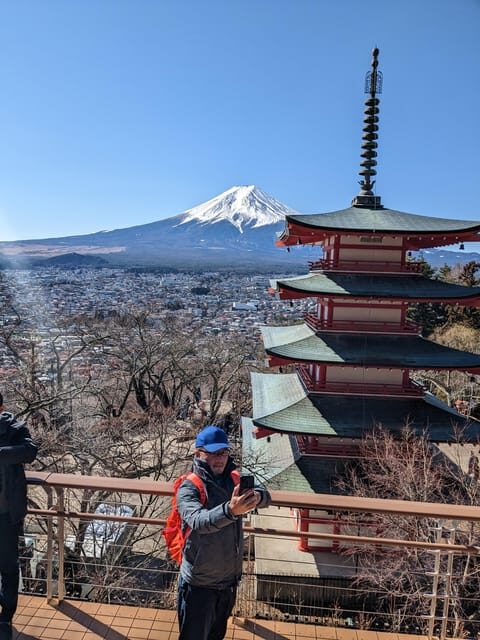
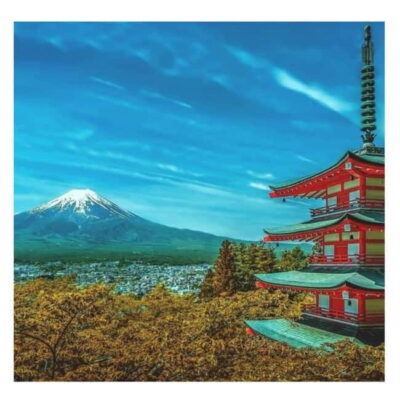
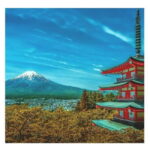
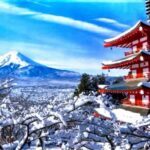
One of the most iconic Mt. Fuji pairings in Japan is Fuji with the red, pagoda-style silhouette people associate with the Chureito Pagoda area. You’ll catch this look at Arakurayama Sengen Park, where the viewpoint sets up that classic background effect when conditions cooperate.
This stop is short but meaningful: expect photo time, sightseeing, walking, and a bit of shopping in the surrounding area. The best move here is to treat it like a photo mission with room to breathe. Don’t just take one picture and run—walk around the viewpoint area a little. Small angle changes can make the difference between a Fuji that’s nicely framed and one that’s just sort of there.
Season matters. The tour highlights cherry blossoms with the pagoda look, and it’s exactly that kind of seasonal timing that can make this stop feel like a postcard—except you’re standing in the middle of it.
Potential drawback: if clouds roll in, the pagoda becomes the star and Fuji may be partially hidden. Still worth it for the views and the walking, but don’t count on Fuji being perfectly visible in every weather pattern.
Mt. Fuji Fifth Station: the payoff when the sky cooperates
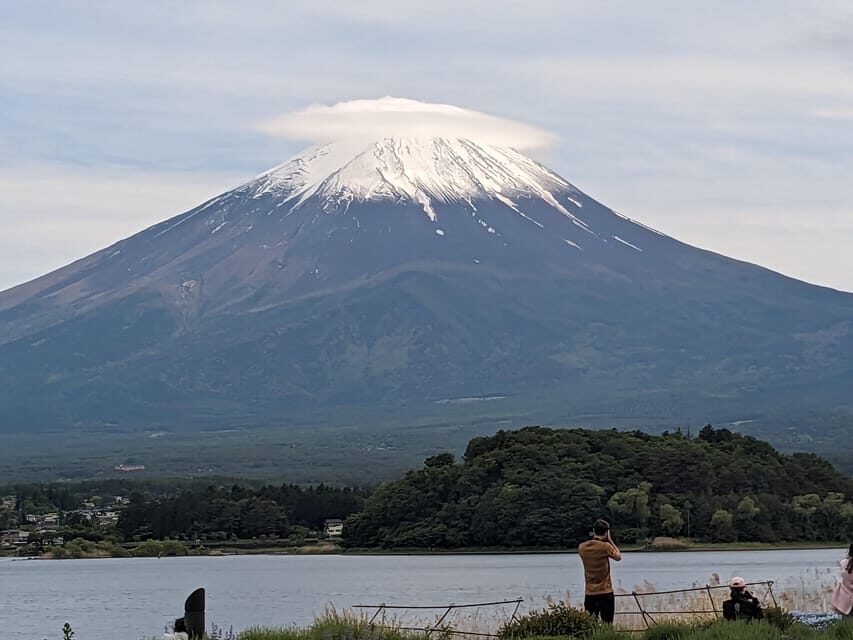
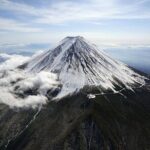
If weather permits, you’ll go up to Mount Fuji Fifth Station. This is the stop most people think of when they imagine Fuji up close—so even 30 minutes can feel big.
You get a photo stop, time to visit, some sightseeing, plus a scenic walk on the way. That short walking bit matters because the viewpoints along the approach often feel different from spot to spot. It’s not just a single view. It’s a few ways of seeing Fuji, altitude clues, and that sense of being closer to the mountain than the city ever lets you feel.
Plan for the additional cost. If your day includes the Fifth Station, there’s an uphill fee of JPY 1,500 to JPY 3,700, paid directly at the local facility. I’d treat this as part of the real cost of getting higher, not as a surprise.
Also, be flexible mentally. If visibility is poor, the driver may adjust so you’re not stuck at a viewpoint with little to see. With Mt. Fuji, the mountain sets the rules more than your timetable.
Oshino Hakkai: spring-water culture in the foothills
After the big mountain feeling, Oshino Hakkai brings you back down to earth—in the best way. This foothills village is known for its abundant spring water flowing from Mount Fuji. It’s a quieter, more village-style experience compared to the dramatic viewpoint stops.
You’ll have time for photos, sightseeing walks, shopping, and a bit of wandering. The practical benefit of this stop is that it breaks up the day so you don’t feel like you’re only sprinting from one viewpoint to another. It also gives you something “local-feeling” to do: you’re not just looking at Fuji; you’re experiencing the area that surrounds it.
What to watch for: this is a walk-friendly stop, but it’s still a limited-time one. If you love details (water features, small streets, local shop stops), go a little slower than you think you should. The time goes quickly once you start looking around.
Other private tours with English driver at Mt Fuji & Kawaguchiko
Lake Kawaguchiko: serene water views and easy photo time
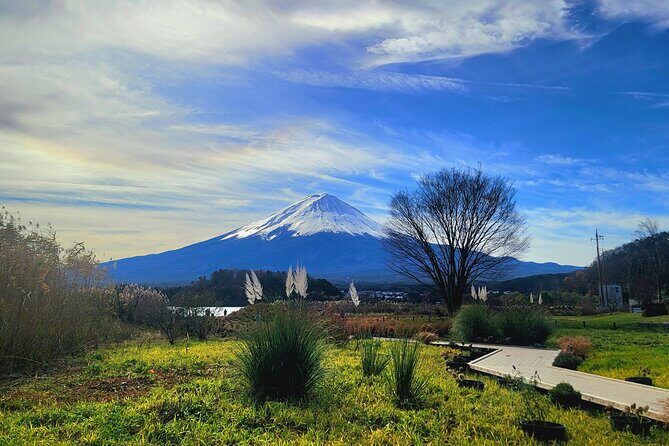
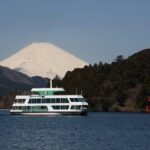
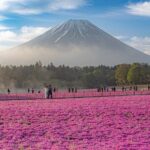
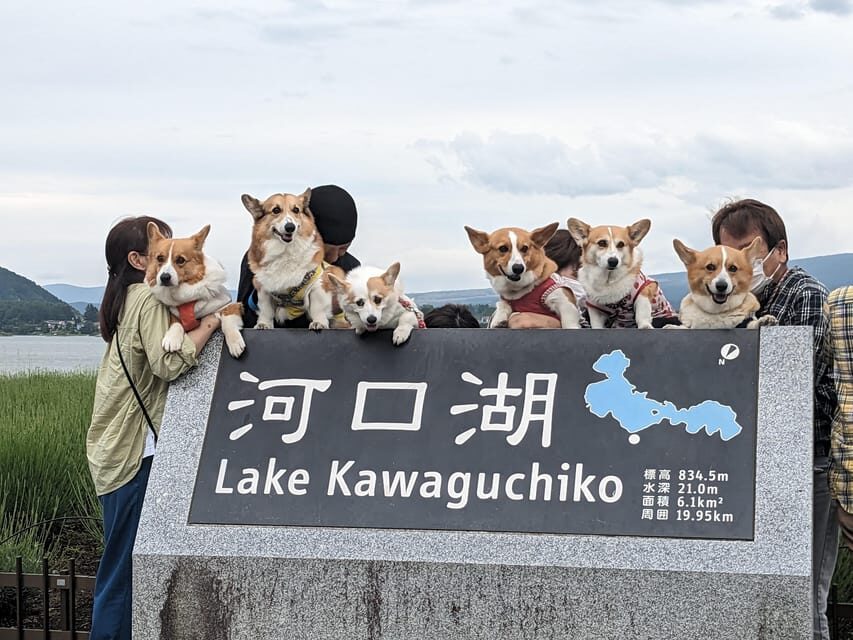
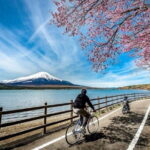
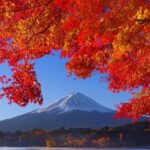
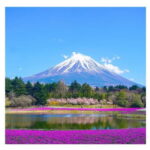
Lake Kawaguchiko is the part of the day that many people find surprisingly calming. One of the highlights here is the “magnificent serene lake” feeling—this is where you get open space, softer views, and plenty of time to breathe between stops.
You’ll have about 1.5 hours here, which is a nice chunk of time. That allows you to do the things that matter on lake days: photo stops, lunch, shopping, and scenic wandering without feeling like you need to rush.
If you care about photos, don’t treat it as just a one-view lake. Stand somewhere, take a few minutes, then walk a bit if the area allows. Even a short move can change how Fuji lines up in the background, especially when the light shifts.
If the weather is less friendly, this stop still works. Even when Fuji is hazy, the lake atmosphere can still be beautiful—and you’re not dependent on seeing the mountain perfectly to enjoy the scenery.
Kachi Kachi Ropeway and Oishi Park: views, then sunset-friendly timing
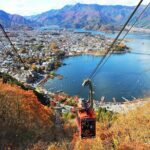
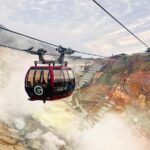
Next up you’ll go to Mt. Kachi Kachi Ropeway, with a chance to enjoy the views plus walking and sightseeing time. Even if you don’t plan to ride every optional element, the surrounding viewpoint area can still offer strong scenic angles.
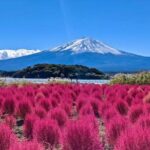
Then comes Oishi Park, a short but high-impact stop. You’ll have photo time, sightseeing, shopping, and walking, plus it’s specifically described as a sunset-friendly window. I’d treat this like your late-day light play: when Fuji is visible, the mountain can look more dramatic with lower sun angles.
This part of the day is a good reminder that not all Fuji moments come from standing at the mountain’s closest points. Sometimes the best photos are the ones where you frame Fuji with foreground details—paths, park edges, and lake-adjacent scenery.
Potential drawback: because you have several viewpoint stops in one day, your feet can feel it. Comfortable shoes are a good idea, even if you’re not planning to hike.
Saiko Iyashi-no-Sato Nenba: reconstructed houses you can actually wander through
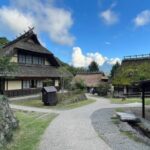
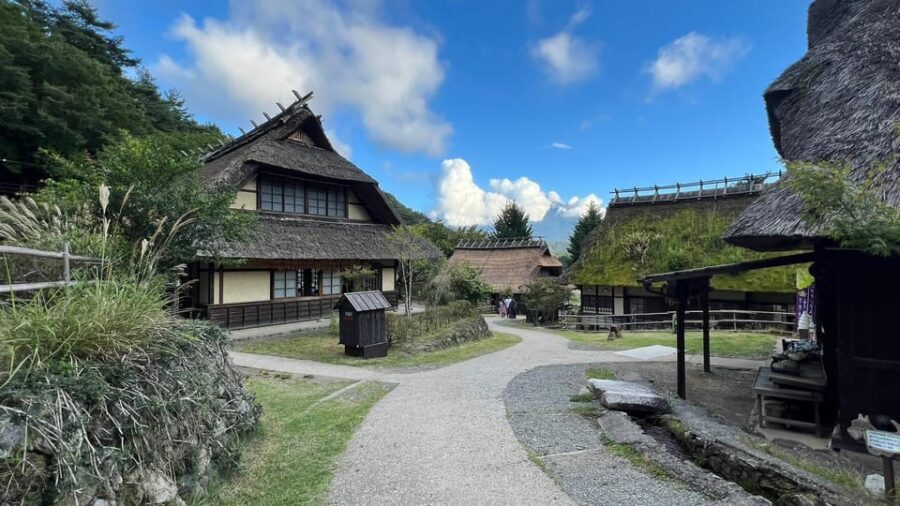
If you’ve ever wanted a break from pure viewpoint hunting, Saiko Iyashi-no-Sato Nenba delivers. This is a reconstructed Japanese village where you can explore houses and move through the spaces at your own speed.
This stop gives your brain a reset. After parks and lakes, it’s refreshing to shift from “look up at Fuji” to “look around and absorb local life.” The tour highlights that you can rent traditional clothing, which can turn a basic stroll into a fun, hands-on way to engage with the setting.
You’ll have about 30 minutes, so it’s not a full cultural day. But it’s long enough to walk through a few key areas and get a sense of what the village layout is meant to feel like.
A practical tip: if you’re planning to rent clothing, keep an eye on time. In a tight day, it’s easy to lose 15 minutes to changing and photos.
Timing and weather: how to make the day work even when Fuji hides
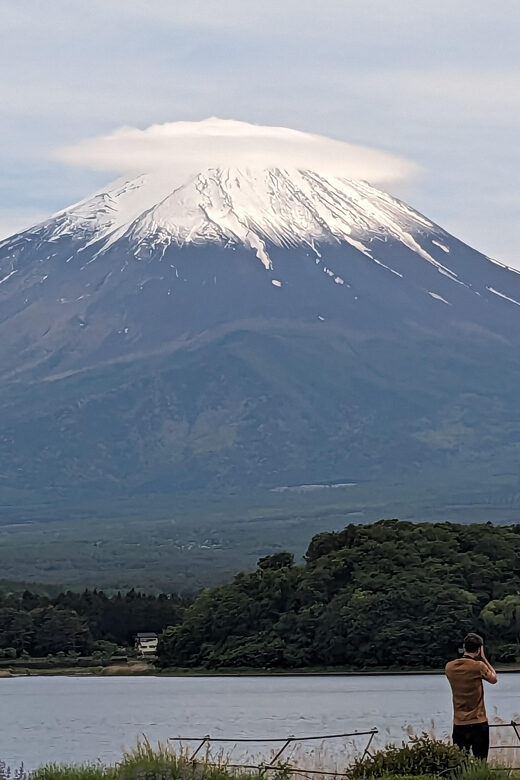
The biggest variable in any Mt. Fuji day trip is visibility. Even with careful planning, clouds can cover the peaks, and rain can change what you get from each stop.
Here’s what I’d do to protect your experience:
- Be ready to prioritize the stop that matters most to you. If Fifth Station looks promising, go for it. If not, focus on lake views and park viewpoints.
- Use the lake and parks as backups. Lake Kawaguchiko and Oishi Park can still feel rewarding even if Fuji is faint.
- Keep your walking pace steady. Short stops add up. If you go too fast, you’ll miss the little photo angles; if you go too slow, you’ll feel rushed.
The driver’s job is to manage that balance with you. And in a positive example, Zohan was happy to answer questions and make recommendations to get the most from the trip. That kind of guidance can help you decide where to spend your time on days when conditions are changing.
Price and value: what $554 per group really buys you
This tour costs $554 per group (up to 6 people) for a 10-hour day. The math gets more attractive when you split it. Even if you have just a small group, you’re paying for private transport, hotel pickup and drop-off, tolls, and fuel—things that add up fast if you piece together trains, taxis, and separate guide time.
Think of what you’re buying: not just a ride to Mount Fuji, but a day of planned stops that are hard to coordinate well on your own. When the driver is also an English-speaking guide, you’re effectively paying for fewer “what do I do next?” moments.
What you need to watch for:
- The Mount Fuji Fifth Station uphill fee (paid onsite) can add extra cost if you go.
- A pickup surcharge may apply outside Tokyo 23 wards, with JPY 5,000 to JPY 20,000 depending on pickup location. If you’re in Tokyo 23 wards, there’s no extra fee mentioned.
- Optional activities or entrance fees not included can add spending at stops.
Still, for a 10-hour private day with multiple viewpoints, this is the kind of price that often feels reasonable—especially if you’re traveling with family or a small group who wants comfort and less stress.
Small group comfort: why it matters for families and first-timers
With a cap of 6 participants, you’ll likely spend more time talking with your driver and less time waiting for others. That’s a big deal when you’re doing a stop-and-walk style day around viewpoints.
It also helps with attention to your preferences. One experience noted the driver responded to individual wishes, which is exactly what you want on a day where the schedule can’t stretch forever.
If you’re a first-timer in Japan, this format reduces risk. You still get authentic stops—Oshino Hakkai’s spring-water area, a reconstructed village, lake scenery—without the full pressure of navigating intercity logistics.
Should you book this Mt. Fuji private tour?
I’d book it if you want a structured but flexible Mt. Fuji day that maximizes scenery time with minimal hassle from Tokyo. It’s a strong fit for small groups, families, and anyone who prefers comfort and clear English guidance over self-planning.
I’d think twice if you’re counting on very specific timing for Fifth Station or you’re extremely sensitive to delays and communication. Traffic happens, and one experience involved a significant late arrival due to an accident in traffic, with limited upfront communication. If that would stress you out, build in a little margin and keep expectations realistic about weather and road conditions.
If you want a Fuji day that feels easier, more guided, and still full of real places—this tour is a solid choice.
FAQ
How long is the Mt. Fuji tour?
It runs for 10 hours.
Is this tour private?
Yes. You travel in a private vehicle, and the tour is described as fully customizable.
What language is available for the driver?
The driver provides English.
Where do you get picked up and dropped off?
Pickup and drop-off are available at Tokyo 23 wards (with no extra fee mentioned within that area). There is also an additional charge possible for pickups outside Tokyo 23 wards.
Does the tour include Mount Fuji Fifth Station?
It can include the Mount Fuji Fifth Station if weather permits. If it’s included, you pay an uphill fee directly to the local facility (JPY 1,500 to JPY 3,700).
What is included in the price?
Private transportation, hotel pickup and drop-off, and highway toll taxes and petrol are included.
What costs are not included?
Any activity costs that are not included are not covered. Also, the Mount Fuji Fifth Station uphill fee is paid directly on-site when applicable.
Is there wheelchair accessibility?
Yes, the tour is wheelchair accessible.
What’s the cancellation window?
Free cancellation is available up to 24 hours in advance for a full refund.