REVIEW · TOKYO
Mt Fuji and Hakone 1-Day Bus Tour Return by Bullet Train
Book on Viator →Operated by Japan Panoramic Tours · Bookable on Viator
Mt. Fuji in one long, guided day. That is the thrill here: a tight schedule that pairs Mt. Fuji’s 5th Station with Hakone’s cable car and Lake Ashi cruise, then sends you back by bullet train. You get a pro English-speaking guide plus multilingual audio, so you are not stuck guessing what you’re seeing.
I especially like the way this tour is built for people with limited time in Tokyo. You start with Mt. Fuji views, switch gears fast into Hakone scenery, and still end in central Tokyo around 18:10.
One consideration: the whole plan depends on weather and wind. If strong wind shuts down the ropeway or cruise, you may do alternate stops instead, and the day can feel more like transit than sightseeing.
In This Review
- Key highlights you’ll care about
- How This One-Day Mt. Fuji + Hakone Plan Really Feels
- The Morning Start: Tokyo Pickup to Mt. Fuji 5th Station
- Mt. Fuji Lunch at the Bottom: What’s Included (and What to Expect)
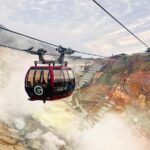
- Hakone Ropeway: The Cable Car Moment You’ll Actually Remember
- Lake Ashinoko Cruise: Caldera Views and a Slower Pace
- Odawara Stop and the Shinkansen Return to Tokyo
- Pace, Group Size, and the Role of Your Guide
- Weather Reality: When Wind or Snow Changes the Script
- Price and Value: Does $163.26 Make Sense for Your Day?
- Who This Tour Fits Best (and Who Should Rethink It)
- Should You Book This Mt. Fuji and Hakone Day Trip?
Key highlights you’ll care about
- Mt. Fuji 5th Station focus with a quick on-site rhythm that works even when the day is busy
- Hakone Ropeway + Lake Ashi cruise as the core nature hits, both included in your ticket
- English guide with multilingual audio (Spanish, French, Italian, German, Portuguese, and Ukrainian)
- Mobile ticket and free bus Wi‑Fi for an easier start from Tokyo
- A real return plan by Shinkansen from Odawara back to Tokyo station
How This One-Day Mt. Fuji + Hakone Plan Really Feels
This is a classic “Tokyo out-and-back” day trip: lots of sights, lots of movement, and enough structure that you never have to figure out trains, transfers, or where to line up. The duration is about 11 hours, and it’s designed to fit a first-time Fuji and Hakone combo without spending the night.
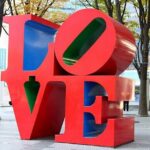
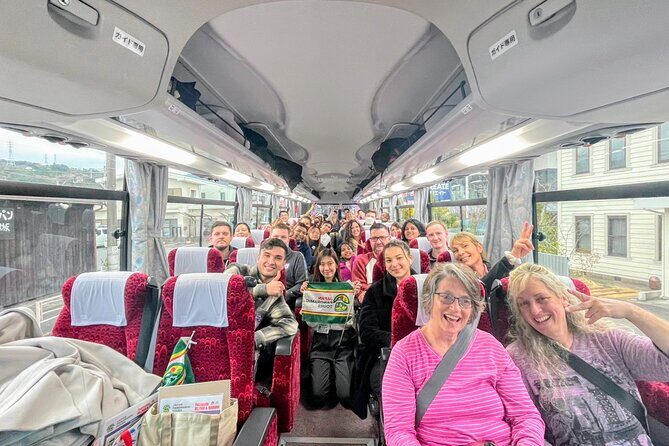
You’ll be picked up in Tokyo in the morning (either Matsuya Ginza at 7:20am or LOVE Shinjuku at 7:50am, depending on the option you booked). The bus ride is part of the deal, but that’s also where the tour guide sets expectations and keeps the day moving.
Because the tour includes key tickets (ropeway and cruise) plus the bullet train return, it’s a rare day trip where the biggest cost variables are already handled. That matters if you’re trying to keep your Japan day organized and predictable.
Other Mount Fuji tours we've reviewed at Mt Fuji & Kawaguchiko
The Morning Start: Tokyo Pickup to Mt. Fuji 5th Station
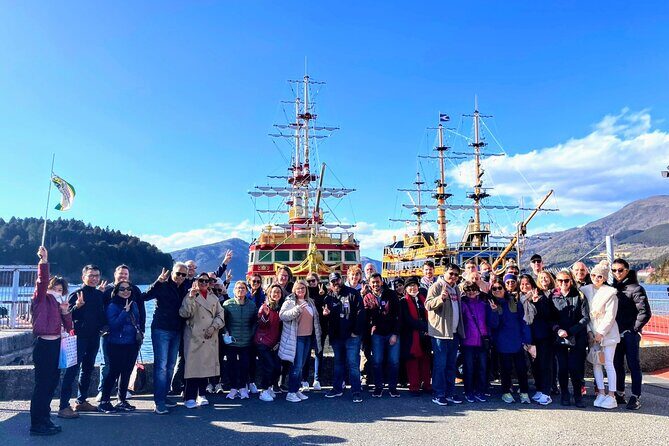
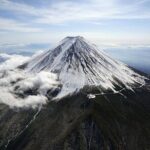
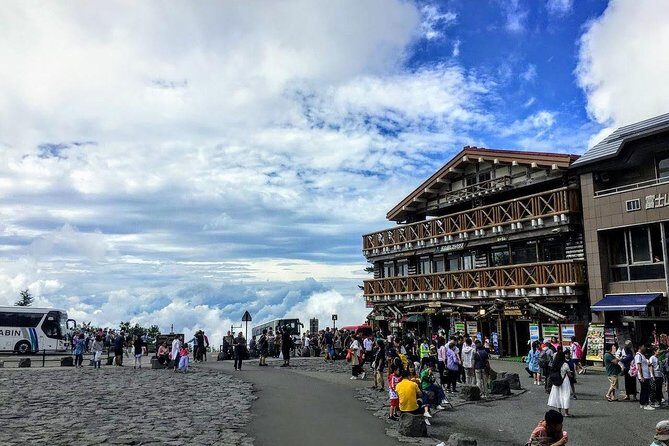
Your morning begins with a coordinated pickup, and then the bus heads for the Fuji area. Once you reach the mountain, the first stop is the Mt. Fuji 5th Station, where you’ll have about 30 minutes and an admission ticket included (so you don’t burn time at counters).
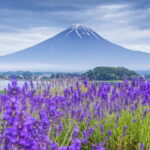
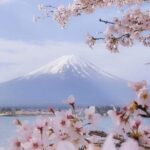
This stop is short on purpose. At altitude, weather can change quickly, and crowds form fast. The goal is to give you a meaningful taste of the official “Fuji experience”—the sacred vibe, the big views when the skies cooperate, and the feeling that you really went somewhere.
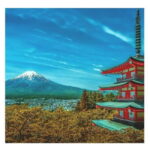
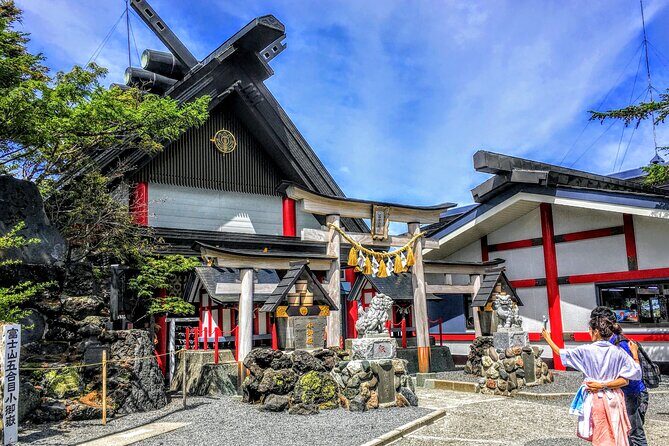
You’ll also find a Shinto shrine on-site. The tour is set up to point this out, so it’s not just a photo stop—you get the context as you walk around. And yes, you’ll likely want to layer up, even if Tokyo feels warm.
Plan tip: If you’re aiming for the best visibility, bring a lens cloth and keep your hands warm. Fuji days are often crisp, and sudden cold makes you fumble with gear.
Mt. Fuji Lunch at the Bottom: What’s Included (and What to Expect)
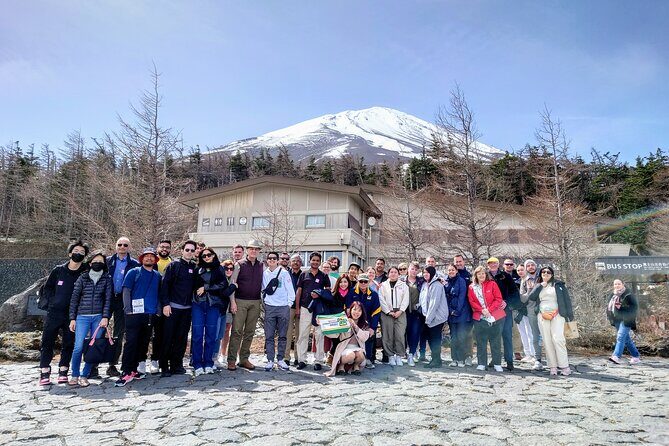
After the mountain stop, you move to the bottom of Mt. Fuji area for a lunch buffet with local fresh ingredients. The time here is about 40 minutes, and lunch is included only if you selected the lunch option when booking.
This is where the tour is most “human.” You sit down, eat, and reset your energy before Hakone. The buffet format can be efficient—helpful when you’re running a packed schedule—but it also means you are not choosing one carefully designed restaurant meal. If you care deeply about Japanese meal aesthetics, you might find the buffet style a bit more basic than what you’d get from a dedicated place in town.
Diet-wise, you can request vegetarian or Muslim-friendly meals when you book. If you have severe food restrictions, the tour notes that you should skip lunch and bring your own food. Also important: halal-certified meals and vegan meals are not provided, and most meals are cooked in the same kitchen (with dairy or egg mentioned in the product info).
So, what’s the best strategy? If food rules are complicated, plan to control what you eat. If you just want a safe, satisfying meal that keeps the day on schedule, the included buffet is usually a good fit.
Hakone Ropeway: The Cable Car Moment You’ll Actually Remember
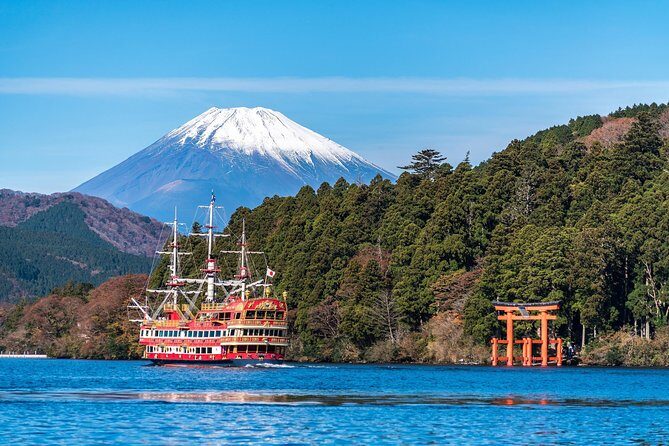
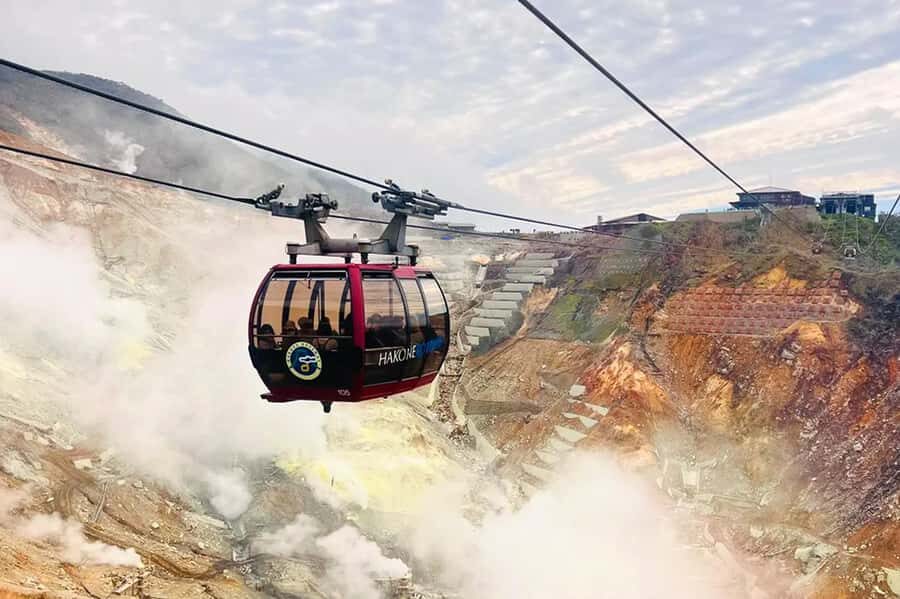
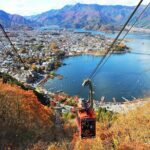
Hakone Ropeway is one of the trip’s headline activities. You’ll get about 30 minutes, and the fee is included. This is the segment that many people love because it gives you a different angle on Fuji and Hakone than you get from the street-level viewpoints.
Ropeway rides also tend to feel like a “reset button.” In one go, you leave the road behind and step into the open air with big views. When conditions are good, this part of the day can make the whole trip feel worth the long hours.
That said, wind is the big wildcard. Strong winds can cancel the ropeway, and the same goes for the later cruise. The company’s product info also explains that if activities can’t run, they’ll switch to alternative places and may offer compensation like a gift—but you should still be realistic that some days won’t match the brochure perfectly.
Plan tip: Dress for temperature changes. Cable car decks can feel colder than you expect, and gusts are common around open viewpoints.
Lake Ashinoko Cruise: Caldera Views and a Slower Pace
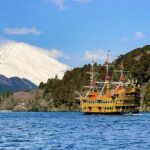
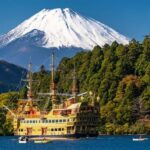
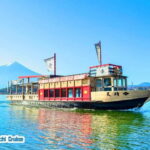
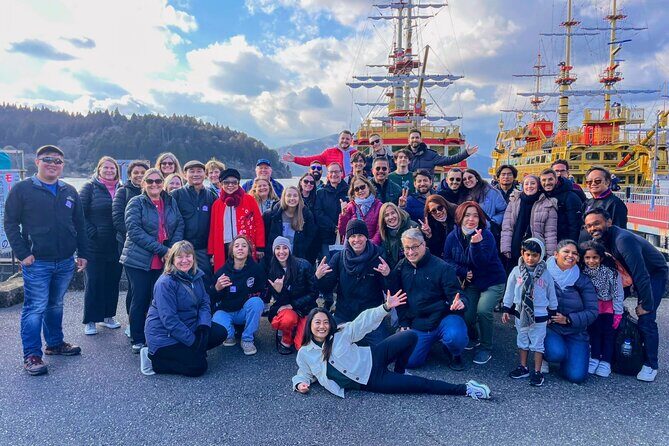
Next is Lake Ashinoko (often called Lake Ashi). You’ll have around 30 minutes for a cruise, and it’s included in the tour price. This is your chance to slow down a bit after the ropeway and bus energy.
A cruise works well for this itinerary because it’s a timed experience. You don’t have to manage a schedule in the middle of the day; you just board, float, and take in the view from the waterline. When visibility is clear, Lake Ashi can feel like Hakone’s greatest hits in one shot.
But again: wind matters. The cruise can be canceled when conditions are too strong. On those days, you may get an alternate stop instead of the boat experience. In other words, Lake Ashi is a strong highlight, but it is not a guaranteed guarantee.
Photo tip: If you want clean shots, bring your phone/camera strap and keep your hands free while boarding. It’s easy to drop gear when you’re juggling cold fingers and a crowd line.
Other Mt Fuji and Hakone combo tours at Mt Fuji & Kawaguchiko

Odawara Stop and the Shinkansen Return to Tokyo

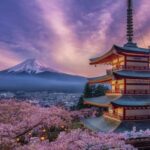
After Hakone, the tour wraps up at Odawara Station (with a brief 5-minute stop at the Tourist Information Center). From there, you take the bullet train back to Tokyo Station, with the tour finishing around 18:10.
I like the way this is handled: you get a guided day, then you’re on rails for the return. It’s one of the reasons this tour can feel less stressful than DIY. Once you’re on the Shinkansen, the ride is smooth and predictable.
There is also a practical luggage note. The tour info says you won’t be able to bring a large luggage piece that exceeds 160cm total dimensions onto non-reserved Shinkansen cars (example given: 80 x 50 x 30 cm). If you travel with a big roller bag, consider reserving seats or traveling lighter.
Pace, Group Size, and the Role of Your Guide
This tour runs with a maximum of 43 travelers, which keeps it from turning into a chaotic cattle-herd situation. You’ll still have a group rhythm—walk fast, stop fast, move on—but the size is reasonable for a one-day itinerary.
Your guide plays a big part in how enjoyable the day feels. In the feedback you can see strong praise for guides such as Sora, Hiro, Levin, Angela, Momo, Yui, Hero, Yuta, Yato, and Lisa. Common praise points include clear English, humor, and repeating key explanations so everyone stays on track.
That matters because the schedule is tight. If you understand what you’re looking at—Fuji’s cultural references, what Hakone Ropeway is showing, why Lake Ashi matters—you’ll feel like you actually learned something, not just transported around.
If you prefer a calmer day, this is still doable, but you’ll need to accept that the day is “busy” by design. The upside is that you see a lot without planning a thing.
Weather Reality: When Wind or Snow Changes the Script
If you take one thing seriously, make it this: Fuji and Hakone are weather-dependent. The tour info is explicit that road closures, weather, and suspension of operations can stop all activities.
Examples of potential substitutes are listed, including places like Oshino Hakkai, Hakone Shrine, and Fujisan World Heritage Center, plus other options. The key point for you is not to panic if one stop changes. It’s better to treat the itinerary as a plan with branches, not a fixed checklist.
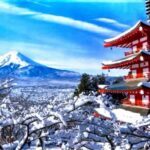
The worst days are when wind cancels both the ropeway and the cruise. On those days, you might still get Fuji views at an alternate stop, but your day can feel more like “time in transit” than “time outdoors.” If you’re traveling for a once-in-a-lifetime photo mission, build flexibility into your overall Japan schedule.
Plan tip: If possible, schedule this tour on the clearest day you can find. Even a small difference in visibility can change how Fuji feels from “nice view” to “wow.”
Price and Value: Does $163.26 Make Sense for Your Day?
At about $163.26 per person, this isn’t the cheapest day trip from Tokyo. But you’re not just buying bus tickets.
Your price includes:
- a professional English-speaking guide
- air-conditioned bus with free Wi‑Fi
- admission/tickets for Hakone Ropeway and the Lake Ashi cruise
- a Shinkansen return ticket to Tokyo station (from Odawara)
- multilingual audio guidance (English plus several other languages)
- lunch buffet only if you selected that option
That combination is what makes the value math work. Ropeway and cruise tickets add up quickly, and the guided structure plus bullet train return reduces your planning burden. For many people, it becomes the “pay once, stress less” option.
Where the value can soften is lunch. Some people find the buffet fine but not mind-blowing, and if you’re picky about meal style, you might consider booking without lunch and carrying a snack plan. But for a one-day schedule, having food included (when you choose it) is still convenient.
Who This Tour Fits Best (and Who Should Rethink It)
This tour is best for you if:
- you want Fuji + Hakone in one day without building an itinerary
- you prefer a guided day with fewer ticket headaches
- you’re okay with a schedule that moves and times outdoors around weather
It may be a poor fit if:
- you need step-by-step mobility support (the tour info notes it’s not recommended for wheelchair users due to uneven/unpaved surfaces)
- you have asthma (the product info says it’s not recommended for those suffering from asthma)
- you strongly dislike buffet-style meals and don’t want the included lunch option
Also, if you’re the kind of traveler who wants a slow, lingering day at each viewpoint, you’ll likely feel rushed. This trip trades lingering for coverage.
Should You Book This Mt. Fuji and Hakone Day Trip?
I think this is a solid booking when you want a high-impact Fuji and Hakone experience and you value structure. The included ropeway, cruise, guide, and Shinkansen return make it a practical way to compress a lot into one Tokyo day, which is rare.
Book it if you can handle weather uncertainty and you’re traveling light enough for Shinkansen luggage rules. If Fuji weather is your top priority, try to pick a day with a better forecast and pack for cold air at higher altitude.
And if you’re traveling with food needs, double-check what can and can’t be accommodated. Vegetarian and Muslim-friendly are available by request, but halal-certified and vegan options are not. If your restrictions are severe, consider skipping lunch and bringing your own.
If you want Mt. Fuji and Hakone coverage without the planning grind, this tour is a strong candidate. Just go in expecting that Mother Nature gets a vote.