REVIEW · TOKYO
Mt Fuji & Hakone Cruise, Drum Show Bullet Train 1 Day from Tokyo
Book on Viator →Operated by JTB Global Marketing & Travel Inc. · Bookable on Viator
Fuji plus Hakone in a single packed day. You’ll do the Mt. Fuji 5th Station view from high up, then drop into Hakone for a lake cruise and a Komagatake ropeway ride—before getting back to Tokyo by Shinkansen. It’s a tight itinerary built for efficiency, with enough variety to make it feel more than just a day trip bus ride.
I love how this tour rolls multiple transport styles into one smooth flow—coach, boat on Lake Ashi, enclosed ropeway cabins, and then the Shinkansen back to Tokyo. I also like that your guide is often a real storyteller on the route; reviews specifically call out guides named Joy, Shige, Sky, Nao, and Miko as standouts for keeping the day moving and adding local context.
One thing to weigh: this day is very weather-dependent, and even when clouds block Fuji, the plan doesn’t automatically turn into a full refund-cancel situation. Also, some stops are short (the 5th Station visit is about 30 minutes), so if you love lingering for photos, you’ll want to manage expectations.
The drum-show variant is the theatrical cut of a famous formula; the original still leads the field: the classic Mt Fuji and Hakone one-day loop with the bullet-train return carries the biggest review count of any Tokyo day trip, and the comparison between the two is worth five minutes.
In This Review
- Key things to know before you go
- Entering the day from Tokyo Station without stress
- Mt. Fuji 5th Station: the best accessible vantage, with limited time
- When the Subaru Line can’t go: why you still see something
- Lunch at Fuji Zakura Hotel and the wadaiko performance timing
- Lake Ashi cruise: a short ride that changes the whole mood
- Komagatake Ropeway: 360-degree views in enclosed cabins
- Odawara Shinkansen to Tokyo: fast, simple, and a little tight
- Value check: does this $149.94 day trip add up?
- Weather roulette, reroutes, and how to protect your expectations
- Small details that can make or break the day
- Who this tour suits best (and who should skip it)
- Should you book this Mt. Fuji & Hakone day trip?
- FAQ
- How long is the tour?
- Where do I meet the group, and where does it end?
- Is lunch included?
- What’s included besides lunch?
- What if Mt. Fuji isn’t visible due to weather?
- What if the Lake Ashi cruise or Hakone Ropeway doesn’t operate?
- Is the Shinkansen return seat assigned?
- Are there meal options for dietary needs?
- Does the tour include a guide on the Shinkansen?
Key things to know before you go
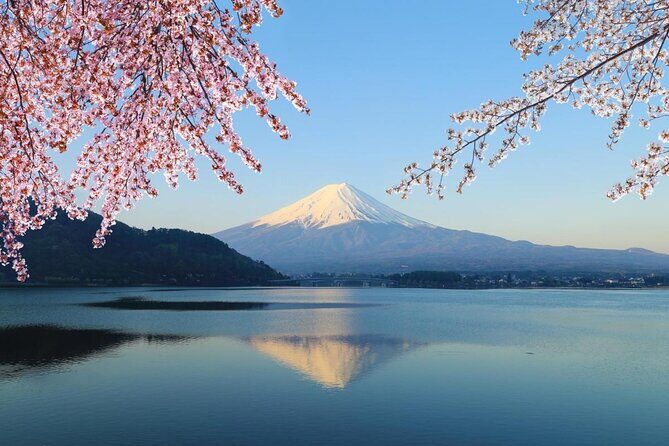
- 5th Station time is brief: expect a quick look, quick photos, and a lot of people sharing the same viewpoints.
- Boat + ropeway are the visual payoffs: Lake Ashi and Komagatake are where the scenery starts stacking up fast.
- A guide can make it feel cultural: multiple reviews highlight strong narration and keeping you on schedule.
- Lunch can include a drum performance: the midday stop may pair Japanese food with a short wadaiko show (timing can affect whether you catch it).
- Alternatives happen, not cancellations: if Fuji or Hakone rides are limited, you’ll be rerouted rather than the whole tour being called off.
- Tokyo Station is the hub: the meeting/end point is Tokyo Station, and you’ll need to find your exact pickup spot.
Entering the day from Tokyo Station without stress
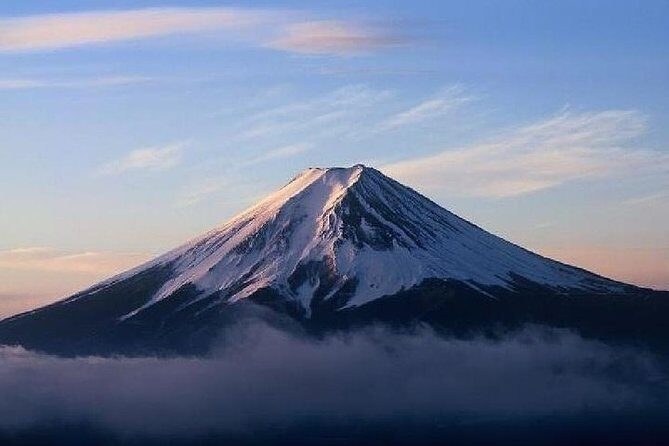
This tour starts from Tokyo Station (Marunouchi), and it’s designed as a true “do it all today” format. Expect an early departure and a long but straightforward transit day: you’ll leave Tokyo, reach the Fuji area, then work your way through Hakone, and finally return to Tokyo Station in the evening.
The good part is simplicity. You don’t have to coordinate trains, tickets, or connections. The trade-off is that you’re on someone else’s timeline, so if you’re the type who wants hours to wander freely, this won’t feel like that.
Also note the practical detail: the Shinkansen return is non-reserved seating, so it’s smart to be ready when boarding starts. If you’re traveling with bulky luggage, the tour notes a size limit for carrying it onboard non-reserved cars (160 cm total for height/width/length). For larger bags, you’ll want to use a delivery service on your own.
Other Mount Fuji tours we've reviewed at Mt Fuji & Kawaguchiko
Mt. Fuji 5th Station: the best accessible vantage, with limited time
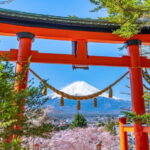
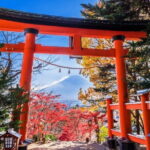
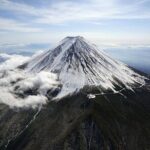
Your first big goal is Mt. Fuji 5th Station, reached by coach along the Subaru Line when conditions allow. This stop sits around 2,300 meters (7,546 feet), and it’s the highest point commonly visited on a day trip. You’ll find the usual mix at this altitude: shrines/torii-style atmosphere, souvenir stalls, and people preparing for climbs.
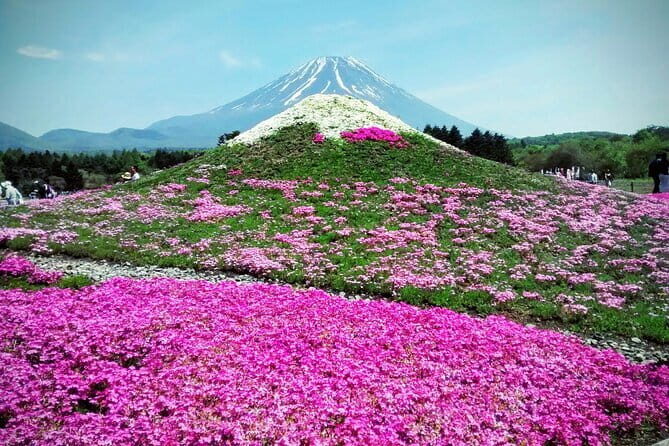
What makes this stop worthwhile is the altitude. Even if you never go higher, the view can feel surprisingly “close,” and the station area is built for visitors to quickly absorb the mountain and surrounding lakes. It’s also where the day’s meaning clicks: Fuji stops being a photo idea and becomes a real presence.
The drawback is time. The visit is about 30 minutes, which is enough for photos, a short walk, and maybe a snack—but not for a long, unhurried experience. And yes, you can arrive on a day when visibility is poor; the tour doesn’t cancel, and there can be situations where you get limited views.
When the Subaru Line can’t go: why you still see something
The tour plan includes contingency logic for winter road issues and low-visibility situations. If the Fuji Subaru Line is closed (often during colder months) or if forecasts suggest you won’t likely see Fuji clearly from the upper stations, your guide will pivot to alternative options.
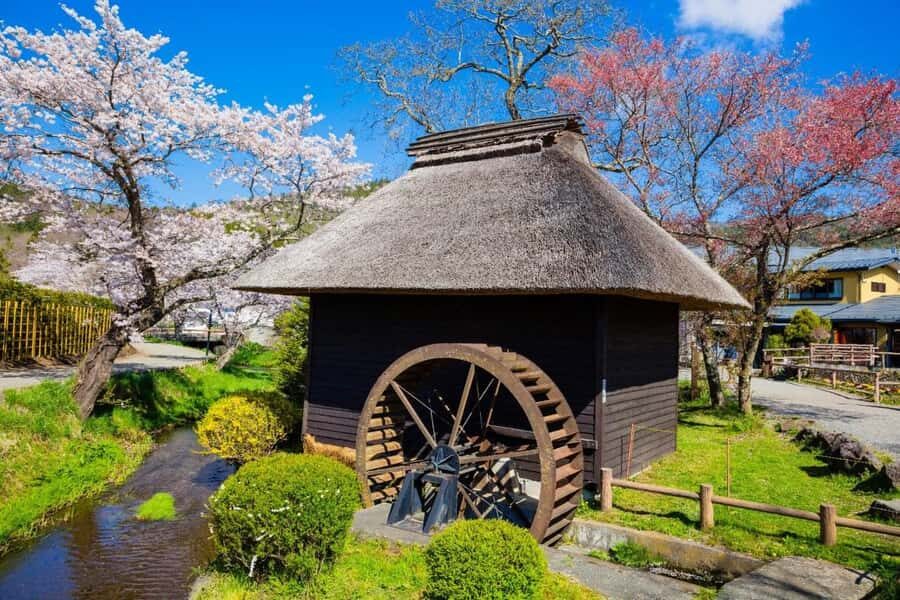
The alternates listed include places like Fujisan Museum, Lake Kawaguchi Oishi Park, Fuji World Heritage Center, Itchiku Kubota Art Museum, and Oshino Hakkai. The key point for your planning: the tour generally keeps going instead of stopping, and refunds aren’t issued just because Fuji isn’t visible.
So how do you protect your day? Go in with a flexible mindset. If Fuji is hidden, the value becomes the Hakone portion and the structured rerouting—not the guarantee of the perfect mountain moment.
Lunch at Fuji Zakura Hotel and the wadaiko performance timing
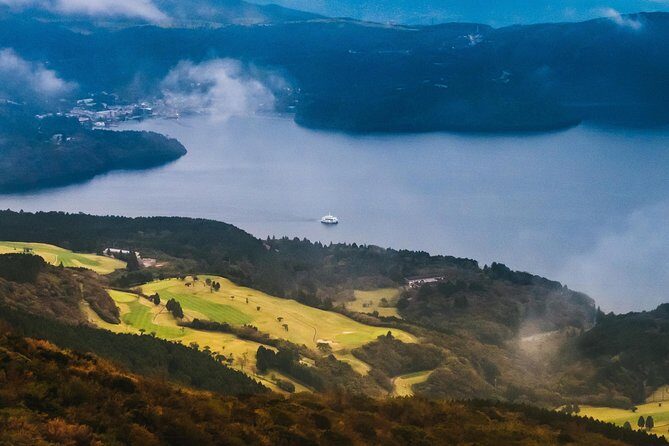
If you book the + Lunch option, the midday stop is at Fuji Zakura Hotel for about 50 minutes, with a Japanese-style meal plus tea/coffee. This stop is also where you may catch a short wadaiko drum performance as part of the lunch-area program.
There are meal options if you request them during booking: vegetarian, Muslim-friendly, and Indian thali-style meals are listed as available. The notes are also specific: Muslim-friendly meals avoid pork and alcohol but are not halal certified, and vegetarian meals avoid meat and fish.
The practical consideration here is pacing. The day can run late if road conditions shift, and the tour notes that you might not be able to view the performance if arrival is delayed. The performance can also be canceled without notice depending on facility circumstances, and there are no partial refunds for those cases.
If you’re sensitive to timing, think of this lunch stop as a reset and a cultural extra, not as a fixed “must-see show.”
Lake Ashi cruise: a short ride that changes the whole mood
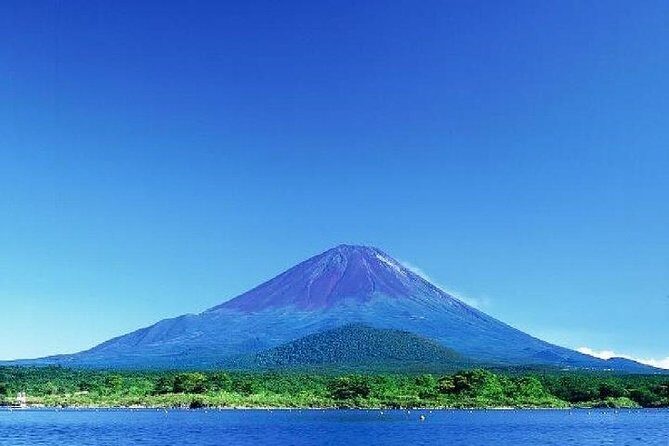
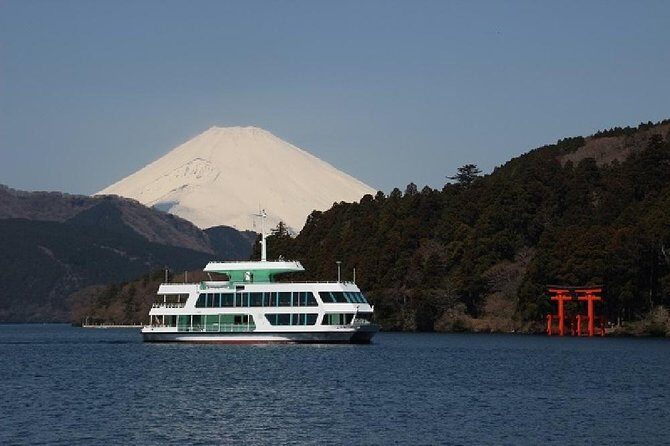
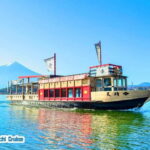
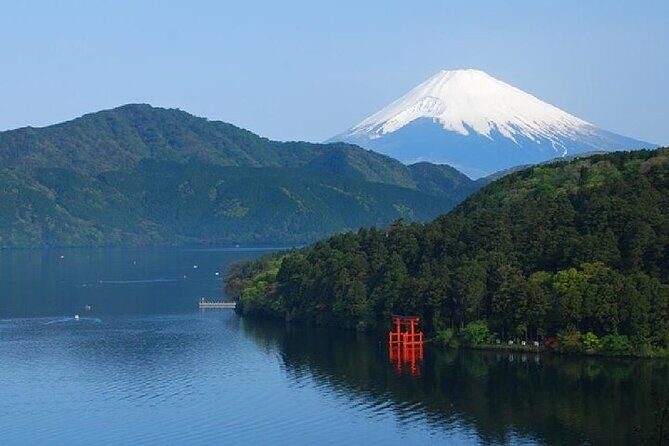
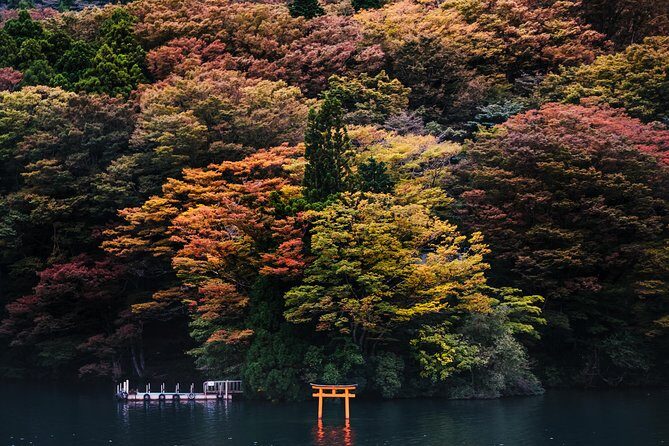
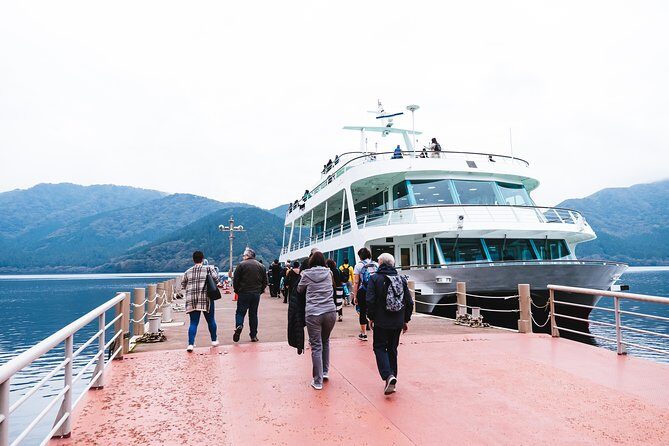
After the Fuji area, you’ll head to Lake Ashinoko (Lake Ashi) in Hakone National Park. Then you’ll take the Sorakaze cruise for about 15 minutes with admission included.
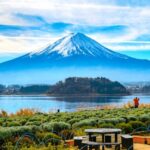
Even though it’s brief, the cruise is a smart choice. On Lake Ashi, your vantage shifts from roadside mountain views to water-level scenery. That matters because reflections and lake framing can make Fuji and the surrounding peaks feel more layered, not flatter. On clearer days, the lake often becomes the visual connector between Fuji and Hakone’s volcanic terrain.
On drizzly or misty days, the cruise still has value. You’ll get a calmer, slower slice of the day compared to the bus and boarding lines. Just don’t plan on a long sail; it’s intentionally short.
Other Mt Fuji and Hakone combo tours at Mt Fuji & Kawaguchiko

Komagatake Ropeway: 360-degree views in enclosed cabins
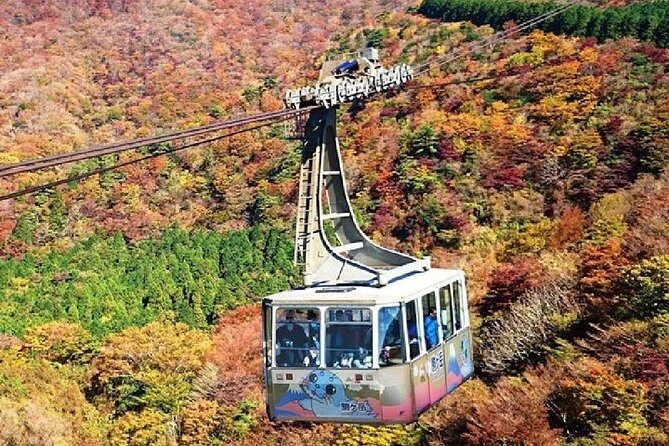
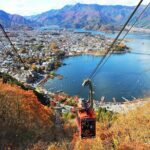
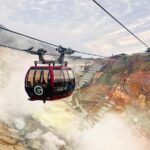
Next comes the Mt. Komagatake Ropeway, an aerial tram up from the lake area. It’s enclosed, which helps in wind or light rain, and you should get 360-degree views once you’re at the top. The ride leads you to the summit area near the Hakone Shrine Mototsumiya, which gives the stop a spiritual anchor—not just a viewpoint.
This is where you’re most likely to feel the “Hakone wow” factor. You’re high enough to see the lake, the surrounding ridges, and (when conditions cooperate) a clean Fuji sightline. There’s also a short stroll option along mountain top walking trails.
The reality check: if weather rolls in—wind, clouds, fog—views can shrink fast, and sometimes ropeway operations may be impacted. The tour notes alternatives if the cruise or ropeway aren’t operating due to weather or road congestion, so you won’t simply end up with nothing. Still, you should pack for changing conditions and plan for the day to be “views first, schedules second.”
Odawara Shinkansen to Tokyo: fast, simple, and a little tight
After Hakone, you’ll transfer to Odawara Station, then take the Kodama Shinkansen to Tokyo. The ride is listed as about 34 minutes, and it’s non-reserved seating in the return segment.
What I like about this part of the plan is that it compresses a potentially messy return. You don’t have to reroute buses around traffic or try to time multiple train transfers. You just get on and go.
A small heads-up: because it’s non-reserved, you’ll want to be alert at boarding time. If you have trouble with crowds, this is the one window of the day where you’ll feel the need to move with the group.
Value check: does this $149.94 day trip add up?
At $149.94 per person, you’re paying for more than transportation. You’re paying for organization: a guided day, admission coverage for major stops, and a multi-mode route that would take real planning to stitch together yourself.
Here’s what you’re typically getting for the money:
- Licensed English guide interpreter fee included
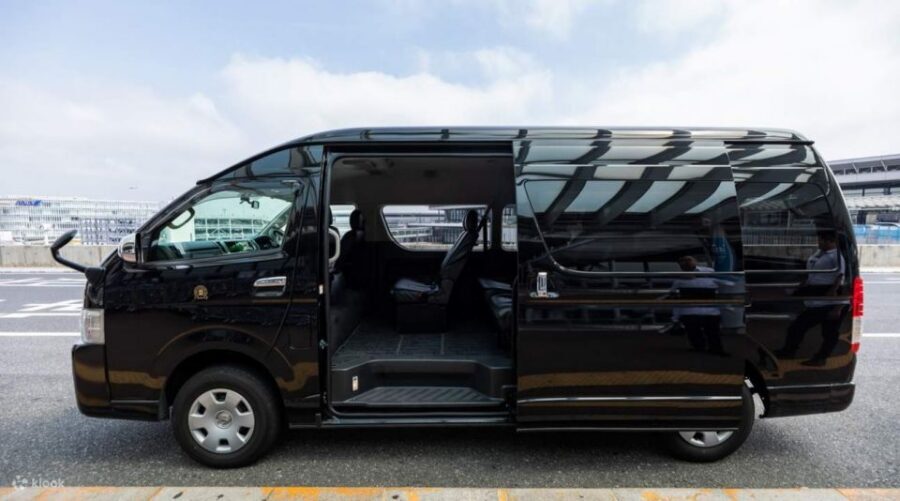
- Heated/air-conditioned coach one way
- Shinkansen one way back to Tokyo Station
- Admissions included for the main viewpoints/activities (as specified for each stop)
- Lunch only if you choose the + Lunch option
- Boat cruise and ropeway admission included
When this is a good value: if you want Fuji + Hakone highlights without spending your vacation hours on ticket hunting, route planning, and transfers. It’s also a good fit if you like the “one day, many scenery types” format.
When it might feel pricey: if you’re the kind of traveler who’s okay with skipping structure and you’re confident building your own route. Also, if your day ends up misty and Fuji is mostly hidden, the experience becomes more about Hakone and reroutes than that iconic mountain moment.
Weather roulette, reroutes, and how to protect your expectations
This tour is honest about the biggest variable: you may not see Mt. Fuji even from the base. The plan says the tour won’t be canceled, and no refunds are given for lack of visibility.
That said, it does provide backup options. For Fuji visibility issues, you may be taken to alternative facilities such as museums and Oshino Hakkai. For Lake Ashi cruise and ropeway shutdowns, it lists alternatives like Hakone-en Aquarium, Odawara Castle, Hakone Ropeway variations, Owakudani, and even other scenic transport options tied to the Hakone region.
The best way to handle this as a visitor is to treat the “Fuji moment” as a bonus, not the whole purchase. Your day still contains the structure that matters: a high-altitude viewpoint attempt, a lake cruise, and a ropeway summit (or its listed alternatives).
Small details that can make or break the day
Here are a few practical things I think you should plan around based on what’s been observed in the field:
- Meeting point clarity at Tokyo Station: Tokyo Station is huge. If you arrive late or choose the wrong exit/entrance, you risk missing departure. The tour also states that late arrivals can lead to canceled reservations, so give yourself buffer time.
- Lunch timing and seating: some comments suggest the pace and grouping can feel less personal at lunch. If you prefer dining with a full group, this may not match your ideal.
- Walking and stairs: the day includes ropeway and mountain-top areas. One review noted stairs at a similar cable car context, so wear shoes that handle uneven ground.
- Accessibility might be an issue: one review flagged that the tour was not accessible for disabled people. If you need step-free access or extra support, confirm details before booking.
Also, the tour mentions it’s a carbon offset product, with a portion of your charge spent on renewable energy contributions. It won’t change your experience day-to-day, but it’s part of the overall offering.
Who this tour suits best (and who should skip it)
This is a strong pick for:
- First-time visitors to Japan who want the big icons in one day
- People who value guidance and smooth logistics more than free-form wandering
- Travelers who like stacking experiences: bus + boat + ropeway + Shinkansen
You might skip it if:
- You want lots of quiet time at each viewpoint (this day is efficient, not slow)
- You’re highly sensitive to weather changes and hate “limited visibility” days
- You need a fully accessible, step-free route and can’t verify the walking requirements
And if you love planning: this route overlaps with independent day trips, but the convenience here is that you don’t have to build the whole chain yourself.
Should you book this Mt. Fuji & Hakone day trip?
If your goal is to see Mt. Fuji from the 5th Station area, then move into Hakone for Lake Ashi + Komagatake, I think this tour is worth considering—especially because the itinerary includes the major admissions and a guided structure. At $149.94, the math tends to work best when you factor in the Shinkansen return and the fact that you’re not coordinating multiple independent tickets.
My rule for booking: decide what you’ll do if Fuji is mostly hidden. If you’re still happy with Hakone’s lake cruise and ropeway summit attempt (or the listed alternatives), you’ll likely enjoy the day. If you’re only buying for the perfect Fuji panorama, you’re taking on a real gamble.
One more practical point: you can cancel for free up to 24 hours in advance of the experience start time. That gives you a small safety net if your schedule changes—use it.
If you want, tell me your travel month and whether you’re choosing the + Lunch option. I can help you think through what weather odds usually mean for this exact route and how to pack.
FAQ
How long is the tour?
The tour runs about 11 hours 50 minutes (approx.).
Where do I meet the group, and where does it end?
The tour starts and ends at Tokyo Station (Marunouchi, Chiyoda City). After you arrive back at Tokyo Station, you’ll make your own way to your next destination.
Is lunch included?
Lunch is included only if you choose the + Lunch option. If you choose No Lunch, meals are not included.
What’s included besides lunch?
The tour includes an English guide interpreter fee, air-conditioned/heated coach one way, Shinkansen one way to Tokyo Station, and admission fees for the listed activities/stops. Specific admissions are included for the stops detailed in the itinerary.
What if Mt. Fuji isn’t visible due to weather?
The tour won’t be canceled. There are listed alternative facilities (such as Fujisan Museum, Lake Kawaguchi Oishi Park, Fuji World Heritage Center, Itchiku Kubota Art Museum, or Oshino Hakkai), and refunds aren’t given just because Fuji can’t be seen.
What if the Lake Ashi cruise or Hakone Ropeway doesn’t operate?
If those rides can’t operate due to weather or road conditions, you’ll be guided to alternative facilities listed by the operator. The tour will not be canceled and refunds won’t be issued for that reason.
Is the Shinkansen return seat assigned?
No. The Shinkansen return is on the Kodama with non-reserved seating.
Are there meal options for dietary needs?
For the with Lunch option, you can request vegetarian, Muslim-friendly, or Indian thali meals when booking. Vegetarian meals avoid meat and fish, and Muslim-friendly meals avoid pork and alcohol (not halal certified).
Does the tour include a guide on the Shinkansen?
The information notes that there may be no accompanying National Government Licensed English Guide Interpreter on the Shinkansen depending on circumstances.