REVIEW · TOKYO
Mt Fuji and Hakone 1-Day Bus Tour Return by Bus
Book on Viator →Operated by Japan Panoramic Tours · Bookable on Viator
Fuji day-trips can be hit or miss, but this one is built to work hard. You’ll ride out of Tokyo by air-conditioned bus with Wi‑Fi, then hit Mt. Fuji’s 5th Station plus Hakone’s cable car and Lake Ashi in a single long day.
Two things I really like: the pacing gives you photo chances without the stress of driving, and the included Lake Ashi cruise is a calm break after the mountain views. The bus also has multilingual audio guidance, so you’re not stuck guessing what you’re looking at.
The main drawback is also the big tradeoff: it’s a long day on the road (about 11 hours). If you’re hoping for lots of unhurried time at each stop, you may feel the schedule is tight.
In This Review
- Key points to know before you go
- A Day Trip That Bundles Mt. Fuji and Hakone in One Shot
- Getting to Fuji: Pickup, Wi‑Fi, and the Start That Shapes the Day
- Mt. Fuji 5th Station: Why the Short Time Still Feels Worth It
- The Base of Mt. Fuji Lunch Buffet: Good for Fuel, Not Always a Food Highlight
- Hakone Ropeway: The View Step After Fuji
- Lake Ashi Cruise on a Caldera Lake: A Real Breather
- The Big Tradeoff: Bus Hours and Tight Stops
- Where You End: Shinjuku Most Days, Odawara on Busy Dates
- Who This Tour Fits Best (and Who Should Skip)
- Should You Book This Mt. Fuji and Hakone Tour?
- FAQ
- Where do you get picked up in Tokyo?
- What time does the tour run, and when do you finish?
- Does the tour always return to Shinjuku?
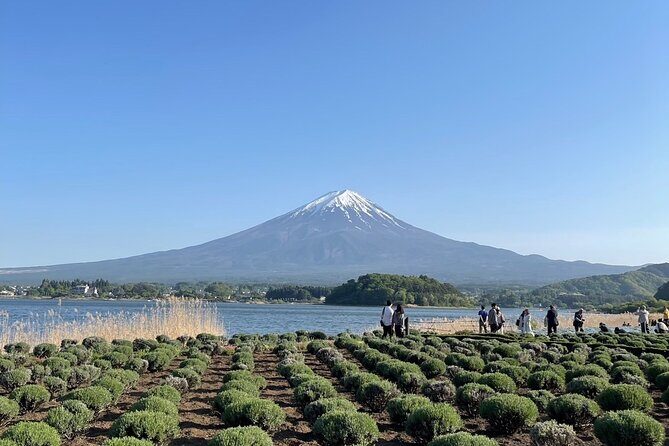
- Is Mt. Fuji guaranteed to be visible?
- What lunch options are available?
- What sightseeing is included besides Mt. Fuji?
- What happens if a scheduled stop is closed or canceled?
Key points to know before you go
- Clear-sky timing matters for Fuji**: views depend on weather, and the itinerary can shift with conditions
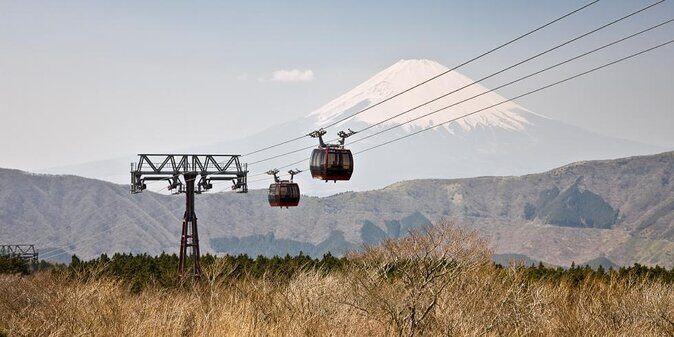
- A cable car plus Lake Ashi gives you the classic Hakone photo run without renting anything
- Bus comfort is part of the deal**: Wi‑Fi, multilingual audio, and air-conditioning help during the long ride
- Lunch adds value but isn’t mandatory**: vegetarian and Muslim-friendly options are possible, while halal and vegan have limits
- Return timing changes on busy days**: on weekends/holidays the tour can end at Odawara instead of Shinjuku
A Day Trip That Bundles Mt. Fuji and Hakone in One Shot
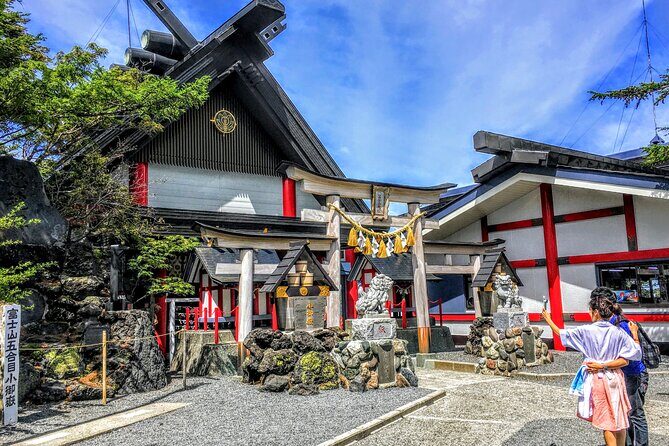
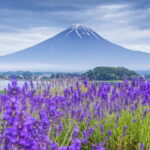
This is one of those tours that works best when you treat it like a fast, focused sampler. You’re not just going to see one landmark—you’re collecting a full circuit of views: the sacred-feeling vibe at Fuji’s 5th Station, the Hakone Ropeway viewpoint, and the boat on Lake Ashi.
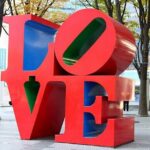
The route starts with an organized meeting point system in central Tokyo. You either get picked up at Matsuya Ginza (7:20am) or at the Robert Indiana LOVE sculpture in Shinjuku (7:50am). That LOVE statue is also described as the final meeting spot, which is handy if you’re trying to meet a group without wandering.
And yes, you’ll be on a bus most of the day. That’s not a flaw in itself. It’s just the reality here. The value comes from what you save: you avoid rental car hassles, you don’t have to stitch together trains and local buses, and you get a guided plan that’s trying to hit the key sights efficiently.
Other Mount Fuji tours we've reviewed at Mt Fuji & Kawaguchiko
Getting to Fuji: Pickup, Wi‑Fi, and the Start That Shapes the Day

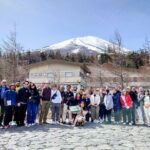
The start time is early: pick up is around 7:20am or 7:50am, and one featured review notes the bus left exactly at 8AM. That matters, because Fuji views are weather-dependent. Getting out of the city sooner gives you a better shot at clearer visibility, even though there are no guarantees.
On board, you’ll have free Wi‑Fi and air-conditioning, plus multilingual audio guidance in English, Spanish, French, Italian, German, Portuguese, and Ukraine. That sounds like a small thing, but on a long ride it really helps. You can keep your phone online, and you’re less likely to zone out without knowing what’s coming next.
You also get a professional English-speaking guide on the bus, and the reviews provide a clue about guide style. Names that show up in positive feedback include Levin, Yui, Aya, Hiro, Sora, and Tsubasa. People describe these guides as funny and informative, and they’re the reason the day feels less like a bus ride with stops and more like an actual tour.
Mt. Fuji 5th Station: Why the Short Time Still Feels Worth It
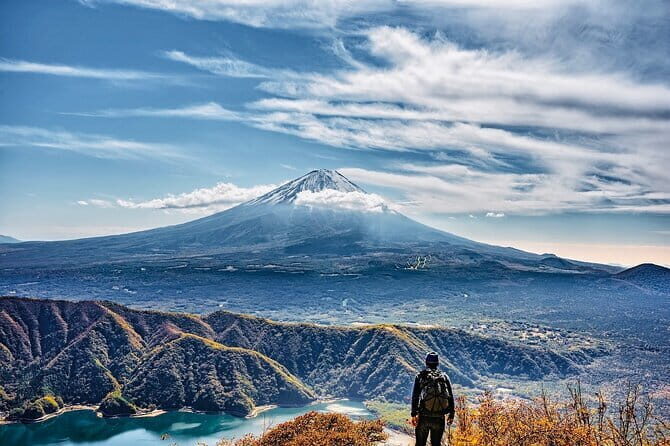
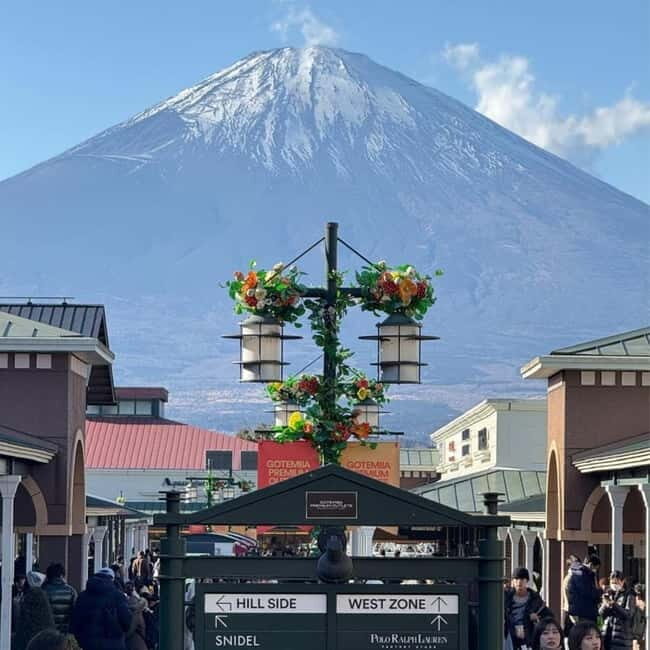
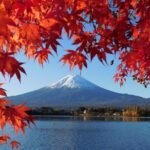
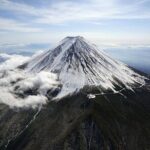
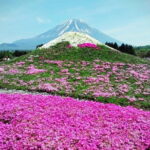
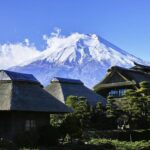
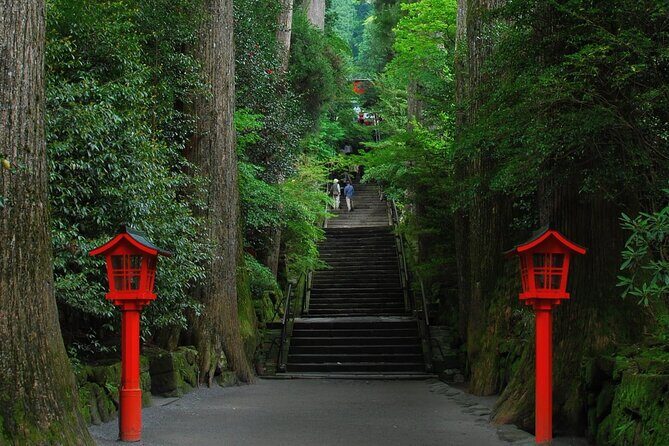
The core Fuji stop is Mt. Fuji Subaru Line 5th Station, with about 30 minutes on site. You’re not there for a summit hike. Instead, you’re there for the high-altitude atmosphere and the views that are possible from that level—plus a Shinto shrine feeling at the station area.
In plain terms: 30 minutes is enough for photos, a short walk, and a chance to breathe the mountain air. It’s also enough time to realize what Fuji is like when you’re physically closer, not just looking at it from far away.
A key consideration: time at the station depends on traffic and weather. One downside that shows up in criticism is that sometimes the station visit can feel rushed, and on bad-visibility days you may not get the dramatic views you hoped for. There’s also a specific operational note that on 7 June the tour may attend an alternative place instead of the 5th Station due to Mt. Fuji hill-climb traffic regulation.
So I’d plan your expectations like this:
- Treat the 5th Station as a snapshot, not a long visit.
- Bring patience for timing shifts, because Fuji day means weather variables.
If you’re sensitive to breathing issues, note that this tour is not recommended for people suffering from asthma.
The Base of Mt. Fuji Lunch Buffet: Good for Fuel, Not Always a Food Highlight
Lunch is optional depending on what you booked. If you select the buffet lunch, you’ll spend around 40 minutes at the bottom of Mt. Fuji area. The tour describes the lunch as a Japanese buffet with local fresh ingredients and an “as much as you like” setup.
Vegetarian and Muslim-friendly meals are available when you request them at booking. Halal and vegan are not available with lunch; the guidance suggests booking without lunch and bringing your own food if those dietary needs apply.
Here’s what to keep in mind for value: you’re paying for convenience and time, not for a Michelin meal. In the feedback, lunch quality is one of the more mixed parts of the day. Some people call the buffet excellent, while others describe it as mediocre and very cafeteria-like. Either way, it likely will do the job—fill you up, keep you on schedule, and give you a break from walking.
If your main goal is food, you may want to skip the lunch add-on and plan your own meal near where you have time. If your priority is smooth logistics, selecting lunch is still the easiest choice.
Hakone Ropeway: The View Step After Fuji
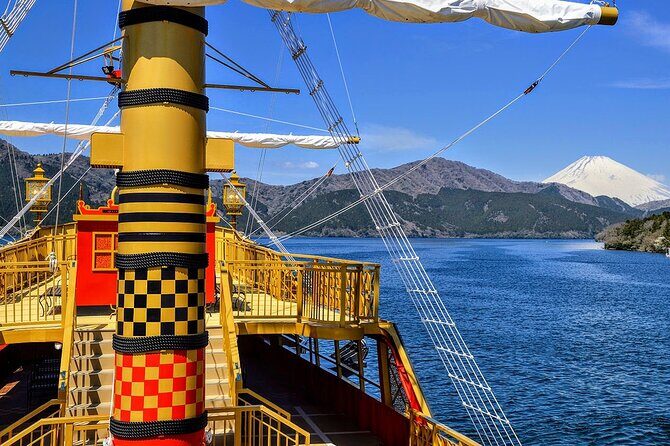
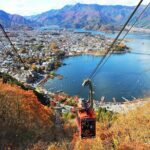
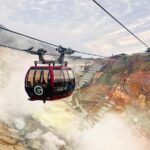
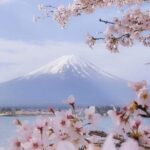
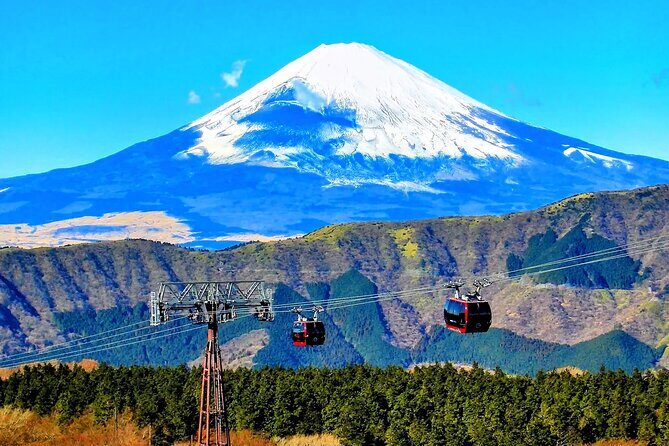
Next comes Hakone Ropeway, with about 30 minutes. This is where the day shifts from Fuji-focused to Hakone-focused. You’ll ride the cable car for sweeping views of Hakone nature and potentially Mt. Fuji, depending on what the sky allows that day.
The Ropeway stop is one of the reasons people like this tour, because it’s a structured way to get elevated viewpoints without figuring out local transport. It also gives you a chance to reset after the Fuji station experience—new scenery, new angles, new photo opportunities.
One caution: operational timing can affect what you get. There are notes that itinerary order can change due to traffic, weather, or operational reasons. And in some negative feedback, the Ropeway was reportedly cancelled due to time constraints. The tour also states that if a visiting place is closed, an alternative will be attempted.
So I’d treat Ropeway as included and prioritized, but keep a flexible mindset. This is Japan: weather happens, traffic happens, and tours sometimes adjust on the fly.
Other Mt Fuji and Hakone combo tours at Mt Fuji & Kawaguchiko

Lake Ashi Cruise on a Caldera Lake: A Real Breather
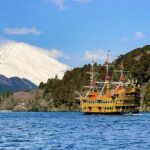
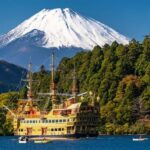
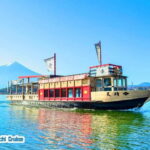
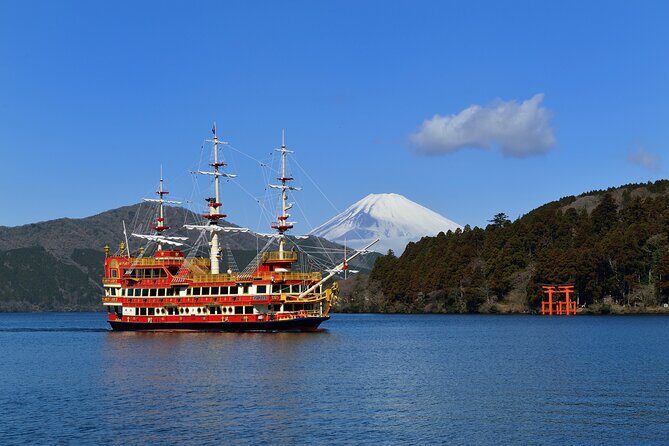
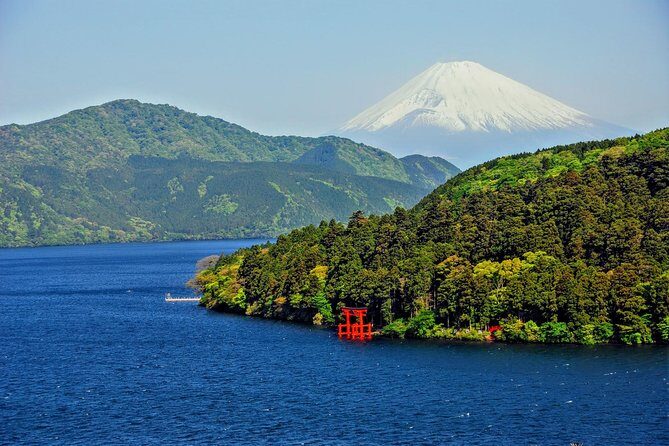
Then you’ll head to Lake Ashinoko (Lake Ashi) for a sightseeing cruise. The schedule gives you about 30 minutes on the water, and the cruise fee is included.
This is the part that often reads as the best “break” in a long itinerary. After hours of riding and quick stop-and-go sightseeing, the lake cruise is slower, cooler-feeling, and more relaxing. The overall plan also seems to recognize this: Fuji and Ropeway are view-heavy; Lake Ashi is the decompress step.
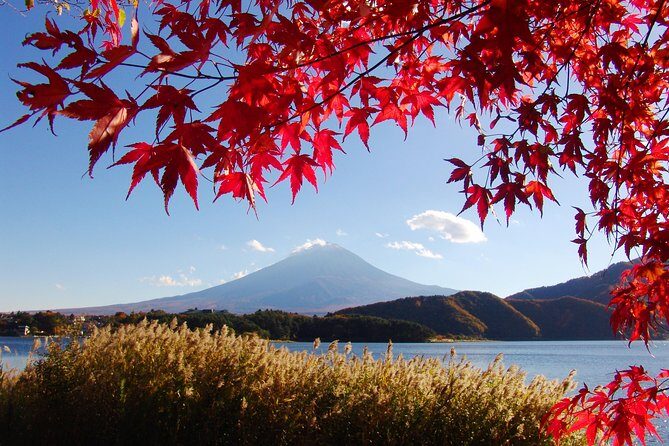
Some reviews even mention the cruise as a highlight for cooling down on warm days. Another note from feedback: the specific boat pictured in promotional photos might not match the boat used. Still, the cruise itself is the same idea—time on the lake with shoreline views and the chance to take calmer photos.
If you’re the type who wants at least one unhurried moment, this cruise is that moment.
The Big Tradeoff: Bus Hours and Tight Stops
Let’s talk about the elephant in the aisle: the tour runs about 11 hours total. The criticism isn’t subtle. Some people report spending close to the entire day on the bus and call the experience grueling. Others say the stops are too short and the pacing feels rushed.
This doesn’t mean you’re guaranteed a bad experience. It means you should book with the right mental model. This is a “see the major sights in one day” format. You’re paying for coordination, not for freedom.
To make it work for you:
- Have a plan for comfort on the bus. You’re guaranteed air-conditioning and Wi‑Fi, but that doesn’t replace getting physically comfortable.
- Expect short photo windows at each viewpoint, especially if the weather changes.
- Use the guide’s timing strategy. If your guide tells you when to move, they’re trying to protect your time at each stop.
Group size is limited to a maximum of 43 travelers. That helps keep things controlled, but you’ll still follow a group rhythm.
Where You End: Shinjuku Most Days, Odawara on Busy Dates
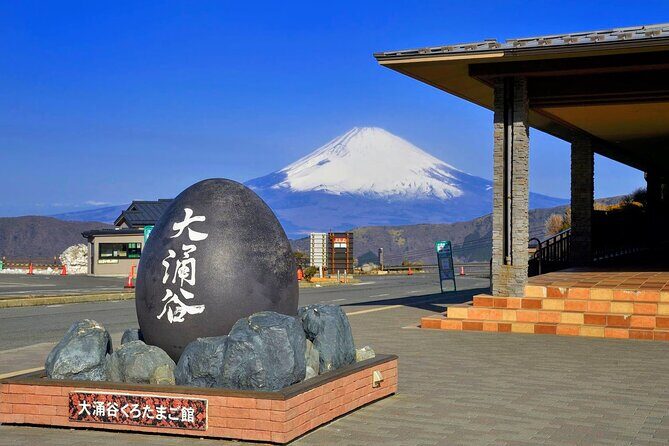
The tour can end in one of two places depending on the time of year and traffic. For some days, you finish at Odawara Station Tourist Information Center. For others, you finish at Shinjuku at Mode Gakuen Cocoon Tower about 19:00.
Here’s the practical impact: on weekends and public holidays, the tour ends at Odawara Station due to heavy traffic. If you need to get back into Tokyo, there’s an option described as Returning by Bullet Train, which includes a Shinkansen ticket. The normal tour product may not place you directly back at Shinjuku.
This detail matters because a “one-day” trip can become a “one-day plus commuting” trip if you end in Odawara and haven’t planned your return. I’d check which ending point applies to your travel date, then build your next-day plan around it.
If you end at Odawara and you have a JR Pass, the info notes you can take the bullet train from Odawara to Tokyo station. It’s the simplest way to stitch the day back into your Tokyo stay.
Who This Tour Fits Best (and Who Should Skip)
I think this tour is a strong fit for you if:
- You want Mt. Fuji + Hakone without building your own transport plan.
- You like guided timing, especially for first-time Japan visitors.
- You want at least one relaxing moment, and the Lake Ashi cruise is your decompression step.
It may not fit you if:
- You want long time on the ground at each stop. This day is structured for coverage, so you might feel rushed at Fuji’s 5th Station or other viewpoints.
- You’re highly sensitive to missed views. Fuji visibility can change fast, and the itinerary can adjust for weather.
- You have asthma. This tour is explicitly not recommended.
If your goal is calm, unhurried exploration, you might consider splitting things up and doing Hakone separately. But if you want a one-day “greatest hits” plan with a guide keeping you moving, this delivers that.
Should You Book This Mt. Fuji and Hakone Tour?
I’d book this if your priority is efficiency with built-in transport, a guided plan, and at least two major Hakone experiences—Hakone Ropeway and the Lake Ashi cruise—plus a Fuji stop at the 5th Station.
I’d think twice if you’re a comfort-with-downtime traveler. The day is long. Some people feel the bus time steals the day. If you book anyway, fix your expectations: you’re buying coordination, not leisure.
If you do book, pick your day carefully and keep flexibility. Plan for changing weather and understand that some stops can be swapped or timing can tighten. The tour’s real value is getting you from Tokyo to Fuji and Hakone without the logistical stress—and letting the guide handle the moving parts so you can focus on the views when they show up.
FAQ
Where do you get picked up in Tokyo?
You’re picked up either at Matsuya Ginza (7:20am) or at the Robert Indiana Sculpture LOVE in Shinjuku (7:50am). The LOVE statue is also described as the final meeting place for the tour.
What time does the tour run, and when do you finish?
The duration is about 11 hours. The tour commonly finishes around 19:00 at Shinjuku (Mode Gakuen Cocoon Tower), but on weekends and holidays it can end at Odawara Station instead.
Does the tour always return to Shinjuku?
No. On weekends and public holidays, it ends at Odawara Station due to heavy traffic. If you need to return to Tokyo, the Returning by Bullet Train option is described as including a Shinkansen ticket.
Is Mt. Fuji guaranteed to be visible?
No. The tour notes that Mt. Fuji views depend on the sky being clear, and it also explains that weather and traffic can change the day’s plan.
What lunch options are available?
If you select the lunch add-on, it includes a buffet meal. Vegetarian and Muslim-friendly lunch options are available if you request them during booking. Halal and vegan meals are not available with the lunch option, so the guidance says to book without lunch and bring your own if you need those.
What sightseeing is included besides Mt. Fuji?
Hakone Ropeway and the Lake Ashinoko (Lake Ashi) cruise are included. The tour also includes visits connected to the Hakone area, with the option to visit either Mt. Hakone or Mt. Komitake.
What happens if a scheduled stop is closed or canceled?
The tour states that if a visiting place is closed, the guide will try to attend an alternative place. It also notes that due to weather or operational reasons, it may be possible not to achieve all activities, and alternative stops or compensation may be offered, without refunds for those changes.