REVIEW · TOKYO
Mt FUJI – Panoramic Tour w/ Hoto Lunch, JP Sake & Onsen tatto OK!
Book on Viator →Operated by VAS · Bookable on Viator
Mount Fuji in a full, photo-friendly day. I like the small group setup (max 8) because it’s easier to ask questions and adjust on the fly, and I also like the fact that you get sake sampling rather than only looking at views. One thing to consider: this is weather-driven, so if clouds roll in you may not get the clear cone shots you want.
You start early from Shinjuku (7:30am) and spend a big chunk of the day on the road—plan for long transit while you wait for the best light and sky breaks. Guides tend to be calm and responsive; you’ll see styles described from people like Yayoi-san and Keiko-san, and there’s also an English-support rhythm with guides such as Ramesh. If you go in expecting a bus-style rush, you’ll be happier—this one is built to stay flexible with fewer people.
In This Review
- Key points I’d plan around
- Why this small-group Fuji day feels smarter than a bus rush
- From Shinjuku at 7:30 to Nishikatsura and Fujiyoshida’s first Fuji moments
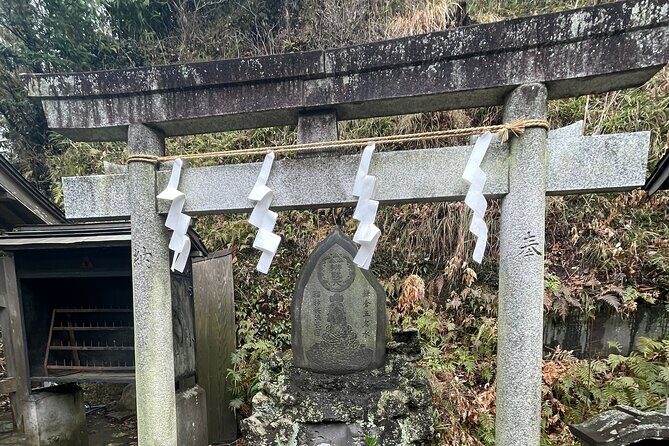
- Arakura Fuji Sengen Shrine: the iconic climb and why it’s worth the effort
- Saiko Iyashi-no-Sato Nemba, kimonos (optional), and the old-village Fuji viewpoint
- Kanadorii torii gates, Oishi Park with Kawaguchiko, and the onsen break
- Misaka Pass lunch and the “don’t skip breakfast” stop at Dangozaka
- The Sasaichi sake stop: sampling local flavors, not just a sales pitch
- Price and what’s actually included (plus how to manage add-ons)
- Timing, weather, and why you should prepare for cloud cover
- Who this tour suits best (and who should pick something else)
- Should you book this Mt Fuji panoramic tour with hoto lunch, sake, and onsen?
- FAQ
- What time does the tour start, and where is the meeting point?
- How long is the tour?
- How many people are on the tour?
- What’s included in the price?
- What extra costs should I plan for?
- Is the onsen tattoo-friendly?
- What happens if the weather is bad for Mount Fuji views?
Key points I’d plan around
- Max 8 travelers means more guide time and less standing around in a crowd
- Sake distillery stop includes sampling local virgin sake and liquored products
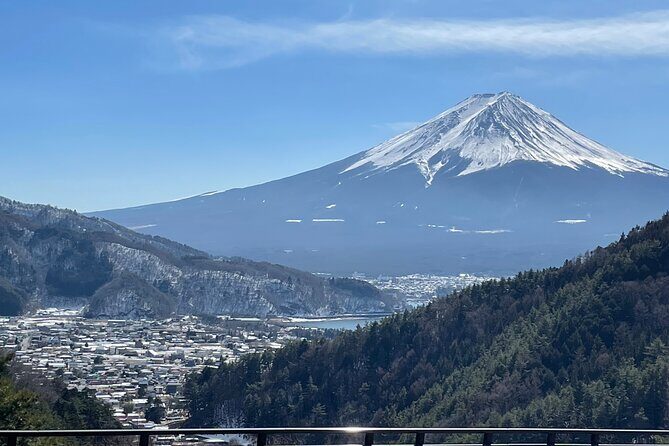
- Shrine + viewpoints gives you multiple Fuji angles, not just one photo spot
- Onsen time is real (and an optional stop) with Mount Fuji views when conditions cooperate
- Optional extras cost extra: kimono and tea can eat into your day if you’re not careful
Why this small-group Fuji day feels smarter than a bus rush
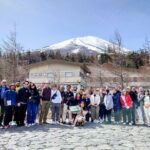
This tour is designed around one simple idea: Mount Fuji stops work better when you’re not packed into a giant vehicle with a rigid schedule. With a maximum of 8 people, you usually get more personal attention, and you’re more likely to ask questions about what you’re seeing—shrines, lake views, local food, and the culture behind it.
It also helps that you’re not just doing “drive-by photos.” The day mixes roadside viewpoints with short but meaningful walking stops. Even if clouds hide the peak at times, you’re still moving through places with strong local character.
The pacing is the trade-off: the round trip is over 400 kilometers, and you’ll spend about 3.5 hours in transit. That’s normal here, but it means you’ll want a fully charged phone, a downloaded map, and a simple mindset: the car time is part of the plan.
Other Mount Fuji tours we've reviewed at Mt Fuji & Kawaguchiko
From Shinjuku at 7:30 to Nishikatsura and Fujiyoshida’s first Fuji moments
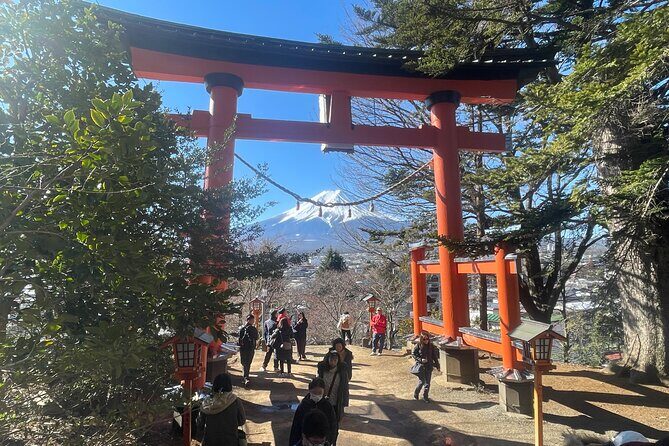
You begin at the Shinjuku Post Office area and head out early, which matters. Clear mornings tend to be your best chance for early Fuji visibility, and the first stops are timed to help you catch that upfront moment before the day’s sky changes.
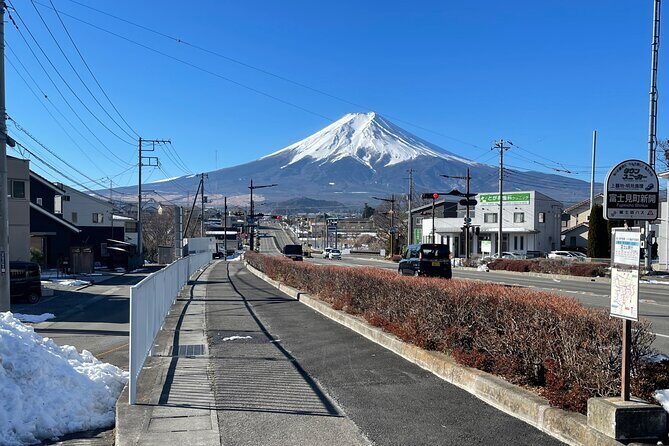
Stop 1 is Nishikatsura-cho, where you get a first glimpse of Mount Fuji straight on. It’s only about 20 minutes, but that short burst can set the tone for the rest of the day.
Then comes Fujiyoshida, where the goal shifts from seeing Fuji to feeling the town energy around it. You’ll spend about 20 minutes here, plus you’ll have a chance to try local Japanese confectionaries. This is a good place to slow down, take a few photos at eye level, and refuel without turning it into a long snack detour.
If you’re the type who needs your first win fast—this tour gives you that. If you’re chasing one perfect postcard photo, you’ll still want to keep your expectations flexible.
Arakura Fuji Sengen Shrine: the iconic climb and why it’s worth the effort
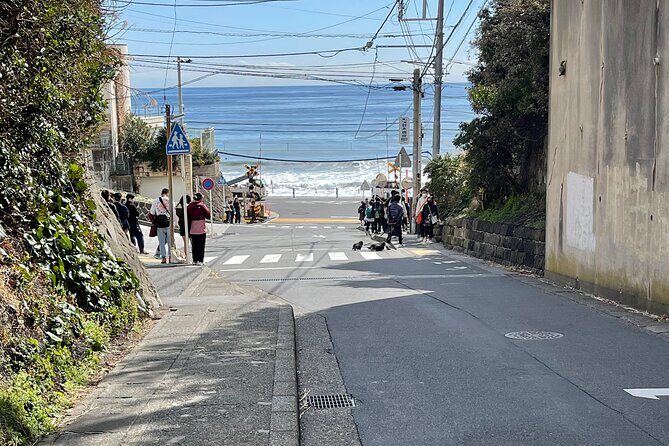
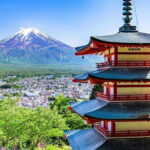
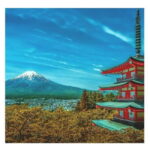
One of the most famous spots on the route is Arakura Fuji Sengen Shrine. Expect around 50 minutes total here, including time to visit and climb up for the postcard view.
This is one of the few moments in the day where your body gets involved. The climb isn’t described as extreme, but the tour does note a moderate physical fitness level is best—so if you’re sensitive to stairs or uneven ground, plan for breaks and take it steady.
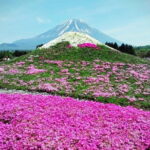
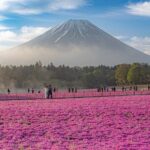
Why do people care so much? Because this is one of those places where Fuji feels staged for photos. Even when the peak is partly obscured, the surrounding composition often still looks like a classic Mount Fuji scene.
The value here is not only the view; it’s also the shrine atmosphere. You’re not just standing in a parking lot—you’re in a real religious site with the kind of small details that make Japan travel feel grounded.
Saiko Iyashi-no-Sato Nemba, kimonos (optional), and the old-village Fuji viewpoint
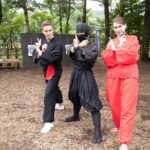
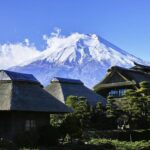
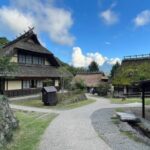
Next up is Saiko Iyashi-no-Sato Nemba, a traditional Japanese village area. You’ll get about 40 minutes, and this stop is built for the “Fuji + atmosphere” part of the day.
The highlight is that old-village feel, with Fuji framed in the background when skies cooperate. There’s also a kimono option here, but it’s optional and costs extra (you can expect the kimono experience to be priced separately rather than included).
A practical note: kimono time can be fun for photos, but it also adds friction—changing clothes takes time, and some people prefer to spend that extra time elsewhere. If onsen time is your top priority, keep your schedule thinking simple: don’t let optional add-ons quietly steal the best window for relaxing.
If clouds are rolling in, village scenery still lands well. You’ll get that “place-based travel” feeling, not just mountain worship from one angle.
Kanadorii torii gates, Oishi Park with Kawaguchiko, and the onsen break
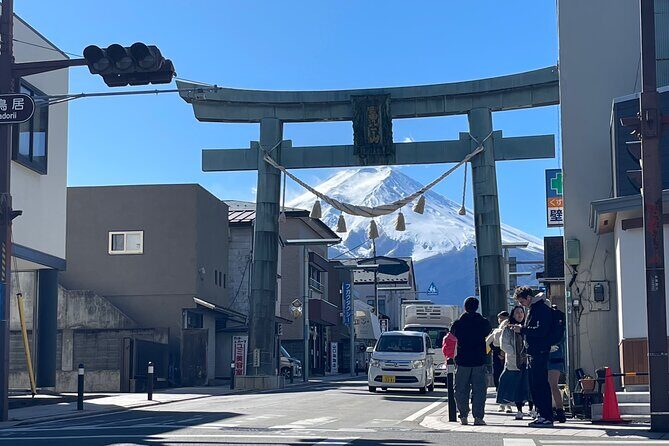
After the village stop, the itinerary keeps stacking Fuji-related viewpoints. You’ll hit Kanadorii for about 15 minutes, including the first torii gates at the main shrine area that guards the base of Mount Fuji. It’s short, but torii gates are one of Japan’s quickest ways to make a setting feel sacred.
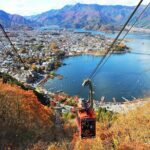
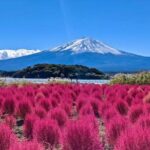
Then you’ll go to Oishi Park for about 20 minutes. This is where you get a classic combo: Mount Fuji with Kawaguchiko Lake. For photographers, this kind of framing is why you’re doing the early starts and the long drive.
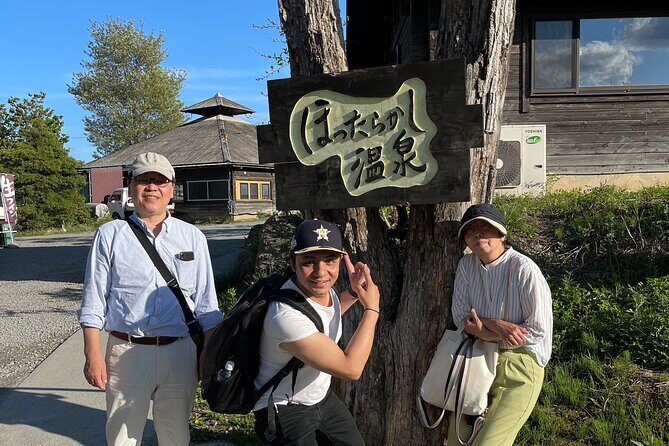
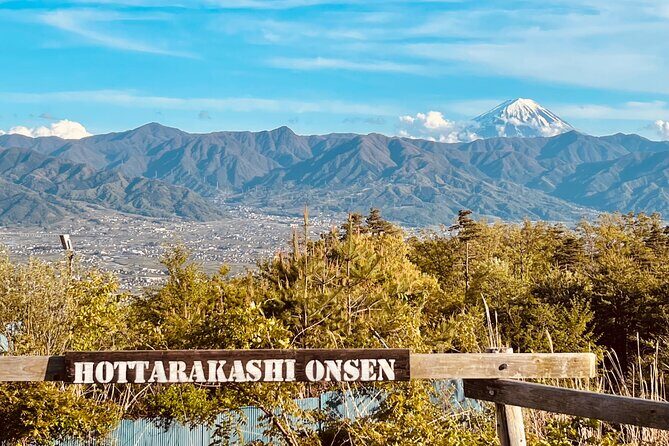
Next is the onsen at Hottarakashi Onsen, around 50 minutes. The tour is marketed as tattoo OK at the onsen option, which is a big deal if you’ve been worried about restrictions in Japan. The onsen itself is optional and has an extra fee of about ¥900 per person.
When the peak is visible, the onsen view tends to be the payoff moment. Even if you only get partial Fuji, an onsen break resets you after the walking and driving. It’s also one of the only times you’ll have a genuinely slow moment in a packed day.
One more thing I’d plan for: the onsen experience adds time, and that can affect how much you feel like you’re rushing later. If you’re someone who hates schedules, make sure you protect the onsen window for real rest.
Other Lake Yamanaka and hot spring tours at Mt Fuji & Kawaguchiko
Misaka Pass lunch and the “don’t skip breakfast” stop at Dangozaka
The day doesn’t ignore food logistics. Misaka Pass is your lunch block, about 1 hour 10 minutes, and the tour is known for a hoto-style lunch. Hoto is a hearty, comfort-food kind of option, which makes sense for a day that starts early and includes cooler mountain air.
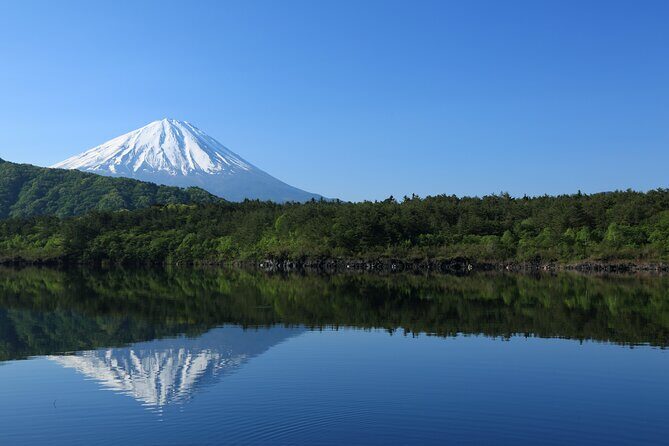
This stop is also about views—Misaka Pass is another angle for Mount Fuji. Even if the peak is faint, higher vantage points can still deliver that “there it is” feeling.
If you didn’t eat enough before departure (or if nerves killed your appetite), there’s a service-area stop at Dangozaka Service Area inbound. It’s around 20 minutes and is a practical safety net for local breads if you’re short on fuel. It’s also an easy place to grab water and stretch before the later parts of the day.
A good day trip often lives or dies by these small food checkpoints. Here, they’re doing enough to keep you from running on empty.
The Sasaichi sake stop: sampling local flavors, not just a sales pitch
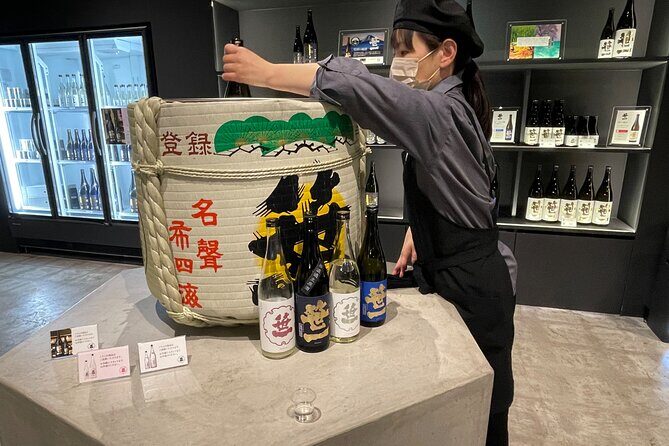
About 45 minutes is set aside for Sasaichi Shuzo Shuyukan, a sake distillery visit. This is one of the most culturally specific parts of the itinerary, and it comes with sampling.
You’ll have the chance to try virgin sake and liquored products produced locally in the area. That phrase matters: you’re not only tasting one standard bottle. You’re tasting the distillery’s range and local style, which tends to be more memorable than a single “sip and go” approach.
I also like that this stop balances the day’s visuals. After shrines, lake views, and onsen, you get something sensory in a different way—smell, taste, and conversation.
If you’re a sake fan, this is the moment you’ll want to pay attention. If you’re not, it still works because the visit is structured enough that you’ll learn enough to enjoy it, even if you keep it to a small tasting.
Price and what’s actually included (plus how to manage add-ons)
At $172 per person, this tour sits in a mid-range day-trip zone. What helps the price feel fair is that you’re getting a lot packed into a single small-group experience: lunch, parking fees, and an air-conditioned vehicle are included.
Many of the photo stops are also effectively “covered” in the sense that you’re not constantly paying separate admissions for each viewpoint. At a glance, lots of stops are marked free, while only certain experiences have fees attached.
Here’s the practical breakdown of the add-ons you should watch:
- Onsen at Hottarakashi: optional, around ¥900 per person
- Tea experience: optional, around ¥500 per person
- Kimono experience at the village: optional, around ¥2,500 per person
If you add on both kimono and onsen, your final spend rises fast. That doesn’t make the tour bad—it just means you should choose based on your priorities. If you mainly want the comfort of soaking and Fuji views, pay for onsen and skip the kimono. If you want the photos and don’t mind spending more time preparing, kimono could be worth it for you.
One more value angle: the tour runs with small-group dynamics. You’re paying for the fewer-people experience and the guide’s ability to manage stops without turning everything into a stampede.
Timing, weather, and why you should prepare for cloud cover
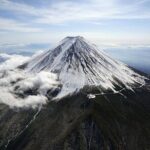
This is a “requires good weather” kind of tour. That’s not a marketing line; it’s the reality of Mount Fuji. A classic cone view depends on sky visibility, and clouds can steal the peak even when everything else is ready.
If the weather isn’t cooperating, you’ll likely be offered a different date or a full refund. I’d take the weather clause seriously. Don’t treat this as a guaranteed Fuji fix on a random afternoon.
Also, remember how much time is spent in transit. Over 400 kilometers round trip and roughly 3.5 hours of driving adds up. Plan to be comfortable—pack a light layer, bring water, and download offline maps or reading material.
Physical notes matter too. Because there’s an iconic shrine climb and some walking, moderate fitness is recommended. If you’re worried, wear supportive shoes and don’t try to “power through” feeling unsteady. Your photo angles won’t improve if you trip.
Who this tour suits best (and who should pick something else)
This tour fits best if you want:
- Multiple Fuji photo angles in one day
- A small group with space to ask questions
- Real cultural stops: shrines and a sake distillery
- A chance for an onsen break with Fuji views, with tattoo-friendly messaging
It may not fit if you:
- Hate early mornings
- Get cranky about long driving days
- Only care about one single view and will be disappointed if clouds block the peak
If you’re traveling solo, the small group format can feel easier than bouncing between big bus crowds. If you’re traveling with friends, the shared experience can be great because the pace gives you time to talk and compare photos.
And if you’re a first-timer in the Fuji area, this gives you a structured sampler of the region without forcing you to coordinate transport across multiple towns yourself.
Should you book this Mt Fuji panoramic tour with hoto lunch, sake, and onsen?
If you want the Fuji day trip that feels like it was planned for humans—not just headcounts—this is a strong pick. I’d book it if your priorities are good viewpoints, a real shrine experience, sake tasting, and an onsen stop you can feel good about (with the tattoo-friendly onsen option).
Book it with one mindset tweak: accept that weather can change everything. When Fuji is visible, you’ll get that layered photo experience from several angles. When it’s not fully visible, you’ll still have cultural stops and a satisfying food-and-onsen rhythm.
If you’re debating upgrades, decide early. Optional kimono and tea can add cost and time; pick the one that matches your travel style, not the one that looks busiest on someone’s camera feed.
FAQ
What time does the tour start, and where is the meeting point?
The tour starts at 7:30am. The meeting point is at Shinjuku Post Office 1-chōme-8-8, Nishishinjuku, Shinjuku City, Tokyo.
How long is the tour?
The tour is about 10 hours.
How many people are on the tour?
The tour has a maximum of 8 travelers.
What’s included in the price?
Lunch, parking fees, and an air-conditioned vehicle are included.
What extra costs should I plan for?
The onsen is optional and costs about ¥900 per person. There are also optional fees for a tea experience (about ¥500) and a kimono experience (about ¥2,500).
Is the onsen tattoo-friendly?
The tour is advertised as onsen tattoo OK. The onsen itself is optional and has an additional fee.
What happens if the weather is bad for Mount Fuji views?
The experience requires good weather. If it’s canceled due to poor weather, you’ll be offered a different date or a full refund.