REVIEW · TOKYO
Mt Fuji Top 5 Spots Day Tour: Arakurayama Park,Oshino Hakkai
Book on GetYourGuide →Operated by Tour Easy · Bookable on GetYourGuide
Fuji turns a bus ride into theater. This Mt Fuji day tour strings together the big-picture classics, from Arakurayama Park views to the famous Lawson frame, without you wrestling trains and transfers. I really like how the day is built like a photo circuit, so you’re not constantly checking maps or guessing where to stand.
I also like the people factor. Guides such as Anna and Sawaki (and others in the same role) keep things moving, explain what you’re looking at, and will help with practical photo timing so your group gets the shot. One thing to watch: the mountain is weather-dependent, and weekend/peak traffic can push back the schedule and shorten time at later stops.
If your goal is a full Mount Fuji day with minimal stress, this works. Just know lunch and drinks are not included, and you’ll want cash for spots that sometimes don’t take cards.
In This Review
- Key Highlights You’ll Actually Notice
- Start in Tokyo: Pickup Options and a Day That Moves
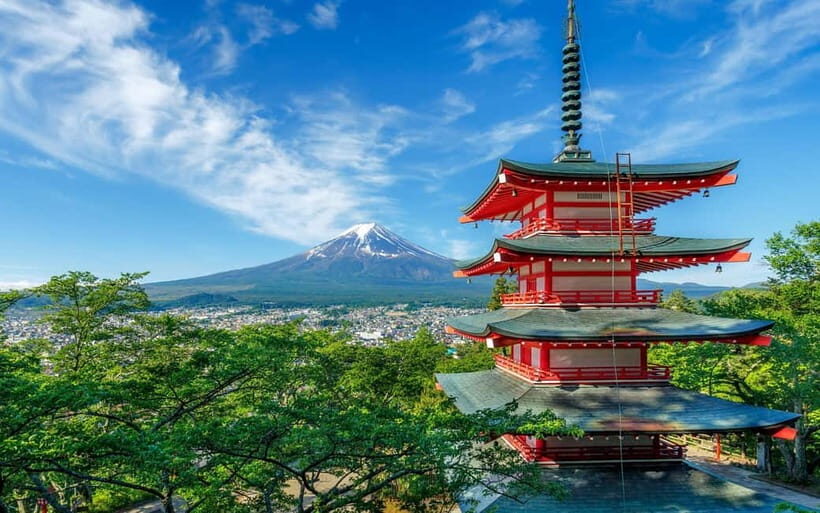
- Arakurayama Sengen Park: The Classic Fuji Frame (and the Climb)
- Arakura Shrine, Chureito Pagoda, and the Steps to a Story
- Hikawa Clock Shop: Small Streets, Fuji at the End
- Oshino Hakkai: Fuji’s Snowmelt in Eight Springs
- Lawson Kawaguchiko Station: The Photo Stop That’s Almost a Joke
- Oishi Park and the Herb-to-Color Seasonal Plan
- Autumn Maple Corridor and Spring Sakura Swaps
- The $53 Value: What You’re Paying For (and What You’re Not)
- What Makes the Guides Matter: Timing, Photos, and Calm
- Weather and Delays: The Only Variables You Can’t Fix
- Should You Book This Mt Fuji Top 5 Spots Day Tour?
- FAQ
- Where are the pickup points in Tokyo?
- How long is the tour?
- What’s the biggest “don’t forget” item?
- Is lunch included?
- What languages are available for the guide?
- What are the main stops you’ll visit?
- Will I see Mount Fuji clearly?
- Can the schedule change during weekends or peak season?
Key Highlights You’ll Actually Notice
- Arakurayama Sengen Park steps (397 steps): climb to get Fuji framed over the town.
- Oshino Hakkai’s eight springs: crystal-clear water fed by Fuji’s snowmelt.
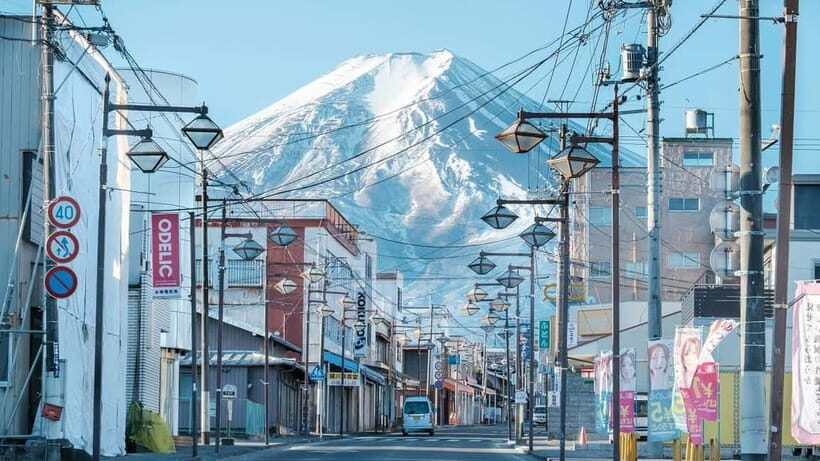
- Hikawa Clock Shop photo angle: quiet streets that end in a Fuji view.
- Lawson Kawaguchiko Station: a specific, iconic Fuji-in-the-background photo spot.
- Seasonal swap system: lavender, herb fields, kochia red, maple corridor, or spring sakura.
- A real day rhythm: expert guide + air-conditioned coach that keeps you from planning fatigue.
Start in Tokyo: Pickup Options and a Day That Moves
This is a straightforward, long day. You start either at 8:00 AM at JR Tokyo Station (Marunouchi South Exit) or at 8:30 AM at Tokyo Mode Gakuen. Either way, show up about 15 minutes early. The tour is run with tight timing, and late arrivals can miss the group.
The drive out to the Fuji area takes a couple of hours, then you get a series of short-to-medium stops built around viewpoints. You’ll feel the pacing: enough time to walk, take photos, and recover your breath, but not so much that you lose the thread of the day. That’s a big part of the value here—someone else handles the logistics so you can spend your energy on seeing Fuji from multiple angles.
One practical note I like: the tour ends back in Tokyo around 18:30 at the same drop-off areas, but the operator warns that return time may shift with traffic. If you’re the type who likes to schedule dinner at a specific time, build in slack.
Other Mount Fuji tours we've reviewed at Mt Fuji & Kawaguchiko
Arakurayama Sengen Park: The Classic Fuji Frame (and the Climb)
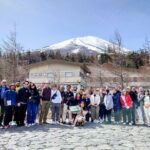
This is the centerpiece stop. You’ll visit Arakurayama Sengen Park (also known for its Fuji panorama views) and you’ll spend enough time here to do the walk and still enjoy the viewpoint.
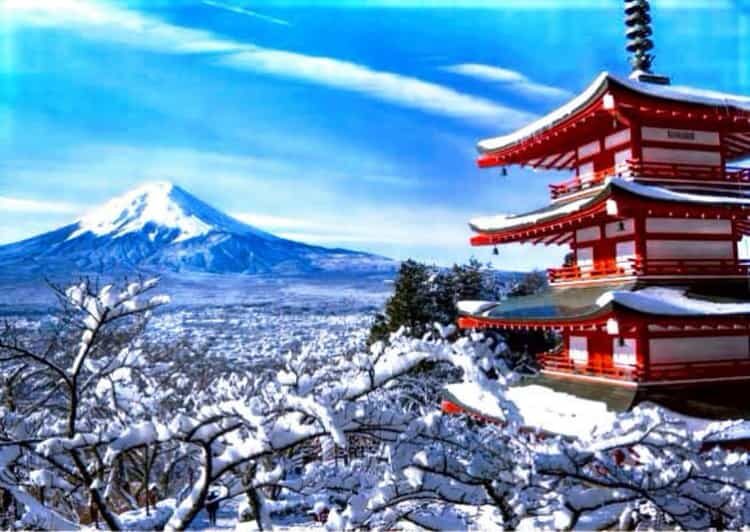
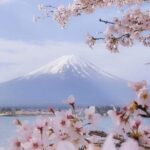
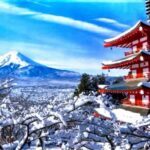
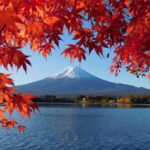
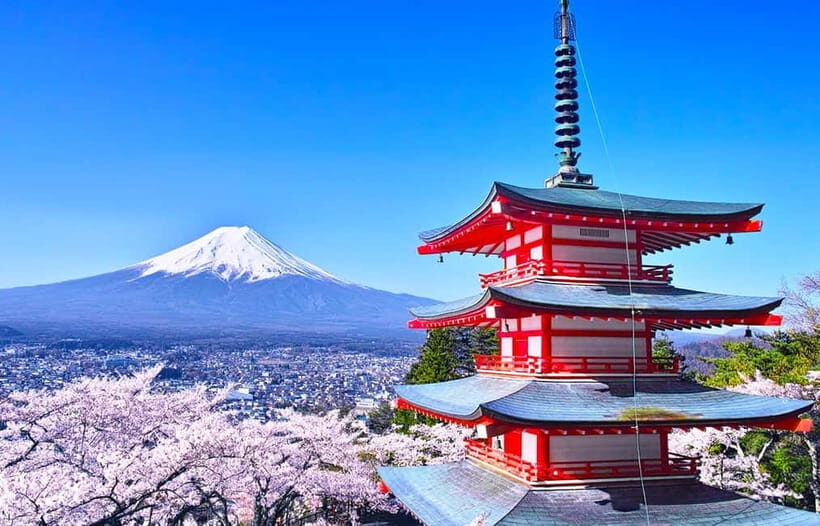
The big draw is the climb to the best vantage: the walk includes 397 steps. It’s not an ultra-mountain hike, but it is real exercise. I’d treat it like a stair workout that rewards you with the iconic Fuji composition—Fuji above, cherry blossoms or autumn colors in season, and the town stretching below.
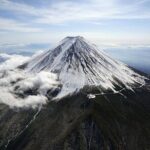
What makes this stop worth your time even if you’ve seen photos online? You’re getting the scale right. From up there, Mount Fuji doesn’t just look pretty—it looks looming, like it dominates the region in a way that’s hard to understand from ground-level photos.
Tip for your photos: wear comfortable shoes and take your time on the steps. The best shots happen when you pause long enough for people to clear your angle and for you to adjust your framing.
Arakura Shrine, Chureito Pagoda, and the Steps to a Story
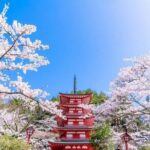
Right after the main viewpoint, you’ll move through the shrine area and the pagoda photo zone. The rhythm matters: you’re not just hopping between locations, you’re walking through a cluster of spots that people photograph as a set.
You’ll see:
- Arakura Fuji Sengen Shrine viewpoints and walkable photo areas
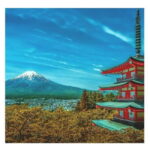
- Chureito Pagoda photo stop with a short window for pictures and browsing
Even if you’re only here for Fuji, this part adds context. The pagoda and shrine structures give you size reference—Fuji feels even taller and more dramatic when paired with traditional architecture. It’s a classic Japan composition, but it still works because the view is genuinely good.
The trade-off is crowd management. These are popular stops, so expect foot traffic. The tour helps by giving you an ordered route and set timing, so you’re less likely to lose your moment.
Hikawa Clock Shop: Small Streets, Fuji at the End
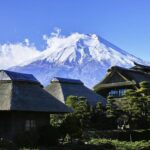
Next comes a more local-feeling stop: Hikawa Clock Shop. It’s known for a photo-friendly town scene where you can catch Mount Fuji at the right angle down the street.
What I like here is the contrast. Arakurayama is about climbing and big panorama drama. Hikawa is about quiet, street-level framing—Fuji tucked into the background like a surprise. The tour gives you a short time window, so you can walk around, try a couple of angles, and still stay on schedule.
The main caveat is the same as everywhere today: visibility can be affected by weather. If Fuji is hazy, this is one of those places where you might have to work a little harder to find a clean line of sight.
If you’re traveling with a camera and want something a bit different from the usual skyline shots, this stop helps break up the day.
Oshino Hakkai: Fuji’s Snowmelt in Eight Springs
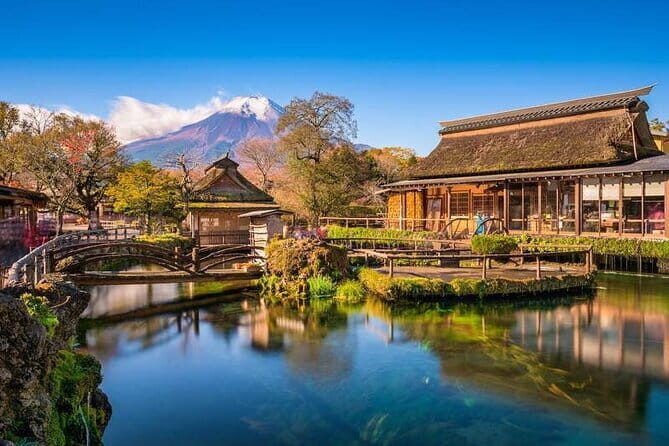
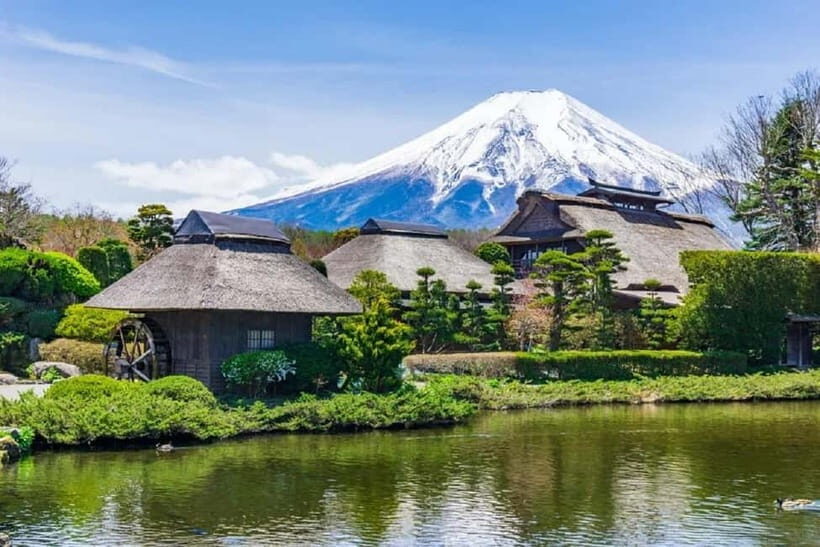
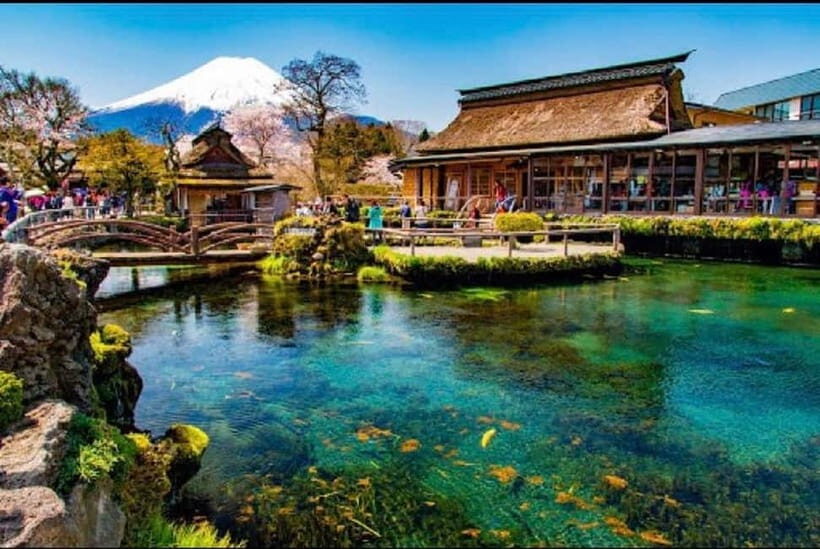
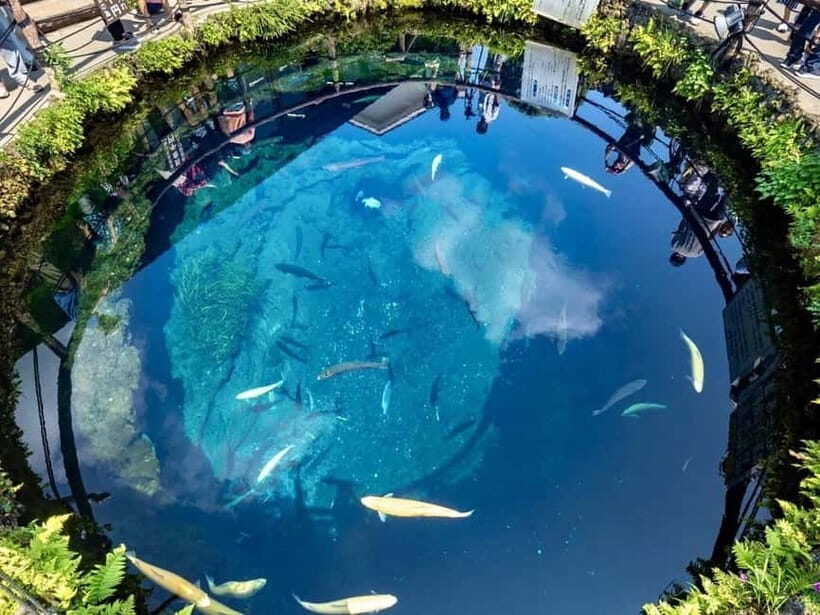
Then you shift from photo viewpoints to a calmer nature-and-village stop: Oshino Hakkai. This area is famous for eight crystal-clear springs created by Fuji’s melted snow seeping into the region. The feel here is more relaxed, almost like you’re stepping into a slower pace of Japan.
You’ll have about 90 minutes, which is just right for:
- strolling around the spring ponds
- taking photos of the water
- reading the scene and letting your brain cool down after the steps and crowds
People love Oshino because it’s tangible. Fuji isn’t only a mountain you look at. You see what it produces in the landscape—cool water and a village built around it.
Also, the tour provides guided context here, so you’re not just walking around without a clue. I think that’s what makes time feel worthwhile rather than rushed.
Other Chureito Pagoda and Arakurayama tours at Mt Fuji & Kawaguchiko
Lawson Kawaguchiko Station: The Photo Stop That’s Almost a Joke
Yes, it’s a convenience store. But the Lawson photo spot has a real reason for fame: it places Fuji in the background in a way that feels instantly recognizable as Japan.
You’ll stop near Lawson at Kawaguchiko Station for about 20 minutes. The entire purpose is the shot: Fuji aligned with the storefront, turning a mundane building into an iconic postcard.
One important safety note: be careful crossing the street. People do it instinctively and then forget the danger. Use crosswalks, watch traffic, and don’t block pedestrians while you set up.
If you’re the kind of traveler who likes a “did we get the shot” checklist, this stop delivers fast. If you don’t care about famous frames, you can still enjoy the quirky contrast and enjoy the lake-area atmosphere.
Oishi Park and the Herb-to-Color Seasonal Plan
After Lawson, you’ll head to a park stop where the goal is seasonal color plus lake-area scenery: Oishi Park.
This is where the tour turns from Fuji-in-architecture to Fuji-with-nature color. Depending on the season:
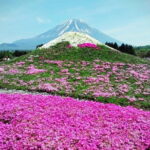
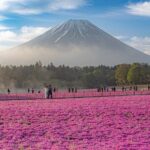
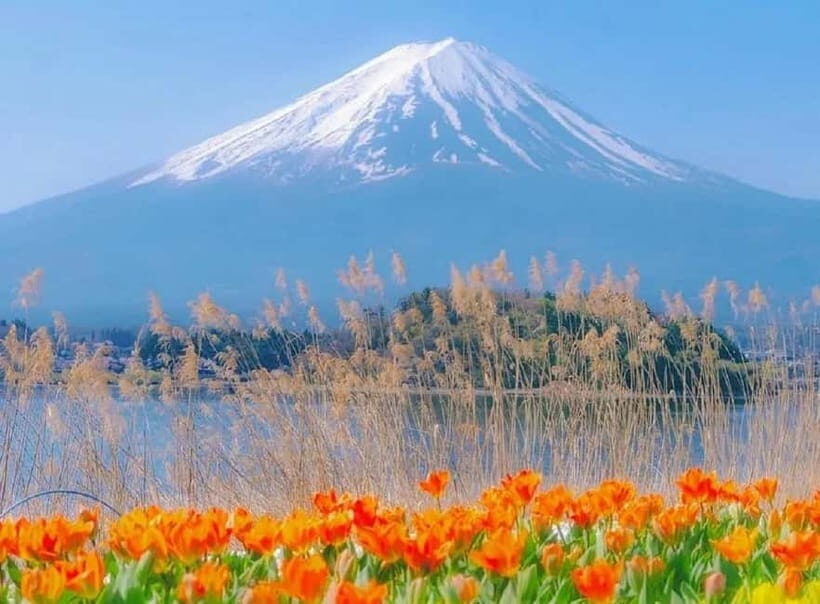
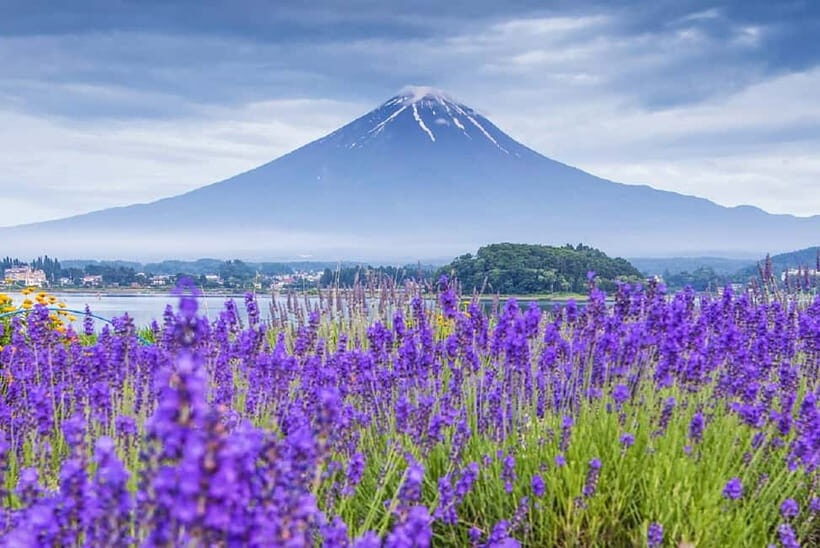
- In summer, you can see lavender fields.
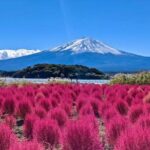
- In autumn, you may find red kochia grass.
- The tour notes the Kawaguchiko Herb Festival runs from June to October, and that can add extra visual energy.
You’ll typically have around 50 minutes here, including shopping time. That part matters because many of these spots have small stalls and souvenir shops right at the viewpoints. It’s not about spending big; it’s about picking up a snack or a memento without losing your place in the schedule.
What I appreciate is that the tour tries to time your day for color. You can’t control the weather, but you can control what you’re looking at when clouds thin.
Autumn Maple Corridor and Spring Sakura Swaps
The tour is flexible by season, and this is one of its smartest features. On certain dates, the plan can swap from Oishi Park to a different seasonal corridor.
Two options listed:
- Kawaguchiko Maple Corridor (around Oct 26 to Nov 20): the tour says it will not go to Oishi Park in this period.
- Kawaguchiko Cherry Blossom Festival (around Apr 5 to 14): again, it won’t go to Oishi Park in this period.
In other words, you’re not guaranteed lavender, kochia, or blossoms on every date. But you’re more likely to catch something in-season that matches your travel month.
If you’re planning your trip around flowers, this seasonal logic is useful. Check your travel dates, then decide if you want the plan optimized for color, or if you’re there mainly for Fuji structure shots.
The $53 Value: What You’re Paying For (and What You’re Not)
For around $53 per person with about 10 hours on the clock, you’re buying three things:
1) Transport with planning handled
You get air-conditioned coaching, highway tolls, parking fees, and the effort of getting everyone to multiple sites in one day.
2) A professional driver and a live guide
You don’t just get transit. You get explanations in Chinese, English, and Japanese, plus on-the-ground guidance about where to stand and when.
3) Pickup and drop-off at two Tokyo meeting points
This matters if you don’t want to add your own early-morning transfer scramble.
What you’re not getting:
- Lunch (there is a stop with time to eat, but your meal cost is not included)
- Water and food (bring your own if you can)
I’d call this good value if you’re short on time and want the classic Fuji photo checklist done in one day. If you’re a DIY rail pro with lots of patience, you could replicate some stops yourself. But you’d also do more planning and more stress.
What Makes the Guides Matter: Timing, Photos, and Calm
This is a group day tour, so the success depends on organization. The good news: guide performance shows up in the day-to-day feel.
In real terms, guides like Anna, Sawaki, Peter, Mila, Olivia, Erina, and Linda (names that come up often) are repeatedly praised for:
- keeping the group together even when people are a bit late
- helping with photos and telling you where to stand
- sharing stories and practical context so stops feel meaningful, not just scenic
- staying approachable with questions
I also like that some guides clearly think about details like where to eat and how to handle timing. On a long day with multiple viewpoints, that kind of planning prevents the silent stress spiral.
One small reality check: since this is shared and multilingual, you’ll be in a group with different nationalities. That’s usually fun, but it also means you can’t expect private pacing. You’ll follow the guide’s timing, for better and faster.
Weather and Delays: The Only Variables You Can’t Fix
Let’s be honest: Mount Fuji is weather-dependent. The tour itself flags that visibility can change, and your experience follows that rule.
Even in good conditions, clouds can roll in and thin out the mountain. On the bright side, guides do everything they can with scheduling and stop order to maximize your odds.
Then there’s traffic. The tour warns that during Japanese weekends, peak seasons, or bad weather, return time can shift and reduce time at some attractions or even cause cancellations. The best counter to that is simple: don’t schedule tight follow-on plans for the evening.
If Fuji is your top priority, plan your Tokyo evening as flexible. If you’re staying near the drop-off points, you’ll be happier.
Should You Book This Mt Fuji Top 5 Spots Day Tour?
I’d book it if:
- you want a one-day Fuji hit list done with minimal planning
- you care about getting Fuji from multiple photo angles
- you’d rather pay for a guide and driver than spend your morning figuring out trains
I’d think twice if:
- you’re extremely sensitive to schedule changes and delays
- your travel dates are a risky weather window and you have very strict timing later in the day
- you hate group tours or want lots of slow, wandering time
For most first-timers, this tour is a practical way to see why Mount Fuji is more than a background mountain. You get the icons (steps, pagoda, springs, that Lawson frame) plus seasonal color planning that matches your month.
If you do book, set yourself up for success: wear comfy shoes, bring water, carry cash, and be ready for the day’s main lesson. You can plan the route. You can’t command the sky.
FAQ
Where are the pickup points in Tokyo?
You can start at either JR Tokyo Station Marunouchi South Exit (meet at 8:00 AM) or Tokyo Mode Gakuen (meet at 8:30 AM). The tour also returns you to the same two drop-off areas.
How long is the tour?
The duration is about 10 hours, with return around 18:30 (traffic can affect timing).
What’s the biggest “don’t forget” item?
Bring comfortable shoes and water, and also bring some cash since some spots may only accept cash.
Is lunch included?
No. Lunch is not included in the price. You can purchase lunch at attractions or at a restaurant recommended by the guide.
What languages are available for the guide?
The live guide offers explanations in Chinese, English, and Japanese.
What are the main stops you’ll visit?
You’ll visit Arakurayama Sengen Park (including the shrine/pagoda area), Hikawa Clock Shop, Oshino Hakkai, a Lawson photo stop in the Kawaguchiko area, and then Oishi Park or a seasonal alternative.
Will I see Mount Fuji clearly?
It depends on weather. Visibility can be affected, so it’s smart to be flexible and understand that the mountain may not always look perfect.
Can the schedule change during weekends or peak season?
Yes. The tour warns that traffic, bad weather, and peak periods can cause delays, which may shorten time at some attractions. It’s best not to plan tight arrangements right after the tour ends.