REVIEW · TOKYO
From Tokyo: Fuji Mountain Area – FujiQ – Lake Kawaguchiko – Chureito Pagoda
Book on GetYourGuide →Operated by Tokyo Turismo Ltda · Bookable on GetYourGuide
Mount Fuji in one packed day is always a win. This Fuji loop from Tokyo mixes iconic Fuji photo stops with calm nature time, and it’s done in a private, hotel-to-hotel way that saves you the stress. Two things I especially like: the Oishi Park snow-capped viewpoint and the Chureito Pagoda sunset panorama. One drawback to plan for: the day is tightly scheduled, so if clouds roll in or you want to linger longer at one stop, you might feel a bit rushed.
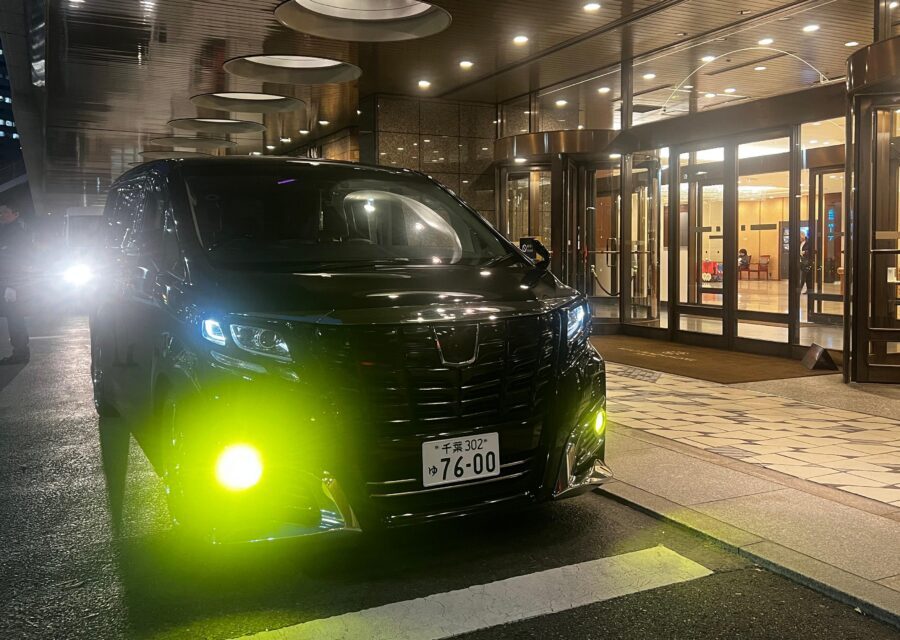
The ride matters here. You’re picked up in a black Toyota Alphard, with Wi‑Fi, water, cookies, and Japanese sweets on board, and drop-off back in Tokyo 23 wards. Still, tickets and entrance fees for attractions are not included, so check what you’ll need before you go.
In This Review
- Why This Fuji Route Feels Like a Best-Of Day
- Doorstep Pickup, Then Straight Into Fuji Country
- The Black Toyota Alphard Touch: Comfort That Actually Helps
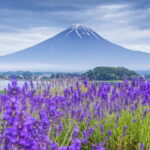
- Mount Fuji at Oishi Park: The Snow-Capped Icon Shot
- Lake Kawaguchiko: Reflections, Fresh Air, and Optional Views
- Oshino Hakkai: Crystal Springs and a Slower Stroll
- Fujiyoshida Photo Stop: Quick Views on the Way
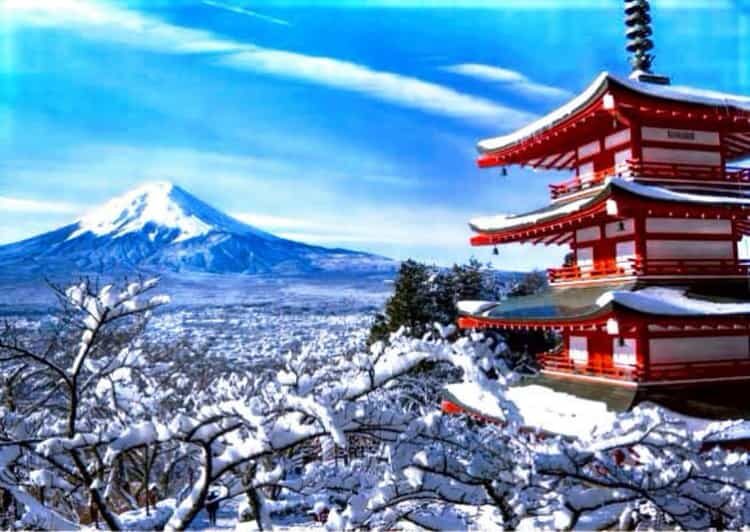
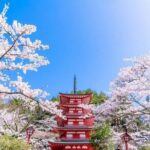
- Arakawa Sengen Park and Chureito Pagoda: Fuji’s Most Famous Foreground
- Timing and Pacing: A 7-Hour Day With Real Motion
- Price and Value: What $292 Gets You (and Why It Can Be Worth It)
- Who Should Book This Fuji Tour
- Should You Book This Fuji Day Trip?
- FAQ
- How long is the tour?
- Where do you pick me up?
- Is this a private tour?
- What languages are available for the guide?
- What transportation is used, and how do I get dropped off?
- Are attraction tickets included?
- Can the itinerary be changed?
Why This Fuji Route Feels Like a Best-Of Day
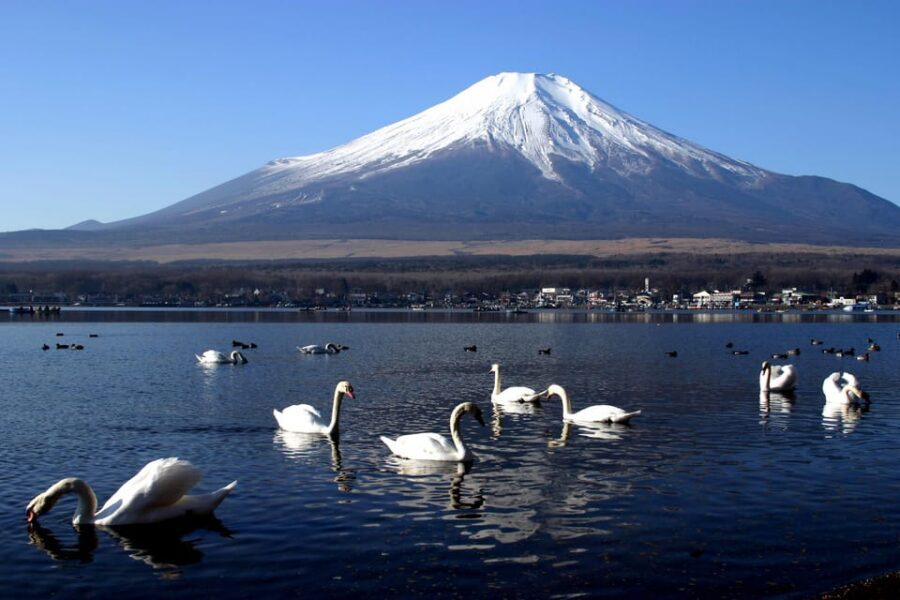
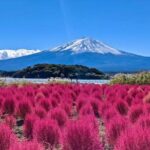
- Oishi Park’s framed Fuji views: flowers in season, Mount Fuji centered in the composition.
- Chureito Pagoda at golden hour: the classic pagoda foreground with Fuji filling the back.
- Oshino Hakkai’s crystal springs: short strolls around ponds fed by snowmelt from Mount Fuji.
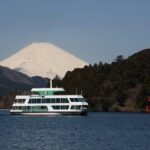
- Lake Kawaguchiko with options: you can stick to easy lakeside walking or add a special viewing ride or a boat trip.
- Hotel-to-anywhere-in-Tokyo drop-off: you don’t have to juggle transfers at the end of a long day.
- Private vehicle pacing: you set the rhythm with a multilingual driver, not a crowded bus schedule.
Doorstep Pickup, Then Straight Into Fuji Country
This tour is built for people who want Fuji without the logistics headache. You’re collected from your hotel or Airbnb in Tokyo, and the day is designed to get you out of the city early enough to enjoy the key viewpoints before crowds and before light fades.
A big practical win: you’re not hunting for meeting points on the edge of Tokyo. Once you’re in the vehicle, you can relax, snack, and get ready for the photo stops. The private group setup also means you’re more flexible about how fast you move once you arrive at each site.
Other Mount Fuji tours we've reviewed at Mt Fuji & Kawaguchiko
The Black Toyota Alphard Touch: Comfort That Actually Helps
You might not think about comfort on a day trip—until you’re sitting in stop-and-go traffic for over an hour. That’s why I like this tour’s approach: a high-quality, fully insured private vehicle (black Toyota Alphard) with gas and tolls included.
On top of that, you’ll have free Wi‑Fi, plus water, cookies, and Japanese sweets while you ride. These small extras matter because they keep your energy up while you’re bouncing between viewpoints.
Also, the driver experience is a theme in the feedback. People mention names like Marcelo, Hiroshi, Anderson, and Cami, with praise for calm, safe driving and helpful guidance. In one account, Hiroshi even provided water and phone charging in the car—exactly the kind of detail that makes a long day smoother.
Mount Fuji at Oishi Park: The Snow-Capped Icon Shot
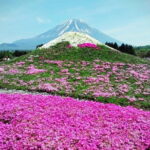
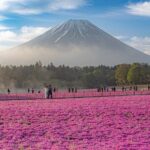
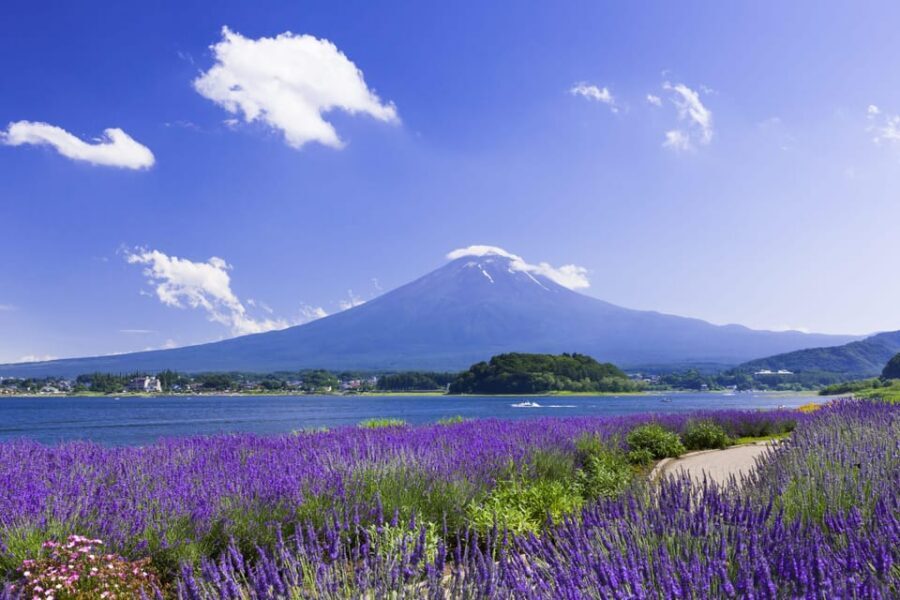
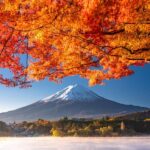
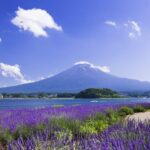
Oishi Park is one of those places where you immediately understand why Mount Fuji is so revered here. The view is framed—often with seasonal flowers in front—so you’re not just looking at a mountain. You’re looking at Fuji as Japan’s postcard ideal.
This stop is timed for a real visit, not a quick walk-by. You get a break time and photo stop, then sightseeing and a gentle walk. If the weather cooperates, you’ll be aiming for the moment where Fuji lines up cleanly with the foreground.
Practical note: Fuji visibility can swing with clouds and snowfall. If you’re traveling in winter and the mountain is clear, you’ll get that crisp snow-at-the-top look this route is famous for. If it’s hazy, don’t force it—use the time to enjoy the park’s seasonal colors, and remember: the rest of the itinerary gives you multiple chances at a great view.
Lake Kawaguchiko: Reflections, Fresh Air, and Optional Views
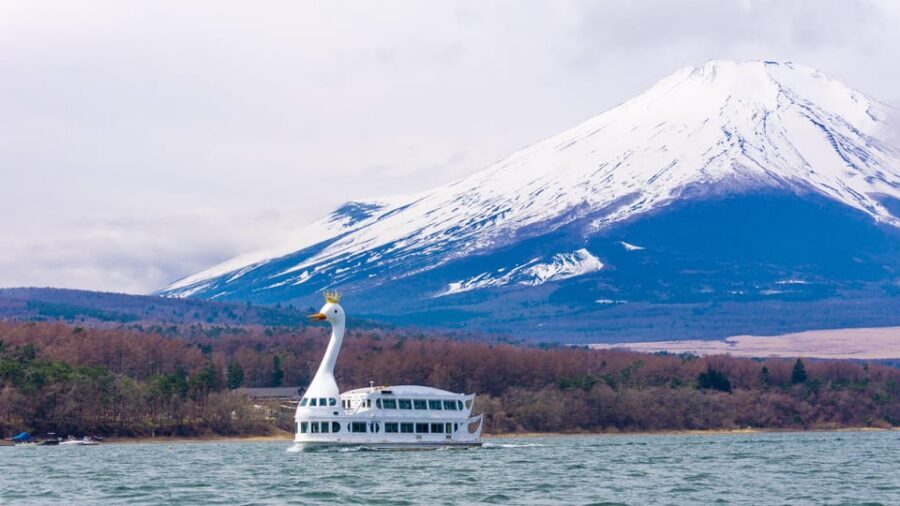
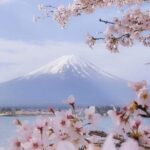
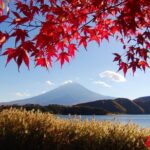
Lake Kawaguchiko is where the day slows down just enough to feel restorative. Instead of chasing one perfect photo, you get to breathe, walk, and enjoy the atmosphere around one of the most well-known lakes in Japan’s Fuji Five Lakes area.
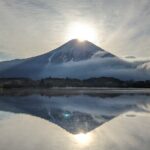
What you’re after here is the water and the reflection effect—on a clear day, it can look almost unreal. Even when the sky isn’t perfect, the lakeside calm is part of the payoff.
Your time is set aside for sightseeing and walking (about an hour), and the tour also gives you optional ways to improve your angles:
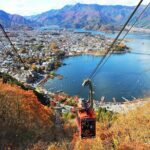
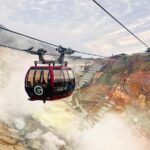
- a viewing ride option listed as TELEPHONE
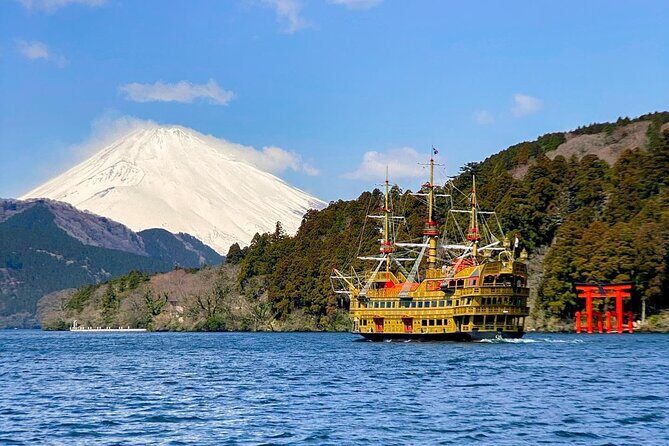
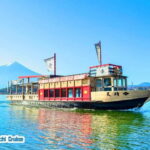
- or a boat trip around the lake (you can choose this instead)
If you like simple, scenic walking, you’ll do fine without adding anything. If you want a higher vantage point or a moving perspective, pick the option that matches your pace and comfort level.
Oshino Hakkai: Crystal Springs and a Slower Stroll
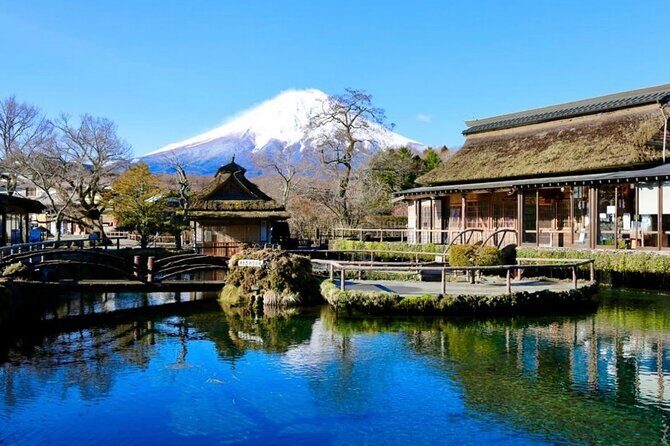
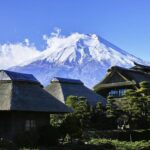
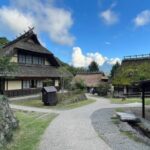
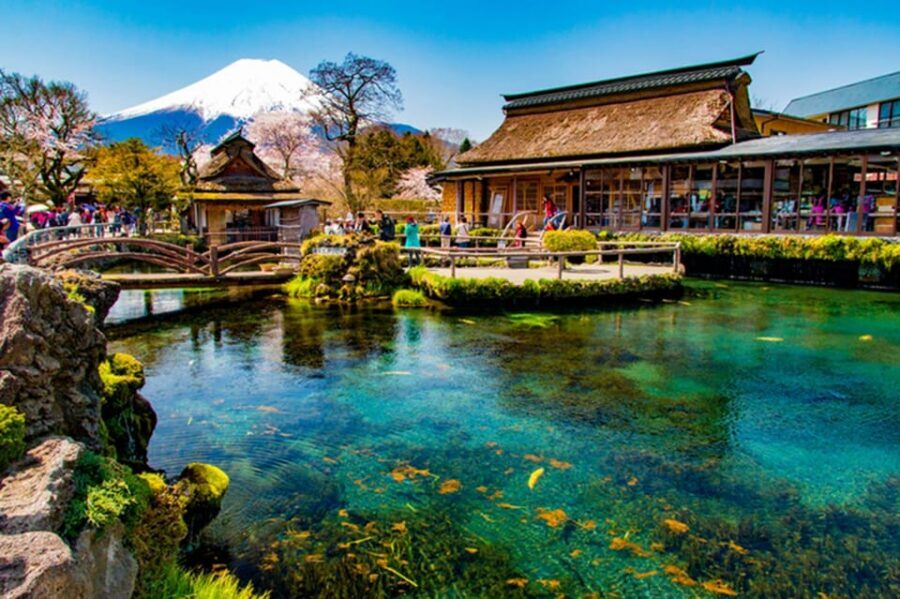
Next comes Oshino Hakkai, the spring area many people associate with pure, clear water coming directly from Mount Fuji’s melting snow. It’s known as a cultural heritage site, and that shows in the village layout and the way the area is preserved.
You’ll have time for a photo stop, a guided tour, shopping, and sightseeing with a walk. This is the kind of stop that works even if you don’t get a perfect Fuji shot, because the ponds and streams are a destination on their own.
How to enjoy it:
- Go at a walking pace. This is a place to slow your eyes down.
- Use the bridges and pond edges for photos, but don’t treat it like a race.
- If you like small crafts and snack stops, the shopping time gives you room to pick up something without derailing the day.
It’s also a good emotional reset. After a couple of big viewpoint stops, Oshino Hakkai adds texture: water sounds, clear ponds, and little pockets of traditional streets.
Other Lake Kawaguchiko tours at Mt Fuji & Kawaguchiko

Fujiyoshida Photo Stop: Quick Views on the Way
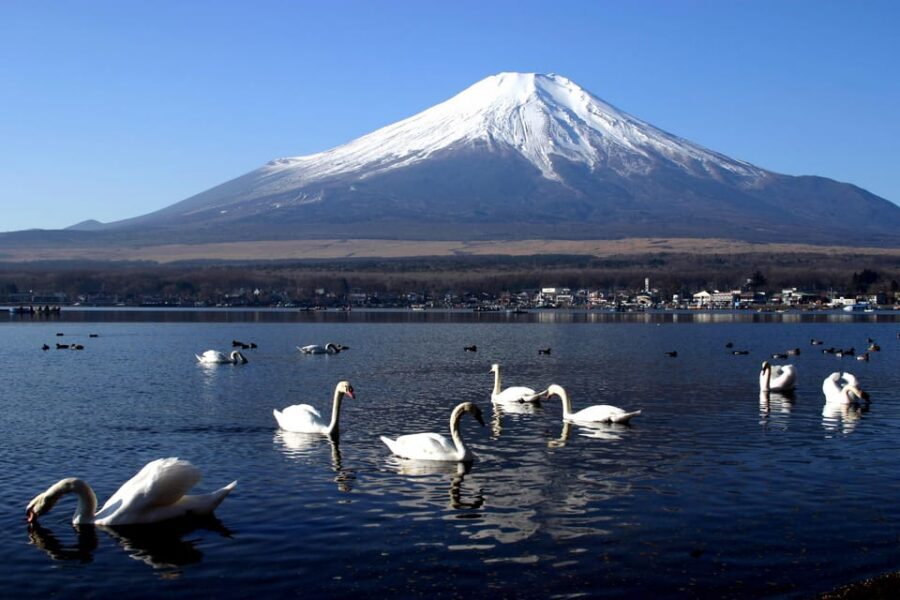
There’s also time carved out for a Fujiyoshida photo stop and sightseeing on the way to the final landmark. This kind of stop is underrated because it fills the gaps between the more structured experiences.
The route is built so you keep moving toward the most famous images rather than getting stuck in one long transfer stretch. If the day starts with strong Fuji visibility, these in-between stops can still deliver satisfying views while you transition to the pagoda area.
Arakawa Sengen Park and Chureito Pagoda: Fuji’s Most Famous Foreground
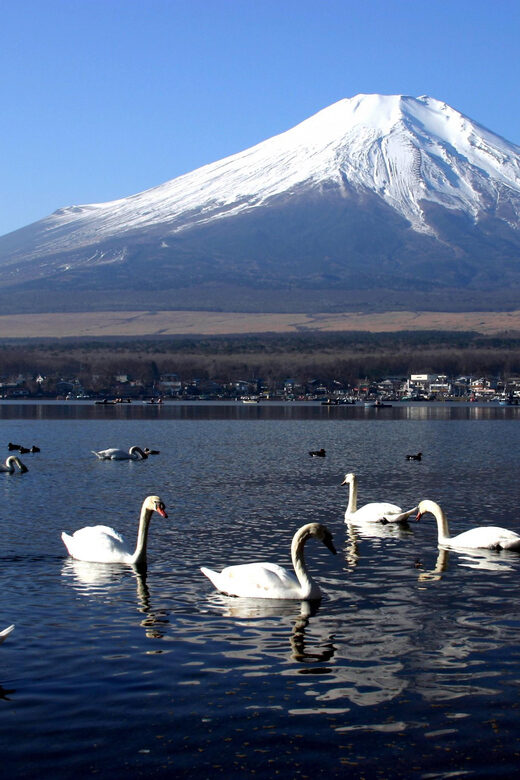
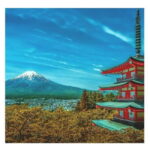
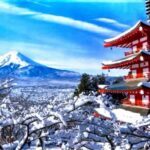
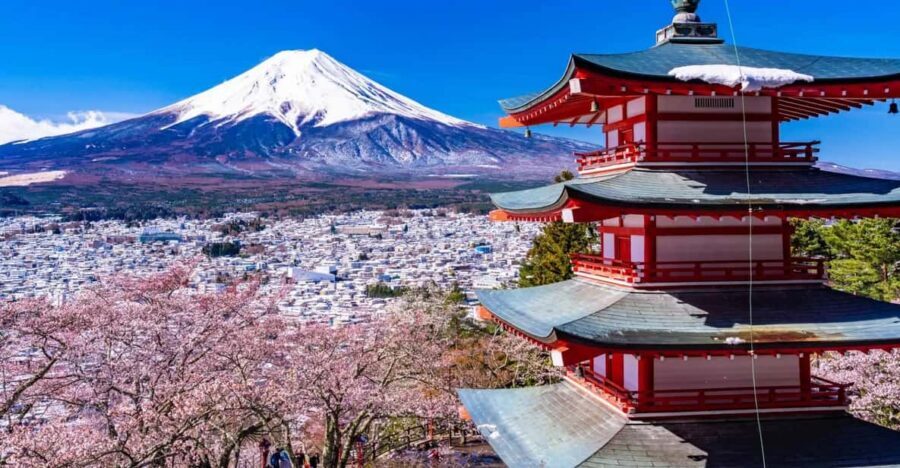
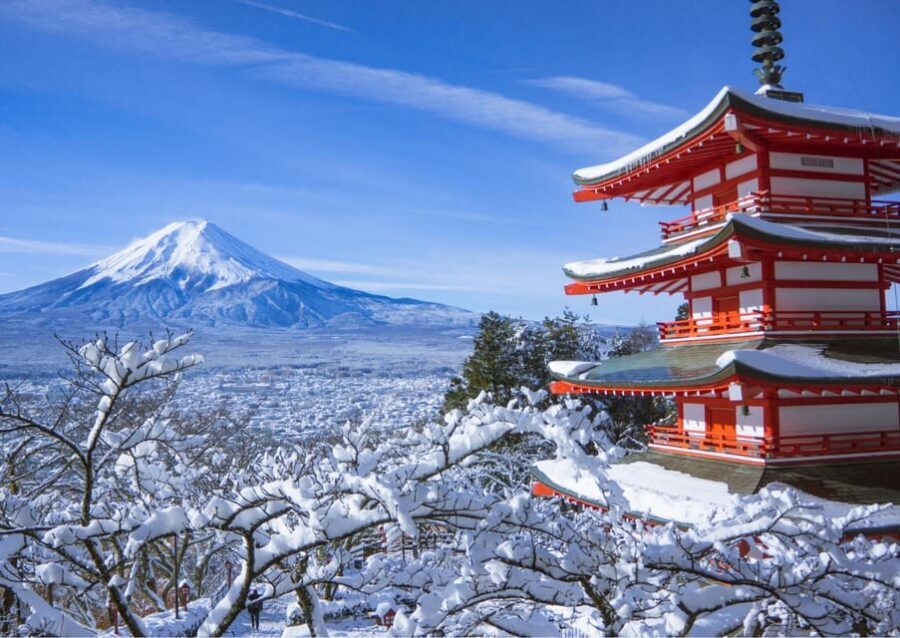
If you’re here for one visual moment that feels like a cultural icon, Chureito Pagoda is it. The pagoda sits in a way that turns Mount Fuji into the background star, so your photos often feel instantly recognizable.
This part of the day is self-guided with a dedicated photo window and sightseeing time. You also get sunset time, which is the whole reason the itinerary ends this way. When sunset hits and Fuji is visible, the combination can be magical—pagoda silhouette, warm sky, and that crisp mountain shape beyond.
At this stage, it helps to think like a photographer without overthinking:
- Arrive ready for the light shift. Sunset timing matters more than you’d expect.
- Give yourself a few angles. Don’t assume one viewpoint will be perfect.
- Wear comfortable shoes. The area is best experienced by walking a bit, not just standing still.
If you’re traveling with someone who likes photos, this is the point where everyone usually relaxes. The final stop feels like a payoff rather than another checkmark.
Timing and Pacing: A 7-Hour Day With Real Motion
This tour is listed as about 7 hours total (450 minutes). That means it’s not a slow scenic drive with long breaks. You’re doing a best-of loop, and the schedule reflects that.
Here’s how I’d plan around pacing:
- Expect short walks and efficient photo stops.
- If you want shopping time, use it where it’s built in (like Oshino Hakkai).
- Keep your expectations realistic: weather can change quickly, so multiple stops are your insurance policy.
The upside is that you’re not spending half the day stuck in transit planning. The private vehicle plus hotel pickup/drop-off is what makes a dense itinerary feel doable.
Price and Value: What $292 Gets You (and Why It Can Be Worth It)
The price shown is $292 per person for a private day trip. At first glance, that can sound steep compared to group bus options. But this tour’s value is in what you’re not paying for, in time and stress.
You’re getting:
- hotel or Airbnb pickup
- a private group in a fully insured vehicle (with gas and tolls included)
- a driver who speaks English, Portuguese, Spanish, and Japanese
- on-board extras like Wi‑Fi, water, cookies, and Japanese sweets
- safe drop-off within Tokyo 23 wards
Then there’s the human factor: people describe drivers like Marcelo and Hiroshi as patient, punctual, and flexible. When you’re trying to hit several view-heavy stops in one day, that kind of guidance makes the difference between collecting random photos and getting the moments that actually matter.
One caution on value: attraction tickets and entrance fees aren’t included. Since those costs can vary by season and what you choose, add a buffer in your budget so you’re not surprised later.
Who Should Book This Fuji Tour
I think this is a strong match if you want:
- a single-day best-of around Mount Fuji without train transfers
- a private setup where you can control your walking pace a bit
- multilingual guidance, especially if you’re more comfortable in Spanish, Portuguese, or Japanese
- photo-heavy sightseeing with a sunset finale
It’s also a good fit for couples and families who don’t want to split up or play coordination games. The private vehicle helps everyone stay together, and the ending around Chureito Pagoda is a satisfying shared moment.
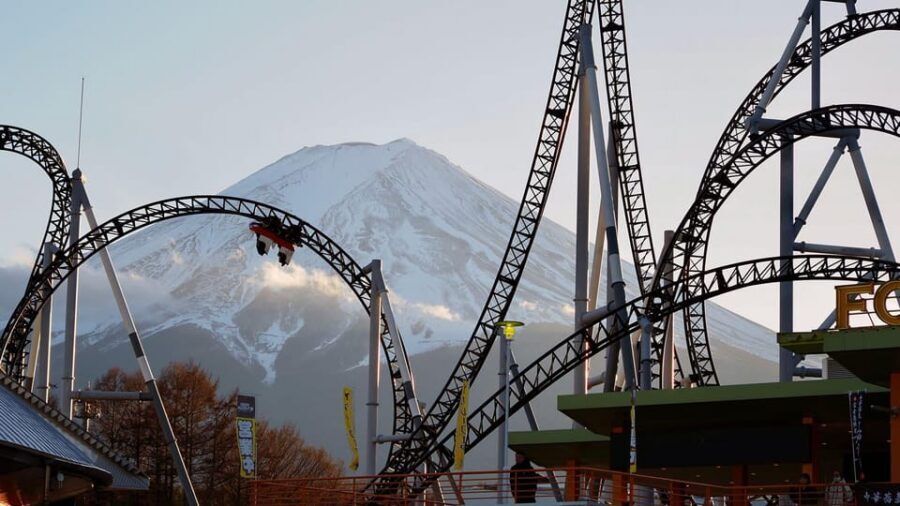
If your group includes adrenaline lovers, there’s an option to add FujiQ Highland for thrill time, while the rest of the group moves at a calmer pace, and then you all return together safely.
Should You Book This Fuji Day Trip?
Book it if you want one efficient day that covers the biggest Fuji hits: Oishi Park for iconic composition, Lake Kawaguchiko for lake mood, Oshino Hakkai for crystal springs, and Chureito Pagoda at sunset.
Skip or reconsider if you’re the type who needs long, slow hours at a single location, or if your travel style requires many unscheduled stops. This is a route with structure. Weather can also be a wildcard around Fuji, but the itinerary’s multiple viewpoints help you keep your odds strong.
If you want the easiest path to a Fuji day—high comfort, hotel pickup/drop-off, and a driver who knows how to pace the day—this one makes a lot of sense.
FAQ
How long is the tour?
The tour is listed as 7 hours (450 minutes).
Where do you pick me up?
Pickup is included from your hotel or Airbnb in Tokyo.
Is this a private tour?
Yes, it’s a private group tour.
What languages are available for the guide?
The live tour guide is available in English, Portuguese, Spanish, and Japanese.
What transportation is used, and how do I get dropped off?
You’re picked up in a black Toyota Alphard and the tour includes safe return drop-off to your place of stay within Tokyo 23 wards (where you choose within that area).
Are attraction tickets included?
No. Tickets and entrance fees to attractions are not included.
Can the itinerary be changed?
Yes. If you have your own plan within the tour schedule, they can adapt it.