REVIEW · TOKYO
Tokyo: Mount Fuji One Day Trip Lake Kawaguchi & Lake Yamanaka
Book on Viator →Operated by F Trip · Bookable on Viator
Fuji in a single day from Tokyo. I love the English-speaking guide who keeps things moving and shares practical local tips, and I also like the photo-driven itinerary that hits the best views around Mount Fuji without you doing any logistics. The catch is that the pace is tight, so if you want long, unhurried walks, some stops may feel like quick-hit photo breaks.
This is an easy way to see the Fuji Five Lakes area while still sleeping in Tokyo. The tour uses an air-conditioned vehicle, runs about 10 hours, starts at 8:00 am, and ends back at the same meeting point, with a maximum group size of 45. You also get a mobile ticket, which helps when you just want to show up and go.
One more thing to keep in mind: your Mount Fuji visibility depends a lot on weather. On clear days you’ll get those classic panoramas from the lake shores and Arakurayama viewpoints, but clouds can turn the mountain into a faint silhouette.
In This Review
- Key highlights to pay attention to
- The real value: a Mount Fuji loop without planning headaches
- Price and time: how to judge if it fits your day
- First stop at Lake Kawaguchiko: the classic Fuji shoreline
- Oishi Park: flowers plus a wide view
- Lake Yamanaka: a larger lake with a closer feel
- Oshino Hakkai: eight spring ponds worth slowing down for
- Lawson photo stop near Fuji: fast, funny, and useful
- Arakurayama Sengen Park: Chureito Pagoda and the big-view combo
- Arakura Fuji Sengen Shrine: history, steps, and calm breaks
- Hikawa Clock Shop: small-town streets with Mount Fuji behind you
- Guides and group vibe: friendly, but pace can feel strict
- What to pack so the day feels easy
- Who should book this Mount Fuji day trip from Tokyo
- Should you book it?
- FAQ
- What time does the tour start?
- How long is the Mount Fuji one-day trip?
- Where does the tour meet in Tokyo?
- Does the tour end back at the same meeting point?
- Are lunch and admission included?
- What is included in the price?
- Is there a mobile ticket?
- How large is the group?
- Is the guide English-speaking?
Key highlights to pay attention to
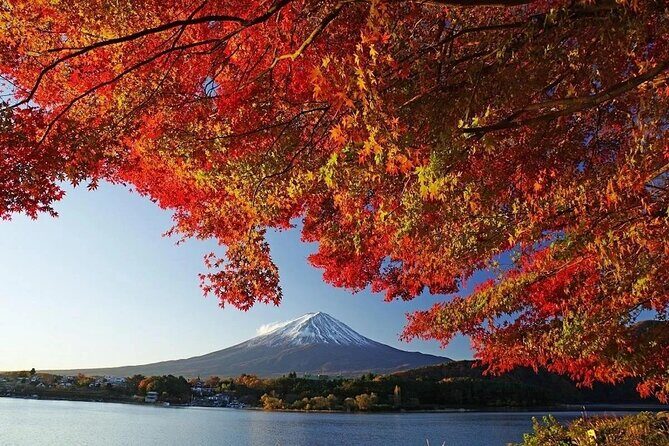
- Lakes that each frame Mount Fuji differently: Lake Kawaguchiko, Lake Yamanaka, and their surrounding viewpoints
- Oshino Hakkai’s eight spring ponds: clear water pools tied to Mount Fuji World Heritage context
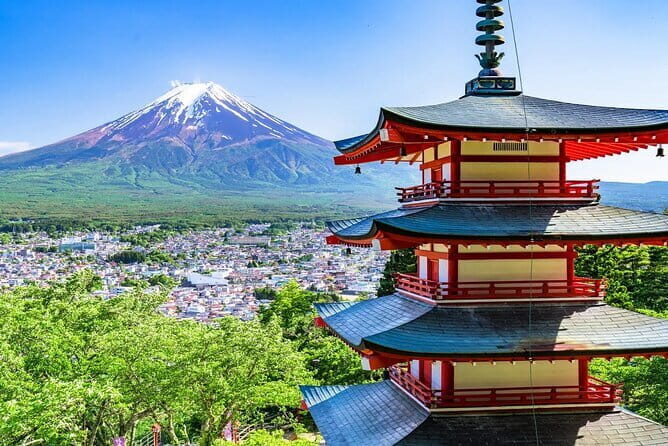
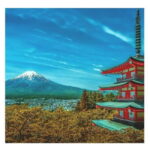
- Arakurayama Sengen Park views: Chureito Pagoda with Mount Fuji and Fujiyoshida in the same shot
- Fuji Sengen Shrine history: a shrine with origins dating back to 705
- Hikawa Clock Shop area: a small-town street scene with Mount Fuji as your backdrop
- A schedule designed for photos, not long stays: great if you want highlights, less great if you want downtime
The real value: a Mount Fuji loop without planning headaches
At $58.90 per person for an almost 10-hour day, this tour is basically paying for two things: transportation out of Tokyo and a tight route that strings together multiple Fuji-area must-sees. Most of the listed spots don’t charge admission in this itinerary, so your money goes mostly toward getting you there and keeping the day organized.
Here’s what that means for you. If you’d rather not figure out train timing, connections, and how to bounce between Lake Kawaguchiko, Oshino Hakkai, and Arakurayama, this is the straightforward choice. You show up at STAND TJapan (Marunouchi area), get on an air-conditioned coach, and follow a set plan.
The group size cap (45) is another practical plus. It’s big enough to be efficient, but small enough that you’re usually not wandering lost in a crowd for every stop. Still, based on real on-the-day feedback from past groups, meeting identification can be chaotic when there are multiple bus loads. So do yourself a favor: arrive early, check the group instructions, and keep your phone ready for coordination messages when they’re offered.
Other Mount Fuji tours we've reviewed at Mt Fuji & Kawaguchiko
Price and time: how to judge if it fits your day
This tour starts at 8:00 am, which is early but not unusual for a Tokyo-to-Fuji day. You’re looking at about 10 hours total, and then you’re back where you started. Since lunch isn’t included, you’ll need to plan for a meal on your own during one of the breaks—or bring snacks.
The biggest scheduling trade-off is simple: you’re spending more time in transit than you would if you rented a car and slowed the day down. If you love riding around and taking in views from the bus window, that’s fine. If your ideal day is walking for hours, you’ll probably wish you had more time at fewer places.
On the upside, you’re not committing to a single town. You get to compare how Mount Fuji looks over different lake shores, how the water features at Oshino Hakkai feel, and how the Arakurayama area changes the whole perspective with the Chureito Pagoda lineup.
First stop at Lake Kawaguchiko: the classic Fuji shoreline
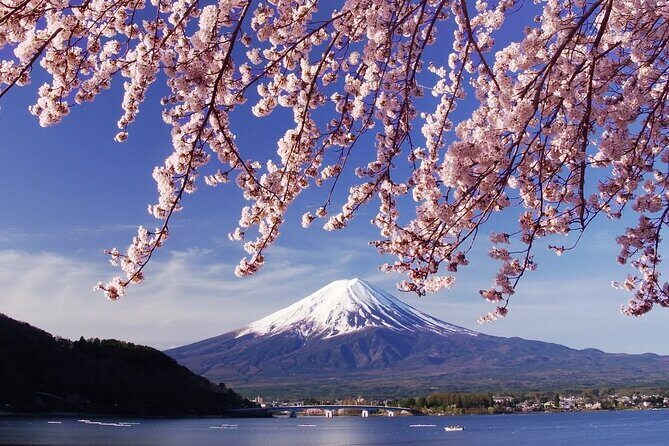
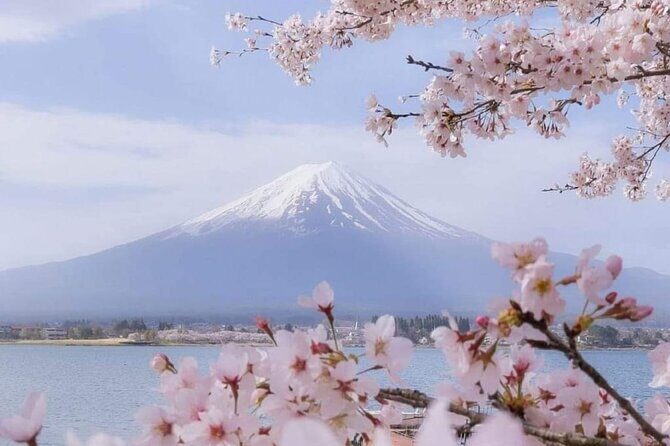
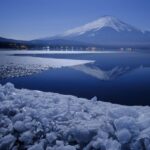
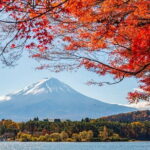
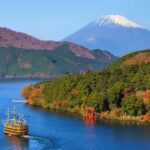
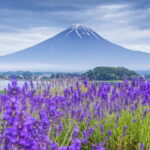
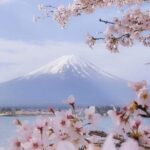
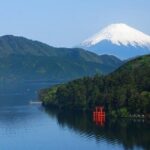
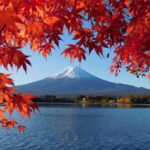
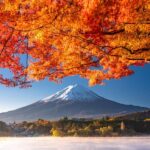
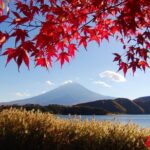
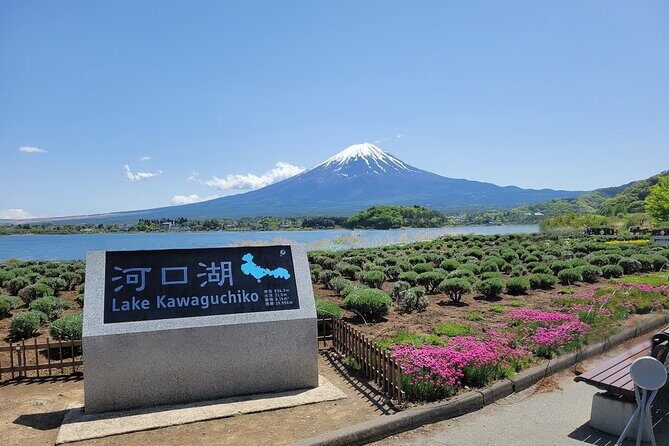
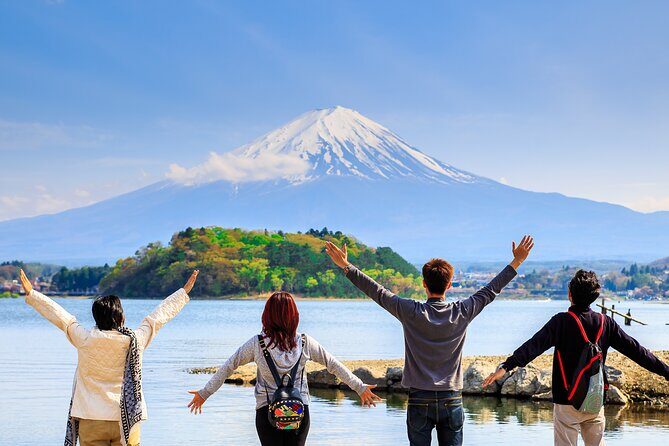
Lake Kawaguchiko is the most popular of the Fuji Five Lakes, and it’s easy to see why. It has the longest shoreline among the five, which gives the area more spots where you can look out toward Mount Fuji.
You’ll typically get around 25 minutes here. That’s not enough time to do deep exploration, but it is enough time to do the essential thing: find a viewpoint, confirm weather conditions, and get your first strong photo.
What to expect in practice:
- The lake shore is the best place to judge whether you’re in luck with visibility.
- On calm, clear days, you can get a dramatic, postcard-style view of Mount Fuji from the waterline perspective.
- Even when the sky isn’t perfect, you’re likely to still get a framed view once you stand in the right direction.
If your priority is seeing Mount Fuji clearly as early as possible, this is the stop where that hope is either rewarded or adjusted.
Oishi Park: flowers plus a wide view
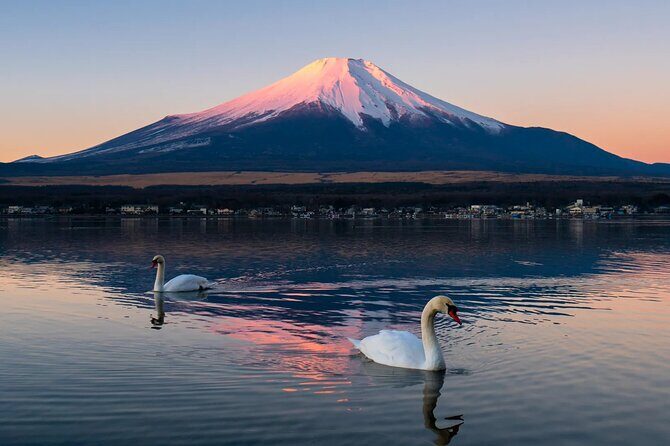
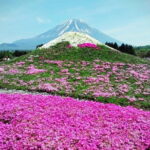
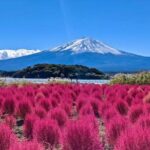
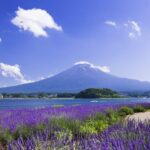
Next up is Oishi Park, another 25-minute stop. The idea here is a simple formula: flowers, Lake Kawaguchiko, and Mount Fuji in the same frame. It’s one of those places where your photos improve the second you step onto the lakeside promenade.
This stop is also one of the more visually “Japanese postcard” parts of the route. You’re walking a pleasant path with blooms around you, and the lake view gives scale to the scene. There’s less of that tight, urban feeling you get back in Tokyo.
The drawback is that the time is short. So treat this as a photo-and-stroll moment:
- Get your shots quickly if clouds roll in.
- Keep moving so you don’t miss the best angle.
If you’re traveling in spring or early summer, the flower component can be extra satisfying, but the bigger payoff is still the layered view.
Lake Yamanaka: a larger lake with a closer feel
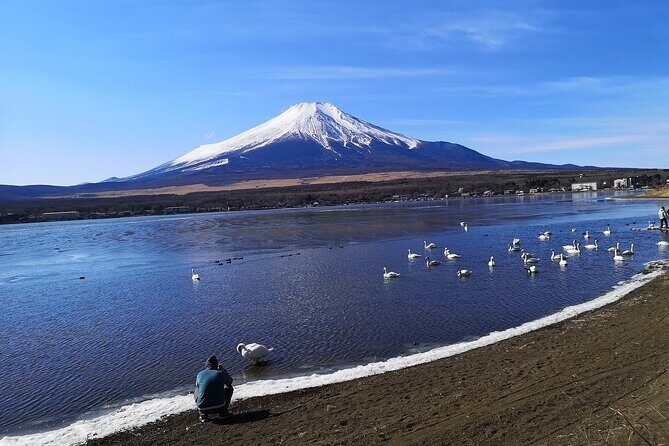
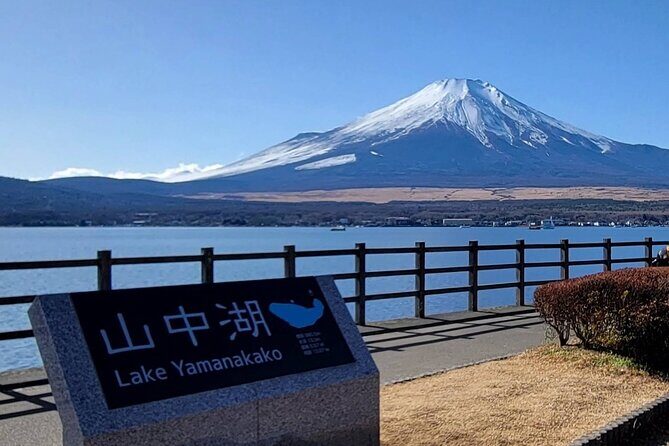
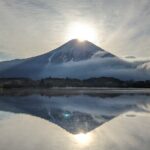
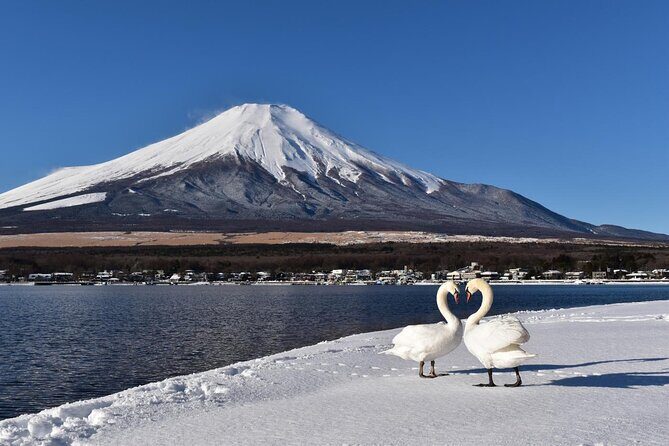
Lake Yamanaka is often called Swan Lake, and it’s the largest of the Fuji Five Lakes. In the tour flow, it’s your next chance to look at Mount Fuji from another angle, with a stop time around 25 minutes.
What I like about this stop, even in short time windows, is the subtle shift it brings. Lake Kawaguchiko can feel like you’re viewing Mount Fuji from a busy, tourism-centered shoreline. Lake Yamanaka can feel more open and wide, which changes the mood of your photos and gives you a sense of scale.
Also, this lake is described as the closest of the five lakes to Mount Fuji. That doesn’t guarantee better visibility, but it does give the view a different intensity when the weather cooperates.
If you want one practical strategy: take one set of wide shots and one set of tighter compositions (trees, paths, shoreline details). You’ll thank yourself later when you’re sorting photos.
Other Lake Kawaguchiko tours at Mt Fuji & Kawaguchiko

Oshino Hakkai: eight spring ponds worth slowing down for
Then you’ll hit Oshino Hakkai, with about 1 hour on the ground. This is where the day shifts from scenery to something more grounded and specific: eight clear spring water ponds.
Oshino Hakkai is known as one of the Top 100 Famous Waters of Japan, and it’s designated as a natural monument. It’s also tied into the Mount Fuji World Heritage context, which adds meaning beyond the visuals.
This stop is one of the best “pause and notice” parts of the day. Even if you’re a quick photographer, you can still spend the time well by focusing on how water feels in motionless pools:
- Look for the reflection conditions.
- Notice how the water stays clear and calm compared to typical tourist fountains.
- If you see local ducks or small wildlife, that’s when the ponds start feeling less staged and more alive.
One practical tip: water areas can be slippery and cool, depending on the weather. Wear shoes you’re comfortable walking in for a full hour.
Lawson photo stop near Fuji: fast, funny, and useful
Between the nature-heavy stops, you’ll also visit a Lawson location in Fujikawaguchiko Town area, near Mount Fuji. It’s an Instagram-famous spot, and the idea is straightforward: take the shots, then refuel with snacks, ice cream, or drinks.
This stop is short (around 15 minutes). It’s not about food service. It’s about turning a quick break into something memorable. You’re in the Fuji zone, so you might as well grab one more Mount Fuji framing photo while you have the chance.
If you’re planning around lunch, this is a good place to pick up something small. One practical note from real experience: bring cash if you plan to buy lunch on your own, since some people have found that handy for quick meals during the day.
Arakurayama Sengen Park: Chureito Pagoda and the big-view combo
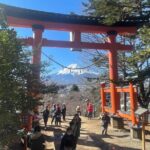
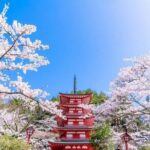
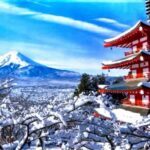
Chureito Pagoda is one of Japan’s most recognizable Mount Fuji photo setups, and the tour gives you about 1 hour here at Arakurayama Sengen Park.
The payoff is the view combination: you’re photographing the pagoda with Mount Fuji and Fujiyoshida City all in the same composition. That three-layer effect is why this spot works so well. It’s not just the mountain. It’s the way the town, the pagoda, and the mountain line up.
How to make the most of your hour:
- Arrive ready to move. The best angles aren’t always the closest ones.
- If the weather is changing, adjust quickly. You can’t force clear skies, but you can position yourself for whatever light you get.
- Bring a lens cloth or wipe. Foot traffic plus misty air can leave your gear smudged.
There can be crowds, because this is a famous stop. The tour pace helps you manage it. But you’ll still want to keep your expectations realistic: you’re sharing the view with plenty of other people.
Arakura Fuji Sengen Shrine: history, steps, and calm breaks
Right after Chureito Pagoda, you’ll visit Arakura Fuji Sengen Shrine for about 15 minutes. The shrine dates back to 705, and it has served as a guardian space for over 1,300 years, supporting beliefs around protection and good fortune.
This is a great palate cleanser after a pagoda crowd. Shrines slow you down without demanding that you take long tours. Even in a short visit, you can:
- Step into the shrine area for a quieter moment.
- Take a few photos that focus more on the shrine itself than on Mount Fuji.
- Listen to your guide’s context, if your group cover it, because the shrine’s age helps the scenery feel more meaningful.
If you’re interested in how places connect to local spirituality, this brief stop is surprisingly satisfying.
Hikawa Clock Shop: small-town streets with Mount Fuji behind you
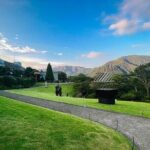
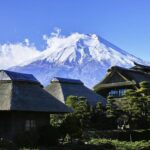
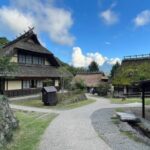
Your final listed stop is Hikawa Clock Shop, with about 20 minutes here. This spot is in a charming town with a serene path that sets up the iconic mountain-in-the-background shot.
In other words, it’s less of a single landmark moment and more of a small-street photography experience. The clock shop branding is the hook, but the real fun is the walkable scene: streets, textures, and Mount Fuji layered in the distance.
What to do with your time:
- Walk the path once, then stop for your best angle.
- Take a couple of street-level shots rather than only skyline shots.
- If the clouds thin out, you’ll want your final frames to be ready.
This is also a good place for some “Japan details” photos before you roll back toward Tokyo.
Guides and group vibe: friendly, but pace can feel strict
One reason this tour earns strong ratings is the human factor. Past guides have done a great job with keeping people on track and giving clear instructions at meetup points. Names you might see among different departures include Taiyo, Yuan, Kyo, Lucy, and Saki, and the common thread is that the guides generally try to make the day smooth and fun.
A WhatsApp group message system has been mentioned as especially helpful for coordination, particularly when you have multiple bus loads and you’re trying to find your exact group fast. If you get those messages, read them right away and screenshot any key meetup instructions.
The trade-off is that some people have felt the tour leans heavily into timing for photo stops, with less storytelling than they expected. That doesn’t make it bad—it just tells you what kind of traveler it suits. If you want a classic sit-down lecture style, this might feel too fast. If you want to hit the highlights and keep moving, it’s a good fit.
What to pack so the day feels easy
Since this is a 10-hour day trip with multiple outside stops, you’ll feel the weather. Bring:
- Layers, even in warmer months, since Fuji-area conditions can change.
- Comfortable walking shoes for pavements, steps, and pond areas.
- A small snack or extra water in case your timing doesn’t align with lunch plans.
- Cash if you want to buy food during breaks, since lunch isn’t included.
Also, if you’re traveling with stroller or large luggage, you’ll want to indicate it during booking, since it affects how the day runs.
Who should book this Mount Fuji day trip from Tokyo
This tour is a strong match for:
- First-timers who want a tight, organized Mount Fuji day without transfers planning.
- People who love photography and want multiple classic backdrops in one go.
- Travelers who prefer a guided schedule and don’t want to stress about timing between lakes and viewpoints.
It’s not as ideal if:
- You want long, slow exploration at fewer stops.
- You’re sensitive to bus time and strict departure moments.
- You need lots of bathroom flexibility. Some groups have found bathroom breaks inconsistent, and the schedule can feel more rigid than they hoped.
Should you book it?
I’d book this if your goal is simple: see the Fuji Five Lakes region highlights from Tokyo in one day, with an English-speaking guide and a route that hits Lake Kawaguchiko, Lake Yamanaka, Oshino Hakkai, Arakurayama’s Chureito Pagoda, and the Hikawa Clock Shop area. The price is reasonable for a full-day coach plan, especially since many of the key stops are free to enter.
Skip it (or manage expectations) if you crave a leisurely day with lots of deep explanations and zero rushing. This is a “move, frame, get the shot, then go” kind of tour. If that sounds like your style, you’ll probably love how much you fit into one trip.
FAQ
What time does the tour start?
The tour starts at 8:00 am.
How long is the Mount Fuji one-day trip?
It runs about 10 hours.
Where does the tour meet in Tokyo?
The start is STAND TJapan, 100-6590 Tokyo, Chiyoda City, Marunouchi, 1-chōme51 1F.
Does the tour end back at the same meeting point?
Yes. The activity ends back at the meeting point.
Are lunch and admission included?
Lunch is not included. Admission tickets for the listed stops in the itinerary are shown as free.
What is included in the price?
The price includes an air-conditioned vehicle and all fees and taxes.
Is there a mobile ticket?
Yes, the tour provides a mobile ticket.
How large is the group?
The maximum group size is 45 travelers.
Is the guide English-speaking?
Yes, the tour includes a friendly and professional English-speaking guide.