REVIEW · TOKYO
Day Trip To Mount Fuji and Hakone from Tokyo with English Guide
Book on Viator →Operated by Trip to Mount Fuji From Tokyo With English Speaking Guider · Bookable on Viator
One day. Two icons: Fuji and Hakone. This full-day tour stitches together the big “wow” scenery—Mount Fuji 5th Station and Hakone’s lake and volcano stops—without you worrying about trains, transfers, or ticket timing.
I love the tight flow of classic photo moments like Chureito Pagoda and calm water at Oshino Hakkai. I also like the comfort factor: a private, air-conditioned vehicle, bottled water, and onboard WiFi, plus an English-speaking guide to keep the day smooth.
One drawback: it’s a long day (about 10 hours), and some of the most popular add-on sights have tickets that are not included (so you’ll plan for extra costs), plus the tour depends on good weather.
In This Review
- Key things I’d pay attention to
- How This 10-Hour Fuji and Hakone Day Works from Tokyo
- Chureito Pagoda: The Classic Shot at Arakurayama Sengen Park
- Oshino Hakkai and Kitaguchi Hongu Fuji Sengen Jinja: Calm Water and Cedar Shade
- Lake Kawaguchiko and Oishi Park: Choosing Your Fuji View
- Mt. Fuji 5th Station: What 2,300 Meters Feels Like
- Hakone Shrine, Lake Ashinoko, and Ropeway Views
- Owakudani Valley and the Hakone Open-Air Museum: Volcano Energy in Hakone
- Guide Quality That Makes the Day Feel Effortless (Salman Virk)
- Price and What’s Included: Is $430 Worth It
- Who This Tour Suits Best (and Who Should Think Twice)
- Booking Reality: Weather, Tickets, and Staying Flexible
- Should You Book This Mount Fuji and Hakone Day Trip?
- FAQ
- Is lunch included on this day trip?
- How long is the tour?
- Is pickup from Tokyo included?
- Are admission tickets included for every stop?
- Is this a private tour or shared with other groups?
- What happens if the weather is poor?
Key things I’d pay attention to
- Private group up to 5: your plan is less rushed than big shared buses.
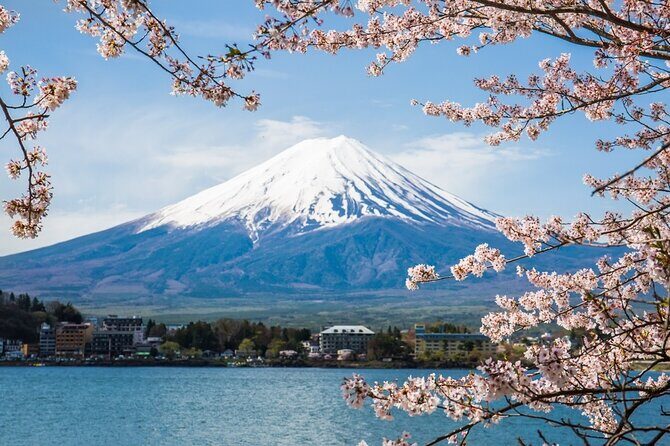
- Multiple Fuji viewpoints: you’re not stuck with one “maybe it’s clear” stop.
- Most admissions are free: several major sites don’t charge you up front.
- Some paid extras are expected: Lake Kawaguchiko, Fuji 5th Station, the Ropeway, and the Open-Air Museum cost extra.
- Weather matters: if visibility is bad, your day can shift.
How This 10-Hour Fuji and Hakone Day Works from Tokyo
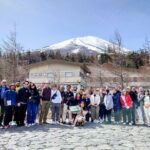
This is a private day trip for up to 5 people, priced at $430 per group. That structure matters. In a group this size, you’re less likely to feel like a number, and you can often move at the pace your guide sets through traffic and timing between stops.
The tour runs for about 10 hours and includes hotel pickup (when offered), private transportation, WiFi onboard, and bottled water. There’s also a mobile ticket, which usually means less fuss when you arrive at the meeting point or first stop.
Value-wise, the big question is how much of the day is actually paid vs. free. Here, many stops are marked as free admission, but a few key attractions are explicitly not included—so you’ll want to budget for those tickets once you know your route that day.
Finally, keep in mind one practical reality: Mount Fuji visibility is weather-dependent. If the day is canceled due to poor weather, you’re offered another date or a full refund, but you’ll still want flexible expectations.
Other Mount Fuji tours we've reviewed at Mt Fuji & Kawaguchiko
Chureito Pagoda: The Classic Shot at Arakurayama Sengen Park
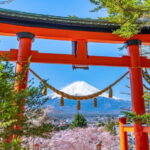
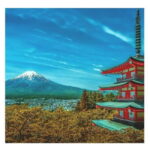
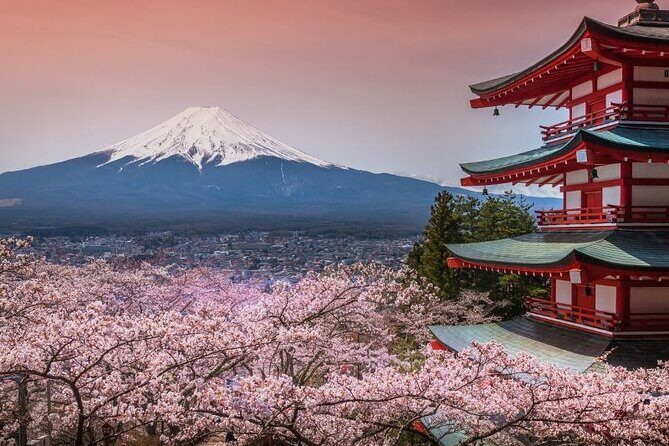
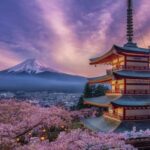
Your day starts with Chureito Pagoda, the five-story pagoda that sits above Arakurayama Sengen Park in Fujiyoshida. It’s set up for photography: you get elevation, a scenic temple backdrop, and the chance at a recognizable Mount Fuji framing.
You’ll have about 45 minutes here, and the admission is free. That’s a good amount of time because this is one of those spots where you’ll likely want to walk to your preferred angle, wait a minute for the light, and get your photos without feeling like you need to rush.
A practical consideration: this location is popular, so expect people and keep your eyes on safe walking paths. Also, bring a light layer. Even if Tokyo feels warm, higher elevations can feel cooler quickly.
What makes this stop worth it, even if you’ve seen the image before: the day’s later viewpoints can be misty or blocked. Starting with Chureito gives you a strong chance at a “clean shot” early, before the weather shifts.
Oshino Hakkai and Kitaguchi Hongu Fuji Sengen Jinja: Calm Water and Cedar Shade
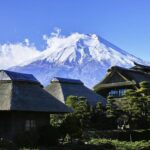
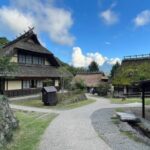
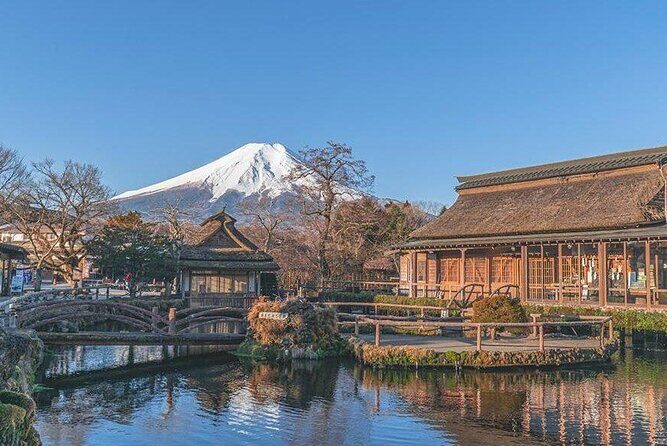
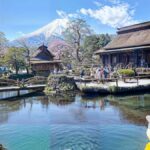
Next up is Oshino Hakkai, a small area near Mount Fuji known for eight crystal-clear ponds fed by spring water. You’ll get about 30 minutes and free admission, with traditional thatched-roof houses nearby.
This part of the day is a nice counterbalance. After the pagoda climb-and-shoot vibe, Oshino Hakkai is slower and more grounded. If you like quiet corners, reflections, and water-fed scenery, this is where you’ll feel your shoulders drop.
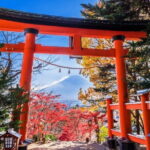
Then you’ll head to Kitaguchi Hongu Fuji Sengen Jinja (also free admission) for about 30 minutes. This is a historic shrine at the foot of Mount Fuji, once tied to pilgrimages beginning their climb. The setting includes tall cedar trees and major torii gates, which gives the area a distinctly ceremonial feel compared to the photo stops.
A couple of tips so you enjoy it more:
- Dress respectfully; shrines are not just sightseeing.
- Use your guide’s timing—moving right after you arrive helps you avoid the slow drift into over-crowded areas.
These two stops work well together because they cover two sides of “Fuji”: the famous view and the religious landscape at the mountain’s base.
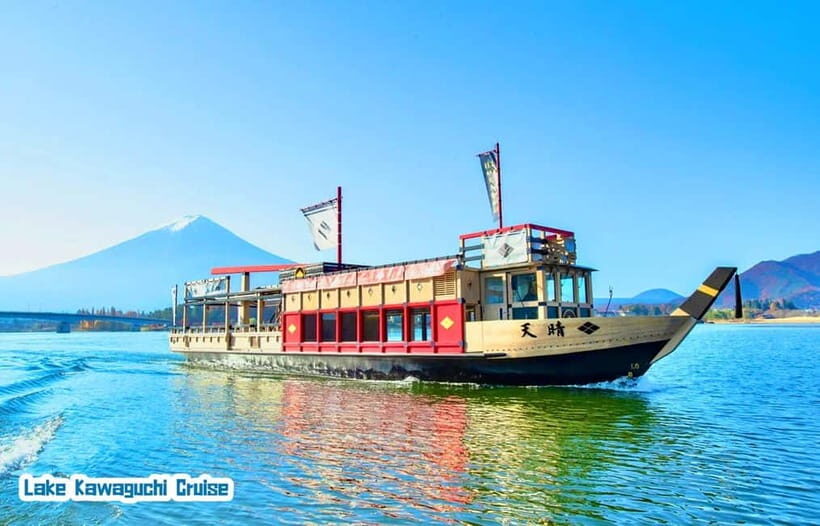
Lake Kawaguchiko and Oishi Park: Choosing Your Fuji View
Now you shift to one of the most strategic parts of the day: views from Lake Kawaguchiko and Oishi Park.
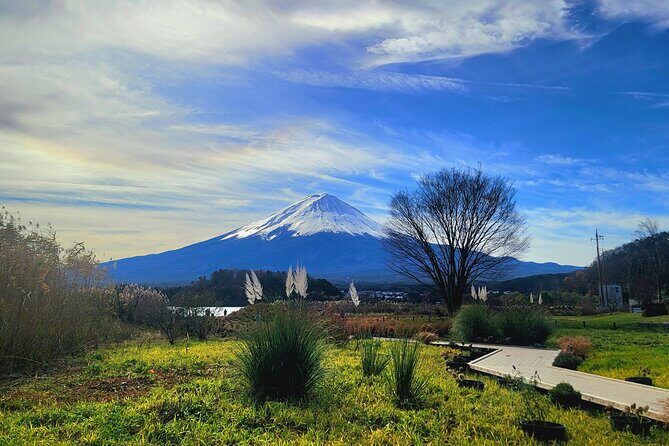
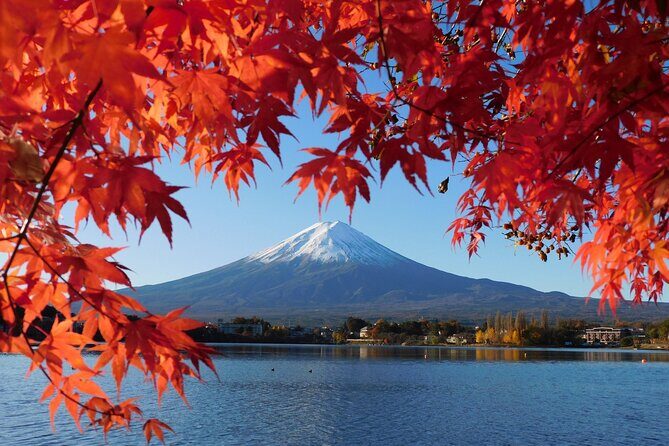
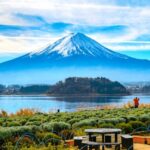
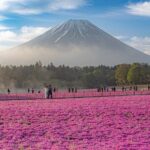
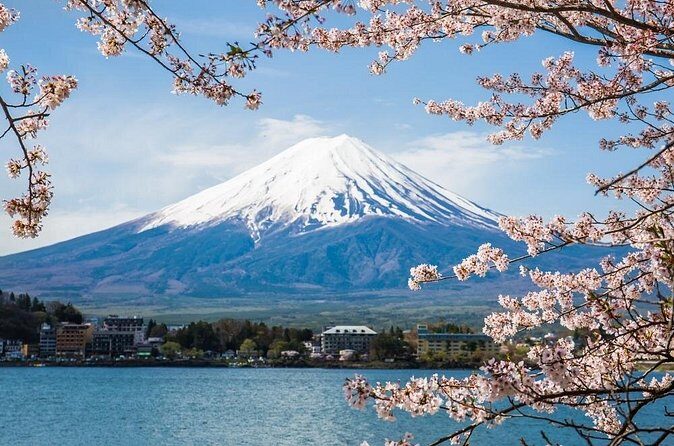
Lake Kawaguchiko is scheduled for about 1 hour 30 minutes. Admission is not included, which suggests you may pay for specific access or activities depending on what’s offered on your date. The lake is known for Mount Fuji views, especially around sunrise and sunset, plus seasonal flower displays and options like lakeside walking paths or boat rides.
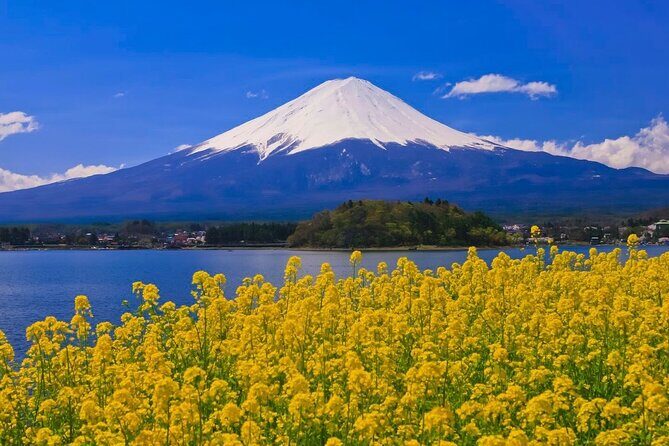
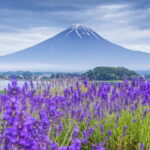
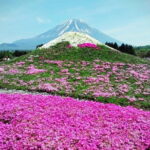
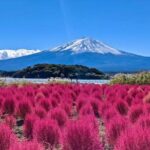
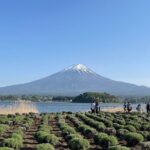
You then get about 30 minutes at Oishi Park, again with free admission. This park sits on the northern shore and is well known for seasonal flowers—lavender in summer is called out—which can make your photos look more like a postcard even when Mount Fuji is partially obscured.
Here’s how to think about timing: the tour is in one block, so you likely won’t control sunrise and sunset the way a dedicated photographer would. But the trade-off is comfort and structure. You’re getting two different lake perspectives in one day, which increases your odds of at least some clear Fuji sightlines.
If clouds roll in, don’t panic. Sometimes Fuji fades into the background and you get a softer, atmospheric look instead. Your guide’s job is to read conditions and keep the schedule moving so you still get value from the time.
Mt. Fuji 5th Station: What 2,300 Meters Feels Like
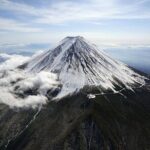
The tour’s “big vertical moment” is Mt. Fuji 5th Station, about 30 minutes and with admission not included. This station sits around 2,300 meters (7,500 feet) above sea level, meaning conditions can feel noticeably different from what you left behind in Tokyo or at lake level.
This is the stop that most people remember because it’s the closest you’ll get to the mountain without hiking toward the summit. You’ll also find souvenir shopping and rest areas, so it works even if you don’t want to do anything strenuous.
The main drawback is exactly what makes it popular: you might be surrounded by visitors, and your view depends on weather. If visibility is poor, you’ll still have the experience of being on Fuji’s route and the atmosphere of an active travel hub at altitude.
My practical advice: treat this as a photo-and-breathing stop, not a “stay and explore forever” stop. Because you’re only scheduled for about half an hour, decide in advance if you want more time walking for views or more time letting your eyes adjust to the elevation.
Other Mt Fuji and Hakone combo tours at Mt Fuji & Kawaguchiko

Hakone Shrine, Lake Ashinoko, and Ropeway Views
After Fuji, you move to the Hakone side, where the scenery shifts from “iconic mountain” to “volcanic and lakeside.”
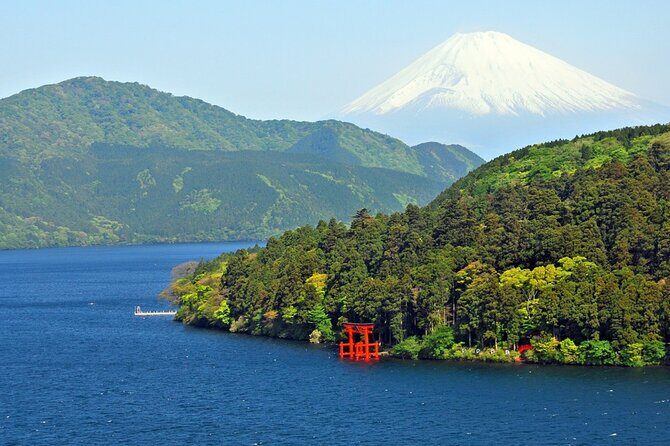
At Hakone Shrine, you’ll spend about 30 minutes with free admission. It’s a quiet Shinto shrine by Lake Ashi, famous for the red torii gate standing out in the water. Even if you don’t plan to do a full boat activity, this area is good for a calm look across the lake and for photos that show the shrine’s signature setting.
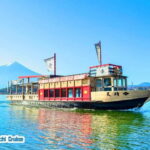
Then you move to Lake Ashinoko for another 30 minutes (free admission). The crater-lake setting comes with scenic views, plus the possibility of boat cruises and traditional shrines along the area. The key is that this portion tends to feel slower and more scenic than the high-intensity photo stops.
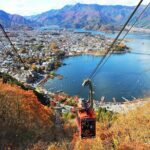
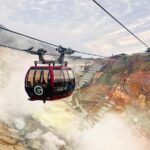
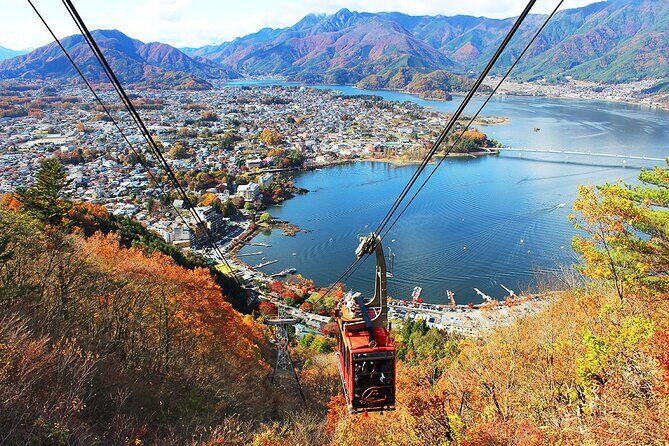
Next comes the Hakone Ropeway for about 30 minutes. Admission is not included. The ropeway is described as a scenic aerial ride above volcanic landscapes, with views toward Mount Fuji and Lake Ashi. This is the kind of ticketed add-on that often feels worth it because you’re not just walking around—you’re changing your perspective.
One consideration: ropeway plans can be affected by weather, so if clouds are rolling in, keep your expectations flexible. Still, the route is designed for views, so even a partly hazy day can be pleasant.
Owakudani Valley and the Hakone Open-Air Museum: Volcano Energy in Hakone
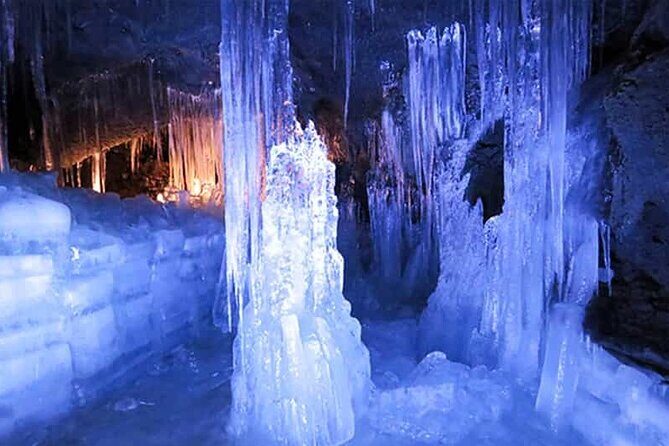
Hakone’s “wow” shifts again at Owaku-dani Valley, the geothermal hotspot scheduled for about 30 minutes. Admission is free. This is where steam vents and bubbling hot springs come together, along with the distinctive sulfur smell.
This stop is memorable because it feels like you’re standing beside active earth. You get that intense volcanic atmosphere in a short window, which makes it a strong choice for a day trip. If you’re sensitive to smells, be prepared for that sulfur note—this is part of the experience.
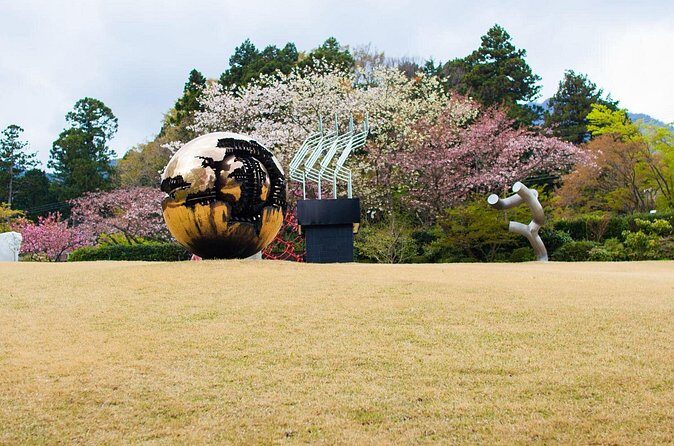
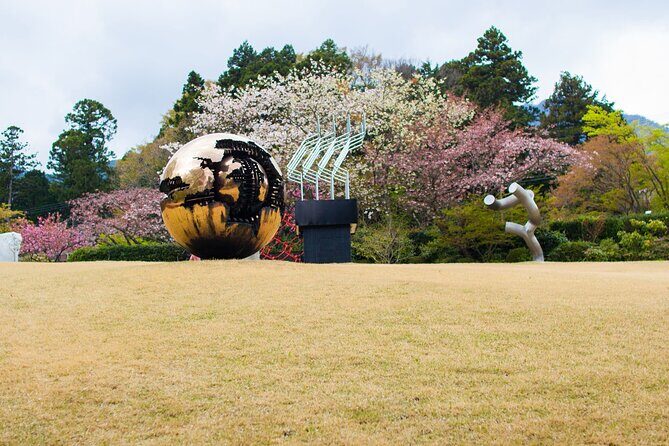
Finally, the tour includes the Hakone Open-Air Museum for about 30 minutes. Admission is not included. Since it’s an outdoor collection of sculptures set against the mountain backdrop, it works well after the steam-and-volcano stop. It’s calmer, more contemplative, and it lets you rest your feet from walking.
The trade-off is time: 30 minutes is short for a museum. If you’re the kind of person who likes to take your time with art, you’ll probably want an additional visit on a separate day. For this tour, think of it as a taste.
Guide Quality That Makes the Day Feel Effortless (Salman Virk)
The biggest differentiator on any long day trip is the human factor. In this case, the experience has a strong reputation for a friendly, comfortable feel—especially for families—and that comes through in how the guide handles conversation and pacing.
One named guide you may run into is Salman Virk, who was described as generous and polite. That kind of tone matters in Japan, where a good guide can help you translate not just language, but intent: where to stand, what to notice, and how to move efficiently between stops.
Even with a good schedule, the day is long. The best guides don’t just drive; they help you make sense of what you’re seeing. If you like asking questions—about shrines, Fuji, or what people actually believe about the mountain—this is the kind of tour where you’ll get good back-and-forth.
Price and What’s Included: Is $430 Worth It
At $430 per group up to 5, the value depends on how you travel and what you would do on your own.
Here’s what you’re getting without paying extra just to start the day:
- A private, air-conditioned vehicle
- English-speaking guide support
- WiFi onboard and bottled water
- Many stops with free admission
Not included, based on the schedule, are the places where you’d typically spend additional money anyway:
- Lake Kawaguchiko admission
- Mt. Fuji 5th Station admission
- Hakone Ropeway admission
- Hakone Open-Air Museum admission
- Lunch
So yes, you’ll likely pay some extra ticket costs for the most popular parts. But the value is that you’re paying to reduce friction: fewer transfers, less route planning, and a guide who helps you keep the day coherent.
If you’re traveling as a small group and you don’t want to spend your day figuring out trains and timing, this is a fair trade. If you’re solo and you love DIY exploring, you might find cheaper options—but you’ll likely spend more time solving logistics yourself.
Who This Tour Suits Best (and Who Should Think Twice)
This day trip fits best if you want a classic Japan hits-you-fast day. It’s also a strong choice if you appreciate structure: you’ll hit the pagoda, the ponds, the shrine, lake views, Fuji 5th Station, and then the Hakone lake/volcano/art mix.
You’ll probably love it if:
- You’re okay with a packed schedule for a 10-hour day
- You want a guide to explain what you’re seeing
- You’re traveling in a small group and want private transport
- You want both Fuji and Hakone in one shot
You might think twice if:
- You hate paying extra for tickets you can’t fully control (since several major attractions are not included)
- You want a slow-paced museum day (the Open-Air Museum time is only about 30 minutes)
- You’re traveling when weather is questionable, since the tour requires good weather to run smoothly
Also consider your interests. If your top priority is hiking toward higher elevations on Fuji, this won’t replace that kind of experience. It’s built for viewpoints and cultural stops, not summit climbing.
Booking Reality: Weather, Tickets, and Staying Flexible
This experience requires good weather. If it’s canceled because of poor weather, you’ll be offered a different date or a full refund.
Because some key segments have admission not included, you’ll enjoy the day more if you treat those as expected add-ons rather than surprises. And since the schedule is tight, plan to travel with patience. Your guide helps, but Mount Fuji days can change fast.
If you’re coming from Tokyo, the biggest win is that you don’t have to stitch together separate plans for each region. You get Fuji and Hakone in one continuous arc, which is exactly what makes a day trip work.
Should You Book This Mount Fuji and Hakone Day Trip?
If your goal is one efficient day that covers Mount Fuji viewpoints and core Hakone highlights, this tour is a solid bet. The private setup for up to 5 people, the English-speaking guide, and the comfort touches like WiFi and bottled water make it feel worth the time, especially on a long route.
I’d book it if you want the famous “greatest hits” with minimal planning and you’re comfortable paying for a few ticketed extras along the way. If you want total control over which viewpoint you chase at sunrise or you dislike extra ticket costs, you may be happier with a more DIY plan.
FAQ
Is lunch included on this day trip?
No. Lunch is not included in the tour price.
How long is the tour?
The duration is about 10 hours.
Is pickup from Tokyo included?
Pickup is offered, depending on the tour arrangements.
Are admission tickets included for every stop?
No. Some stops list admission as free, while others are not included, including Lake Kawaguchiko, Mt. Fuji 5th Station, the Hakone Ropeway, and the Hakone Open-Air Museum.
Is this a private tour or shared with other groups?
It’s private. Only your group will participate.
What happens if the weather is poor?
This experience requires good weather. If it’s canceled due to poor weather, you’ll be offered a different date or a full refund.