REVIEW · TOKYO
Mt. Fuji, Hakone Private Tour from Tokyo – Onsen, Arts and Nature
Book on Viator →Operated by Elie · Bookable on Viator
Fuji may hide, but the route still shines. This private Mt. Fuji and Hakone tour from Tokyo leans hard into scenic roads, calm cultural stops, and an end-of-day onsen reset. It’s a long day, but it feels thoughtfully paced, especially with a guide who can tweak your plan.
I love the door-to-door pickup and the fact you’re not glued to a fixed schedule. Having guides like Lucas or Elie (and others named Lenny, Evan, and Dominik in past trips) makes a difference because you can ask questions and adjust timing on the fly.
I also love the slow rhythm: Hakone Shrine and Lake Ashi’s torii moments, then tea at Amazake Chaya, then onsen time. The main drawback to factor in is that onsen and museum entry cost extra, and bad weather can mean you spend less time staring at Mt. Fuji.
In This Review
- Quick Hits: What You’ll Remember
- From Tokyo Pickup to Hakone Roads: The Real Value Is Comfort
- Mt. Fuji Viewpoints: How to Plan for Fog Without Panic
- Hakone Turnpike and Scenic Overlooks: The Drive Is Part of the Tour
- Lake Ashi and Hakone Shrine: Classic Hakone Moments, Well Timed
- Hakone Shrine by Lake Ashi
- Lake Ashi and the Torii Gates
- Amazake Chaya: A Tea House Stop That Actually Feels Historical
- Onsen at Tenzan Tohji-kyo: Where the Day Turns Relaxed
- Open-Air Museum in Hakone: Beautiful When the Weather Plays Along
- Pola Museum of Art: The Indoor Backup That Saves the Day
- Lake Ashi Sky Line and the Last Fuji Check
- Price and Tickets: What You Pay for (and What You Must Budget)
- Who This Private Fuji-Hakone Day Works Best For
- Should You Book This Private Mt. Fuji and Hakone Tour?
- FAQ
- How long is the Mt. Fuji, Hakone Private Tour from Tokyo?
- What time does the tour start?
- Is this tour private?
- Does the price include hotel pickup and drop-off?
- Are lunch and dinner included?
- How much are the onsen and museum entrance fees?
- Will I see Mt. Fuji for sure?
- What happens if weather is poor?
Quick Hits: What You’ll Remember
- Private guide flexibility so the day can bend to your interests and your pace
- Scenic driving via major viewpoints like Hakone Turnpike Daikanyama
- Classic Hakone photo moments at Lake Ashi torii gates and Hakone Shrine
- Amazake Chaya tea stop with deep old-road history in the cedar forests
- Relax-first onsen time (onsen ticket is separate)
- Open-air art vs indoor backup with the Pola Museum plan when the weather turns
From Tokyo Pickup to Hakone Roads: The Real Value Is Comfort
This tour starts early, around 8:30am, with pickup from your hotel. That matters. Getting to Hakone can be a whole mini-adventure of trains, transfers, and schedules you have to babysit. Here, you’re in a clean private vehicle for a long stretch, with the guide handling routing and timing.
You’ll be surprised how much smoother the day feels when you can focus on what you came for: viewpoints, shrines, and soaking in hot water. And because it’s private, the guide can shift things around when weather, crowds, or timing demand it. You might have a guide like Lucas or Elie guiding the content, but the bigger point is that you’re not stuck watching everyone else’s plan roll forward.
One practical note: you’re still traveling from Tokyo for most of the day. Even with a private car, you’re not escaping the distance. So if your idea of Hakone is nonstop walking, you may want to bring that expectation down a notch and enjoy the scenery from the windows.
Other Mount Fuji tours we've reviewed at Mt Fuji & Kawaguchiko
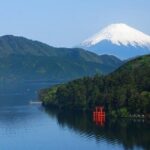
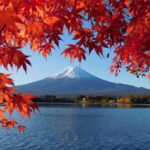
Mt. Fuji Viewpoints: How to Plan for Fog Without Panic
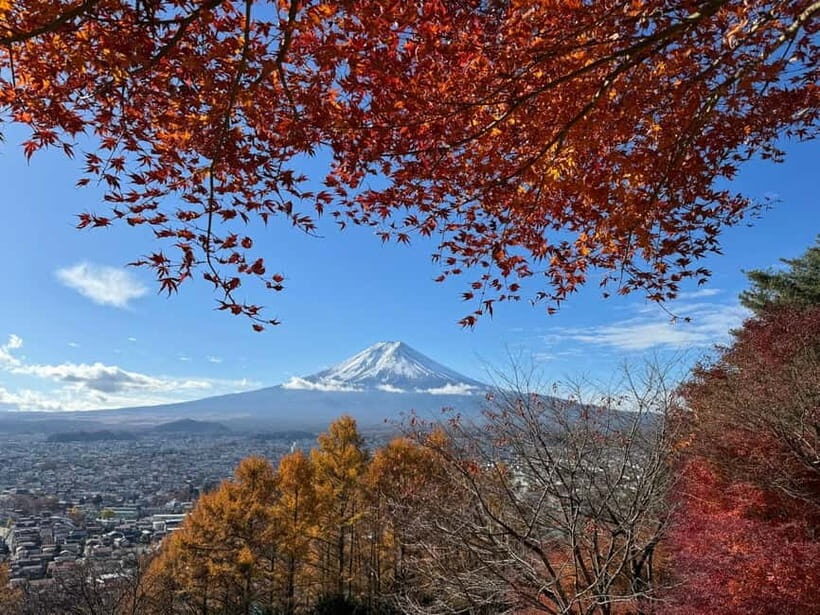
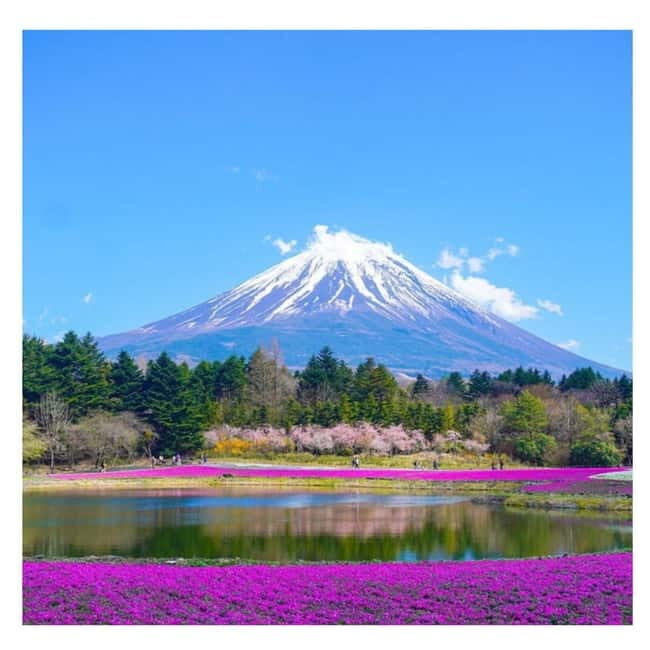
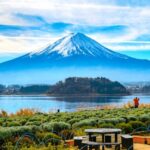
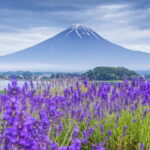
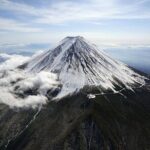
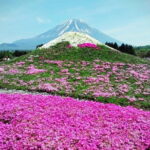
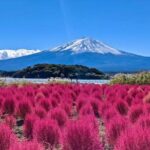
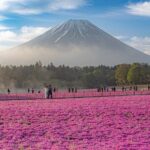
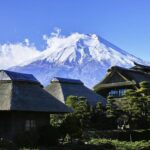
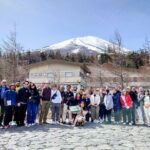
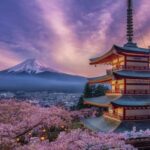
Mt. Fuji is the headliner, but the mountain does not always cooperate. This day is built around multiple Fuji-view moments at different stops, so you have more than one chance to catch a clear sightline. The plan also explicitly works with the reality of weather, which is why guides can adjust the schedule when needed.
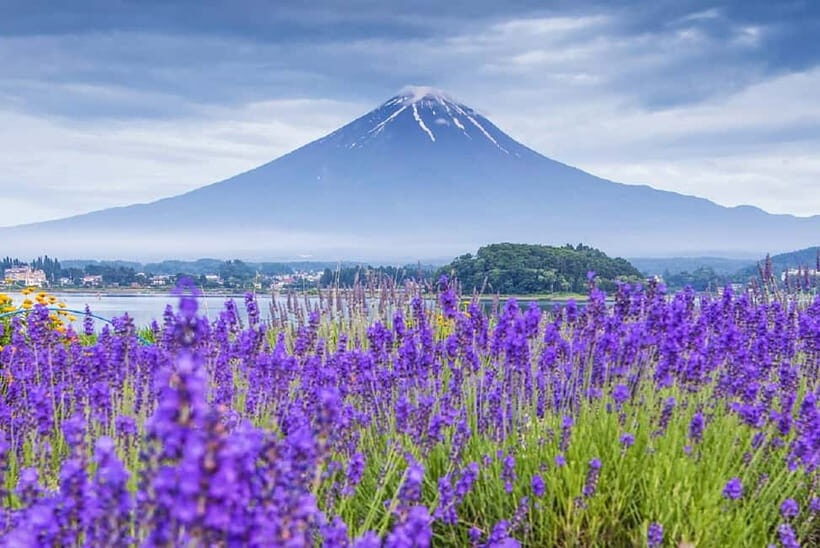
If you arrive to fog or clouds, you can still have a great day. The road up and around Hakone often delivers big valley views even when Fuji is shy. And if the sky won’t clear, you’ll still get the shrine, lake, tea house, onsen, and major museum time—so the day doesn’t collapse into only one view.
My advice: treat Fuji as a bonus, not the entire program. If you go in expecting the worst, every clear moment feels like a win. And because it’s a private tour, you can ask the guide what’s likely to work that day and shift viewpoints accordingly.
Hakone Turnpike and Scenic Overlooks: The Drive Is Part of the Tour
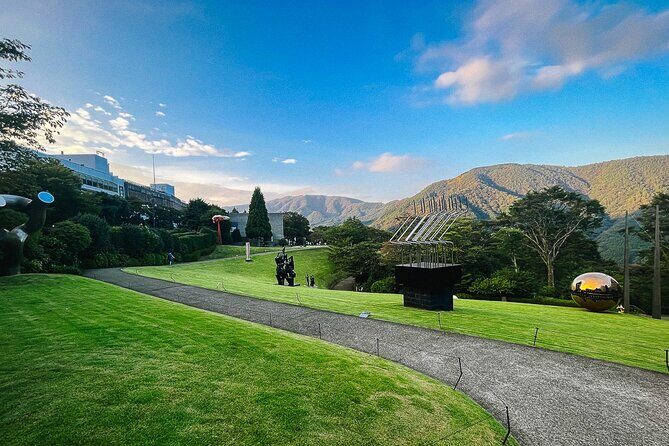
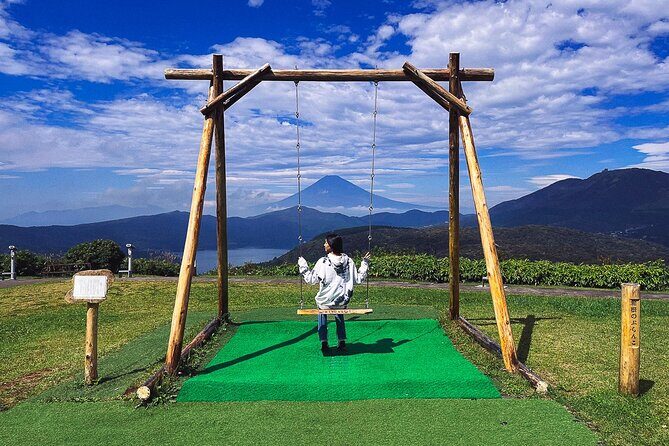
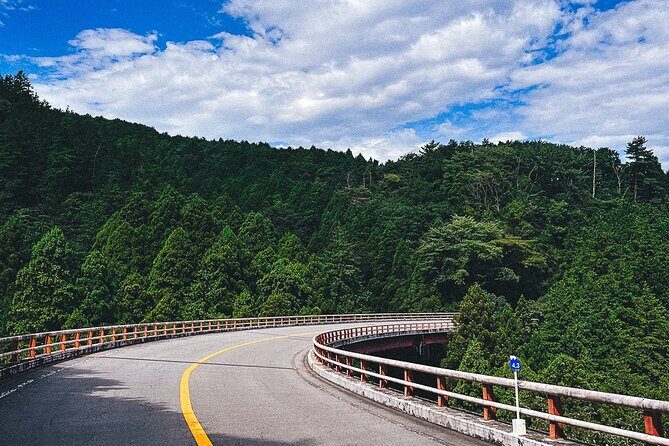
One of the best things about this experience is that it isn’t just a checklist of places. It starts with a scenic road segment: the Hakone Turnpike Daikanyama Parking lot viewpoint. This is the kind of stop that turns a drive into something you want to slow down for—big open views, fresh air, and that classic Hakone sense of altitude and distance.
The tour keeps emphasizing road scenery: panoramas of Hakone, lakes, and distant sea views depending on conditions. That’s a big deal because Hakone is famous for its views, and the best ones often sit along the roads and overlooks rather than inside a single building.
If you get carsick, this is another reason to mention it early to your guide. You’ll spend enough time on winding roads that small comfort choices matter.
Lake Ashi and Hakone Shrine: Classic Hakone Moments, Well Timed
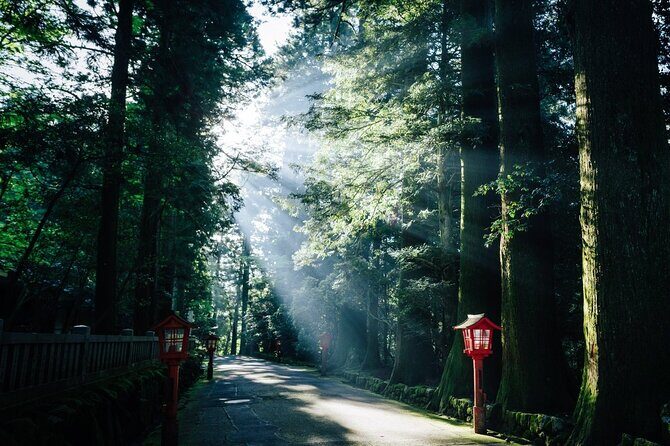
After the Fuji-area views, you head into Hakone’s core atmosphere.
Hakone Shrine by Lake Ashi
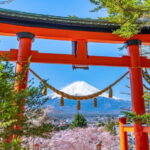
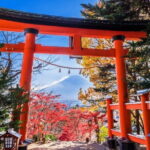
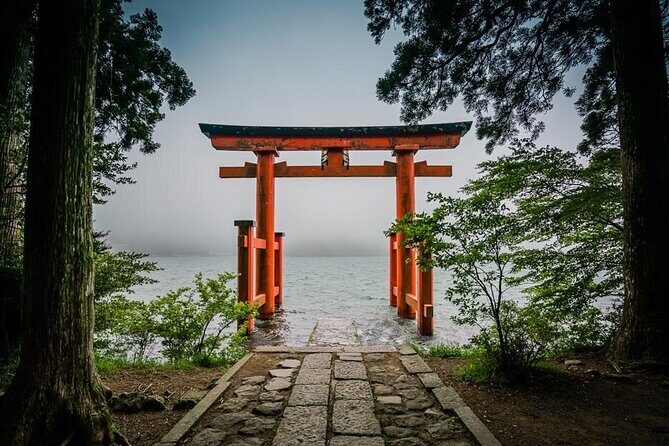
The Hakone Shrine stop takes you to the shoreline area of Lake Ashi, a Shinto shrine founded in 757. You’ll see the bright red torii gate(s) and shrine buildings, plus a small set of shops and a museum on site.
This is a great stop for two reasons. First, it’s iconic. Second, it’s not only a photo moment. The guide can explain the shrine setting and what it means in the local spiritual landscape, which helps you look a little deeper than the standard snap-and-go.
Other Mt Fuji and Hakone combo tours at Mt Fuji & Kawaguchiko

Lake Ashi and the Torii Gates
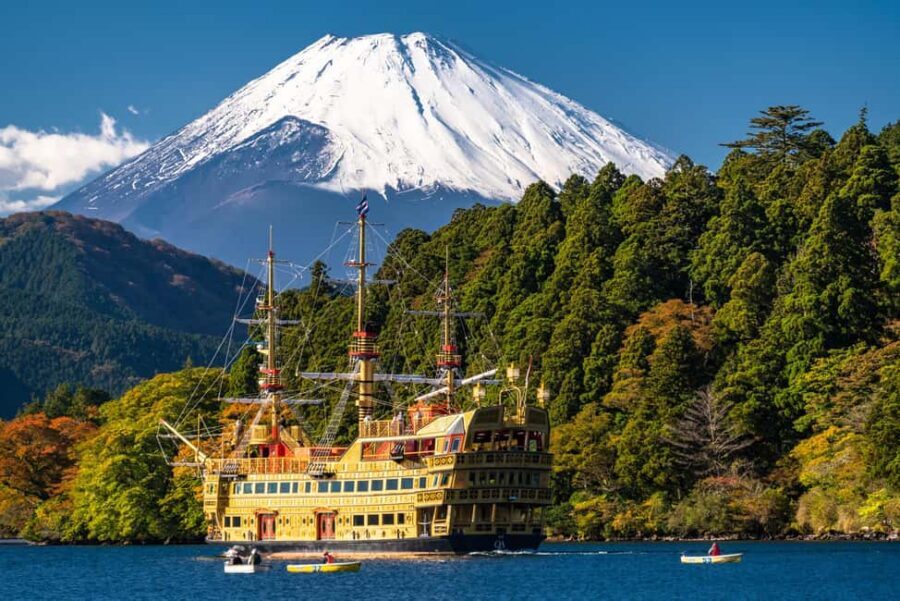
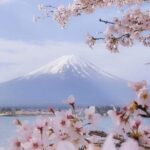
Next you’ll spend time at Lake Ashinoko/Lake Ashi to see the torii gates and shrines near the water. In Hakone, this is where the scenery does its job—water, mist, and that famous red contrast.
This stop is usually a comfortable pace. It’s structured enough that you won’t feel rushed, but flexible enough that you can slow down if you want to linger on photos or scenery.
Amazake Chaya: A Tea House Stop That Actually Feels Historical
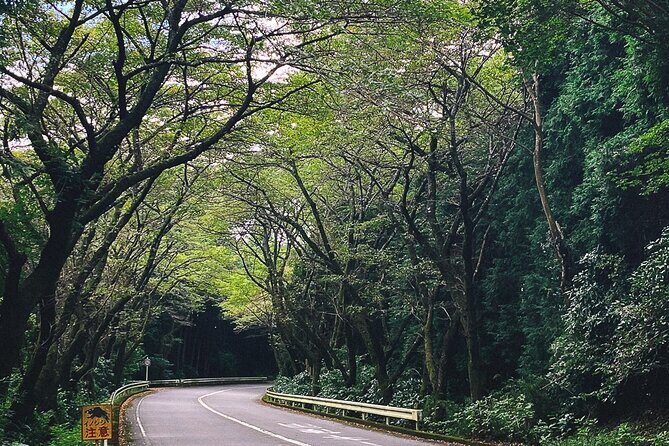
Then comes one of the more charming parts of the day: Amazake Chaya.
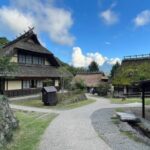
This teahouse is described as being along the old Tōkaidō road route, hidden in the cedar forests of Hakone, and welcoming travelers for more than 400 years. Even if you’re not a tea expert, it’s a memorable pause from driving and sightseeing.
The name matters because this is not a random rest stop. It’s a specific traditional setup where you can choose a warm drink and feel how old travel routes shaped everyday life. If you want the day to feel less like transport-to-transport and more like a lived-in slice of Japan, this stop is one of the best ways to get there.
Practical tip: bring a layer. Even in warmer months, Hakone can feel cooler in forested areas, and the teahouse break is when you’ll feel it.
Onsen at Tenzan Tohji-kyo: Where the Day Turns Relaxed
Lunch comes next in the flow, and then it’s time for onsen. The tour’s onsen block sits around the Tenzan Tohji-kyo area, and you’ll have about 2 hours for soaking and unwinding.
Important cost note: the onsen ticket is ¥1,500 per person and is not included in the base price. That’s not unusual in Japan, but you should budget for it.
This is also the moment where the tour’s wellness promise becomes real. You’re not just looking at sights—you’re resetting your body after a long day. And the onsen selection can make or break the experience. In positive feedback, people specifically praised the onsen as excellent and relaxing, and some even added services like massage.
If you care about massage or any specific service: ask your guide ahead of time how those requests are handled and what language support is available at the facility. One negative experience mentioned difficulty arranging services due to language barriers, even with promises of English-speaking staff. So treat it as a call-your-guide item rather than a “sure thing.”
Also, keep in mind that onsen rules and changing areas can feel unfamiliar. Having a guide nearby is the quiet advantage here. You get less guesswork and more calm.
Open-Air Museum in Hakone: Beautiful When the Weather Plays Along
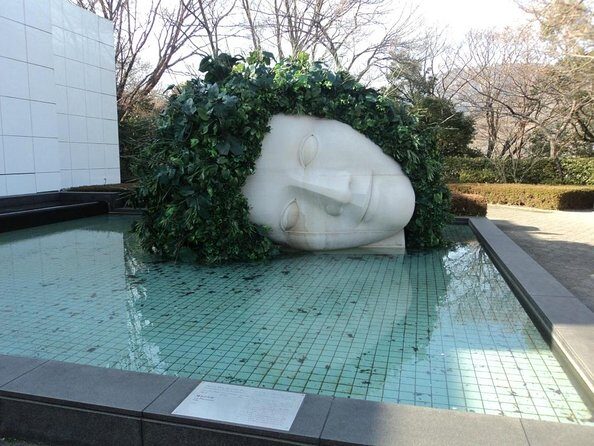
After the onsen, you’ll head to the Hakone Open-Air Museum if conditions allow. This is a big cultural stop: it includes major modern art collections such as Picasso, Henry Moore, and others.
But here’s the key: the museum ticket is not included, and it’s ¥1,900 per person. So you’re deciding in real time whether the outdoor art works for your day’s weather.
Also note: you’ll only want this if you genuinely like art museums. If your priority is nature and soaking, you may not get as much value from the museum time. On the other hand, people who did make time for the museums often felt it was one of the best parts of the day.
If it rains or conditions aren’t good, the tour may swap you to the indoor option next.
Pola Museum of Art: The Indoor Backup That Saves the Day
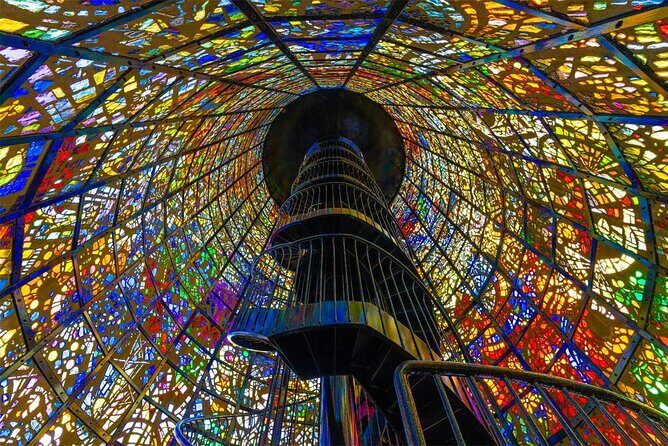
When the weather isn’t kind, or if timing is tight, the tour can go to the Pola Museum of Art instead. This museum is described as being in a forest setting, tucked into wooded Hakone mountains.
This matters because it keeps your afternoon from turning into “wait for weather” time. You still get museum culture without the outdoor risk. In at least one detailed positive experience, the Pola Museum visit was specifically called out as a highlight.
If you’re the type who hates changing plans, this backup is reassuring. You still end the day with a strong cultural finish.
Lake Ashi Sky Line and the Last Fuji Check
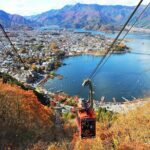
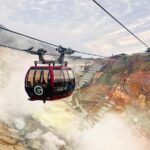
If time permits after lunch and museum time, you can also hit the Lake Ashinoko Sky Line route for a final round of iconic viewpoints. The tour notes multiple panoramic overlooks—four in total—where you can catch closer Fuji views, plus looks out over Lake Ashi and sometimes even the sea depending on visibility.
This is the part of the day where you get the final scenic payoff. Even if Fuji is faint, the roads and viewpoints often still provide that Hakone distance you came for.
Price and Tickets: What You Pay for (and What You Must Budget)
The price is $852.28 per group (up to 5 people). That’s the important framing: you’re paying for private transportation, parking, highway tolls, and pickup/drop-off, plus a multilingual guide (English/Japanese/French speaking).
Included costs:
- parking fees
- highway toll tax
- hotel pickup and drop-off
- private transport in modern vehicles
- guide support in English/Japanese/French
Not included:
- lunch
- onsen ticket: ¥1,500 per person
- museum entry: ¥1,900 per person
- and the open-air museum admission is the one explicitly listed
So is it good value? For the right group, yes—especially if you want the comfort and the “guide brain” handling details. For families, older folks who don’t want transit stress, or anyone who only has one day to do Fuji and Hakone, the private setup can be worth it.
But go in with your eyes open: it’s not a cheap day trip once you add onsen and museum fees. It also won’t magically shorten the Tokyo-to-Hakone drive time. If what you want most is lots of time in one place with minimal driving, you may prefer a different style of itinerary.
Who This Private Fuji-Hakone Day Works Best For
This tour is a strong fit if you:
- want door-to-door convenience from Tokyo
- like a mix of culture, scenery, and rest time
- care about having someone adapt the schedule when weather shifts
- prefer private driving over trains and transfers
- enjoy art museums and not just views
It may feel less satisfying if you:
- want long hiking time or lots of walking-heavy stops
- dislike paying separate entrance fees on top of the tour price
- need very step-free routes at every stop without any compromise (tell your guide early, since shrine grounds can include different paths)
One more honest consideration: you’re spending a good chunk of the day in the car, even with the scenic routing. Build the day around comfort, not speed.
Should You Book This Private Mt. Fuji and Hakone Tour?
Book it if you want a well-paced, private day that mixes Fuji chances, Hakone classics (Lake Ashi and Hakone Shrine), a traditional tea stop at Amazake Chaya, and a proper onsen reset—then ends with major museum time.
Skip it or compare if you mainly want one huge Fuji moment plus lots of independent wandering. Also compare price if you already plan to cover Hakone with transit and you’re happy doing museums and onsen on your own.
If the weather forecast is shaky, this is still a fair choice because the plan includes indoor backup (Pola Museum) and multiple Fuji-view attempts. Just remember: Mt. Fuji is not guaranteed. Your best bet is going for the full Hakone experience, not only the view.
FAQ
How long is the Mt. Fuji, Hakone Private Tour from Tokyo?
The tour runs about 9 to 10 hours.
What time does the tour start?
Pickup and start time is listed as 8:30am.
Is this tour private?
Yes. It’s a private tour/activity, with only your group participating.
Does the price include hotel pickup and drop-off?
Yes. Pickup and drop-off to your hotel are included, along with private transportation.
Are lunch and dinner included?
No. Lunch, breakfast, and dinner are not included. Lunch is listed as not included, and dinner isn’t included either.
How much are the onsen and museum entrance fees?
The onsen ticket is ¥1,500 per person, and the museum entrance fee (for the open-air museum) is ¥1,900 per person. These are not included in the base price.
Will I see Mt. Fuji for sure?
No. The experience requires good weather, and Mt. Fuji can be obscured by fog or clouds, so you may not get a clear view.
What happens if weather is poor?
The experience notes that it requires good weather. If it’s canceled due to poor weather, you’ll be offered a different date or a full refund. The day can also include indoor museum options when conditions aren’t good.