REVIEW · TOKYO
Private Car Tour to Mt. Fuji Lake Kawaguchiko or Hakone
Book on Viator →Operated by Japan Star Travel Agency · Bookable on Viator
Fuji looks bigger from a private van. This private car tour from Tokyo is designed around classic, high-impact angles of Mt. Fuji, plus a menu of culture, lakes, volcanic sights, and seasonal scenes you can swap in or out. You’ll ride in a comfortable air-conditioned minivan with a guide who helps you move fast, avoid guesswork, and actually enjoy the day instead of scheduling it.
I especially like two things. First, the photo lineup around Arakura Sengen Shrine and the Chureito Pagoda area is timed for maximum payoff, with multiple viewpoints in one stretch. Second, it’s truly customizable, so you can choose about 4 to 6 stops from the list to match your pace, interests, and what the weather is doing. One drawback to plan around: you’re not guaranteed clear views of the mountain, and if you want the Fuji 5th Station, it can be closed seasonally and also costs a toll fee on the spot.
In This Review
- The Highlights That Make This Tour Feel Premium
- Why a Private Fuji or Hakone Day From Tokyo Beats the DIY Grind
- Five Lakes or Hakone: How to Choose the Best Day for Your Mood
- Arakura Sengen Shrine and Chureito Pagoda: the Fuji View Circuit Done Right
- Mt. Fuji World Heritage Center: Learn the Why Behind the Photo
- Lake Kawaguchiko Highlights: Shrines, Flowers, Ice Cream, and Oshino Hakkai
- Saiko Iyashi no Sato Nemba: Old-Style Japan Meets Mt. Fuji Views
- Caves, Ropeway, and Aokigahara: When You Want Adventure, Not Just Views
- Fuji 5th Station: Worth It If It’s Open and You’re Ready for the Toll
- Seasonal Swaps: Shibazakura, Skiing, Strawberries, and Fruit Tasting
- Shiraito Falls and Other Nature Add-Ons
- If You Pick Hakone: Volcano Views, Temples, Ropeway, and Lake Ashi Cruising
- Price and What You’re Really Paying For With a Private Group of Up to 8
- Who This Tour Suits Best (And Who Might Want a Different Option)
- Should You Book This Private Mt. Fuji (Kawaguchiko) or Hakone Tour?
- FAQ
- How many people are in a group?
- How long is the tour?
- Where does the tour start and end?
- Is the tour customizable?
- Which areas are covered: Mt. Fuji (Lake Kawaguchiko) or Hakone?
- Is Mt. Fuji 5th Station included?
- What’s included in the price?
- What’s not included?
- Is the tour guaranteed to show Mt. Fuji clearly?
- Are there restrictions for hot springs if they’re added?
The Highlights That Make This Tour Feel Premium
- Private guide + private vehicle: no sharing the ride or crowding into the same small tour timing.
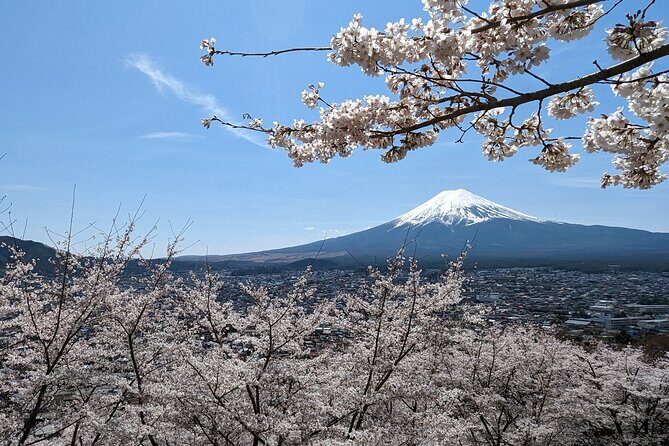
- Arakura Sengen and Chureito Pagoda viewpoints: multiple photo chances without spending your whole day in transit.
- Five Lakes variety in one day: shrines, flower gardens, heritage ponds at Oshino Hakkai, and lakeside villages.
- Aokigahara caves and Mt. Fuji ropeway options: add an adventurous, not-too-touristy edge to the day.
- Hakone alternative with volcano + art + lake cruise: if Fuji is shy, you still get a classic day trip.
Why a Private Fuji or Hakone Day From Tokyo Beats the DIY Grind
Tokyo to Mt. Fuji is one of those routes where planning is half the work. On a DIY day, you’re constantly checking timetables, figuring out transfers, and trying to decide what to cut when the clouds roll in. Here, the structure is built for flow. You start with hotel pickup and drop-off, and you get a driver who handles the roads while your guide handles the human stuff: where to stand, when to move, and how to connect the dots between sights.
Also, this isn’t just a driver who takes you places. The tour includes a professional guide from a team of local Japanese staff, with English, French, Spanish, Chinese, or Korean guides available. That matters because Mt. Fuji isn’t only a view. It’s a cultural site with shrines, rituals, and regional details that make the day feel coherent instead of random photo stops.
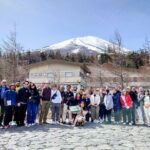
You’re also traveling as a private group (up to 8 people). That’s a real advantage if you’ve got teens, parents, or anyone who needs a slower pace. One review praises the way guides like Ken (with driver Toshi) kept everyone comfortable and adjusted to the day. Another highlights how guides worked around clouds to still give a great experience—exactly what you want when the mountain hides.
Other Mount Fuji tours we've reviewed at Mt Fuji & Kawaguchiko
Five Lakes or Hakone: How to Choose the Best Day for Your Mood
This tour can be built around Lake Kawaguchiko (the Five Lakes side) or around Hakone. You’ll pick sites from the available list (they suggest selecting around 4 to 6), so you can tailor the flavor.
If you want iconic Fuji imagery and classic Mt. Fuji region culture, choose the Lake Kawaguchiko area. It includes the shrine-and-pagoda view circuit, Oshino Hakkai’s ponds fed by snowmelt, and lakeside gardens and village-style stops like Saiko Iyashi no Sato Nemba.
If you’d rather mix volcanic drama, a lake cruise, and art, Hakone is the move. The Hakone menu includes the Hakone Ropeway, Owakudani Valley (volcanic activity and the famous black eggs), Hakone Shrine / Kuzuryu Shrine, and the Hakone Open-Air Museum. You also get Lake Ashi cruising—either a famous pirate ship option if you want the fun vibe or the regular cruise if you prefer fewer crowds.
A practical note: either way, weather affects visibility. You’ll keep moving, and you’ll be able to enjoy the day even if Fuji is less cooperative than you hoped.
Arakura Sengen Shrine and Chureito Pagoda: the Fuji View Circuit Done Right
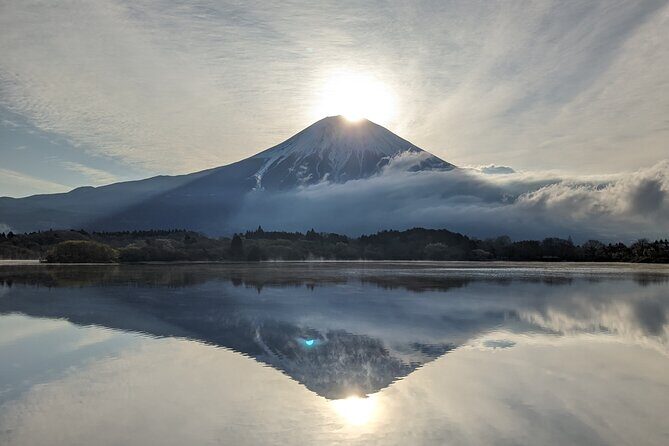
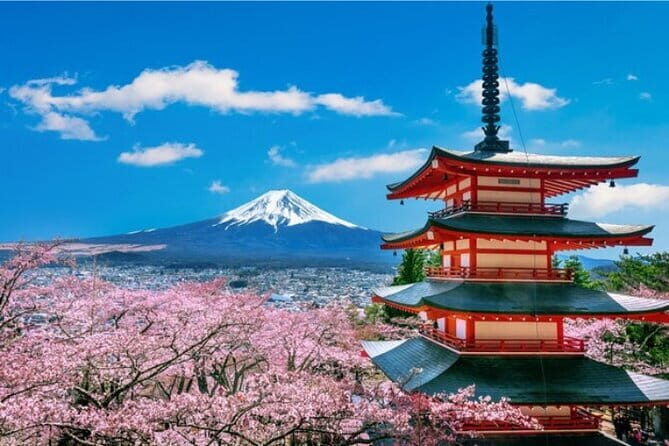
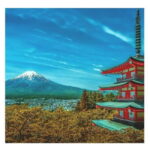
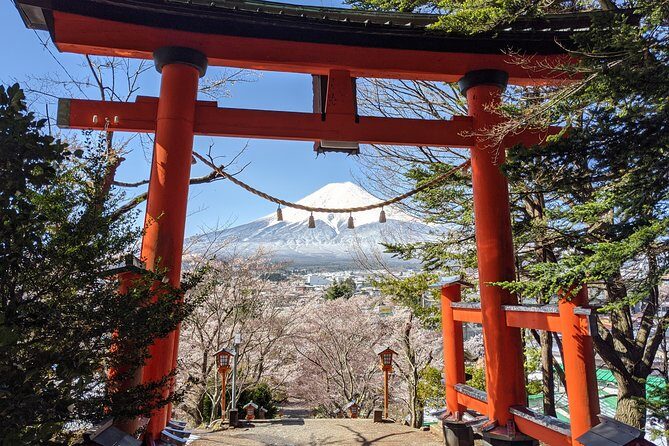
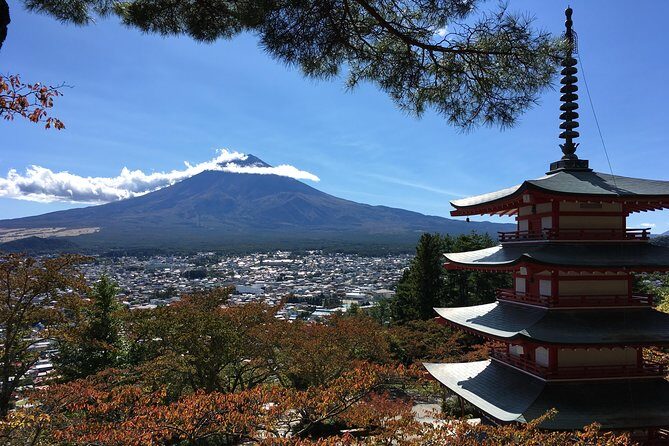
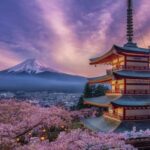
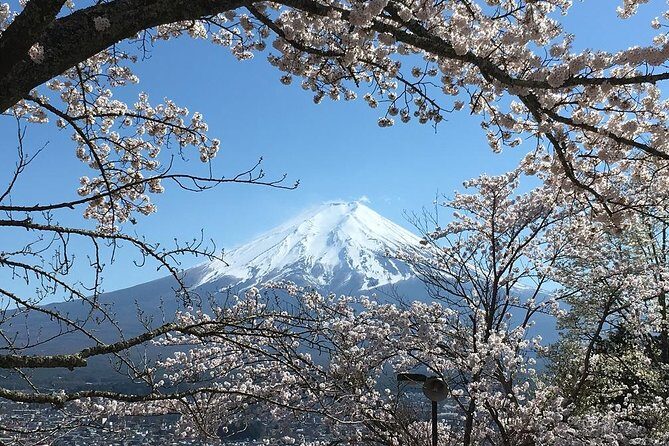
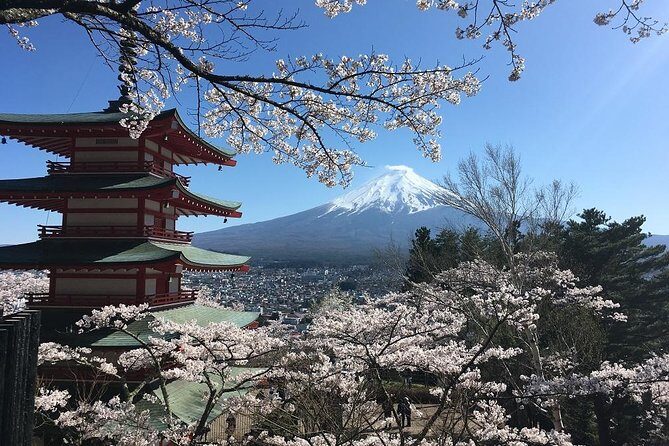
If Mt. Fuji is your main goal, start with the Arakura area. You’ll visit Arakura Fuji Sengen Shrine, where the shrine setting ties directly into Fuji’s cultural role, and the famous view lines up with the five-storied pagoda silhouette.
What I like about this stop is that you’re not doing a single glance and leaving. The program includes both Chureito Pagoda (for the classic postcard photo angle) and time in Arakurayama Sengen Park for additional panoramic viewpoints. That means you’re not stuck chasing the perfect shot with zero guidance. You can try angles, wait a moment if clouds shift, and still keep the day on schedule.
Admission is free for these shrine/park stops, so you’re spending time rather than paying gate fees to access viewpoints. And if you’re traveling with kids or parents, the guide can steer you toward the easiest “good enough” viewpoints while others can go for the extra shot.
Mt. Fuji World Heritage Center: Learn the Why Behind the Photo
Between the big exterior viewpoints, the tour adds the Mt. Fuji World Heritage Center. This is a simple add-on that can change how the day feels. A short video and visual explanations cover the region’s rituals and cultural significance.
You don’t need to be a Mt. Fuji scholar to appreciate this. It gives context for why shrines are positioned the way they are and why certain spots matter. If you like your sightseeing with meaning instead of just chasing angles, this stop earns its place.
Lake Kawaguchiko Highlights: Shrines, Flowers, Ice Cream, and Oshino Hakkai
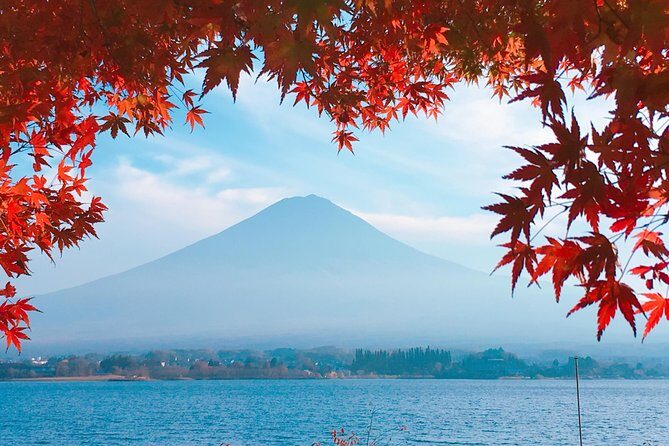
After the Arakura area, the program moves into the Lake Kawaguchiko side of the Fuji region, where you’ll see a different rhythm: gardens, lakeside streets, and heritage sites.
Kitaguchi Hongu Fuji Sengen Jinja Shrine is one of the main shrines in the northern Mt. Fuji region and is tied to the idea of Fuji ascension as a first step. It’s not just scenery; it’s part of the cultural framework that surrounds the mountain.
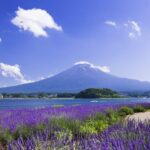
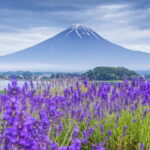
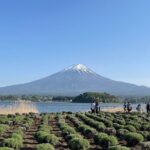
Then you’ll likely hit Fuji Oishi Hana Terrace and Oishi Park. These are great if you want a break from shrine stone and want something softer and seasonal. Oishi Park is known for its lavender, and the program notes seasonal flowers across four seasons. If you’re visiting in spring or summer, these stops can be a welcome change of pace.
From there, Oshino Hakkai is a must for many people—and it’s easy to see why. You’ll explore the eight ponds formed from Mt. Fuji snowmelt. It’s part of the Fujisan Cultural Site, and the ponds create a calm contrast to the bigger viewpoints. Shopping and street food are mentioned too, so you can snack your way through without it turning into a full detour.
If you like quirky, the program also lists Oshino Shinobi no Sato, a ninja-themed experience with costume rental and a ninja show. It’s not essential, but it’s a fun option when you want something light and hands-on.
Other Mt Fuji and Hakone combo tours at Mt Fuji & Kawaguchiko

Saiko Iyashi no Sato Nemba: Old-Style Japan Meets Mt. Fuji Views
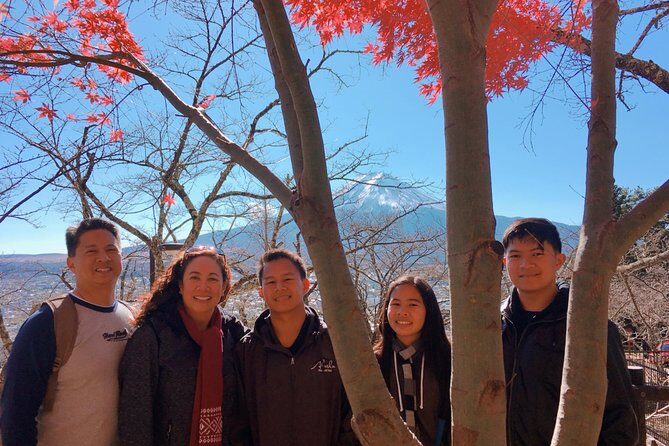
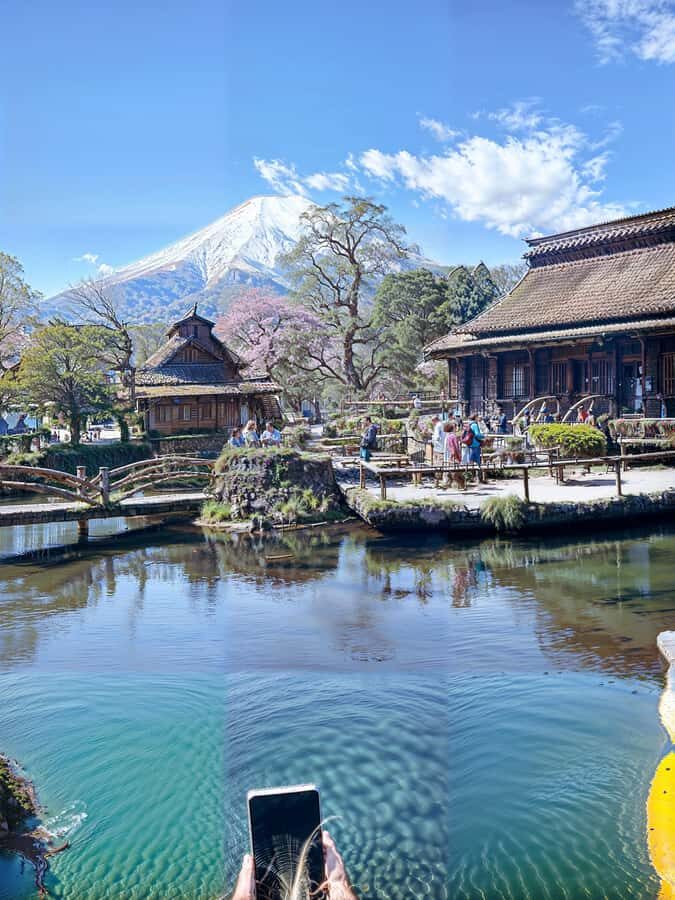
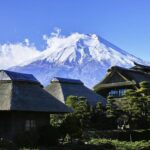
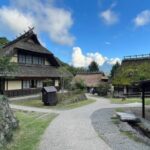
Saiko Iyashi no Sato Nemba is the kind of place that makes your day feel like more than a checklist. You get traditional old Japanese houses with straw roofs as a scenic backdrop for Mt. Fuji views.
There’s also a cultural angle here: local crafts and artists, plus optional rentals like kimonos and samurai armor if you reserve ahead. If your group likes photos that feel like Japan rather than only landmarks, this is one of the stronger stops in the whole menu.
One practical reminder: building good footwear habits matters on days like this. Even if the time at each stop is short, you’re stacking walking segments across a long day.
Caves, Ropeway, and Aokigahara: When You Want Adventure, Not Just Views
For an off-beat feel, the program includes multiple Aokigahara forest cave options. These are listed as Narusawa Ice Cave, Fugaku Wind Cave, and Saiko Bat Cave. Each is a short visit, typically 15 to 30 minutes for the first two and around 20 to 45 minutes for the bat cave, depending on conditions.
If you’re thinking this will be a quick novelty, that can be true. But the experience can also be a nice counterweight to the “open sky” Fuji stops. You also get something different geographically: caves, forest air, and the sense of stepping into something more mysterious than a viewpoint.
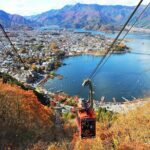
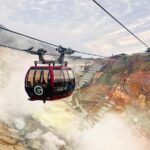
You can also add the Mt. Fuji Panoramic Ropeway for an aerial-style view above Lake Kawaguchiko. It’s short but scenic, and it helps the day feel varied. Queue time can affect how long you spend, but that’s exactly why having a guide helps—you can time it so it doesn’t eat your whole schedule.
Fuji 5th Station: Worth It If It’s Open and You’re Ready for the Toll
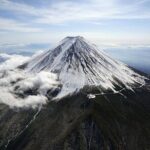
One of the big questions people have is whether the tour can take them to Fuji 5th Station. This program does include it as an option: it’s the closest car-access point at about 2,300 meters, but it comes with two realities.
First, there’s a toll fee of 2,100 yen paid on the spot. Second, access is closed from July to mid-September due to the climbing season, and also in winter.
If it’s open when you travel, the 5th Station can add a “near-the-mountain” feeling that you can’t get from lower viewpoints. It usually takes about 2 hours, so it can be a time anchor. Choose it if your group will genuinely use the time there, not just try to do it because it’s a famous name.
Seasonal Swaps: Shibazakura, Skiing, Strawberries, and Fruit Tasting
A big part of value here is that the tour can adapt to the calendar. The menu includes different seasonal add-ons, including:
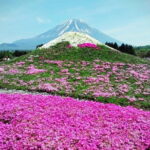
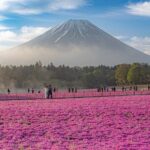
- Shibazakura (moss phlox) at the Fuji Motosu resort from mid-April to end of May (about 1 hour)
- Skiing and snow experiences on Mt. Fuji for beginners with rentals available (1 to 2 hours depending on requests)
- Strawberry-focused experiences with reservation needed, plus a 30-minute all-you-can-eat sweet strawberries option
- Winery visits in Yamanashi, with more than 80 wineries in the prefecture mentioned and guidance requested in advance
- Seasonal fruit tasting from Yamanashi (strawberry, cherry, peach, grape, shine muscat), also requiring reservation
This is where having a guide matters. These are not always “walk up and do it” stops. Your guide can help you pick what fits your travel dates and what your group will actually enjoy eating or doing, instead of turning your day into a last-minute scramble.
Shiraito Falls and Other Nature Add-Ons
If you want something scenic beyond Fuji-and-lakes, the menu includes Shiraito Falls. The tour notes it’s a 150-meter wide cascade and part of the Fujisan Cultural Site. It’s also a longer day trip segment from Lake Kawaguchiko—about 2 hours round trip.
So it works best if your group is okay with a longer nature block. If you’re traveling with older family members or anyone who hates “time spent getting there,” you might choose a shorter stop from the list instead.
If You Pick Hakone: Volcano Views, Temples, Ropeway, and Lake Ashi Cruising
Hakone is a different kind of day, and it can be a lifesaver if Fuji visibility isn’t great. The program includes a full stack of classic Hakone ingredients.
Start with Hakone Ropeway for views around 1,350 meters high. Then add Owaku-dani Valley, with volcanic activity and the option to try black eggs said to add extra years to your life. You’ll also get Hakone Shrine and Kuzuryu Shrine with its well-known torii gate look.
For art lovers, the Hakone Open-Air Museum is listed with outdoor sculptures and photos allowed. That’s a great stop to break up crowds because it spreads out rather than compressing everyone into a single interior space.
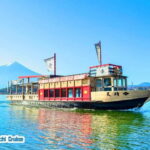
Then it’s Lake Ashi. The tour notes lake cruising and specifically mentions a pirate ship option (popular) plus the regular cruise ship if you want to avoid crowds. If you’re the type who likes the “slow part” of a sightseeing day, this cruise section gives you that.
Optional add-ons from the Hakone list include Odawara Castle for samurai history, Hakone Sekisho and its museum for Edo period duty and life, Onshi Hakone Park for seasonal gardens, and Mishima Skywalk for a long suspended pedestrian bridge view on a clear day.
Price and What You’re Really Paying For With a Private Group of Up to 8
The price is $1,286.89 per group (up to 8), with hotel pickup/drop-off, round-trip private transport in an air-conditioned minivan, a private guide, and one bottled water per person included. Entrance fees, food, lunch, and tips are not included. Mt. Fuji 5th Station also has the toll fee noted separately.
So is it worth it? It tends to make the most sense when:
- You’re traveling as a group (especially close to 8 people).
- You want a guide who can steer your day based on weather and timing.
- You don’t want to spend mental energy figuring out transit, tickets, and logistics.
The reviews back this up with a strong pattern: guides and drivers are praised for professionalism, comfort, and adjusting the itinerary. I saw multiple examples of guides like Ken, Reiko, Taiji, Hiroko, Tomomi, Bob, and drivers like Toshi, Tack, and Kelly mentioned for being on time and making the day feel smooth—even when traffic was heavy.
Yes, you’ll still pay for some extras like museums or ropeways depending on your chosen stops. But compared to DIY, you’re paying for time saved and for having someone handle the hard parts: the sequencing, the timing, and the decision-making under real-world conditions.
Who This Tour Suits Best (And Who Might Want a Different Option)
This tour fits best if you want Mt. Fuji in a day without turning your trip into a logistics project.
It’s especially good for:
- Families with mixed ages: the pace can be adjusted, and multiple reviewers mention comfort and smooth timing for parents and kids
- Photo-focused travelers: you get the structured viewpoint circuit plus options to change angles when clouds move
- People who want local guidance: the team is local Japanese staff, and guides are praised for English ability and practical advice
- Small groups who’d rather not share cars with strangers
It might not be the best fit if:
- You’re on a strict budget and only want paid attractions with no guide component.
- You prefer wandering on your own with zero structure.
- You only want one or two stops and are comfortable building the route yourself.
Should You Book This Private Mt. Fuji (Kawaguchiko) or Hakone Tour?
If your goal is a high-quality Fuji day—or a classic Hakone day—with minimal stress and real flexibility, I think you should book it. The value is strongest when you travel with others and want to spend your energy on the view and the experience, not the planning.
I’d book especially if you like the idea of stacking the best viewpoints (Arakura Sengen and Chureito Pagoda area) with lakeside culture (Oshino Hakkai, flower gardens, old village style stops) and then choosing either adventurous cave options or Hakone volcano-and-lake cruising. And if your group includes anyone who needs things to be paced and handled, the consistent praise for guides like Ken and Reiko—and drivers like Toshi and Tack—signals you’ll get a calm, professional day.
FAQ
How many people are in a group?
Up to 8 people per private group.
How long is the tour?
It’s about 10 to 11 hours.
Where does the tour start and end?
It includes hotel pickup and drop-off in Tokyo.
Is the tour customizable?
Yes. You select around 4 to 6 sites from the activity list, and the guide can help tailor the day to your interests.
Which areas are covered: Mt. Fuji (Lake Kawaguchiko) or Hakone?
Both are available. You can build your day around the Lake Kawaguchiko Five Lakes area or switch to the Hakone route with sights like Ropeway, Owaku-dani, shrines, and Lake Ashi.
Is Mt. Fuji 5th Station included?
Mt. Fuji 5th Station is not included. If you choose it, you need to pay a toll fee of 2,100 yen on the spot, and access is closed from July to mid-September and also in winter.
What’s included in the price?
Hotel pickup/drop-off, private round-trip transportation by air-conditioned minivan, a private guide, and one bottled water per person.
What’s not included?
Entrance fees, food and drinks, lunch, gratuity, and Mt. Fuji 5th Station.
Is the tour guaranteed to show Mt. Fuji clearly?
No. The schedule continues even if some spots aren’t fully visible due to weather. The tour requires good weather, and if it’s canceled due to poor weather, you’ll be offered a different date or a full refund.
Are there restrictions for hot springs if they’re added?
Yes. Bathing suits, bath towels, and any clothing are not permitted inside hot springs. Men’s and women’s tubs are separate, and tattoos or body paint are prohibited.