REVIEW · TOKYO
From Tokyo: Mount Fuji Sightseeing Full Day Trip
Book on Viator →Operated by F Trip · Bookable on Viator
Tokyo is loud. Then you go quiet, fast. This full-day trip takes you to Mount Fuji World Heritage country, with a tight route of famous stops around Lake Kawaguchi and nearby villages.
I like the value here: the price includes the air-conditioned vehicle and all fees and taxes, so you don’t have to keep doing small budget math all day. I also love that the itinerary mixes postcard Fuji spots with places that feel more grounded, like Saiko Iyashi-no-Sato Nenba and Oshino Hakkai. One thing to consider: you’re on a schedule, so some stops can feel rushed, and weather can make or break your Fuji views.
In This Review
- Key Takeaways Before You Go
- Price and Logistics: Is This a Smart Use of Your Time?
- The Route: How the Day Flows Around Mount Fuji
- Stop 1: Saiko Iyashi-no-Sato Nenba by Lake Saiko
- Stop 2: Chureito Pagoda at Arakurayama Sengen Park
- Stop 3: Arakura Fuji Sengen Shrine (Built in 705)
- Stop 4: Oshino Hakkai and Its Eight Spring Ponds
- Stop 5: Lake Kawaguchiko for Classic Fuji Views
- Stop 6: Oishi Park Flower Promenade (30 Minutes)
- Stop 7: Kawaguchiko Natural Living Center and the Red Torii
- What the Guide Adds (and Where It Can Vary)
- The Big Trade-Off: Weather and Timing
- 1) Weather
- 2) Time at each stop
- How to Get the Most Out of Each Stop
- Who This Tour Is For
- Should You Book This Mount Fuji Full Day Trip?
- FAQ
- What is the duration of the Tokyo to Mount Fuji day trip?
- What does the $59 price include?
- Is a mobile ticket provided?
- Which major stops are included in the day?
- How much time is spent at Lake Kawaguchiko and Oishi Park?
- What is the group size limit?
Key Takeaways Before You Go
- A 10-hour Fuji circuit with multiple photo stops around Lake Kawaguchi, Oshino Hakkai, and Arakurayama Sengen Park
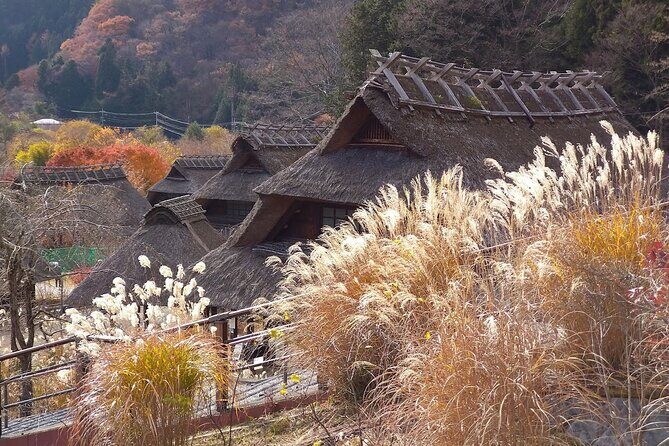
- Saiko Iyashi-no-Sato Nenba puts you beside Lake Saiko with traditional thatched-roof buildings
- Arakurayama highlights include the Chureito Pagoda viewpoint and Arakura Fuji Sengen Shrine history (built in 705)
- Oshino Hakkai’s eight spring ponds are a big reason this area is famous, and it’s included with no extra admission
- Mt. Fuji red-tori view at Kawaguchiko Natural Living Center is quick but very photogenic
- Group size stays under 48, which is a plus for timing, though it still feels like a tour day
Price and Logistics: Is This a Smart Use of Your Time?
This trip costs $59 per person for an approximately 10-hour day. That’s not just a ticket price. You’re paying for transport from Tokyo, guided pacing, and a route that hits several top Fuji areas in one sweep.
What you’ll want to know up front: lunch isn’t included. Also, personal expenses are on you. Everything else in the basic tour package is covered, including all fees and taxes, plus air-conditioned vehicle service.
The tour runs with a maximum of 48 travelers. That size is large enough that you’ll hear other languages around you, but small enough that you’re not stuck in a giant throng all day. You’ll also have a mobile ticket, which is convenient for a day trip where you’re moving from stop to stop.
If you’re traveling with a stroller or large luggage, the key practical move is to indicate it when booking. It’s one of those details that makes the day smoother for everyone.
Other Mount Fuji tours we've reviewed at Mt Fuji & Kawaguchiko
The Route: How the Day Flows Around Mount Fuji
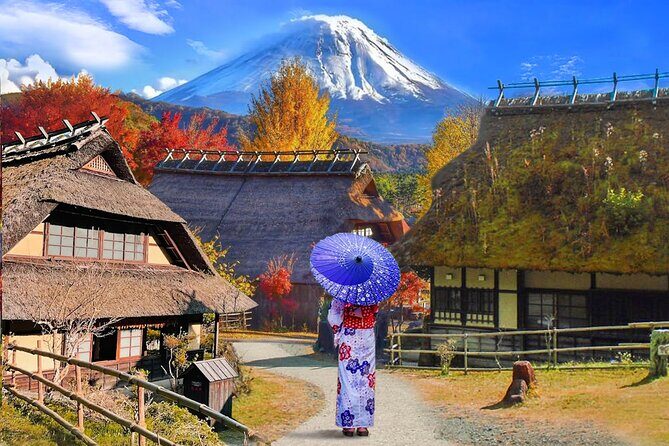
This is a classic Fuji loop. You start with a lakeside traditional village near Lake Saiko, then move toward Arakurayama Sengen Park for the famous pagoda and shrine, and later swing to Oshino Hakkai and Lake Kawaguchiko viewpoints.
The timing is built around short, focused windows. Some stops are about an hour. Others are 15 to 30 minutes. That means you get variety, not slow wandering.
If your goal is to see a lot of famous places in one day, that’s exactly what this does. If your goal is to linger and take your time, you may feel a bit pressed. And on a day with bad weather, quick stops can feel even shorter, because you’re waiting for clouds to thin out.
Stop 1: Saiko Iyashi-no-Sato Nenba by Lake Saiko
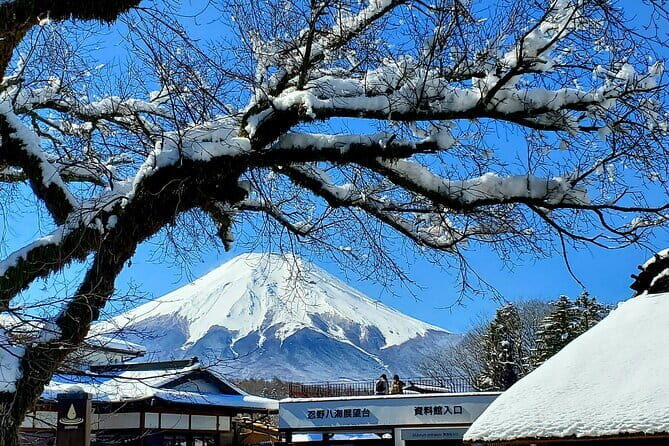
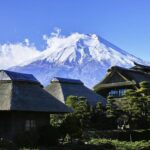
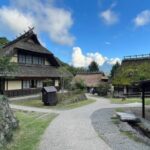
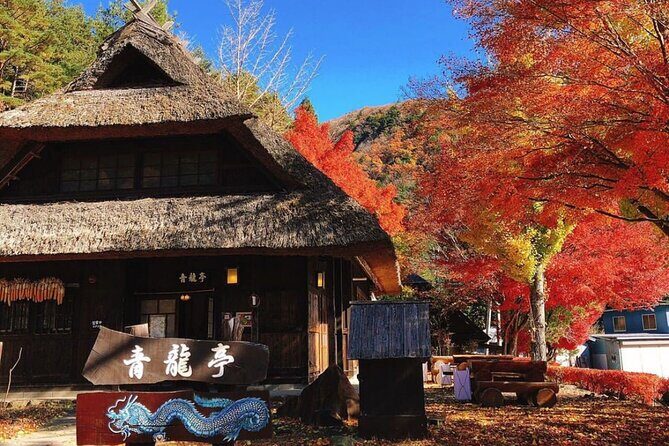
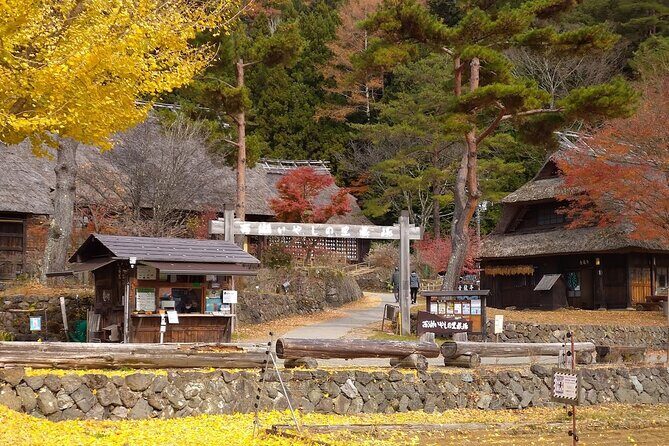
You’ll begin at Saiko Iyashi-no-Sato Nenba, a traditional Japanese village on the western shores of Lake Saiko. It’s often called the most beautiful village in Japan, and for good reason: you’re looking at kabuto-zukuri (samurai helmet-shaped) roofs and a cluster of thatched-roof houses.
This stop lasts about an hour, and it’s one of the better moments in the day because it’s not only about a Fuji view. It’s about place. Lake Saiko gives a calmer feel than the busier Fuji viewpoints, and the village setting helps you reset from Tokyo’s rush.
If it’s cloudy, Saiko still gives you something. Even without a perfect Fuji shot, you can enjoy the traditional architecture and the lake-side atmosphere.
Stop 2: Chureito Pagoda at Arakurayama Sengen Park
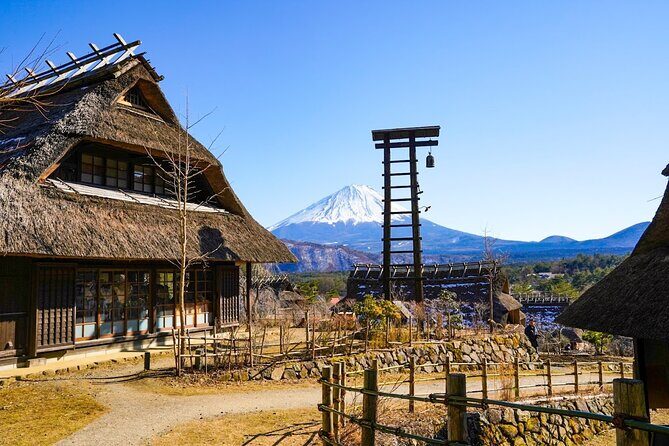
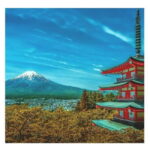
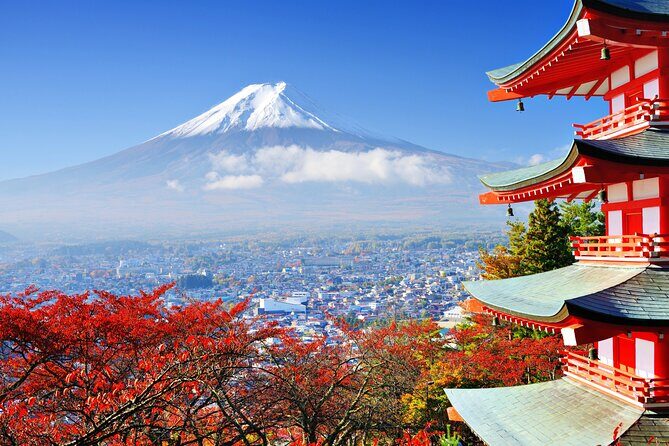
Next up is the Chureito Pagoda in Arakurayama Sengen Park. This is the stop most people think of when they picture Fuji with a distinctive pagoda silhouette.
You get about an hour here. That may sound like plenty, but it’s actually a shared window, because the best angles depend on crowds, weather, and how quickly you move between viewpoints.
This part of the tour is also where you’ll feel the “group day” rhythm most clearly: arrive, orient, take photos, then move along. If you’re hoping to linger for golden-hour-style light, plan to be flexible. The schedule is designed to fit a lot of stops, not to wait for perfect light.
Stop 3: Arakura Fuji Sengen Shrine (Built in 705)
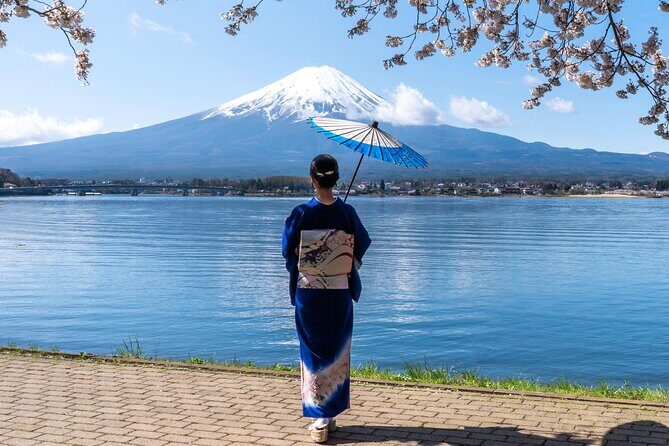
Then you’ll stop at Arakura Fuji Sengen Shrine for about 15 minutes. It’s built in 705 and has served as the guardian god of Arakura Village for over 1,300 years.
This short stop is easy to overlook if you’re laser-focused on Fuji photos. But it adds context that turns the pagoda view from just a picture into a lived spiritual place. Even in a brief visit, you get a sense that people have been connecting to this mountain for a very long time.
If your idea of travel is equal parts seeing and understanding, this is a good quick “pause with meaning” before you jump back into viewpoints.
Other day trips from Tokyo to Mt Fuji & Kawaguchiko

Stop 4: Oshino Hakkai and Its Eight Spring Ponds
Oshino Hakkai is one of the most interesting stops because it’s not built around a single iconic photo. Instead, it’s about water.
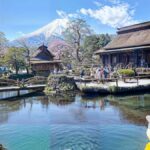
You’ll spend about an hour at Oshino Hakkai, a village known for eight clear spring water ponds. These ponds are recognized as one of the Top 100 Famous Waters of Japan, and they’re classified as a Natural Monument as part of the Mount Fuji World Heritage area.
In plain terms: this is where you can slow down your attention. Instead of searching for Fuji in the sky, you’re looking at water features and the way the area is organized around them.
It’s also a good buffer stop if the earlier viewpoints were disappointing due to cloud cover. Even when the mountain is hidden, Oshino Hakkai can still feel like a real place, not just a photo set.
Stop 5: Lake Kawaguchiko for Classic Fuji Views
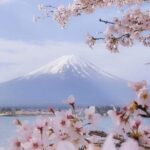
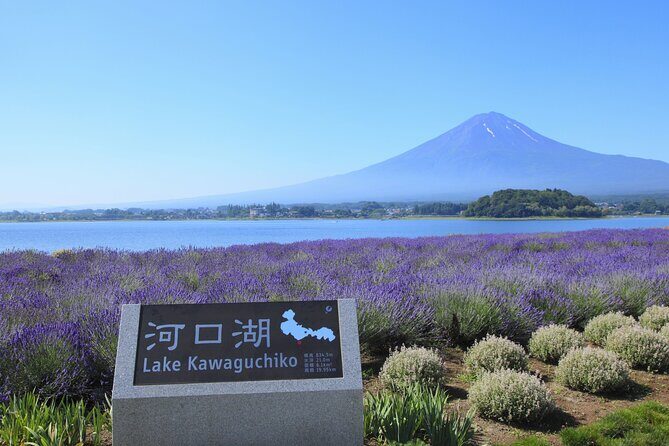
After Oshino Hakkai, you’ll head to Lake Kawaguchiko. This is the most popular of the Fuji Five Lakes, and it’s famous for views of Mount Fuji from the shore.
Your time here is about 20 minutes. That’s short, but Lake Kawaguchiko is also the kind of place where you don’t need a long visit to understand why it’s famous.
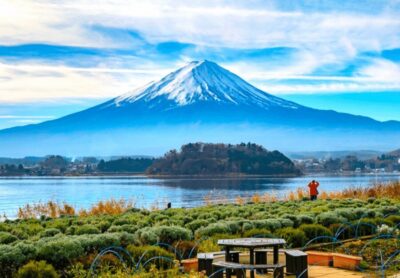
On a calm, clear day, the idea is simple: you see Fuji reflected and framed by lakeside views. On a cloudy day, the lake becomes more about breathing space and atmosphere than a perfect photograph.
If you care about photos, use this 20 minutes with intent. Pick your viewpoint angle early, take a few shots, then walk just enough to check if the view improves nearby.
Stop 6: Oishi Park Flower Promenade (30 Minutes)
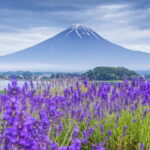
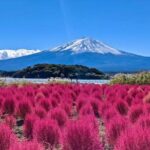
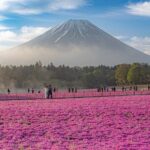
Then you’ll stop at Oishi Park, a scenic area where you can enjoy views of flowers, Lake Kawaguchiko, and Mt. Fuji all at once. The lakeside promenade has various flowers that bloom depending on the season.
You get about 30 minutes, which is enough time to enjoy the promenade feel and not just snap one picture and run.
This stop works well because it adds color and texture. Even when Fuji is partially hidden, you still have something to do: observe the flower areas, enjoy the lake shoreline, and watch for changes in light.
Stop 7: Kawaguchiko Natural Living Center and the Red Torii
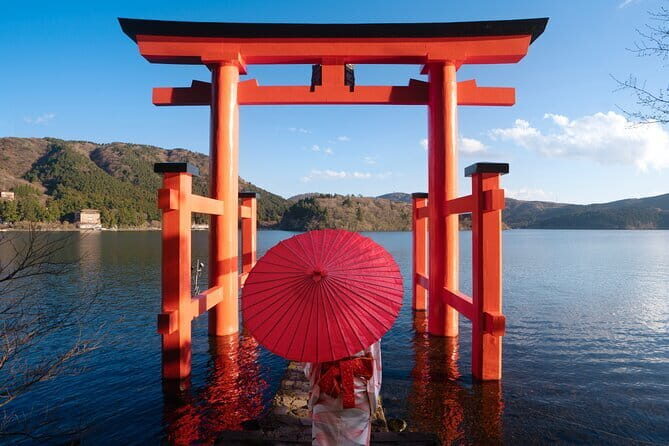
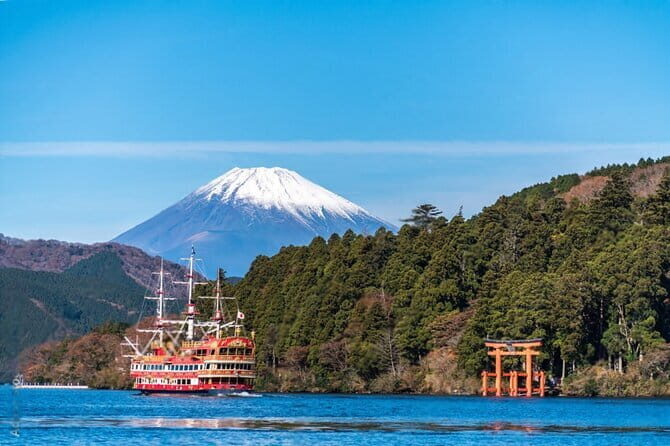
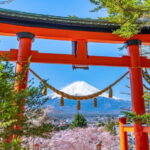
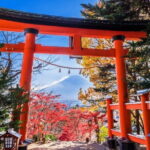
This is a quick one: about 15 minutes at the Kawaguchiko Natural Living Center. The big reason to come here is the view from the second floor, where you can capture the red torii blending with Mount Fuji.
If you’re the type of person who loves iconic compositions, this is your fast payoff. It’s short because the view is the main event, so the stop is designed to get everyone into position and out again.
If it’s a day with clouds, you might not get Fuji at full visibility, but the torii setting still gives you an architectural focal point. In other words, you’re not totally dependent on a single miracle shot.
What the Guide Adds (and Where It Can Vary)
The tour includes a friendly and professional English-speaking guide, and that matters on a day like this. You’ll get context that turns a series of viewpoints into a story: shrine and village background, and what you’re seeing around the lake area.
From the guide names and styles that have led past groups, here’s what you should look for in your day:
- Tim has been praised for setting clear expectations so the group doesn’t feel lost.
- Betty (with Yoshi the driver) has been praised for sharing history and explanation alongside the views.
- Joey has been praised for interesting facts and history during the drive and at stops.
- Kevin has been praised for being positive and helpful with meeting point map pins and what to look for.
- Kishida Wennie has been praised for delivering a smooth, standout experience.
Here’s the fair caution: one experience noted that history information was limited on their day, and another mentioned some tourist-trap feeling plus sales pressure. That doesn’t mean every guide does this. It just means you should come in with the mindset that this is a structured tour, not a private lecture, and some shopping or promotional moments can happen.
Your best strategy: treat the tour like a guided highlight reel, then make time afterward (if you stay in the area) to slow down.
The Big Trade-Off: Weather and Timing
Two real factors control how satisfying this day feels.
1) Weather
A clear day is ideal for Mt. Fuji visibility. If the sky turns cloudy, it can get cold and wet, and the comfort level drops quickly. Even if stops are indoors or partially sheltered, the feeling of the day changes when Fuji doesn’t show.
This is also why the short stop lengths can feel harsher on a poor-weather day. You’re not only fighting clouds—you’re also fighting the clock.
2) Time at each stop
The itinerary hits the main sights, but you may not have long to soak in each place. Some people feel the pacing doesn’t leave enough time to fully enjoy every stop. That’s the cost of cramming several famous areas into one trip.
If you want deep, slow travel, you’ll probably be happiest picking one area and staying longer. If you want “top hits in one day,” this tour fits the job.
How to Get the Most Out of Each Stop
You can make this day feel better with a few simple moves.
First, plan your photo priorities. In your head, decide which stop you want the best shot at: Chureito Pagoda, torii with Fuji, or the lakeside Fuji reflection angle.
Second, dress for weather changes. Even in Japan’s milder months, Fuji-area conditions can swing fast. Bring a layer you can handle in cold, damp air.
Third, think like a visitor, not a collector. You’re not trying to do everything perfectly. You’re trying to see a lot of the Mount Fuji story in one pass.
Who This Tour Is For
This day trip is a strong fit if you:
- Want a single-day window into the Mount Fuji area from Tokyo
- Prefer guided transportation over planning your own train and bus puzzle
- Want famous viewpoints without renting a car
- Enjoy a mix of shrine, village atmosphere, water sights, and lake scenery
It’s less ideal if you:
- Hate rushing or dislike fixed schedules
- Need long breaks at each stop for relaxation
- Are only satisfied by perfect Mt. Fuji visibility and reflections
Should You Book This Mount Fuji Full Day Trip?
If you’re visiting Tokyo and want Mount Fuji as part of your trip without building a complex itinerary, I’d say book it. The biggest strength is the structure: transport is handled, key sites are packed in, and you’re not stuck thinking about admission timing.
Just go in with the right expectations. This is not a slow, deep nature retreat. It’s a tour day focused on classic Fuji sights, with weather doing some of the storytelling for you.
If your heart is set on the clearest Fuji photos, pick your departure day carefully and pack for cold and wet conditions. And if you’re worried about pacing, treat this as your first Fuji day. Then, if you fall in love with the area, plan a second visit at a slower pace. That combo is hard to beat.
FAQ
What is the duration of the Tokyo to Mount Fuji day trip?
It runs for about 10 hours.
What does the $59 price include?
The price includes an air-conditioned vehicle and all fees and taxes. Lunch and other personal expenses are not included.
Is a mobile ticket provided?
Yes. You’ll use a mobile ticket.
Which major stops are included in the day?
The tour includes Saiko Iyashi-no-Sato Nenba, Chureito Pagoda at Arakurayama Sengen Park, Arakura Fuji Sengen Shrine, Oshino Hakkai, Lake Kawaguchiko, Oishi Park, and Kawaguchiko Natural Living Center.
How much time is spent at Lake Kawaguchiko and Oishi Park?
Lake Kawaguchiko is about 20 minutes, and Oishi Park is about 30 minutes.
What is the group size limit?
The tour has a maximum of 48 travelers.