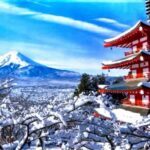
Mt. Fuji in one packed day. This one-day tour strings together Fuji Shibazakura flower fields, Lake Kawaguchiko, and classic shrine-and-pagoda viewpoints, with round-trip bus comfort from Tokyo. I also like that the schedule mixes big outdoor views with small cultural stops like Saiko Iyashi-no-Sato Nenba and Fuji Sengen Shrine, so the day feels more than just sightseeing.
The main trade-off is time. Most stops are short, and if you’re the type who wants to linger over lunch or stroll slowly, you may feel the pace. The good news: the trip is designed to maximize Fuji photo chances, even when weather is a wildcard.
In This Review
- Key Points Before You Go
- The Real Value: A Fuji Day Built Around View Windows
- Tokyo Round-Trip: Comfort, Timing, and a Mobile Ticket
- Stop 1: Fuji Shibazakura Festival at Motosuko Resort (1 Hour)
- Stop 2: Saiko Iyashi-no-Sato Nenba (Traditional Village) (50 Minutes + ¥500 Ticket)
- Lake Kawaguchiko (20 Minutes): The View, the Shore, and the Facts
- Oishi Park (30 Minutes): A Classic Combo View
- Kawaguchiko Natural Living Center (15 Minutes): The Red Torii Framing Stop
- Chureito Pagoda and Arakura Fuji Sengen Shrine: Icons, With a Golden Week Change
- Chureito Pagoda + Arakurayama Sengen Park (50 Minutes)
- Arakura Fuji Sengen Shrine (15 Minutes)
- Price and Tickets: What You’re Really Paying For
- Timing and Weather: How to Maximize Your Chances of Seeing Fuji
- Who This Tour Suits Best (And Who Might Want Something Slower)
- Should You Book This Mount Fuji & Shibazakura One Day Trip?
- FAQ
- Is lunch included on this tour?
- What is included in the tour price?
- Are the Mt. Fuji Shibazakura Festival and the traditional village tickets included?
- How long is the trip?
- Which stops are free during the day?
- Is the tour available in English?
- How many people are on the tour?
- What happens during Golden Week (May 1–7)?
- Can I get a full refund if I cancel?
Key Points Before You Go
- Round-trip Tokyo transport by air-conditioned bus keeps the logistics simple for a long day.
- A shibazakura festival photo stop at Motosuko Resort (the event has run since 2008) targets bloom season.
- Saiko Iyashi-no-Sato Nenba gives you a traditional village experience tied to Fujikawaguchiko’s history.
- Lake Kawaguchiko + Oishi Park are built for classic Mount Fuji shoreline views.
- Chureito Pagoda and Arakura Sengen Shrine are included as icons, with a Golden Week detour change.
- Tickets for the village and the festival cost extra, so plan your budget with that in mind.
The Real Value: A Fuji Day Built Around View Windows
This tour works for one simple reason: it tries to get you multiple angles of Mt. Fuji and the surrounding area without making you plan transfers or pay for multiple separate tours. You get a guided loop that hits the most famous “Fuji postcard” perspectives—then adds context with local shrines and a preserved/replicated village.
That’s also why the pace feels efficient. Each stop is short on paper, but the route is arranged so you’re not bouncing randomly across the region. When the mountain is clear, you’re in position to see it from more than one viewpoint. When it’s not clear, you still get a full day of scenery, flowers, and cultural sights instead of just waiting.
Other Mount Fuji tours we've reviewed at Mt Fuji & Kawaguchiko
Tokyo Round-Trip: Comfort, Timing, and a Mobile Ticket
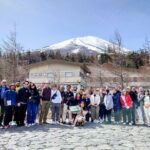
You’re covered for the hardest part: getting from Tokyo to the Fuji area and back. The experience includes round-trip transportation by air-conditioned vehicle and a guide, and you receive a mobile ticket. That means less fumbling with paper and fewer chances to miss your group.
One thing I’d plan for is the total day length. You’re looking at about 10 hours in transit and on-site time combined. That’s normal for a Fuji day trip, but it does mean you should travel light, especially if you hate wrestling a bag on and off a bus.
A useful detail from how the day is run: the guide’s communication tends to be organized and friendly. Some groups report clear meeting-point instructions and WhatsApp-style group messaging, which can be a big help if you’re arriving early or worried you’ll get lost.
Stop 1: Fuji Shibazakura Festival at Motosuko Resort (1 Hour)
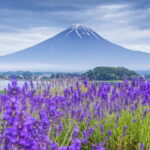
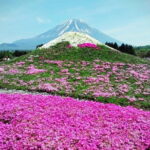
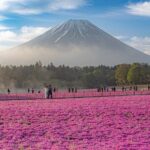
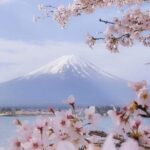
This is the “wow, flowers” stop. The Fuji Shibazakura Festival happens when shibazakura plants are in bloom, at Motosuko Resort, and the event has been held since 2008. If the conditions line up, it’s one of those rare chances to photograph Mt. Fuji with a sea of pink flowers in the foreground—hard to replicate on your own unless you’re already timing your trip for bloom season.
What to expect in the timing: about 1 hour on site. That’s enough to find a viewpoint, take photos, and do a slow walk if you aren’t chasing the fastest angles only. If clouds roll in, keep your expectations flexible. You might still get partial views or a calmer atmosphere among the blossoms, and the flowers do most of the visual work even when the mountain is faint.
Budget note: the festival ticket is not included, costing ¥1,200 per person. If you’re trying to keep costs down, this is the first extra line item to add to your total.
Stop 2: Saiko Iyashi-no-Sato Nenba (Traditional Village) (50 Minutes + ¥500 Ticket)
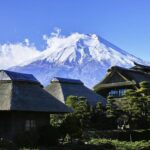
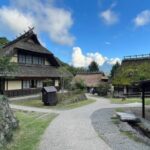
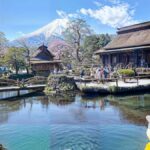
Next comes a cultural reset. Saiko Iyashi-no-Sato Nenba is a traditional Japanese village in Fujikawaguchiko. It’s well known for the visual combo: old-style homes in the village foreground with Mt. Fuji in the background. The story behind it matters too. The village area was destroyed by a typhoon in 1966, and the site you visit today is tied to that history.
Time here is 50 minutes, which is fairly generous for a group day. You’ll usually have time to walk through the village paths, observe the architecture, and take in details that don’t come through in a five-minute stop.
Ticket note: this is also not included. The Nenba ticket costs ¥500 per person. If you’re the type who loves historical context and small cultural experiences, this is one of the more satisfying stops because it doesn’t feel like you’re rushing just to check a box.
Lake Kawaguchiko (20 Minutes): The View, the Shore, and the Facts
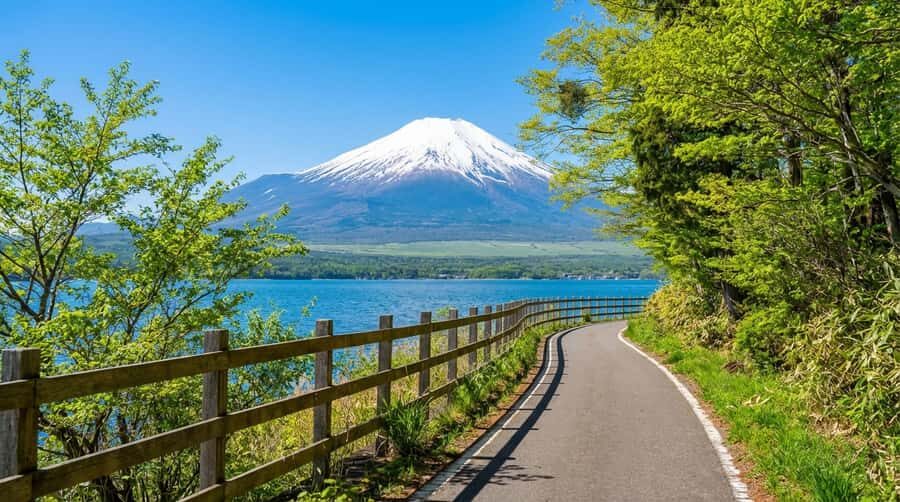
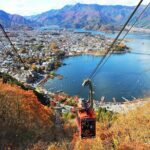
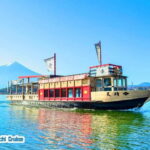
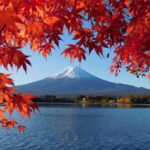
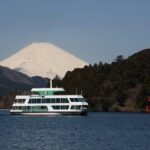
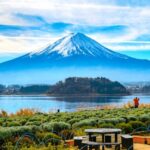
Then you hit the big star of the area: Lake Kawaguchiko, the most popular of the Fuji Five Lakes. It has the longest shoreline, so you get multiple chances for Fuji reflections when the weather cooperates. The most important thing to know is that the lake is a viewpoint machine. Even in a short window, you can usually find a decent angle.
Time here is 20 minutes, and that’s brief. Treat it like a photo and “eyes-on” stop, not a long lakeside stroll. If the air clears, this is where you’ll want your camera ready. If it stays hazy, still enjoy the lake atmosphere and the surrounding hills because the day isn’t all-or-nothing.
This stop is free, so you’re not losing time to extra ticket lines.
Other day trips from Tokyo to Mt Fuji & Kawaguchiko

Oishi Park (30 Minutes): A Classic Combo View
Right after the lake, you get Oishi Park, one of the best-known scenic areas where you can see flowers, Lake Kawaguchiko, and Mt. Fuji together. The promenade is designed for views, and the flower variety changes as the season shifts, so spring bloom patterns can be a big part of the appeal.
Your time here is 30 minutes—enough for a real walk, not just a quick glance. This stop tends to be the payoff for people who came for scenic variety. You’ll likely find that it’s easier to photograph here because the layout is meant for people to move through view angles.
This stop is free and doesn’t require extra tickets.
Kawaguchiko Natural Living Center (15 Minutes): The Red Torii Framing Stop
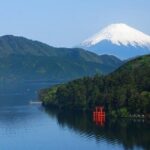
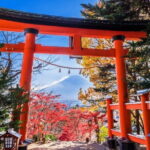
This one is short on purpose. At the Kawaguchiko Natural Living Center (second floor), the focus is a framed view where a red torii appears against Mt. Fuji. It’s a neat idea: rather than hunting for “just the right spot” on your own, the photo composition is built into the stop.
Time is 15 minutes, and it’s basically a quick look-and-shoot window. If you arrive and the mountain is visible, you’ll get a clean photo. If clouds are low, you may need to work with partial views or move on quickly so you don’t miss the rest of the route.
This stop is free.
Chureito Pagoda and Arakura Fuji Sengen Shrine: Icons, With a Golden Week Change
The last stretch brings two of the most famous Fuji-adjacent icons.
Chureito Pagoda + Arakurayama Sengen Park (50 Minutes)
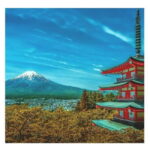
Chureito Pagoda sits in Arakurayama Sengen Park and is famous for wide panoramas: pagoda, Mt. Fuji, and Fujiyoshida City in the same frame. Your time here is 50 minutes, which is long enough to climb up for the main view and still have time to wander.
Important caution: during Golden Week (May 1 to May 7), traffic around Mt. Fuji becomes congested. To protect the rest of the schedule, the tour cancels the visit to Chureito Pagoda and Arakura Fuji Sengen Shrine during that period. If you’re traveling in early May and Fuji views are your top goal, check timing carefully and expect this specific change.
Arakura Fuji Sengen Shrine (15 Minutes)
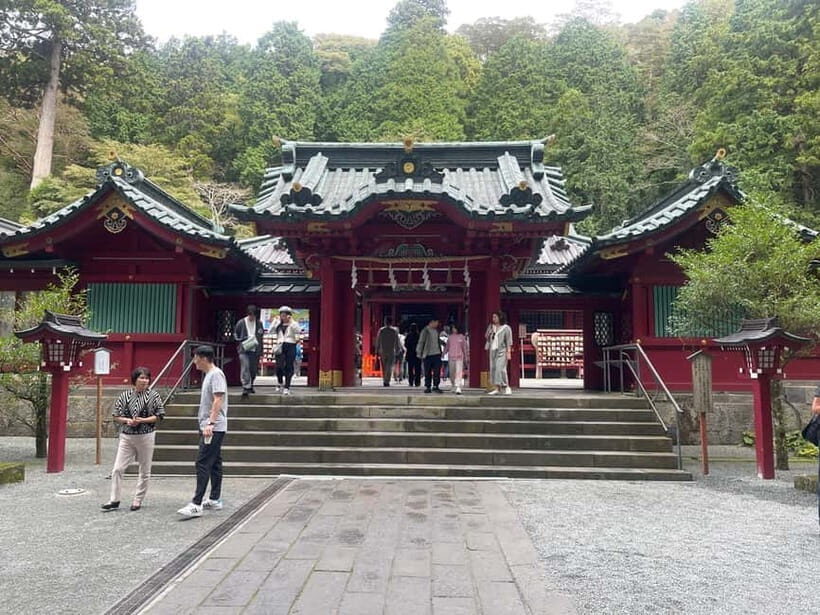
After the park, you’d normally visit Arakura Fuji Sengen Shrine. The shrine is said to have been built in 705 and has served as a guardian worship spot for over 1,300 years. The time is 15 minutes, so it’s a quick cultural stop rather than a long ceremony visit.
This stop is also free, and it adds a spirituality angle to the day so it doesn’t feel only like photos and flower fields.
Price and Tickets: What You’re Really Paying For
The tour price is $58.90 per person, and it includes air-conditioned vehicle + guide, plus a full day’s worth of organized stops. That’s the value part: you’re paying to avoid piecing together transportation, finding meeting points, and coordinating multiple viewpoints yourself.
But tickets do add up:
- Fuji Shibazakura Festival ticket: ¥1,200 per person (not included)
- Saiko Iyashi-no-Sato Nenba ticket: ¥500 per person (not included)
- Lunch: not included
The good news is that many of the scenic stops are free (Lake Kawaguchiko, Oishi Park, the Natural Living Center, Chureito Pagoda, and the shrine). So your extra spend concentrates on the two places that are paid experiences tied directly to the festival season and the traditional village theme.
Also, if you care about pacing: a short review-type theme you’ll want to take seriously is that each stop is brief. If food recommendations aren’t your style, you’ll be happier if you bring your own snacks and plan a quick meal break rather than expecting a perfect lunch hit.
Timing and Weather: How to Maximize Your Chances of Seeing Fuji
Mt. Fuji is famous for weather tricks. Even when forecasts look gray, the day can still deliver clear windows at key points. In past experiences, people have reported getting lucky at early stops—like seeing Mt. Fuji at the festival or near the lake even when it started overcast.
Here’s how to work with that reality:
- Bring a light layer. Bus days can swing between inside cool and outside damp.
- Use the short stops strategically. If you see the mountain clearly, treat that moment like your best shot, because clouds can roll back in fast.
- Think of the day as “multiple chances,” not one promise. The schedule is designed so you don’t rely on a single viewpoint.
Who This Tour Suits Best (And Who Might Want Something Slower)
This is a great choice if:
- You want a guided Fuji day trip from Tokyo without transfers and planning stress.
- You care about iconic views and want several angles in one day: shibazakura, lake shoreline, park panoramas, and shrine/pagoda silhouettes.
- You like cultural flavor, even in short doses, like the traditional village and shrine.
It’s less ideal if:
- You want long stays, deep wandering, and relaxed meals. The route is efficient, not slow.
- You’re very picky about lunch options and prefer to control your own food choices.
Should You Book This Mount Fuji & Shibazakura One Day Trip?
I’d book it if your top goal is a high-photo-yield day with Fuji Shibazakura in bloom and a mix of lake and shrine highlights, all handled by a guide and an air-conditioned bus. The overall value makes sense because so many stops are free and the guide handles the day’s timing.
But I’d hesitate if you’re traveling during May 1–7 and the Chureito Pagoda and Arakura shrine views are your must-see list. The Golden Week route change can reshape what you get. Also, if short stop times stress you out, plan snacks and a realistic mindset: you’re here for multiple quick view windows, not a long picnic day.
If you want my simple rule: this tour is for people who like structure, clear meeting points, and getting out of Tokyo for Fuji today, not next week.
FAQ
Is lunch included on this tour?
No. Lunch is not included.
What is included in the tour price?
The price includes an air-conditioned vehicle and a guide.
Are the Mt. Fuji Shibazakura Festival and the traditional village tickets included?
No. The Fuji Shibazakura Festival ticket costs ¥1,200 per person, and Saiko Iyashi-no-Sato Nenba ticket costs ¥500 per person. Both are listed as not included.
How long is the trip?
The duration is about 10 hours.
Which stops are free during the day?
Lake Kawaguchiko, Oishi Park, Kawaguchiko Natural Living Center, Chureito Pagoda, and Arakura Fuji Sengen Shrine are listed as free admission stops.
Is the tour available in English?
Yes. The tour is available in English and Mandarin.
How many people are on the tour?
The group has a maximum of 45 people.
What happens during Golden Week (May 1–7)?
Traffic around Mt. Fuji is expected to be heavy. To improve the experience, the tour cancels the visits to Chureito Pagoda and Arakura Fuji Sengen Shrine during May 1–7.
Can I get a full refund if I cancel?
Yes. You can cancel up to 24 hours in advance for a full refund.