REVIEW · TOKYO
Tokyo: Mount Fuji Must-see Attractions One Day Sightseeing Tour
Book on Viator →Operated by F Trip · Bookable on Viator
Fuji views or no Fuji views, you’re still covered. I love the round-trip transfers that spare you the public-transport puzzle, and I like how the day mixes big-name sights with story-driven stops. I also appreciate the chance to see spots like Oshino Hakkai without planning a single bus ride yourself. The main drawback is simple: Mount Fuji visibility is famously unpredictable, and on overcast days you may catch less than you hoped.
This is built for one long day, about 10 hours in an air-conditioned coach, with a guide and live commentary tying it all together. You’ll also be in a small-to-mid group (max 45), which helps keep things moving and makes it easier to hear explanations. If you’re traveling with stroller or large luggage, you’ll want to flag it when you book.
If your goal is a solid, guided sampler of the Fuji area—rather than a slow, independent trip—this kind of tour makes a lot of sense. Just keep expectations realistic on weather, and you’ll get a full day of views, culture, and quick photo moments.
In This Review
- Key things that make this Fuji day trip work
- How a one-day Mount Fuji trip from Tokyo should feel
- Why the coach + live commentary is the real value
- Stop 1: Saiko Iyashi no Sato Nemba (the storybook village start)
- Stop 2: Lake Kawaguchiko (quick waterside Fuji viewing)
- Stop 3: Oishi Park (seasonal color, fast timing)
- Stop 4: Kawaguchiko Natural Living Center (the red torii photo trick)
- Stop 5: Arakurayama Sengen Park + the Chureito Pagoda
- Stop 6: Arakura Fuji Sengen Shrine (a short, meaningful pause)
- Stop 7: Oshino Hakkai (the eight springs you can actually taste)
- The pacing: what 10 hours in a group feels like
- Weather is the wildcard—how to plan your expectations
- Price and value: what $60 actually buys
- Who should book this tour (and who might prefer something else)
- Should you book this Mount Fuji day trip from Tokyo?
- FAQ
- FAQ
- How long is the Mount Fuji one-day sightseeing tour?
- What does the tour cost?
- Is lunch included?
- Does the price include entry fees?
- Do I get round-trip transfers from Tokyo?
- What places does the itinerary include?
- Is there a mobile ticket?
- How big is the group?
- What should I do if I have stroller or large luggage?
- What is the cancellation policy?
Key things that make this Fuji day trip work
- Round-trip coach transfers from Tokyo save time and reduce stress on a long day
- Live guide commentary turns each stop into more than a quick picture
- A tight lineup of Fuji-adjacent highlights like Lake Kawaguchi, Arakurayama, and Oshino Hakkai
- Focused timing at each site (many stops are 10–20 minutes, so you move between viewpoints)
- A limited group size (max 45) helps the day feel organized rather than chaotic
How a one-day Mount Fuji trip from Tokyo should feel
This tour is designed as a practical solution for people who want Mount Fuji-area highlights without building an itinerary from scratch. You start in Tokyo, ride out by coach, and spend the day hitting classic spots around Fujikawaguchiko and Fujiyoshida. The rhythm is part sightseeing, part photo ops, part quick cultural context from your guide.
One thing I like about this format: it protects your time. Tokyo-to-Fuji logistics can eat a whole day if you’re figuring it out on the fly. Here, you skip the guesswork and get a set route, set arrival times, and an orderly sequence of viewpoints.
The catch is also part of the format. It’s a long day with several short stops. If you’re the type who wants to linger, read every sign, and drift slowly through gardens, you’ll probably feel a little rushed at some points.
Other Mount Fuji tours we've reviewed at Mt Fuji & Kawaguchiko
Why the coach + live commentary is the real value
The price—$60 per person—doesn’t only buy seats on a bus. It buys an organized route plus the heavy lifting of transfers, timing, and interpretation. Most of the sites are free to enter during the tour (with one notable exception), and the remaining admission/tickets and taxes are covered under what’s included.
Where the guide really adds value is the “what you’re looking at and why it matters” part. In past days, guides like Kevin and Andrew have been praised for being organized and for sharing clear, detailed historical and travel tips. Maddy has been noted for being knowledgeable and entertaining, which matters because you’re on the move all day. And Yulina has been mentioned for offering helpful local-language context connected to the places you’re visiting. That kind of commentary helps your photos mean something.
If you’re visiting for your first Fuji trip, that guided framing can make a big difference. You’re not just collecting viewpoints; you’re understanding the themes—water, pilgrimage, eruption history, and seasonal color.
Stop 1: Saiko Iyashi no Sato Nemba (the storybook village start)
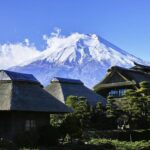
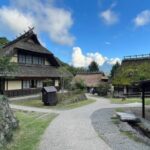
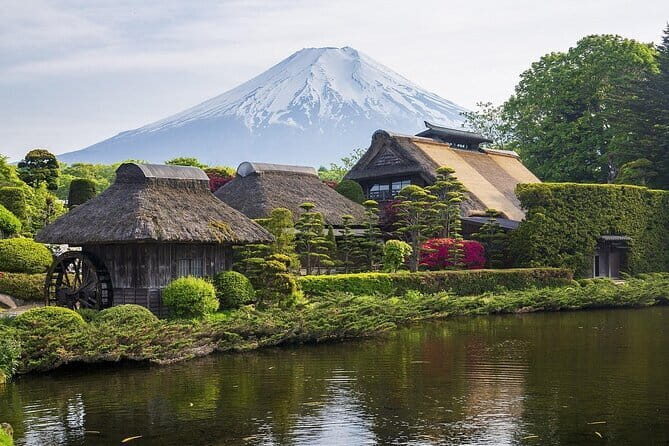
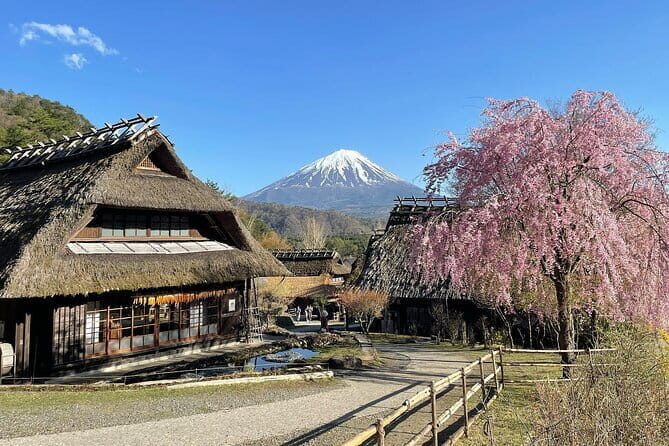
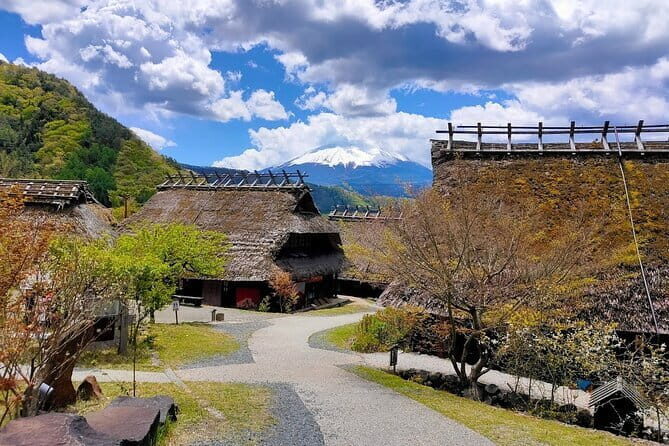
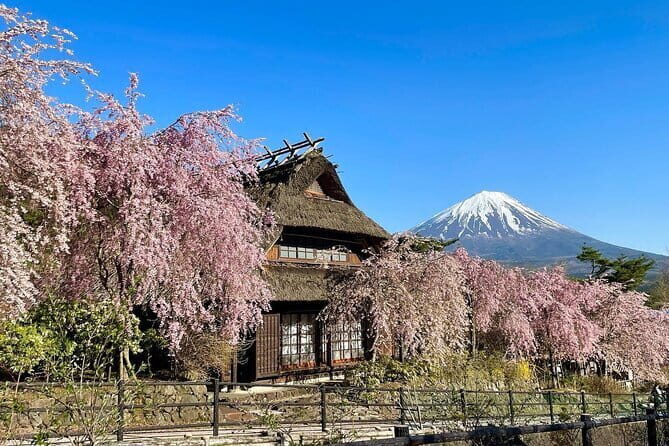
You begin with Saiko Iyashi no Sato Nemba, a traditional Japanese village in Fujikawaguchiko Town. It’s known as a particularly beautiful village, with Mount Fuji often appearing as a dramatic backdrop.
This stop is about 1 hour, and the admission ticket is included. That matters because it’s the only stop in the day’s lineup where you’re specifically paying an entry fee on the tour side.
What to look for here:
- Traditional-style buildings and the preserved village layout
- The overall “Fuji-region living culture” vibe, not just scenic views
- A chance for a calm start before the rest of the day moves quickly
Possible drawback: since the tour is timed tightly overall, you’ll want to treat this hour as your main “walk and take your time” block. If you show up and spend the entire hour trying to get the perfect photo, you may miss the details that make the village interesting.
Stop 2: Lake Kawaguchiko (quick waterside Fuji viewing)

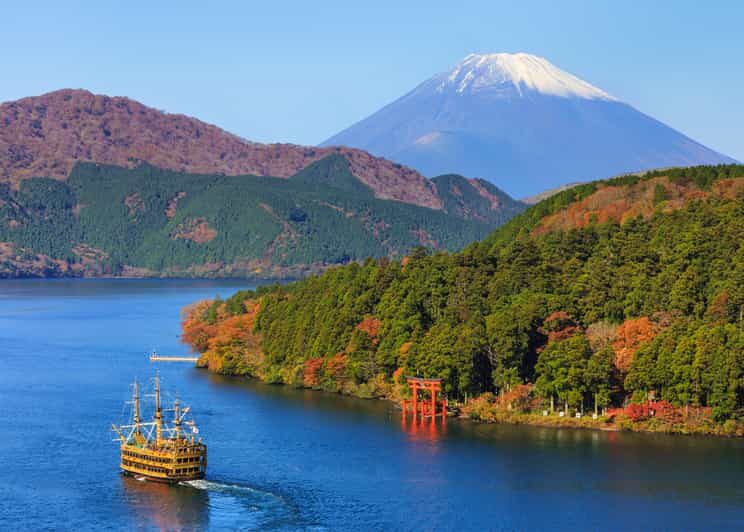
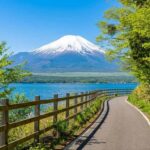
Next is Lake Kawaguchiko, often described as the “shining pearl” of the Fuji Five Lakes. You get about 20 minutes, and entry here is free.
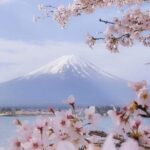
The key value is vantage points. The lake’s shape and shoreline offer different angles where Mount Fuji can appear reflected or framed—when weather cooperates. Even on days when Fuji is hidden by clouds, the lake setting still gives you atmosphere. But let’s be honest: your satisfaction level depends on visibility.
Practical mindset for this stop:
- Use your first few minutes to scout a viewpoint, then commit
- Have your camera ready for quick changes in cloud cover
From the tour experiences people shared, you can absolutely have a day where you see little or nothing of the mountain in the distance. If that happens, focus on composition—lake texture, shoreline angles, and the surrounding lake-town scenery.
Stop 3: Oishi Park (seasonal color, fast timing)
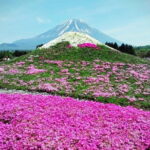
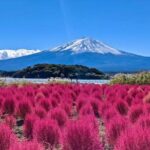
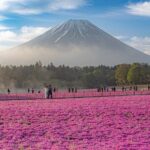
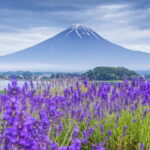
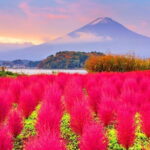
Then you’ll head to Oishi Park, which is famous for seasonal flower displays. This stop is about 25 minutes, and it’s free to enter.
Oishi Park works best when you match your expectations to timing. In a perfect season, it’s a great place for color-themed photos and a quick stroll. On a season where your favorite blooms aren’t out, it still functions as a viewpoint park—just with less “wow” color.
What makes this stop worth it:
- Seasonal displays (from cherry blossoms to lavender to autumn colors, depending on the month)
- The sense of “Fuji region changes with the seasons”
- A short enough visit that you won’t lose the whole day if you’re not feeling it
If you’re sensitive to crowds, note that these popular parks can attract a lot of day-tour traffic. You’ll likely spend more time deciding where to stand than walking for long stretches.
Other Mt Fuji photo spots tours at Mt Fuji & Kawaguchiko

Stop 4: Kawaguchiko Natural Living Center (the red torii photo trick)
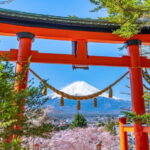
Next is Kawaguchiko Natural Living Center, a brief 10-minute stop. The highlight here is a specific photo opportunity: a red torii that can blend with Mount Fuji, especially when visibility is decent.
This is one of those “exact target, quick hit” stops. You’re not there to spend an hour wandering; you’re there to line up a shot and move on.
Tip that actually helps: when you arrive, look for the best angle quickly. Don’t overthink it—your whole day is paced around these short blocks.
Stop 5: Arakurayama Sengen Park + the Chureito Pagoda

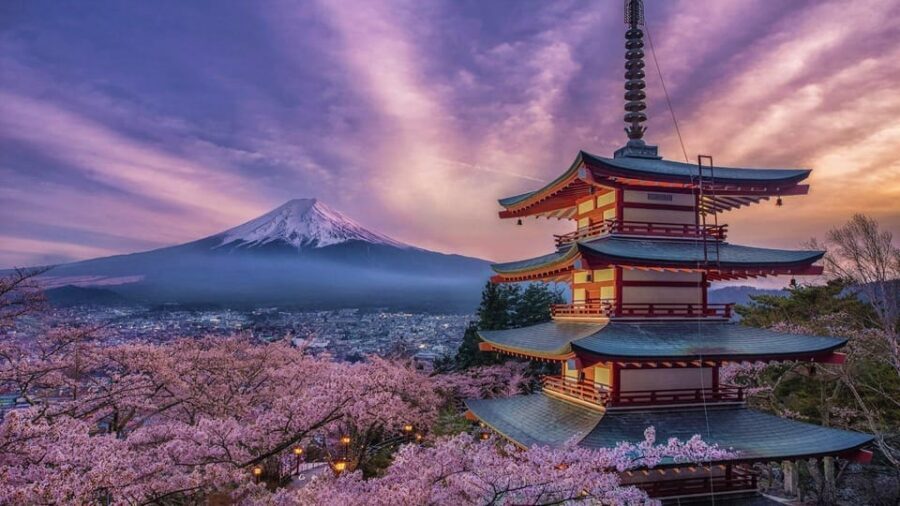
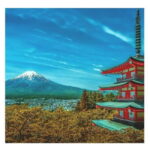
Now we get to one of the most recognizable photo scenes in the Fuji area: Arakurayama Sengen Park with the Chureito Pagoda in view. You’ll spend about 1 hour here, and entry is free.
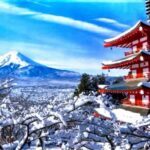
This is the stop many people fixate on, and for good reason. The Chureito Pagoda is a five-storied pagoda on the hillside, and it’s repeatedly photographed because it sits in a composition that can include the mountain and the town below. When Fuji is visible, the whole scene turns into a “postcard you can’t unsee” moment.
What to do in your hour:
- Walk toward viewpoint areas in a sensible order (you’ll often see several angles)
- Take at least one wider shot and one mid shot
- Don’t get stuck in only one spot if clouds shift
Weather can change everything here. Some people have experienced less favorable visibility later in the day, which can mean the mountain is more likely to hide when you reach this pagoda area. If the forecast looks iffy, go into this stop prepared to treat it as a composition-and-light exercise—not a guaranteed Fuji reveal.
Stop 6: Arakura Fuji Sengen Shrine (a short, meaningful pause)
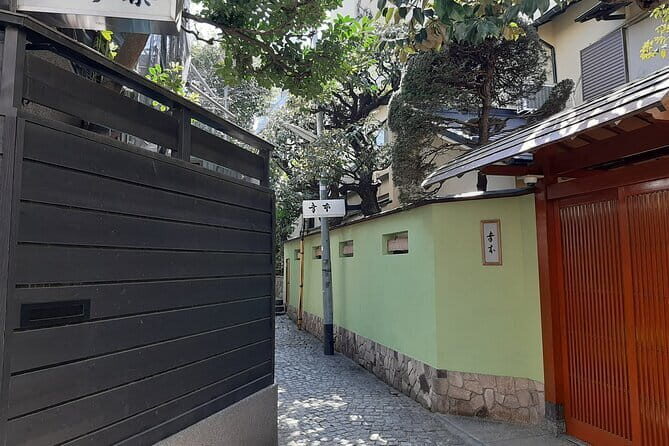
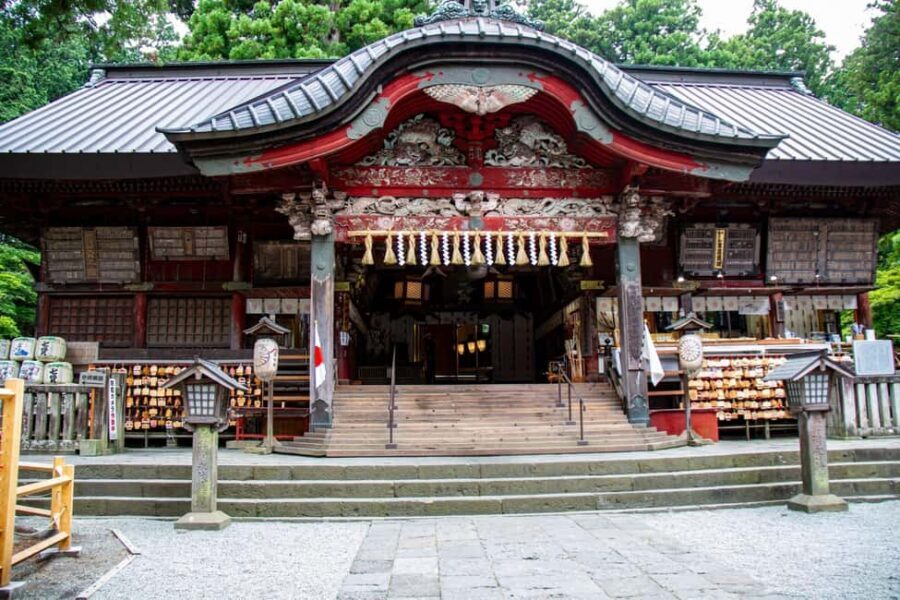
Next is Arakura Fuji Sengen Shrine, which has a history dating back over a thousand years (built in 705). You’ll have about 15 minutes, and entry is free.
This is a good break from pure photo chasing. It’s a place to slow your pace for a moment and connect the region’s Mount Fuji worship traditions with what you’ve been seeing all day.
What you’ll likely appreciate here:
- A quick cultural intermission before your final major sites
- The feeling of pilgrimage geography—Fuji isn’t just a mountain; it’s a spiritual symbol here
- A calmer vibe compared with the bigger viewpoint crush
If you prefer quiet stops, this one is short but satisfying. If you want more time for photos, you may feel like 15 minutes is tight, but it does keep the day moving toward Oshino Hakkai.
Stop 7: Oshino Hakkai (the eight springs you can actually taste)
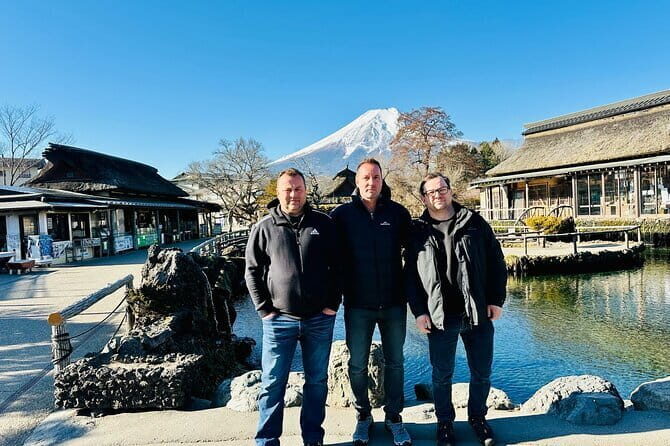
Finally, you’ll reach Oshino Hakkai, a World Heritage Site made up of eight clear springs formed by meltwater from Mount Fuji snow. This stop is about 1 hour, and entry is free.
This is the one I’d call “grounding.” The photos are great, but the springs add a sensory element: you can typically sample spring water for free, and that small act makes the site feel real rather than just scenic.
What to expect:
- A walkable area with multiple spring pockets
- Clear water views and a “Fuji water system” feeling
- A nice final stop that doesn’t rely purely on seeing the mountain
Even if Fuji is hidden by clouds, Oshino Hakkai can still be satisfying because the water and the spring layout are the star. It’s a strong ending because it gives you something more tangible than a distant view.
The pacing: what 10 hours in a group feels like
This is an all-day coach tour, roughly 10 hours. That means you’ll spend a portion of your time in transit, then swap quickly between stops.
The upside of pacing:
- You cover a lot of “must-see” areas efficiently
- You don’t have to coordinate connections
- You keep a guided structure even if you’re new to the region
The downside:
- Several stops are 10–25 minutes, so you need to move with purpose
- If you’re the type who likes to read every sign and soak it all in, you may want a more flexible multi-day plan
Also, you’re in a maximum 45-person group. That’s not tiny, but it’s manageable. You should still be able to hear the guide at key moments, especially if the coach staff keeps things orderly.
Based on past feedback, the day tends to be described as organized and the guides often give clear pickup timing and location reminders. That’s important because one missed meeting point can ruin your schedule—so treat the guide instructions like the script.
Weather is the wildcard—how to plan your expectations
Mount Fuji visibility is famously unpredictable. Even with a perfect itinerary, clouds can erase the mountain from the distance. This tour still works on those days, but the experience shifts.
Here’s how I’d adjust your expectations:
- On clear days: you’ll get the full Fuji photo effect at lake viewpoints and pagoda areas
- On cloudy days: you’ll focus more on village atmosphere, shrines, water sites, and composition
The best strategy is mental flexibility. If Fuji appears briefly, grab it quickly. If it doesn’t, don’t fight the day—lean into what’s still great: Oshino Hakkai’s springs, the shrine’s cultural pause, and the village atmosphere.
Price and value: what $60 actually buys
At $60 per person, this tour can feel like a bargain if you’d otherwise pay for train/bus transfers, timed tickets, and the hassle of figuring out local connections.
What’s included:
- Air-conditioned vehicle
- All fees and taxes
- Your itinerary includes a specific paid entry (Saiko Iyashi no Sato Nemba), while several major stops are free during the tour
What’s not included:
- Lunch and other personal expenses
So the real value question is: do you want to spend your energy solving logistics, or spend your day at Fuji-area highlights with someone else handling route and pacing? If the answer is the second, this is a straightforward way to get a concentrated Fuji day.
If you’d rather explore slowly, you’ll probably find this tour’s short stop times a little limiting. But for a first visit, it’s a strong “high coverage” option.
Who should book this tour (and who might prefer something else)
This tour fits best if you:
- Want a one-day Mount Fuji experience from Tokyo
- Like guided context and a clear plan
- Prefer round-trip coach transfers over route planning
It may feel less ideal if you:
- Need long, uninterrupted time at scenic sites
- Are sensitive to crowds at popular photo stops
- Dream of a guaranteed Mount Fuji view (because nature decides that part)
If you’re traveling with kids, this style can work well because the day is structured. Just remember that stroller and large luggage should be mentioned during booking.
Should you book this Mount Fuji day trip from Tokyo?
If you want an efficient, guided sampler of the Fuji region without transport headaches, I’d say yes, book it. The lineup hits the classic mix: village culture, lake viewpoints, a seasonal park stop, a shrine break, the Chureito Pagoda area, and the spring water of Oshino Hakkai.
If you’re chasing one specific photo and your entire mood depends on Mount Fuji being clear, keep your expectations flexible. Go anyway, but plan to enjoy what’s in front of you even on overcast days.
FAQ
FAQ
How long is the Mount Fuji one-day sightseeing tour?
The tour runs for about 10 hours.
What does the tour cost?
It is $60.00 per person.
Is lunch included?
No. Lunch is not included, and you’ll need to plan for personal expenses.
Does the price include entry fees?
All fees and taxes are included. Saiko Iyashi no Sato Nemba has an admission ticket included, and several other stops are listed as free.
Do I get round-trip transfers from Tokyo?
Yes. The tour includes round-trip coach transfers from the city.
What places does the itinerary include?
It includes Saiko Iyashi no Sato Nemba, Lake Kawaguchiko, Oishi Park, Kawaguchiko Natural Living Center, Arakurayama Sengen Park (Chureito Pagoda area), Arakura Fuji Sengen Shrine, and Oshino Hakkai.
Is there a mobile ticket?
Yes. The tour uses a mobile ticket.
How big is the group?
The tour has a maximum of 45 travelers.
What should I do if I have stroller or large luggage?
You should indicate it when booking.
What is the cancellation policy?
Free cancellation is available up to 24 hours in advance for a full refund. If you cancel less than 24 hours before the experience start time, the amount paid is not refunded.