REVIEW · TOKYO
Mount Fuji Day Tour:Lake Kawaguchi, HealingVillage,Oshino Hakkai
Book on Viator →Operated by Hotel Takitei · Bookable on Viator
Mount Fuji in one organized shot sounds simple, but this plan is built for photo chances and easy country touring without the hassle. I especially like that you hit three Fuji-view areas in a single day, then add a traditional village stop that feels like you escaped the city. The second thing I like: the logistics are handled end to end with a professional driver and a multilingual guide, plus a pickup and drop-off at a set meeting point.
Still, there is one big reality check to keep in mind: visibility of Mount Fuji isn’t guaranteed. If clouds roll in or weather shifts, the timing stays the same but the views may be less dramatic, and some spots can shorten or adjust on the day.
In This Review
- Key things you’re really paying for
- Key points before you go
- The 10-hour Fuji day plan from Tokyo
- Arakurayama Sengen Park: your first Mount Fuji viewpoint
- Oshino Hakkai: eight ponds fed by Fuji snowmelt
- Oishi Park and Lake Kawaguchi color seasons
- Saiko Iyashi no Sato Nemba: thatched roofs and the 500 yen ticket
- Timing, crowding, and the Mount Fuji visibility reality check
- Price and value: what $46.91 really buys you
- The small-group experience: smooth enough, but not friction-free
- What to bring for a comfortable Fuji day
- Who this tour suits best
- Should you book this Mount Fuji day tour?
- FAQ
- What locations are included on the day tour?
- How long is the tour?
- Is admission included for all stops?
- Does the tour include food and drinks?
- Is Mount Fuji visibility guaranteed?
- Is there pickup and drop-off?
- Is this tour easy to join using public transportation?
- Does the tour use a mobile ticket?
- Can I cancel for a full refund?
Key things you’re really paying for
For $46.91 per person (mobile ticket), you’re buying time and stress relief. You’re not paying to park, navigate transfers, or piece together separate tours. The trade-off is that you move as a group on a set schedule, so you’ll want to avoid planning anything tight right after you return.
Key points before you go
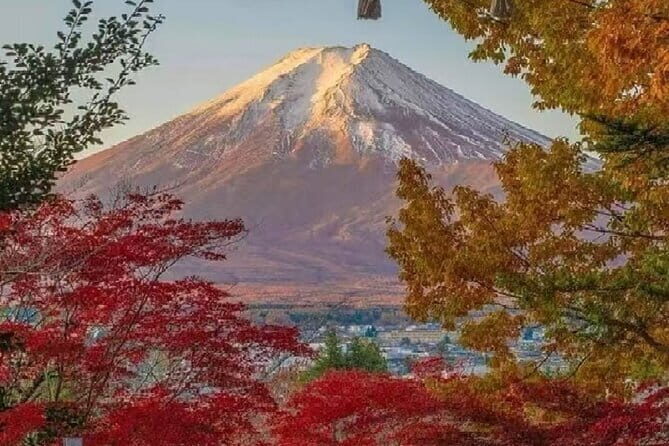
- Multiple Fuji angles in one day at Lake Kawaguchi area viewpoints and parks
- Oshino Hakkai’s eight ponds fed by Fuji snowmelt through volcanic rock
- A traditional thatched-roof village stop at Saiko Iyashi no Sato Nemba, with a 500 yen ticket included
- Seasonal routing changes around Oct 26 to Nov 20, when Oishi Park may be skipped
- Cash is useful because some places may only take cash payments
- Group cap up to 40 keeps it manageable, but crowding can still happen
Other Mount Fuji tours we've reviewed at Mt Fuji & Kawaguchiko
The 10-hour Fuji day plan from Tokyo
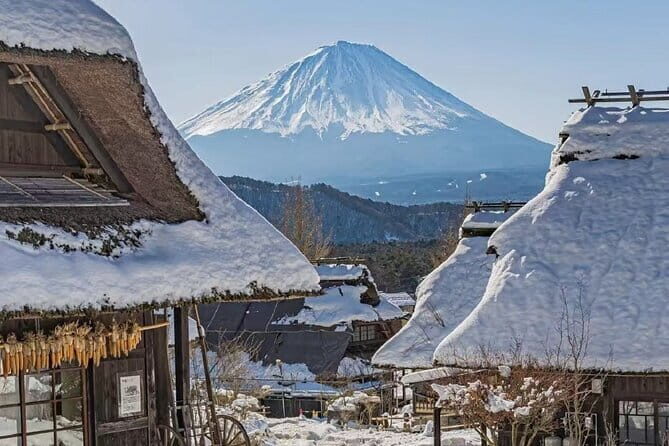
This is a full-day tour designed to take you out of Tokyo noise and into the Lake Kawaguchi area for Mount Fuji views and culture. Expect about 10 hours total, with a driver and multilingual guide doing the heavy lifting so you can focus on photos, walking, and taking it in.
The pacing is tight in a good way: you’re not stuck riding around all day with long gaps. Each stop gives you a set window to explore, then you move on. With a maximum group size of 40, it stays social, not chaotic, but popular viewpoints can still feel busy.
Also note the small rules that matter: eating is prohibited on the bus under Japanese law. That means your comfort will be better if you plan your snacks and hydration around the stops instead of expecting a long food break on the vehicle.
Arakurayama Sengen Park: your first Mount Fuji viewpoint
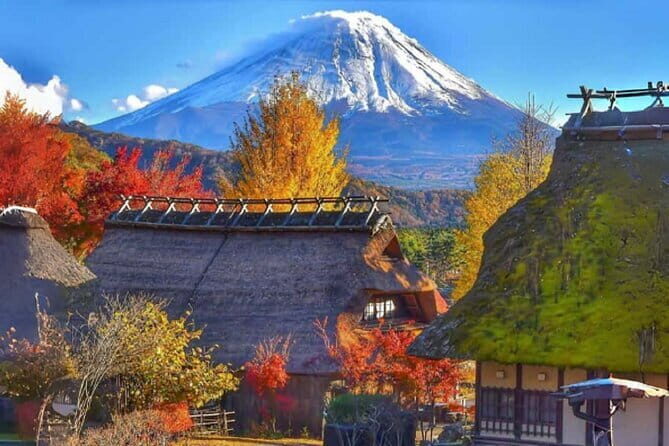
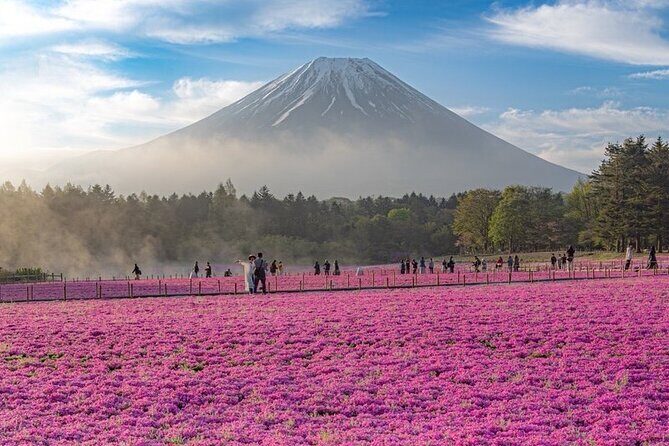
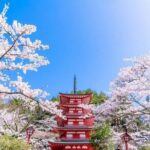
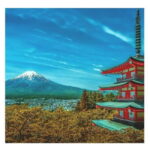
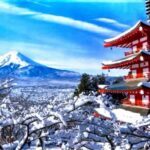
Your first stop is Arakurayama Sengen Park, around 1 hour 10 minutes. This is where the day starts turning from “Tokyo plan” into “Fuji day,” with a dedicated block of time for panoramic views and photos.
I like this kind of opener because it sets your expectations early. If the sky is clear, you get your first clean look at Mount Fuji before the day’s weather changes. If visibility is poor, at least you’ve still got a scenic walk and a place to reset your eyes and camera settings for later stops.
One practical thing: admission isn’t included for this stop. So mentally set aside that you’ll likely pay on-site if you want full access to the specific areas there.
Oshino Hakkai: eight ponds fed by Fuji snowmelt
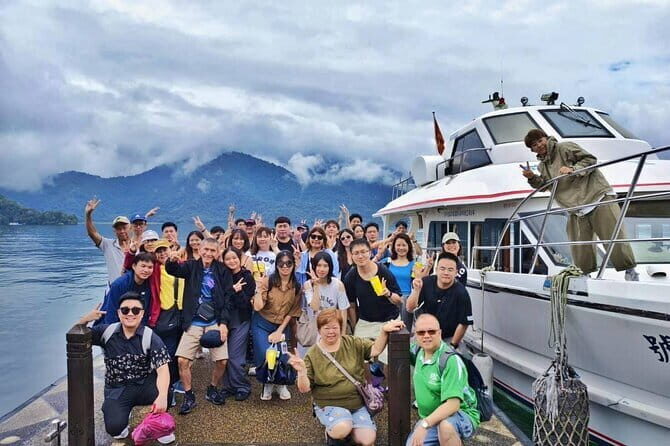
Next up is Oshino Hakkai, another 1 hour 10 minutes. This is the classic “Fuji magic” stop: eight crystal-clear ponds fed by Mount Fuji’s snowmelt that filters through volcanic rock over decades before it emerges here.
If you’re the type who likes scenes where nature does the work, Oshino Hakkai delivers. The ponds act like mirrors, and the water tone changes with light and cloud cover, so your photos can look different even within the same visit. It also has a strong educational feel without getting heavy—just stand, look closely, and enjoy how the water tells the Mount Fuji story.
Admission isn’t included here either, so budget for the ticket when you arrive. And because it’s a popular sight, it’s smart to accept that you may share walkways with crowds—go early in your time window inside that stop for the least stress.
Oishi Park and Lake Kawaguchi color seasons
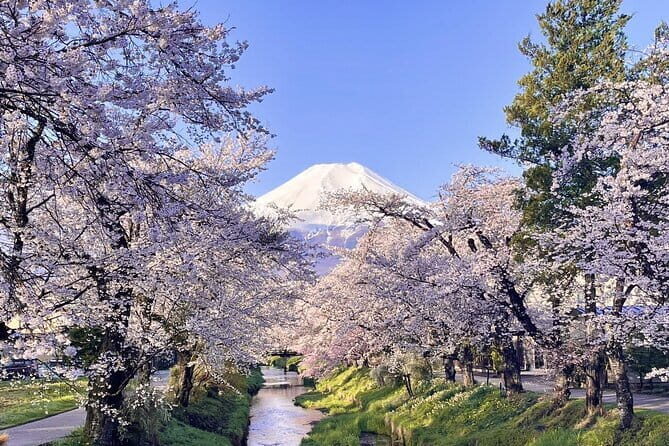
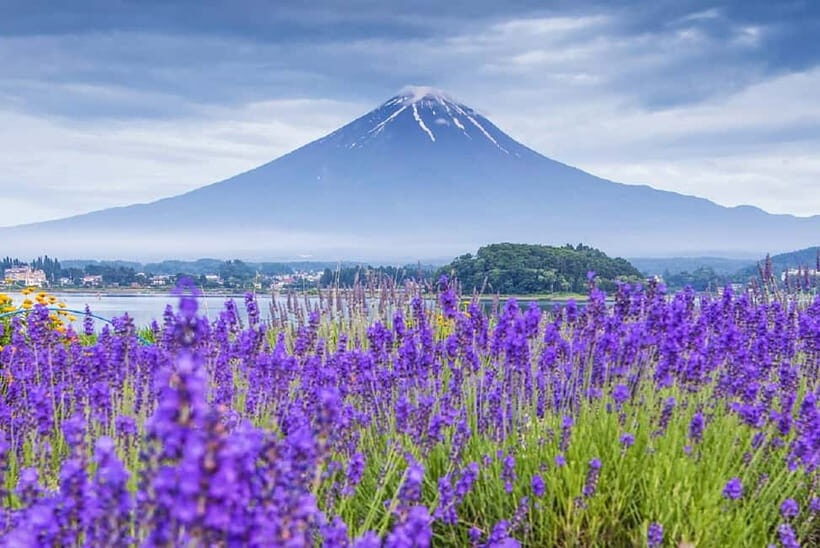
Your third stop is Oishi Park at Kawaguchi lake–Oishi Park, with about 40 minutes. This one is timed like a photo sprint: enough time to walk the key viewpoints and capture the lake-and-Fuji framing, but not so long that you lose momentum.
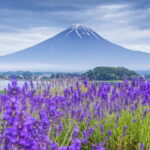
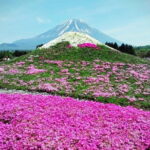
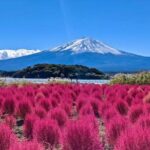
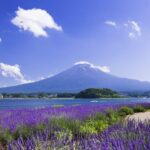
Oishi Park is known for seasonal color patterns. The tour info highlights lavender in summer and red leaves in autumn, meaning the vibe changes a lot depending on when you go. That makes it a good match for travelers who want variety instead of seeing the same postcard scene all day.
Here’s the important catch: there’s a seasonal routing swap. During Oct 26 to Nov 20, the tour will not go to Oishi Park during the Kawaguchiko Maple Corridor period. If you’re traveling during those dates, expect a modified plan and don’t anchor your day on one specific park view.
As with the other stops, admission isn’t included. Also, with only 40 minutes, you’ll want to decide your “must-have” photo spot early rather than wandering too long and then feeling rushed.
Other Lake Kawaguchiko tours at Mt Fuji & Kawaguchiko

Saiko Iyashi no Sato Nemba: thatched roofs and the 500 yen ticket
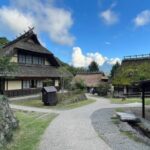
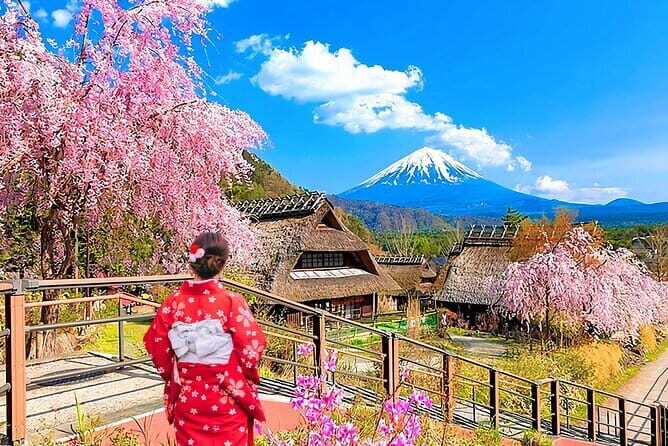
The final major stop is Saiko Iyashi no Sato Nemba (also called a healing hometown root field area), with about 1 hour. This is where the day shifts from nature-photo mode to heritage village mode.
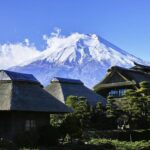
The tour describes it as a tranquil village of traditional thatched-roof houses, sometimes compared to the Shirakawa-go style. The point isn’t just architecture—it’s the slower pace. You can step away from the “Fuji countdown” feeling and enjoy a more human-scale setting, with space to stroll and take in details at ground level.
This stop includes a 500 yen per person ticket for the root field. That’s one of the few built-in paid items, so it helps your budgeting and reduces the number of things you pay for on the fly.
The tour mentions a pea field element as well, which fits the “healing countryside” theme. If you like sensory variety—air, texture, and small visuals—this is a strong ending stop.
Timing, crowding, and the Mount Fuji visibility reality check
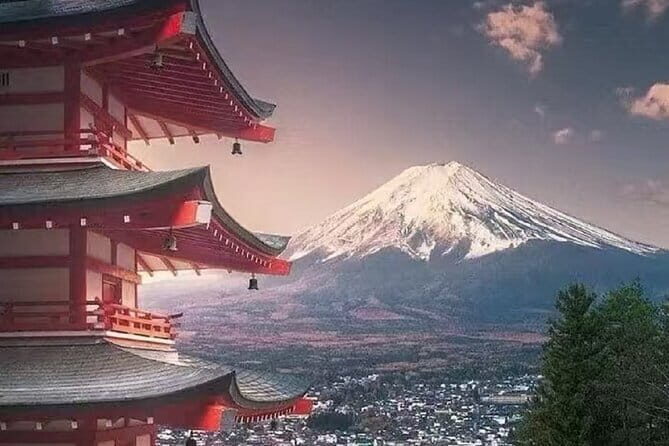
Mount Fuji is a weather-dependent star. The tour makes it clear that visibility can’t be guaranteed, and that’s exactly the kind of honest warning I like. On a clear day, you’ll get the best version of this itinerary. On a hazy day, you may still enjoy the parks and ponds, but the view payoff can be lower than you hoped.
Crowds are another reality. Some of the attractions can get busy, especially during peak travel seasons. Since your time windows are fixed, crowding can squeeze your photo time. My practical advice: move with purpose once you arrive at each stop. Pick a viewpoint, take your photos, then wander.
There’s also a time flexibility element. The tour may shorten, adjust, or even cancel some attraction timing based on conditions. If you’re the type who schedules your day in tight blocks, keep a cushion after the tour so you don’t end up stressed if the return runs late.
Price and value: what $46.91 really buys you

At $46.91 per person, this tour is positioned as a budget-friendly way to do the Fuji area without driving or managing transfers. Value-wise, you’re paying for three things:
- Transport and driver time (including tolls, parking, and fuel)
- A multilingual guide who keeps the day moving and helps you understand what you’re seeing
- Entry for the Saiko root field ticket (500 yen), which saves you a separate payment at the last stop
Food and drinks are not included, so you’ll need to handle meals on your own during breaks. That’s not a deal-breaker—just plan ahead so you don’t end up hungry and searching with crowds around.
Also, bring cash. The tour notes that some scenic spots and restaurants may accept only cash. Even if most places take cards, having a bit of yen prevents small “oops” moments when you’re tired and ready to buy water or a snack.
The small-group experience: smooth enough, but not friction-free
This is a small-group tour with a maximum of 40 travelers, and that size usually feels reasonable for pacing and communication. You’ll also be sharing the vehicle with people from other languages, since the tour is multilingual but group-based.
The overall feel is “organized day out.” The best part of that style is that you’re not constantly checking bus routes, train times, or taxi costs while trying to photograph Mount Fuji. The trade-off is you don’t control the schedule.
One more real-world note: if the Tokyo subway has issues, the tour can be late. The operator’s response indicates they may be impacted by public transport disruptions. If you rely on the tour to be perfectly on time, it’s safer to avoid booking anything critical immediately after your return.
What to bring for a comfortable Fuji day
Because the day is long and outdoors-focused, pack for weather swings. The tour itself warns that conditions are unpredictable, and Fuji views can fade when clouds roll in.
I’d bring:
- A light layer (mountain-area air can feel cooler than Tokyo)
- Comfortable walking shoes
- A camera-ready plan for quick stops (charged battery, extra card if you shoot a lot)
- Some cash for snacks, small purchases, and any admissions where tickets aren’t included
- Your patience for crowds at popular times
Also remember: no eating on the bus means you’ll want snacks that you can eat during the designated stop times.
Who this tour suits best
This tour is a good fit if you want a structured day that covers the classics without DIY stress. You’ll likely enjoy it if you:
- Prefer a guided plan over researching transport and timetables
- Want a mix of Fuji views plus traditional culture
- Are traveling with limited time in Tokyo and don’t want to spend half a day figuring out logistics
You might skip it (or choose a more flexible alternative) if you need fully private pacing or if you hate schedules. Short time windows—like the 40 minutes at Oishi Park—can feel rushed if you like to linger everywhere.
Should you book this Mount Fuji day tour?
Yes, you should book it if you want a value-priced day that strings together major Fuji-view moments plus Oshino Hakkai and a thatched-roof healing village stop. The biggest win is the convenience: transport, tolls, parking, fuel, and a multilingual guide all handled for you, so you spend your energy on seeing and photographing.
I’d think twice if your trip is all about guaranteed Mount Fuji visibility or if you need zero risk of timing changes. The tour is clear that weather can affect views and that timing can shift, so plan your schedule with breathing room.
If you want, tell me your travel month and whether you’re more focused on photography or culture—I can suggest the best way to time your priorities across these four stops.
FAQ
What locations are included on the day tour?
The tour includes Arakurayama Sengen Park, Oshino Hakkai, Oishi Park (Lake Kawaguchi area), and Saiko Iyashi no Sato Nemba (West Lake Healing Hometown Root Field).
How long is the tour?
The duration is about 10 hours.
Is admission included for all stops?
No. Admission is not included for Arakurayama Sengen Park, Oshino Hakkai, and Oishi Park. The Saiko Healing Village Root Field ticket is included for 500 yen per person.
Does the tour include food and drinks?
No. Food and drinks are not included.
Is Mount Fuji visibility guaranteed?
No. The tour states that weather conditions are unpredictable and visibility of Mount Fuji cannot be guaranteed.
Is there pickup and drop-off?
Yes. The tour includes pick up and drop off at the designated meeting point.
Is this tour easy to join using public transportation?
Yes. The meeting area is described as near public transportation.
Does the tour use a mobile ticket?
Yes. The tour features a mobile ticket.
Can I cancel for a full refund?
Yes. Free cancellation is available, and you can cancel up to 24 hours in advance for a full refund.