REVIEW · TOKYO
Mt Fuji Exploration Tour with Free Japanese Kusa Mochi from Tokyo
Book on Viator →Operated by TrevoTour Travels · Bookable on Viator
Fuji first thing, photos after. This Mt. Fuji exploration day trip from Tokyo strings together several high-impact stops—Arakurayama Sengen Park, Oshino Hakkai, and the Kawaguchiko area—so you’re not guessing where to stand when the mountain cooperates. I like that it’s built for Mount Fuji viewpoints plus real places to walk, not just a quick photo pull-over.
Two things I’d prioritize if you’re choosing a day trip: the guide commentary (including kindness and clear explanations from Sia in at least one recent group) and the included sweet treat, Japanese Kusa Mochi, so the experience feels more like a guided day out than a bare transport service. It also helps that admissions at multiple stops are free, so you can put your money toward getting there and eating well on your own.
One consideration: it’s an 8–9 hour day with travel time counted, and Japan’s vehicle-time limit can mean the plan tightens on the fly. Also, this type of Fuji tour depends heavily on weather, so you’ll want to stay flexible if visibility is limited.
In This Review
- Key Highlights You’ll Actually Care About
- Why This Mt. Fuji Tour Works When You Only Have a Day
- What the Schedule Looks Like (8–9 Hours, With a Built-In Safety Valve)
- Arakurayama Sengen Park: Torii Views and a Walk You’ll Remember
- Oshino Hakkai: Fuji’s Snowmelt Pools and Calm Reflections
- Oishi Park and the Seasonal Kawaguchiko Angle
- Saiko Iyashi-no-Sato Nenba: Thatched Houses and Lake-Side Quiet
- The Guide: More Than Point-and-Shoot Instructions
- Included Extras That Feel Like Real Travel
- Price and Value: Is $82 a Good Deal?
- Tips for Clear Fuji Views (and What to Do When Weather’s Tough)
- Who This Tour Suits Best (and Who Might Want Something Different)
- Should You Book This Mt. Fuji Exploration Tour?
- FAQ
- How long is the Mt. Fuji Exploration Tour from Tokyo?
- What stops are included on this tour?
- Are admissions included for the stops?
- What is included besides the guide?
- What is not included in the tour price?
- How many people are on the tour at most?
- Does the itinerary change by season?
- Is the tour dependent on weather?
- Can I cancel and get a full refund?
Key Highlights You’ll Actually Care About
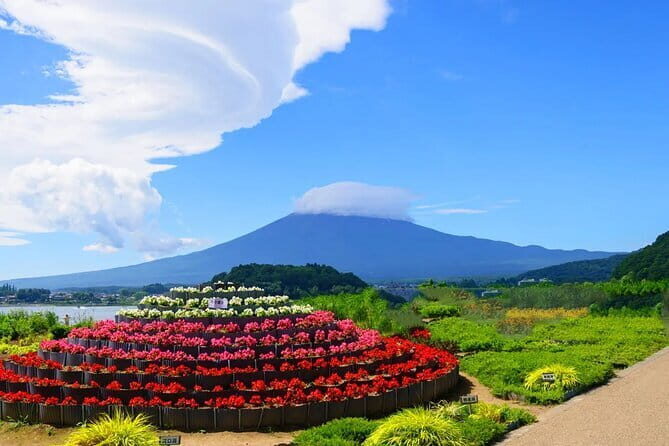
- Multiple Fuji viewing chances across Arakurayama, Oshino Hakkai, and Kawaguchiko/Oishi area
- Free strolls and photo stops at locations where you can walk right up to great angles
- Sia-level explanations that help you understand what you’re seeing (not just where to stand)
- Included Japanese Kusa Mochi as a small but memorable finish
- Seasonal timing at Kawaguchiko/Oishi with different experiences depending on the calendar
- Small-ish group size (max 48) which usually keeps the day moving without chaos
Why This Mt. Fuji Tour Works When You Only Have a Day
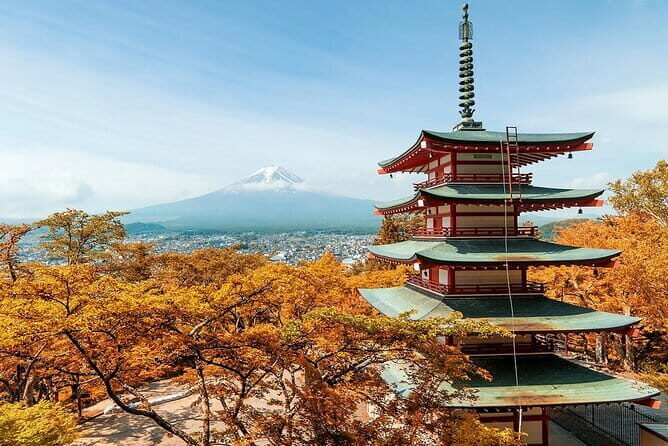
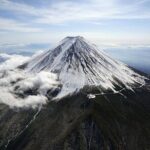
If Mount Fuji is on your Japan checklist, this tour makes a smart promise: you’ll see the mountain from several different settings, not just one view. That matters because Fuji doesn’t “look the same” everywhere. From one angle it’s dramatic and steep; from another it feels calmer, reflected in water or framed by trees.
I also like the way the day is structured around places you can actually walk. It’s not all bus windows and quick stops. You’re given time for viewpoints and for walking paths, which is where you’ll catch the best angles—and where your photos stop looking like everyone else’s.
One more practical win: it’s designed to fit into a limited visit to Japan. When you’re based in Tokyo, getting out to the Fuji region is a big chunk of the day. An organized route with a guide keeps you from burning that time on wrong trains, confusing transfer times, or waiting too long at the wrong spot.
Other Mount Fuji tours we've reviewed at Mt Fuji & Kawaguchiko
What the Schedule Looks Like (8–9 Hours, With a Built-In Safety Valve)
This is an all-day outing, about 8 to 9 hours total, and the schedule includes transportation time. The bus time also has a legal constraint: the vehicle time can’t exceed 10 hours. Translation for you: if the day runs long, the guide may cut the itinerary to keep everything within limits.
That’s not a deal-breaker—it’s normal in Japan—but it’s the biggest reason to keep your expectations realistic. If you’re the type who wants every single minute at one location, you may feel rushed. If you’re happy to move between highlights and get your shots and your strolls, it’s a good fit.
Group size is kept to a maximum of 48 travelers. That’s big enough for solid logistics, but not so huge that the guide can’t herd people toward the best angles. In a recent group experience, the guide’s explanations and kindness stood out, which usually happens when a group isn’t too chaotic.
Arakurayama Sengen Park: Torii Views and a Walk You’ll Remember
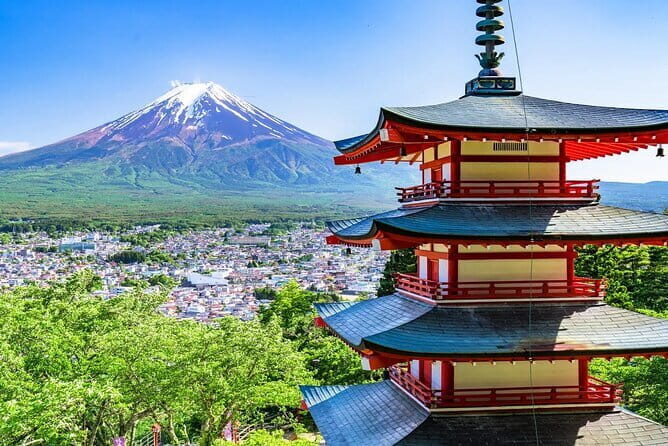
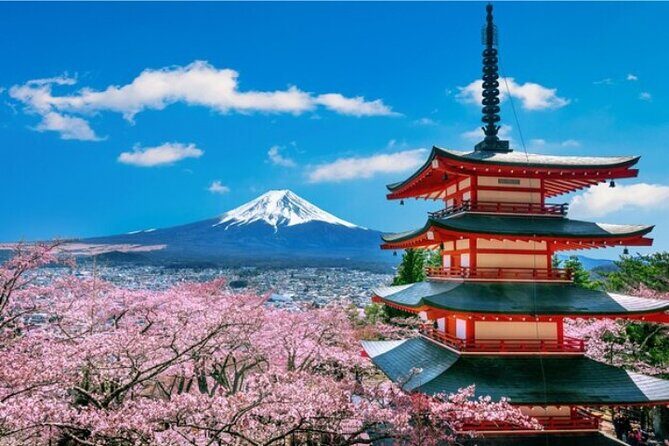
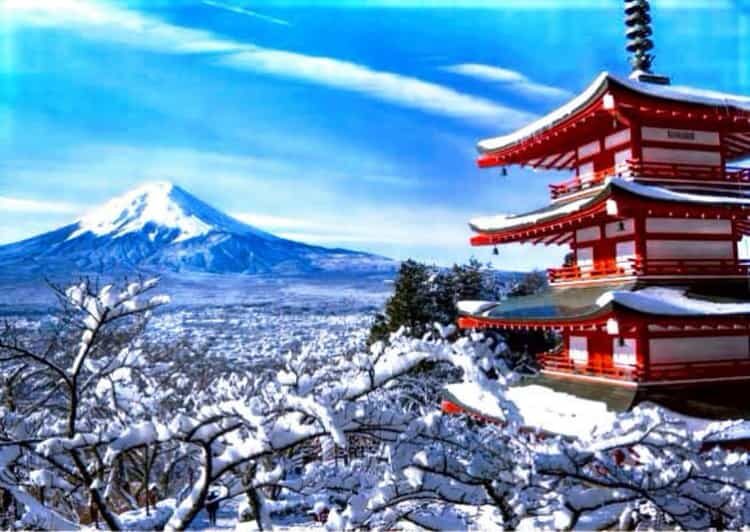
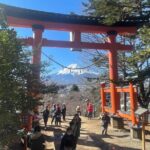
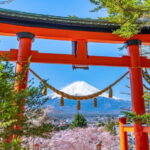
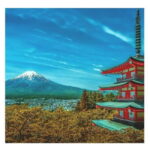
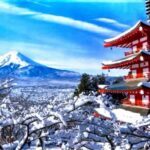
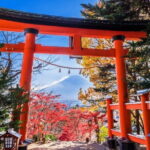
You start at Arakurayama Sengen Park, one of the most iconic Fuji-photo areas. The heart of it is the famous walking approach to viewpoints with Mount Fuji in the frame. This is the kind of place where the photos look great because you can physically position yourself and adjust for distance, elevation, and framing.
Expect a scenic walk up to the park’s observatory area. That walk is part of the value. It’s not just about arriving; it’s about getting height and perspective. And since you’re outdoors and moving, you’re more likely to get photos that feel intentional rather than rushed.
The main drawback? This is a popular kind of stop. If you show up when the area is busy, you’ll be taking turns in line for good angles. Plan to be flexible with timing and don’t assume you’ll stand in your exact dream spot for 20 minutes.
Still, if you want one stop that reliably delivers “this is Japan” vibes, Arakurayama is the one.
Oshino Hakkai: Fuji’s Snowmelt Pools and Calm Reflections
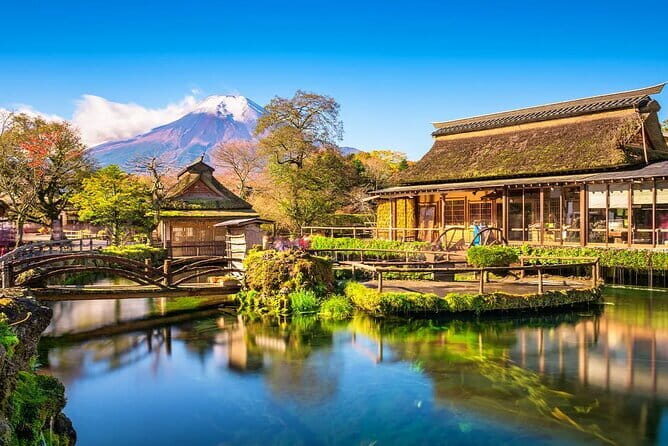
Next up is Oshino Hakkai, the area with eight spring pools formed from melted snow from Mount Fuji. What makes Oshino special is the combination of clear water, reflections, and a walking layout that lets you move along the pools at a comfortable pace.
If you love photography, this stop is about more than Fuji in the background. It’s about reflections and textures: water surface cues, the brightness that comes from clear springs, and the way the pools change your angle on the mountain.
I’d think of Oshino Hakkai as the “slower” stop compared with classic viewpoint areas. You’re not just climbing; you’re strolling. That gives you time to wait for a better reflection moment or a gap in the crowd.
Also, admissions at this stop are free, which helps the tour deliver more value. With Fuji day trips, costs add up quickly if every stop charges. Here, you get to spend your money where it matters—like good snacks and a relaxed meal later.
Oishi Park and the Seasonal Kawaguchiko Angle
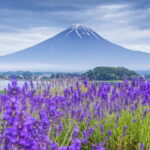
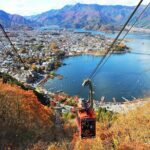
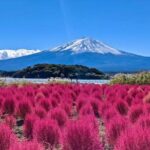
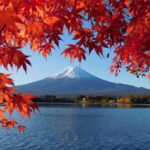
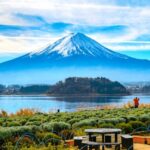
Then you head to Oishi Park in the Kawaguchiko area. This stop is designed for the kind of Fuji view where the mountain feels more “in context”—with Lake Kawaguchi and the surrounding scenery supporting the main subject.
One of the smartest things about this part of the tour is the seasonal flexibility. The plan includes seasonal itineraries, such as:
- Off-season timing where the area is typically more peaceful and less crowded
- Kawaguchiko Maple Corridor in the fall (from 10/20 to 11/23)
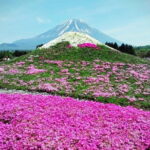
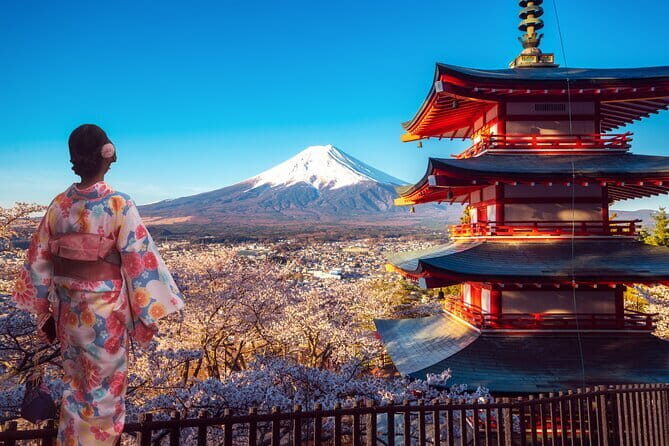
- Kawaguchiko Cherry Blossom Festival in early spring (from 04/05 to 04/14)
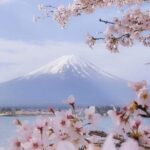
So what does that mean for you? It means you’re not just chasing Fuji—you’re also catching seasonal color that changes the mood of your photos. In autumn, you can get warm tones that make Fuji feel softer. In spring, blossoms can add layers and depth.
Oishi Park is also short compared to the other stops, so it works well as a breather before the more village-style experience later. Admissions are listed as free here too, which again keeps the tour feeling like good value.
Other day trips from Tokyo to Mt Fuji & Kawaguchiko

Saiko Iyashi-no-Sato Nenba: Thatched Houses and Lake-Side Quiet
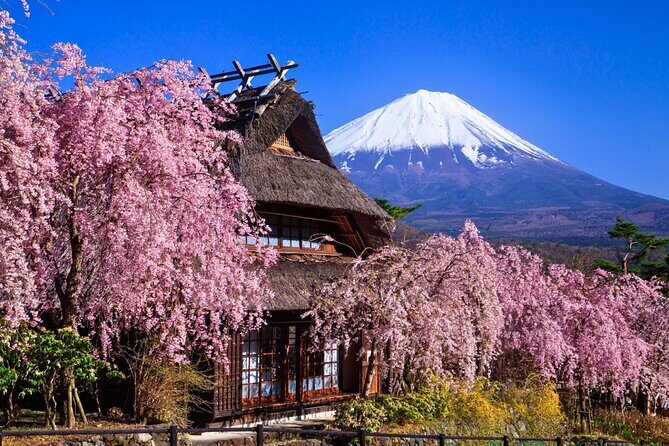
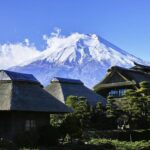
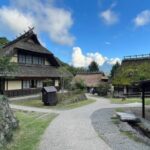
The final stop is Saiko Iyashi-no-Sato Nenba, a traditional Japanese village near Lake Saiko. This is the portion of the day that helps you reset from the heavy Fuji-focus and actually get a sense of rural Japan.
The setting is all about thatched-roof houses and quiet walking. If you like your travel days with variety—something scenic, something cultural, something you can wander at your own pace—this is where the tour earns points beyond the photography.
It also pairs nicely with Fuji viewing. After hours of looking at the mountain from different angles, coming into a village atmosphere gives you a different kind of visual story: human-scale architecture rather than just geography.
The time here is about 1 hour, which is enough to take photos, stroll around, and read enough to understand the place. It’s not so long that you feel stuck, and it helps the overall day stay within that legal vehicle-time limit.
The Guide: More Than Point-and-Shoot Instructions
A big reason this tour scores well is the human part. When the guide—Sia has been called out specifically—explains what you’re seeing at each stop, it changes how you experience the day.
You’re not just receiving a route. You’re getting helpful context that helps you choose where to stand. That’s especially important at Fuji hotspots where the “best view” can mean different things: elevation, framing, distance, and whether the mountain is clear enough to show detail.
The commentary also makes the day feel more efficient. Instead of you figuring out what to look for, the guide points you toward it. In one shared experience, the guide was kind and gave explanations at each location, and that kind of pacing helps you enjoy the stops rather than rushing through them.
That said, there’s one possible improvement worth noting: in at least one group experience, someone wanted a few more verbal explanations during the trip toward Mount Fuji. So if you’re someone who loves a lot of on-bus storytelling, you may or may not get exactly the volume you prefer. Still, the on-site explanations seem to land well.
Included Extras That Feel Like Real Travel
There are two included items that quietly improve the day.
First is the admission included for West Lake Healing Reagan Field. The itinerary details don’t spell out exactly where that fits within the day, but since it’s included, you’ll want to keep an eye out for that stop name and use it when you reach the corresponding area.
Second is the special gift: Japanese Kusa Mochi. It’s a small item, but it signals you’re in the Fuji region and not just doing a generic sightseeing loop. Food gifts like this also help break up the long bus day.
Also, you get a guide who can work in multiple languages: Chinese, English, and Japanese. That matters because you can actually understand the guidance, which again affects where you aim your camera and how you plan your walking.
Price and Value: Is $82 a Good Deal?
At $82 per person, this tour sits in the “worth it if you want a guided Fuji day” zone. Here’s why that price feels fair based on what’s included and how the day runs.
You’re getting:
- A guided route connecting multiple major Fuji-viewing areas
- A guide who covers Chinese/English/Japanese
- Free admissions at key stops (Arakurayama Sengen Park, Oshino Hakkai, Oishi Park listed as free)
- A mochi gift
- Admission included for West Lake Healing Reagan Field
You’re not paying extra for entry tickets at every stop, and you’re not spending your day figuring out transport. When you leave Tokyo for Fuji, time is the real cost. A guided plan helps you spend your hours where your photos and walking will happen.
A caveat: the tour’s inclusions don’t list lunch as a clear must-have, but one group experience referenced a lunch buffet that was good but not great. So if food matters to you, consider planning to bring or buy your own snack options too. You’ll be happier that way, and you won’t be stuck hoping the included meal is your favorite.
Tips for Clear Fuji Views (and What to Do When Weather’s Tough)
This is a weather-dependent experience. Fuji can hide in clouds, and that’s not anyone’s fault. If visibility is poor, a tour like this may be less magical than the photos you’ve seen online.
Here’s how to improve your odds:
- Go for patience at each stop. Don’t assume the first 30 seconds is the best view.
- Bring layers. Fuji day trips can be cool on the morning and change quickly near lakes.
- If you care about specific framing, move a little away from the densest crowd lines. Even a small step can change your shot.
If the day is canceled due to poor weather, you should be offered a different date or a full refund. That safety net is important because Fuji isn’t guaranteed.
Who This Tour Suits Best (and Who Might Want Something Different)
This tour is a strong match if:
- You want a one-day Mount Fuji plan from Tokyo
- You like walking and photography, with multiple chances to frame the mountain
- You prefer a guide who gives explanations at the stops
- You appreciate free or included admissions and small food bonuses like kusa mochi
- You’re traveling with a group size that’s not tiny but also not unmanageable
You might consider a different format if:
- You hate walking stairs or crowded viewpoint lines
- You need guaranteed, long stays at every stop with no itinerary changes
- You expect a lot of on-bus narration for the entire ride (some groups felt the in-transit commentary could be stronger)
Should You Book This Mt. Fuji Exploration Tour?
If your goal is to see Mount Fuji from several angles—Arakurayama Sengen Park for iconic shots, Oshino Hakkai for water-and-reflection calm, Oishi Park for Kawaguchiko views, and Saiko Iyashi-no-Sato Nenba for rural atmosphere—this tour makes a lot of sense.
My advice: book it if you want structure, guidance, and value in one day. Bring patience for weather and crowds, and you’ll get a trip that feels well paced instead of chaotic. If Fuji is your main obsession, choose the clearest days you can—and use the guide time wisely once you’re on site.
FAQ
How long is the Mt. Fuji Exploration Tour from Tokyo?
The tour runs about 8 to 9 hours total, and that time includes travel.
What stops are included on this tour?
The main stops are Arakurayama Sengen Park, Oshino Hakkai, Oishi Park, and Saiko Iyashi-no-Sato Nenba (Traditional Japanese Village).
Are admissions included for the stops?
Admissions are listed as free for Arakurayama Sengen Park, Oshino Hakkai, and Oishi Park. The tour also includes admission to West Lake Healing Reagan Field.
What is included besides the guide?
You’ll get a special gift of Japanese Kusa Mochi, and the guide can speak Chinese, English, and Japanese. Admission to West Lake Healing Reagan Field is included as well.
What is not included in the tour price?
Other personal expenses are not included.
How many people are on the tour at most?
The tour has a maximum group size of 48 travelers.
Does the itinerary change by season?
Yes. Oishi Park is visited during the off-season period. The Kawaguchiko Maple Corridor is included from 10/20 to 11/23, and the Kawaguchiko Cherry Blossom Festival is included from 04/05 to 04/14.
Is the tour dependent on weather?
Yes, this experience requires good weather. If it’s canceled due to poor weather, you’ll be offered a different date or a full refund.
Can I cancel and get a full refund?
Yes. Free cancellation is available up to 24 hours before the experience starts for a full refund.