REVIEW · TOKYO
From Tokyo: Mount Fuji Sightseeing One Day Trip
Book on Viator →Operated by F Trip · Bookable on Viator
Fuji day trips go fast, and this one moves with purpose. You get round-trip transportation with no navigation stress, plus a string of major photo-ready stops around Mt. Fuji and Lake Kawaguchiko in about 10 hours.
The big catch: Mt. Fuji visibility depends on weather. If clouds, fog, or rain roll in, your viewpoints can turn into more of a scenic “try again” day than a guaranteed postcard.
In This Review
- Key highlights before you go
- Price and logistics: what you’re buying for $58.90
- Leaving Tokyo behind: the coach ride that buys you time
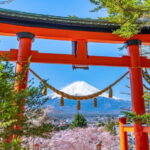
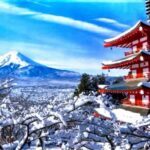
- Chureito Pagoda in Arakurayama Sengen Park: your classic Fuji frame
- Arakura Fuji Sengen Shrine: short, meaningful, and practical
- Lake Kawaguchiko: your best odds for Fuji from the water
- Oishi Park: flowers, lake views, and a longer stroll
- Oshino Hakkai: eight ponds and a slower hour
- Hikawa Clock Shop and the Lawson Fuji photo moment
- How guides make (or break) the day
- Timing, crowds, and weather: the real control panel for your photos
- Value check: what’s included, what’s on you
- Who this tour suits best
- Should you book this Mount Fuji and Lake Kawaguchiko day trip?
- FAQ
- How long is the Mount Fuji day trip?
- What area does it cover?
- Is round-trip transportation included?
- Are admission tickets included?
- Is lunch included?
- Do I receive a mobile ticket?
- How many people are on the tour?
- Is free cancellation available?
- What if Mount Fuji is cloudy or foggy?
Key highlights before you go
- All-in logistics: Tokyo or Shinjuku round-trip by air-conditioned vehicle
- Big-name Fuji views: Chureito Pagoda in Arakurayama Sengen Park plus quick shrine time
- Lake Kawaguchiko + Oishi Park: multiple chances for reflections and flower scenery
- Oshino Hakkai ponds: a slower, calmer hour at the Fuji spring-water site
- Quick Instagram-style stops: Hikawa Clock Shop and a Lawson storefront for blue-sky Fuji photos
- Group capped at 45: small enough to feel guided, not lost
Price and logistics: what you’re buying for $58.90
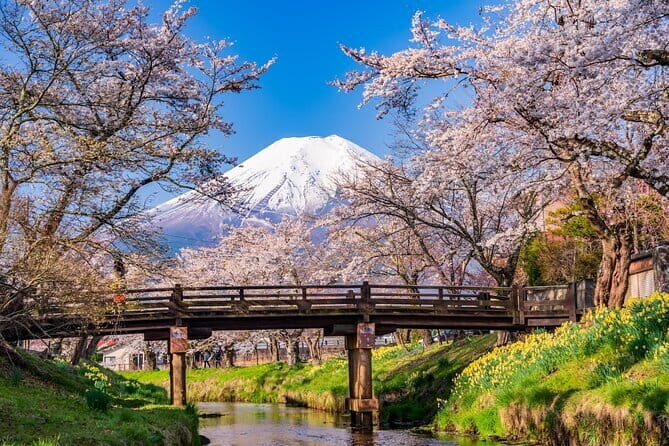
This day trip is priced at $58.90 per person and runs for about 10 hours, which is the sweet spot for seeing a lot without eating your whole day. The value comes from the built-in structure: round-trip transport, time at multiple highlight spots, and all fees and taxes handled up front.
It also helps that this is a mobile ticket tour, and pickup is positioned as near public transportation (often a relief when you’re tired after Tokyo). With a max group size of 45 travelers, you still get the benefits of a group day (someone else does the timing and routing), without the “everyone disappears” chaos you can get on very large tours.
One practical note: lunch is not included, so you’ll want to budget for food on your own during the gaps. If you’re traveling with a stroller or large luggage, note that when booking so the operator can plan for it.
Other Mount Fuji tours we've reviewed at Mt Fuji & Kawaguchiko
Leaving Tokyo behind: the coach ride that buys you time
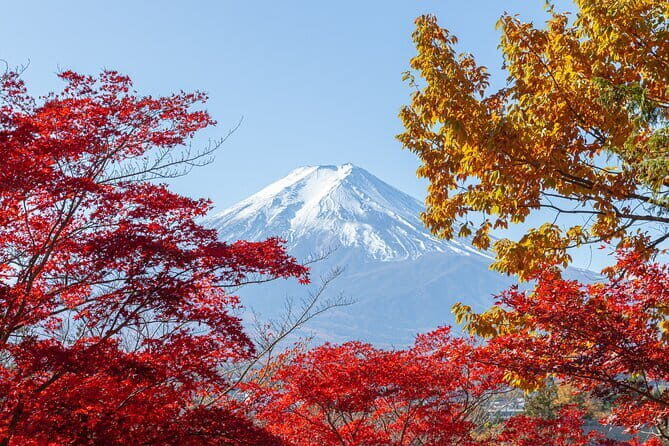
The tour’s rhythm is simple: you ride in comfort, then you get dropped at planned stops where your camera work can happen. Expect an air-conditioned vehicle, which matters because the Fuji area can feel very different from central Tokyo depending on season.
What I like about this setup is that you don’t have to map routes, read train transfers, or worry about missing the last bus back. You also get a countryside window into Japan outside the city grid, and that drive time becomes part of the experience rather than wasted logistics.
Just keep expectations aligned: during peak periods (and around busy dates), roads and crowds can add friction. A few guide write-ups emphasize punctuality and keeping the day moving, which tells you the tour is designed to run on time even when the area gets busy.
Chureito Pagoda in Arakurayama Sengen Park: your classic Fuji frame
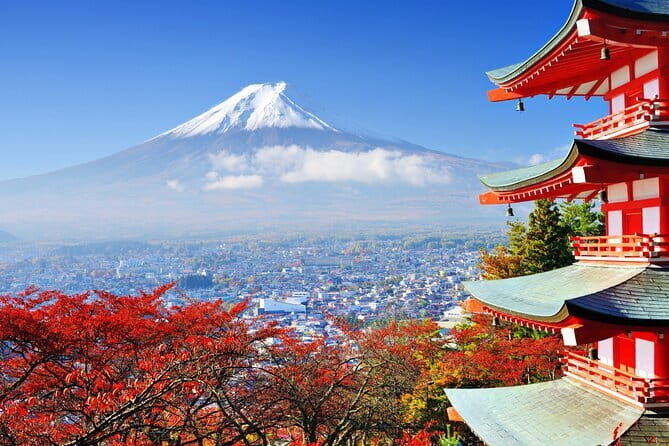
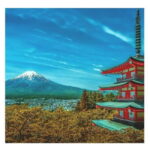
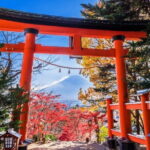
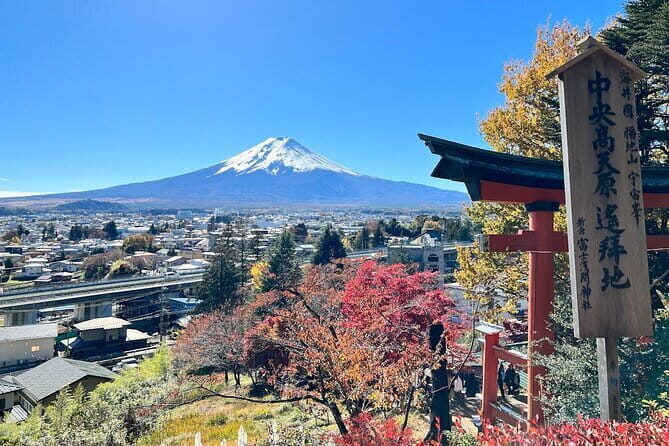
Your first big visual payoff is Chureito Pagoda in Arakurayama Sengen Park. You get about 1 hour, and it’s structured for exactly what you want from a first Fuji stop: time to walk to the best angles and take photos before the crowd pressure builds.
This is the spot most people imagine when they think Mount Fuji—pagoda silhouette, wide views, and that famous layered composition. Because your time is limited, go in with a plan: take one set of wider shots first, then circle for tighter compositions or different perspectives as the light shifts.
Keep in mind that “one hour” can feel fast when you factor in people moving around you, weather changes, and the basic human need to stop and stare. If it’s raining or misty, pack for it anyway; one of the most practical pieces of advice from the day-trip crowd is that umbrellas aren’t optional when it hits.
Arakura Fuji Sengen Shrine: short, meaningful, and practical
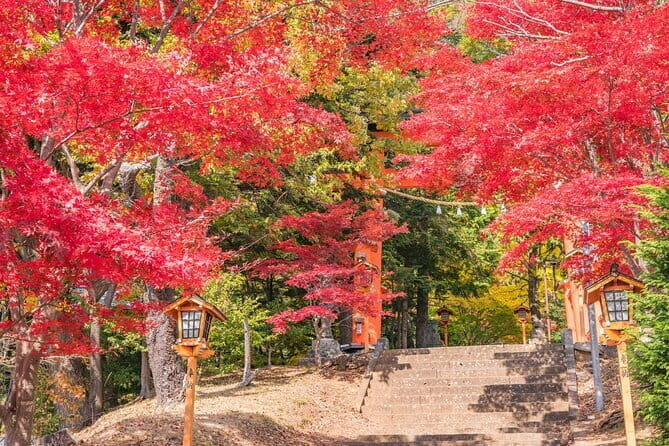
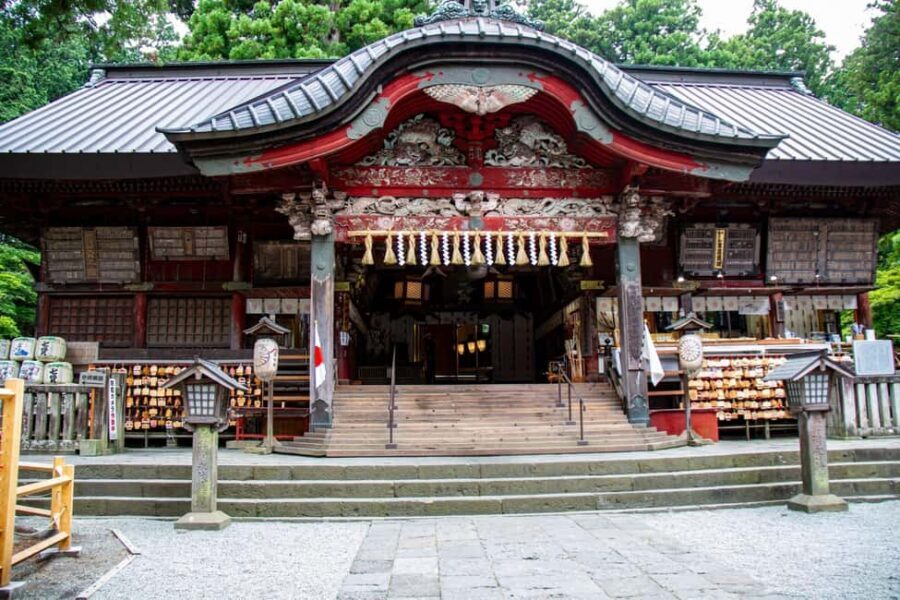
Next is Arakura Fuji Sengen Shrine, with about 15 minutes on the clock. The shrine is extremely old—built in 705—and it’s described as a guardian of Arakura Village for over 1,300 years. Even in a brief stop, that kind of longevity gives the place weight, not just a quick scenic detour.
This is also a smart pacing break. After the main photo location, a short shrine stop gives you a quieter mental reset, and it’s a chance to see how the area’s relationship with Fuji isn’t only about views—it’s also about faith, protection, and local tradition.
Fifteen minutes isn’t long enough for a deep sit-down experience. Treat it as a quick look, a moment to orient yourself, and a few respectful photos if allowed in the area.
Lake Kawaguchiko: your best odds for Fuji from the water
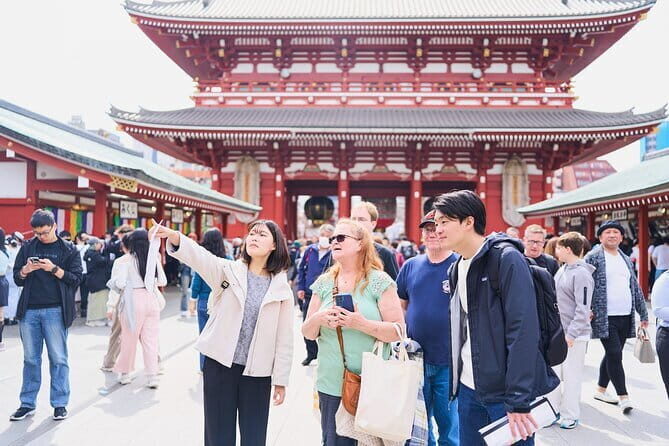
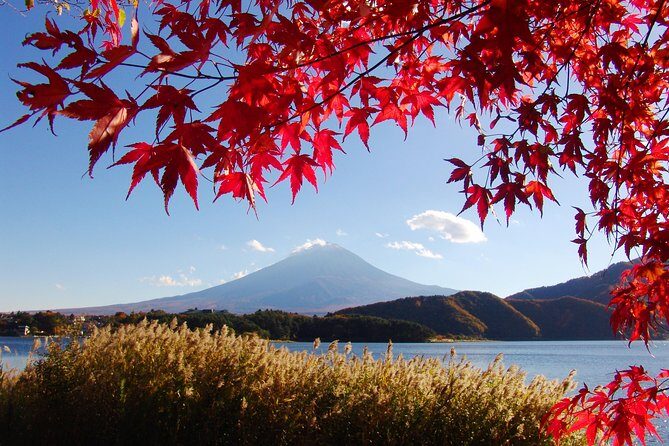
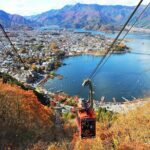
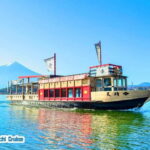
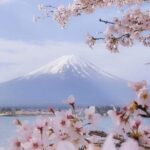
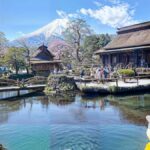
Then you head to Lake Kawaguchiko, often the most popular of the Fuji Five Lakes. You’ll get about 20 minutes, and the emphasis here is panoramic views of Mt. Fuji from the shore. The timing is short, but the point is to catch a clear enough window to frame Fuji with the lake in the background.
Lake viewing is one of those experiences where weather isn’t just a factor—it’s the whole show. On calm, clear days, you can often get more defined reflections and crisper silhouettes. On cloudy days, you may still get scenic water views, but the iconic mountain profile can disappear behind the sky.
If you want the best shot, keep your eyes moving. People naturally cluster in one direction, but Fuji views can shift a lot based on wind, cloud movement, and small changes in where you’re standing along the shore.
Other day trips from Tokyo to Mt Fuji & Kawaguchiko

Oishi Park: flowers, lake views, and a longer stroll
Your next stop is Oishi Park, with about 30 minutes. This is where the day becomes a little more “walk and look” instead of “arrive and shoot,” because there’s a lakeside promenade and seasonal flowers that bloom according to the calendar.
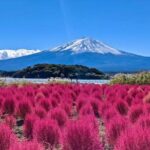
Oishi Park is also designed for variety. You can aim for photos that include Lake Kawaguchiko and Fuji together, but you can also take frames that focus on flowers and the shoreline texture, then let the mountain be a background presence when it’s visible.
A tip that holds up in real life: wear shoes you can move in. Even if the tour schedule is tight, you’ll feel more confident if you can do quick, smooth steps to different viewpoints instead of rushing and tripping over crowd obstacles.
Oshino Hakkai: eight ponds and a slower hour
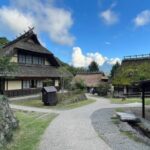
After the lakeside stops, you get a chance to slow down at Oshino Hakkai, with about 1 hour. This area is known for eight clear spring-water ponds, recognized among Japan’s famous waters. It’s also described as a natural monument and part of the Mount Fuji heritage area.
This stop balances the photo-heavy schedule with something calmer and more textured. Ponds create an atmosphere that feels different from mountain lookouts: water reflections, gentle walking routes, and a sense that you’re standing near the source of a natural system rather than just staring at a single peak.
The main drawback is time pressure. One hour sounds generous until you hit crowds, line-ups for certain angles, and the simple fact that it’s easy to get distracted by how clear the water looks. Go with a short photo plan, then give yourself room to enjoy the place without rushing every moment.
Hikawa Clock Shop and the Lawson Fuji photo moment
Two quick stops close out the “Fuji from town corners” feel of the day.
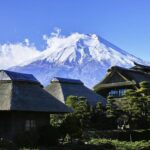
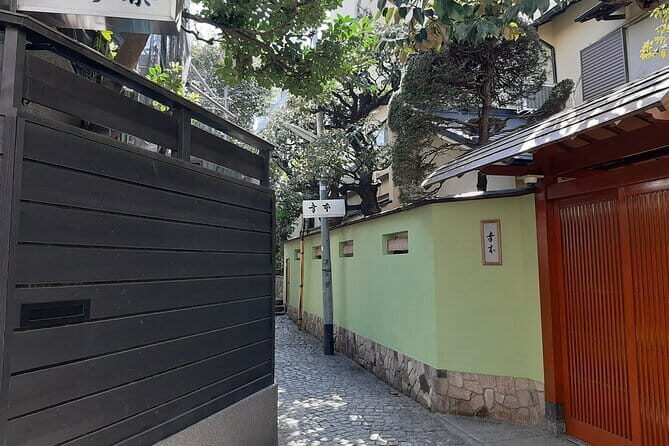
First is Hikawa Clock Shop for about 20 minutes. The approach is described as a serene path leading toward an iconic mountain view, which makes it feel less like a roadside viewpoint and more like a small-town scene with Fuji as the dramatic backdrop. It’s a good chance to capture that Japan detail shot—streets, signage, everyday scenery with Mt. Fuji in the frame.
Then you’ll stop at a Lawson in Fujikawaguchiko Town, again about 15 minutes. This is a popular Instagram-style photo stop, with a distinctive blue storefront that contrasts with Japan’s tallest peak. It’s fast, straightforward, and built for photos. If your priority is people-free shots, this is where being ready to move matters—photos here depend on timing and crowd flow.
If you’re the type who wants to browse and snack, be aware that these are short stops. You’re there to snap and re-board, not to settle in for a long exploration.
How guides make (or break) the day
A good guide can turn a timed coach trip into a story you remember. On this tour, the guidance is repeatedly praised for clarity, organization, and engaging explanations about the history and culture around Fuji. Names that show up in the guide chatter include Augustine, Keiko, Zoe, Joey, Jay, Kevin, Blair, Ann, Allan, Tim, Brewski, Jimmy Lee, Davey, and a guide referred to as Penguin.
What you should look for—because it matters—is how the guide handles timing and weather. Some guides are credited with taking extra time to get photos for the group, while others are praised for adjusting the day when cloud cover changes the odds. That flexibility is valuable because Mt. Fuji visibility can shift hour by hour.
Language can also vary. One less happy comment points out that it can be hard to understand the guide’s English. If that concerns you, consider bringing a small amount of patience and using the written stop descriptions as your anchor.
Timing, crowds, and weather: the real control panel for your photos
The tour can be excellent even when Fuji hides, but you have to go in with your eyes open.
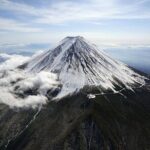
Weather is the biggest variable. Clear days get the classic views, while fog and cloud cover can reduce Fuji to a hint at the top or hide it entirely. Seasonal expectations matter too—one account notes January didn’t feel as pretty, while recommendations leaned toward fall or spring when skies are more cooperative.
Crowds are another reality. Some stops can be packed, which means you’ll have less time to browse for snacks or souvenirs. If you want to shop, treat it like a quick grab-and-go task, not a wander.
Rain is a wildcard with real consequences. Bring an umbrella, because when it starts raining it tends to be heavy rather than a gentle drizzle. Also consider a light layer for the bus and outdoors—air conditioning and quick weather changes can make you feel chilled even on bright days.
Value check: what’s included, what’s on you
Here’s the clean breakdown of what the price covers, based on the tour details you’ll actually care about:
- Included: air-conditioned vehicle, plus all fees and taxes
- Not included: lunch and personal expenses
- Included experience elements: scheduled stops with free admission tickets listed for each attraction
At $58.90, you’re essentially paying for transport and a guided day structured around major Fuji-area viewpoints. If you’ve tried DIY day trips from Tokyo before, you know the time cost is real: routes, transit changes, ticket purchases, and figuring out where to stand for each view. This tour turns those unknowns into a plan you can follow for one full day.
That said, you’re still responsible for your own meals and for managing the weather reality. If Fuji is your only goal and you need it guaranteed, no one can promise that. But if you’re happy getting strong scenery options and multiple angles, this type of route can feel like good value.
Who this tour suits best
This is a strong fit if you want the big highlights around Fuji without the stress of arranging transportation. It’s also a good choice if you like having a guided structure: a set order of stops, enough time for photos, and someone else keeping the day on track.
I’d especially recommend it for:
- First-time visitors to Japan who want a “see Fuji without the hassle” day
- People who don’t want to piece together trains, buses, and timing
- Anyone who values multiple viewpoints in one trip, not just one lake lookout
It may be less ideal if you:
- Need long unhurried time in one place (this route moves)
- Plan to do serious shopping at each stop (time gets tight)
- Get very frustrated by weather changes and want guaranteed mountain visibility
Should you book this Mount Fuji and Lake Kawaguchiko day trip?
Book it if you want a well-timed, low-effort day that hits the classic Fuji framing spots and includes transport and listed admissions. It’s also a decent choice if you’re flexible—Fuji photos are weather-driven, but the surrounding stops still offer plenty to enjoy.
Don’t book it if Fuji visibility is your only requirement and you’re prone to disappointment when clouds move in. In that case, consider adding more than one plan on your schedule so you’re not putting all your hopes into a single day.
If you do book, go in prepared: bring a small rain kit, wear good shoes, and plan to eat on your own. Then focus on the best part of a one-day Fuji trip—seeing how many different ways one mountain can shape a landscape of lakes, springs, shrines, and town streets.
FAQ
How long is the Mount Fuji day trip?
It runs for about 10 hours.
What area does it cover?
It’s based in Tokyo and visits major sites around Mount Fuji and Lake Kawaguchiko, with pickup from Tokyo or Shinjuku.
Is round-trip transportation included?
Yes. You get round-trip transportation by air-conditioned vehicle.
Are admission tickets included?
All fees and taxes are included, and the listed admission tickets for the stops are free.
Is lunch included?
No. Lunch is not included, so you’ll need to plan and budget for meals on your own.
Do I receive a mobile ticket?
Yes. The tour includes a mobile ticket.
How many people are on the tour?
The group size is capped at a maximum of 45 travelers.
Is free cancellation available?
Yes. You can cancel for a full refund if you cancel at least 24 hours in advance.
What if Mount Fuji is cloudy or foggy?
The mountain views depend on weather. Cloud cover and fog can reduce how much of Mt. Fuji you can see during the day, so it helps to come with flexible expectations.