REVIEW · TOKYO
From Tokyo: Mount Fuji One-Day Private Customizable Tour
Book on GetYourGuide →Operated by Dida Japan and Korea · Bookable on GetYourGuide
A private Mount Fuji day beats the usual chaos. What makes this outing interesting is the customizable plan and the simple logistics: you’re picked up and dropped off inside Tokyo while a professional driver handles the road. I like the freedom to set your own pace around Mount Fuji, and I also like that you can choose an option with an English-speaking guide when you want more context.
One thing to keep in mind is that guide quality can vary depending on your exact setup. In some cases, the person along for the ride may function more like a driver than an active storyteller, so you’ll want to communicate what you expect before you go.
In This Review
- Key highlights to focus on
- Why this private Fuji day feels different from bus tours
- Planning your day: how the route usually comes together
- Getting to Mount Fuji without the headache
- The 10-hour rhythm: how the time tends to feel
- Mount Fuji and that 3-hour window: what to do with it
- Cars, drivers, and language: where the experience can swing
- Price and value: is $271 per person fair?
- What to bring, what not to bring, and small comfort realities
- Who this tour is best for
- Should you book this Mount Fuji private customizable tour?
- FAQ
- How long is the Mount Fuji one-day private tour?
- Where can I get picked up and dropped off in Tokyo?
- Is this tour private?
- Do I get a guide, or is it just the driver?
- What’s included in the price?
- What is not included?
- What are overtime fees if the tour runs long?
- How long do I have to cancel for a full refund?
- What should I bring, and what is not allowed?
Key highlights to focus on
- Pick-up and drop-off across Tokyo’s 23 wards, with extra charges if you go farther out.
- Private car with a professional driver, so navigation and language stress stay off your plate.
- A 3-hour Mount Fuji block where you can walk, look, and move at your own rhythm.
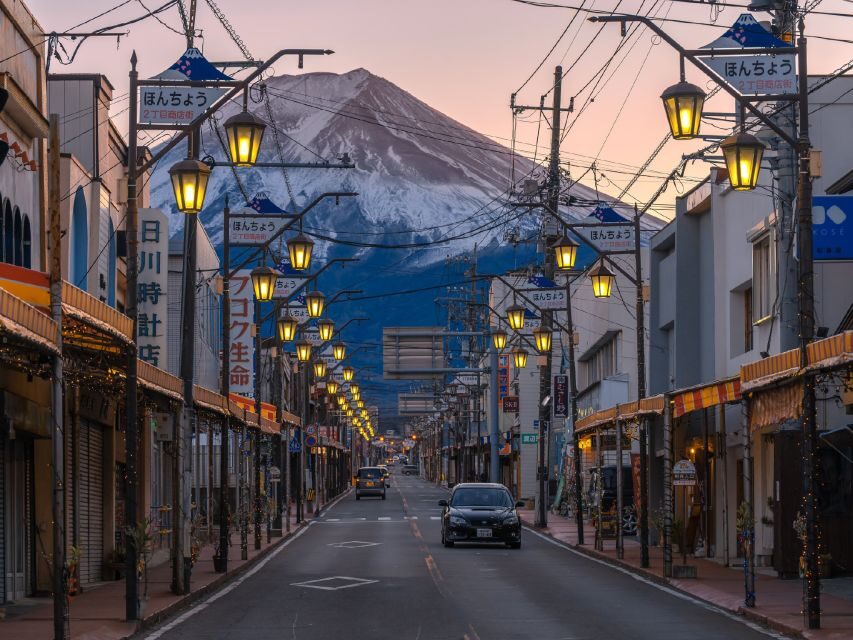
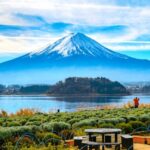
- Classic Fuji-area stops are customizable, often including Fujikawaguchiko-machi, Arakurayama Sengen Park, Oshino Hakkai, and Gotemba Premium Outlets.
- Guide support can add meaning fast, and some guides are especially strong with shrine and local beliefs.
Why this private Fuji day feels different from bus tours
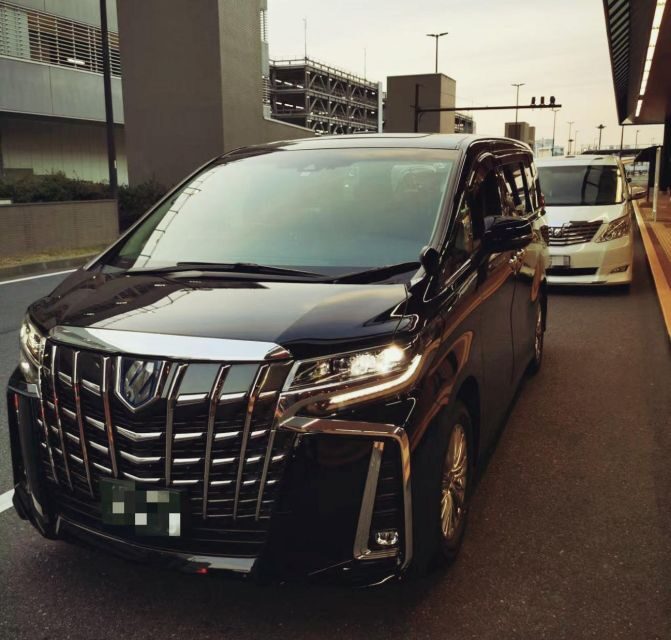
Most Mount Fuji days from Tokyo are built around tight schedules and a one-size-fits-all route. This one is designed around your choices. You’re in a private group, in an air-conditioned vehicle, and you’re not playing phone games with directions once you’re out of the city.
That matters, because Fuji-area traffic and timing can be unpredictable. When you control the pacing, you can spend extra minutes where the view is working and scale back elsewhere. It also helps if your energy level changes during the day. You’re not stuck at a crowded viewpoint for a set time just because the itinerary says so.
There’s also a practical advantage: the driver handles logistics like parking and driving, and you can focus on the experience itself. If you’re someone who likes a plan but hates rushing, this setup tends to fit nicely.
Other Mount Fuji tours we've reviewed at Mt Fuji & Kawaguchiko
Planning your day: how the route usually comes together
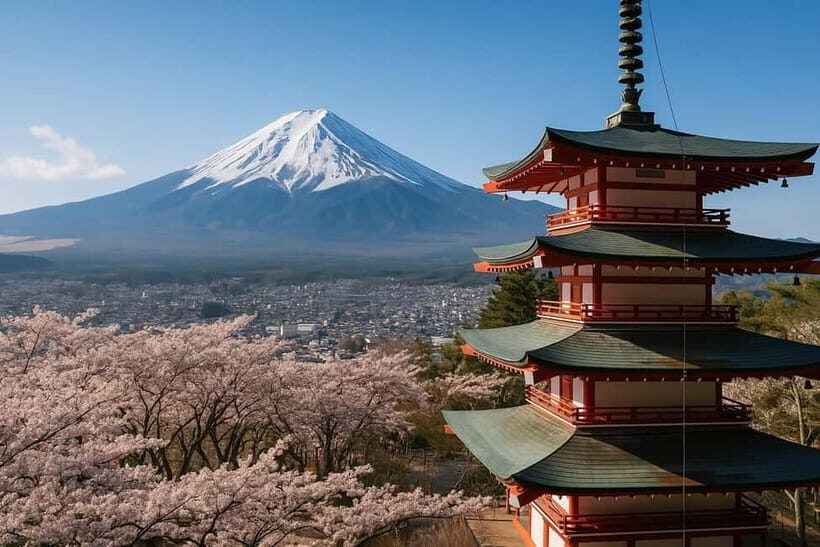
You can build a dream day in the Fuji region, then confirm it in advance with the company. If you don’t want to sweat planning, there’s also a recommended route that links major stops around Mount Fuji.
Here are the places that commonly show up when people shape their itinerary:
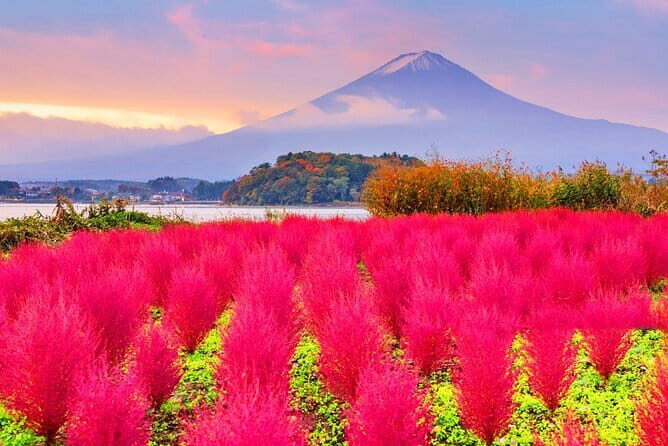
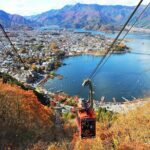
- Fujikawaguchiko-machi: a base area where you can typically find the classic Lake Fuji atmosphere. It’s a good place to slow down, take photos, and get that “we’re really here” feeling before moving to smaller stops.
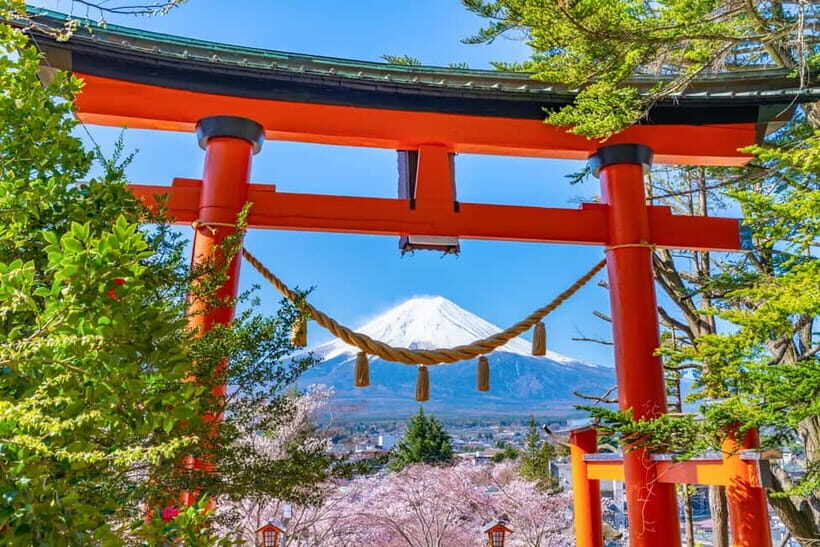
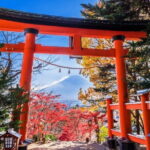
- Arakurayama Sengen Park: a viewpoint area tied to a well-known shrine approach. Expect walking, viewpoints, and photo opportunities, especially if your timing is good.
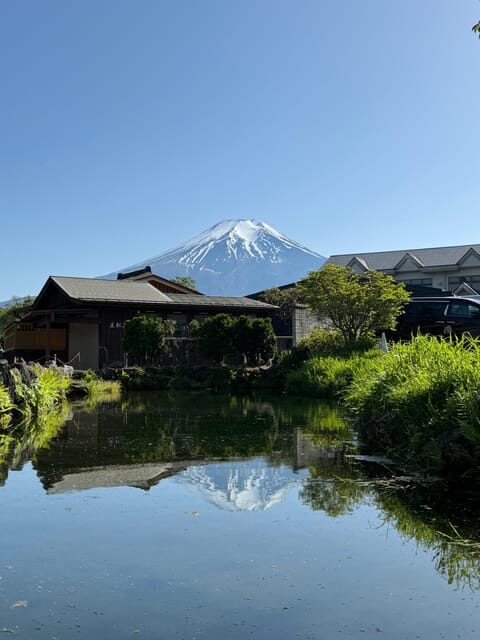
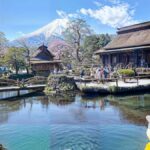
- Oshino Hakkai: a cultural and scenic stop focused on spring-fed ponds and the way locals and visitors experience this landscape. It’s the kind of place where details matter more than speed.
- Gotemba Premium Outlets: a practical option when you want a break from sightseeing or you’re traveling with people who like shopping and a more relaxed flow.
Because the itinerary is customizable, the real value is not the checkbox list. It’s the ability to choose what you actually care about: more walking vs. more viewpoints, more photo time vs. more cultural stops, or adding an outlet stop if it helps your group’s mood.
Getting to Mount Fuji without the headache
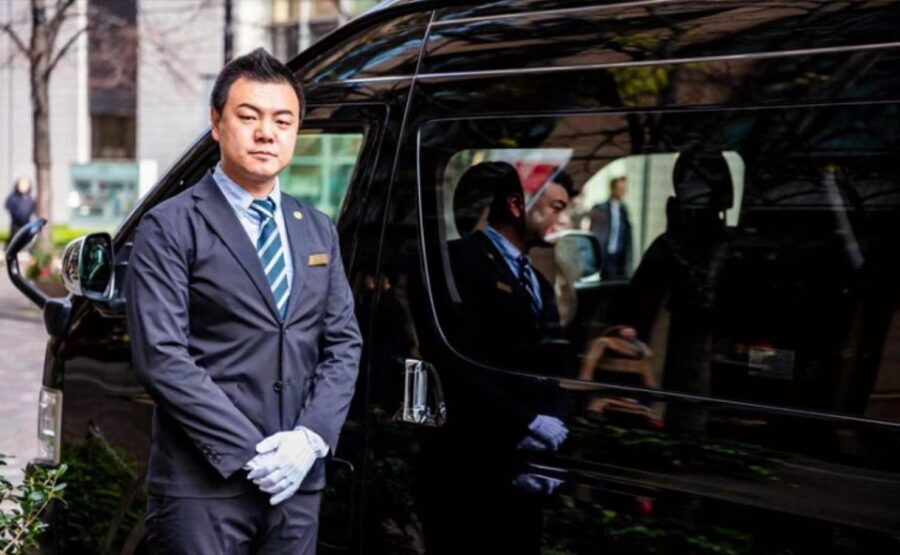
The tour is built around hotel pickup and drop-off within Tokyo’s 23 wards (Chuo, Chiyoda, Minato, Shibuya, Shinjuku, and the rest of the list). If you’re outside those wards, extra charges apply based on your area.
This part is underrated. A private day like this is often worth it simply because you skip the whole transfer puzzle—trains, buses, connections, and figuring out where to stand when the crowds are already flowing.
The driver will wait for you at your address in a place where they can park, then contact you for the meeting point. That sounds small, but it can save real stress when you’re juggling bags, kids, or jet lag.
Tip for smooth pickup: be ready when the car arrives. Pickup works best when you make the meeting point easy to find and you’re not trying to coordinate in real time from the bottom of a stairwell.
The 10-hour rhythm: how the time tends to feel
The day runs for 10 hours total. That’s long enough to reach the Fuji area and still enjoy a few stops, but it’s not so long that you can completely ignore travel time.
Here’s the practical expectation: you’ll spend much of your day on the move between Tokyo and the Fuji region, and then your time gets carved into sightseeing blocks. The itinerary includes a 3-hour Mount Fuji visit with walking and self-guided exploration.
Because the route is adjustable, you can design the day to match your style:
- If you want photos, prioritize viewpoints early or whenever the sky clears.
- If you want calm, choose fewer stops and linger longer in the best spots.
- If you’re traveling with mixed interests, add a buffer stop like Gotemba to prevent the day from feeling like one long sprint.
Also note the overtime structure. If your day runs longer than planned, there are overtime fees—$42 per hour without a guide, or $67 per hour with a guide. Build your schedule with enough breathing room so you’re not paying extra just because someone wants one more photo.
Mount Fuji and that 3-hour window: what to do with it
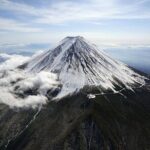
The center of the tour is the Mount Fuji visit: 3 hours that are designed for sightseeing, walking, and self-guided time. That means you’re not stuck waiting for someone to lead you step-by-step through every minute.
This is exactly where customization pays off. If you want to focus on views, use the block for longer photo stops and slower walks. If you want to make it more meaningful, pair that time with an itinerary that includes cultural context—especially if you choose the guide option.
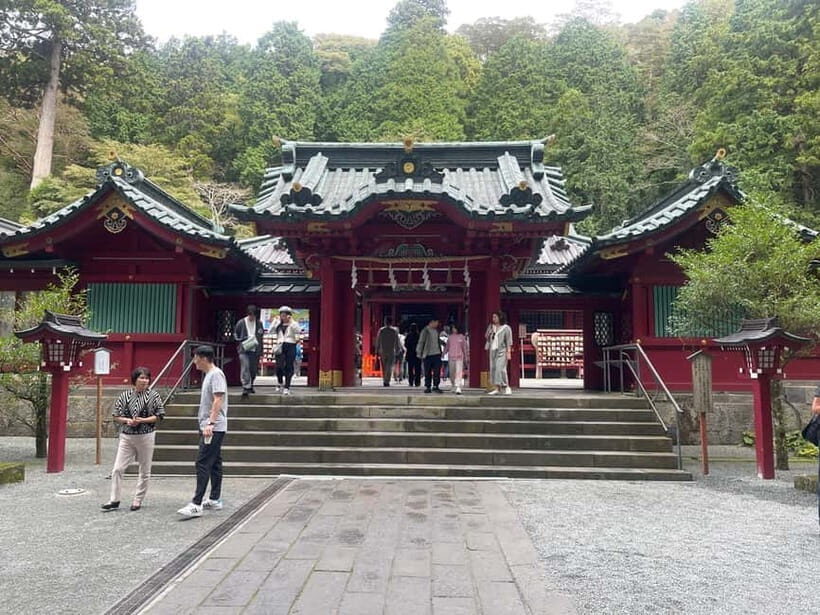
A real-world clue from past experiences: guides can add a lot when the route includes shrine or belief-based sites. One guide named Ms Grace was specifically praised for being helpful and for explaining local Shinto elements, and in one case she even joined a group up a long staircase path tied to a shrine area. That kind of support can change your whole impression of a stop from scenery to something you understand.
But if you prefer to travel light and keep your day self-directed, the self-guided structure is a good match. You can take breaks, adjust pacing, and avoid the pressure to keep up.
Other day trips from Tokyo to Mt Fuji & Kawaguchiko

Cars, drivers, and language: where the experience can swing
A professional driver is included, and that’s usually the biggest quality difference between a comfortable private day and an exhausting one. Safety and driving comfort matter on long road trips, and the feedback is mixed in a way that helps you plan smarter.
Here’s what you should watch for:
- Some drivers have limited English, but basic communication can still work if you’re clear on meeting points and priorities.
- Some guide situations are stronger than others. In one disappointing experience, the “local guide” functioned more like a driver and didn’t provide the detail or motivation expected. The group ended early due to concerns about attention during the return trip.
At the same time, other experiences were very positive. A guide named Ms Grace was repeatedly described as nice, helpful, and even excellent at explaining traditions. Another feedback mentioned feeling safe the entire time with the driver, even when English was limited.
What does that mean for you? Before the day starts, message what you want:
- Do you want a storytelling-style guide?
- Do you want practical directions and short explanations, or deeper context?
- How important is cultural explanation vs. pure sightseeing?
If your goal is meaning, choose the guide option and be explicit about expectations. If your goal is pace and comfort, the professional driver plus a self-guided plan can still be a strong day.
Price and value: is $271 per person fair?
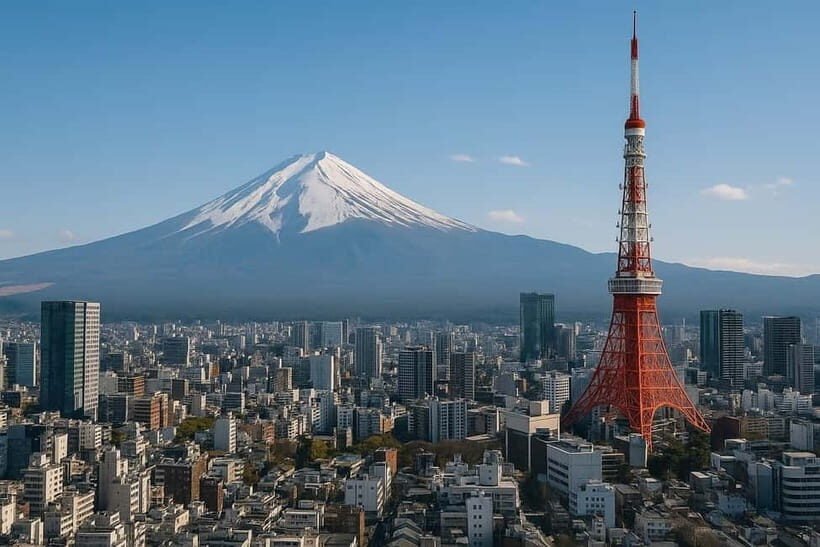
At $271 per person for 10 hours, the value depends on what you’re buying: convenience, flexibility, and a private setup.
Here’s what your money covers:
- Hotel pickup and drop-off
- An air-conditioned vehicle
- A professional driver
- Parking and related fees (included)
- A guide if you choose the guide option
- Taxes and included fees
What’s not included:
- Admission tickets
- Food and drinks
- Meals
- Overtime fees (if you go over)
So the question is not only “Is it expensive?” It’s “How much would you spend in time and stress otherwise?” If you’ve ever tried to piece together multiple transit legs to Fuji viewpoints, you know how quickly the day becomes exhausting. For groups who want comfort and control, paying for a private car often ends up feeling reasonable.
Also, think about opportunity cost. A private car means you can adjust the plan if visibility is poor or crowds are overwhelming. That’s the kind of flexibility that can turn an average Fuji day into a good one.
What to bring, what not to bring, and small comfort realities
You’ll want the basics ready:
- A camera
- Credit card
- Cash
And check the restrictions:
- No bags and no alcohol or drugs
- No bikes
The “no bags” rule is the one that can surprise people. If you like carrying a small day bag, plan to pack lighter than usual.
One more comfort reality came up in past experiences: even when the car is described as a Lexus, seating can be tight in the back for a longer ride if you have multiple people. A practical fix was used—one person moved to the front passenger seat so everyone could stretch their legs. If you’re traveling as a group of 3 (or close to that), consider bringing lightweight items and planning for tighter rear-seat comfort.
Who this tour is best for
This tour tends to fit best if you:
- Want a stress-reducing day with private transport from Tokyo
- Like a plan you can tweak on the fly
- Care about Fuji viewpoints but also want a few stops that add variety (like Oshino Hakkai or Arakurayama Sengen Park)
- Travel with people who don’t want to fight transit lines
It can be less ideal if you specifically expect a very active, highly detailed guiding style every minute regardless of setup. In some cases, guide energy and explanation depth have been inconsistent, so your best move is to choose the guide option and communicate your interests before you roll.
Should you book this Mount Fuji private customizable tour?
If you want control and comfort, I’d say it’s a strong pick. The big win is the private car from Tokyo plus a route you can shape around your interests, including the chance to blend classic spots like Arakurayama Sengen Park and Oshino Hakkai with downtime like Fujikawaguchiko-machi and even a shopping stop at Gotemba.
I’d book with a simple plan:
- Confirm your itinerary in advance so your 3-hour Mount Fuji time matches what you want.
- Choose the guide option if you care about cultural context, and name what you’re most interested in.
- Pack light for the no-bag rule, and bring cash for anything not included.
If your priority is strict structure with guaranteed detailed commentary every step, then message your expectations early and be clear about the kind of help you want during the day. With that done, this tour can be an efficient, comfortable way to experience Mount Fuji without turning your vacation into a logistics project.
FAQ
How long is the Mount Fuji one-day private tour?
The duration is 10 hours.
Where can I get picked up and dropped off in Tokyo?
Pickup and drop-off are included within Tokyo’s 23 wards. The list includes areas such as Chuo, Shinjuku, Minato, Shibuya, and many others. Outside Tokyo’s 23 wards, extra charges apply depending on the area.
Is this tour private?
Yes, it’s a private group.
Do I get a guide, or is it just the driver?
You can choose the guide option. The tour includes a professional driver, and an English-speaking guide is included if you select that option. The live guide languages are Chinese, Japanese, and English.
What’s included in the price?
Included are hotel pickup and drop-off, an air-conditioned vehicle, a professional driver, parking fees and all fees/taxes, and a guide if the guide option is chosen.
What is not included?
Admission tickets, food and drinks, and meals are not included. Overtime fees also are not included.
What are overtime fees if the tour runs long?
Overtime fees are $42 per hour without a guide and $67 per hour with a guide.
How long do I have to cancel for a full refund?
You can cancel up to 24 hours in advance for a full refund.
What should I bring, and what is not allowed?
Bring a camera, credit card, and cash. Bikes are not allowed, and alcohol and drugs are not allowed. Bags are not allowed.