REVIEW · TOKYO
Private tour to Mount Fuji and Hakone from Tokyo
Book on Viator →Operated by Aizaz · Bookable on Viator
One day near Mount Fuji beats postcards. This private 10-hour excursion strings together the icons: Chureito Pagoda, Oshino Hakkai, Lake Kawaguchiko, and then (optionally) Hakone’s Lake Ashi, Owakudani, and more. It’s built for photos, calm temple moments, and the kind of pacing that feels doable from Tokyo.
I especially like the private transportation piece. No packing into a full bus, and you can choose between doing the first half (Fuji-focused) or the back half (Hakone-focused) of the day. The other big win is having an English-speaking guide—Aizaz is the provider name you may see tied to this experience—and getting clear guidance at each stop instead of guessing.
One thing to plan for: not everything is included. Lunch isn’t included, and there are key add-ons you may have to pay for (like the bus ride to Mount Fuji and some attractions/ropeway admissions). Also, the tour depends on good weather, so you’ll want flexibility in your schedule.
In This Review
- Key things to know before you go
- Why a private Mount Fuji and Hakone day feels smarter from Tokyo
- Route choice: Fuji-first or Hakone-last changes the whole day
- Chureito Pagoda and Arakurayama Sengen Park: the iconic frame shot
- Oshino Hakkai’s spring ponds: calm water that makes the day feel real
- Kitaguchi Hongu Fuji Sengen Shrine: the pilgrimage mood before the big views
- Lake Kawaguchiko and Oishi Park: the Fuji Five Lakes time slot that matters
- Mt. Fuji 5th Station: where the air gets thinner, and costs can change
- Into Hakone: the red torii and Lake Ashi’s slow, scenic pace
- Hakone Ropeway and Owakudani: the payoff is real, but some tickets aren’t included
- Hakone Open-Air Museum: art outdoors, but plan around the ticket
- Price and logistics: what your money covers, and what to budget for
- Timing, crowds, and weather: how to make the day run smoothly
- Should you book this private Mount Fuji and Hakone tour?
- FAQ
- How many people is this private tour for?
- What is the duration of the Mount Fuji and Hakone tour?
- Can I choose to focus on Mount Fuji or on Hakone?
- Is hotel pickup included?
- Is lunch included?
- Are admission tickets included for every stop?
- Is there an extra bus cost to Mount Fuji?
- Does the tour provide mobile tickets?
- Is the guide English-speaking?
- What happens if weather is poor?
Key things to know before you go
- Private for up to 5 with an air-conditioned vehicle and hotel pickup offered.
- Two route styles: choose the first 6 stops (Fuji side) or the last 5 stops (Hakone side).
- What you pay for vs what’s included is mixed: some admission tickets are included, but Mt. Fuji 5th Station, the Hakone Ropeway, and the Open-Air Museum are not.
- Timing is tight but not rushed: most stops are 30 minutes, with longer time at Lake Kawaguchiko.
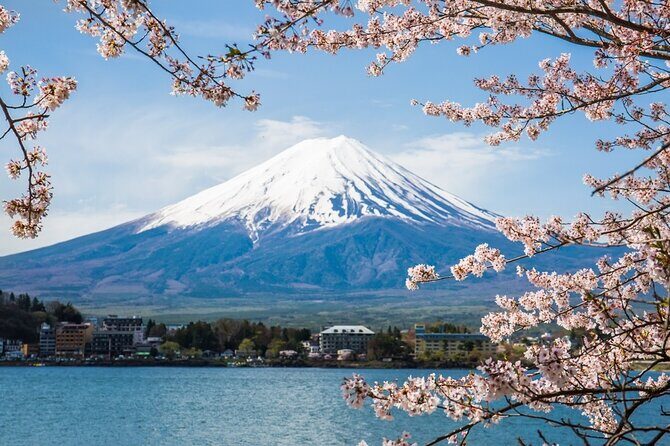
- The day leans photo-friendly: Chureito Pagoda, Oshino Hakkai, and the Lake Ashi area are major visual hits.
- Weather matters: the experience requires good conditions, and you can be offered a different date or a full refund if it’s canceled for poor weather.
Why a private Mount Fuji and Hakone day feels smarter from Tokyo
Mount Fuji from Tokyo is one of those trips where the journey can easily eat your whole day. This format helps because you’re not stuck with a massive group schedule. You get private transportation and a guide who can keep the rhythm steady while you bounce from viewpoint to viewpoint.
The stop mix also makes sense for first-timers. You’re not just doing one “Mount Fuji view.” You also get the pilgrimage feel at a shrine near the mountain, the natural spring ponds at Oshino Hakkai, and then the volcanic character of Hakone with sulfur steam at Owakudani. It’s a full day that covers different “sides” of the region without turning every minute into a mad dash.
Other Mount Fuji tours we've reviewed at Mt Fuji & Kawaguchiko
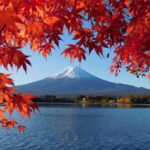
Route choice: Fuji-first or Hakone-last changes the whole day
You can choose either:
- the first 6 spots focusing on Mount Fuji, or
- the last 5 spots focusing on Hakone.
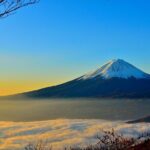
If you want the classic Mount Fuji experience—pagodas, ponds, Lake Kawaguchiko views, and a go-up toward the 5th Station area—pick the Fuji-first option. If Hakone is more your thing—Lake Ashi, the red torii by the water, and the volcanic steam—then the Hakone-last side fits better.
Either way, you’ll still be doing a day-trip cadence from Tokyo, so plan your expectations around weather and timing. If clouds cover the mountain, your “Fuji” experience may shift into more shrine-and-scenic mode, and that’s not a deal-breaker. But you do want to go in knowing that visibility is part of the deal.
Chureito Pagoda and Arakurayama Sengen Park: the iconic frame shot
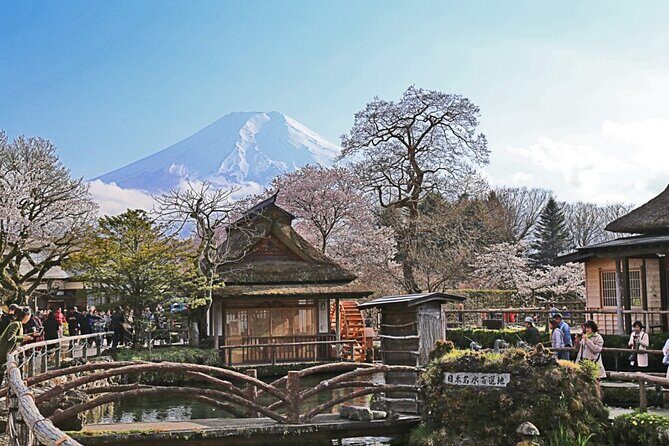
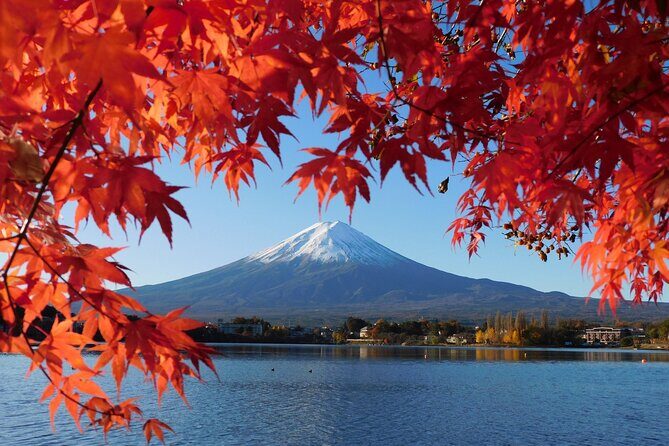
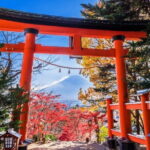
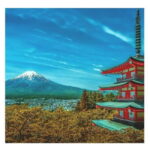
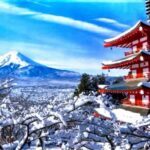
Your first major photo stop is Chureito Pagoda in Arakurayama Sengen Park. This is the Mount Fuji view that people recognize instantly: a five-story pagoda with Mount Fuji framed behind it. The season matters here because the park setting changes—cherry blossoms in spring, vibrant autumn leaves later.
You get about 45 minutes, plus the admission ticket is included. There’s a short climb involved to reach the best viewpoint, so comfortable shoes help. This is one of those stops where a little patience pays off: you’re aiming for angles where the framing works.
Best strategy: don’t just shoot from the first spot you find. With 45 minutes, you can walk a few minutes uphill or sideways to see what the light is doing and catch a cleaner view.
Oshino Hakkai’s spring ponds: calm water that makes the day feel real
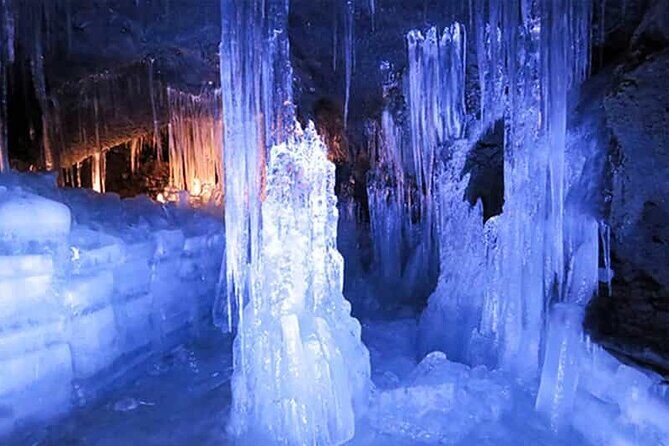
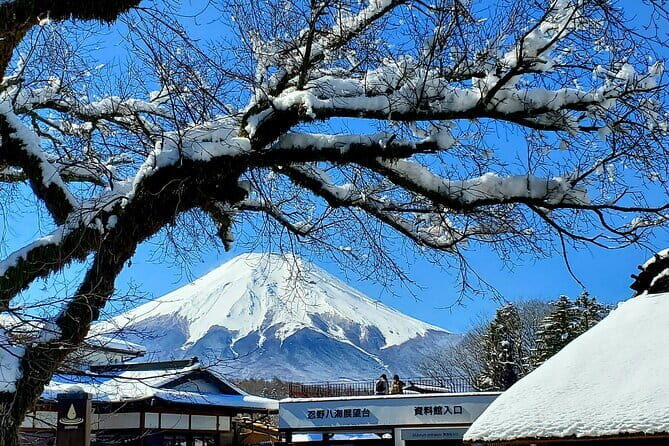
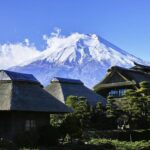
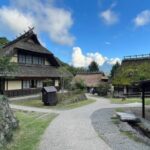
Next comes Oshino Hakkai, a small area known for eight crystal-clear ponds fed by natural spring water. The setting blends water, traditional houses, and mountain views that feel more lived-in than a pure viewpoint.
You get about 30 minutes, and the admission ticket is included. This is a great reset stop after the pagoda photo circuit. It’s not about dramatic heights—it’s about quiet visuals and a chance to slow down for a bit.
Practical tip: if you care about photos, this is one of the places where timing within the day can matter. Try to take a few shots from multiple angles as the water and background shift.
Kitaguchi Hongu Fuji Sengen Shrine: the pilgrimage mood before the big views
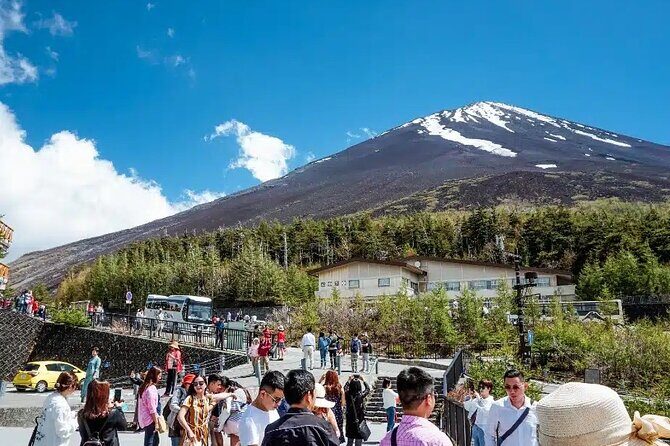
Then you’ll head to Kitaguchi Hongu Fuji Sengen Jinja Shrine, at the foot of Mount Fuji. The big idea here is spiritual context. This shrine was once tied to pilgrims beginning climbs up the mountain, and it still reads like a place with long traditions.
You’ll spend about 30 minutes, and the admission ticket is included. Cedar trees and grand torii gates set the tone, and it’s a nice contrast to the more scenic, “photo-first” stops.
Even if you’re not chasing temples, this stop helps you understand why Mount Fuji isn’t just a backdrop. It has a sacred reputation tied to pilgrimage culture, and this is one of the clearer ways to feel that in a limited day.
Other Mt Fuji and Hakone combo tours at Mt Fuji & Kawaguchiko

Lake Kawaguchiko and Oishi Park: the Fuji Five Lakes time slot that matters
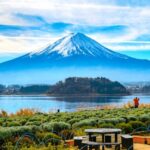
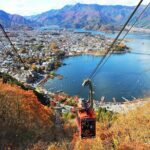
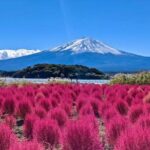
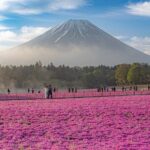
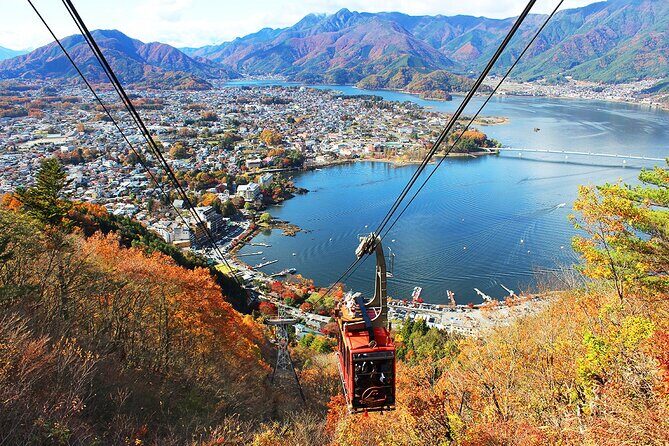
From there, you shift to the Fuji Five Lakes area, starting with Lake Kawaguchiko. This is where the “big view” can land—especially in better weather—plus you have time to walk lakeside.
You get about 1 hour 30 minutes at Lake Kawaguchiko, with admission included. The extra time matters here because it’s not just a single viewpoint. You can enjoy lakeside paths, and the area also supports seasonal flower displays. Boat rides are mentioned as an option too, but you’ll have to follow what the guide recommends based on conditions and your timing.
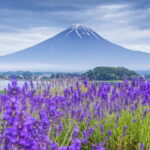
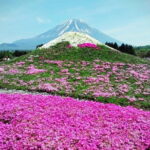
Then you top it off at Oishi Park, another lakeside park known for seasonal flowers—lavender in summer is one example mentioned. You spend about 30 minutes, and the admission ticket is included.
This pairing is smart for two reasons:
1) you’re not relying on one single “look” of the lake, and
2) you’re giving yourself a chance to find the best angles as the light changes.
Mt. Fuji 5th Station: where the air gets thinner, and costs can change
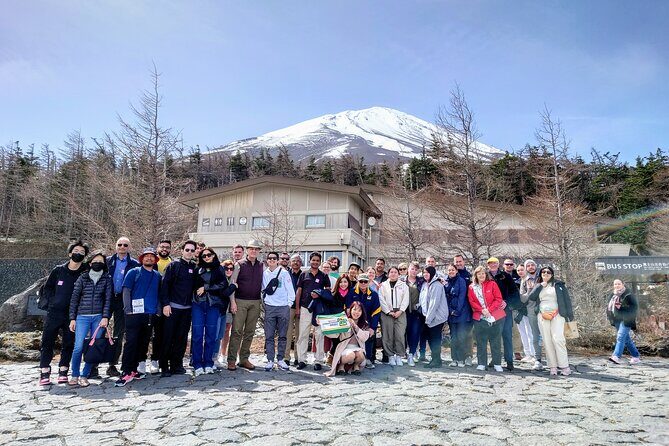
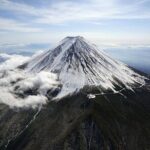
Mt. Fuji 5th Station is a popular stop around 2,300 meters (7,500 feet). You’ll spend about 30 minutes here, but admission is not included. There may also be an additional bus ride to Mount Fuji that is excluded at ¥3,000 per person.
This stop is the boundary between “day trip scenery” and something that feels closer to the mountain’s actual scale. Even if you don’t climb further, you’ll feel the altitude and see the area’s bustle for yourself—souvenir shops, resting spots, and wide open views when weather cooperates.
My best advice: treat this as a bonus if conditions are good, not as a guarantee. If clouds roll in, you can still enjoy being higher up and seeing what the area looks like, but your classic Mount Fuji “wow” may be reduced.
Into Hakone: the red torii and Lake Ashi’s slow, scenic pace
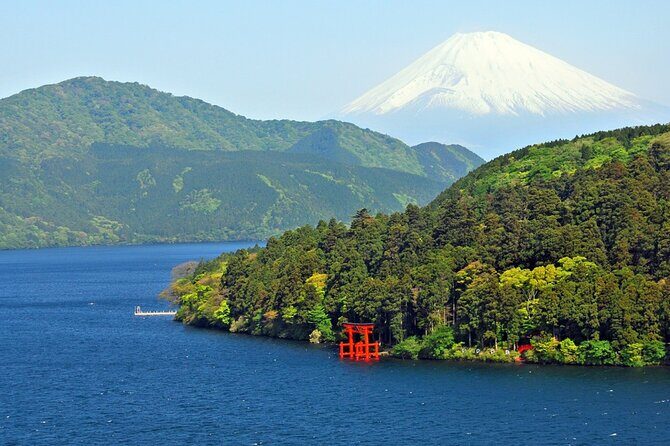
If you choose the Hakone-last option, your day starts shifting toward water and volcanic terrain. A highlight is Hakone Shrine, a serene Shinto shrine on Lake Ashi. The famous element is the red torii gate standing in the lake, which gives you a postcard view without needing fancy planning.
You get about 30 minutes, and the admission ticket is included. The good part about Hakone Shrine is that it feels calm even though it’s a known landmark. It’s a breather after earlier mountain-and-lake areas.
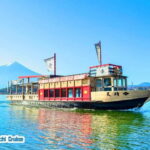
Then you’ll have 30 minutes at Lake Ashinoko (admission included). The point here is the crater lake setting and the visual connection to Mount Fuji if it’s visible. Scenic boat cruises are mentioned as an activity option, so if the day’s timing works, you’ll likely have a chance to consider it—though you’ll rely on what the guide can fit in.
Hakone Ropeway and Owakudani: the payoff is real, but some tickets aren’t included
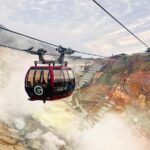
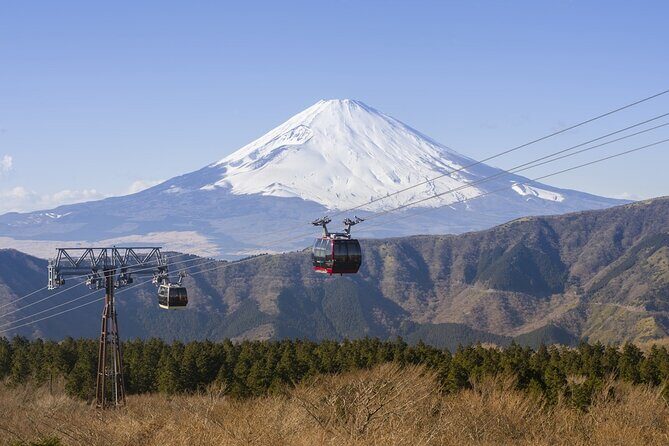
Next is the Hakone Ropeway, a scenic aerial ride over volcanic landscapes. You’ll spend about 30 minutes, but the admission ticket is not included.
Then comes Owakudani Valley, Hakone’s geothermal hotspot with bubbling hot springs, steam vents, and that unmistakable sulfur smell. You get about 30 minutes, and the admission ticket is included.
This is the part of the day where Hakone feels different from the Fuji Five Lakes. You’re not chasing delicate water views—you’re seeing the region’s raw energy. If the air is clear, you also get better chances for wide views of Mount Fuji from various points.
The practical tradeoff: because Ropeway admission isn’t included and travel can depend on conditions, you should go with a flexible mindset. Owakudani alone can be the highlight even if you end up doing less at other spots.
Hakone Open-Air Museum: art outdoors, but plan around the ticket
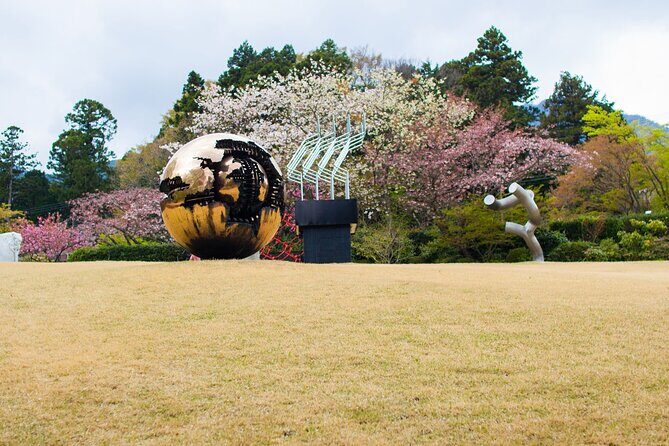
The last listed Hakone stop is the Hakone Open-Air Museum, an outdoor museum featuring sculptures by renowned artists set against the mountain backdrop. You’ll spend about 30 minutes there, but the admission ticket is not included.
If you like seeing art in an outdoor setting, this can be a great way to slow the day down. If you don’t care much about sculpture, this is also the easiest stop to treat as optional because it doesn’t appear to be the core “must-do” driver like Hakone Shrine or Owakudani.
Either way, it’s a nice contrast after the geothermal sights.
Price and logistics: what your money covers, and what to budget for
At $430 per group (up to 5 people), you’re paying for a private, air-conditioned vehicle, hotel pickup offered, and a guide to handle the flow of stops. That cost can be good value if you’re traveling as a small group and you want to avoid the stress of public-transport connections over a long day.
Here’s what’s included versus excluded, based on what’s stated for the stops:
- Included: Private transportation, air-conditioned vehicle, and the admission tickets are included for specific stops like Chureito Pagoda, Oshino Hakkai, Kitaguchi Hongu Fuji Sengen Jinja Shrine, Lake Kawaguchiko, Oishi Park, Hakone Shrine, Lake Ashinoko, and Owakudani Valley.
- Not included: Lunch and key add-ons such as the bus ride to Mount Fuji (¥3,000 per person excluded), Mt. Fuji 5th Station admission, Hakone Ropeway admission, and Hakone Open-Air Museum admission.
That missing piece is worth planning for. One unpleasant surprise can ruin the whole day, so I suggest you confirm the exact on-the-spot payments you should expect for the option you choose.
If you’re the kind of traveler who hates “math surprises,” budget extra for the non-included parts before you go. If you’re flexible and just want the experience, you can treat those as pay-as-you-go decisions once you see the conditions.
Timing, crowds, and weather: how to make the day run smoothly
This experience requires good weather. That’s not just a legal line—it’s the difference between a dream day and a gray one, especially around Mount Fuji views.
Since you’re working with a single-day plan, you’ll want to treat each stop as its own mini-window:
- Arrive ready to photograph quickly at Chureito Pagoda.
- Use Oshino Hakkai as a calmer moment.
- Give yourself room to shift mood at the shrine.
- At Lake Kawaguchiko, take advantage of the longer time by walking a bit rather than staying in one spot.
Also, remember the tour runs within 8:00 AM to 6:00 PM hours. With an approximate 10-hour duration, it’s usually a full day with an early start. Plan to keep your morning simple—breakfast, water, and comfortable shoes.
Finally, a quick note from real-world experience: on private tours, guide quality can make or break the day. This tour is presented as an English-speaking experience, but if clear communication matters to you, send a message ahead confirming language needs and asking how they handle any extra charges.
Should you book this private Mount Fuji and Hakone tour?
Book it if you want a small-group private day with an actual plan—pagodas, ponds, lakes, and either Hakone’s red-torii lake area or its volcanic drama. The Fuji-first vs Hakone-last choice is especially useful when you’re deciding what kind of day you want more.
Skip—or at least re-check the details—if your budget can’t handle add-on costs or you hate uncertainty. With some admissions and the ¥3,000 bus ride excluded, you’ll need to expect extra payments on the day. And if you’re traveling in a period where weather changes fast, keep your schedule flexible.
If you land in a good weather window, this is a practical way to see a lot of iconic areas from Tokyo without turning your vacation into a logistics project. With the route choice and private pace, it’s the kind of day trip that feels like you actually got out of Tokyo, not just around it.
FAQ
How many people is this private tour for?
The tour is private for your group, with a maximum of up to 5 people per group.
What is the duration of the Mount Fuji and Hakone tour?
It’s approximately 10 hours.
Can I choose to focus on Mount Fuji or on Hakone?
Yes. You can choose the first 6 spots of Mount Fuji or the last 5 spots of Hakone from the itinerary.
Is hotel pickup included?
Pickup is offered.
Is lunch included?
No, lunch is not included.
Are admission tickets included for every stop?
No. Some stops include admission tickets, while others do not—such as Mt. Fuji 5th Station, the Hakone Ropeway, and the Hakone Open-Air Museum.
Is there an extra bus cost to Mount Fuji?
Yes. A bus ride to Mount Fuji is excluded at ¥3,000 per person.
Does the tour provide mobile tickets?
Yes, mobile tickets are included.
Is the guide English-speaking?
The tour is described as having an expert English-speaking guide.
What happens if weather is poor?
The experience requires good weather. If it’s canceled due to poor weather, you’ll be offered a different date or a full refund.