REVIEW · TOKYO
Full-Day Tour to the Picturesque Spots of Mount Fuji
Book on GetYourGuide →Operated by Japan Visionary Tour · Bookable on GetYourGuide
Fuji day trips have one big test: can you see the mountain clearly. This one strings together classic photo stops and calm nature breaks around Mount Fuji. You get views, culture, and even a chance to taste spring water.
I particularly like the mix of places. You start with Saiko Iyashi-no-Sato Nenba, a reconstructed village where traditional houses frame Fuji on clear days. Then you shift to lakeside walking at Oishi Park, with famous kochia and reed-lined shore scenes.
The main drawback to plan around is physical effort and crowd timing. The Arakurayama Sengen Park area involves climbing about 400 steps, and peak season traffic can stretch the day.
In This Review
- Key Points to Know Before You Go
- From Tokyo to Fuji: How the Day Really Flows
- Saiko Iyashi-no-Sato Nenba: Thatched Roof Village Frames Fuji
- Oishi Park and Lake Kawaguchiko: Kocha, Reeds, and Reflection Shots
- Oshino Hakkai: UNESCO Springs You Can Actually Taste
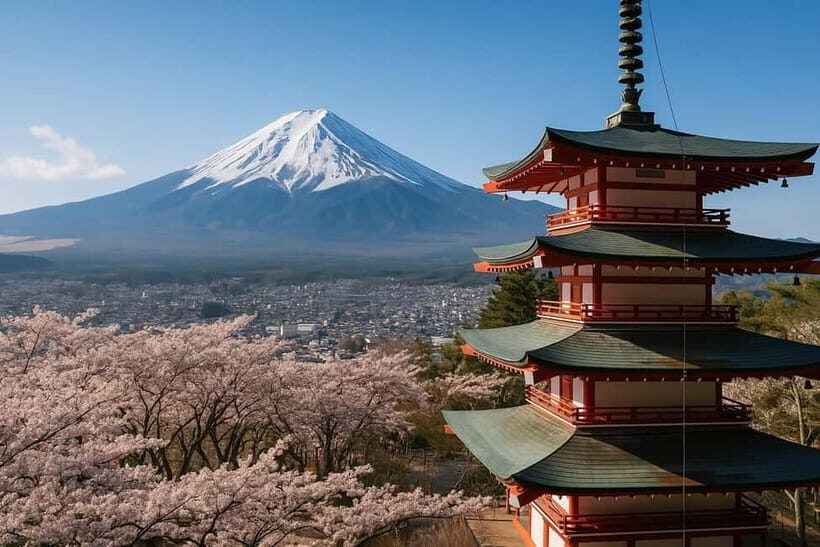
- Arakurayama Sengen Park: The 400 Steps to the Pagoda View
- Lunch, Shopping Streets, and How to Keep Your Expectations Flexible
- Price and Value: Why $49 Can Make Sense for Fuji
- Weather, Crowds, and the Mount Fuji Visibility Factor
- What to Bring (So You Don’t Pay in Comfort Later)
- Who This Tour Fits Best (and Who Should Skip It)
- Should You Book This Full-Day Mount Fuji Tour?
- FAQ
- Where do we meet and where does the tour end?
- What time does the tour start?
- How long is the transfer to the Mount Fuji area?
- Which languages are available for the guide?
- Are entrance tickets included?
- Are meals included?
- What should I wear and bring?
- Is the tour suitable for wheelchair users or mobility impairments?
- Does the itinerary change due to weather or traffic?
- What are the seasonal changes to Oishi Park?
- What is the cancellation policy?
Key Points to Know Before You Go
- Saiko Iyashi-no-Sato Nenba gives you a quiet, old-style village setting with Fuji in the distance (when visibility is good).
- Oishi Park + Lake Kawaguchiko is an easy, scenic stroll with kochia greenery and lake reflections.
- Oshino Hakkai is UNESCO-listed and famous for eight springs fed by Mount Fuji meltwater, and you can taste the water.
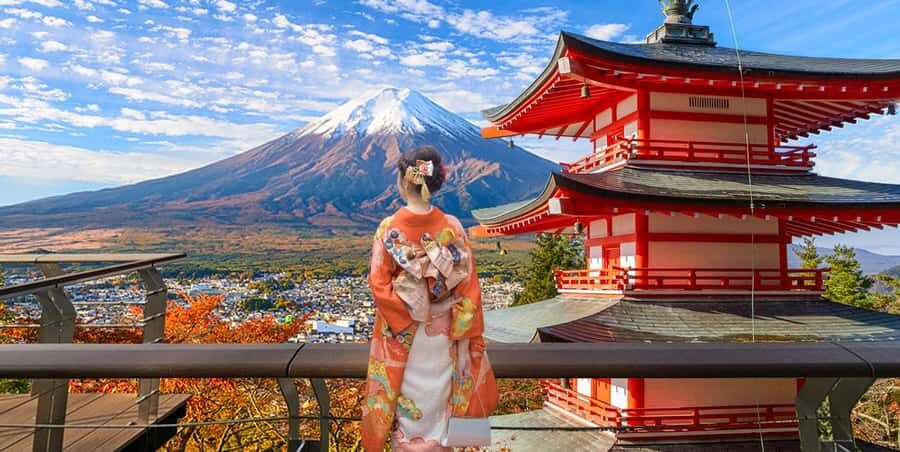
- Arakurayama Sengen Park has the classic Chureito Pagoda view, reached by a climb to the observation deck.
- Your schedule is flexible for weather and traffic, so you’ll want a patient mindset.
From Tokyo to Fuji: How the Day Really Flows
This tour is built for convenience. You leave Tokyo early—typically 8:00 AM from Tokyo Station or 8:30 AM from Shinjuku Station—and you’re riding in an A/C vehicle with a round-trip plan back to your meet-up point. The transfer time is listed as about 2 hours each way, but it can stretch with traffic.
That timing matters. Mount Fuji visibility is weather-dependent, and the best views are often on clearer mornings. So the tour’s structure tries to get you to the key viewpoints at workable times rather than spreading everything out across the whole day.
You’re also in a guided rhythm. A professional multilingual guide helps connect what you’re seeing—village life, shrine traditions, and the spring water story—without you having to figure everything out yourself in Japanese. English and Chinese support is included, which is a big plus for clarity at shrines and heritage sites.
Other Mount Fuji tours we've reviewed at Mt Fuji & Kawaguchiko
Saiko Iyashi-no-Sato Nenba: Thatched Roof Village Frames Fuji
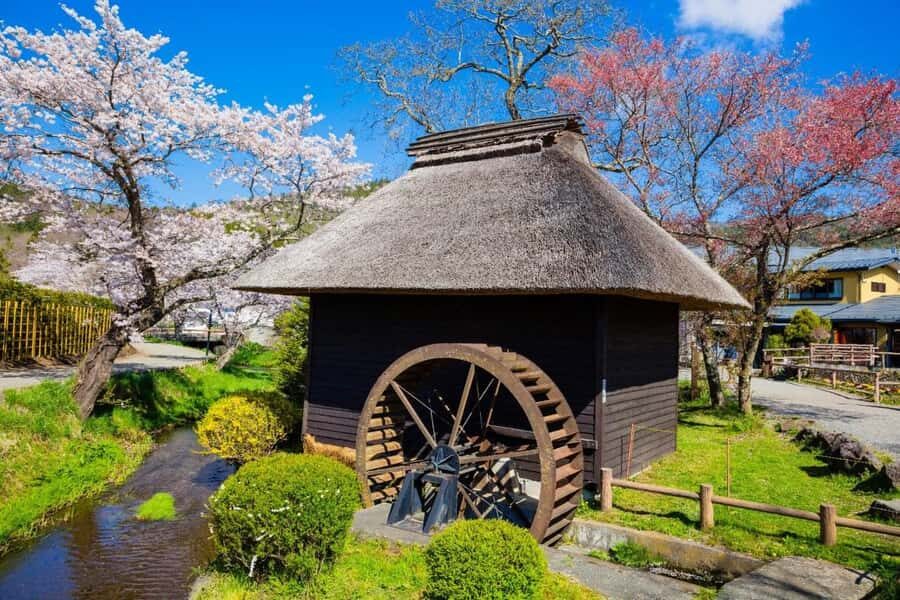
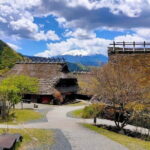
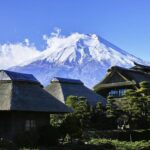
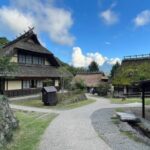
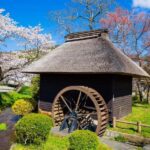
Saiko Iyashi-no-Sato Nenba is one of the stops that makes this feel more like a story than a checklist. You’re walking through a meticulously reconstructed Heian-era-style thatched-roof village, with buildings and crafts meant to preserve older rural architecture.
Why it’s worth your time: the viewing setup. On clear days, the two traditional thatched houses form a natural frame for Mount Fuji in the distance. Even if you don’t get a perfect clear-sky view, the village itself still feels like a break from big-city pace.
Practical note: you’ll want comfortable shoes here. Village paths aren’t described as extreme, but this is still a walking stop, and the day adds up. If you’re sensitive to long stair climbs later, treat this as your warm-up.
Oishi Park and Lake Kawaguchiko: Kocha, Reeds, and Reflection Shots
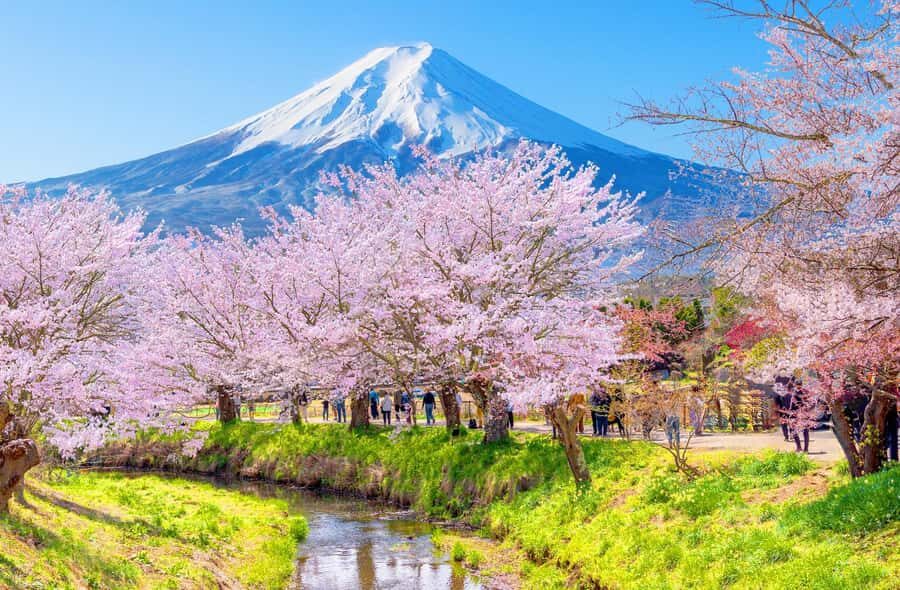
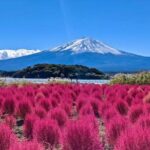
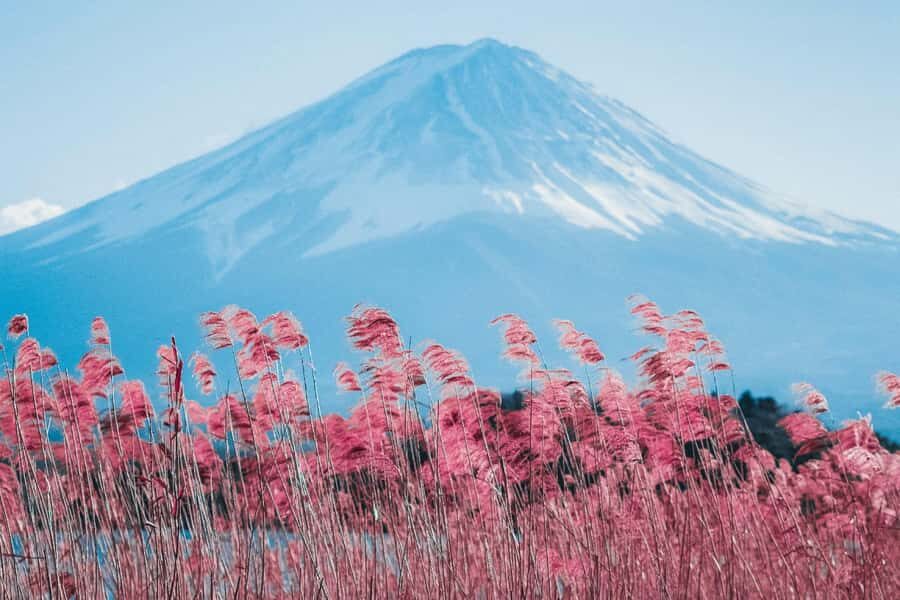
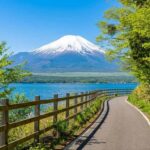
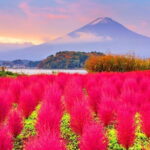
After the village, the tour shifts to an easygoing lakeside walk. At Oishi Park, you stroll through rows of kochia—those plump green plants that can look like a soft carpet. The scene is paired with the shoreline vibe: slender reeds moving in the breeze and the lake surface catching light.
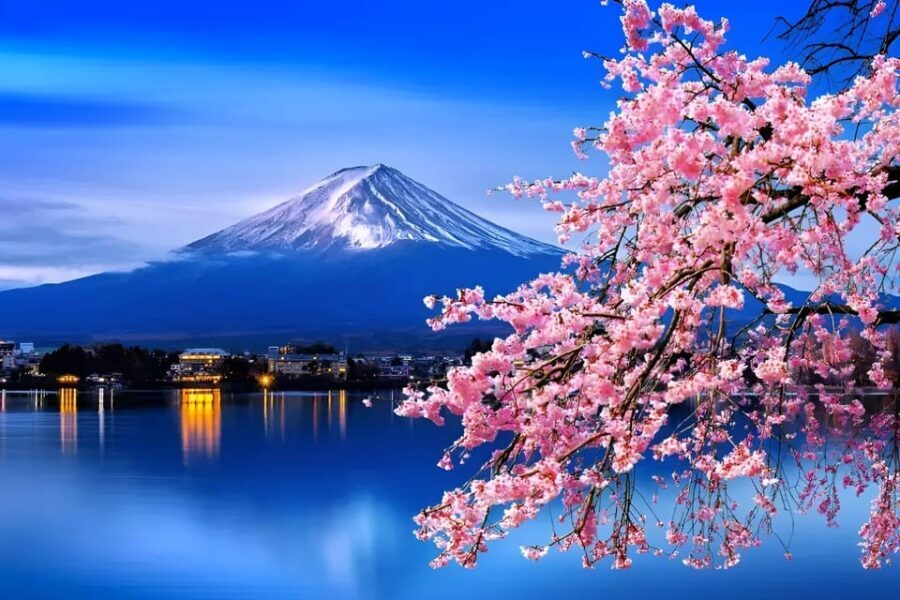
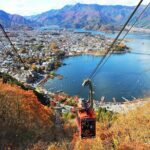
Across the water, Lake Kawaguchiko gives you the famous Mount Fuji backdrop. This is the kind of place where you can spend time just adjusting your angle—closer framing for Fuji size, then wider shots for a fuller shoreline composition.
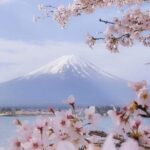
One important season detail: in autumn maple season and spring cherry blossom season, the stop may switch. The tour notes that Maple Corridor in autumn and cherry blossom groves in spring can replace Oishi Park. That’s good news if you time your trip to those seasons, and it also means your photo theme may change.
Oshino Hakkai: UNESCO Springs You Can Actually Taste
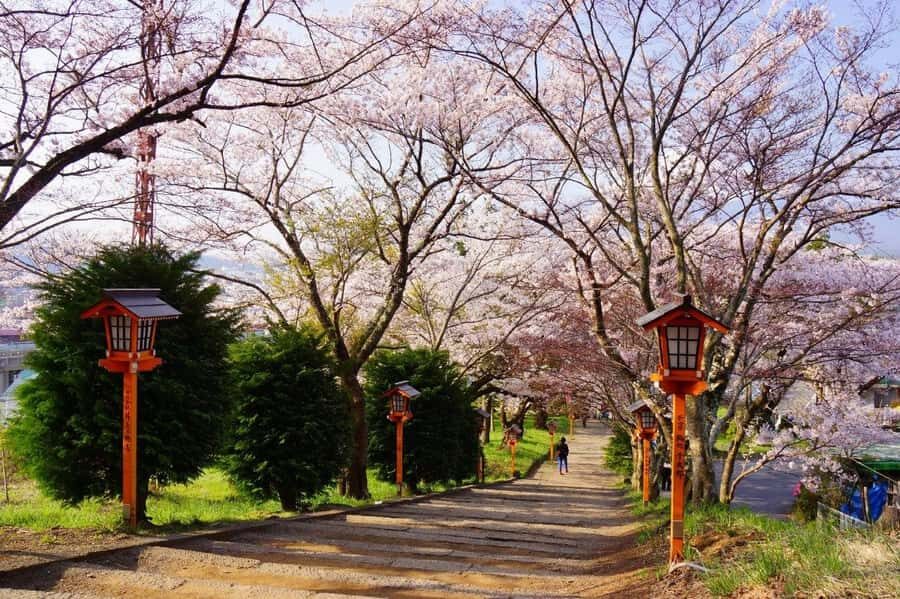
Oshino Hakkai is the heritage stop on this route, and it has a simple, memorable claim: eight crystal-clear springs, all fed by Mount Fuji. The UNESCO designation is specifically tied to this spring landscape.
This is where the tour goes beyond scenery. You get the chance to taste the meltwater. That might sound like a small detail, but it changes the stop. It turns the site into something you experience with your senses, not just your camera.
What I like about it as a travel moment: it’s a calmer counterpoint to the photo-heavy areas. You can slow down, watch the water reflect light, and focus on the spring system idea—Mount Fuji snowmelt traveling to these sources.
If you’re curious, keep your expectations grounded. Spring water tasting isn’t a restaurant experience—it’s a heritage moment. Drink what you’re offered, move at a steady pace, and save your energy for the shrine steps later.
Arakurayama Sengen Park: The 400 Steps to the Pagoda View
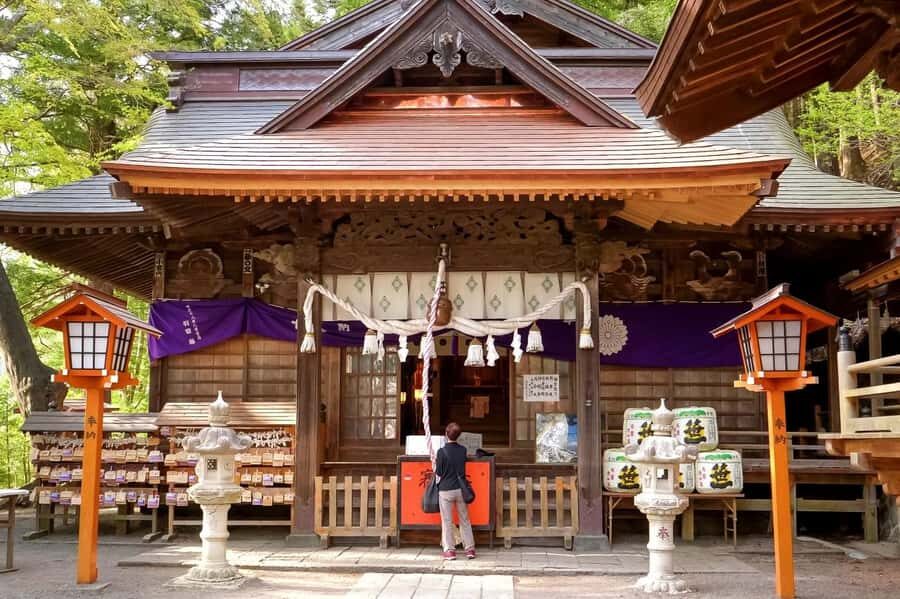
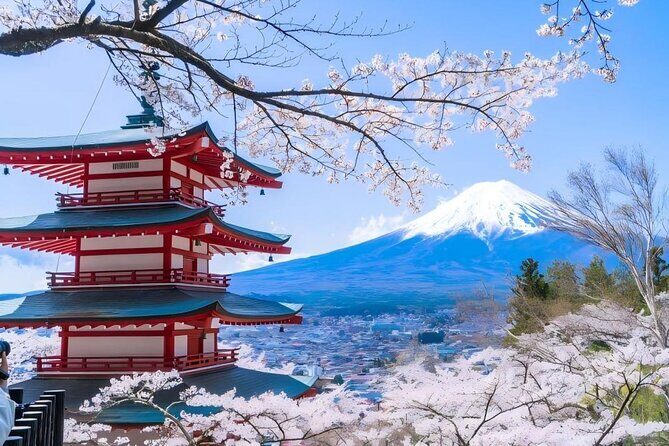
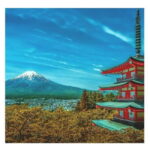
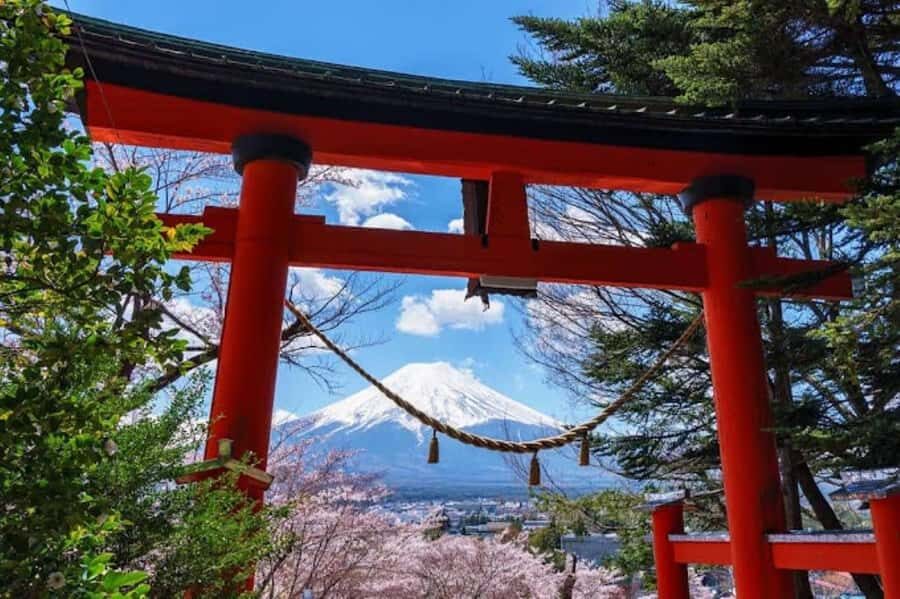
Arakurayama Sengen Park is the tour’s iconic payoff. The climb is real: you’ll go up about 400 steps to the observation deck. Along the way, the listing describes birdsong and greenery, which can make the climb feel less like a chore and more like a steady ascent to a goal.
At the top is the famous sight: the Chureito Pagoda (described as a vermillion five-story pagoda) framed with Mount Fuji. This is the kind of composition that makes people plan Fuji trips again and again.
Before you assume it’s only about photos, there’s also the shrine side. The Arakurayama Fuji Sengen Shrine is described as an ancient sanctuary dating to 705, dedicated to the deity of Mount Fuji. It also notes the shrine’s historic role in calming eruptions—so you’re looking at a site with deep religious purpose, not just a viewpoint.
Potential drawback: if you have mobility limits or tire easily, this is the hardest part of the day. This tour isn’t listed as suitable for wheelchair users or people with mobility impairments, and pregnant travelers are also noted as not suitable. If that’s you, it’s worth choosing a different style of Fuji experience with fewer stairs.
Other Mt Fuji photo spots tours at Mt Fuji & Kawaguchiko

Lunch, Shopping Streets, and How to Keep Your Expectations Flexible
Meals aren’t included, and that’s important for budgeting. You’ll need to plan for lunch on your own.
One real-world note from guidance quality: a previous guide named Kevin was praised for attentive support and strong English, and the route can include additional scenic stops. For example, one version of the day included a Fuji-side shopping street atmosphere and an extra lake stop (like Lake Yamanaka) in addition to the core highlights.
Here’s the practical angle: lunch variety may depend on what stops align that day. One past experience described an amusement-park-style lunch area where admission is purchased but ride costs can be separate. If you want a wider choice of food, plan to keep a bit of cash and be ready to walk a little or grab something simple if the menu options look limited.
Price and Value: Why $49 Can Make Sense for Fuji
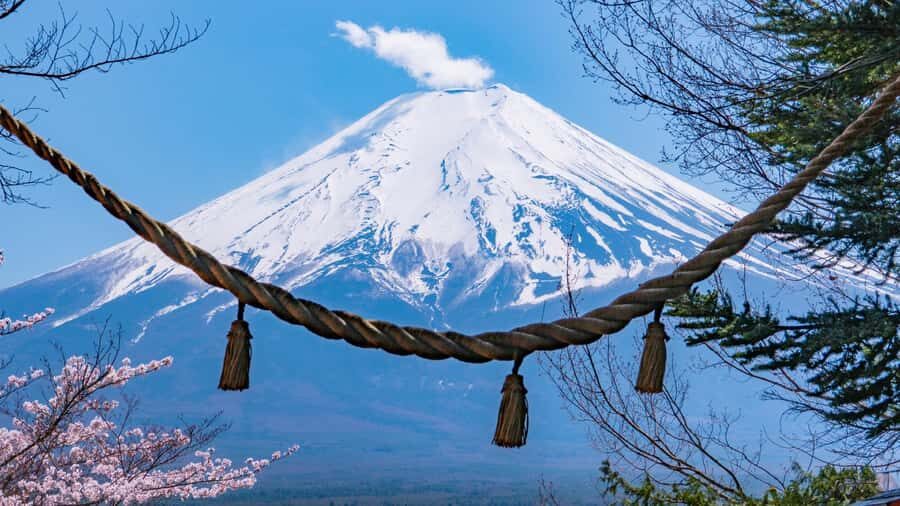
At $49 per person, this tour can be good value—mostly because it removes friction.
You’re paying for:
- Round-trip transfers from Tokyo meet-up points
- A professional multilingual guide
- Entry tickets to included attractions
- A/C vehicle and all the stated fees (parking, tolls, gas, environmental fees)
The big cost you avoid is logistics. Renting a car for a day, plus navigating traffic and finding parking near all these exact sites, is time and stress you don’t need. With a guide, you also get context at places like Oshino Hakkai and the Fuji shrine, which makes the stops feel connected instead of random.
The catch is what you supply. Since meals and beverages aren’t included, you’ll add your own food costs. And if you’re hoping for an ultra-relaxed day with lots of free time, this is still a structured sightseeing loop.
Still, for many first-timers to Fuji, the price lands in the sweet spot: classic hits with minimal planning.
Weather, Crowds, and the Mount Fuji Visibility Factor
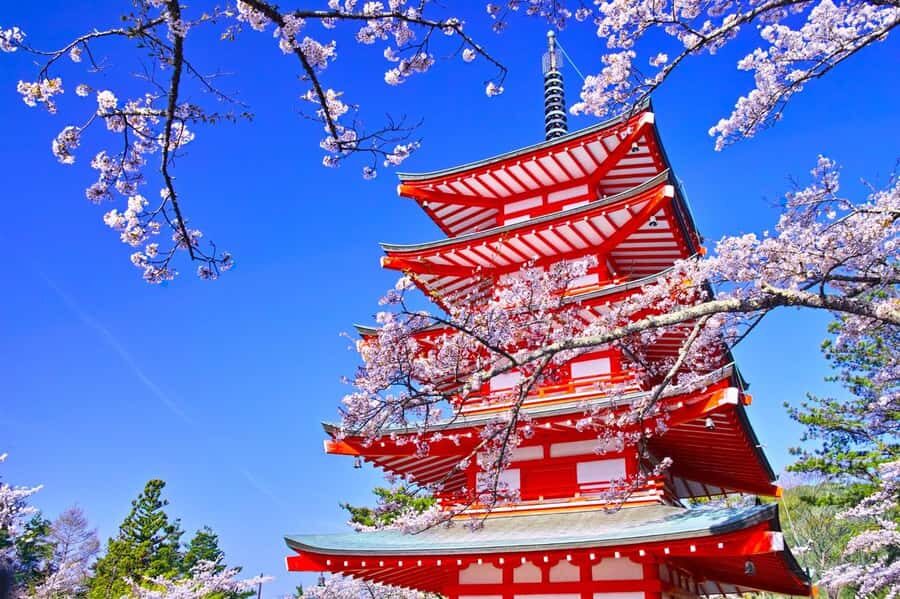
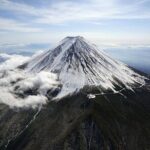
Mount Fuji is famous for being dramatic and sometimes stubborn. The tour specifically asks you to check the weather forecast because visibility can change fast.
Here’s how I’d plan around that:
- If the forecast says clear skies, bring your best camera settings mindset. Clear visibility can turn ordinary viewpoints into keepers.
- If it’s cloudy, adjust your expectations. You can still enjoy the village, the spring water, the shrine atmosphere, and the lake walk even when Fuji is hidden.
Crowds also matter. The tour notes that some sites may be busy during peak seasons, weekends, and public holidays. Traffic congestion is common in those windows too, and the day can run longer.
What you can do: keep your evening plans flexible. If you’re booking something late the same day, don’t tie it tightly to exact times.
What to Bring (So You Don’t Pay in Comfort Later)
The essentials are straightforward:
- Comfortable shoes (the 400-step climb is the big reason)
- Water
- Comfortable clothes for outdoor walking and possible seasonal temperature swings
A helpful local tip is included too: bring some cash. Many local merchants don’t accept credit cards, so having backup money helps you buy water or snacks easily if needed.
Also note the rules: no smoking in the vehicle, and no food or drinks in the vehicle. If you’re the type who likes a snack for the road, wait until you’re outside the bus.
Who This Tour Fits Best (and Who Should Skip It)
This tour works especially well if you:
- Want a full-day guided Mount Fuji hit list without rental car stress
- Like combining culture with scenery (village + shrine + heritage springs)
- Enjoy walking through parks and along lakes, with the understanding that the big stair climb is coming
It’s not the right fit if you:
- Are using a wheelchair or have significant mobility impairments
- Are pregnant, since the tour notes it as not suitable
- Can’t manage long days in a group setting
There’s also a small but important age note. For guests 70 and above, the tour requests signing a travel waiver on arrival. If you’re in that range, plan to arrive with enough time to handle paperwork calmly.
Should You Book This Full-Day Mount Fuji Tour?
Book it if you want structure, guidance, and classic Fuji framing in one day. The combination of Saiko Iyashi-no-Sato Nenba, lakeside Oishi Park scenes, UNESCO Oshino Hakkai spring water, and the Arakurayama/Chureito Pagoda viewpoint creates a well-rounded route that’s hard to reproduce efficiently on your own.
Skip it or choose a different option if stairs are a dealbreaker for you. The 400 steps are part of the signature experience, and this is not a low-walking tour.
If you’re traveling during peak visibility seasons, set your priorities. The forecast can make or break the Fuji photo moments, but the heritage and village elements still make the day worth it even when the mountain plays hide-and-seek.
FAQ
Where do we meet and where does the tour end?
The meeting point can vary depending on the option you book, and the tour ends back at the meeting point.
What time does the tour start?
You typically depart at 8:00 AM from Tokyo Station or 8:30 AM from Shinjuku Station.
How long is the transfer to the Mount Fuji area?
Estimated transfer time is about 2 hours, but it may extend due to traffic delays.
Which languages are available for the guide?
The tour includes a professional multilingual guide in English and Chinese.
Are entrance tickets included?
Yes. Entry tickets for the attractions are included.
Are meals included?
No. Meals and beverages are not included.
What should I wear and bring?
Bring comfortable shoes, water, and comfortable clothes for walking and time outdoors.
Is the tour suitable for wheelchair users or mobility impairments?
No. It is not suitable for wheelchair users or people with mobility impairments.
Does the itinerary change due to weather or traffic?
Yes. The schedule may be adjusted for traffic or weather safety, and Mount Fuji visibility can be affected by weather.
What are the seasonal changes to Oishi Park?
During autumn maple and spring cherry blossom seasons, the tour goes to Maple Corridor or cherry blossom groves instead of Oishi Park.
What is the cancellation policy?
You can cancel up to 24 hours in advance for a full refund.