REVIEW · TOKYO
Tokyo: Mt Fuji Lake Kawaguchiko Tour & Arakuyama Sengen Park
Book on GetYourGuide →Operated by Hakuu Co Ltd. · Bookable on GetYourGuide
Fuji photos start before the city wakes. This Tokyo-to-Fuji day trip packs the classic Chureito Pagoda view and the calm reflection ponds of Oshino Hakkai into one smooth, timed outing. You get multiple photo stops built around Mt Fuji angles, plus seasonal scenery that changes the whole look of the day.
I also like the small-group feel with an English-speaking guide (some groups have had Hikari leading) and a driver who gets you where you need to be on time. One thing to plan for: this is a full day with short windows, so the pace can feel tight if you want to linger.
In This Review
- Key Points That Make This Tour Worth Your Time
- Why This Fuji Day Trip Feels Efficient (and Photo-Friendly)
- Price and Value: What $58 Really Buys You
- Getting Started at Tokyo Station: Meet Early, Find the Flag
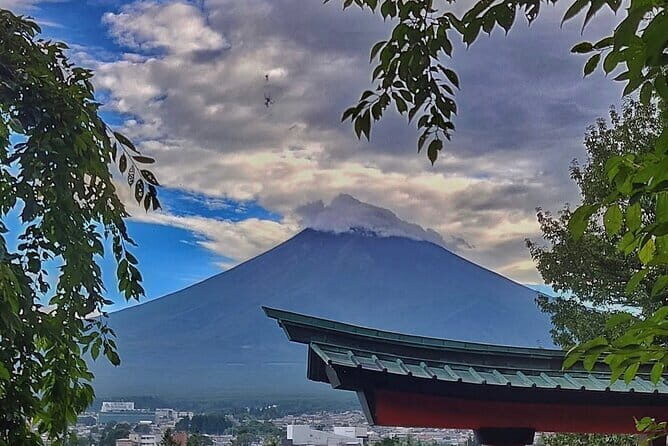
- Arakurayama Sengen Park and Chureito Pagoda: The Classic Mt Fuji Steps
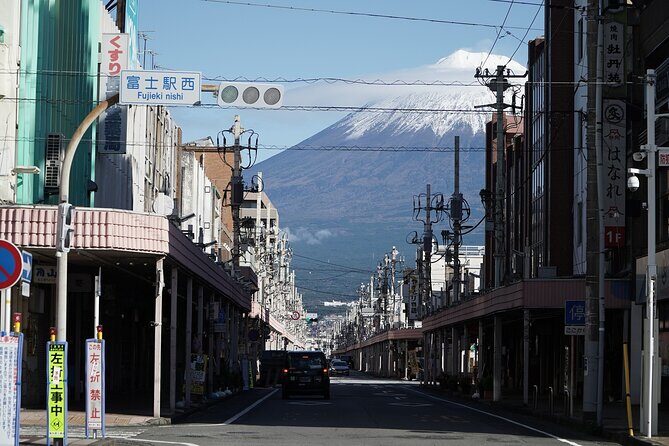
- Hidakaya Clock Street: Quick Fuji-Under-Town Atmosphere
- Oshino Hakkai: Where the Fuji Reflection Look Actually Happens
- The Lawson Kawaguchiko Station Photo Stop: Quirky, Fast, and Purposeful
- Lake Kawaguchiko and the Oishi Park / Maple Corridor Switch
- What the Bus Time Actually Does for You
- Pacing, Comfort, and When This Tour Fits Best
- Photo Tips That Match the Actual Stops
- Should You Book This Mt Fuji and Lake Kawaguchiko Tour?
- FAQ
- What time do we meet at Tokyo Station?
- How long is the tour, and when does it return to Tokyo?
- What does the tour include in the price?
- Are meals and entrance fees included?
- Do I have to pay extra luggage fees?
- Is it suitable for wheelchair users or pregnant travelers?
Key Points That Make This Tour Worth Your Time
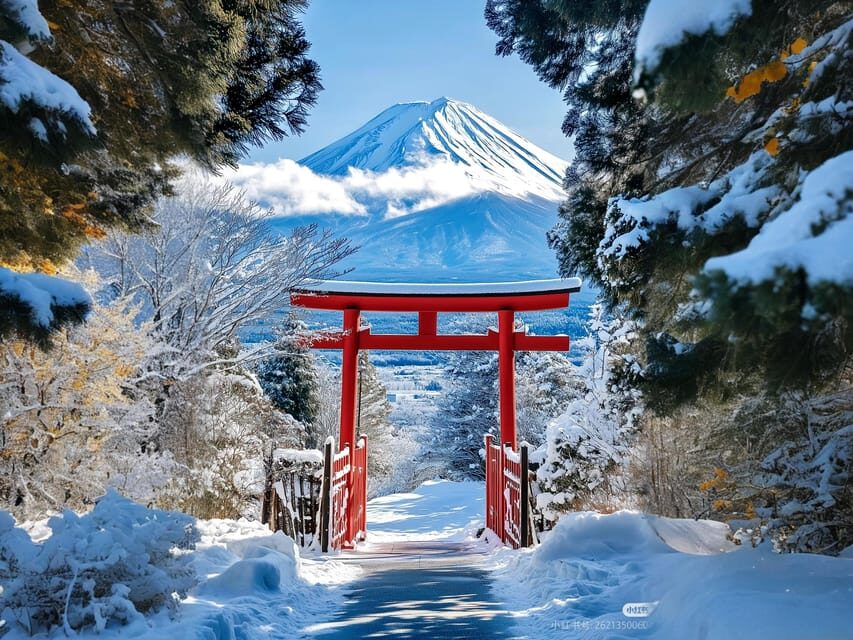
- Chureito Pagoda morning photos from Arakurayama Sengen Park, with Mt Fuji as the main subject
- UNESCO Oshino Hakkai ponds for that mirror-like Fuji reflection look
- A quick photo sprint at Hidakaya Clock Street, the Heavenly Town under Fuji vibe
- Lawson convenience-store stop that’s famously easy for a quirky Mt Fuji shot
- Seasonal Lake Kawaguchiko timing, switching between Oishi Park and Maple Corridor in autumn
Why This Fuji Day Trip Feels Efficient (and Photo-Friendly)
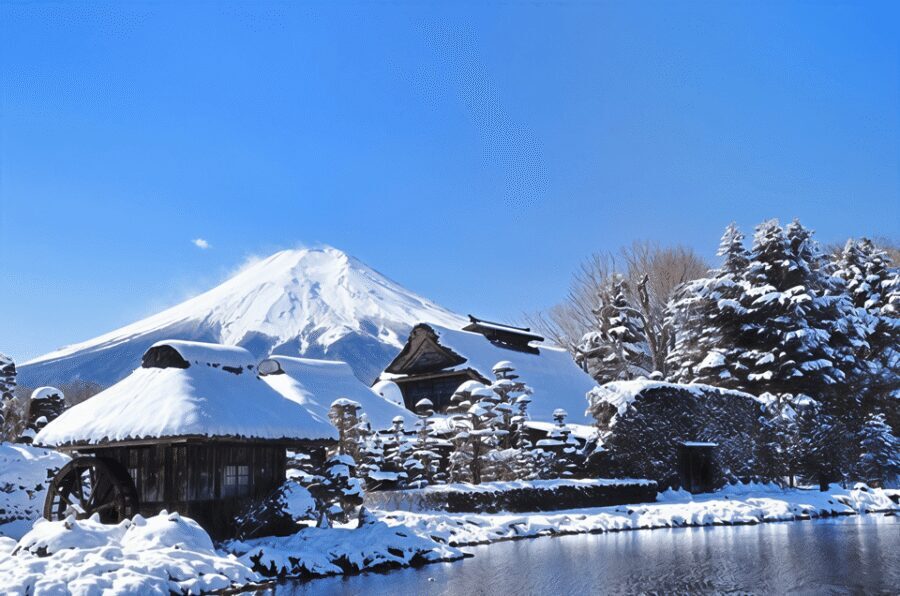
A lot of Mt Fuji day trips either rush you through the scenery or leave you stranded at the end of the day with no good light. This one is built around a simple goal: hit several of the most iconic viewpoints with organized timing, so you’re not playing bus roulette on your own.
From the start, the itinerary is practical. You meet at Tokyo Station Marunouchi North Exit and ride out early by coach, with the trip structured as a chain of photo stops and short free-time walks. That matters, because in Fuji country the difference between a great shot and a mediocre one can be weather and timing.
Also, the tour treats photos as more than a one-and-done moment. You get Mt Fuji framing from high ground (Arakurayama Sengen Park), water reflections (Oshino Hakkai), and seasonal foregrounds around Lake Kawaguchiko. It’s not just seeing Fuji. It’s collecting different versions of Fuji.
Other Mount Fuji tours we've reviewed at Mt Fuji & Kawaguchiko
Price and Value: What $58 Really Buys You
At $58 per person for a 10-hour outing, the best value isn’t the view alone. It’s the full package approach: transportation, a professional guide, and a driver—plus the everyday costs that add up when you do it independently (fuel, tolls, and parking).
What isn’t included is also clear, and that helps you budget. Meals and beverages aren’t included, and entrance fees to optional attractions aren’t included either. You’ll still have chances to buy snacks on breaks, but you shouldn’t assume you’re being fed.
The trade-off is flexibility. Since the tour is built around specific stops and pickup/drop-off times, you’re not free to wander all day at your own tempo. If you’re the type who loves slow travel, you’ll want to use your free time strategically—get your shots early, then spend your remaining minutes walking calmly.
Getting Started at Tokyo Station: Meet Early, Find the Flag
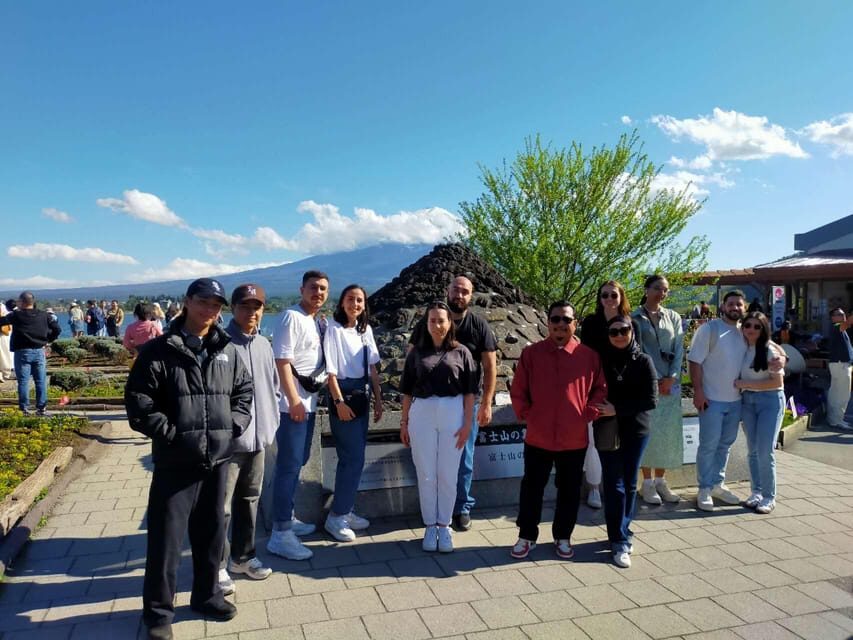
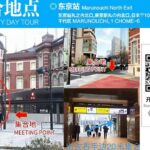
You start at JR Tokyo Station, Marunouchi North Exit. The plan is meet around 7:50 and depart 8:00, so you’re stepping into the day while Tokyo is still getting itself together.
Your guide will be holding a flag for recognition, and the pickup details—including the guide’s phone number and vehicle plate info—are sent the night before (around 7:00 or 8:00 P.M.). This is one of those details that can save you stress. If you only show up and hope you spot the right bus, you could waste time.
One important caution from real-world experience: even though the guide is described as carrying a blue flag, there was at least one instance where the flag color didn’t match. That’s a reminder to check your message carefully (including spam) and don’t rely on color alone. Get your bearings fast.
Arakurayama Sengen Park and Chureito Pagoda: The Classic Mt Fuji Steps
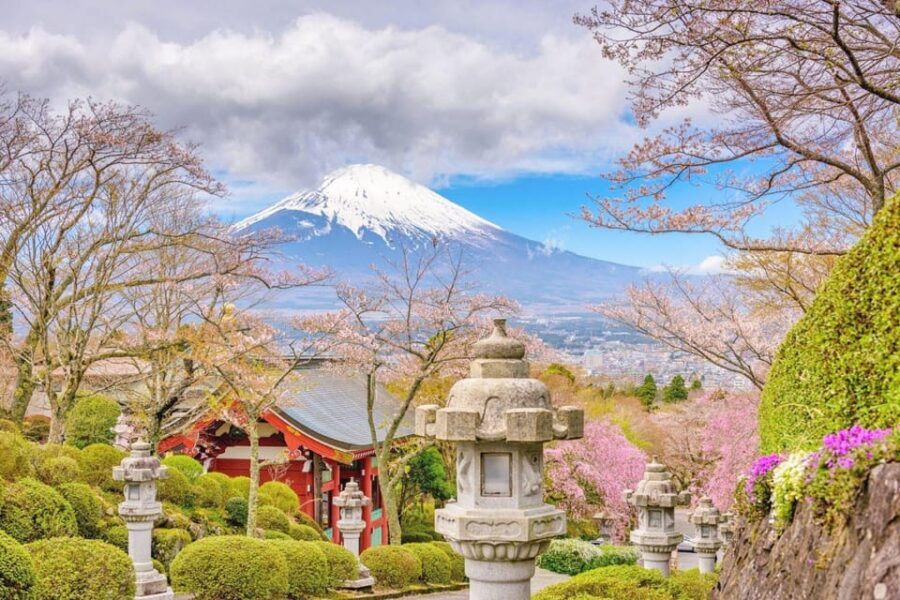
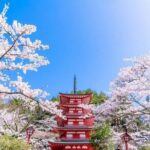
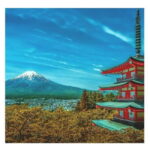
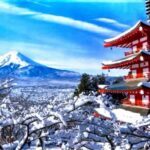
This is the stop most people come for. You’ll arrive around 10:30 to 11:30, with about 1 hour for Arakurayama Sengen Park, including the Chureito Pagoda area.
What makes it special is the geometry. The view is famous for a reason: you climb the steps, reach the pagoda vantage, and Mt Fuji becomes the main backdrop. It’s the kind of photo where your framing choices matter less than the scene itself.
Practical considerations:
- Wear shoes you can walk in comfortably. The steps can add up, especially if the ground is busy.
- Give yourself a little time to move away from the densest photo spots. If you keep walking, you often find cleaner lines for your own angles.
- Expect weather to be a factor. Clear mornings are best, and this stop comes earlier in the day by design.
This is also where seasonal differences show up fast. The whole “Fuji framed by something” idea changes depending on the time of year—cherry blossom timing in spring and fiery autumn foliage in fall.
Hidakaya Clock Street: Quick Fuji-Under-Town Atmosphere
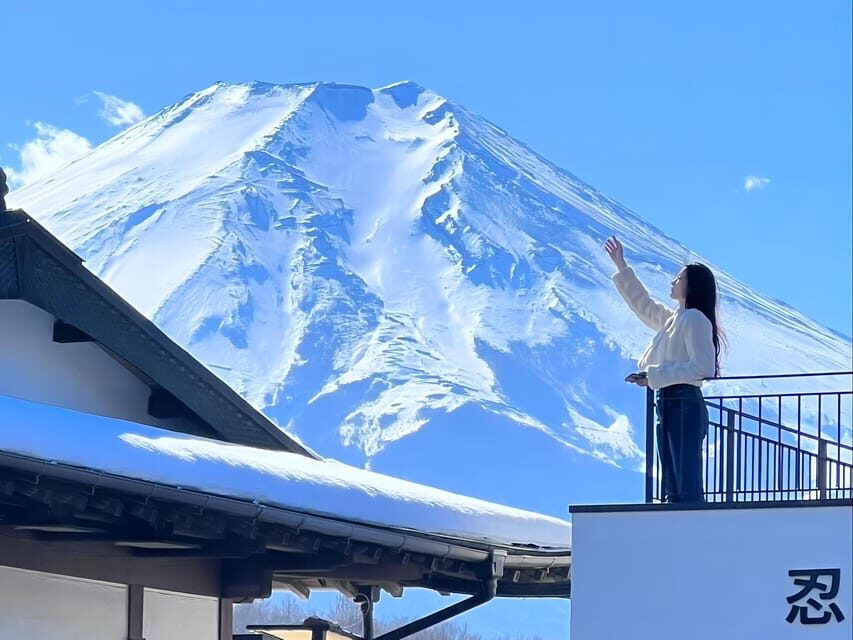
After the pagoda, you’ll head to Hidakaya Clock Street for a short window (about 11:45 to 12:05, with a photo stop and free time around 20 minutes).
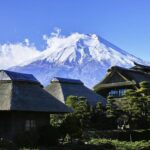
This stop is less about covering distance and more about mood. It’s nicknamed Heavenly Town under Fuji, and the idea is simple: walk a quiet, narrow lane where Mt Fuji appears at the end of the street view line.
Because the time window is short, it works best if you treat it like a photo-and-walk stop:
- Take a few images from different distances quickly.
- Then slow down and enjoy the street atmosphere for the remainder of the time.
- Don’t plan a long detour; the day is timed for other Fuji priorities.
The benefit of this stop is variety. After the iconic pagoda viewpoint, this lane brings you back to a human-scale setting—tiny details, photogenic storefront-style views, and that satisfying feeling of walking into a scene rather than just standing at an overlook.
Other Lake Kawaguchiko tours at Mt Fuji & Kawaguchiko
Oshino Hakkai: Where the Fuji Reflection Look Actually Happens
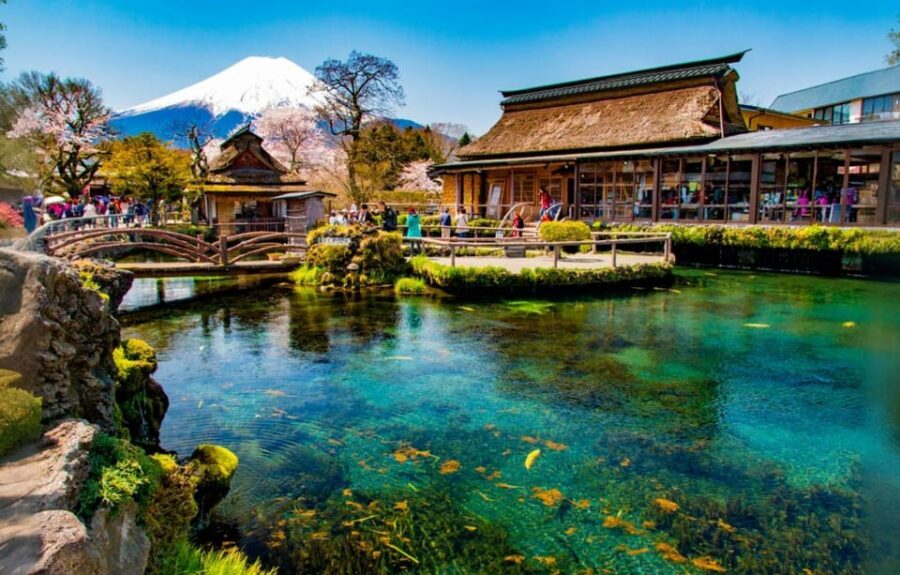
Next is Oshino Hakkai, about 12:30 to 13:50. This is one of the most rewarding stops on the route because it’s not just a mountain view—it’s a water-and-reflection moment.
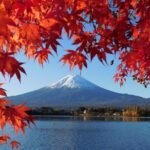
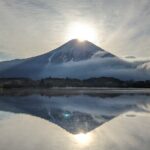
Oshino Hakkai is UNESCO recognized, and the key experience is the clear ponds reflecting Mt Fuji. This is where you get that postcard idea, not as a fantasy, but as a realistic shot opportunity when the light and visibility cooperate.
How to use your time well:
- Walk the pond edges instead of only shooting from one spot. Reflections shift with your angle.
- Take at least one set of close shots and one set of wider compositions, so you capture both texture and scale.
- If it’s crowded near the most obvious viewpoint, step aside. You’ll usually find another angle without needing to fight for position.
Oshino Hakkai also balances the energy of the day. The earlier viewpoint can be busy and steep-feeling. Here, the pace feels calmer—more strolling, less climbing.
The Lawson Kawaguchiko Station Photo Stop: Quirky, Fast, and Purposeful
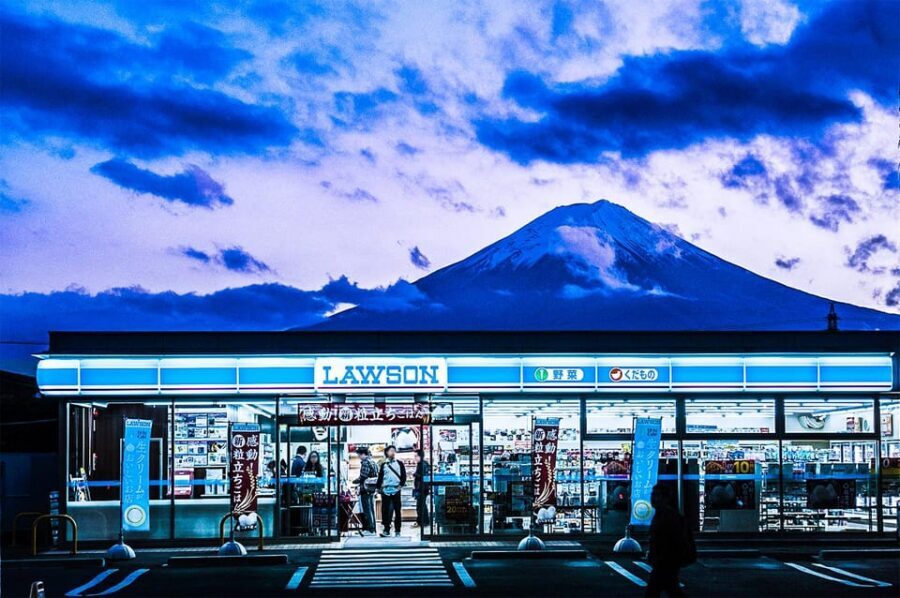
You’ll have a break around 14:30 to 14:50 at Lawson Kawaguchiko Station. This is a short stop designed for two things: a photo opportunity and a quick chance to grab something while you’re moving toward the next viewpoint.
Yes, it’s a convenience store. And yes, that’s exactly why it works. The tour is set up so you can get the classic street-meets-Fuji shot without needing to hunt for it yourself.
This stop is also your practical reset before the late-afternoon scenery:
- Use the break to recharge, hydrate, and tidy up your camera settings.
- If you want snacks, this is where they fit naturally into the schedule.
- Keep the timing in mind. The tour doesn’t linger long here, so plan your purchases quickly.
If you’re someone who hates wasting time between big highlights, this stop is a good compromise: it’s quick, specific, and photogenic.
Lake Kawaguchiko and the Oishi Park / Maple Corridor Switch
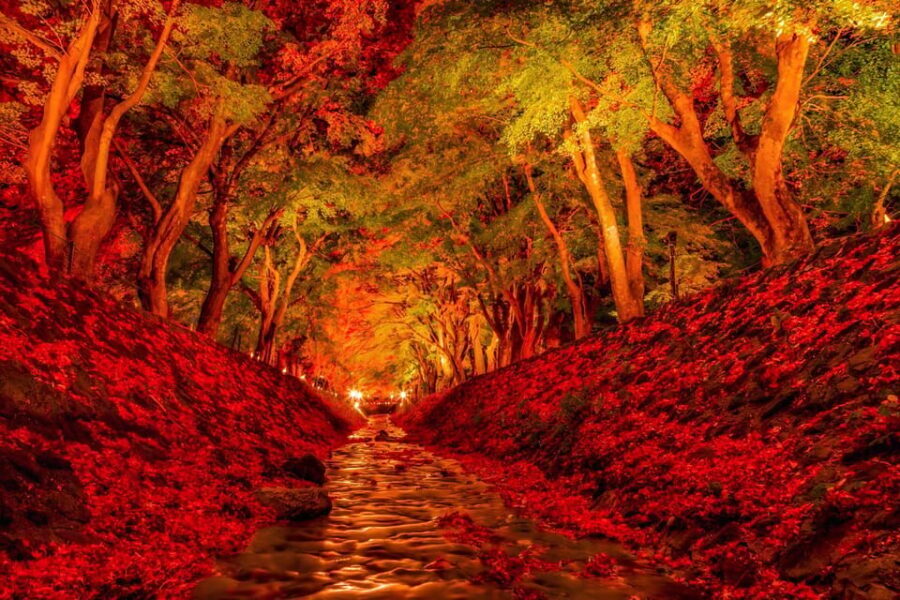
The late day stop is where the scenery changes with the season. You’ll arrive around 15:20 to 16:10 for Oishi Park / Maple Corridor (seasonal).
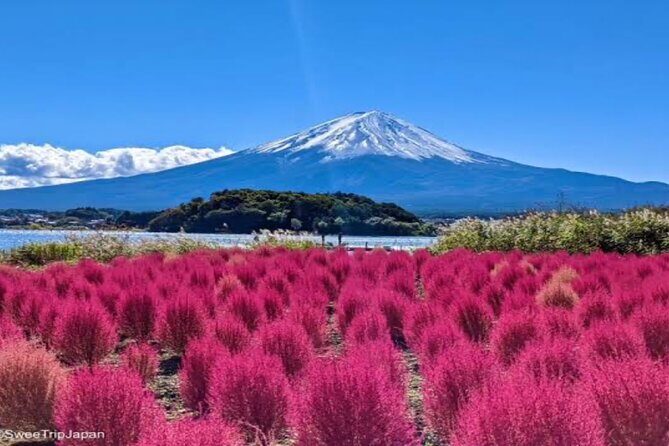
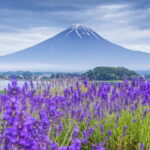
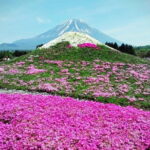
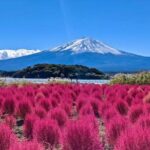
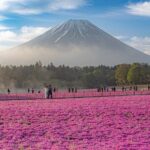
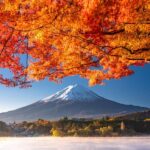
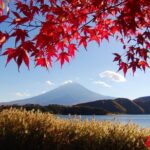
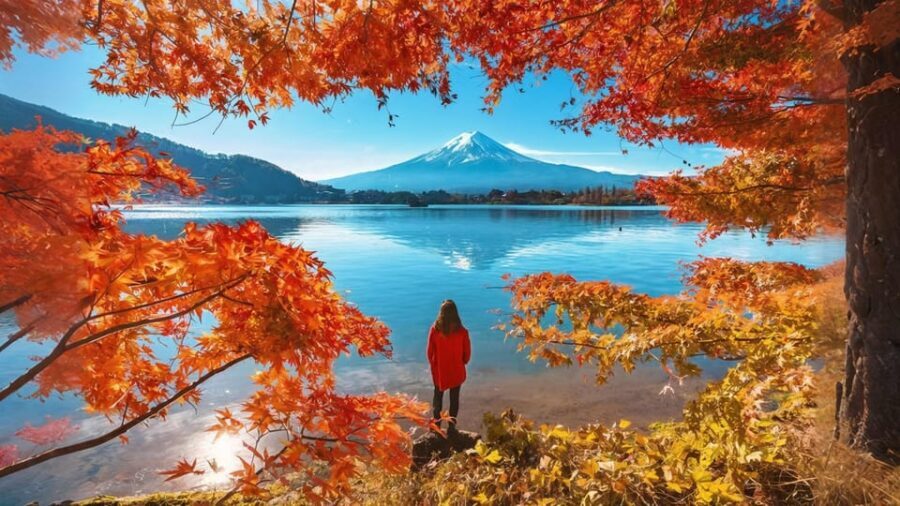
In general terms, this is where you get foreground color with Mt Fuji as the backdrop. The tour highlights flower fields in season—in summer you’ll see lavender-type vibes, and in autumn you’re looking for intense fall color.
There’s also a key seasonal swap:
- Around October 30 to November 20, the tour visits Kawaguchiko Maple Corridor instead of Oishi Park to focus on autumn color.
The seasonal timing gets more specific in the tour’s highlights too:
- Maple Corridor is listed as seasonal limited 10/20 to 11/20.
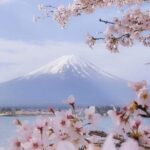
- Cherry blossom festival is listed as seasonal limited 03/30 to 04/14, when Mt Fuji is surrounded by pink sakura.
What I like about this part of the design is that it acknowledges a real travel truth: the most iconic Fuji photos aren’t the same in every month. By swapping the late stop, the tour keeps the day feeling fresh rather than repeating the same view in different lighting.
What the Bus Time Actually Does for You
You’ll spend about 105 minutes on the coach heading out and roughly 105 minutes on the way back. That’s not “wasted time” if you treat it as travel recovery and photo planning.
In the morning, the bus ride helps you reach Fuji country early enough to make the Arakurayama and Oshino portions more likely to line up with clearer conditions. In the afternoon, the return ride is long, so it helps to stay realistic about how much walking you can comfortably do at the late stops.
A couple details that matter for comfort:
- Smoking in the vehicle isn’t allowed.
- Food in the vehicle isn’t allowed.
That means you’ll want to think about snacks for after your designated breaks, not during bus hours. Since meals aren’t included, it’s smart to bring water and plan small purchases at the stops that offer them.
Pacing, Comfort, and When This Tour Fits Best
This trip runs like a well-organized photo day: coach in, multiple stops, and a smooth return to Tokyo. That’s great if your priority is to see several top Fuji spots without the hassle of transfers and searching.
But the schedule is built on time windows:
- Arakurayama Sengen Park: about 1 hour
- Hidakaya Clock Street: about 20 minutes
- Oshino Hakkai: about 80 minutes
- Lawson stop: about 20 minutes
- Lake Kawaguchiko park area: about 50 minutes
If you want to linger for long photo sessions, you might find some segments feel short. One earlier comment about the tour noted rhythms felt fast, which matches what the timing suggests.
Who it’s a strong match for:
- You want a day trip from Tokyo that hits multiple “must-do” Fuji photo locations.
- You like having a guide manage logistics so you can focus on the scenery.
- You want seasonal variety around Lake Kawaguchiko.
Who should think twice:
- Pregnant travelers and wheelchair users aren’t suitable per the tour info.
- If you hate tight schedules or don’t like short photo windows, you may feel rushed.
Photo Tips That Match the Actual Stops
You don’t need fancy gear to get good results, but a few habits help because the tour is designed around viewpoints.
- At Chureito Pagoda, move early for framing. Being first often means less crowd pressure.
- At Oshino Hakkai, shoot a mix of angles for reflections—reflections can shift with your position.
- At Hidakaya Clock Street, take a quick set of street-level photos, then one or two wider shots at the end of the lane.
- At Lake Kawaguchiko, plan your shots around what the season is offering that day—flowers in the warmer months and fall color during the Maple Corridor window.
And bring the simple stuff: water, a light layer if you run cold on early mornings, and comfortable shoes. The itinerary includes walking time at several stops, including steps.
Should You Book This Mt Fuji and Lake Kawaguchiko Tour?
I’d book it if you want a straightforward way to see Mt Fuji from multiple angles in one day, without dealing with transfers or figuring out which stops are best. For $58, the real value is that transportation plus a guide are included, and the day is structured around the most recognizable Fuji viewpoints: Chureito Pagoda, Oshino Hakkai, and seasonal Lake Kawaguchiko scenery.
Skip it if you’re the kind of traveler who needs long, quiet time at each viewpoint. The schedule is efficient, but it doesn’t offer a slow meander style. Also, don’t ignore the pre-trip message—make sure you get your guide and vehicle details so you don’t have a meet-up problem at Tokyo Station.
If you’re organized and photo-focused, this is the kind of day trip that feels worth every hour.
FAQ
What time do we meet at Tokyo Station?
You meet at 7:50 A.M. at Tokyo Station Marunouchi North Exit and the tour departs at 8:00 A.M. Your guide will be holding a flag for recognition.
How long is the tour, and when does it return to Tokyo?
The tour duration is 10 hours. It returns to JR Tokyo Station at about 6:50 P.M.
What does the tour include in the price?
The price includes transportation, a professional guide and driver, and costs like fuel, tolls, and parking fees. It also notes small-group options (up to 13) or a larger bus option (14–45).
Are meals and entrance fees included?
No. Meals, beverages, and snacks are not included, and entrance fees to optional attractions are not included either.
Do I have to pay extra luggage fees?
The tour allows one piece of luggage per person. Excess items or oversized luggage may require an additional fee, and you’re asked to notify the provider in advance if you have oversized or extra luggage.
Is it suitable for wheelchair users or pregnant travelers?
No. The tour info states it is not suitable for wheelchair users and pregnant women.