REVIEW · TOKYO
Private Mt Fuji, Hakone and Tokyo Tour – English Speaking Driver
Book on Viator →Operated by Sluzeb Tours · Bookable on Viator
That first clear view of Mt Fuji changes the day. This private tour strings together Hakone hot-spring drama, Fuji Five Lakes scenery, and Tokyo’s busiest street moment, all with a driver handling the logistics. You get door-to-door pickup, an English-speaking driver, and a plan that still leaves room for sane pacing.
Two things I really like: the private format (up to 5 people) means you’re not fighting for seat space or schedules, and the route is built around classic stops like Owakudani Valley, Oshino Hakkai, and Mt Fuji’s 5th Station. One consideration: some portions depend on weather and visibility, so your day can shift if the view of Fuji isn’t cooperating.
In This Review
- Quick takeaways before you go
- Private door-to-door comfort and what you pay for
- The day’s flow: a 7:00 am Shinjuku start and a driver who manages the route
- Hakone highlights: Owakudani Valley and the Hakone Open-Air Museum
- Owakudani Valley and Kuro-tamago
- Hakone Open-Air Museum (outdoor art with mountain views)
- Fuji water and classic springs: Oshino Hakkai and Lake Kawaguchiko
- Oshino Hakkai: eight springs tied to Fuji’s aquifer water
- Lake Kawaguchiko: the easiest Fuji Five Lakes access
- Mt Fuji views: ropeway to Mt Tenjo and the 5th Station reality check
- Mt Fuji Panoramic Ropeway toward an observation deck
- Mt Fuji 5th Station: the iconic start point for climbers
- Gotemba Premium Outlets and Shibuya Crossing: a logical end to a long day
- Gotemba Premium Outlets: a time buffer with familiar retail
- Shibuya Crossing: the last 20 minutes of Tokyo on full volume
- Weather, tickets, and how to plan your expectations like a pro
- Who this private tour suits best
- Should you book this Mt Fuji-Hakone-Tokyo day trip?
- FAQ
- Is this tour private, and how many people can join?
- Where does the tour start, and when?
- Is pickup from my hotel included?
- Is the driver English speaking?
- Which stops have admission tickets included or not included?
- Will Mt Fuji 5th Station always be reached?
- Can the tour include Shibuya Crossing at the end?
- What happens if I need to cancel?
Quick takeaways before you go
- Door-to-door comfort: Pickup and drop-off from your Tokyo hotel saves you from trains and transfers.
- Hakone’s Owakudani + black eggs: A fun, sulfur-steam stop with the famed Kuro-tamago.
- Oshino Hakkai’s Fuji springs: Eight springs connected to Mount Fuji’s aquifer water.
- Lake Kawaguchiko + ropeway: Ride up from the lake area toward an observation deck near Mt Tenjo.
- Mt Fuji 5th Station plan B: If 5th Station can’t be reached or isn’t visible, you’ll go as high as conditions allow.
- Two Tokyo finishes: You’ll end with time near Shibuya Crossing (if your drop-off is nearby).
Private door-to-door comfort and what you pay for
At $750 per group (up to 5), this is not the cheapest way to do Mt Fuji + Hakone. But it is one of the most practical ways—especially if you’re traveling as a small group and you’d rather spend the day looking out the window than reading timetables.
The value is simple: you’re buying time and stress reduction. The itinerary covers several different regions around Tokyo in about 10 hours including commuting. Doing that by yourself usually means multiple train lines, bus connections, and lots of “wait—what platform?” moments. Here, an English-speaking driver keeps the day moving, and you get picked up from your hotel area and returned at the end.
Also, this is a private activity. That matters more than people expect when you’re going long distances. You can keep a relaxed rhythm, take breaks when you need them, and avoid the typical scramble that happens when everyone has to meet the same connection.
Other Mount Fuji tours we've reviewed at Mt Fuji & Kawaguchiko
The day’s flow: a 7:00 am Shinjuku start and a driver who manages the route

The tour begins at 7:00 am near Shinjuku Station (3-chōme-38-1), and it ends back at the same meeting point. If you’re staying near Shinjuku, this is convenient. If you’re not, the pickup option is the real win—because it eliminates the worst part of day trips: how early you have to get to the right transit hub.
You should expect a full, packed day. Even with a driver, you’re moving between different areas: Hakone, then back toward Fuji’s lakes, and finally into Tokyo for Shibuya Crossing. The schedule can shift if traffic, bad weather, or other uncontrollable reasons show up. That’s normal for this kind of route, and it’s built into how the tour runs.
One more detail that’s worth knowing: this is not positioned as a lecture-style guided tour. It’s primarily a driver-led experience with recommendations and guidance. If you want a true guided tour approach, you can request a guide for an extra cost.
Hakone highlights: Owakudani Valley and the Hakone Open-Air Museum
Hakone is the part of the day where things start to feel more dramatic and “Japanese postcard” real—volcanic steam, mountain air, and scenery that changes every few minutes.
Owakudani Valley and Kuro-tamago
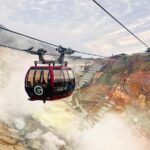
Your first stop is Owaku-dani Valley for about 45 minutes, with a rope way view component. This is the famous sulfur hot-spring zone where the eggs locals call Kuro-tamago—black eggs—get their color. The sulfur in the steaming waters turns the eggshells dark, and the whole area has that unmistakable volcanic-energy vibe.
Admission for this stop is listed as free, which helps keep the “paid add-ons” low early in the day. Time-wise, 45 minutes is enough to ride up, take photos, and grab a snack if you want one, without feeling like you’re rushing.
Practical tip: wear shoes you can walk in comfortably. You’ll likely be moving around outdoor paths, and Hakone weather can change fast.
Hakone Open-Air Museum (outdoor art with mountain views)
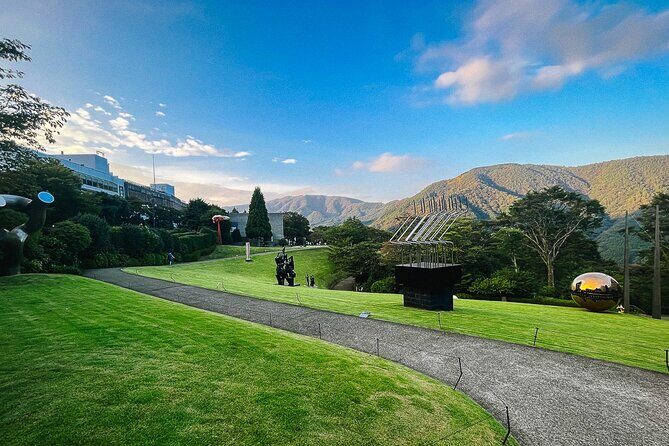
Next up is about 1 hour at the Hakone Open-Air Museum. Think of this as an outdoor sculpture gallery spread across 70,000 square meters. The reason it fits this tour well is that it’s not just “look at objects”—it’s objects placed to work with nature. You’ll be walking through gardens and open spaces, so the stop feels like a breather between volcanic Hakone and the Fuji water/lake portion later.
Admission here is not included, so if you’re budget-tracking, add that to your mental math.
Why I like it on a day like this: it breaks up the drive-and-sight routine. You’re not only spending time at viewpoints; you’re getting a change of pace.
Other Mt Fuji and Hakone combo tours at Mt Fuji & Kawaguchiko

Fuji water and classic springs: Oshino Hakkai and Lake Kawaguchiko
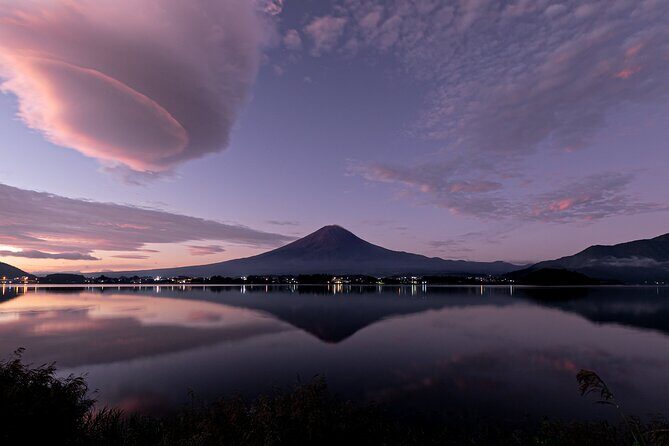
After Hakone, the day shifts from volcanic steam to Fuji’s water world—springs, clear views, and lake-area atmosphere.
Oshino Hakkai: eight springs tied to Fuji’s aquifer water
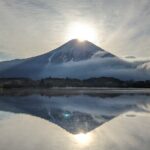
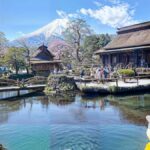
Oshino Hakkai is a 45-minute stop with free admission. These are the eight springs in Oshino, and the water comes from Mount Fuji’s aquifer. It’s also noted as a natural monument of Japan, which is one of those phrases that simply means it’s protected and taken seriously.
This stop is a good match for short sightseeing time. You can see what’s special without needing hours of wandering. It’s also a great place to slow down for a moment and reset before you move up toward the lake and the mountain-view points.
What to expect: calm outdoor viewing, water features, and a “Fuji-related” feel that’s more about the source than the peak.
Lake Kawaguchiko: the easiest Fuji Five Lakes access
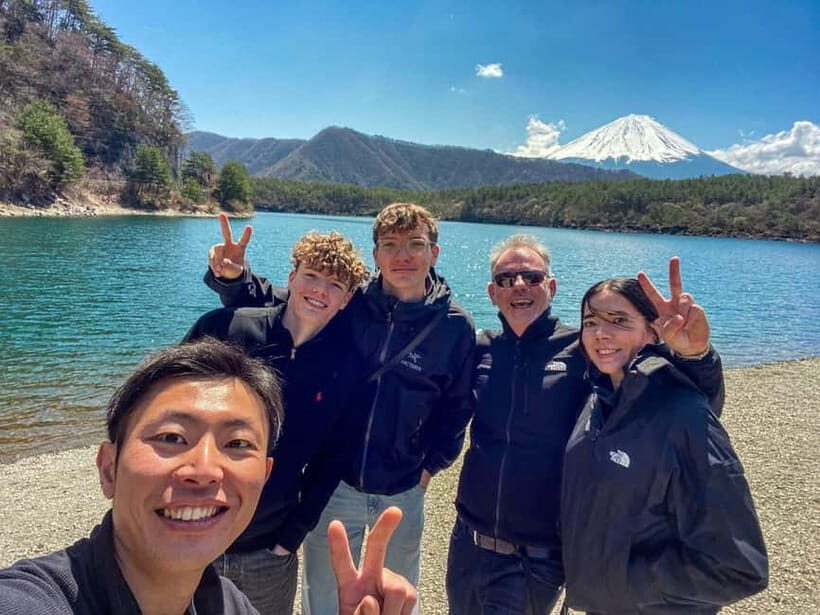
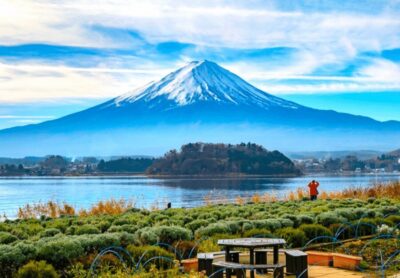
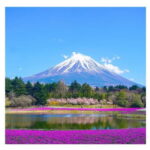
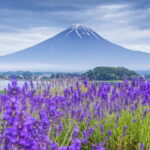
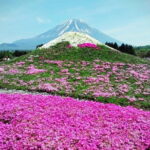
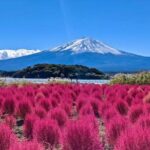
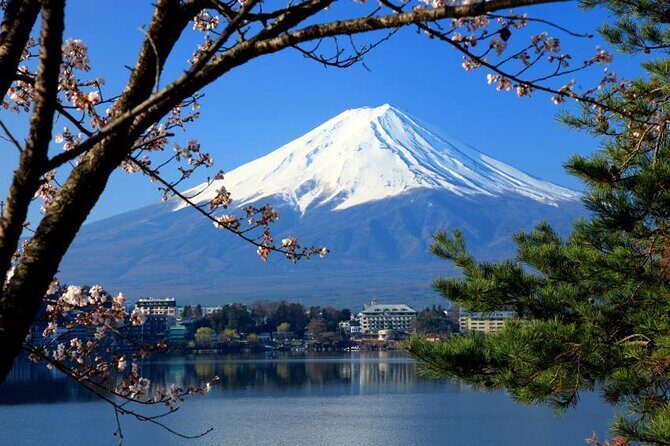
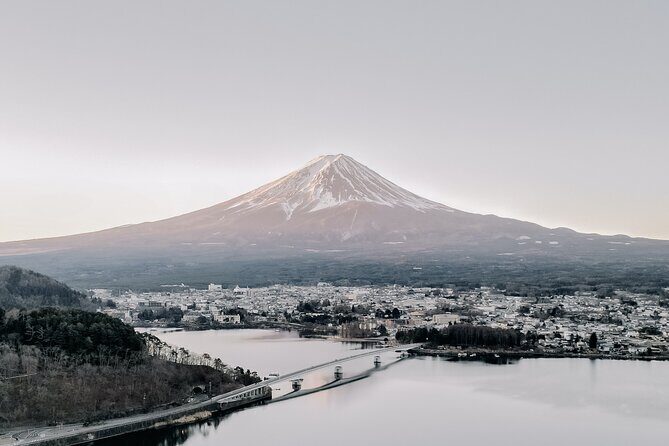
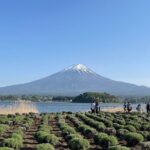
You’ll get about 10 minutes at Lake Kawaguchiko. This is the Fuji Five Lakes area people choose when they want the easiest access from Tokyo and a central base for views. It’s described as a hot spring resort town with Mount Fuji views and related attractions nearby.
Ten minutes is not long—so treat this as a quick repositioning stop and a chance to orient yourself. If you’re hoping for big photo moments, the real work happens at the ropeway and observation points right after this.
Mt Fuji views: ropeway to Mt Tenjo and the 5th Station reality check
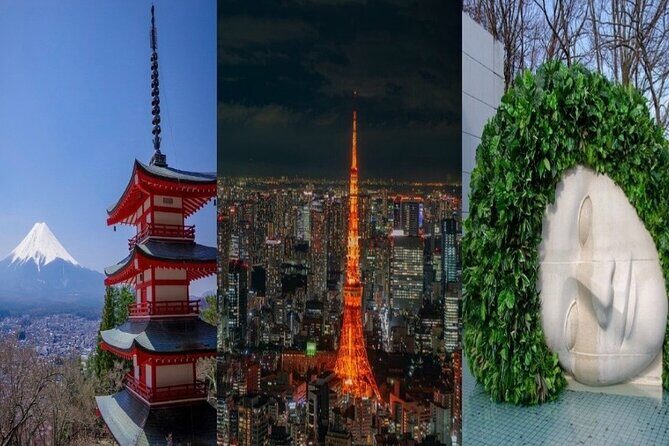
This is the heart of the trip, and it’s also where you’ll feel the biggest “weather is the boss” factor.
Mt Fuji Panoramic Ropeway toward an observation deck
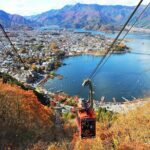
Next is Mt. Fuji Panoramic Ropeway for about 1 hour, and admission is not included. The ropeway ascends 400 meters from the eastern shore of Lake Kawaguchiko up to an observation deck near the peak area of Mt Tenjo (the description notes it sits more than 1,000 meters above sea level).
That’s a big reason this stop is valuable even if the day is partly cloudy: being higher increases your odds of seeing the peak line, and it’s just a smoother way to gain elevation than grinding uphill.
Mt Fuji 5th Station: the iconic start point for climbers
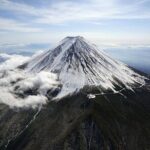
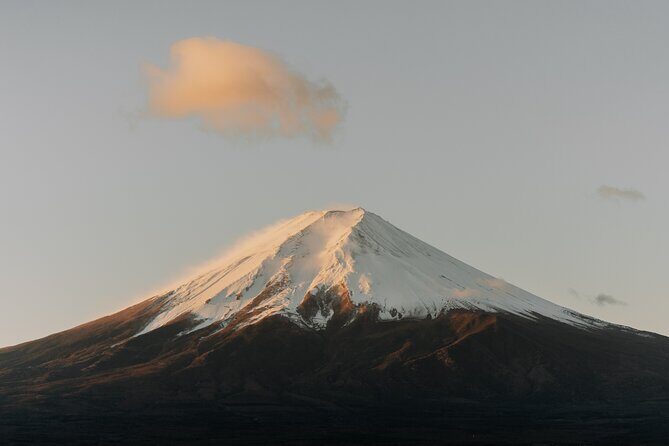
Then comes Mt. Fuji 5th Station, about 2 hours (admission not included). This is where many hikers and climbers begin, halfway up the mountain. Even if you’re not climbing, the atmosphere around 5th Station has a different energy from the lake viewpoint. The place feels like a threshold.
There’s also an important rule here: if Mt. Fuji won’t be visible from the base or the 5th Station can’t be reached due to weather, the tour will go to the highest elevation point possible. The tour notes that cancellation or refund isn’t applicable just because of that weather visibility/reach issue.
So, be mentally prepared for an “adjusted” Fuji day. That’s not a reason to avoid the tour—it’s just the honest way the mountain works.
My advice for your photos: consider setting expectations for conditions, not just location. If Fuji is visible, you’ll get the payoff. If it’s not, you’ll still have a memorable higher-elevation experience, and you won’t feel like the day failed—it simply adapted.
Gotemba Premium Outlets and Shibuya Crossing: a logical end to a long day
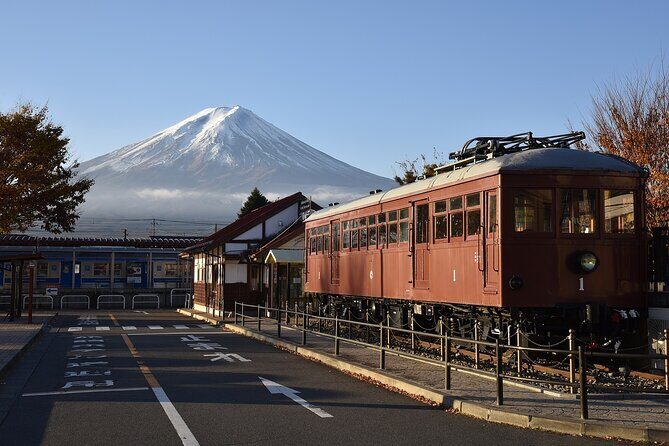
After the Fuji-heavy stops, the route gives you two different kinds of closure: one for convenience and one for Tokyo energy.
Gotemba Premium Outlets: a time buffer with familiar retail
You’ll have about 2 hours at Gotemba Premium Outlets. This is listed as free admission and is positioned near the base of Mt Fuji. The description even calls out the local connection to green tea growing at the foot of Mt Fuji, plus Shizuoka’s horseradish reputation.
Even if you don’t shop, outlets can be useful on a long day because they give you a predictable place to rest, use facilities, and refuel without hunting around.
Shibuya Crossing: the last 20 minutes of Tokyo on full volume
The final tourism note is Shibuya Crossing, around 20 minutes. This is the world-famous pedestrian scramble where thousands cross at once. The tour also states that Shibuya Crossing can be covered if your drop-off location will be nearby—so it’s not guaranteed for every pickup/drop-off setup, but it’s planned when logistics allow.
What this stop is good for: It’s a quick “Tokyo summary” at the end of a day that’s mostly mountains and lakes. After hours of sightseeing, it’s an easy way to feel like you returned to the city.
Weather, tickets, and how to plan your expectations like a pro
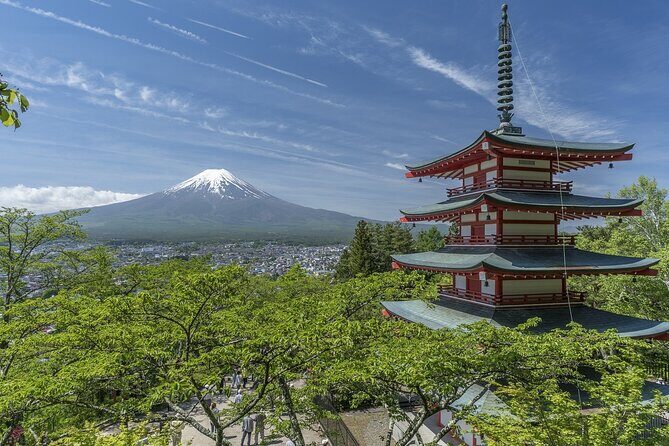
This tour is a full-day mix, and a lot of it runs outside. That means your biggest variable is weather, especially for Mt Fuji visibility and the ability to reach 5th Station.
Here’s how to plan smart without overthinking:
- Build in flexibility: schedule changes due to bad weather or traffic can happen.
- Expect some paid add-ons: Owakudani is listed as free; Hakone Open-Air Museum, Mt Fuji Panoramic Ropeway, and Mt Fuji 5th Station are listed as not included.
- Use your time well: with only 10 minutes at Lake Kawaguchiko, your best photo window is likely later at the ropeway and viewpoints.
- Bring layers: mountain air around Hakone/Fuji can feel colder and windier than Tokyo. Even on clear days, you’ll appreciate a layer.
One more practical point: the tour uses a mobile ticket, and confirmation happens at booking. That’s helpful when you’re trying to keep your day-trip documents tidy.
Who this private tour suits best
This private Mt Fuji + Hakone + Tokyo day works especially well if:
- you’re traveling as a small group (up to 5) and want to split the cost of private transport,
- you dislike navigating trains and buses across regions,
- you want a single-day hit list rather than multi-day planning,
- you care about both natural sights (Oshino Hakkai, lake views, 5th Station) and Tokyo’s “big moment” (Shibuya Crossing).
It might be less ideal if you’re the type who wants a lot of free roaming. This day is intentionally structured, with set time blocks at each stop.
Should you book this Mt Fuji-Hakone-Tokyo day trip?
If your main goal is to see Mt Fuji and Hakone without spending your whole day on public transit, I’d lean yes. The private door-to-door setup is the core reason the tour makes sense, and the route hits the big classics—Owakudani’s sulfur sights, Oshino Hakkai’s springs, Kawaguchiko’s lake area, and then the Fuji 5th Station area.
The only real “no” argument is expectation management. This is a weather-dependent mountain experience. If you absolutely need a specific viewpoint no matter what, you’ll be happier with a plan that gives extra days to wait out conditions. But if you want a smart, efficient, small-group day that maximizes your odds and keeps the logistics handled, this is a strong pick.
FAQ
Is this tour private, and how many people can join?
Yes. It’s a private tour/activity, and the group size is up to 5 people.
Where does the tour start, and when?
It starts at Shinjuku Station (3-chōme-38-1, Shinjuku City, Tokyo) at 7:00 am.
Is pickup from my hotel included?
Pickup is offered. The tour includes door-to-door transportation, so you don’t have to get yourself to all the transit points.
Is the driver English speaking?
Yes. The tour is listed as an English Speaking Driver.
Which stops have admission tickets included or not included?
Owakudani Valley and Oshino Hakkai and Lake Kawaguchiko are listed as admission free. Hakone Open-Air Museum, Mt Fuji Panoramic Ropeway, and Mt Fuji 5th Station are listed as not included. Gotemba Premium Outlets is listed as admission free.
Will Mt Fuji 5th Station always be reached?
Not always. If Mt. Fuji isn’t visible from the base or 5th Station can’t be reached due to weather conditions, the tour will go to the highest elevation point possible.
Can the tour include Shibuya Crossing at the end?
Yes, Shibuya Crossing can be covered if your drop-off location will be nearby.
What happens if I need to cancel?
You can cancel for a full refund up to 24 hours before the experience’s start time (based on the local time). If it’s canceled due to poor weather, you’ll be offered a different date or a full refund.