REVIEW · TOKYO
Mount Fuji Full Day Customized Private Tour with English Guide
Book on Viator →Operated by Al Hareem Tours · Bookable on Viator
Fog can still’t ruin your plan. A private Mount Fuji day beats crowded buses, and it lets you hunt for views with flexible stops. I love the air-conditioned private vehicle and the fact that this outing can be shaped to your pace, not a fixed group script. I also like that the route includes standout low-key places like Narusawa Ice Cave, not just the usual photo spots. One thing to consider: visibility is weather-dependent, and the Mount Fuji 5th Station fee (2,100 yen) is not included, so you’ll want a little cash ready.
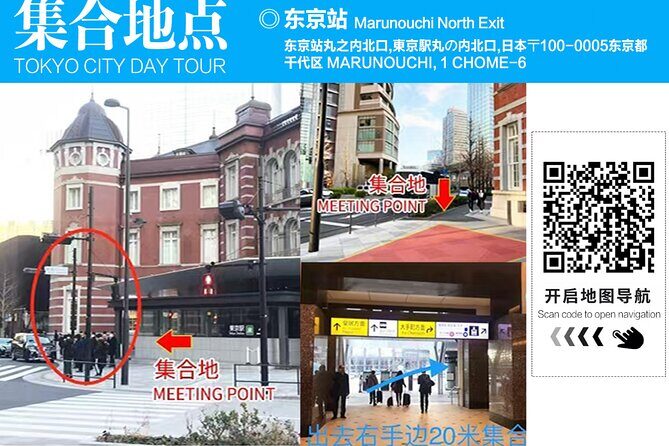
From Tokyo, you get hotel pickup and drop-off, plus bottled water to keep the long day comfortable. The big win is having your own driver/English guide, so you can spend real time where the view is best and skip the stress of transfers and crowded shuttles.
If you want more than Fuji itself, there are Hakone add-ons and even a shopping finish at Gotemba. That flexibility is great, but it also means your day can run long if you choose too many optional stops—so plan with some breathing room.
In This Review
- Key Things That Make This Mount Fuji Day Work
- Private Mount Fuji Tour From Tokyo: Faster, Calmer, More Flexible
- Hotel Pickup, Air-Conditioned Comfort, and a Real Chauffeur Day
- Mt. Fuji 5th Station: The Summit Gateway (and Its Separate Entrance Fee)
- Oishi Park: The Classic Fuji Photo Angle With Seasonal Color
- Oshino Hakkai: Eight Ponds, Volcanic Roots, and Quiet Water-Level Magic
- Lake Kawaguchiko: Oldest of the Fuji Lakes and a Key View Hub
- Arakurayama Sengen Park and Chureito Pagoda: Stairs, Shrine History, and a Strong View Reward
- Narusawa Ice Cave: The Stop That Often Steals the Day
- Optional Hakone Stops: More Volcanic Variety (If You Still Want Action)
- Hakone Open-Air Museum (optional, about 30 minutes)
- Owakudani Valley (optional, about 30 minutes)
- Lake Ashinoko (optional, about 30 minutes)
- Gotemba Premium Outlets: A Practical Wind-Down Under Fuji’s Shadow (Optional)
- Price and Value: How $350 for Up to 6 Adds Up
- When Plans Shift: Weather, Visibility, and Holiday Timing
- Should You Book This Mount Fuji Full Day Private Tour?
- FAQ
- How long is the Mount Fuji full day private tour?
- Does the tour include hotel pickup and drop-off in Tokyo?
- Is this tour private?
- Are entrance fees included for all stops?
- What optional stops can be added after the Fuji area?
- What happens if the weather is bad?
Key Things That Make This Mount Fuji Day Work
- Private transport: only your group in an air-conditioned vehicle, so stops feel smoother
- Custom timing: the flow can adjust so you can linger when Mount Fuji shows up
- High-payoff stops: 5th Station, Oshino Hakkai ponds, Lake Kawaguchiko, and Chureito Pagoda are built into the day
- Narusawa Ice Cave: a rare-feeling visit that many people call the highlight
- Hakone options: Open-Air Museum, Owakudani Valley, and Lake Ashinoko are available if you want more variety
- Gotemba Premium Outlets: a practical, easy way to end the day if you still have energy
Private Mount Fuji Tour From Tokyo: Faster, Calmer, More Flexible
This tour is designed for one thing: seeing Mount Fuji without fighting the crowd machine. Instead of being herded onto a bus schedule, you ride in your own vehicle with an English-speaking driver/guide. That changes how the day feels. You don’t waste time lining up, and you don’t feel stuck when conditions shift.
And because it’s private, you can slow down when a viewpoint is working. If fog rolls in, you’re not stuck staring at the same angle for the next ten people’s photo turn. Your guide can steer you toward other nearby scenic stops included in the day, like Oishi Park or the Oshino Hakkai ponds.
This also explains why the tour gets such strong praise: people like the pacing and the fact that it feels tailored. Names that come up for strong guiding include Ali, Mian, Hassy, Khulaid, Moon (Mr. Moon), and Hassy again—so while you can’t pick the guide in advance from the info here, it’s a good sign that the operator has had capable people behind the wheel and microphone.
Other Mount Fuji tours we've reviewed at Mt Fuji & Kawaguchiko
Hotel Pickup, Air-Conditioned Comfort, and a Real Chauffeur Day
You start with hotel pickup and drop-off from Tokyo. That matters more than it sounds. Getting to the Mount Fuji region on your own can turn into a long chain of trains, buses, or transfers. Here, your time goes into sights, not transit.
The vehicle is air-conditioned, which is a big quality-of-life upgrade for a 10-hour day. Bottled water is included, so you’re not hunting for drinks at every stop. You’ll also have a mobile ticket, which helps keep things simple.
One small practical note: your timing is built around a full day, so you’ll want comfortable walking shoes. Some points are easy, some have stairs (like the pagoda area), and you don’t want sore feet when the view finally clears.
Mt. Fuji 5th Station: The Summit Gateway (and Its Separate Entrance Fee)
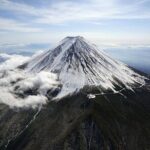
The day typically starts with Mount Fuji 5th Station, a key waystation for climbers and hikers going toward the summit. Even if you’re not climbing, it’s the most dramatic “Fuji in your face” stop—higher elevation, big sky, and strong sense of place.
Plan for about two hours here. That’s enough time to walk around, take photos, and soak up the mountain vibe without feeling rushed.
The one catch is money: the 5th Station entrance/fee is not included (2,100 yen). So it’s worth carrying yen so you’re not stuck at the counter when you’re ready to move.
If the summit is hidden by weather, don’t panic. The best strategy is flexibility: use the time on the mountain approach areas and then pivot to other Fuji viewpoints like Oishi Park or Lake Kawaguchiko when the day gives you better conditions.
Oishi Park: The Classic Fuji Photo Angle With Seasonal Color
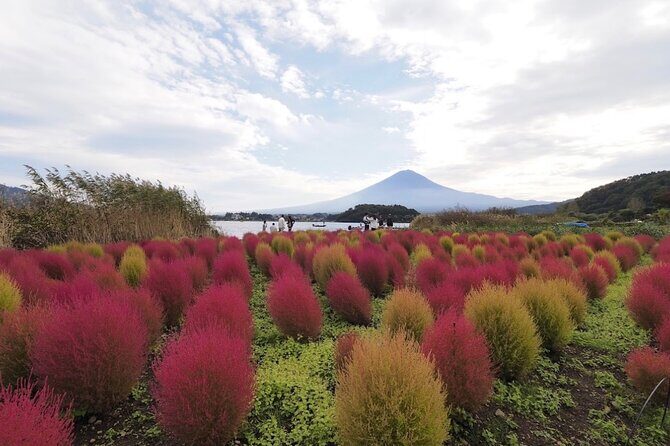
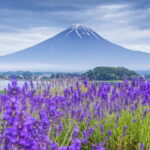
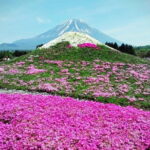
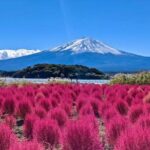
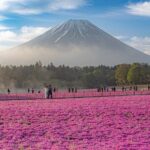
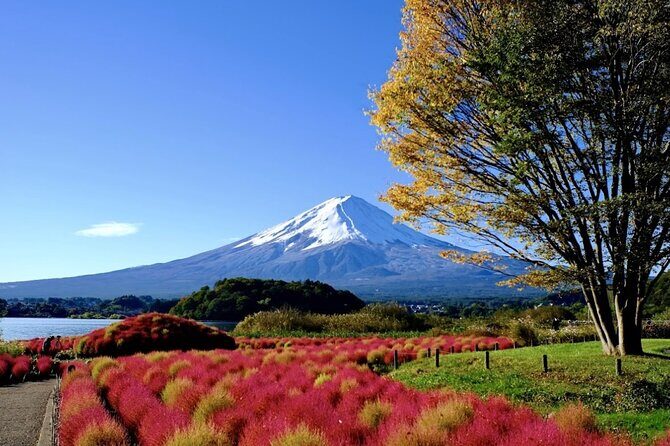
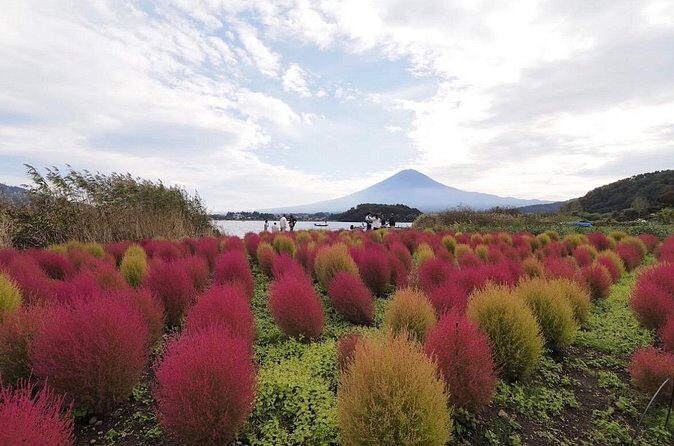
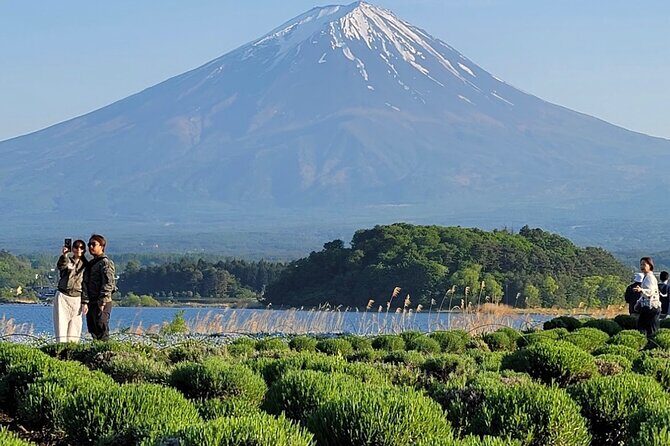
Next comes Oishi Park, a popular spot for panoramic Mount Fuji views with Lake Kawaguchiko in the frame. This is the kind of place that rewards patience. Some angles look flat in bad visibility; other angles suddenly pop when clouds thin.
You’ll have about an hour. That’s enough time to wander the viewpoints and take photos without feeling trapped in a single “photo corner.”
The park is also known for flower promenades that shift by season—so you’re not just chasing the mountain. You’re also getting seasonal color, which can make your photos look lively even on a less-than-perfect day.
If you’re traveling in spring or early summer, this tends to be a more visually “active” stop. Even in other seasons, it’s a good breather after time at the 5th Station.
Oshino Hakkai: Eight Ponds, Volcanic Roots, and Quiet Water-Level Magic
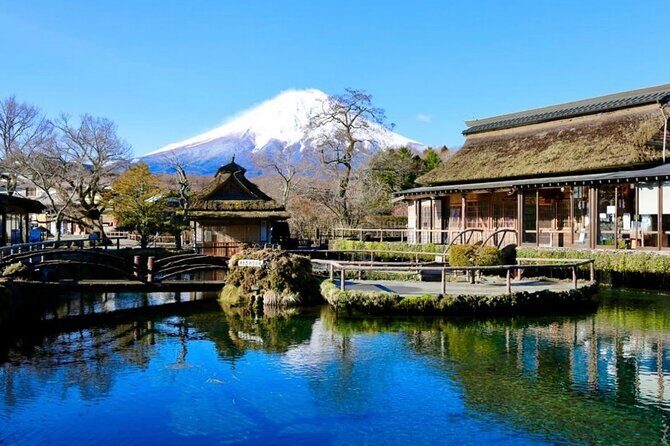
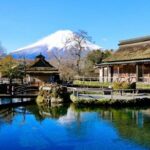
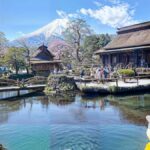
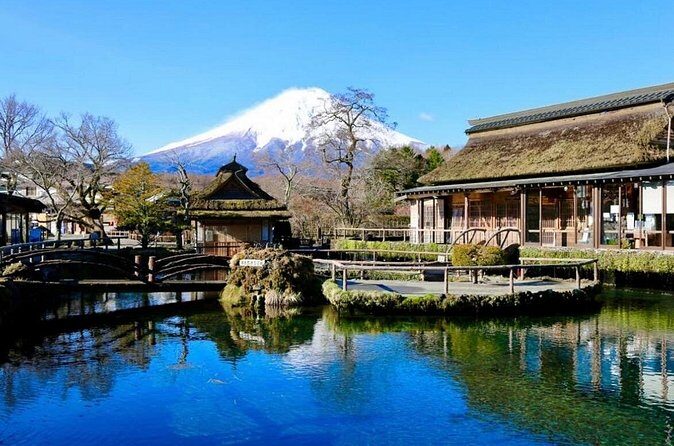
Oshino Hakkai is all about water and geology. The ponds here are a byproduct of historic eruptions and intense volcanic activity, and they’re fed by an underground reservoir. The mineral-rich spring water is the point.
You’ll spend about an hour. This is a good “reset stop” in the day. It’s not a climb, it’s not a long bus ride, and it’s easier on your legs than some other options later.
This stop also gives you a different Mount Fuji mood. Instead of “big mountain dominance,” you get smaller scale beauty—still water, stone textures, and a calmer pace that feels removed from Tokyo.
Other private guided tours at Mt Fuji & Kawaguchiko

Lake Kawaguchiko: Oldest of the Fuji Lakes and a Key View Hub
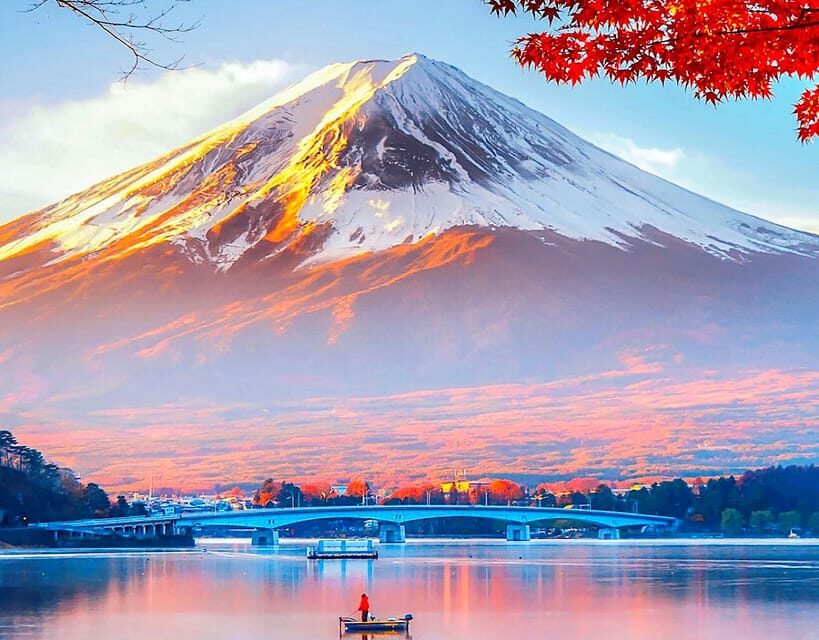
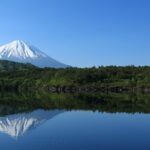
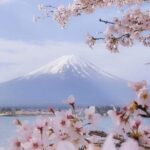
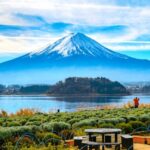
Lake Kawaguchiko is one of the five lakes in the region, formed by volcanic activity and debris around Mount Fuji. It’s described as the oldest of those five, which hints at why the area has long been a major viewing and visiting hub.
You’ll have about an hour. The goal here is simple: find the best vantage point you can within the time window and let the guide do the steering. When Mount Fuji is visible, the lake makes the view feel grounded and layered.
When clouds roll through, the lake still helps. It gives you wide open space, a chance to shift angles, and a place to breathe while waiting for visibility to improve. This is where the private format can really pay off: you can move to another viewpoint without the whole group getting grumpy.
Arakurayama Sengen Park and Chureito Pagoda: Stairs, Shrine History, and a Strong View Reward
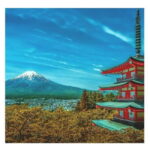
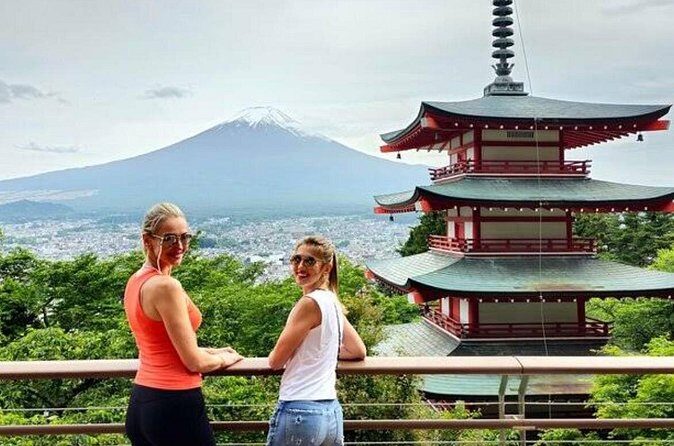
This part of the day hits two layers: religion/history and a photo classic. Arakurayama Sengen Park centers on Arakura Sengen Shrine, with roots traced back to the 9th century and connected to the Shinto goddess Konohanasakuya-hime.
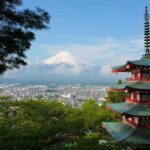
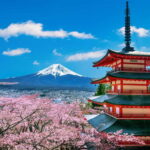
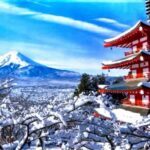
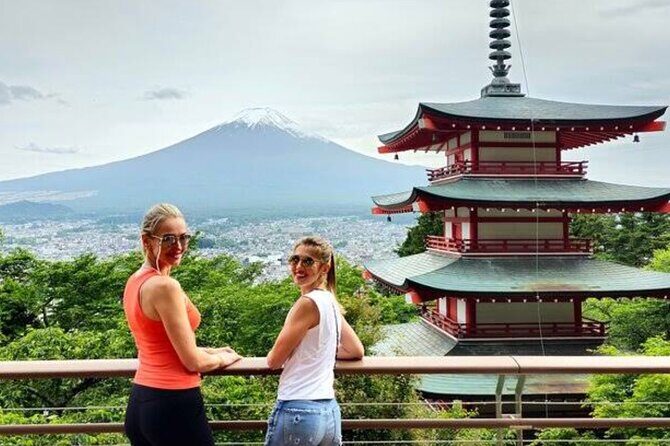
You’ll spend about an hour in this area, with Chureito Pagoda as a key stop. The pagoda is widely recognized for the way it sits above Fujiyoshida City with Mount Fuji in the distance.
Here’s the practical detail that matters: the view is worth it, but you may be tackling stairs. One strong piece of feedback from past experiences highlights that the trip can involve roughly 400 stairs straight up. If stairs make you grumpy, plan for a slower pace and take breaks.
Even if you don’t catch a perfect Fuji silhouette, this area tends to feel special. It’s one of the best “Japan moment” stops on the route.
Narusawa Ice Cave: The Stop That Often Steals the Day
If you want one reason this tour gets high marks, it’s usually this: Narusawa Ice Cave. It’s a lava tube formed over 1,150 years ago by a lava flow from Mount Fuji’s 864 eruption. The cave is known for ice that persists underground for much of the year.
You’ll have about 30 minutes. That’s enough time to experience it without turning your afternoon into a museum slog. The ice cave gives you a totally different texture than parks and lakes—cool air, geology, and a sense of scale that’s hard to get anywhere else.
Admission isn’t included, so again, have a few yen set aside. If your goal is to experience more than just viewpoints, this stop is the best “add flavor” item on the day.
Optional Hakone Stops: More Volcanic Variety (If You Still Want Action)
After the Fuji-area highlights, you have optional add-ons in the Hakone region. These are great if you want your day to feel like more than one mountain-related stop.
Hakone Open-Air Museum (optional, about 30 minutes)
This is Japan’s first outdoor museum, established in 1969. It focuses on showing sculpture in an outdoor setting, which can be a nice change of pace if the weather is clearing and you want something that doesn’t depend entirely on a single view angle.
Admission isn’t included, so treat it like a bonus if you think you’ll enjoy art in open air.
Owakudani Valley (optional, about 30 minutes)
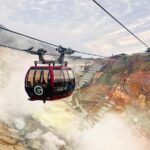
Owakudani is known for volcanic activity and steam, shaped by an explosive eruption and collapse of Hakone’s central cone (Mount Kamiya). If you like geology and dramatic atmosphere, this is the choice.
Admission isn’t included. Expect this to be more about the atmosphere than scenic “postcard” views.
Lake Ashinoko (optional, about 30 minutes)
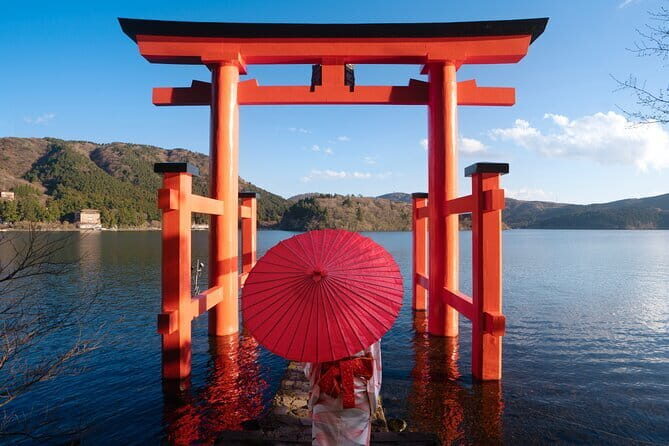
Lake Ashinoko is formed from volcanic events and is a sacred site dating back to the 8th century (as described in the provided info). It’s a calmer finish compared to the volcanic valley.
Admission isn’t included, and this works best if you want a softer end to the Hakone portion.
A big tip for optional stops: choose based on your weather. If Mount Fuji visibility is poor, Hakone can still deliver interesting scenery. If Fuji is clear, you might prefer to spend more time around Kawaguchiko and the shrine/pagoda area instead of splitting the day.
Gotemba Premium Outlets: A Practical Wind-Down Under Fuji’s Shadow (Optional)
Gotemba Premium Outlets is the optional shopping stop. The value here is less about shopping deals and more about having a convenient place to stretch your legs and grab a snack or last-minute purchases before heading back to Tokyo.
The route often includes about an hour here, and Mount Fuji views are mentioned as a draw.
This is a good option if:
- you have teens or anyone who wants a less sightseeing-heavy segment, or
- your timing is still good and you want a smooth landing before the ride home.
Price and Value: How $350 for Up to 6 Adds Up
The price is $350 per group (up to 6) for about 10 hours. On paper, that looks high. In reality, it can be fair—sometimes even a deal—because it’s private transportation with hotel pickup/drop-off, an English-speaking driver/guide, and bottled water.
Here’s the value logic: if you’re traveling as a small group or as a family unit, you’re splitting the cost of a full-day chauffeur service. And you’re not paying separately for each connection to the Fuji area.
The big “value enhancer” is time. You get a full set of sights, plus options, without spending half the day coordinating transit. If you’re the type who hates being herded on a bus, the private setup can be worth it even if you don’t shop or do every optional stop.
One more practical point: because some admissions are not included (like 5th Station and ice cave), your final spend will be a bit higher than $350. The fix is simple—carry yen and plan for a couple of paid entries.
When Plans Shift: Weather, Visibility, and Holiday Timing
This experience depends on good weather. If conditions are poor, you should expect a rescheduling offer or a full refund. That’s not a gimmick—it’s the reality of a mountain day.
Even with good weather, Mount Fuji is a moving target. Fog can roll in and ruin the distance shots. The key advantage of a private format is that you’re not stuck at the mercy of a rigid bus schedule. You can pivot to other viewpoints and nearby nature stops, and you can adjust how long you stay in each place.
Holiday timing matters too. One piece of feedback mentions that on New Year’s Eve, the driver worked around time pressures (to make it back to Tokyo by an earlier hour) and some stops were missed. That’s a reminder: if you’re traveling around major dates, traffic and site access can squeeze the timeline. Plan to keep expectations flexible.
The other watch-out is communication. Some people reported guides who were more driver-like than talkative, or with limited English. That doesn’t mean every tour is like that, but it’s worth knowing: this is an English-speaking driver/guide model, not a guaranteed lecturer with perfect detail on every plant and shrine. If you want heavy history, come prepared with your questions.
Should You Book This Mount Fuji Full Day Private Tour?
Book it if you want:
- a private day with your own pacing,
- an English-speaking driver/guide and an air-conditioned vehicle,
- a strong hit list: 5th Station, Oshino Hakkai, Lake Kawaguchiko, Arakurayama/Chureito Pagoda, plus the ice cave,
- flexibility to add Hakone options or a Gotemba finish.
Skip it (or at least reconsider) if:
- you’re on a strict schedule with zero flexibility (weather and holiday traffic can compress time),
- you don’t want to pay separate admissions for paid sites,
- you expect a lot of deep historical narration every minute. This tour can be great for sights and pacing, but your experience may depend on how your guide balances driving, timing, and commentary.
If your goal is a calm, efficient Mount Fuji day with high hit-rate photo points—and you’re okay with the mountain being moody—this is a solid choice.
FAQ
How long is the Mount Fuji full day private tour?
It runs for about 10 hours (approx.).
Does the tour include hotel pickup and drop-off in Tokyo?
Yes. Hotel pick-up and drop-off from Tokyo are included.
Is this tour private?
Yes. It’s a private tour/activity, and only your group participates (up to 6 people).
Are entrance fees included for all stops?
No. The Mount Fuji 5th Station entrance fee is not included (2,100 yen). Admission for Narusawa Ice Cave is also not included, and optional stops like the Hakone Open-Air Museum, Owakudani Valley, Lake Ashinoko, and Gotemba Premium Outlets list admissions as not included.
What optional stops can be added after the Fuji area?
Optional add-ons include the Hakone Open-Air Museum, Owakudani Valley, Lake Ashinoko, and Gotemba Premium Outlets.
What happens if the weather is bad?
The tour requires good weather. If it’s canceled due to poor weather, you’ll be offered a different date or a full refund. You can also cancel for a full refund if you cancel at least 24 hours in advance.