REVIEW · TOKYO
Tokyo: Mount Fuji and Hakone private sightseeing tour
Book on GetYourGuide →Operated by Xlpor Japan · Bookable on GetYourGuide
Fuji and Hakone in one long day. This private 10-hour tour strings together Mt. Fuji viewpoints and Hakone signature stops with hotel pickup, plus two itinerary options so you can steer the day toward either Fuji Five Lakes or Hakone hot-spring sightseeing.
I especially like the door-to-door convenience (multiple pickup/drop choices) because it saves you the hassle of juggling trains and transfers. I also like the mix of classic photo stops and proper guided time, including a visit to Oshino Hakkai and a short guided walk at Kitaguchi Hongu Fuji Sengen Shrine.
The main thing to watch is that not everything is included: lunch isn’t, and you’ll likely pay site tickets for Mt Fuji 5th Station (2100 yen per group) plus the boat and cable car. If you’re only 1–2 people, the group price can also feel like a tougher deal.
In This Review
- Key highlights to know before you go
- A private van with pickup in Tokyo, Yokohida, Fujiyoshida, or Hakone
- Choose your day: Fuji Five Lakes focus or Hakone hot-spring loop
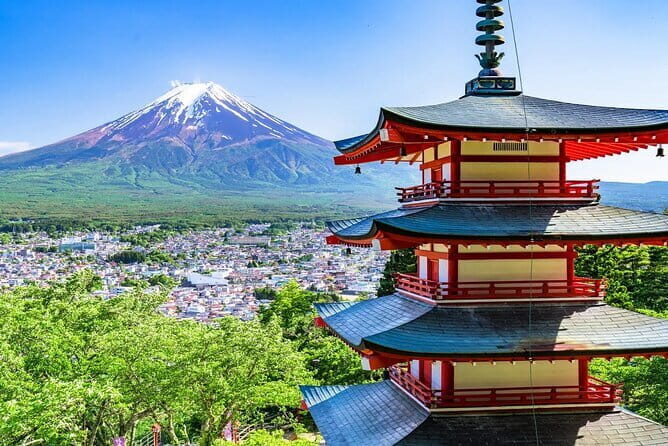
- Arakurayama Sengen Park: the classic Fuji viewpoint start
- Kitaguchi Hongu Fuji Sengen Shrine: spiritual time that isn’t just a photo stop
- Mt Fuji 5th Station: the ticketed highlight and the altitude goal
- Lake Kawaguchi and the Fuji Five Lakes rhythm
- Oishi Park: flowers, views, and time to breathe
- Oshino Hakkai: eight ponds, spring water, and a calmer ending
- Hakone Ropeway: the aerial viewpoint leg for Itinerary B
- Lake Ashi sightseeing cruise: the torii-gate moment
- Owakudani Valley: sulfur country with a queue factor
- Hakone Open Air Museum: art outside, after the big scenery stops
- How the day fits together: a realistic look at 10 hours
- What the guides do right: tailoring, clear English, and on-the-fly help
- Who should book this Fuji and Hakone private tour
- Should you book this Mt Fuji and Hakone private sightseeing tour?
- FAQ
- How long is the Tokyo: Mount Fuji and Hakone private sightseeing tour?
- Where can I be picked up and dropped off?
- Is this tour private or shared?
- What languages are supported?
- What’s included in the price, and what costs extra?
- What is the cancellation policy?
Key highlights to know before you go
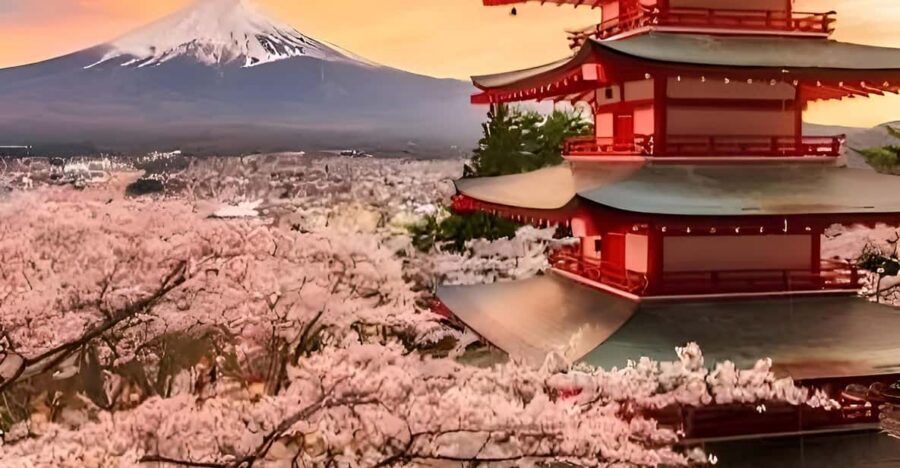
- Private group day: your party rides together in a private vehicle, not a bus shuffle.
- Hotel pickup and multiple drop-offs: Tokyo, Fujiyoshida, Yokohama, and Hakone are all options.
- Two styles of sightseeing: Fuji Five Lakes focus (Itinerary A) or Hakone hot-spring loop plus art (Itinerary B).
- Iconic viewpoints on a tight clock: Arakurayama Sengen Park, Lake Kawaguchi, Lake Ashi, and Owakudani all make the cut.
- Boat and cable car fees are extra: plan for site tickets during the day.
- Timing can depend on queues: one booking noted a long wait related to Owakudani cable car access.
A private van with pickup in Tokyo, Yokohida, Fujiyoshida, or Hakone
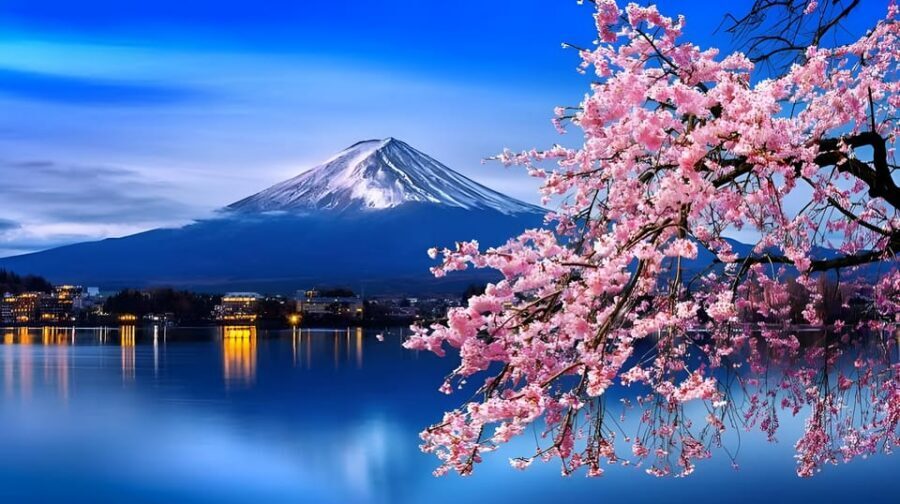
This is built for people who want their day to start with less stress. Pickup is available from Tokyo, Fujiyoshida, Yokohama, or Hakone, and you can also pick your drop-off among those same areas. That matters because Fuji and Hakone each sit behind real logistics walls, and saving even one major transfer adds comfort fast.
The tour includes a private vehicle, plus parking fees and fuel/toll charges. There’s also an English-speaking driver/guide, and pickup instructions are simple: you wait around 5 minutes in the hotel lobby or at your accommodation, and the guide/driver contacts you before pickup. For a 10-hour day, that “no mystery timing” approach is part of the value.
One practical note: end-point pricing can surprise people. In one account, a customer questioned an extra cost tied to a Hakone drop-off. If your start and end locations are both far outside “main” areas, it’s worth confirming what your exact pickup/drop choice means for the total.
Other Mount Fuji tours we've reviewed at Mt Fuji & Kawaguchiko
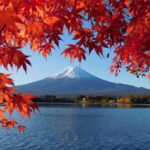
Choose your day: Fuji Five Lakes focus or Hakone hot-spring loop
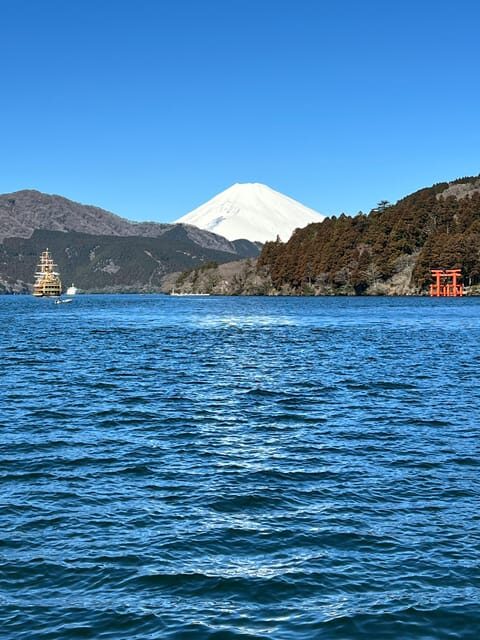
The tour gives you two itinerary directions. Pick the one that matches what you want most, because Mt Fuji days and Hakone days feel different even when you hit some of the same famous stops.
Itinerary A is the Fuji majesty track. It centers on classic Sengen views, a spiritual shrine stop, Mt Fuji 5th Station, and then the Fuji Five Lakes area with Lake Kawaguchi and Oishi Park, finishing with Oshino Hakkai for a slower, more rural feel.
Itinerary B is the Hakone serenity track. It builds around Hakone’s signature ride moments: Hakone Ropeway, a Lake Ashi sightseeing cruise, and Hakone Open Air Museum for art outdoors. It keeps the Fuji-area “frame” with stops like Arakurayama Sengen Park and Oishi Park, but the day’s mood shifts toward Hakone.
In practice, this is good for groups with mixed tastes. If one person is a Fuji-only person and another cares more about Hakone’s art and views, you can choose the itinerary that keeps both sides happy.
Arakurayama Sengen Park: the classic Fuji viewpoint start
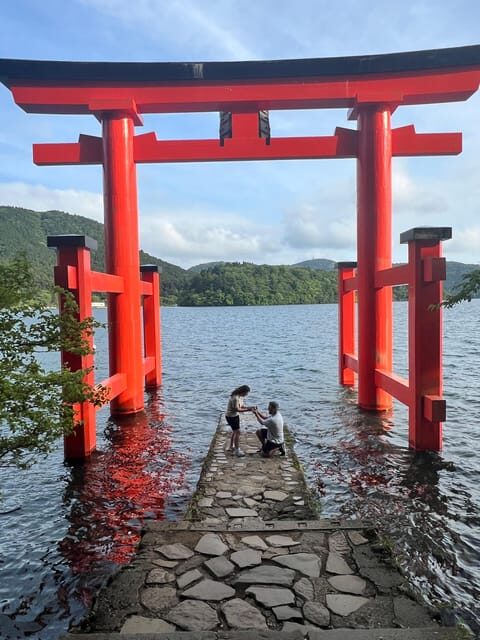
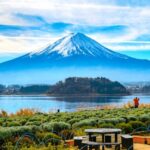
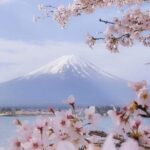
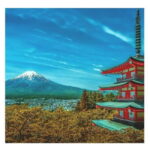
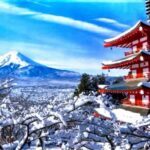
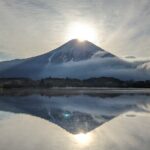
Arakurayama Sengen Park is where the day often clicks into focus. You get panoramic Mt Fuji views, and the plan includes sightseeing and walking with scenic views along the way. This stop works as an opener because it sets expectations early: you’ll see why Fuji is the main character here.
It also makes sense for timing. Before the day becomes a long loop of rides, boats, and valleys, you’re still fresh. Even if weather is moody, this is one of the best chances to get a strong Fuji sighting from a well-known vantage point.
Kitaguchi Hongu Fuji Sengen Shrine: spiritual time that isn’t just a photo stop
In Itinerary A, you also visit Kitaguchi-hongu Fuji Sengen Shrine. The schedule includes sightseeing and a walk, with a guided component (about 30 minutes). This is the kind of stop that grounds the day. You’re not just looking at a mountain; you’re stepping into the traditions that shaped how people treat it.
What I like about having the shrine on the route is that it balances the big views. After that, you’re ready for the more physical “go higher” moment of Mt Fuji 5th Station.
Mt Fuji 5th Station: the ticketed highlight and the altitude goal
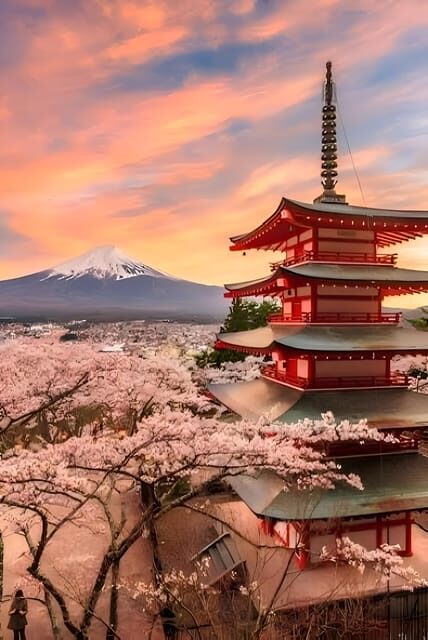
If you choose Itinerary A, the centerpiece is Mt Fuji (5th Station). It’s described as being halfway up the mountain, and it’s treated as a highlight in the day’s flow.
Here’s the value-and-cost reality check: the entry ticket for Mt Fuji 5th Station is 2100 yen per group and is not included. So you’re paying extra at the site, but the trade is clear. This is one of the few stops on this kind of one-day route that gives you a true “vertical” feeling.
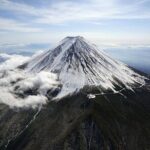
One more thing: don’t plan your emotions around a perfect Fuji reveal. In one booking, Fuji was hiding behind clouds, yet the overall experience still landed well. The lesson is to treat the 5th Station as a goal, not as a guaranteed view.
Other Mt Fuji and Hakone combo tours at Mt Fuji & Kawaguchiko

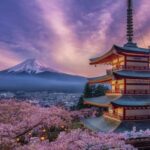
Lake Kawaguchi and the Fuji Five Lakes rhythm
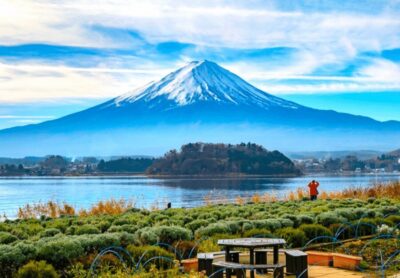
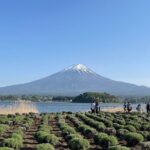
After the shrine and the 5th Station, Itinerary A shifts into Fuji Five Lakes scenery. The plan includes Lake Kawaguchi with a boat cruise and about an hour for sightseeing.
What makes this segment worth it is the pacing. You’re not just stopping for a quick panorama. You get time on the water, plus a chance to walk and take in how the mountain’s silhouette can change with angle and light.
One gentle caution: your experience here can depend on visibility. That’s not anyone’s fault, but it’s why the tour is structured with multiple viewpoint stops across the day. If one angle is blocked, another might still give you what you came for.
Oishi Park: flowers, views, and time to breathe
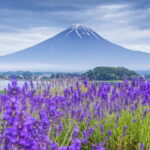
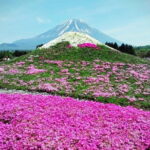
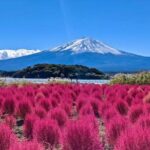
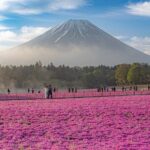
Next up is Oishi Park, with a mix of photo time, a guided tour, and free time. The description highlights seasonal blooms and panoramic Fuji views from the park.
Oishi Park is also a useful “reset button.” It’s placed after Lake Kawaguchi, so you shift from boat time back to walking and photo hunting. Then you still have room on the schedule to go somewhere that feels more like local life.
If you tend to get stuck in a nonstop photo routine, Oishi Park gives you a bit of both: guided context plus your own time.
Oshino Hakkai: eight ponds, spring water, and a calmer ending
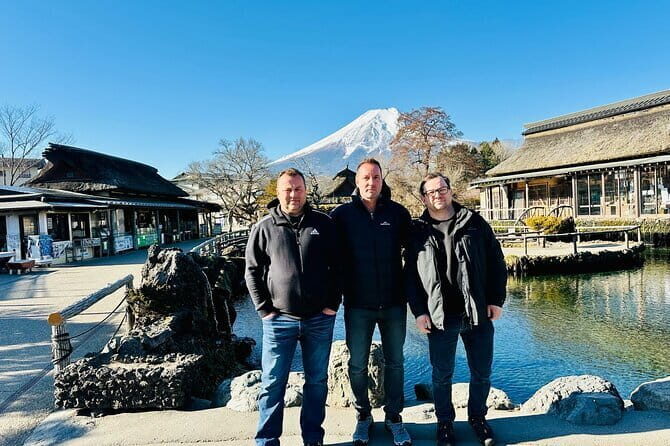
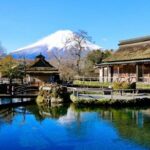
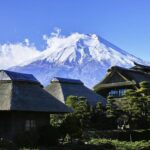
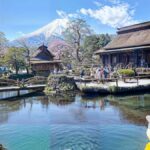
The day’s closer for Itinerary A is Oshino Hakkai, famous for crystal-clear spring water ponds fed by Mt Fuji snowmelt. The stop includes a photo stop, visit, guided tour, free time, sightseeing and walking, shopping, and even food tasting time.
This is a strong ending choice for two reasons. First, it feels less like an “attraction checklist” and more like rural Japan you can wander. Second, the pond setting gives you scenery that doesn’t rely entirely on whether Fuji is perfectly visible at a single second.
Time is about an hour, so you can actually enjoy it without the feeling you’re being rushed through.
Hakone Ropeway: the aerial viewpoint leg for Itinerary B
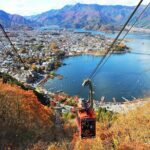
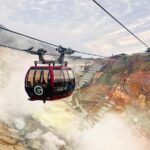
If you choose Itinerary B, Hakone’s signature view ride takes center stage. The schedule includes the Hakone Ropeway (about 30 minutes). It’s described as giving panoramic vistas of Mt Fuji, lush valleys, and Lake Ashi.
This ropeway segment is valuable because it changes your perspective quickly. You go from road-level sightseeing to height and distance without needing a big hike plan. For a one-day route, that efficiency is a big deal.
Also keep in mind: the boat and cable car segments are not included. That means you’ll need to budget for site tickets on the day, even if the driver and timing are handled.
Lake Ashi sightseeing cruise: the torii-gate moment
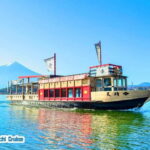
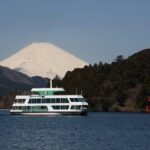
Still in Itinerary B, you’ll head to Lake Ashi for a visit and a sightseeing cruise (about an hour). The plan notes that you’ll spot the iconic torii gate of Hakone Shrine in the distance.
This stop is a nice change of pace from viewpoint walking and road transit. On the water, everything feels slower. And because Hakone is all about views from multiple angles, the cruise helps you build a more complete picture than a single lookout.
Again, the cruise is not included in the base package fee, so the ticket cost will be separate at the site.
Owakudani Valley: sulfur country with a queue factor
Owakudani Valley is one of the most memorable name-drops on the route. The schedule includes a break time, photo stop, visit, free time, shopping, sightseeing, and scenic views on the way. The time block is about 30 minutes.
One review highlighted the natural sulfur aspect, which fits how people talk about Owakudani: you’re there for a very specific atmosphere.
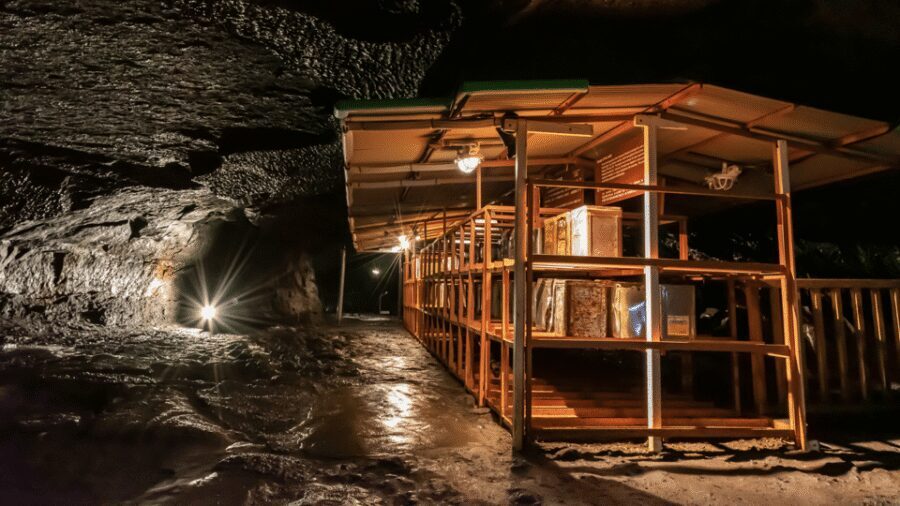
The potential downside is lines. One customer reported spending around 45 minutes waiting for cars to access the Owakudani cable car. Their takeaway was that they would have preferred taking the cable car from the bottom and doing a round trip to avoid that long wait. I can’t promise the line will be the same on your date, but it’s a real reason to ask your guide what the best timing plan is once you arrive.
Hakone Open Air Museum: art outside, after the big scenery stops
To finish Itinerary B, the tour visits Hakone Open Air Museum. It’s described as a unique art space set with sculptures and installations in the open, blending art with the surrounding grounds.
This is a good match for the day’s structure. The route before it can feel intense: ropeway, cruise, Owakudani. The museum adds variety without demanding a separate full-day commitment.
Because the tour is only 10 hours total, museum time is likely “see what you can” rather than “master the collection.” If you like art but also like moving, it’s an easy fit.
How the day fits together: a realistic look at 10 hours
A 10-hour private tour is a sweet spot when you want major sights without the “stay overnight and hope” gamble. You cover Fuji and Hakone in a single day, and you do it with a private vehicle so you’re not timing every transfer.
But “single day” also means the schedule is tight. You’ll have guided and free time blocks inside each stop, plus the necessary transit between areas. That’s why the private format matters. If a stop runs slow, your guide can usually manage the pacing better than a fixed group bus plan.
Cost-wise, here’s the clearest value math from the data you have. The price is $338 per group up to 5, and it includes the private vehicle and English-speaking driver/guide, plus parking and fuel/tolls. What isn’t included:
- Lunch
- Entry ticket for Mt Fuji 5th Station (2100 yen per group)
- Tickets for the boat cruise and cable car
That makes the tour especially attractive when you have 3–5 people splitting the base price. One booking explicitly said the value is better with more than two people. If it’s just two of you, it can still be worth it for the convenience, but you should expect to pay extra for the site tickets and meals.
What the guides do right: tailoring, clear English, and on-the-fly help
The English-speaking guide experience seems consistent across different guide names (Ali, Khan, and Zohib show up in the feedback you were given). The pattern in the praise is clear: people liked that the guide was helpful with tips during the trip, gave solid English explanations, and could tailor the plan to what the group wanted.
That tailoring is what you pay for in a private day. You’re not stuck with a rigid script when your group’s priorities shift slightly.
There is also a small caution from one account: the vehicle was described as quite dirty and the communication felt a bit word-sparing. That’s the kind of issue you can’t fully predict, but you can reduce the risk by doing a quick check in the first minutes after pickup and letting the driver know if anything needs attention.
Who should book this Fuji and Hakone private tour
This tour fits best if you:
- Want a private day with hotel pickup and no major navigation work.
- Plan to visit Fuji and Hakone but don’t want to stack multiple train rides.
- Have a group of up to 5 so the price is spread across more people.
- Prefer a mix of guided walking and your own photo time.
You might think twice if:
- You’re traveling solo or as a couple and the extra site tickets plus lunch push your budget.
- You dislike waiting in line for cable car access. Owakudani can be the spot where timing gets unpredictable.
Should you book this Mt Fuji and Hakone private sightseeing tour?
If your priority is maximum sightseeing in one day with door-to-door pickup, this is a strong option. The structure hits the big Fuji viewpoints, then adds Hakone’s signature rides, boat time on Lake Ashi, and even a museum ending when you choose Itinerary B.
I’d book it if you’re traveling with at least 3 people or you truly value the convenience of a private vehicle plus English guidance. I’d also ask one targeted question before you go: which parts of your chosen route (5th Station, boat, ropeway/cable car) require separate tickets on the day, and how your exact pickup and drop-off are handled cost-wise. Do that, and you avoid the two common “gotchas” mentioned in the feedback: surprise add-ons and queue time.
FAQ
How long is the Tokyo: Mount Fuji and Hakone private sightseeing tour?
The tour lasts 10 hours.
Where can I be picked up and dropped off?
Pickup and drop-off are available in Tokyo, Fujiyoshida, Yokohama, and Hakone.
Is this tour private or shared?
It’s a private group tour for your party.
What languages are supported?
The tour includes an English-speaking driver/guide.
What’s included in the price, and what costs extra?
Included are the private vehicle, parking fees, fuel/toll charges, and the English-speaking driver/guide. Not included are lunch, the Mt Fuji 5th Station entry ticket (2100 yen per group), and the boat cruise and cable car entry tickets.
What is the cancellation policy?
You can cancel up to 24 hours in advance for a full refund.