REVIEW · TOKYO
From Tokyo: Mount Fuji Full Day Customizable Private Tour
Book on GetYourGuide →Operated by Japan graviton tours · Bookable on GetYourGuide
Fuji is the headline all day long. This private tour strings together the classic sights around Mount Fuji and lets you steer your day with a customizable itinerary and a comfortable private van—plus guides like Mirza, Mani, and Rana who know how to keep things moving without rushing you.
I especially like the way the schedule gives you real time for viewpoints and walking stops, not just quick photo hits. You’ll also get flexibility to swap in extra Fuji Five Lakes options (like Saiko Iyashi-no-Sato Nenba) or pivot toward Hakone if that’s what you’re craving. One watch-out: 5th Station access can be limited in peak summer dates, and not everything is included once you arrive (like the Fuji entrance fee and optional ropeway/boat tickets).
In This Review
- Quick highlights you’ll actually care about
- Why this private Fuji-and-Hakone day works from Tokyo
- Price and what $367 per group really buys
- The morning drive: using the long day well
- Mt. Fuji 5th Station: the best views, with a seasonal access rule
- Lake Kawaguchiko and Oishi Park: where Fuji looks close enough to touch
- Oshino Hakkai: the quiet Fuji village break you’ll remember
- Saiko Iyashi no Sato Nenba: optional time travel (with thatched-roof charm)
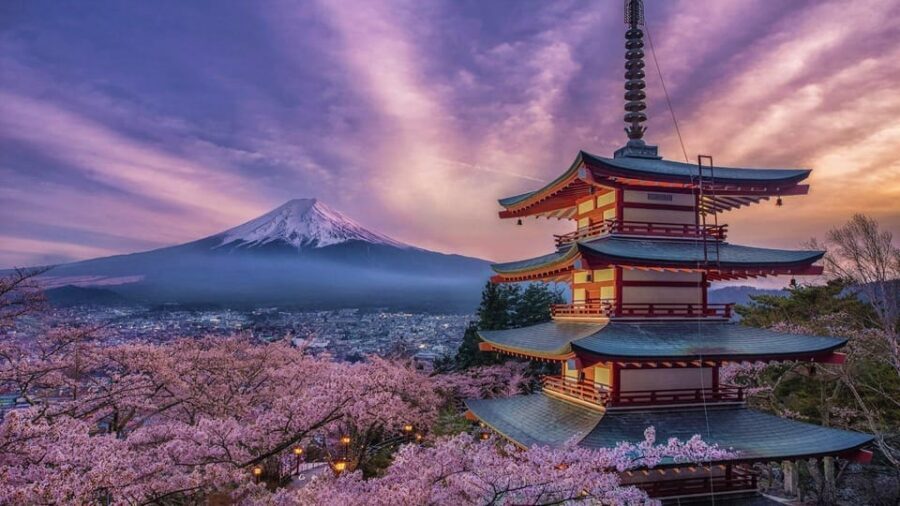
- Chureito Pagoda: the iconic Fuji frame, timed for photos
- Hakone options: Ropeway, volcanic Owakudani, and Lake Ashi vibes
- Other add-ons you can tailor to your interests
- Transportation and timing: what to expect in a 10-hour day
- Guide quality: punctual, patient, and good at adapting
- Food and walking: your comfort checklist
- When weather clouds the mountain: still worth the day
- Who should book this private tour
- Should you book this Mount Fuji and Hakone private day?
- FAQ
- How long is the Mount Fuji full day private tour?
- What is included in the price?
- What is not included?
- Will I be able to go to Mount Fuji 5th Station?
- Where does pickup happen in Tokyo?
- Can I customize the itinerary during the day?
- What should I bring and wear?
- Is alcohol allowed on the tour?
Quick highlights you’ll actually care about
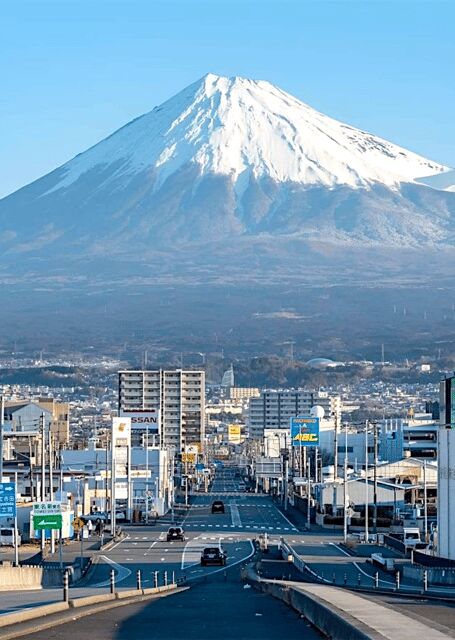
- Mount Fuji 5th Station views with panoramic lookouts (and a key July 1–Sept 10 vehicle rule to plan around)
- Oshino Hakkai’s 8 spring-fed ponds for a calm, photo-friendly cultural break
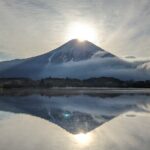
- Lake Kawaguchiko and Oishi Park for classic Fuji reflections and easy walking
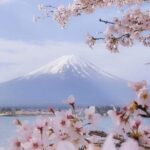
- Chureito Pagoda for the iconic Fuji framing (especially memorable in cherry blossom season)
- Hakone Ropeway and Owakudani Valley options if you want volcanic drama above the clouds
- Private, multilingual guidance that adjusts to your pace and needs
Why this private Fuji-and-Hakone day works from Tokyo
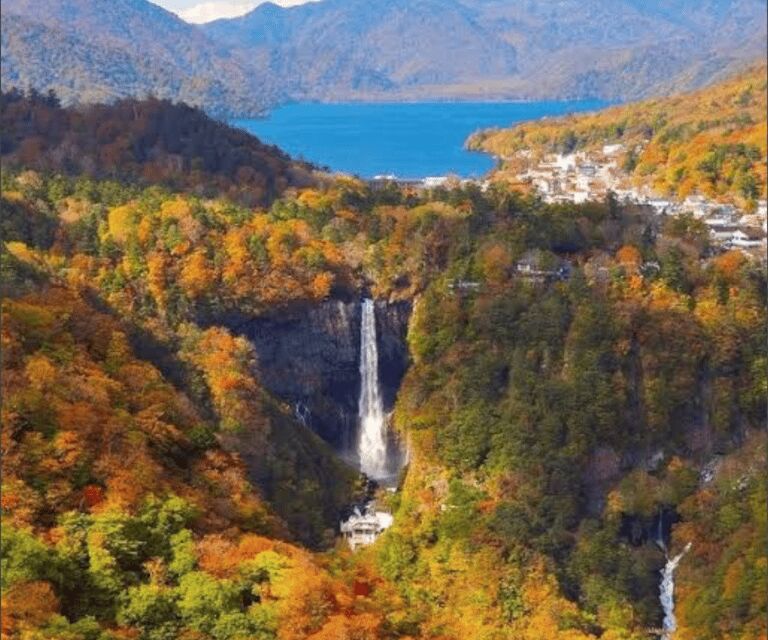
If you’re short on time in Japan, this kind of private day trip is a smart hack. You get pickup from your Tokyo address in the 23 wards, then a direct plan for the Fuji region plus the option to add Hakone highlights without figuring out buses and transfers.
The big value is control. I like that you’re not locked into a rigid script—you can build the day around your priorities, whether that’s more walking, more viewpoints, or adding cultural stops and short excursions.
Other Mount Fuji tours we've reviewed at Mt Fuji & Kawaguchiko
Price and what $367 per group really buys
At $367 per group (up to 6 people), the math works best when you travel as a small group or family and want one vehicle, one guide, and one plan. You’re paying for time and convenience: hotel pickup/drop-off, air-conditioned private transport, WiFi, and multilingual driver/guide service.
What’s not included matters. You should budget for the Mount Fuji entrance fee (2100 JPY per group) plus any optional attraction tickets like ropeways or boat rides. Meals aren’t included either, so plan for a lunch break you’ll choose on the day.
Also note the rhythm: it’s about a 10-hour day, but roughly 4 hours are transfers from Tokyo. That time isn’t wasted—it’s part of how you get to the good stuff without stress—but it does mean the trip needs a bit of patience.
The morning drive: using the long day well
Most days start early, because the best chance of clear views often depends on timing. In practice, this matters more than you’d think. A few extra minutes on the road can translate into less crowding at the viewpoints and more room to breathe when you get there.
You’re in an air-conditioned van, and the tour runs on a private pacing. That sounds small, but it changes the whole tone of the day—you can linger at a viewpoint, step away for a snack, or adjust when your group’s energy is high or low. Reviews also highlight punctual pickup and safe, careful driving with guides like Mani and Malik.
Mt. Fuji 5th Station: the best views, with a seasonal access rule
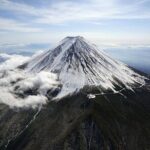
The star stop is the Mount Fuji 5th Station, often where the views feel most dramatic. You’ll get sweeping panoramas across valleys and peaks, and it’s one of the best places for photos that actually look like Mount Fuji (not just a distant dot).
One important planning detail: from July 1 to Sept 10, private vehicles can’t go to the 5th Station. That doesn’t mean you won’t see Fuji—it means your exact access and route may change during those dates. If you’re traveling during that window, message the provider ahead of time and confirm what your day will look like on the ground.
Also remember the Fuji entrance fee (2100 JPY per group) isn’t included. If the mountain is your top priority, that fee is usually worth it for the access and experience you’re buying.
Lake Kawaguchiko and Oishi Park: where Fuji looks close enough to touch
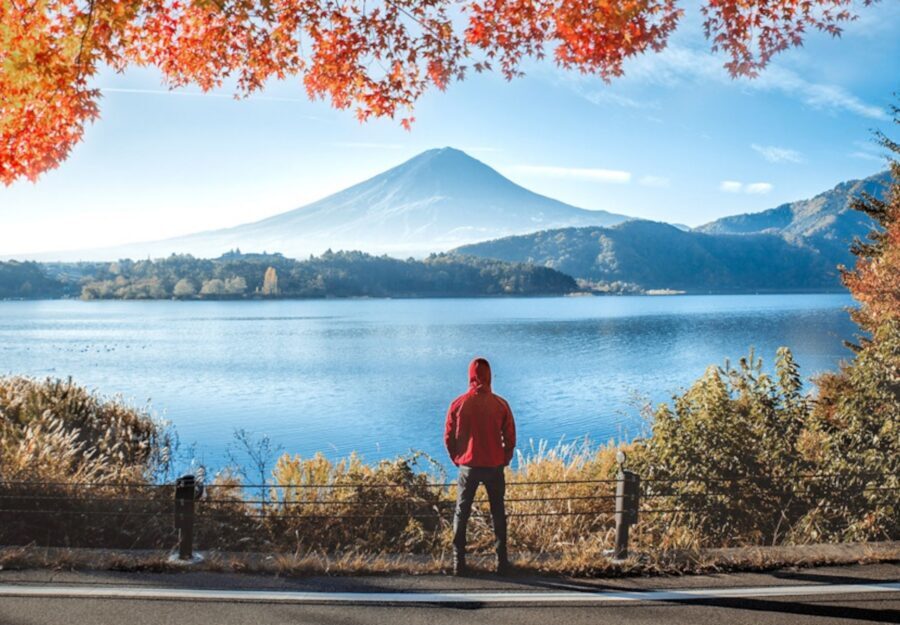
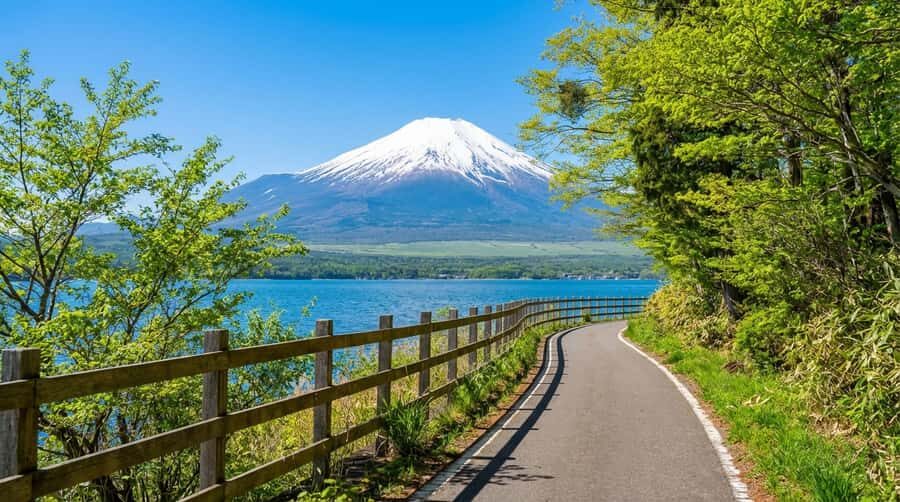
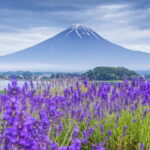
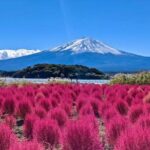
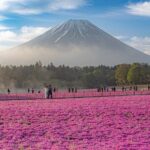
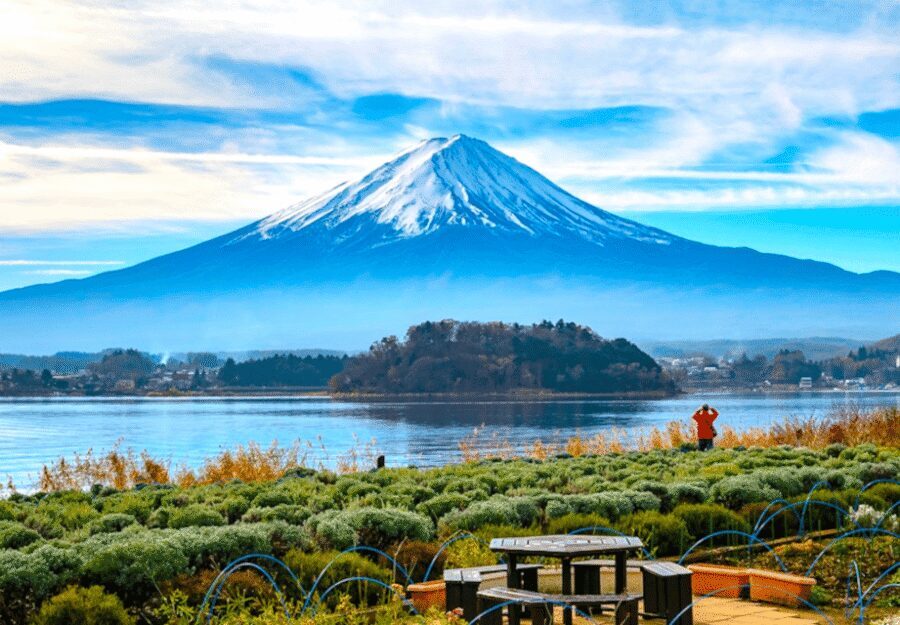
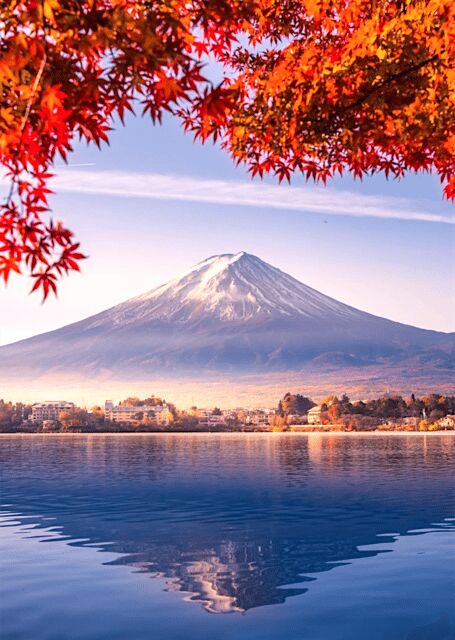
After the heights, the day shifts to water and walking. Lake Kawaguchiko is a classic for a reason: you can stroll along the shores while Fuji towers in the background. Even when the day is partly cloudy, the lake area still offers a strong sense of place—calm, scenic, and photogenic.
Then you can add Oishi Park, a great on-foot section for changing angles. This stop works well for couples, families, and anyone who likes to move at a comfortable pace. Just wear shoes you’re happy to walk in; you’ll likely spend time on paths where you’ll want to stop and shoot.
If you want extra variety, you can also work in additional lakes like Lake Yamanaka depending on your chosen itinerary. It keeps the day from feeling like a single long lineup of stops.
Other day trips from Tokyo to Mt Fuji & Kawaguchiko

Oshino Hakkai: the quiet Fuji village break you’ll remember
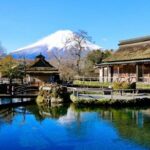
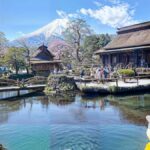
Oshino Hakkai is one of those stops that slows your whole day down. It’s known for its eight spring-fed ponds, fed by clear water from Mount Fuji’s surrounding area. The setting feels traditional and peaceful, and it’s a nice counterbalance to viewpoint-heavy hours.
I like that this stop isn’t just about photos. It’s also a cultural pause—traditional village atmosphere plus a simple reason to wander. Expect the ponds to be the main attraction, with lots of small angles for pictures and a generally relaxed vibe.
If you’re trying to fit in a lot, Oshino is still worth it because it adds texture. You’re not only chasing height—you’re seeing how people live with Fuji nearby.
Saiko Iyashi no Sato Nenba: optional time travel (with thatched-roof charm)
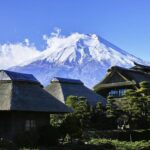
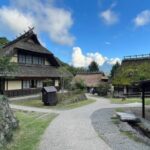
One smart flexibility point is the option to visit Saiko Iyashi no Sato Nenba, a reconstructed traditional village with thatched-roof houses. If you want something cultural between the Fuji Five Lakes viewpoints, this is a strong choice.
It also tends to work well when the weather is iffy. In cloudy conditions, you may not get the mountain at its clearest from every angle, but you can still enjoy the village setting and keep the day interesting.
Chureito Pagoda: the iconic Fuji frame, timed for photos
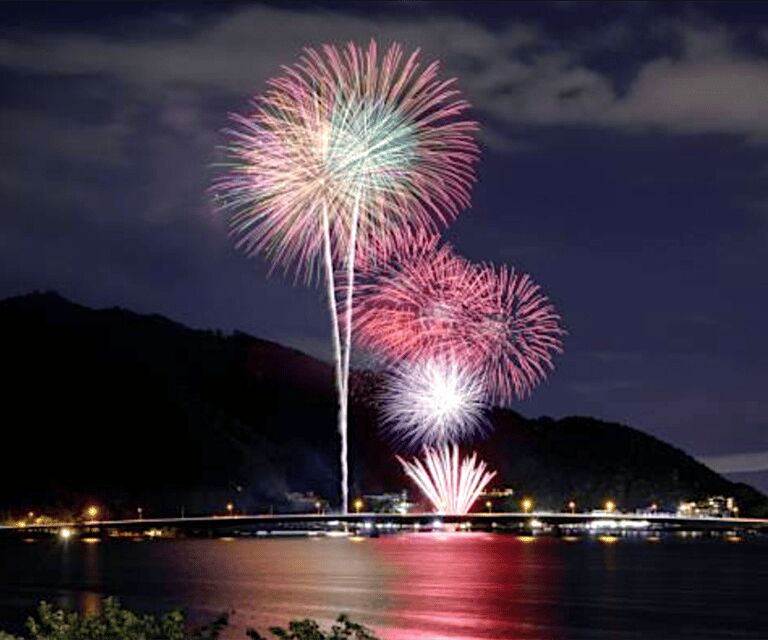
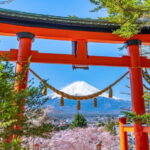
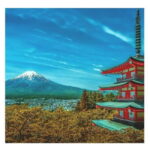
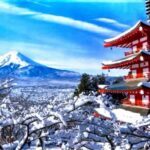
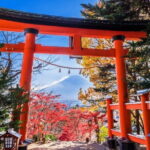
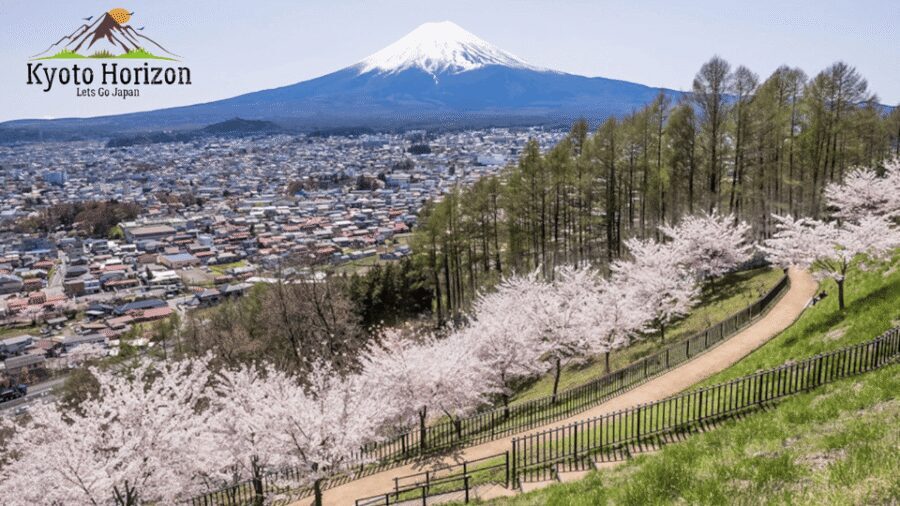
Next comes Chureito Pagoda, one of the most recognizable spots for combining Fuji with a famous foreground. The viewpoint is what you’re there for: wide panorama, architectural lines, and Fuji in the background.
This stop gets extra attention in spring when cherry blossoms frame the scene, but even outside that season it’s still a great “classic Japan” photo moment. The best strategy is to take your time. Don’t just snap and move—hang back for a minute and watch how the light changes your photos.
Hakone options: Ropeway, volcanic Owakudani, and Lake Ashi vibes
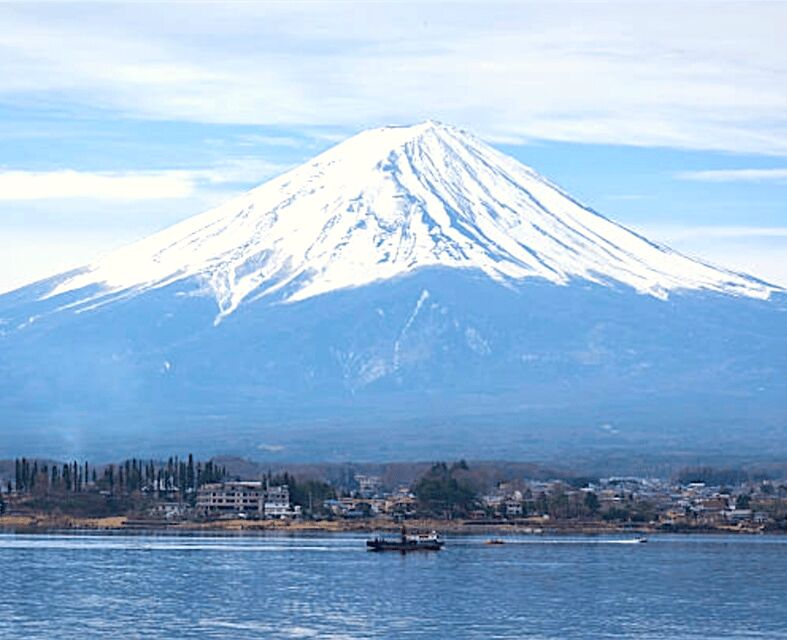
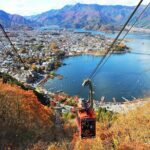
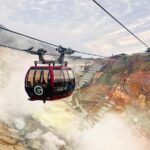
If you want variety beyond the Fuji Five Lakes, the tour can swing into Hakone. The standout add-on is the Hakone Ropeway, which gives you aerial views above Fuji Hakone Izu National Park. From up high, you can see the volcanic character of Owakudani Valley below—dramatic scenery that feels very different from the calmer lake areas.
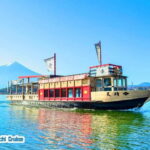
You can also consider Lake Ashi options, including a sightseeing cruise if you choose it. Tickets for any boat ride aren’t included, so plan on paying those separately if you add this.
If you’re the type who gets bored by repetition, Hakone helps a lot. You’re changing environments: lakes and village walks to volcanic valleys and scenic transport.
Other add-ons you can tailor to your interests
This tour’s strength is that you can mix and match stops. Depending on timing and your preferences, you might add:
- Kitaguchi-hong Fuji Sengen Shrine, for spiritual and historical context tied to Fuji worship
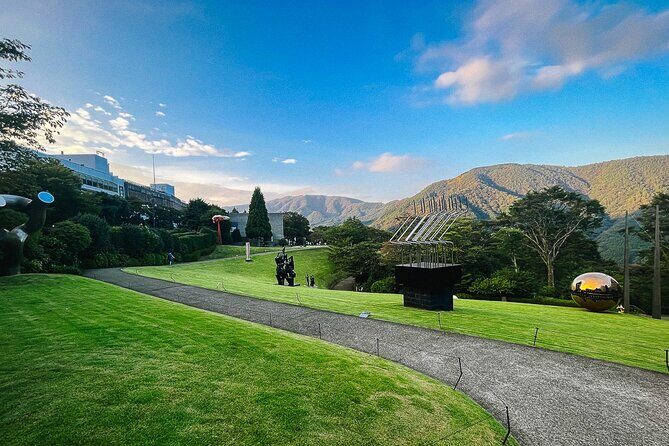
- Hakone Open-Air Museum, where art sits in a natural setting (a good option if you want something indoors/outdoors balanced)
- Mt. Kachi Kachi Ropeway viewpoints, if you want extra heights and river/valley views
- Narusawa Ice Cave and Fugaku Wind Cave if you want unusual nature stops with a different feel than standard sightseeing
A fun practical tip from real-day experience: guides often point you toward snack choices near the main sights. One example mentioned is a recommendation for flower ice cream—small detail, big payoff if you’re in the mood for a sweet break.
Transportation and timing: what to expect in a 10-hour day
You’re looking at about 10 hours total, with around 4 hours for transfers from Tokyo. That means the tour is best for people who can handle a long day and who want to pack in major highlights without planning everything themselves.
Also keep expectations realistic for traffic. The day can run late in highways due to conditions, and the provider notes drivers may be late up to 30 minutes because of traffic. The tour includes WiFi in the vehicle, plus water, which helps when you’re on the go for hours.
Finally, alcohol and drugs aren’t allowed on the tour. If you’re thinking of treating the day like a picnic with drinks, save that idea for another day.
Guide quality: punctual, patient, and good at adapting
What makes this tour feel good isn’t only the itinerary. It’s the human side: the guide and driver work as your translator, navigator, and pace-control system.
Across the many guide names associated with this tour—Rana, Mani, Kashif, Mirza, Malik, Zahid, Adil, and others—the common thread is adjusting to the group. For example:
- Some guides build the day around family pace, not a strict stopwatch.
- Some help with direction once you arrive, so you waste less time figuring out where to stand.
- Several guides are praised for being punctual and for driving safely.
- Families with mixed ages (including kids and seniors) highlight that the program can still work when everyone’s walking speed varies.
If you have specific needs, tell the provider ahead of time. The tour data says you should inform them about extra requirements like a child seat or allergies. One lesson from past days: if you need a child seat, request it clearly when you book, so it’s not left to luck.
Food and walking: your comfort checklist
Meals aren’t included, so build a simple plan: eat when the day naturally allows it, and don’t expect someone else to pick your restaurant for you. Many guides will recommend good timing and places near the route, and that usually saves you time and decision fatigue.
Bring comfortable shoes and a camera. You’ll be on your feet for viewpoints and scenic walks, especially around lake areas and the pagoda/shrine areas. If you’re sensitive to heat, also dress for it—you’ll be walking outside even if much of the transport is air-conditioned.
When weather clouds the mountain: still worth the day
Fuji is famous for clarity, but you can’t control the sky. Cloudy days happen. The encouraging part is that the tour still works as an experience even when the mountain isn’t fully visible, because you’ll still visit the main sites and get help with where to find the best angles when the clouds shift.
In other words: you’re not buying only a weather-dependent view. You’re buying a structured day with multiple strong stops, so your day doesn’t collapse if Fuji plays hide-and-seek.
Who should book this private tour
This is a great match if you:
- Want maximum flexibility (swap stops, adjust pacing, add or skip Hakone)
- Prefer a private van over bus tours and crowded walking situations
- Travel with mixed ages or different energy levels and want someone to smooth the day
- Care about classic Fuji highlights plus at least one “different” environment (like Hakone)
It’s also ideal if you’d rather not wrestle with transit logistics across multiple regions in one day.
Should you book this Mount Fuji and Hakone private day?
I’d book it if Fuji and Hakone are both on your must-see list and you want a single-day plan that adapts to your group. It’s especially good value when you’re traveling with up to 6 people and want hotel pickup, private transport, and multilingual guidance instead of a self-guided marathon.
Before you confirm, do three practical checks:
- Make sure your Tokyo pickup address is in the 23 wards (airport/port/station pickup isn’t included).
- Verify whether your dates fall in July 1–Sept 10, since that affects private access to the 5th Station.
- Budget for what’s not included: the 2100 JPY Mt. Fuji entrance fee and any optional ropeway/boat tickets, plus meals.
If that fits your style, this private day is one of the more sensible ways to see the region without wasting hours guessing routes.
FAQ
How long is the Mount Fuji full day private tour?
The tour lasts about 10 hours total, with around 4 hours for transfers from Tokyo and about 6 hours for sightseeing.
What is included in the price?
Hotel pickup and drop-off, transportation by air-conditioned van, multilingual driver, customizable itinerary, WiFi, private transportation, and water.
What is not included?
Mt. Fuji entrance fee (2100 JPY per group), tickets for ropeway/boat rides or other activities, and meals.
Will I be able to go to Mount Fuji 5th Station?
Yes, the tour includes a visit to the 5th Station, but note that from July 1 to Sept 10, private vehicles cannot go to the 5th Station.
Where does pickup happen in Tokyo?
Pickup is available from hotels, hostels, airbnbs, apartments, or other addresses in Tokyo’s 23 wards. Pickup is not available from airports, ports, or stations.
Can I customize the itinerary during the day?
Yes. The itinerary is customizable, so you can choose which iconic spots to focus on and swap in options like Hakone sights or additional Fuji Five Lakes locations.
What should I bring and wear?
Bring comfortable shoes and a camera.
Is alcohol allowed on the tour?
No, alcohol and drugs are not allowed.