REVIEW · TOKYO
From Tokyo: Mount Fuji Full Day Customizable Private Tour
Book on GetYourGuide →Operated by Kyoto Horizon · Bookable on GetYourGuide
Fuji can hit you like a movie scene. This private day trip stacks big views in one smooth plan, from the Mt. Fuji 5th Station outlook to lakeside time at Lake Kawaguchi. I love how the schedule balances must-see spots with just enough breathing room for photos and walking. I also like the human touch: a good guide can steer you to the best angles fast, and I’ve seen this tour shine when someone wants their own special moment captured.
One consideration: it’s a long day. Even with an A/C coach, you’ll be outside at key points, and weather can turn “crystal view” into “cloud day” without warning. Plan for cold at higher elevations, wear shoes you can trust on stairs, and expect occasional timing changes if roads get disrupted.
In This Review
- Key Points You’ll Feel on This Tour
- A Long, Scenic Day Trip: Tokyo to Mt. Fuji and Beyond
- Mt. Fuji 5th Station: The View That Changes Your Brain
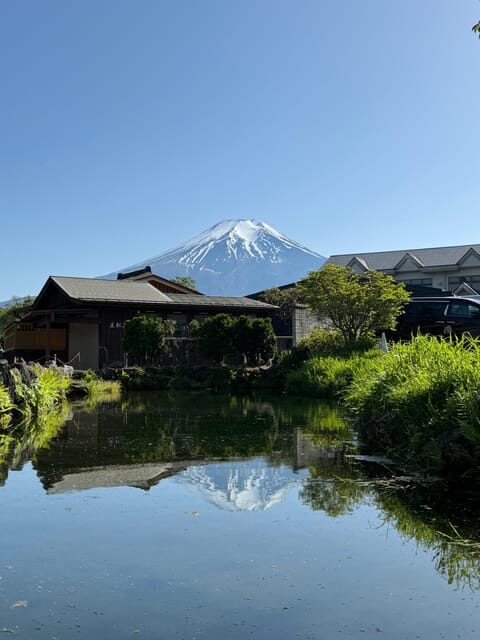
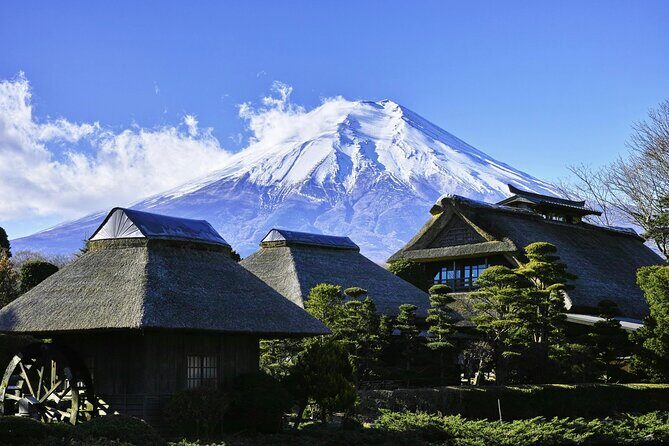
- Oshino Hakkai: The Village Walk and the 8 Ponds
- Kitaguchi-hongu Fuji Sengen Jinja: Shrines at the Mountain’s Base
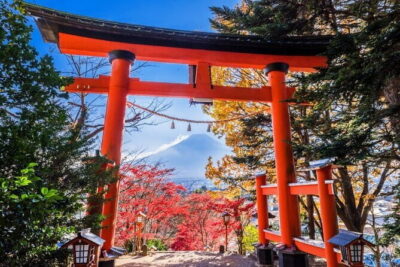
- Chureito Pagoda and Arakurayama Sengen Park: The Classic Fuji Shot
- Lake Kawaguchi: Fuji Reflected Without the Rush
- Oishi Park: Your Free-Time Breather With Great Odds
- Hakone Break and Lake Ashi: Switching From Mountain to Motion
- Private-Group Comfort: Guide, Coach, and Photo Help That Matters
- Timing, Weather, and Walking: What to Plan For
- Price and Value for a Group of Up to 3
- Should You Book This Mt. Fuji and Hakone Private Tour?
- FAQ
- How long is the Mount Fuji and Lake Kawaguchi private tour?
- Is this tour private?
- Where do you get picked up in Tokyo?
- What are the main places this tour visits?
- Does the tour include Wi-Fi and air-conditioned transport?
- Do you have an English-speaking guide?
- Is there skip-the-ticket-line access?
- Is the tour wheelchair accessible?
- Can I cancel for a full refund?
- Is there an option to pay later?
Key Points You’ll Feel on This Tour
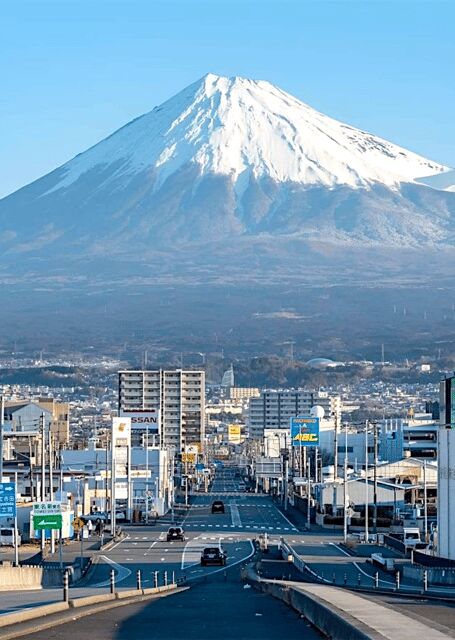
- Mt. Fuji 5th Station views that feel close enough to touch (and yes, you’ll want your camera ready)
- Oshino Hakkai’s 8 spring-water ponds for a calm, old-school walk at the mountain’s base
- Chureito Pagoda plus Arakurayama Sengen Park for multiple angles of the classic Fuji postcard shot
- Lake Kawaguchi and Oishi Park for lakeside pacing instead of nonstop sightseeing
- Hakone and Lake Ashi to shift the day from high mountain views to a slower, scenic harbor feel
- Private-group flexibility with an English-speaking guide who helps with photo spots and timing
A Long, Scenic Day Trip: Tokyo to Mt. Fuji and Beyond
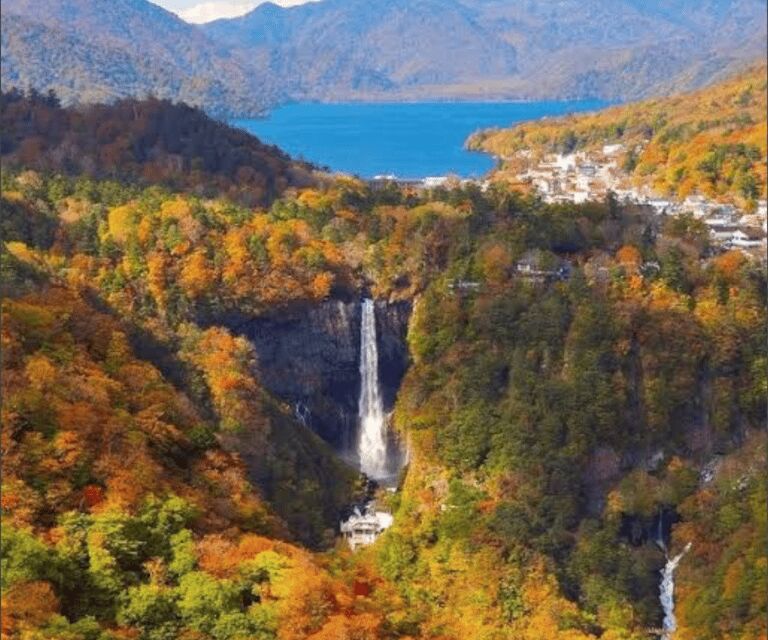
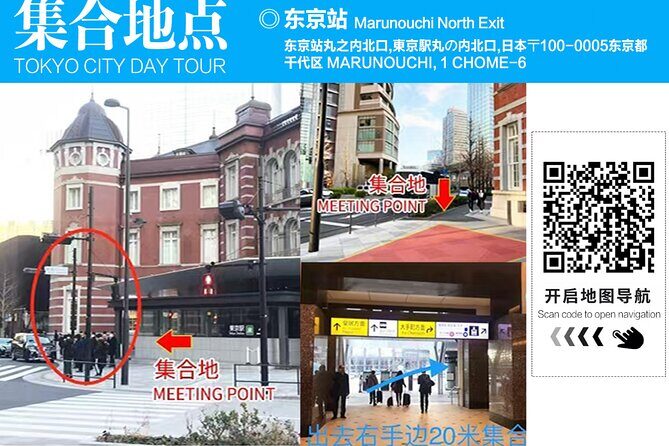
This is the kind of day trip that works when you want Fuji without stress. You start with pickup from Shinjuku Station, then ride out in an air-conditioned coach. The private format matters here. Instead of fighting crowds and schedules, you move as a small group with a guide who keeps the day flowing.
The route is built around variety. You get altitude at the 5th Station, cultural stops near the mountain’s base, and classic viewpoints around Lake Kawaguchi. Then the day shifts toward Hakone and ends with time at Lake Ashi. It’s not just “see Fuji.” It’s see how Fuji looks in different light, different distances, and different moods.
For the best experience, go in with the right mindset. This tour is packed, but it’s paced. There are breaks/free time built in, like around Oishi Park and during the Hakone stop. That matters because Fuji days can be photo-hungry. If you don’t get a breather, you’ll feel rushed at the exact places you came for.
Other Mount Fuji tours we've reviewed at Mt Fuji & Kawaguchiko
Mt. Fuji 5th Station: The View That Changes Your Brain
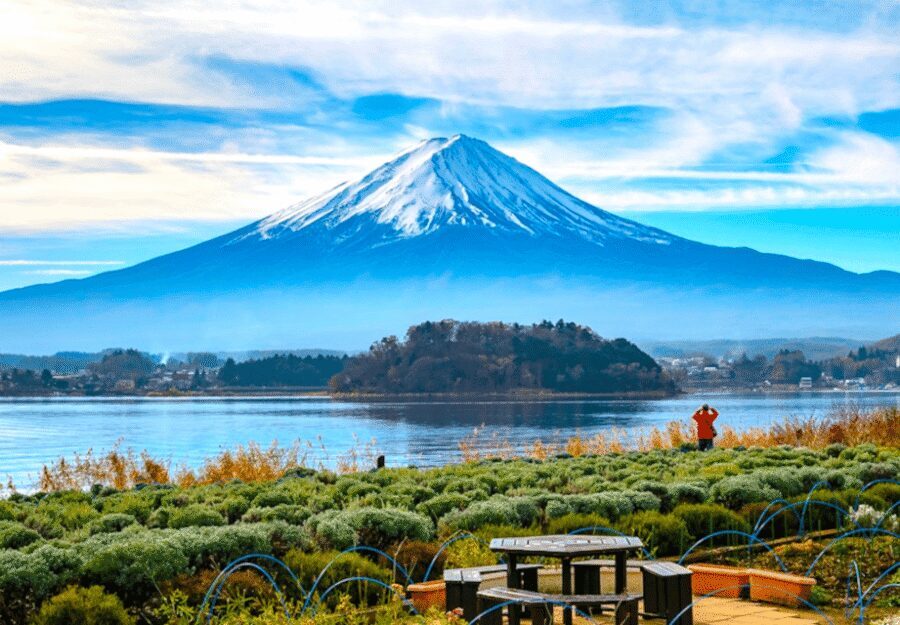
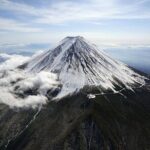
The Mt. Fuji 5th Station stop is the headline for a reason. Even if you’ve seen Fuji photos before, the scale tends to land differently in person. From halfway up, you’re higher than most visitors in Tokyo can imagine, and the surrounding ridges make Fuji look bigger, sharper, and more real.
Timing at the 5th Station is crucial. If the weather cooperates, you’ll get that wide, panoramic look—mountain texture, layers of terrain, and space to find your best photo spot. If clouds roll in, the experience becomes more about atmosphere than visibility. Either way, it’s a “stand there and stare” moment.
Two practical notes. First: it can be quite cold here. Bring a warm layer and dress like you’re going higher than you actually are. Second: the walking is moderate, not a hike, but you still want comfortable shoes. Your feet will thank you when you’re climbing a bit and standing for photos.
Oshino Hakkai: The Village Walk and the 8 Ponds
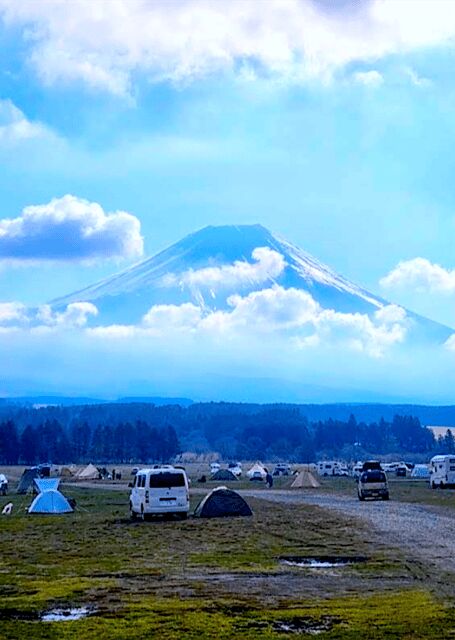
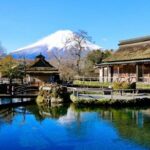
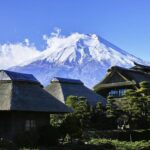
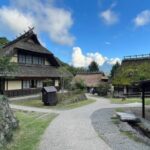
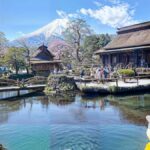
After the mountain viewpoint, you drop back down into the quiet. Oshino Hakkai is a small village at Fuji’s foot, known for eight spring-water ponds fed by snowmelt from the mountain. This is the “slow down” part of the day.
What I like about this stop is that it breaks the day’s rhythm. Earlier, you’re chasing height and angles. Here, you’re wandering paths, looking down at water, and soaking up the gentle, local pace. Even if you’re not a serious history person, the place feels designed for casual exploring—short walks, pretty water features, and an easy way to enjoy the scenery without sprinting.
This is also a strong stop if you want photos that aren’t just mountains. The ponds give you foreground detail and reflections. Plus, it’s a nice contrast to the big skyline views earlier.
Kitaguchi-hongu Fuji Sengen Jinja: Shrines at the Mountain’s Base
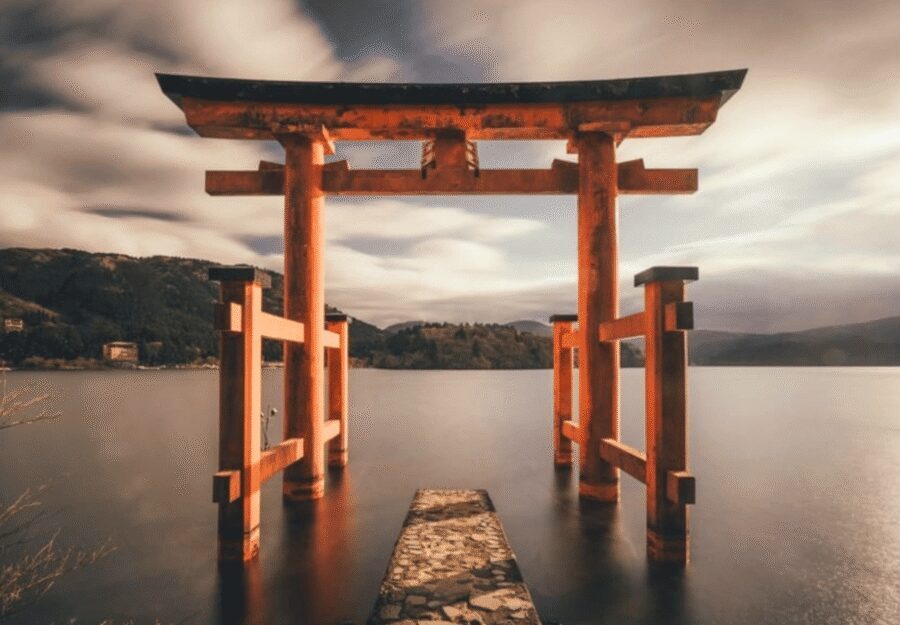
Next comes Kitaguchi-hongu Fuji Sengen Jinja, a shrine located at the base of Mount Fuji. Even if you’ve never studied Japanese shrine etiquette, you’ll still get the point: this is where people connect with Fuji as more than scenery.
A shrine stop can either feel like a quick photo stop or a meaningful pause—this tour treats it as the second option. Two hours gives you time to look around slowly, understand the setting, and enjoy the calm.
If you’re traveling with family or anyone who gets tired during long sight drives, this is a good moment. It’s less about climbing and more about standing, observing, and letting your senses reset.
Chureito Pagoda and Arakurayama Sengen Park: The Classic Fuji Shot
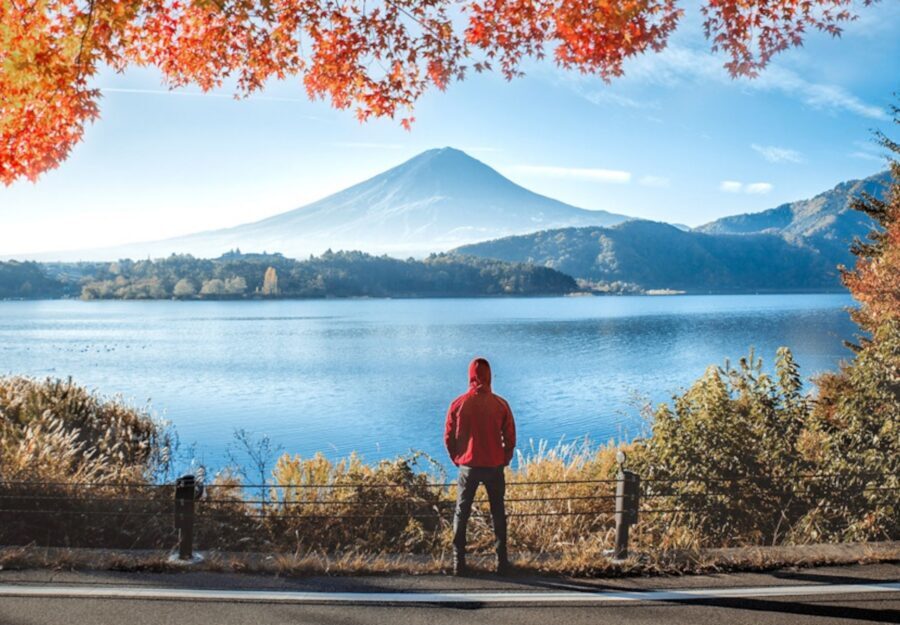
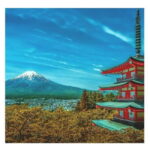
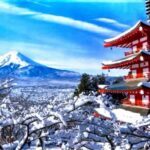
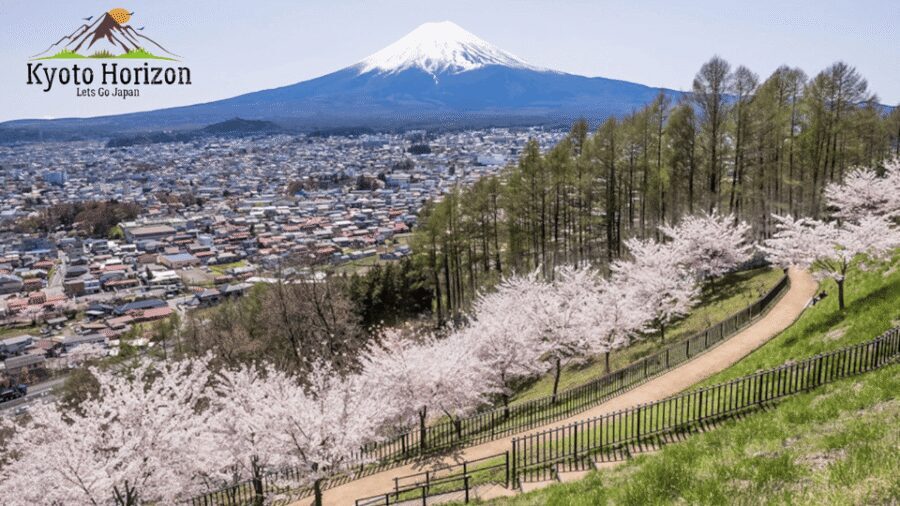
Then you move into the most famous “postcard Fuji” territory: Chureito Pagoda and the Arakurayama Sengen Park hill walk.
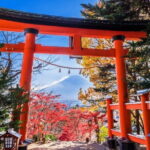
The five-story pagoda is instantly recognizable, and it’s easy to see why it’s such a go-to composition. You’re looking up at Fuji in the distance while the pagoda sits in the foreground—clean lines, strong symbolism, and a background that does half the work for your camera.
What makes this tour worthwhile is you don’t just get one glance and leave. You get time at the pagoda, and you also get a walk around Arakurayama Sengen Park. That gives you chances to adjust your angle and find less crowded viewpoints—without you needing to strategize your own route.
One tip from how guides operate on this trip: they tend to help with where to stand for the best shots and with group photo timing. I’ve also seen guides go the extra mile when the moment mattered—like helping someone choose a romantic spot with Fuji framed behind them. That kind of attention is what turns a sight-seeing stop into a memory.
Other day trips from Tokyo to Mt Fuji & Kawaguchiko

Lake Kawaguchi: Fuji Reflected Without the Rush
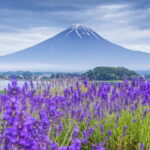
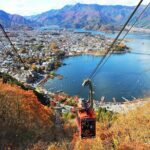
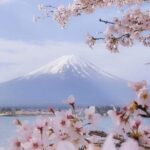
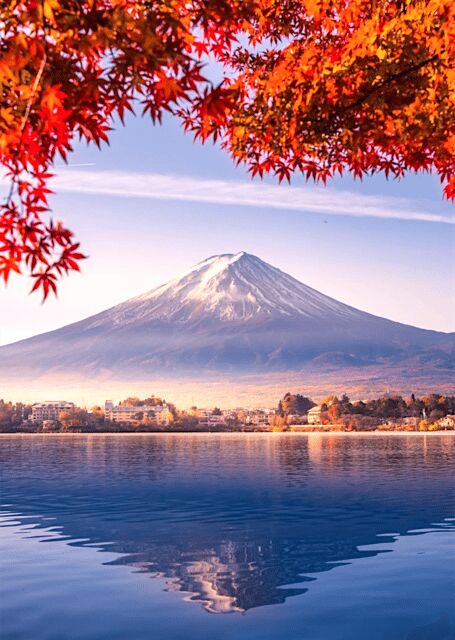
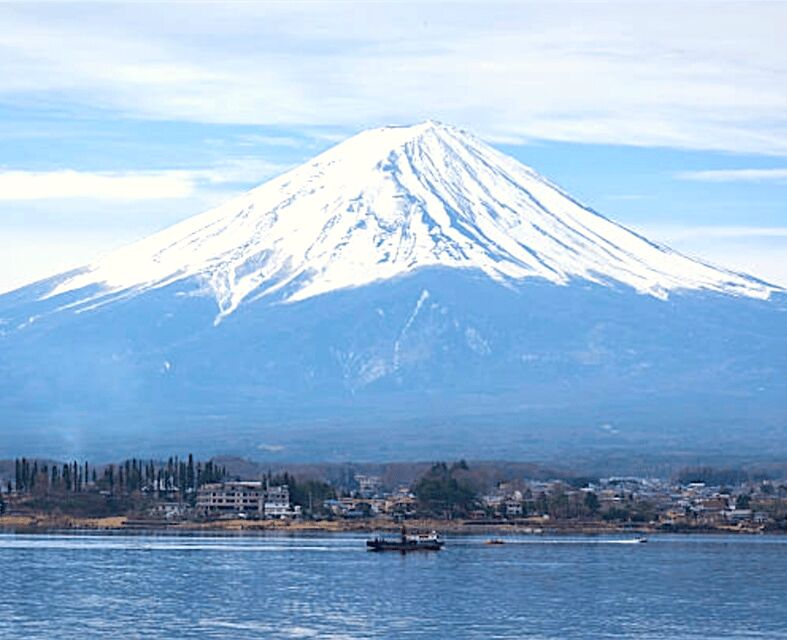
After the hill views, the day softens. Lake Kawaguchi is one of the Fuji Five Lakes, and it’s an ideal place to appreciate Fuji from a distance. Here you can take a stroll and enjoy how the mountain changes when it’s not dominating the sky inches from your face.
This stop is great for two reasons. First, it’s a calmer pace after the viewpoint areas. Second, lakes create depth in your photos—Fuji is framed by shoreline edges and open water, which makes the mountain feel like part of a whole scene.
If the weather is good, you’ll feel like you’re in the main scene of a travel movie. If the weather is mixed, Lake Kawaguchi still works because you’re not dependent on perfection for every shot. The air, the water, and the distance all still tell the story.
Oishi Park: Your Free-Time Breather With Great Odds
You also get Oishi Park with break/free time. I like this kind of built-in freedom. You can wander at your own pace, grab a snack, and take photos without feeling like you’re being herded.
Oishi Park is especially useful because it offers a different lake perspective than a straight shoreline walk. You’re changing your vantage point, which keeps your photos from looking like the same image copied in different minutes.
Just remember: Fuji and lakeside wind can make things feel colder than you expect. Bring a light layer you can add/remove without turning your day into a wardrobe workout.
Hakone Break and Lake Ashi: Switching From Mountain to Motion
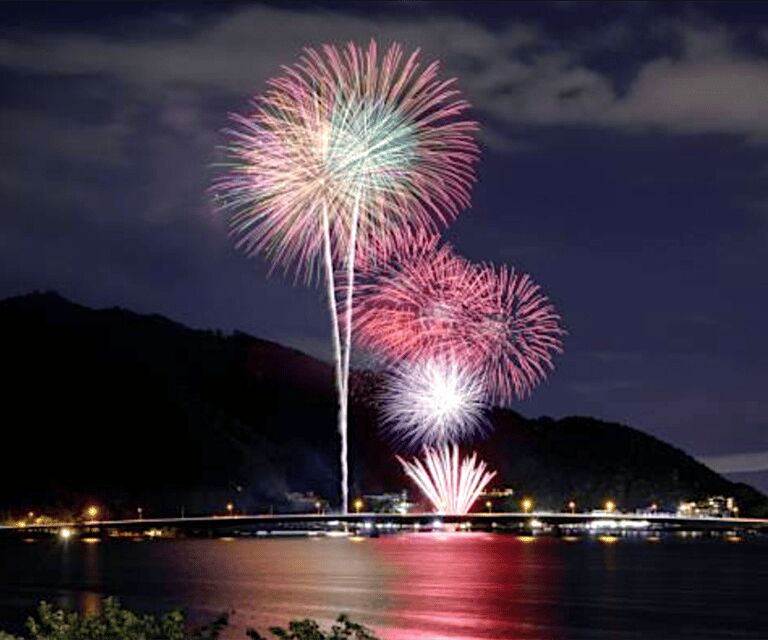
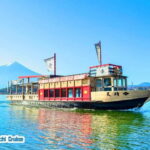
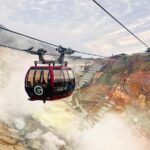
Later in the day, the route pushes into Hakone, including time at Lake Ashi. This is where the trip becomes less about climbing to see Fuji and more about scenic cruising energy around the lake.
Hakone has a reputation for hot-spring country, and even if you don’t chase a specific thermal stop, the area’s vibe is part of the experience. The lake setting helps. You get water views, a sense of place, and a slower feel before you head back toward Tokyo.
Then you’re at Lake Ashi with time to visit and walk. For me, this is a good “final act” because it gives your eyes a break from the constant mountain chasing. You end the day with a calm, scenic loop rather than another staircase-and-photo sprint.
Private-Group Comfort: Guide, Coach, and Photo Help That Matters
A lot of tours list “English guide.” This one gives you more than just translation.
You travel with an English-speaking guide (and Japanese is also supported). That matters for explaining what you’re looking at, but it also matters for logistics—timing, routes within stops, and where to stand when the view opens.
I’ve seen several guides credited for being friendly and highly attentive. Names that came up include Mac, Usman, Ali, and Efi. The common thread: they don’t treat the day like a checklist. They help you get the right photos and keep the experience aligned with your pace. One person even praised Efi for helping figure out what to do on-site and for getting great photos quickly, plus offering suggestions like where to eat.
Speaking of food: one review highlighted a delicious matcha-peach ice cream at a stop during the day. You might find small snack opportunities in the same general areas, but I can’t promise specific flavors at every visit. Still, it’s a reminder that these stops often come with pleasant little breaks, not just photos.
The coach is air-conditioned, and there’s free Wi-Fi in the vehicle. That helps on the long ride out and back. You can also use downtime to plan your shot ideas so you’re ready when you reach each viewpoint.
Timing, Weather, and Walking: What to Plan For
This trip is 11 hours. That’s plenty of time to do the highlights, but it’s still a full day.
Weather is the biggest wildcard. Mt. Fuji visibility depends on sky conditions. Even with perfect planning, you can’t fully control fog or cloud cover. The tour helps by giving you time at multiple spots. That way, even if one view isn’t perfect, you still get other moments that feel worth the trip.
Dress for cold at the higher area. The tour notes it can be quite cold at the 5th Station, and that matches what you should expect in real life at higher elevation. Bring a raincoat or umbrella too. If it rains, some viewpoints become more uncomfortable rather than more magical.
Also: the walking is moderate. You’re not doing a full-day trek, but there’s enough stair and walking time at parks and viewpoint areas that you should wear shoes designed for it. If your shoes are “fine for city sidewalks,” you might feel it by late afternoon.
Finally, one realistic expectation: roads and pickups can shift. One unhappy experience described a delay close to pickup time because of an accident, with no alternative offered. That doesn’t mean it always happens, but it’s a good reason to build a little flexibility into your schedule for the day.
Price and Value for a Group of Up to 3
At $325 per group up to 3, you’re paying for a private format: driver, guided routing, and transportation rather than cobbling together trains, buses, and transfers on your own.
Here’s the value math that actually matters: with a group of 3, the price becomes easier to justify because you’re splitting the cost of an out-of-town day that’s hard to do casually. Fuji routes can involve multiple legs and long travel time. Paying for a single coach and a guide can save you energy and reduce decision fatigue.
You’re also paying for time. This tour spends time where it counts: the 5th Station, the pagoda viewpoints, Oshino Hakkai, Lake Kawaguchi, and the Hakone/Lake Ashi finish. A DIY trip often cuts one of those pieces to make connections work. Here, you’re more likely to get the full set.
One caution: since it’s private for up to 3, think about who’s actually going. If it’s just you, the cost is still straightforward, but it won’t feel like a “cheap” day. If you have two travel companions, it tends to feel much more like good value.
Should You Book This Mt. Fuji and Hakone Private Tour?
Book it if you want a structured, full-day plan that hits the classic Fuji highlights with a private-group feel. I especially think it’s a strong match if:
- you care about the Mt. Fuji 5th Station view but don’t want to plan the logistics,
- you want both Fuji views and a calmer cultural/lakeside mix (Oshino Hakkai + Lake Kawaguchi),
- you’ll appreciate a guide who helps with timing and photo spots,
- your group can handle a long day (11 hours) and some walking.
Skip or reconsider if you’re extremely sensitive to schedule risk. Weather changes and road disruptions can happen on any day trip out of Tokyo, and one experience described a delay due to an accident. Also reconsider if cold conditions would ruin the day for you—because the 5th Station is part of the ticket, not optional.
FAQ
How long is the Mount Fuji and Lake Kawaguchi private tour?
The tour lasts 11 hours.
Is this tour private?
Yes. It’s a private group tour with a group size of up to 3.
Where do you get picked up in Tokyo?
Pickup is included from Tokyo, and the pickup location is listed as Tokyo / Shinjuku Station. You can send your location to the driver anywhere in Tokyo or nearby after the reservation.
What are the main places this tour visits?
You visit Mount Fuji 5th Station, Oshino Hakkai, Kitaguchi-hongu Fuji Sengen Jinja Shrine, Chureito Pagoda, Lake Kawaguchi (plus Oishi Park), Arakurayama Sengen Park, Hakone, and Lake Ashi.
Does the tour include Wi-Fi and air-conditioned transport?
Yes. Transport is by air-conditioned coach, and free Wi-Fi is provided in the vehicle.
Do you have an English-speaking guide?
Yes. The tour includes a live guide who speaks English (and Japanese as well).
Is there skip-the-ticket-line access?
Yes. Skip the ticket line is included.
Is the tour wheelchair accessible?
Yes, the activity is wheelchair accessible.
Can I cancel for a full refund?
You can cancel up to 24 hours in advance for a full refund.
Is there an option to pay later?
Yes. It offers reserve now & pay later, so you can book your spot and pay nothing today.