REVIEW · TOKYO
From Tokyo: Mount Fuji Full Day Private Customizable Tour
Book on GetYourGuide →Operated by Japway Tours LTD. · Bookable on GetYourGuide
Fuji views are better when the route is smart. This private day trip builds around your pace, with customizable stops and an English-speaking driver or guide handling the hard parts. You’ll get hotel pickup and drop-off in Tokyo, plus a comfortable, air-conditioned vehicle for a long day.
The best part: you can aim for the Fuji Five Lakes mood at Lake Kawaguchiko and Oishi Park, then mix in classic photo spots like Oshino Hakkai and Chureito Pagoda. A possible catch is that Mt. Fuji can hide behind clouds, and a few key costs (like the Mt. Fuji 5th Station toll) are paid on-site.
In This Review
- Key Things That Make This Fuji Tour Worth Your Time
- Why This Private Fuji Day Feels Easier Than DIY
- The 10-Hour Reality: How the Timing Works
- Starting in the Fuji Five Lakes Area: Lake Kawaguchiko to Oishi Park
- Oshino Hakkai: Traditional Ponds, Clear Water, Easy Strolls
- Arakurayama Sengen Park and the Chureito Pagoda Stairs Test
- Lake Moments and Extra Stops: LAWSON Kawaguchiko and Shimoyoshida
- Mt. Fuji 5th Station: Worth It When the Sky Plays Nice
- Kitaguchi-hongu Fuji Sengen Shrine: Culture with a Calm Tempo
- Optional Nature Add-On: Narusawa Ice Cave
- Hakone Option: Owakudani, Ropeways, Lake Ashi, and Open-Air Art
- Gotemba Premium Outlets: A Practical Finish (If Shopping Fits Your Group)
- What Your Guide Actually Does for You
- Comfort Details That Matter on a Long Day
- Price and Value: Is $328 a Good Deal?
- Who This Tour Fits Best (and Who Should Skip It)
- Practical Packing Checklist for Fuji Day Trips
- Should You Book This Private Mt. Fuji Tour?
- FAQ
- How long is the Mount Fuji full-day tour from Tokyo?
- How many people can be in a group?
- Is hotel pickup and drop-off included?
- Are entrance fees like Mt. Fuji 5th Station included?
- Are meals included in the tour price?
- Does the tour include WiFi, water, or coffee?
- What languages are available for the guide?
- What should I bring for the day?
- Is free cancellation available?
Key Things That Make This Fuji Tour Worth Your Time
- Private, air-conditioned transport with hotel pickup and drop-off, so you aren’t juggling trains and transfers for 10 hours.
- Truly flexible routing: your guide can swap stops based on weather, crowds, and what your group cares about.
- English (and more) support: the guide can speak English, plus other languages like Japanese, Hindi, Arabic, and Urdu.
- Best-for-photos timing: several guides recommend leaving very early to beat traffic and get clearer views.
- A mix of nature and culture: lakes, shrines, traditional ponds, pagoda viewpoints, and optional Hakone sights.
Why This Private Fuji Day Feels Easier Than DIY
A Mount Fuji day trip can turn into a timing contest. You fight crowds near the viewpoints, you lose time on transfers, and you end up standing in line when the weather finally clears.
This is different because it’s private from door to door. Your guide builds a plan that fits your day, not the other way around. If you want more time walking, they’ll give you walking time. If you want quick highlights, you’ll get quick highlights. And because the vehicle is air-conditioned, the ride back to Tokyo doesn’t feel like a punishment.
I also like the way the tour is set up to handle real-life questions. Where should we stand for photos? How long should we stay? What’s worth paying attention to? Guides like Malik, Sikandar, Muneeb, Rana, and Usman show up with both the route knowledge and the practical answers to keep the day flowing.
Other Mount Fuji tours we've reviewed at Mt Fuji & Kawaguchiko
The 10-Hour Reality: How the Timing Works
This is a full-day tour that runs about 10 hours total, including travel time between Tokyo and the Fuji area. That means you should think in terms of “a great, full day” rather than “see everything.”
It’s also why a smart departure time matters. In practice, guides often recommend a very early start (many guests mention 6:00 a.m. or close to it). The payoff is simple: less traffic, fewer crowds, and more breathing room at the popular spots.
One more timing tip: the visibility of Mt. Fuji can change fast. If the sky looks risky, a good guide will adjust—adding viewpoints that still feel worthwhile, and holding back on anything that becomes a waste of time if clouds roll in.
Starting in the Fuji Five Lakes Area: Lake Kawaguchiko to Oishi Park
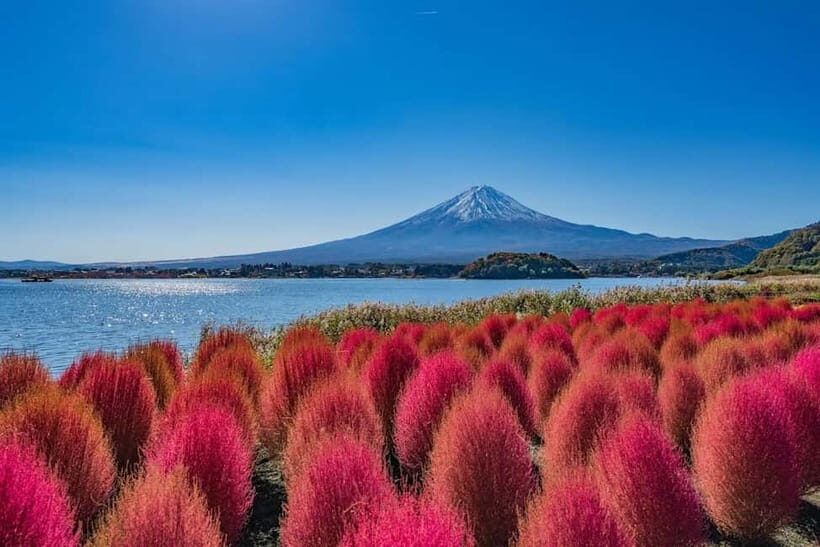
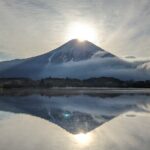
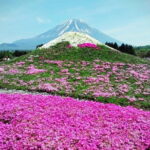
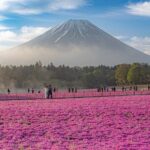
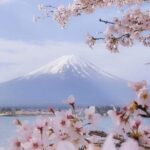
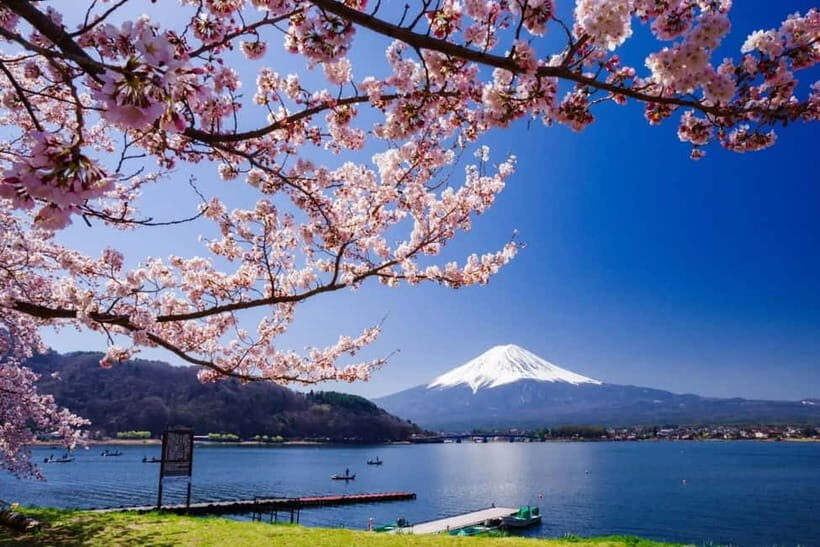
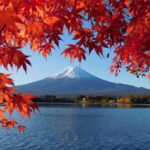
Most versions of this trip anchor around the Fuji Five Lakes region, and Lake Kawaguchiko is a strong place to begin. You get calm water, big views, and that iconic “Fuji in the frame” feeling when conditions cooperate. Even when it isn’t perfect, the lake area still gives you a relaxed start and a chance to orient quickly.
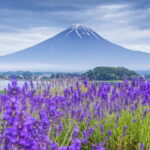
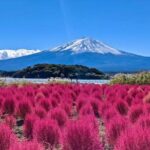
Then you can move to spots like Oishi Park, which is built for scenery and photo time. You’ll also find that the parks and lakes are a good match for different travel styles: couples can take it slow and shoot photos; families can enjoy walking without it turning into a trek.
A small detail that can surprise people: the ground can be uneven in places near the water. One guest even warned about bouncy mud near the lake. So yes, comfy shoes really do matter here.
Oshino Hakkai: Traditional Ponds, Clear Water, Easy Strolls
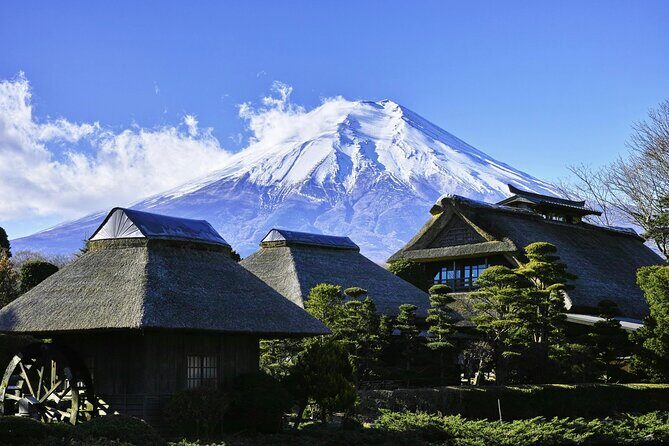
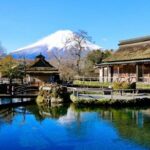
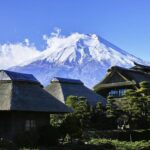
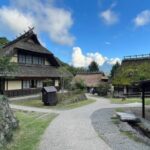
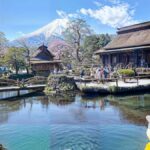
If you want a side of Japan that feels quieter than the big photo platforms, Oshino Hakkai is a great shift. It’s a small village with traditional houses and ponds fed by clear spring water. The vibe is gentle: walking, looking, and letting the scenery do the talking.
This is also a good stop for groups because it’s not one of those “rush to the next platform” places. You can self-guide and spend time where you want. One hour is usually enough to wander, spot the ponds, and take photos without feeling dragged.
Arakurayama Sengen Park and the Chureito Pagoda Stairs Test
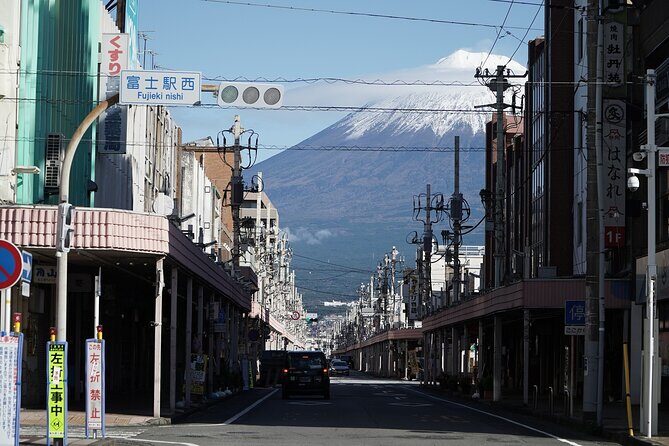
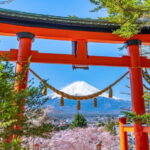
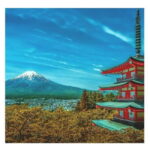
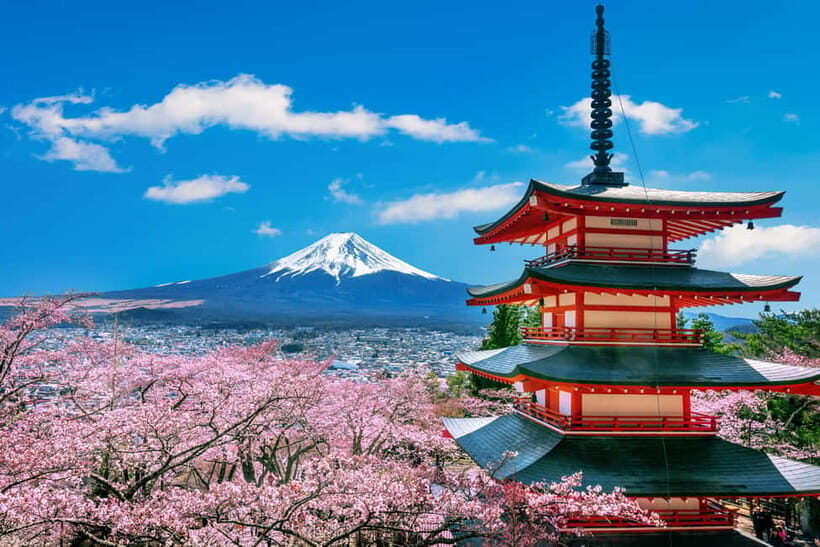
From Oshino Hakkai, the tour often layers in Arakurayama Sengen Park and then Chureito Pagoda. This is where the iconic red pagoda view happens—Fuji behind it when the weather cooperates.
Here’s the practical part: the area around the pagoda involves steps. One guest called it a majestic payoff, but you do need to be ready for stairs. If your group has anyone who tires quickly, plan for slower pacing and consider shorter photo windows rather than trying to linger everywhere.
Still, the reward is real. When Mt. Fuji shows up in the background, Chureito becomes a “wow” moment, not just a checklist box. And if you’re looking for extra photo value, plan to keep walking a bit past the main viewpoint. One tip I’d follow: keep moving until you find the more panoramic angle your guide suggests.
Other day trips from Tokyo to Mt Fuji & Kawaguchiko

Lake Moments and Extra Stops: LAWSON Kawaguchiko and Shimoyoshida
The tour includes quick cultural flavor stops that help the day feel lived-in rather than only scenic. You might see a photo stop around LAWSON Kawaguchiko Station, plus time on Shimoyoshida Honcho Street.
Why do these matter? Because they give your day texture. You can grab a snack or drink locally, people-watch, and break up the big sightseeing blocks with something simple. These stops also help families—kids can stretch, and adults can rest without losing momentum.
Mt. Fuji 5th Station: Worth It When the Sky Plays Nice
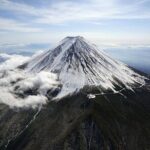
The Mt. Fuji 5th Station stop is the big “go higher” moment. You get mountain views and fresh air, and if visibility is good, it can feel like you’re stepping into the volcano’s world—fast and dramatic.
But here’s the tradeoff: clouds and mist can make the experience underwhelming. That’s why your guide’s weather judgment matters. If the views are likely to be blocked, a smart plan replaces it with another Fuji-area highlight.
Also note a cost detail that catches people: the Mt. Fuji 5th Station toll fee is paid on-site (listed as ¥2,100 per group in the tour info). Entrance fees are not included for some locations, so keep some cash or a card ready even if you’re trying to travel light.
Kitaguchi-hongu Fuji Sengen Shrine: Culture with a Calm Tempo
After the big scenic stops, I like adding a shrine moment to reset the energy. Kitaguchi-hongu Fuji Sengen Shrine is often included, with about an hour to walk and take it in.
Shrines around Fuji are part spiritual landscape, part local tradition. Even if you don’t read every sign, you’ll feel the atmosphere: the pace is slower, the area tends to feel less like a photo factory, and you get a cultural break from the lake and pagoda loops.
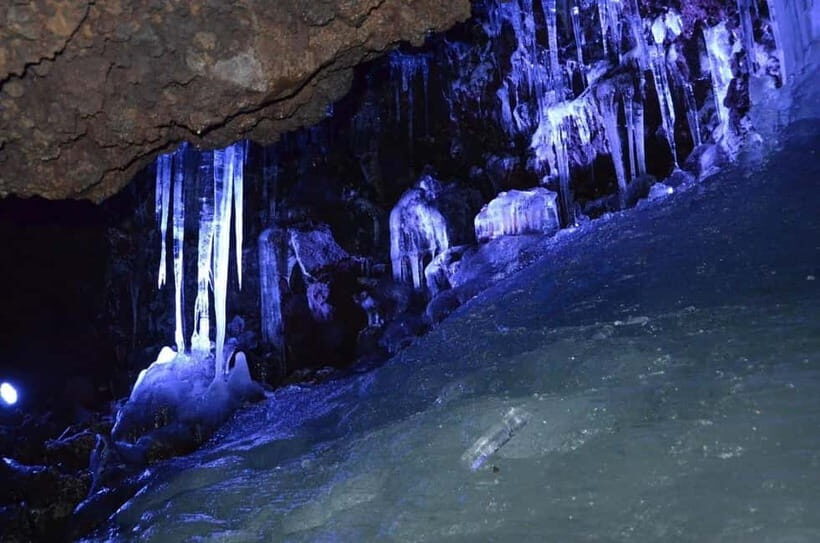
Optional Nature Add-On: Narusawa Ice Cave
If you want a different kind of Fuji-area experience—less lakeside, more nature-structure—Narusawa Ice Cave is a common swap. It’s listed as about an hour for the visit and self-guided time.
The key benefit is contrast. If your day is mostly about views, the cave gives you something hands-on and different. Just keep in mind that entrance fees may apply on-site for certain stops.
Hakone Option: Owakudani, Ropeways, Lake Ashi, and Open-Air Art
Some versions of this tour expand toward Hakone, especially if you want a wider menu than the Fuji Five Lakes. This is a solid choice if you like views, outdoor attractions, and the feeling of “two regions in one day.”
Common Hakone elements you might add include:
- Owakudani Valley (about 30 minutes) for a volcanic landscape stop.
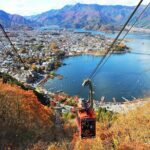
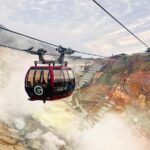
- Hakone Ropeway (about 30 minutes) for transport plus views.
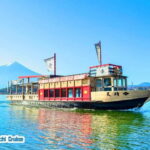
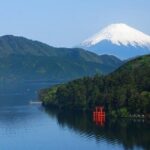
- Lake Ashi (about 30 minutes), where you can take in the water and Mt. Fuji backdrop if it appears.
- Hakone Open-Air Museum (listed around 20 minutes), for outdoor art.
One important reality: tickets for optional activities like ropeway rides or cruises aren’t included, so plan for extra costs if you add them. The upside is that your guide can decide what fits best into the 10-hour window.
Gotemba Premium Outlets: A Practical Finish (If Shopping Fits Your Group)
If your group likes a mix of sightseeing and a chance to stretch for shopping, Gotemba Premium Outlets is a frequent late-day inclusion. It’s listed around an hour, and it can be a good “final energy phase” after walking-heavy stops.
This is especially useful for families. Kids get a break from sightseeing, and adults can grab essentials or small souvenirs without turning the whole day into a store marathon.
What Your Guide Actually Does for You
The tour’s value isn’t only the destinations. It’s the human timing and decision-making.
In real use, guides like Malik, Sikandar, Muneeb, Rana, Usman, Irfan, Shaz, Wicky, Jutt, Sunny, and Baba have been praised for doing the practical stuff fast: confirming pickup, recommending early departures, and handling pacing so the day doesn’t feel rushed.
You’ll also notice guides often set up photo points and explain where to stand for better views. That’s not just “nice info.” It saves you from wasting time guessing.
A small story that says a lot: one guest reported their child’s water bottle was forgotten in the car, and the driver went back to deliver it later. I can’t promise that level of effort every time, but it’s a strong sign of service-minded guides.
Comfort Details That Matter on a Long Day
This tour includes WiFi, bottled water, and coffee during the trip. That helps a lot because meals and snacks are not included. So I recommend treating the day like an all-day outing: plan to eat locally at spots your guide suggests or bring quick snacks if you know you get hungry mid-walk.
The vehicle is air-conditioned, and parking and toll fees are included (with some specified exceptions). That’s one reason this works well for families and small groups. You stay together, you stay comfortable, and you don’t lose time to logistics.
One note from the tour’s rules: bags aren’t allowed. That’s a big one. If you’re traveling with a lot of gear, you may need to rethink what you bring into the vehicle.
Price and Value: Is $328 a Good Deal?
The price is $328 per group up to 5, for about 10 hours including hotel pickup and drop-off in Tokyo, plus private air-conditioned transport and an English-speaking guide.
Here’s the value math:
- If you fill all 5 spots, that’s about $65.60 per person.
- If you’re a couple, it’s about $164 per person.
- If you’re solo, it’s $328 (though this is priced per group, not per person).
For a private Fuji day, the big cost drivers are transport and time. Trains and buses might look cheaper, but you pay in transfers, waiting, and the risk of missing the view because you got stuck in the wrong line. With a private car and driver/guide, you buy time back.
Entrance fees and some optional tickets aren’t included. So the final spend depends on whether you do the Mt. Fuji 5th Station, ropeway rides, boat options, and any paid attractions like Narusawa Ice Cave or certain Hakone add-ons.
Who This Tour Fits Best (and Who Should Skip It)
This tour is aimed at families, couples, and small groups. It’s a great match if you want a private route without having to plan every stop and transport leg yourself.
It’s also a strong option if someone in your group needs a little flexibility. Guides often adjust pacing, and some guests reported itinerary changes based on weather and comfort needs.
But it’s not for everyone. The tour info says it isn’t suitable for pregnant women, people with heart problems, guests with certain medical conditions, and people over 95 years old. If any of those apply, skip this one and choose a gentler option.
Practical Packing Checklist for Fuji Day Trips
To keep the day smooth, pack for walking and weather. You’ll want:
- Comfortable shoes
- Camera (and/or phone with space)
- Credit card and some cash for on-site fees
- Comfortable clothes for changing mountain conditions
Also, remember the tour notes restrictions like no alcohol and no drugs, plus no fireworks and no making fire. And again, keep luggage minimal because bags aren’t allowed under the activity rules.
Should You Book This Private Mt. Fuji Tour?
I’d book it if you want Mt. Fuji without the headache of organizing it yourself. This is the kind of tour that pays off when you care about comfort, flexibility, and getting to the right places without wasting your whole day in transit.
You should also book if your group includes kids, older adults, or anyone who doesn’t want a “stand here, sprint there” schedule. A private guide makes the difference between a stressful day and a fun one.
Hold off if you have limited walking tolerance or if your group hates the idea of on-site fees for certain stops. And if you’re chasing Mt. Fuji in the most dramatic way, keep expectations flexible—weather can turn the whole day.
If you want a smooth Fuji day with smart pacing and a guide who can adjust on the fly, this private format is a strong choice.
FAQ
How long is the Mount Fuji full-day tour from Tokyo?
The tour lasts about 10 hours, including travel time to and from Tokyo.
How many people can be in a group?
The pricing is per group up to 5 people.
Is hotel pickup and drop-off included?
Yes, hotel pickup and drop-off in Tokyo are included (pickup options vary by area).
Are entrance fees like Mt. Fuji 5th Station included?
No. Some entrance fees and on-site costs are not included, including a Mt. Fuji 5th Station toll fee listed as ¥2,100 per group.
Are meals included in the tour price?
No. Meals and snacks are not included. You’ll need to plan to buy food locally or bring your own.
Does the tour include WiFi, water, or coffee?
Yes. WiFi is available during the tour, and bottled water and coffee are provided.
What languages are available for the guide?
The tour lists English, Japanese, Hindi, Arabic, and Urdu.
What should I bring for the day?
Comfortable shoes, a camera, a credit card, comfortable clothes, and cash are recommended.
Is free cancellation available?
Yes. Free cancellation is offered up to 24 hours in advance for a full refund.