REVIEW · FUJIKAWAGUCHIKO
Lake Kawaguchiko: Ramen Cooking Class with Souvenir
Book on GetYourGuide →Operated by Factory Alliance · Bookable on GetYourGuide
Fresh noodles change everything. At the Ramen Factory near Lake Kawaguchiko, you learn real ramen techniques and end with a bowl you assembled yourself, with views of Mt. Fuji area vibes in the background. It is a short, 90-minute workshop that feels less like a show and more like you getting a useful new kitchen skill.
What I really like is the hands-on noodle making. The class walks you through the full process, and the best part is getting your own noodles into the game instead of only watching someone else do it. A second win: you choose your broth and sauce, so the ramen you finish matches your taste, including options like miso that people clearly loved.
One consideration: the class price does not include drinks or transportation to and from the Ramen Factory. If you are planning a tight day around Kawaguchiko and Mt. Fuji viewpoints, you will want to build in time to get there and back.
In This Review
- Key Things To Know Before You Go
- Lake Kawaguchiko Ramen Class: A Mt. Fuji Area Food Skill You’ll Actually Use
- Getting To The Ramen Factory From Kawaguchiko Station
- The 90-Minute Ramen Workshop: From Noodles To The Bowl
- 1) Set up with apron and headscarf
- 2) Watch a process video first
- 3) Make the fresh noodles
- 4) Cook and finish your ramen
- 5) Eat what you made
- Choosing Broth And Sauce: Make It Yours
- Why The English-Led, Step-By-Step Format Matters
- Souvenirs, Plus Apron And Headscarf: What You Take Home
- Price And Value: Does $133 Make Sense?
- Logistics You Should Plan For (So Nothing Slips)
- Who Should Book This Ramen Class, And Who Might Not
- Should You Book This Ramen Cooking Class At Lake Kawaguchiko?
- FAQ
- How long is the ramen cooking class?
- Where is the meeting point?
- Is transportation included?
- What is included in the price?
- Are drinks included?
- What language is the class taught in?
- What should I wear?
- What if I have food allergies?
- What souvenirs will I get?
Key Things To Know Before You Go
- You make fresh ramen noodles as part of the main class, not just a side activity
- You pick your soup and sauce to personalize your bowl
- A video overview sets you up for the workflow before you start cooking
- You leave with a ramen apron and headscarf, plus 4 souvenir options
- English instruction makes it beginner-friendly
- Arrive 10 minutes early so you can get ready before the cooking starts
Lake Kawaguchiko Ramen Class: A Mt. Fuji Area Food Skill You’ll Actually Use
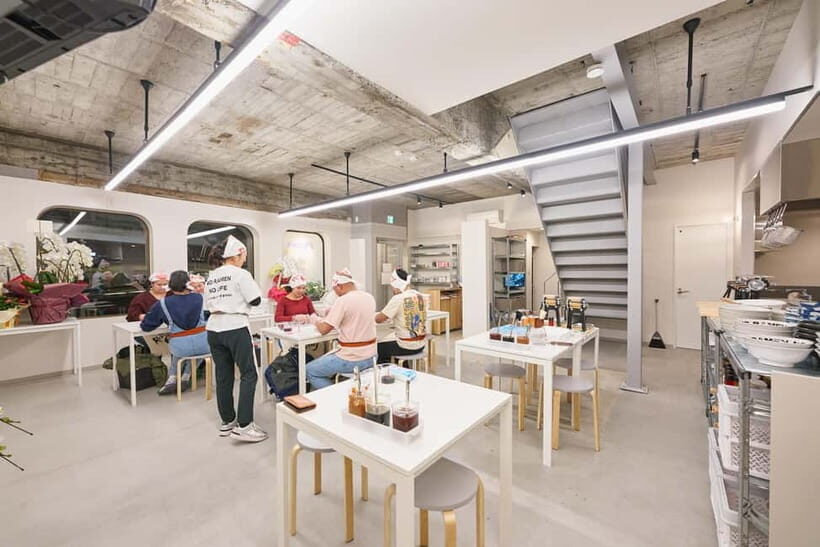
Lake Kawaguchiko is a great base when you want Mt. Fuji energy without the stress of staying in the densest neighborhoods. This ramen class fits that vibe well. It turns your day from scenery-only into something tactile: flour, broth, heat, timing, and the satisfying finish of eating what you made.
The Ramen Factory setup matters. The reviews point to a place that feels new and well organized, with explanations that do not assume you have cooked ramen before. That is huge value if you are the type who wants a recipe you can repeat later, not just a one-time meal.
Also, the emotional payoff is real. Making noodles and then eating them at the end turns cooking into a small achievement. You get to compare what you thought the process would be versus what it actually takes, and you leave knowing the rhythm of a Japanese ramen bowl.
Other Lake Kawaguchiko tours at Mt Fuji & Kawaguchiko



Getting To The Ramen Factory From Kawaguchiko Station
Plan your timing around the meeting point. You start at Kawaguchiko Station. Exit the front street and walk straight left for about 3 minutes. The place is diagonally across from Fujitempra IDATEN.
A practical tip: show up a little early even if you think you can. The class asks you to arrive 10 minutes early to prepare. That buffer helps you avoid stress if the station area is busier than you expect or you need a quick bathroom stop before cooking.
At the end, the activity finishes back at the meeting point. So you do not have to worry about being dropped off somewhere inconvenient. It is just a clean loop: walk in, cook, eat, walk back out.
The 90-Minute Ramen Workshop: From Noodles To The Bowl
This is a focused 90-minute ramen making class. The structure is simple: a quick overview, then step-by-step cooking, then eating your ramen while the experience is still fresh.
Here is what you should expect in the flow:
1) Set up with apron and headscarf
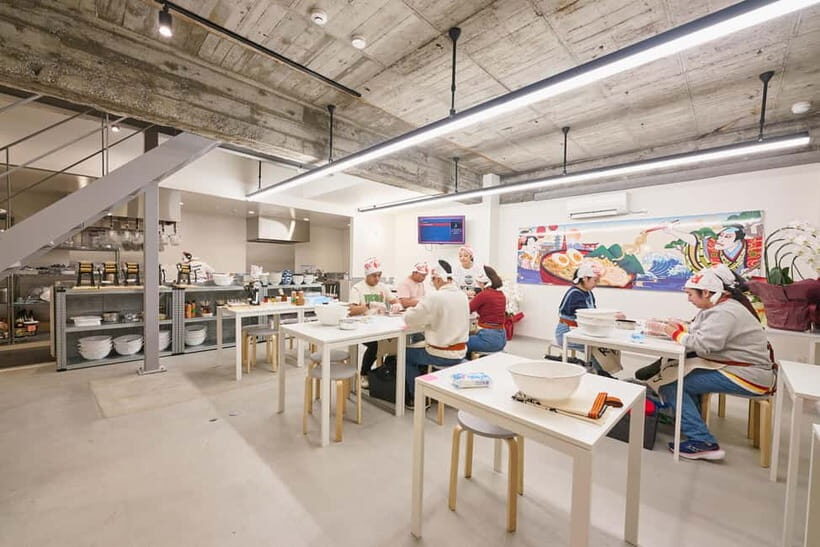
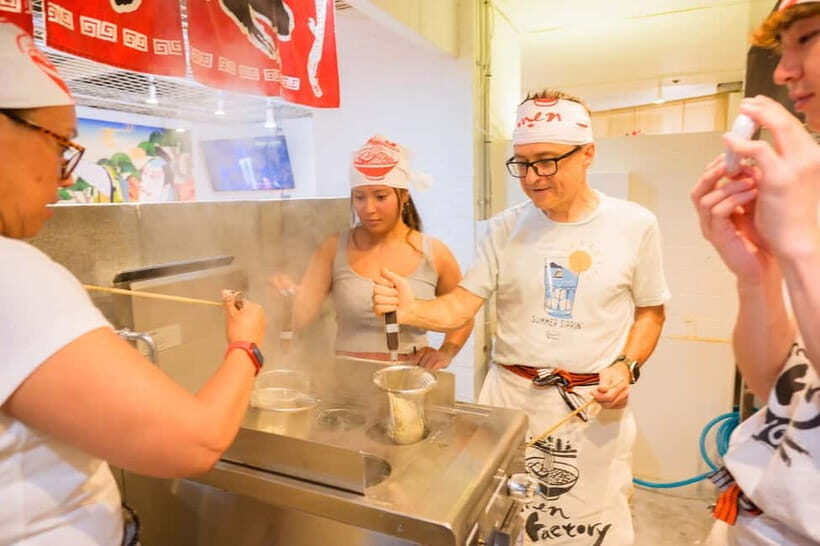
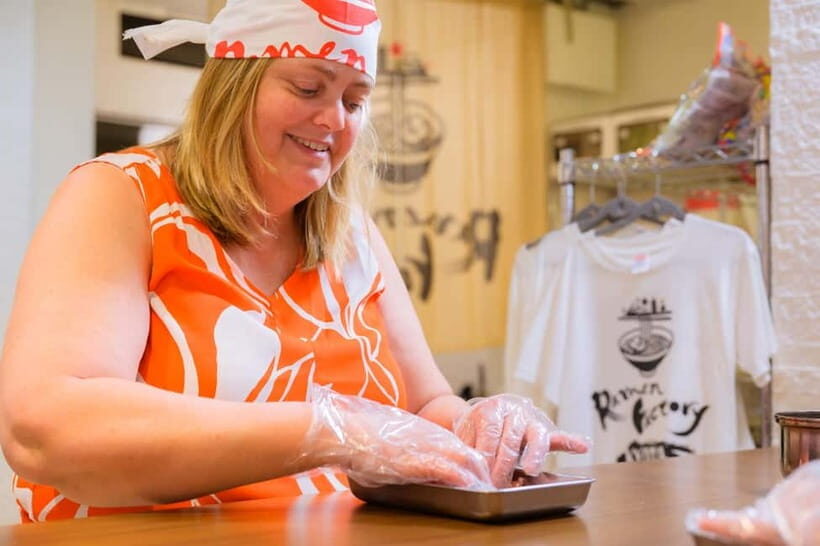
You are provided with a ramen apron and headscarf. The headwear can feel a little funny, but that is part of the charm and also keeps things practical so you do not have to worry about hair and mess while cooking.
2) Watch a process video first
Before you start cooking, you watch an overview video about how ramen is made from scratch. This is not fluff. It gives you a mental map for what comes next, so you are not guessing when the instructor starts talking timing and sequence.





3) Make the fresh noodles
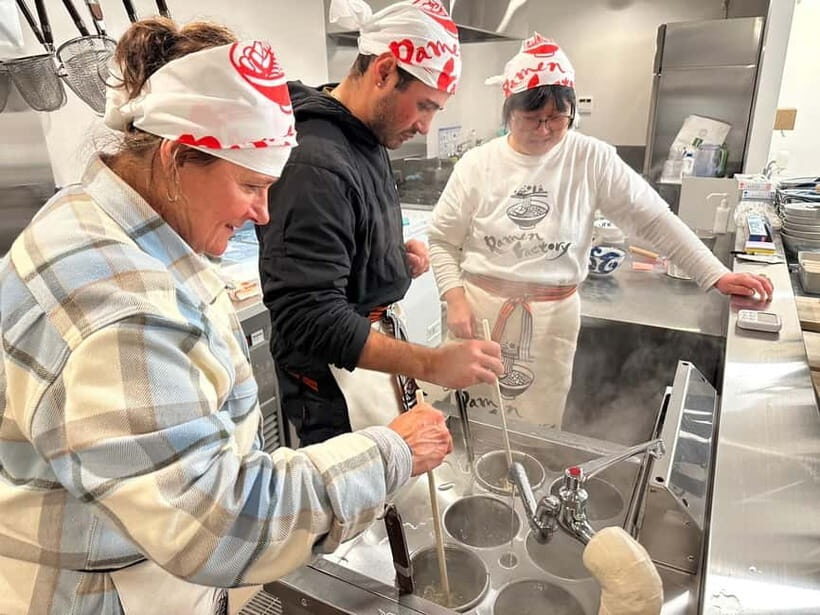
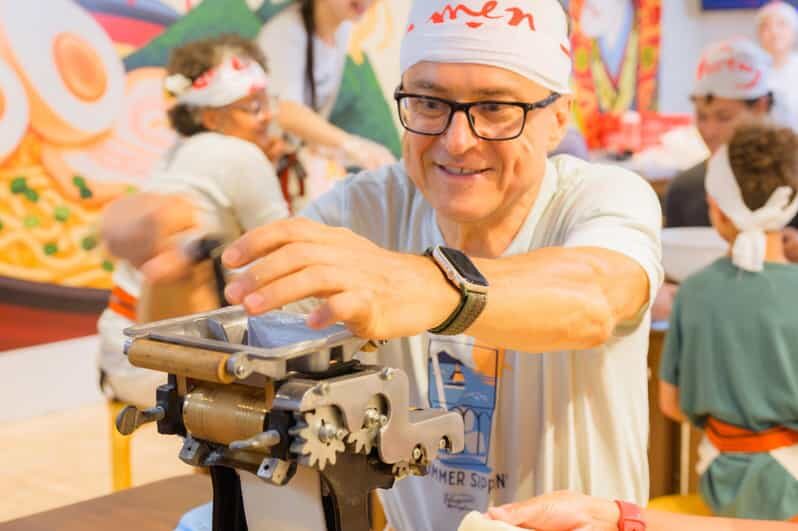
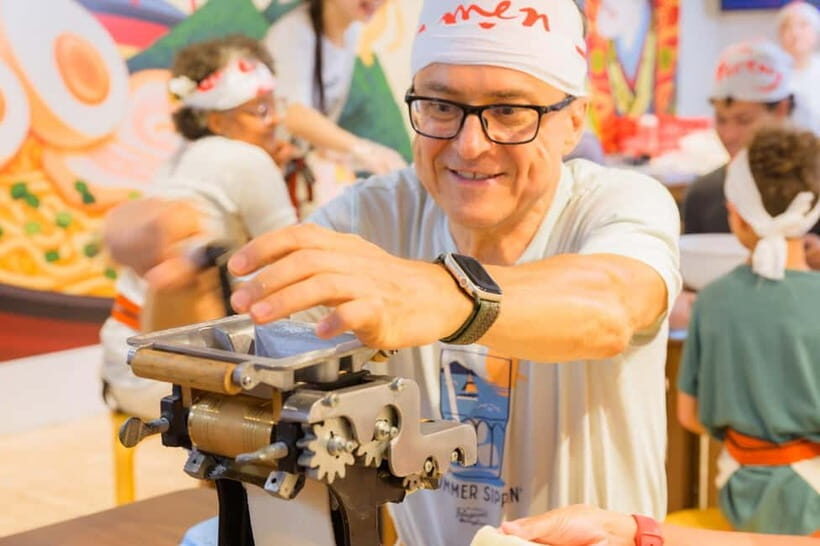
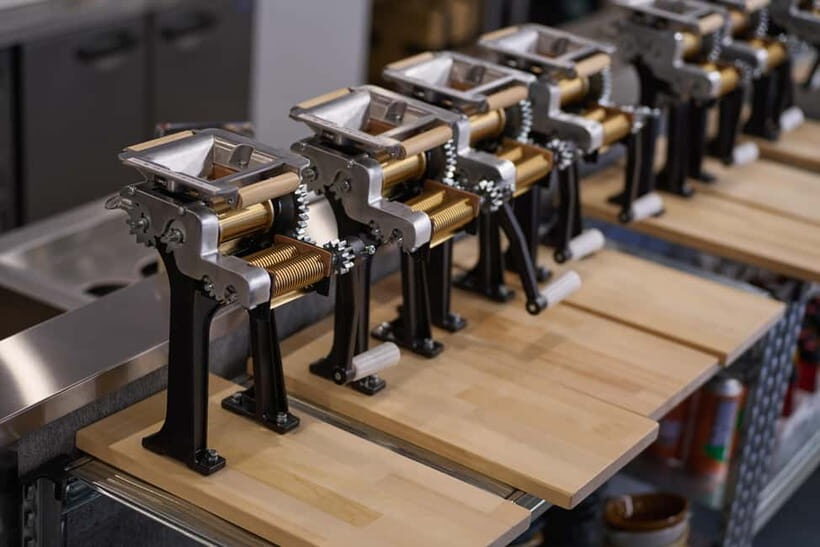
The standout step is noodle making. Reviews repeatedly call out that making the noodles yourself is the best part. You are not just assembling ingredients. You are actively creating ramen components, then watching them transform with heat.
Even if you have never worked with dough before, the class format is designed to guide you through it. That hands-on approach is why the experience feels rewarding instead of passive.
4) Cook and finish your ramen
After the noodles are in motion, you will move into cooking steps that turn the bowl into something you want to eat immediately. You also get hands-on help for key tasks and timing, so you do not end up with a bowl that tastes random or incomplete.
5) Eat what you made
Then comes the best part: you eat the ramen you made while looking back on what you just learned. This is where the class clicks. You taste the difference between a planned process and a shortcut, and you realize ramen is more about technique and timing than complicated mystery.
Choosing Broth And Sauce: Make It Yours
One of the smartest parts of this class for visitors is choice. Instead of forcing everyone into one uniform bowl, you choose from different options for your soup and sauce.
What does that mean for you in practice?
- If you like stronger, earthy flavors, you might enjoy an option like miso. People specifically mention choosing miso broth and feeling it was a winner.
- If you prefer something lighter or different in character, you can steer your bowl toward that.
- If you are traveling with someone who wants different flavors, this choice helps avoid the classic food-class problem where both of you end up with the same result.
This is also where the cooking class turns into a repeatable lesson. After you choose and taste, you get a clearer idea of what broth style actually changes, not just what it tastes like at the end.
Why The English-Led, Step-By-Step Format Matters
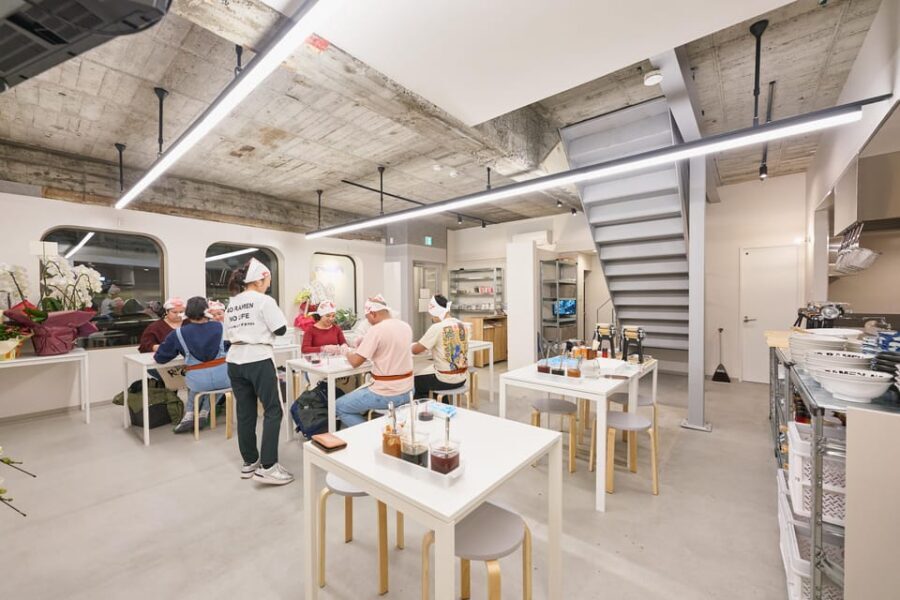
You do not need to know ramen vocabulary to do well here. The class is offered in English, and the instruction style is described as friendly and supportive, with step-by-step guidance.
That matters because ramen is timing-sensitive. If you are confused, you lose the rhythm. If you understand the sequence, you can catch up fast.
Two other things help:
- The explanations feel thorough without becoming lecture-heavy.
- The instructors are attentive to comfort and questions. If you are unsure about a step, this kind of guidance can save you from ruining ingredients or overthinking.
There is also a mention that the headwear or presentation style from the instructor can be entertaining. That sounds minor, but it affects your mood in a cooking class. A relaxed kitchen helps you focus on technique instead of worry.
Souvenirs, Plus Apron And Headscarf: What You Take Home
This is not just a class. It is also a take-home package.
Included items:
- Ramen apron and headscarf
- Ingredients for ramen making
- Overview video about the process
- Choice of soup and sauce
- 4 types of souvenirs
That souvenir line is more valuable than it sounds. If you are doing Mt. Fuji sightseeing, a ramen class is a memory you can eat and then reenact. The souvenirs add a physical reminder that you learned a skill, not just attended an activity.
What the souvenir types are exactly is not listed here, but you can be confident you will have four distinct options to pick from during your session.
Price And Value: Does $133 Make Sense?
At $133 per person, this is not a bargain-bin food workshop. But it also is not a generic tasting. You are paying for several things that add real value:
1) Instruction + guidance
You are not left to figure things out alone. Step-by-step coaching is hard to quantify, but it is what turns a cooking class from messy to doable.
2) Full hands-on work
Making fresh noodles is the big one. That is a meaningful skill you can practice at home later. It is also the reason the class feels fun instead of scripted.
3) All key ingredients included
Ingredients for ramen making are included, which reduces friction. You do not have to shop, measure, or guess what you are missing when you get home.
4) You eat your ramen on site
This is not a class that ends with samples you barely taste. You finish with the bowl you made, which helps justify the cost because you are getting both learning and a meal.
5) Take-home items
Apron and headscarf plus four souvenir options give you more than just a photo moment.
One note for your budgeting: drinks are not included. That is common for workshops, but it can still affect your final spend. If you want a fuller day budget, plan on buying drinks separately.
Logistics You Should Plan For (So Nothing Slips)
This experience is designed to be straightforward, but there are a few practical points that matter:
- Arrive 10 minutes early so you can get ready.
- Wear comfortable clothes suitable for cooking. You are dealing with kitchen prep, and you will be happier if you can move freely.
- If you have food allergies, notify in advance. This is essential for any hands-on cooking class where ingredients are central to the activity.
- Transportation is not included, so you need to handle getting to the Ramen Factory yourself.
- Drinks are not included, so bring water expectations into your planning.
Also, the activity starts at the meeting point near Kawaguchiko Station and ends back there. That makes it easier to pair with nearby sightseeing without planning a complex return.
Who Should Book This Ramen Class, And Who Might Not
This is a great match if you:
- Want a memorable Lake Kawaguchiko activity that is more than sightseeing
- Love ramen and want to learn the technique behind it
- Prefer hands-on classes where you actually make the main component
- Travel with food curiosity and enjoy learning through doing
You might think twice if:
- You dislike cooking activities or hands-on mess (even with an apron, it is still cooking)
- You only want a quick snack-style experience
- You are extremely tight on budget, since $133 plus drinks and your travel to the meeting point will add up
If you are a beginner, you are still a good fit. The class is described as well organized and explained clearly in English, and the room setup is said to be new and easy to follow.
Should You Book This Ramen Cooking Class At Lake Kawaguchiko?
Yes, if your goal is a practical, satisfying food experience that gives you more than a photo. The key reason is simple: you make fresh noodles, you choose your broth and sauce, and you eat what you cooked at the end. That turns the class into a real skill-building moment, not just entertainment.
Book it if you are in Kawaguchiko anyway and want a structured activity that ends on a delicious note. Bring comfortable clothes, arrive early, and plan for drinks and getting there yourself. If you do those basics, you will likely come away feeling like you learned something you can recreate.
FAQ
How long is the ramen cooking class?
The class runs for 90 minutes.
Where is the meeting point?
Meet at the start location from Kawaguchiko Station: exit the front street, walk straight left for about 3 minutes, and look for it diagonally across from Fujitempra IDATEN.
Is transportation included?
No. Transportation to and from the Ramen Factory is not included.
What is included in the price?
The class includes the 90-minute ramen making session, ramen apron and headscarf, an overview video, ingredients for ramen making, choice of soup and sauce, and 4 souvenir options.
Are drinks included?
No. Drinks are not included.
What language is the class taught in?
The class is in English.
What should I wear?
Wear comfortable clothes suitable for cooking.
What if I have food allergies?
Participants with food allergies should notify in advance.
What souvenirs will I get?
You can choose from 4 different types of souvenirs during the experience.