REVIEW · TOKYO
Mt Fuji, Hakone Private Tour by Car Pickup from Tokyo
Book on Viator →Operated by Hassan cheema · Bookable on Viator
A day up Mt Fuji can feel like the whole trip in one go. This private tour strings together Mt Fuji 5th Station views, shrine stops, and Hakone lakes without train juggling, and I love the comfort of door-to-door car service plus the chance to see Fuji from multiple angles. The one drawback to plan for: lunch and any entry tickets aren’t included, so you’ll want a little budget buffer.
You’ll start with a hotel pickup in Tokyo, then head to the mountain for some of Japan’s most iconic scenery. After that, the day keeps moving at a relaxed pace—built for sight time, not transfers—and you’ll finish with Hakone highlights that feel worlds away from the city.
One more practical note: this is priced per group (up to 6), which can be great value if you’re traveling with family or friends. If you’re solo, the cost can feel steep compared with group bus tours, even with private comfort.
In This Review
- Key Highlights You’ll Feel in Your Day
- Why This Private Mt Fuji + Hakone Car Day Works So Well
- The Big Setup: Door-to-Door Pickup from Tokyo (and What It Buys You)
- Mt Fuji 5th Station at 2,300m: The View That Makes the Trip
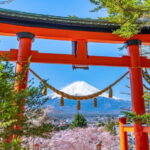
- Arakura Fuji Sengen Shrine: Pagoda Views, Photo Angles, and a Scenic Break
- Lake Kawaguchiko: Where Fuji Feels Easy to Photograph
- Kitaguchi Hongu Fuji Sengen Jinja: Short, Quiet, and Forest-Framed
- From Lake Ashinoko to Hakone Ropeway: The Volcano to the Lake Change-Up
- Price and Value: What $490.74 Per Group Really Covers
- Who This Tour Fits Best (and Who Might Want Another Option)
- Photo and Comfort Tips That Make This Day Easier
- Should You Book This Mt Fuji, Hakone Private Tour?
- FAQ
- How long is the Mt Fuji, Hakone private tour?
- What’s the price and group size?
- Is hotel pickup and drop-off included?
- Do I get an English-speaking driver?
- Is lunch included?
- Do I need to pay entrance tickets?
- Do you provide a mobile ticket?
- What’s the cancellation policy?
Key Highlights You’ll Feel in Your Day
- Private hotel pickup and drop-off in a modern, air-conditioned car with an English-speaking driver
- Mt Fuji 5th Station (2,300m / 7,546 ft) for big sky views and wide-ranging photo angles
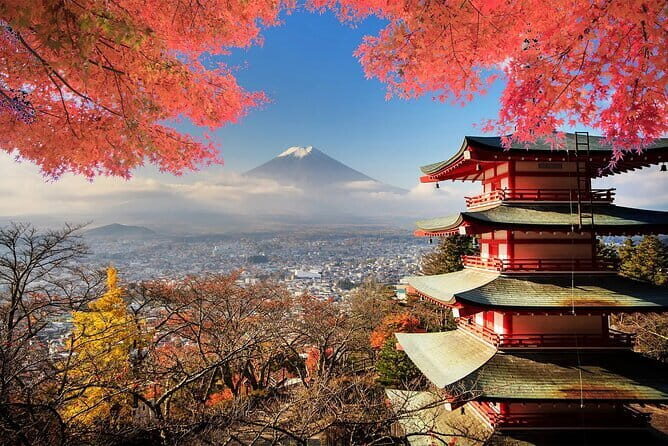
- Arakura Fuji Sengen Shrine plus its 5-tiered pagoda viewpoint
- Lake Kawaguchiko for classic Fuji-lake scenery, seasons included
- Hakone Ropeway connections through Hakone Round Course territory, including Owakudani and Ubako stops
- Multiple shrine and lake moments that keep the day varied instead of one long viewing stop
Why This Private Mt Fuji + Hakone Car Day Works So Well
This is one of those days where the planning load can drain your energy. Instead of timing trains, changing lines, and guessing how long transfers will take, you get picked up and you ride—straight through the day.
That matters for Mt Fuji because conditions and timing are everything. When you’re traveling by train, you can end up boxed into rigid schedules. With private transport, you can spend time where the day feels best—like lingering a bit longer at a viewpoint or moving efficiently between photo stops.
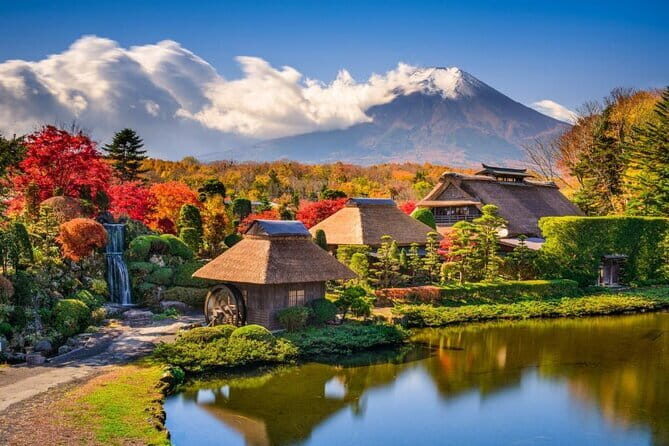
I also like how the route is built to show Fuji in different ways. You’re not only going for one postcard look. You’ll also hit shrine viewpoints (including a famous pagoda scene) and then shift from Fuji country to Hakone’s volcanic-lake vibe. If you care about variety—mountain, lakes, shrines—this day has it.
The other smart part: it’s designed for a group that wants flexibility. It’s a private tour, so it’s just your group in the vehicle. That alone can make the day feel calmer, especially with kids or anyone who hates rushed timelines.
Other Mount Fuji tours we've reviewed at Mt Fuji & Kawaguchiko
The Big Setup: Door-to-Door Pickup from Tokyo (and What It Buys You)
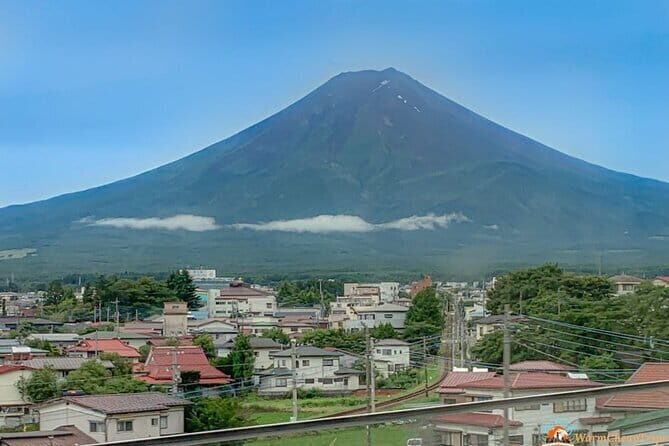
The tour includes hotel pickup and drop-off, and you ride in a modern, clean, air-conditioned vehicle with a driver who speaks English. The listing-style details matter more than you might think. A comfortable car helps when you’re doing a long day (it runs about 10 hours), and air-conditioning is a big deal in Japan’s warmer months.
You also get “mobile ticket” support, plus confirmation at booking. The practical value here is simple: you’re not scrambling with paperwork when you’re half a day away from Tokyo.
One small bonus from experience feedback: in at least one case, the company arranged a different starting point (Odawara station) and then continued the tour through to a Tokyo hotel. That suggests the team can be workable when your plans don’t fit perfectly with standard hotel pickup.
Mt Fuji 5th Station at 2,300m: The View That Makes the Trip
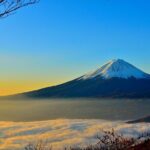
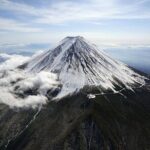
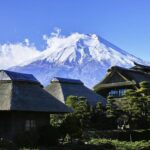
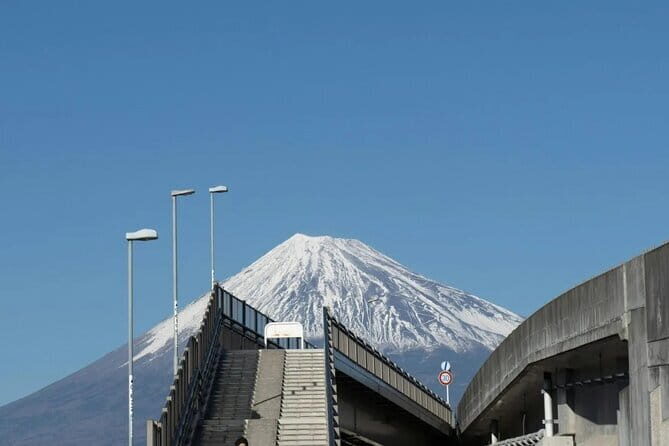
Your day’s first major anchor is Mt Fuji’s 5th Station, at 2,300 meters (7,546 ft). This is high enough to feel like you’re entering the mountain’s own world—colder air, thinner atmosphere, and a wide view of the land stretching outward.
Even the idea of getting to 5th Station is a big deal. If you’re visiting from Tokyo, it’s one of the most direct ways to experience Mt Fuji beyond the lowland photo spots. From there, you can admire the surrounding area and—on clear days—see far enough that Tokyo’s lights may sparkle in the distance.
You’ll have about 3 hours here. That’s enough time to not just snap photos and leave, but to actually absorb the mountain. It also gives you room to handle the one thing nobody can control: weather. If visibility is limited at one angle, you can wait a bit and try again.
A heads-up to keep expectations realistic: admission ticket costs aren’t included for activities at this stop. The tour includes the time and the transportation, but you’ll pay for any entrance fees separately.
Arakura Fuji Sengen Shrine: Pagoda Views, Photo Angles, and a Scenic Break
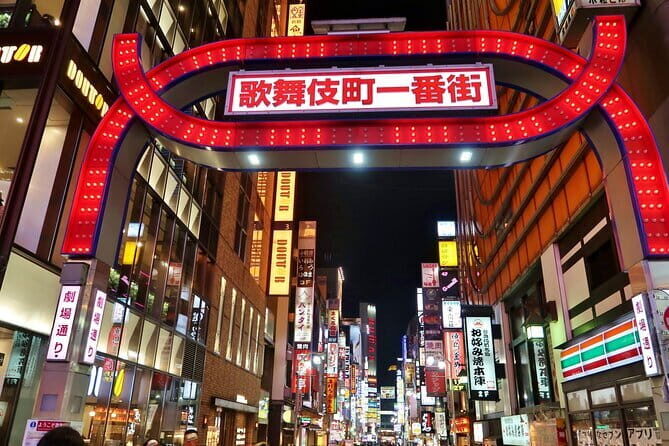
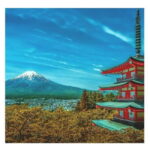
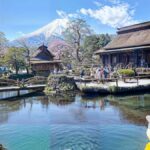
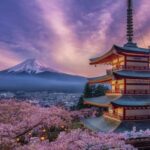
Next up is Arakura Fuji Sengen Shrine, known for a 5-tiered pagoda and an observation deck with sweeping Mount Fuji views. This stop works because it mixes spirituality and scenery. You’re walking through shrine grounds and then climbing (or approaching) the viewpoint to get a different kind of Fuji framing than you’ll get at the station.
You’ll spend about 2 hours here, and that duration makes sense. It gives you time to:
- enjoy the shrine setting without rushing
- stop at multiple angles for photos
- take short breaks if you’re traveling with kids or someone who doesn’t want to hike all day
One thing I like about adding a shrine stop is pacing. After time at altitude, your body usually appreciates a slower rhythm: walking paths, noticing details like stone arrangements, and stepping back from crowds to enjoy the view.
Lake Kawaguchiko: Where Fuji Feels Easy to Photograph
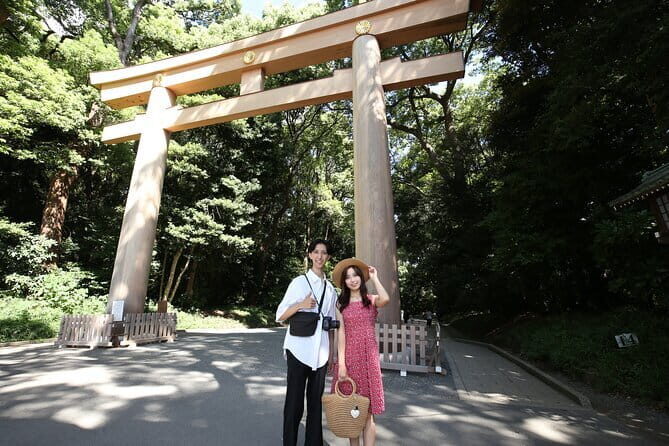
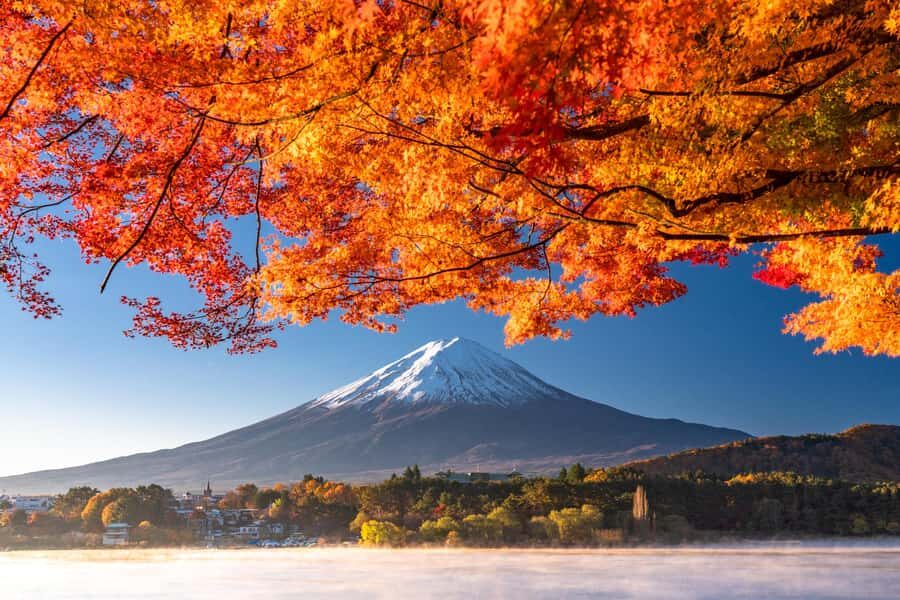
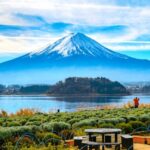
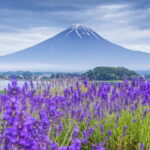
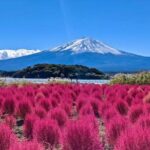
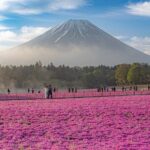
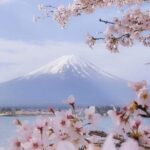
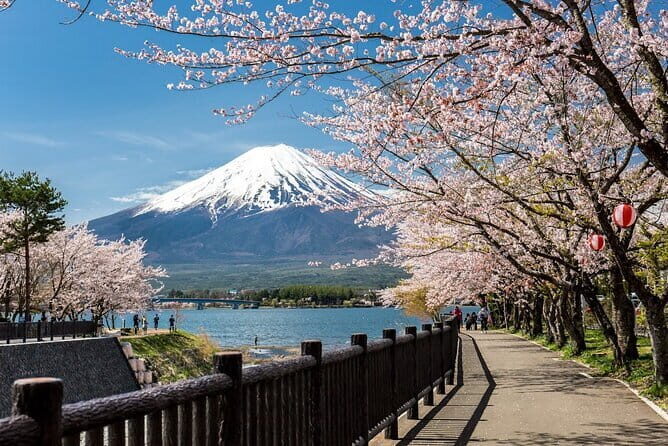
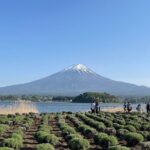
After the shrines, you’ll head to Lake Kawaguchiko, one of Fuji’s five lakes and the biggest and most accessible. It’s about 1 hour of time on the water’s edge, and that’s usually enough for the classic look: Fuji in the background with the lake scene in the foreground.
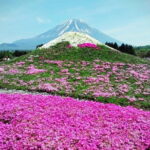
This stop is especially appealing because the scenery changes with seasons. The area is known for seasonal flowers and colors—cherry blossoms and autumn leaves are both highlighted as a big reason people love this lake during different months.
The practical drawback? With a lake stop, your best view can depend on weather and timing. The tour gives you a set slice of time, so you’ll want to arrive ready to move quickly from one viewpoint to another if conditions look good.
Again, entry tickets for specific activities here aren’t included, though the lake area itself is presented as free time in the schedule.
Other Mt Fuji and Hakone combo tours at Mt Fuji & Kawaguchiko

Kitaguchi Hongu Fuji Sengen Jinja: Short, Quiet, and Forest-Framed
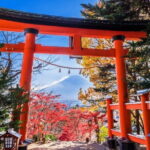
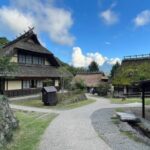
Then you get a more grounded shrine experience at Kitaguchi Hongu Fuji Sengen Jinja. It’s a shrine complex with wooden structures and stone lanterns lined along forest paths. You only have about 30 minutes, so this isn’t the stop where you linger for hours.
But that short timing is the point. It’s a palate cleanser between big viewpoint moments. If you want a day that feels like it has several “chapters” instead of two or three long blocks, a quick shrine stop fits perfectly.
A 30-minute stop also helps if you’re with kids. It’s enough time to see something beautiful and meaningful, without turning the day into an endurance event.
This shrine time is also presented as admission free, so it’s a good value moment where you’re paying mainly with your time and not with another ticket.
From Lake Ashinoko to Hakone Ropeway: The Volcano to the Lake Change-Up
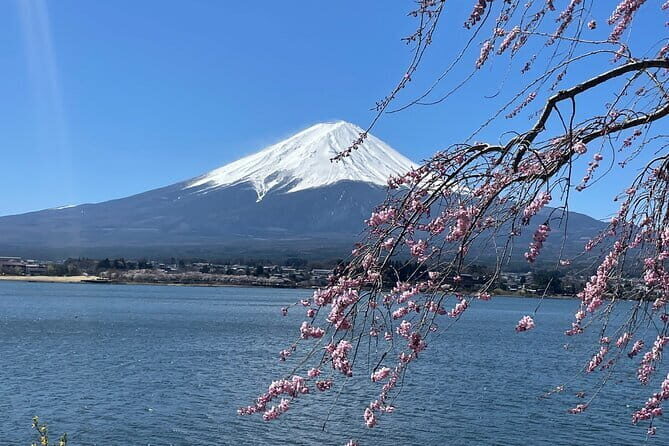
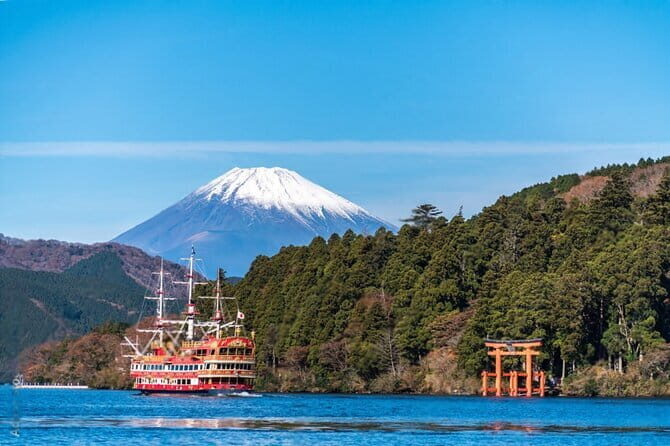
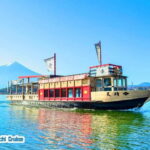
Once you shift toward Hakone, you’ll start at Lake Ashinoko for about 30 minutes. The lake was formed in the caldera of Mount Hakone after the last eruption around 3,000 years ago, and today it functions like Hakone’s signature view window—with Mount Fuji in the background when conditions cooperate.
Even in a short time, this stop helps you understand why people talk about Hakone as more than just a Fuji side trip. It has a different mood: volcanic history, calmer lakeside energy, and a feeling of being outside the city’s rhythm.
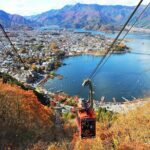
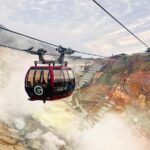
Then you’ll spend up to 3 hours with the Hakone Ropeway, part of the Hakone Round Course. The ropeway connects Sounzan Station to Togendai Station and includes intermediate stops at Owakudani and Ubako. Even though the ropeway is listed as admission free in the schedule, you’ll still want to follow the flow of the day and keep an eye on any on-site ticket requirements for whatever stations or add-ons you choose during that time window.
This ropeway segment is where the day earns its “Hakone” identity. You get that in-between sense of travel—rising and looking down—plus the chance to experience the volcanic region at Owakudani as part of the route.
A smart practical approach: if you care most about scenery, prioritize being ready to step on and off quickly at each station. If you care most about photos, be aware that lighting and visibility can change fast along the route.
Price and Value: What $490.74 Per Group Really Covers
At $490.74 per group (up to 6), this is not the cheapest way to see Mt Fuji. But it isn’t trying to be. You’re paying for:
- private door-to-door transportation from Tokyo
- a modern, air-conditioned car
- an English-speaking driver
- fuel and highway surcharges
- a full day that strings together multiple major sights
If you split the cost across a few people, the math starts to look much better than solo pricing. And even for couples, privacy can matter. You get to plan around your group’s pace instead of everyone cramming into the same rhythm.
The other value element is time. Round-trip train hopping between Tokyo, Fuji-area spots, and then Hakone can chew up your day. Here, you get one coordinated schedule and continuous movement, which usually means more actual viewing time and fewer stress spikes.
What’s not included is also important: lunch and entry tickets for activities cost extra. That means your real cost depends on what you choose to pay for on-site. If you plan to eat casually and skip optional paid attractions, you’ll likely keep your spending under control.
Who This Tour Fits Best (and Who Might Want Another Option)
This private car day is a great fit if:
- you want a low-stress way to see both Mt Fuji and Hakone in one day
- you’re traveling with family or a small group and want everyone to move together
- you don’t love train transfers and prefer planning with fewer moving parts
- you want multiple Fuji viewpoints, not just one quick stop
It might be less ideal if:
- you’re traveling solo and comparing against group bus or train-based options
- you’re on a strict budget and don’t want any extra spending beyond transport
- you hate long rides and need very frequent short breaks (the day is about 10 hours)
Photo and Comfort Tips That Make This Day Easier
Because this itinerary includes several viewpoint-heavy stops, a few practical habits can make a difference.
First: dress for altitude and weather shifts. Mt Fuji’s 5th Station is high, so even if Tokyo feels warm, you may feel cooler up there.
Second: for shrine and ropeway segments, wear shoes you trust on uneven ground. You’ll be walking paths at shrine areas and moving through ropeway stations.
Third: plan to pay attention to timing and cloud cover. The day is built around seeing Fuji from multiple angles. When conditions look promising, take the shot, then look for a second angle nearby rather than waiting too long to decide.
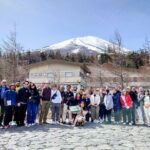
Finally, if you have kids: one feedback point I’m taking seriously is that the guide was attentive to children and helped with photo opportunities. If that matters to you, this kind of private day often delivers a more personal experience than group tours.
Should You Book This Mt Fuji, Hakone Private Tour?
If you want a single-day solution that covers Mt Fuji 5th Station, major shrine viewpoints, Lake Kawaguchiko, and then Hakone’s Lake Ashinoko and ropeway route, this is a strong choice. The biggest reasons to book are simple: private comfort, hotel door-to-door pickup, and a schedule that prioritizes multiple Fuji moments without the train headache.
I’d book it when:
- you’re in a small group (up to 6) and want to split the cost
- you care more about an efficient, calm day than squeezing in everything at the cheapest price
- you want real variety: mountain, lakes, shrines, and Hakone’s ropeway scenery
Skip it (or compare alternatives) if you’re ultra budget-focused or you’re the kind of traveler who enjoys DIY rail schedules more than car time. Either way, if weather plays along, this route gives you a lot to look at in just 10 hours.
FAQ
How long is the Mt Fuji, Hakone private tour?
It runs about 10 hours (approx.).
What’s the price and group size?
The price is $490.74 per group, up to 6 people.
Is hotel pickup and drop-off included?
Yes. Return hotel transfers are included.
Do I get an English-speaking driver?
Yes, the driver is listed as English speaking.
Is lunch included?
No. Lunch isn’t included (alcoholic beverages also aren’t included).
Do I need to pay entrance tickets?
Yes. Entrance tickets for any activity are not included.
Do you provide a mobile ticket?
Yes, mobile ticket is listed as included.
What’s the cancellation policy?
You can cancel for free up to 24 hours in advance for a full refund. If you cancel less than 24 hours before the start time, the amount paid is not refunded.