REVIEW · TOKYO
From Tokyo : Mount Fuji Private Day Tour with English Driver
Book on GetYourGuide →Operated by Season for Tours · Bookable on GetYourGuide
Mount Fuji trips get good when you control the day. With a private, door-to-door setup and an English-speaking driver, you can actually pace yourself instead of juggling trains. The main thing to watch is the sky: if clouds roll in, the views can be softer even though the day still stays enjoyable.
I love the comfort details that make the whole trip feel easy—air-conditioning, a clean luxury vehicle (Land Cruiser, Crown, or Vellfire), and small comfort perks like water plus coffee or tea on the ride. The drawback to keep in mind: you’ll still be spending time outdoors at several viewpoints, so wear shoes you can walk in for a full day.
Here’s the sweet spot: you get a structured day with one hour at each key stop, plus flexibility to tweak priorities—so you can lean more toward photos, lakeside time, or a bit of shopping without feeling rushed.
In This Review
- Key Points That Matter
- Why a private Fuji day beats DIY chaos from Tokyo
- Luxury ride comfort: Land Cruiser, Crown, or Vellfire with Wi‑Fi
- A 1-hour rhythm that still lets you tailor the day
- Chureito Pagoda: the photo frame with a calm walking feel
- Lake Kawaguchi: Fuji Five Lakes with optional boat and cafes
- Oshino Hakkai: ponds fed by Fuji snowmelt and old-style streets
- Gotemba Premium Outlets: shopping with Fuji views
- Mount Fuji 5th Station: high-altitude views and the shuttle fee
- Late 2024 to early 2025: what each season tends to bring
- Price and value: what $313 per group really buys
- What’s included, what’s not, and how to budget
- Practical rules: shoes, cash, and no alcohol in the car
- Should you book this private Mount Fuji day tour?
- FAQ
- What’s the group size for this Mount Fuji private tour?
- Do I get hotel pickup and drop-off?
- Is the driver fluent in English?
- Is Wi‑Fi available during the ride?
- What’s included for drinks during the tour?
- Are meals included in the tour price?
- Are entry tickets to sights included?
- Is there an extra fee for Mount Fuji 5th Station?
- Can I customize the itinerary?
- Are there rules about alcohol in the vehicle?
Key Points That Matter
- Private car for up to 3: no waiting around, and you can set the pace for your group.
- English driver who explains as you go: guides like Umar, Ali, Saeed, Hadi, Shabeer, and Goraya have been praised for knowledge and helpfulness.
- Coffee, tea, and water included: small perks that add up on a long day.
- Built-in Fuji rhythm: about one hour per main stop, so you get variety without constant rushing.
- Weather can affect the classic view: cloudy days still work, but don’t plan on a perfect Fuji photo every minute.
- Extra costs may pop up at 5th Station: the Mount Fuji 5th Station shuttle stop is ¥3000/person and isn’t included.
Why a private Fuji day beats DIY chaos from Tokyo
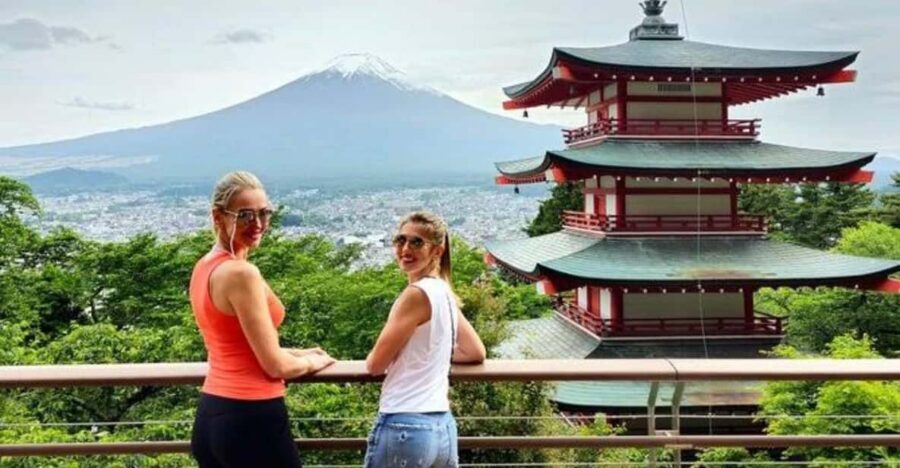
Mount Fuji looks different depending on angle, timing, and weather. A private day tour helps because you’re not stuck to fixed departure times or transfer logistics. You’re going from hotel pickup straight into a full day of Fuji-area highlights, with your driver acting as both navigator and local guide.
What you gain is simple: control. If you want more time walking around Chureito Pagoda for that postcard-style framing, you can ask. If you’d rather linger at the lakeside because the light is good, your driver can help you adjust within the day.
The tour also fits travelers who want to do “classic Fuji” but hate feeling rushed. The day is built around a relaxed schedule—about one hour at each stop—so you’re not constantly getting in and out. If the weather isn’t cooperating, you’ll still move through meaningful places rather than turning the day into a scramble.
Other Mount Fuji tours we've reviewed at Mt Fuji & Kawaguchiko
Luxury ride comfort: Land Cruiser, Crown, or Vellfire with Wi‑Fi
This tour is built on private transport, not public transfers. That means real comfort: air-conditioning, room to spread out a bit, and a smooth ride between scattered sights around Honshu’s Fuji region. The vehicles listed include Land Cruiser, Crown, and Vellfire, which is exactly the kind of car you want for a long day of viewpoints.
You also get practical extras that make you feel cared for:
- Bottled water plus tea/coffee in the vehicle
- A Wi‑Fi hotspot router when available in the car (handy for maps, translations, and checking that you haven’t wandered into the wrong parking lot)
In the experience data, drivers were repeatedly described as punctual, helpful with communication, and patient—especially on days when the sky was cloudy. If you’re the type who likes a plan but also wants a guide who can respond when conditions change, this format usually clicks.
A 1-hour rhythm that still lets you tailor the day
Your day follows a clear structure: roughly one hour at each key location. That design matters because Mount Fuji sightseeing isn’t just about “arrive, take photo, leave.” Each stop has a different pace—pagoda viewpoints feel quick but rewarding, lakeside time can stretch, and old villages need slower walking.
Still, the day isn’t rigid. You can customize your itinerary in a way that fits your group. In practice, this usually means:
- Trading a bit of time between stops if your priorities shift
- Asking the driver to adjust so you’re not stuck in the wrong spot at the wrong time
- Adding small changes when possible, like making room for extra photo angles
One caution from real-world experience: if you pile on extra attractions beyond the planned stops, you might run out of time. Some people end up wishing they had fit in an additional activity (like a ropeway or a shrine visit) because the main schedule takes the priority.
Chureito Pagoda: the photo frame with a calm walking feel
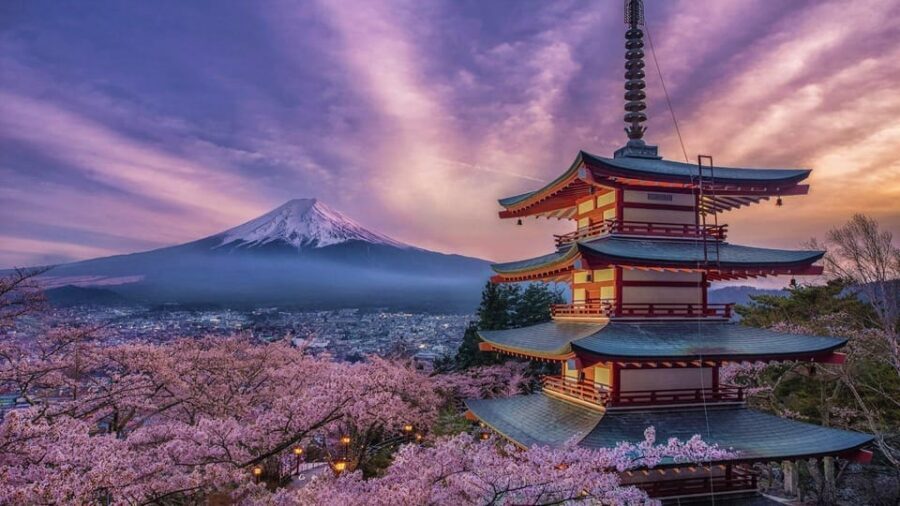
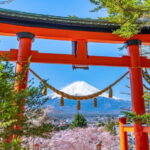
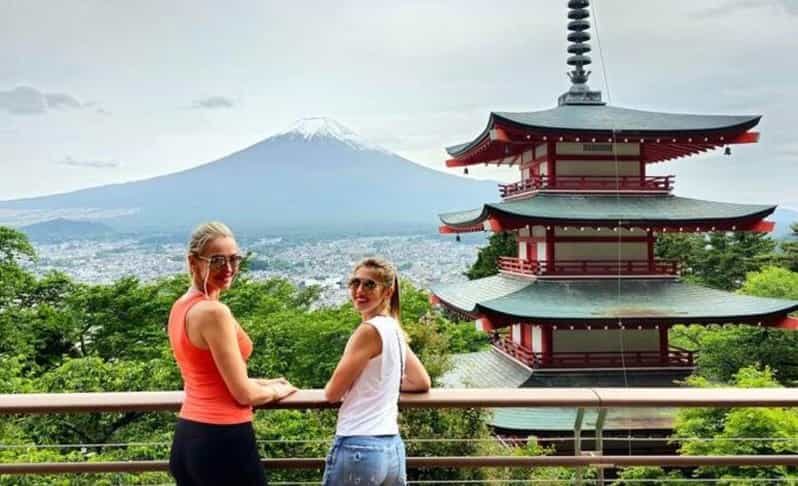
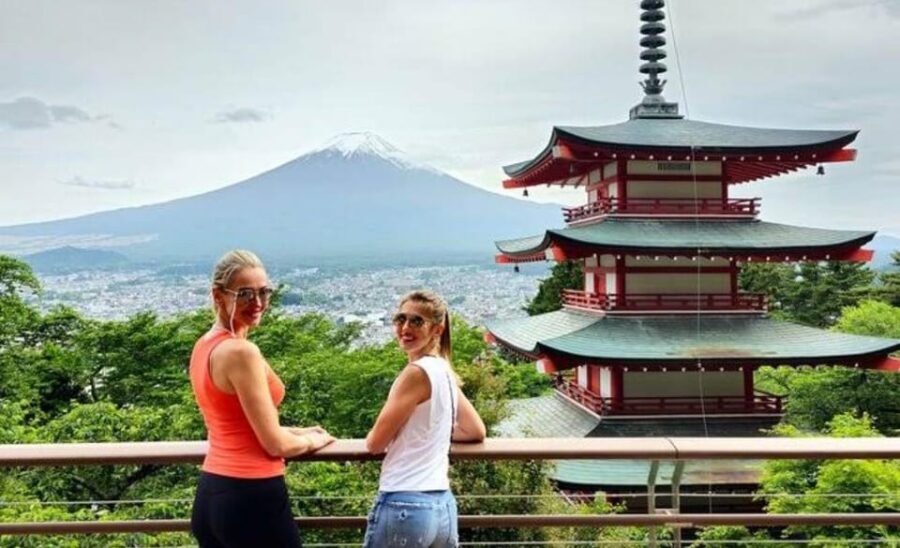
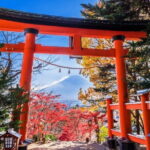
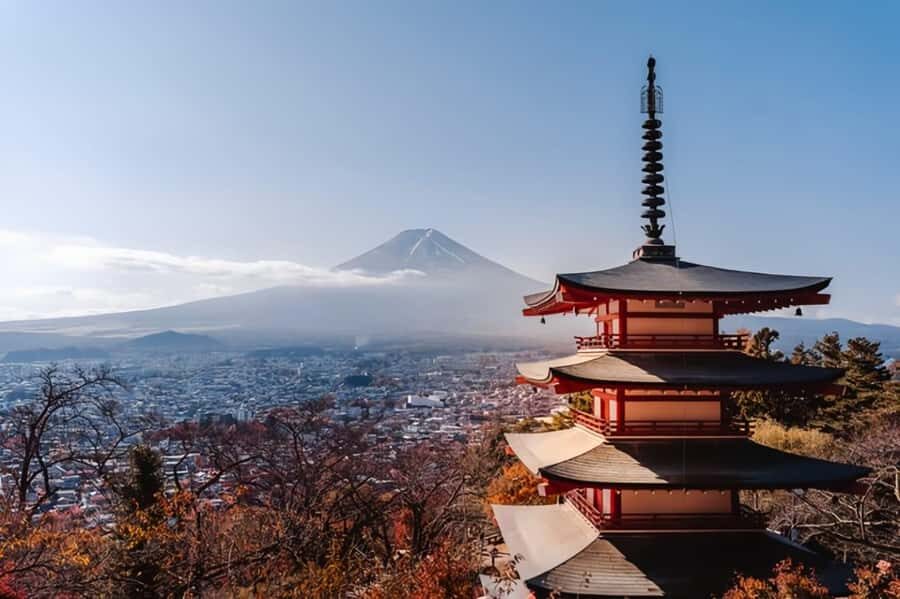
The day often starts at Chureito Pagoda, one of Japan’s most iconic Mount Fuji viewpoints. The magic here is the way the pagoda frames the mountain, giving you that classic “Fuji-with-a-spiritual-foreground” composition.
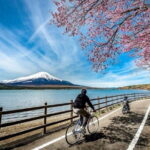
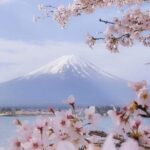
This stop is especially strong in cherry blossom season, when the area can look like a postcard for both wide shots and smaller details around the pagoda grounds. Even when the views are less dramatic, you’ll still find plenty to enjoy: walking around, soaking up the quiet vibe, and taking photos from different angles.
What I’d plan for:
- Wear comfortable shoes. There’s walking involved, and it’s easy to underestimate how much standing you’ll do while waiting for the light.
- If you’re chasing photos, use your hour to try multiple positions rather than sprinting once and leaving.
If clouds roll in, expect the experience to shift from “wow, there it is” to “try again from another viewpoint.” The stop still works as a meaningful cultural moment, not just a photo-op.
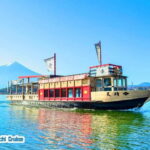
Lake Kawaguchi: Fuji Five Lakes with optional boat and cafes
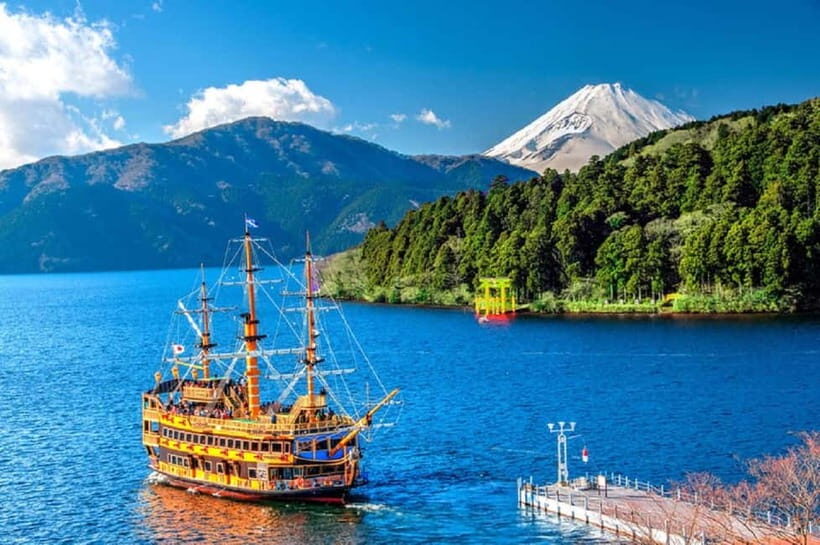
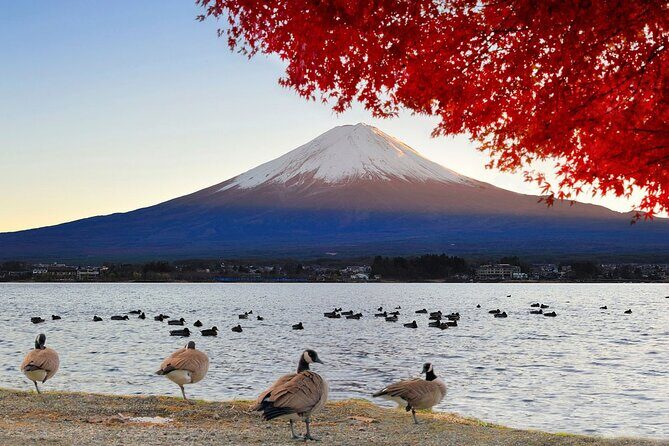
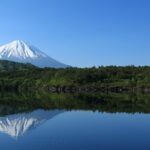
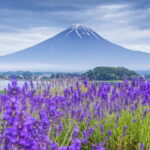
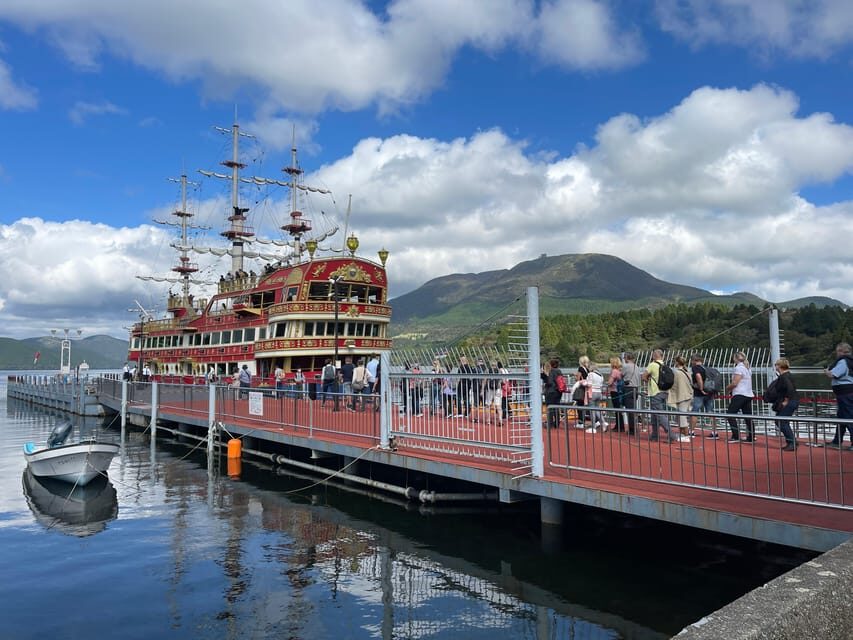
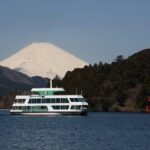
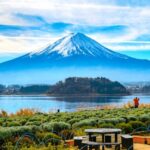
Next comes Lake Kawaguchi, one of the Fuji Five Lakes. On clear days, it’s famous for mirror-like reflections of Mount Fuji. On less perfect days, the lake still gives you breathing space and a wide-open setting where your eyes can relax.
You can spend your hour in the way that fits your travel style:
- Enjoy a lakeside break
- Consider a boat ride if you want more time on the water (your driver can point you toward what’s practical)
- Pop into nearby cafés for coffee while you look back at the shoreline
This is also where seasonal timing really matters. Late 2024 into early 2025 can give you very different atmospheres:
- Autumn (October) often brings crisp, colorful scenery
- Winter (December–February) tends to make the area feel colder, quieter, and sometimes snow-focused
The big takeaway: this stop is your “slow down” moment. If you rush here, you’ll feel it. If you take it easy, the day starts to feel like a real outing instead of a checklist.
Other day trips from Tokyo to Mt Fuji & Kawaguchiko

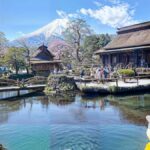
Oshino Hakkai: ponds fed by Fuji snowmelt and old-style streets
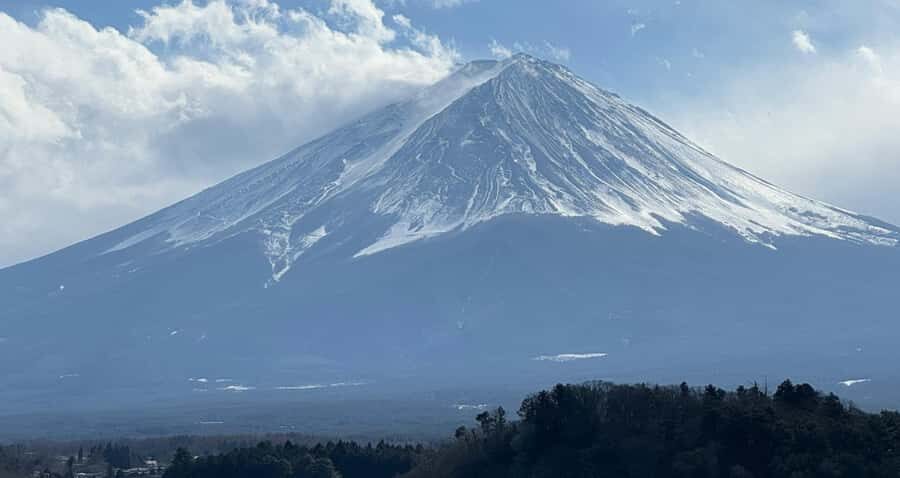
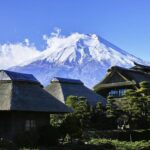
Oshino Hakkai is one of the more character-rich stops on a Fuji day. It’s known for crystal-clear ponds fed by snowmelt from Mount Fuji, creating a serene, old-Japan feel. The thatched-roof scenery helps, but what really makes it special is the atmosphere: it’s quieter and more grounded than the flashier sightseeing spots.
Your hour here is usually best spent walking slowly and letting the place work on you. You’ll likely find small shrines, ponds to photograph, and little corners where you can try local bites. If you like photo variety, this is a good stop because you get both water reflections and traditional architecture.
A practical note: some shops may not accept credit cards, so carrying cash can save you from that slightly annoying moment of wanting to buy something and being told the machine can’t help.
Gotemba Premium Outlets: shopping with Fuji views
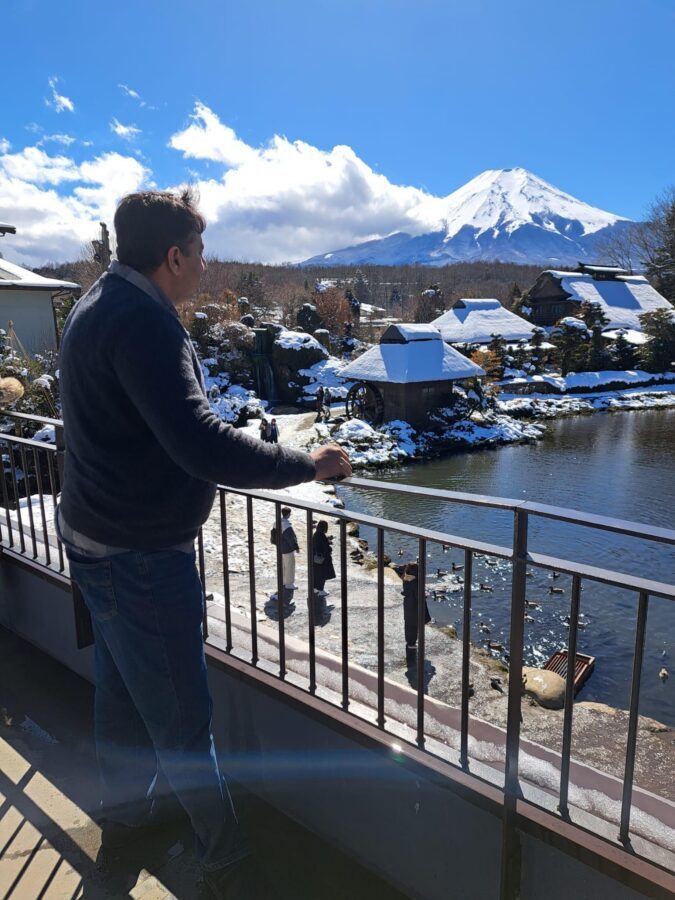
If you want at least one flexible “break” in the day, Gotemba Premium Outlets is that moment. It’s a shopping stop with Mount Fuji in the background, which means even if you don’t go hard on buying, you’re still getting scenery while you browse.
This stop can be a good choice if:
- Your group includes people who want a shopping break
- You’d like a less strenuous hour after walking in more scenic spots
- You want a chance to grab snacks or simple items during the day
Budget reality check: the tour doesn’t include meals, so you might end up buying food here. And again, bring some cash for smaller shops that may not take cards.
Mount Fuji 5th Station: high-altitude views and the shuttle fee
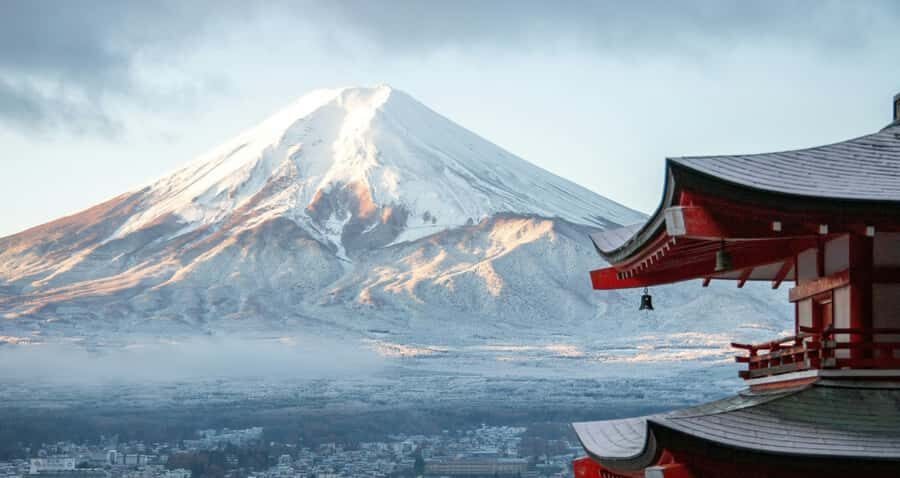
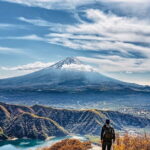
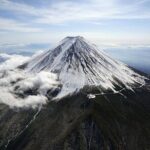
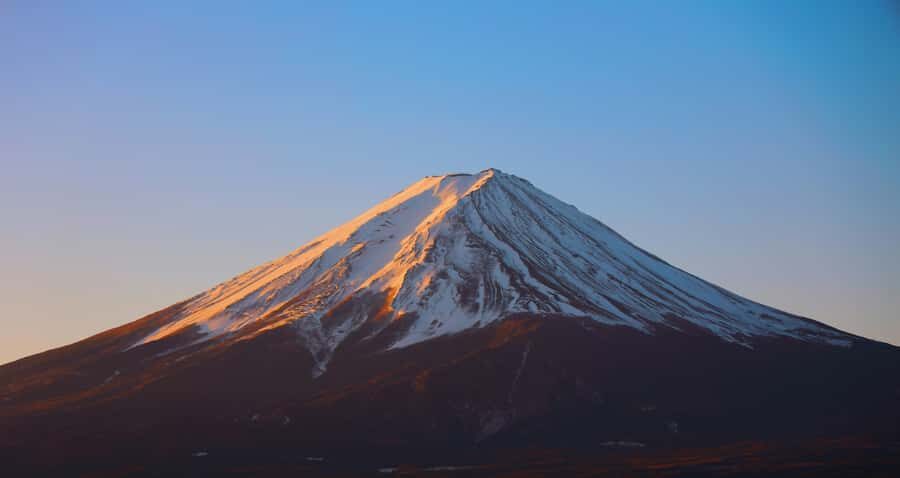
Ending at the Mount Fuji 5th Station area is about altitude and panoramic perspective. It’s described as the highest point accessible by vehicle, which is exactly why it’s appealing for a day tour. Even if you’re not climbing, you get a sense of what the mountain feels like when you’re closer to the snowline and the weather changes faster.
You’ll have time to enjoy:
- Panoramic views and wide sky
- Small shops and shrines
- A chance to warm up with tea or coffee
Important cost detail: the Mount Fuji 5th Station shuttle stop is ¥3000/person and isn’t included. Depending on where you park and how access is routed on the day, you may need that shuttle for the closest viewpoint. Build that into your budget so there are no surprises.
Also note the seasonal shift. In late fall and winter, you might encounter snow conditions. Pack for cooler weather than you expect at ground level, even if Tokyo feels mild.
Late 2024 to early 2025: what each season tends to bring
If you’re booking for the late 2024 to early 2025 window, your best approach is to match the season to what you want to see.
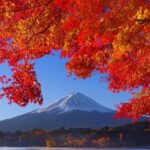
- October 2024: autumn foliage around Lake Kawaguchi and Oishi Park can make the day feel crisp and colorful.
- November 2024: you may catch the first snow on Mount Fuji, with fall colors fading.
- December 2024: snow-covered Fuji pairs nicely with winter relaxation, including mentions of Hakone hot springs under clearer skies.
- January 2025: New Year shrine atmosphere can add a traditional Japan feel to a cold day.
- February 2025: winter sports and wintry Fuji Five Lakes scenery can be a big draw.
- March 2025: early cherry blossoms are especially noted around Chureito Pagoda.
One honest caution: weather is still weather. You might get dramatic views or you might get clouds and mist. Either way, the key is choosing a tour with flexibility and a driver who can help you spend your time wisely when conditions shift.
Price and value: what $313 per group really buys
This day tour is priced at $313 per group (up to 3). The value comes from what’s included and what it saves you.
You’re paying for:
- A private vehicle (not shared)
- Hotel pickup and drop-off
- Highway taxes and fuel
- An English-speaking driver
- Air-conditioning, plus a Wi‑Fi hotspot router when available
- Water and tea/coffee
What you’re not paying for includes meals and any entry tickets, and you may also face that ¥3000/person shuttle at Mount Fuji 5th Station. On top of that, any extra shopping spending or food purchases are on you.
So is it “worth it”? For a couple or a small group, yes—especially if you want door-to-door ease and someone who can explain what you’re seeing. It’s less ideal if you’re traveling solo and you’re fine with trains and transfers. But if your group wants convenience and comfort, the private format can feel like a bargain compared to the hassle cost of doing it yourself.
What’s included, what’s not, and how to budget
Here’s the straightforward money picture.
Included:
- Private transportation
- Expert driver fluent in English
- Pickup and drop-off at your hotel
- Aircon
- Wi‑Fi hotspot router (in-vehicle when available)
- Highway taxes / fuel
- Water bottle and tea/coffee
Not included:
- Meals
- Any entry tickets
- Mount Fuji 5th Station shuttle stop fee (¥3000/person)
- Pickup and drop-off from airports and ports
One more budgeting tip: plan for snacks. Since meals are not included, you’ll want a little cash flexibility for food around lakeside areas and at the outlet complex.
Practical rules: shoes, cash, and no alcohol in the car
This is one of those tours where the small rules matter because they keep things smooth.
Bring:
- Comfortable shoes (you’ll walk at multiple stops)
Carry:
- Cash, since some local shops may not accept credit cards
Know the limits:
- Alcohol and drugs are not allowed
- Explosive substances are not allowed
- Alcoholic drinks in the vehicle are not allowed
If you have special needs (like a child seat or wheelchair), you should inform the local provider ahead of time. Also, the tour is noted as not suitable for people over 95 years, so check that before booking.
Should you book this private Mount Fuji day tour?
Book it if you want a Fuji day that feels like a real outing, not a logistics exercise. You’ll likely appreciate it if:
- You’re traveling with up to 3 people and want door-to-door convenience
- You care about comfort (air-conditioning, a clean luxury vehicle, and a driver who manages timing)
- You want someone who can explain what you’re looking at—guides like Umar, Shabeer, Ali, Saeed, Hadi, and Goraya have been highlighted for knowledge and helpful, patient guidance
- You’d rather spend time at fewer places and enjoy them, instead of hopping around all day
Skip it (or rethink the plan) if:
- You’re very price-sensitive and okay with trains and transfers
- You expect Mount Fuji to look perfect no matter the weather. Clouds happen, and while the day still delivers, the classic mountain moment isn’t guaranteed.
If you’re flexible and you pack for walking and changing conditions, this is a strong way to experience Mount Fuji and the surrounding region with less stress and more enjoyment.
FAQ
What’s the group size for this Mount Fuji private tour?
The price is listed per group up to 3 people.
Do I get hotel pickup and drop-off?
Yes, pickup and drop-off are included at your hotel.
Is the driver fluent in English?
Yes. The tour includes an expert driver fluent in English.
Is Wi‑Fi available during the ride?
A Wi‑Fi hotspot router is included when available in the vehicle.
What’s included for drinks during the tour?
Water bottle service plus tea/coffee are included.
Are meals included in the tour price?
No, meals are not included.
Are entry tickets to sights included?
No, entry tickets are not included.
Is there an extra fee for Mount Fuji 5th Station?
The Mount Fuji 5th Station shuttle stop is ¥3000 per person and is not included in the tour price.
Can I customize the itinerary?
Yes, the tour offers flexibility so you can modify the itinerary.
Are there rules about alcohol in the vehicle?
Yes. Alcohol and drugs are not allowed, and alcoholic drinks are not allowed in the vehicle.