REVIEW · TOKYO
Mount Fuji and Hakone Private Tour with Pickup from Tokyo
Book on Viator →Operated by Season for Tours · Bookable on Viator
Fuji day trips can feel like a blur. This one is built as a private outing with hotel pickup and a driver who helps you shape the day. I like the flexibility to choose your exact pace, and I also like how the route mixes iconic Fuji views with Hakone’s volcanic drama instead of only chasing one photo stop.
The main thing to think about is cost creep: entry fees and optional activities (ropeways, cruises, cable cars) are separate, and the day runs long enough that you’ll want to be ready for extra time charges if you go over.
In This Review
- Key points before you go
- Why this private Fuji-Hakone day beats DIY routes
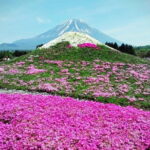
- From Chureito Pagoda to Lake Kawaguchiko: the Fuji “front row” route
- Oshino Hakkai and Oishi Park: where the water stays crystal-clear
- Lake Ashi and the famous red torii on the water
- Hakone Ropeway and Owakudani: the volcanic spectacle part of the day
- The money math: what’s included, what’s not, and how to avoid surprises
- Weather is the real itinerary controller
- How to personalize the day without losing the flow
- Who this private Tokyo pickup tour suits best
- Should you book this Mount Fuji and Hakone Private Tour?
- FAQ
- How many people can be in a group?
- How long is the Mount Fuji and Hakone private tour?
- Is pickup and drop-off included?
- Can I choose which spots to visit?
- What’s included in the price?
- What costs are not included?
- Does the tour depend on weather?
- What happens if the tour goes over the time limit?
Key points before you go
- Private pickup from Tokyo with round-trip convenience
- Customizable stops while your guide explains Mount Fuji context
- Fuji Five Lakes focus with Chureito Pagoda, Lake Kawaguchiko, Oshino Hakkai, and Oishi Park
- Hakone classics: Lake Ashi, Hakone Ropeway, and Owakudani
- Budget for add-ons like ropeways/cruises and listed entrance fees
- Weather-dependent plan for clear Fuji views and safe sightseeing
Why this private Fuji-Hakone day beats DIY routes
If you’ve ever tried to stitch together Fuji + Hakone on public transport in one day, you know the real challenge isn’t distance—it’s time. This tour uses one air-conditioned car for the whole loop, so you’re not swapping trains, tracking connections, and losing daylight.
You also get a guide who can actually steer your day. The tour is described as customized: you pick the tourist spots, and the guide cooperates and tells you the Mount Fuji story as you go. That matters because the scenery is only half the experience. The other half is understanding why these places exist—shrines, memorials, volcanic vents, and the way locals built viewpoints around the mountain’s presence.
One more practical upside: you’re traveling in a private vehicle (not a group bus), so photo stops are easier to manage. A guide named Ali, in past feedback, has stood out for being patient and very photo-focused, taking plenty of pictures and offering options on the fly. That’s exactly the kind of flexibility you want when Fuji is either crystal-clear or hiding behind cloud.
Other Mount Fuji tours we've reviewed at Mt Fuji & Kawaguchiko
From Chureito Pagoda to Lake Kawaguchiko: the Fuji “front row” route
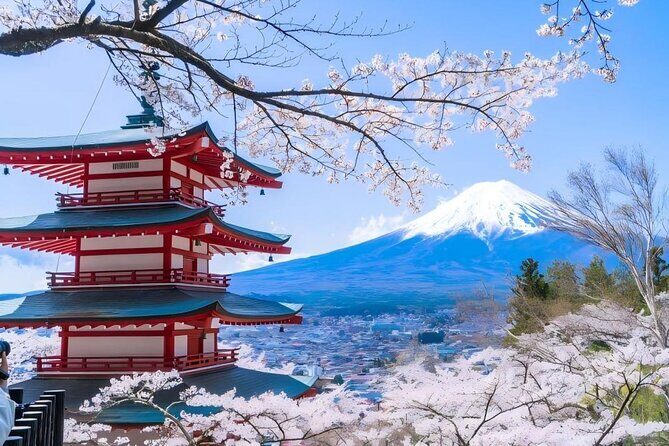
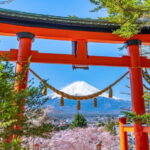
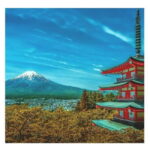
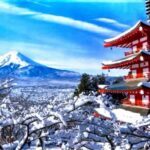
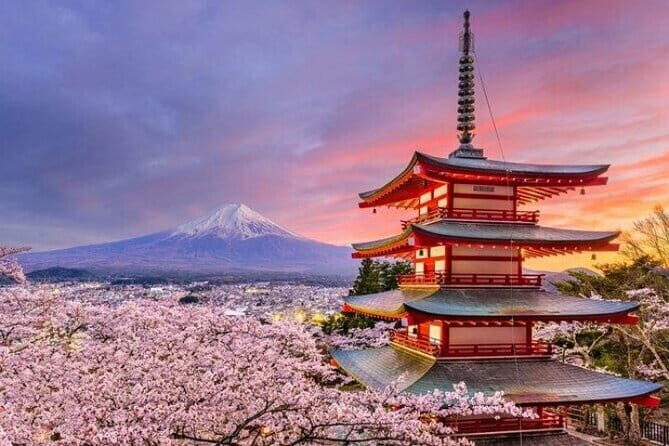
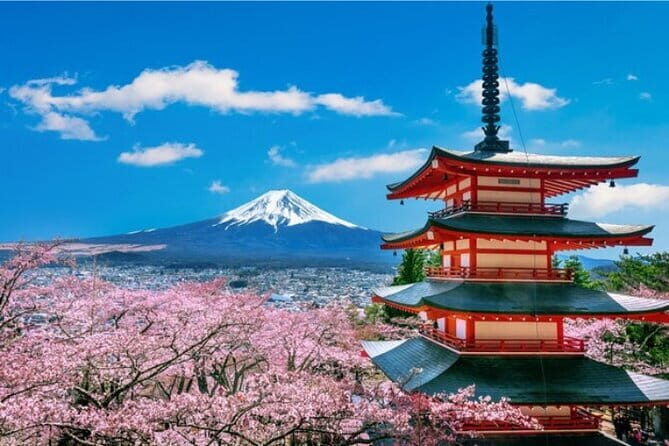
This day starts with one of the most recognizable Fuji scenes in the region: Chureito Pagoda. It’s a five-story pagoda part of Arakura Sengen Shrine, built as a peace memorial in 1963. It sits up the mountainside, reached by nearly 400 steps from the shrine buildings. If you’re aiming for that classic composition—pagoda in the foreground, Mount Fuji in the distance—this stop is built for that.
What to watch for: the steps are real. If stairs tire you, consider arriving with a slow pace and a plan to take breaks without rushing the viewpoint.
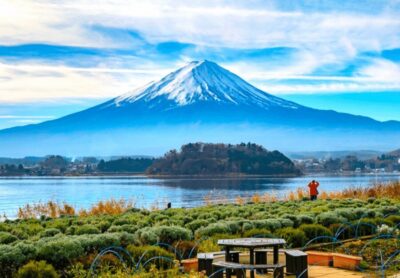
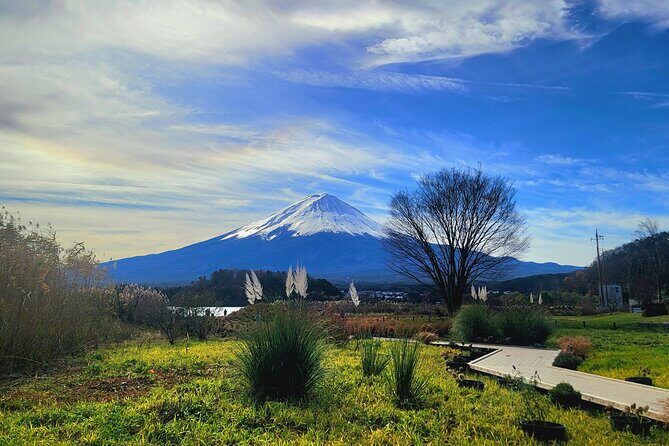
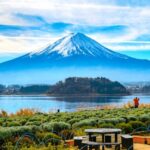
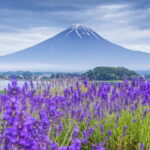
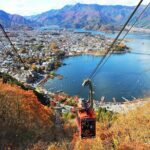
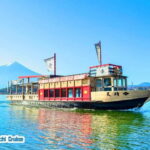
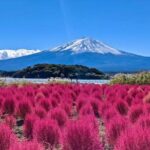
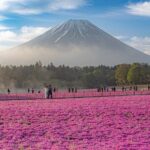
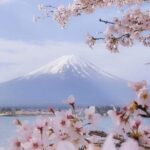
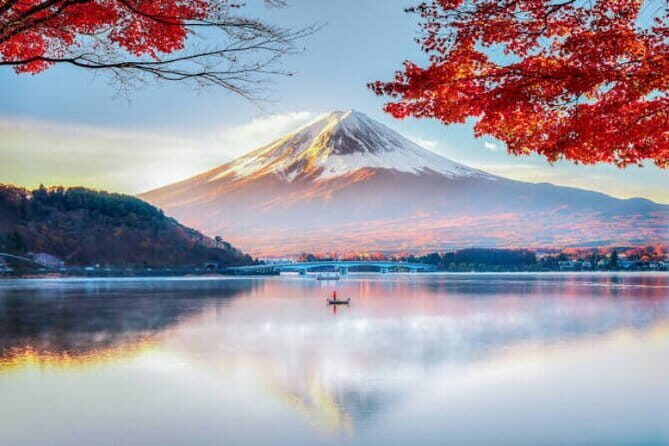
Next you hit Lake Kawaguchiko, the “gateway” to the Fuji Five Lakes area. This is where the mountain often shows up large and close, especially when visibility is good. The tour gives you time to enjoy the lakeside and consider optional add-ons like a ship cruise or a cable car up toward Kachi Kachi Mountain. These aren’t included, so you’ll pay on site if you choose them.
Then the route folds in a focused Kawaguchiko boat and viewpoint experience via an Ensoleille ship pleasure boat segment, paired with a panoramic ropeway/cable car up toward Kachi Kachi. The key idea here is simple: you get two different angles of Fuji from the same lake area, using the boat to bring you nearer the view and the ropeway to gain elevation for a stronger perspective.
Practical note: the tour emphasizes clear views when weather cooperates. If clouds roll in, plan to enjoy the atmosphere anyway and use the ropeway/boat sections for scenery and photos, not just a guarantee of a perfect Fuji shot.
Oshino Hakkai and Oishi Park: where the water stays crystal-clear
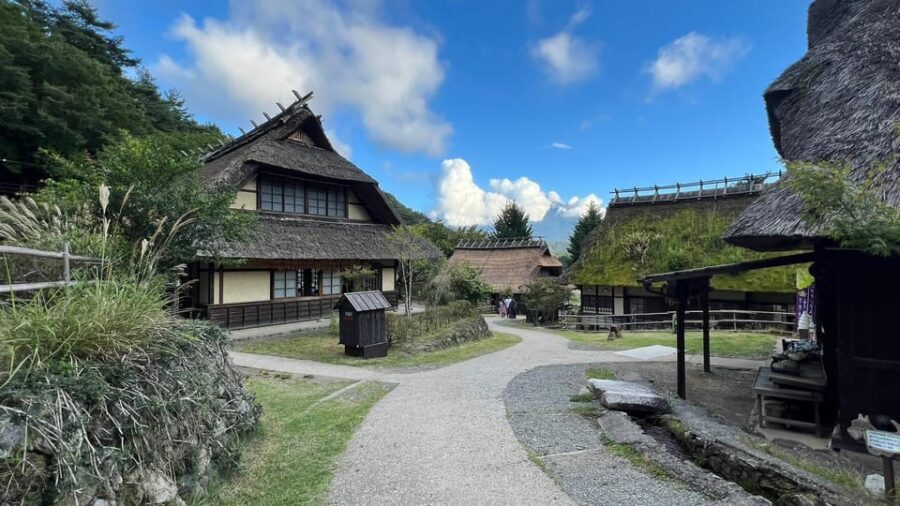
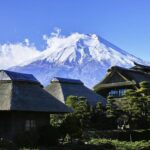
After the lakes, you move to Oshino Hakkai—eight ponds fed by snowmelt that filters down from Mount Fuji through porous volcanic rock. The result is water described as mineral-rich and remarkably clear. The eight ponds are on the site of a former sixth lake that dried out centuries ago, so you’re seeing a place shaped by long-term change, not just a scenic spot.
This is a great mid-day stop because it shifts the focus from “big mountain photo” to “slow, detailed looking.” If you like your travel with a bit of texture—water clarity, how the ponds are laid out, and that cool volcanic-feeling atmosphere—Oshino Hakkai tends to land well.
You’ll also get a shorter pause at Oishi Park, known for a strong view of lake and Mount Fuji at the same time. Admission there is listed as free, which is a nice bonus inside a paid day.
What I like about this sequence: you’re not only stacking lookouts. You’re alternating mountain views with a place where the mountain’s water story is tangible.
Lake Ashi and the famous red torii on the water
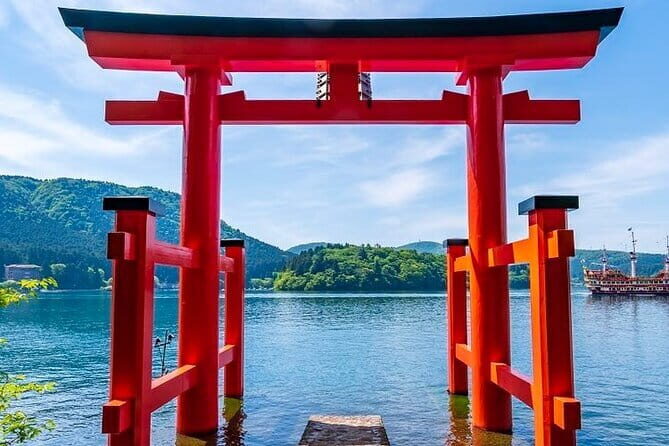
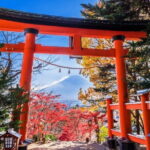
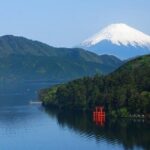
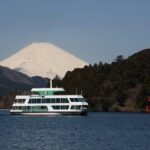
Once Hakone kicks in, you’ll head to Lake Ashinoko (Lake Ashi). The star here is the Hakone Shrine red torii gate along the shore, known as the Gate of Peace (heiwa no torii). The tour notes the gate was erected in 1952 to commemorate the crown prince’s reign and Japan’s independence, tying the viewpoint to a specific modern historical moment.
Lake Ashi is also where you may choose optional experiences like a pirate ship-style cruise or a ropeway cable car. As with the Fuji side, those are separate costs, paid on site.
Consideration: if you’re the type who only wants included activities, you might skip the extras and just enjoy the shore views. The key is to treat them as optional tools, not requirements. A good driver and a private setup give you the freedom to decide in the moment.
Hakone Ropeway and Owakudani: the volcanic spectacle part of the day
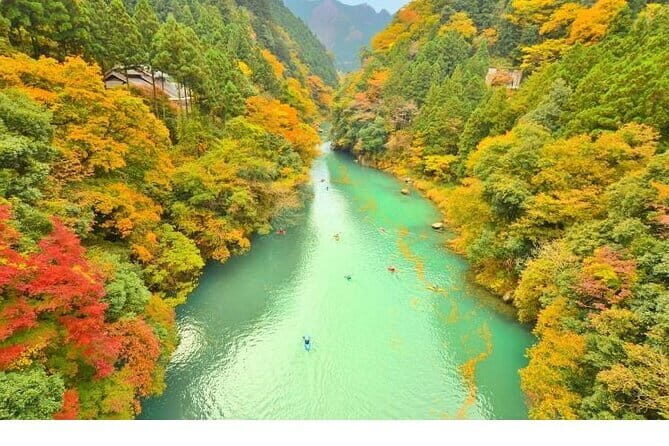
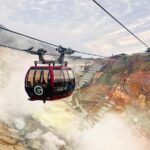
Hakone Ropeway is scheduled as an observation experience that focuses on Owakudani, Hakone’s famous Hell Valley area. From the ropeway, you’re meant to get dramatic sightlines over the desolate mountainside where smoke and steam rise from volcanic activity.
The tour also notes that during the ride you can enjoy views that may include Mount Fuji and Lake Ashi, depending on conditions. That “depending on conditions” line is worth taking seriously—this whole day is a weather game, especially for seeing Fuji crisp and clear.
Then you land at Owakudani Valley itself, where the show is the steaming thermal volcanic vents. The tour describes a sulfurous scene with black eggs boiled in the mineral waters. The folklore portion is part of the appeal: eating the black egg is believed to add years to your life span, with the example given of seven years on average.
What to expect on the ground: it’s active, it’s smoky, and it’s not the place for delicate expectations about perfect comfort. Go with the mindset of watching real geology happen in front of you.
Other Mt Fuji and Hakone combo tours at Mt Fuji & Kawaguchiko

The money math: what’s included, what’s not, and how to avoid surprises
This tour is priced at $455 per group, up to 3 people, which is important for value. Since it’s a private car with highway tolls covered and fuel handled, your money is mostly buying convenience: one vehicle, one driver, and a route designed to cover a lot of ground in one day.
Included items are listed clearly: air-conditioned vehicle, private transportation, highway tolls, modern and clean vehicles, and petrol/gas. That’s what keeps the day from becoming a patchwork of tickets and confusion.
Then come the separate costs:
- Lunch (not included)
- Entry fees (and specifically Lake Kawaguchiko is listed as 120¥)
- Mount Fuji entrance fee listed as 2100¥ per group
- Other attractions you add (ropeways, cruise segments, and other on-site fees)
The tour also calls out what happens if you run longer than the time limit. If the day exceeds the limit, there’s an extra charge of 7,000¥ per hour for a luxury van, and 15,000¥ per hour for a minibus. That’s a big enough difference that it’s worth clarifying with the operator at booking what vehicle type you’ll have.
One more cost note: pickup from Yokohama or Urayasu requires an extra 10,000¥ due to the distance from the standard pickup area.
If you want to keep this day feeling like a bargain, treat add-ons as choices. If the weather is cloudy, optional viewpoints might matter less for the Fuji shot, and you can save money on the extras.
Weather is the real itinerary controller
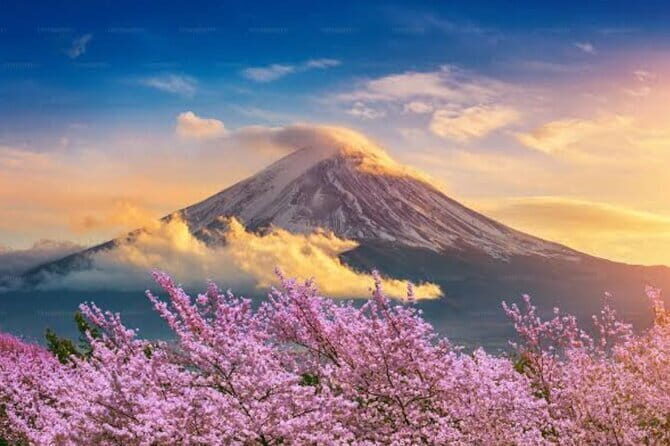
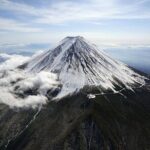
This experience is listed as requiring good weather. That’s not just fine print; it’s central to why the route exists. Clear skies are the difference between seeing Mount Fuji as a bold subject and seeing it as a faint memory behind mist.
If the tour is canceled due to poor weather, you’re offered a different date or a full refund. That’s the kind of policy that makes sense for a day built around visibility.
My practical advice: pack for shifting conditions and plan your expectations. Even on a cloudy day, you can still enjoy lakes, shrines, ponds, ropeways, and volcanic steam. But if your travel priority is a crystal-clear Fuji photo, you’ll want to be flexible and pick timing wisely.
How to personalize the day without losing the flow
Because the tour is customizable, you can steer it toward what you care about most. If your top priority is “Fuji views first,” focus on Chureito Pagoda and the Kawaguchiko area, then treat Hakone as the dramatic second act. If you’re more into volcanic scenery and steam vents, you’ll lean harder into Owakudani and ropeway time, while still keeping the Lake Ashi torii viewpoint.
The guide’s role matters here. The description says the guide fully cooperates and tells you the history of Mount Fuji. In practice, that kind of storytelling helps you understand why the stops are placed where they are—why shrines are built along certain sightlines, and why the water and volcanic areas connect back to the mountain.
A simple tactic: decide what you want before you meet the driver, then use the day as a negotiation. Want fewer rides and more walking at viewpoints? Want extra photo time at one stop? A patient, photo-friendly guide is the difference between rushing and actually getting the shot.
Who this private Tokyo pickup tour suits best
This works well if you want:
- A private day with one vehicle covering Fuji and Hakone
- Flexibility to choose your spots and pacing
- Classic Mount Fuji viewpoints plus Hakone’s volcano sights in the same outing
- A guide who talks through context as you travel
It’s less ideal if you hate stairs and rough terrain. Chureito Pagoda involves nearly 400 steps, and Owakudani is an active volcanic area with its own weather and footing quirks.
For couples and small groups (up to 3), it’s also a smart fit because the per-group pricing spreads nicely when you split the cost.
Should you book this Mount Fuji and Hakone Private Tour?
I’d book it if your goal is a smooth, coordinated day that hits the major sights without you micromanaging transport. The private pickup from Tokyo plus the ability to customize stops is the big win, and the route design covers both Fuji’s iconic viewpoints and Hakone’s volcanic theater.
I’d pause before booking if you’re cost-sensitive and don’t want to pay for optional ropeways and cruises, since a lot of the “wow” on this route is tied to add-on ticketed experiences. Also, be honest about weather risk—this tour expects good conditions for the best Fuji views.
If you’re booking for a photo-focused day, plan for flexibility and don’t overstuff the extras. With the right balance, this private format turns a long day into a manageable one—and that’s what you really want when you’re chasing Mount Fuji.
FAQ
How many people can be in a group?
The tour price is listed per group, with a maximum of up to 3 people.
How long is the Mount Fuji and Hakone private tour?
It runs about 8 to 10 hours.
Is pickup and drop-off included?
Yes. The tour includes round-trip pickup and drop from your hotel or the place where you are staying.
Can I choose which spots to visit?
Yes. This is described as customizable, and you can choose the tourist spots while the guide cooperates and shares history about Mount Fuji.
What’s included in the price?
The price includes an air-conditioned vehicle, private transportation, highway tolls, modern and clean vehicles, and petrol/gas.
What costs are not included?
Lunch isn’t included, and entry fees are listed as separate. Lake Kawaguchiko (120¥), the Mount Fuji entrance fee (2100¥ per group), and other attraction fees need to be paid directly at the locations.
Does the tour depend on weather?
Yes. The tour requires good weather. If it’s canceled due to poor weather, you’ll be offered a different date or a full refund.
What happens if the tour goes over the time limit?
If the time limit is exceeded, there is an extra charge of 7,000¥ per hour for a luxury van, or 15,000¥ per hour for a minibus.