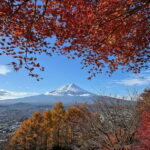
One day, five shades of Mt. Fuji. I like the private car pace, where you control how long you stay at each stop, and I love seeing volcanic caves that connect you to Fuji’s forces instead of just looking at the mountain from afar. With an English-speaking driver, you also get practical local context as you go.
One possible drawback: the ice cave may be closed at times, and attraction tickets are not included. If that happens, you’ll still have the rest of the lakes-and-forest day, but plan your expectations for the cave portion.
In This Review
- Key Things I’d Put on Your Radar
- Private Car Pacing From Central Tokyo: Why This Feels Different
- Oishi Park at Lake Kawaguchi: Flowers Framing Fuji
- Saiko Nenba-hama: A Calmer Lakeside Pause
- Tatego-Hama Beach by Lake Motosuko: Fuji Views Without the Crowds
- Narusawa Ice Cave: Volcanic Ice and a Real Comfort Check
- Fugaku Wind Cave: Silkworm Eggs, Ventilation, and Geology You Can Feel
- Aokigahara Forest Walk: Quiet Trails Beyond the Headlines
- Transport Comfort and Time Management: The Driver Makes the Day
- What You’ll Pay For Beyond the Tour Price
- Who This Tour Suits Best (and Who Should Rethink)
- Tips to Make the Most of Your Fuji Day
- Should You Book This Tokyo to Mt. Fuji and Aokigahara Private Day?
- FAQ
- How much does the tour cost?
- What’s included in the price?
- Are entrance fees and meals included?
- Where does pickup and drop-off happen?
- What should I bring for this tour?
- Is the tour suitable for claustrophobia or wheelchair users?
Key Things I’d Put on Your Radar
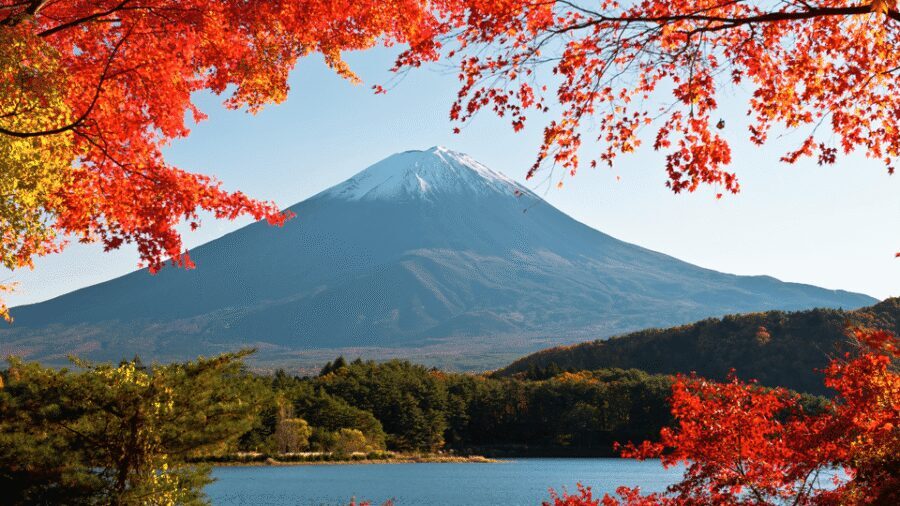
- Private pacing means you can slow down for photos and walks instead of sticking to a rigid schedule
- Narusawa Ice Cave offers real volcanic-formed ice, not a gimmick
- Fugaku Wind Cave connects geology to human use, including a silkworm-egg past
- Lake Kawaguchi area stops (Oishi Park and Saiko Nenba-hama) keep the scenery rolling without rushing
- Aokigahara Forest feels quieter once you focus on the trails and ecosystem, not the headlines
Private Car Pacing From Central Tokyo: Why This Feels Different
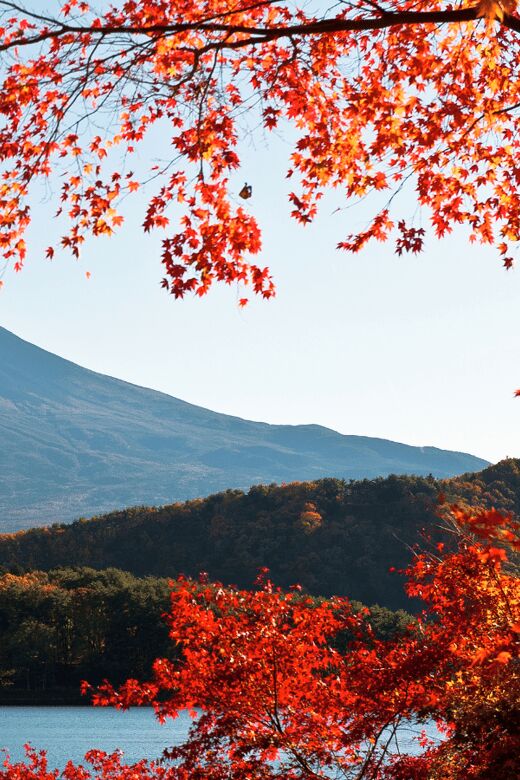
This tour is built around one idea: you don’t have to wait for other people’s photo timing. Your day runs for about 10 hours in a modern, air-conditioned vehicle with pickup and drop-off in Tokyo’s 23 wards. For a group of up to 5, the price can feel fair because you’re paying for a private ride for the group, not per person.
The English-speaking driver is also more than a chauffeur. You can ask for travel advice and help with what to do at each stop, and the route is flexible enough that your day doesn’t feel like a checklist. In a place like Mt. Fuji’s region, where weather and visibility can change fast, that kind of flexibility is a real advantage.
One practical note: attraction tickets and food are not included. That’s common on Japan day tours, but it does mean you should budget a bit extra for entrance fees and snacks.
Other Mount Fuji tours we've reviewed at Mt Fuji & Kawaguchiko
Oishi Park at Lake Kawaguchi: Flowers Framing Fuji
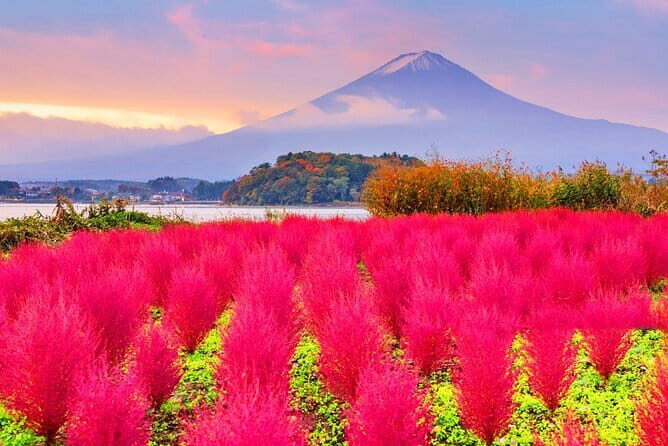
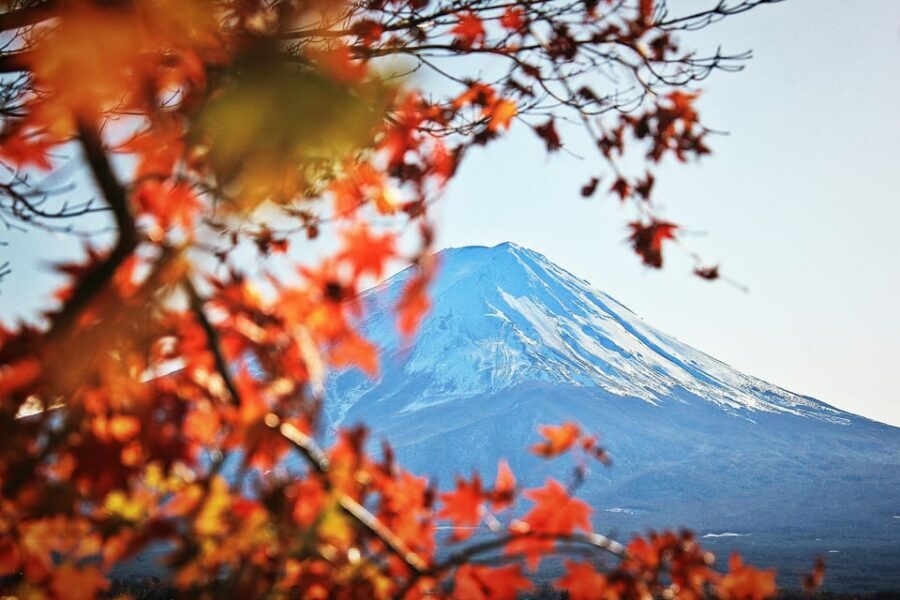
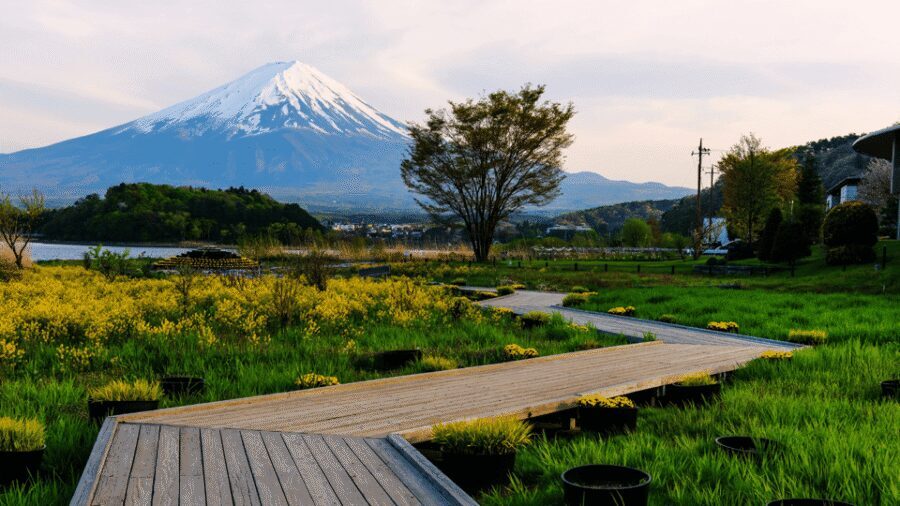
Your first major stop is Oishi Park on the Lake Kawaguchi side, with about an hour for photo stops, visiting, and a walk. This is where Mt. Fuji often feels most picture-ready: you get wide viewpoints, plus seasonal flowers that help frame Fuji in the background.
Why it’s worth your time: Oishi Park isn’t just a parking-lot view. The walking portion gives you a chance to reposition for photos and find angles that don’t feel like standing in the same spot as everyone else. If you’re chasing the classic Fuji composition, this is the place to try early in the day while light is still forgiving.
What to watch for: even with great views, the mountain can hide behind cloud. When it does, treat the park as a scenic walk by itself, not a failure. Dress for cool air around the lake too, and wear shoes that handle uneven paths.
Saiko Nenba-hama: A Calmer Lakeside Pause
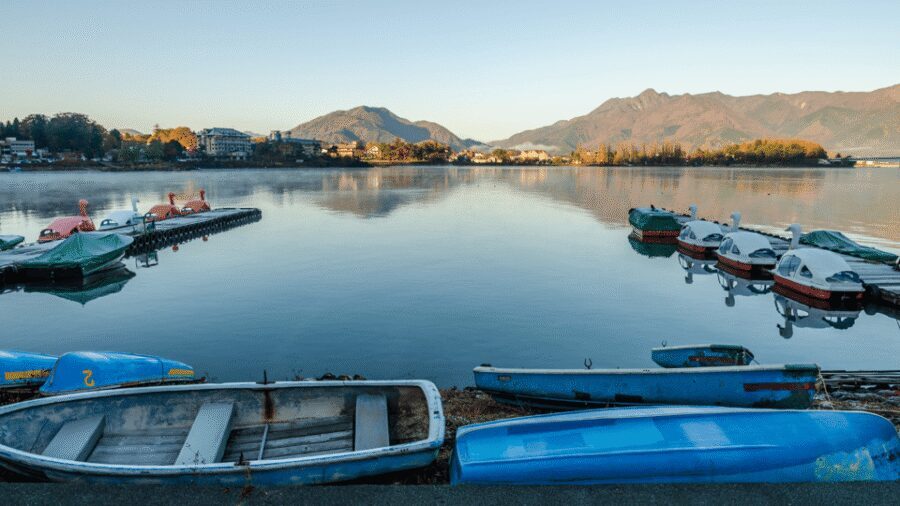
Next up is Saiko Nenba-hama, another lakeside area with about an hour for photos and walking. This stop is quieter than the most famous Fuji photo corridors, and that’s the point. It’s a good moment to reset before the caves and forest, especially if you want a slower, more natural-feeling break.
Expect a relaxed lakeside vibe and a close sense of the water and shore. Saiko Nenba-hama can also be a nice lunch-friendly spot because you’ll typically have time to find a bench area and eat without rushing. If you brought snacks, this is where they make the most sense.
Small drawback: because it’s more low-key, you might need to bring your own motivation. If you love viewpoints and water textures, you’ll probably enjoy it. If you want nonstop “wow” stops every 10 minutes, you may find this one more of a breather than a climax.
Tatego-Hama Beach by Lake Motosuko: Fuji Views Without the Crowds
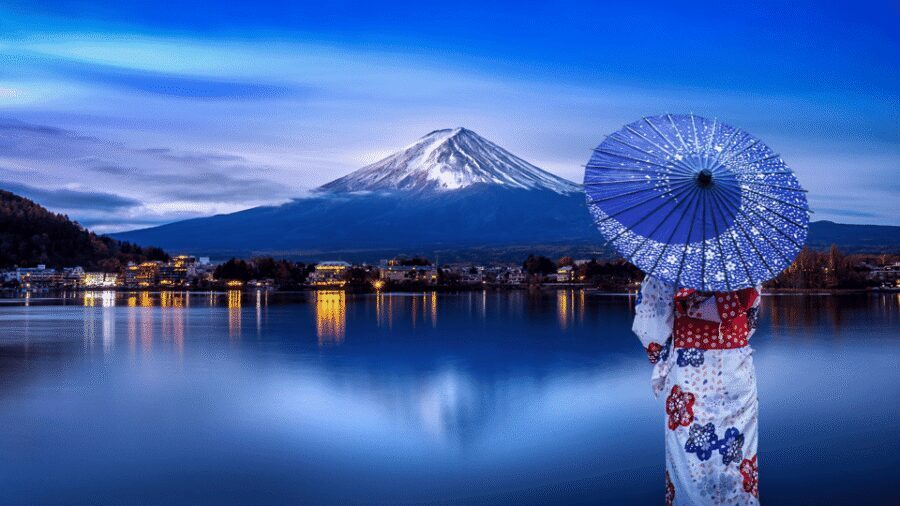
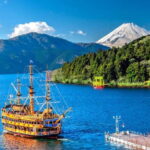
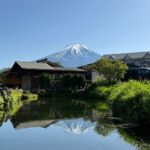
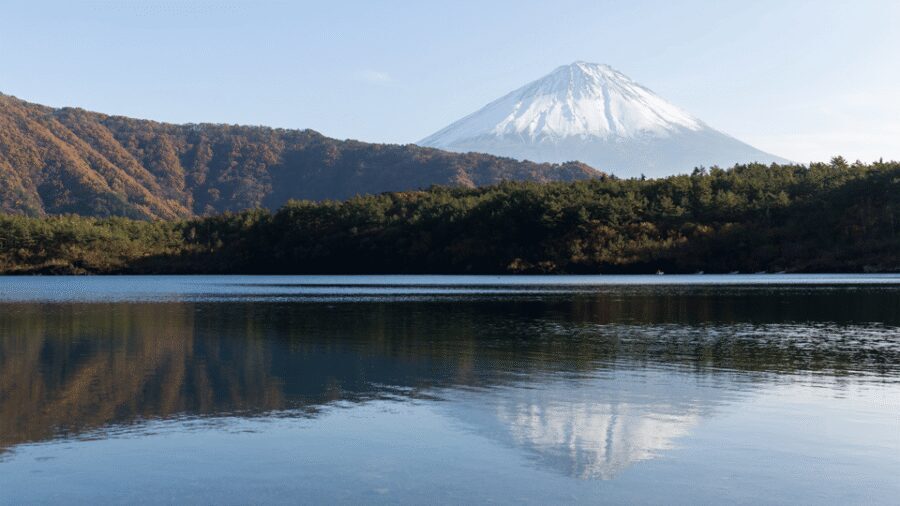
Tatego-Hama Beach is another about-hour visit for photos, strolling, and sightseeing. It’s on Lake Motosuko, and the selling point is tranquility: crystal-clear water and strong Mt. Fuji views when conditions are right.
What I like about beach stops in this region is how they change the day’s rhythm. After parks and lake promenades, the beach gives you a different texture—shoreline light, reflective water, and that quiet pause that makes the entire Fuji trip feel less like transportation and more like a day out.
Practical tip: this is a place to bring your camera and take the extra 5 minutes to check whether the mountain is visible from more than one angle. The view can shift with your position and the weather.
If Fuji is hidden, don’t skip the walk. You’ll still get the calm of the lakeside and the chance to stretch, which matters before the more enclosed cave areas later.
Narusawa Ice Cave: Volcanic Ice and a Real Comfort Check
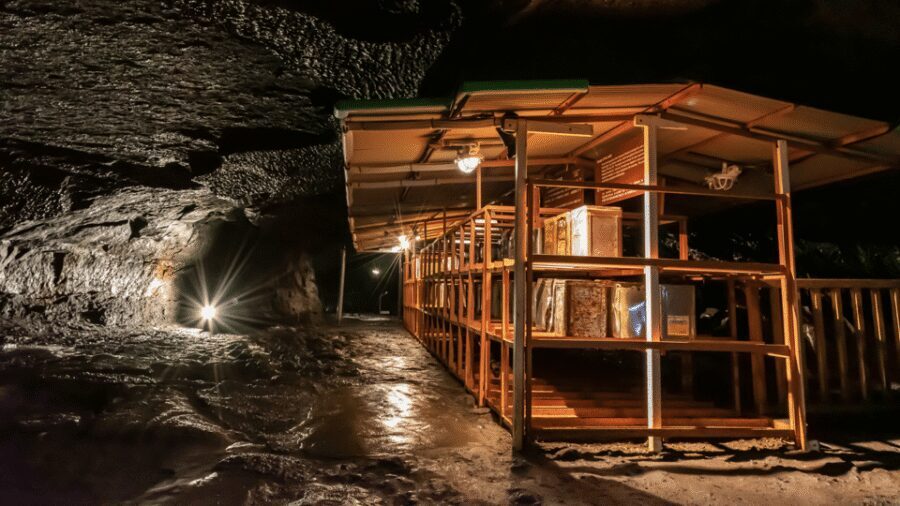
Now for the stop people remember: Narusawa Ice Cave. You’ll have about an hour for photo stops, visiting, and walking through. The cave is formed by Mt. Fuji’s eruptions, and the big draw is that you can see ice inside a cave environment.
This is where you should be a bit honest about your comfort level. There’s a specific warning in the tour’s guidance: it’s not suitable for claustrophobia, and some cave sections can involve crawling. That matches what you can run into underground—tight spots, low ceilings, and limited personal space.
Also: the cave can be closed at times. If it’s closed on your date, the rest of the tour doesn’t disappear, but you’ll want to plan your day mentally around the possibility that the ice-cave moment might be swapped or reduced. If you’re the type who built your schedule around that one stop, add a little flexibility to your expectations.
Still, if you can handle the cave, this stop gives you something most Fuji days skip: a physical reminder that Fuji isn’t just scenery. It’s geology you can walk near.
Fugaku Wind Cave: Silkworm Eggs, Ventilation, and Geology You Can Feel
After the ice cave, you’ll visit Fugaku Wind Cave (again, around an hour for photos, visiting, and walking). This cave is known for geological significance and a human connection too: it was once used to store silkworm eggs.
Here’s why that detail matters. When a cave has a purpose in history, it usually means the cave environment (like temperature control or airflow) is unusually stable. “Wind cave” also hints at air movement, and caves like this tend to feel different from the ice cave—more about airflow and environment than sheer frozen spectacle.
What to expect physically: you’ll still be underground, and it’s still a cave environment. The tour guidance flags cave-related comfort needs, so if you’re already uneasy in tight spaces, keep that in mind.
What I’d do in your shoes: treat this as the chance to connect the dots between “look at Fuji” and “understand how Fuji shaped everything.” Even without deep technical geology, you’ll likely come away with a story you can share later.
Aokigahara Forest Walk: Quiet Trails Beyond the Headlines
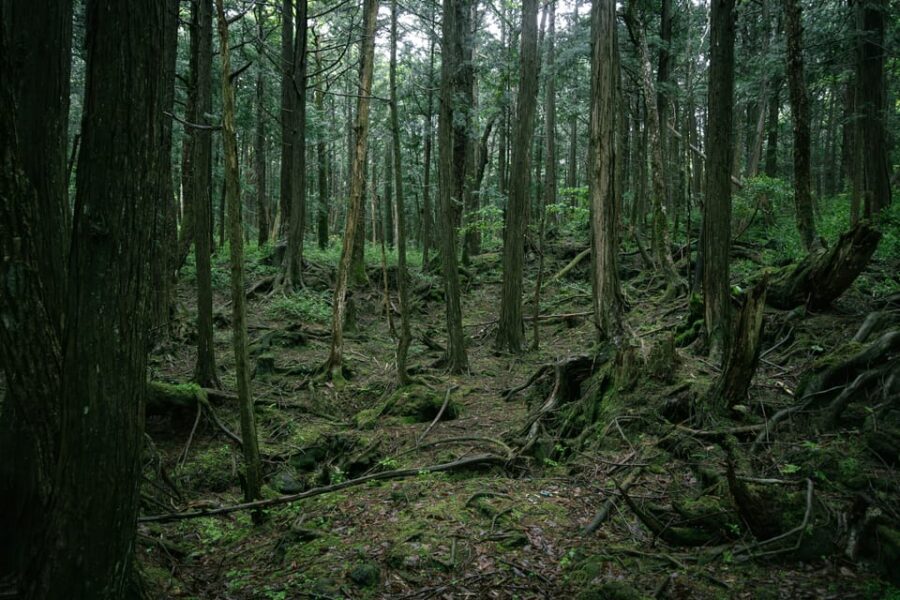
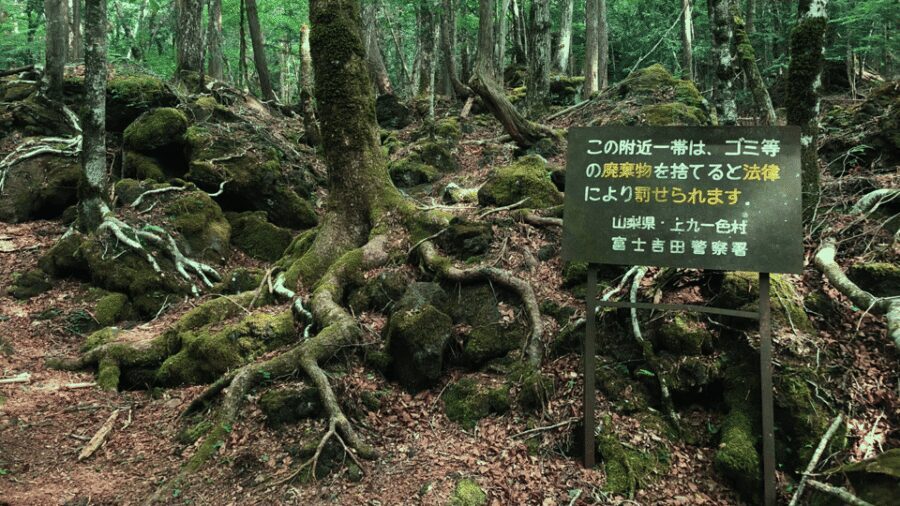
Next is Aokigahara Forest, with about 1.5 hours for photos, visiting, and sightseeing. The forest has a reputation tied to tragic headlines, and that reputation follows it everywhere. But on this tour, you’re walking with a focus on the place itself—trails, ecosystem, and that unusual stillness you get when you’re surrounded by dense forest.
Why I think this stop is worth it: a guided day with transport makes it easier to keep your attention where it belongs. When you’re not stressed about navigation, you can slow down and actually notice the forest’s rhythms—shade changes, sounds under the canopy, and the feel of being away from modern noise.
That said, it’s not a walk for everyone. The tour isn’t positioned for people who want a casual, lighthearted stroll with zero weight to the atmosphere. If you’re sensitive to dark reputations, consider whether you’d prefer an alternative Fuji area instead.
Comfort and safety basics: wear good shoes. Paths can be uneven, and the forest setting makes surfaces feel damp. Bring warm layers too, because temperatures can drop under trees even when the city is mild.
Transport Comfort and Time Management: The Driver Makes the Day
The vehicle is modern and air-conditioned, which you’ll appreciate in both warm and changeable weather. Pickup is from central Tokyo, and the tour includes hotel pickup and drop-off from Tokyo’s 23 wards.
Timing matters here because Mt. Fuji region traffic can stretch your day. A private car helps, but the real win is having an English-speaking driver who can adapt your stop order if visibility improves or if you simply need more time somewhere. Some drivers also help with small questions like where to find restrooms along the way, which can make a 10-hour day feel much easier.
If your schedule gets tight, you’ll also want to know about overtime. There’s a charge for overtime past the allotted time (paid in cash to the driver). So if you’re planning extra stops, do it with a “keep the schedule realistic” mindset.
What You’ll Pay For Beyond the Tour Price
The price is listed as $577 per group (up to 5), which means you’re effectively booking a private full-day ride plus the driver service. Where the value gets real is when you compare it to paying for multiple taxis or separate ticketed transfers—this bundles the transport and keeps your day coherent.
Still, two big cost items are not included:
- Entrance fees for the attractions
- Food and drinks
You can have food in the car under specific rules. No alcohol is allowed in the vehicle, and if the vehicle ends up unusually dirty, a cleaning fee can apply. In plain terms: bring snacks, but keep it clean, and drink your liquids without making a mess.
My practical budgeting advice: plan for entrance fees for the caves and any paid viewing areas you use. Then pack a light snack and water so you don’t have to scramble for lunch timing.
Who This Tour Suits Best (and Who Should Rethink)
This is a strong fit if you want:
- A private day with flexibility
- Fuji sights plus geological stops (ice and wind caves)
- A less crowded feel around the lake viewpoints
- Time to walk at your own pace instead of rushing
It’s also a good match for people who like variety: parks, shoreline views, caves, then forest. That mix keeps the day from turning into one long “just drive and look” experience.
You may want to rethink it if:
- You have claustrophobia, since cave areas can involve tight, enclosed spaces
- You need wheelchair accessibility, since the tour isn’t suitable for wheelchair users
Also consider your personal comfort with Aokigahara’s reputation. You don’t have to be scared to choose this, but you should be sure you’re emotionally okay treating the forest with care and respect.
Tips to Make the Most of Your Fuji Day
A few things I’d do before you go:
- Wear comfortable shoes with real grip, especially for cave and forest walks.
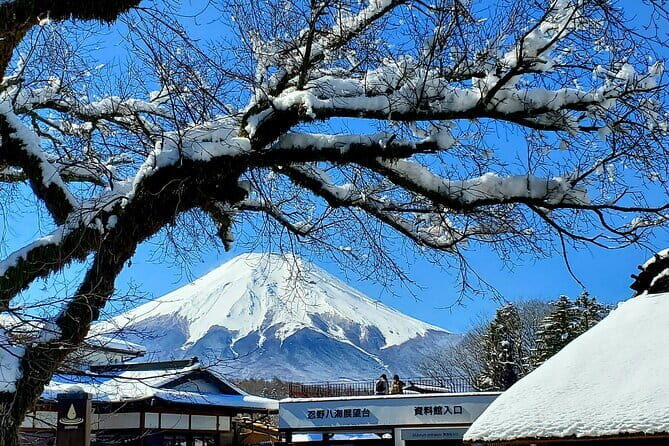
- Bring warm clothing, even in nicer weather. Lakes and caves can feel colder.
- Pack water and snacks so you’re not waiting around for food options.
- Bring a camera and give yourself time to take multiple angles at the lakes.
And on the day, keep your day flexible with small choices:
- If Fuji shows briefly, take the shot and move, because visibility can change fast.
- If the caves feel too much, you can reduce your time inside and focus on the lakes and forest portions.
This isn’t a tour where you must prove anything. It’s one day. Choose comfort, then choose wonder.
Should You Book This Tokyo to Mt. Fuji and Aokigahara Private Day?
If you want a private, paced Fuji day with real variety—lakes with seasonal flower views, two cave experiences tied to Fuji’s geology, and a thoughtful forest walk—this tour is a strong choice. The private car setup and English-speaking driver make it easier to manage your time and enjoy the day without feeling rushed.
The key reason to hesitate is the cave reality: ice cave access can be closed, and cave spaces aren’t for everyone. If you’re sensitive to enclosed areas, skip it. If you’re okay with caves and you can flex around possible closures, you’ll likely get one of the more memorable Mt. Fuji day formats out there.
FAQ
How much does the tour cost?
It’s priced at $577 per group, up to 5 people, for a total of about 10 hours.
What’s included in the price?
You get an English-speaking driver, hotel pickup and drop-off from central Tokyo (Tokyo’s 23 wards), and a modern air-conditioned vehicle for the 10-hour tour.
Are entrance fees and meals included?
No. Entrance fees and food and drinks are not included, though food is allowed in the car with rules (no alcohol, and cleaning fees may apply if the vehicle gets unusually dirty).
Where does pickup and drop-off happen?
Pickup and drop-off are included for hotels in Tokyo’s 23 wards. Other areas may require a surcharge paid before or on the day.
What should I bring for this tour?
Bring comfortable shoes, warm clothing, a camera, snacks, water, and cash for places where you’ll need to buy tickets.
Is the tour suitable for claustrophobia or wheelchair users?
No. It’s listed as not suitable for people with claustrophobia and not suitable for wheelchair users.