REVIEW · TOKYO
Japan’s Best Mount Fuji Tour
Book on Viator →Operated by FawSha Travels · Bookable on Viator
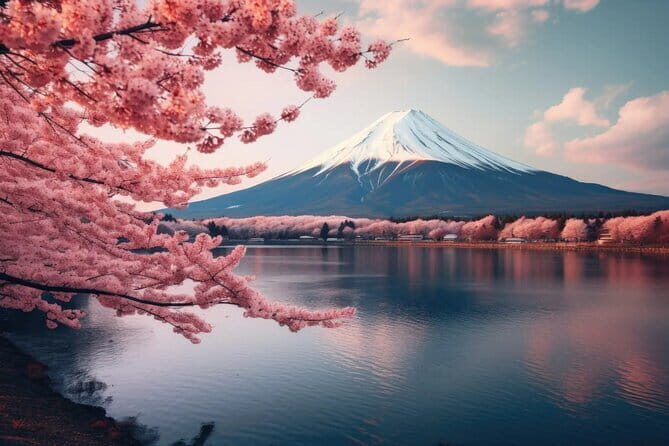
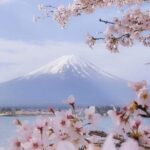
Spring can make Mount Fuji look unreal. This Japan’s Best Mount Fuji Tour strings together multiple Fuji viewpoints, plus a Shinjuku pickup, cherry-blossom season energy, and time for a gourmet lunch in Fujiyoshida. I especially like that you’re not stuck on one photo spot all day—you get several chances to catch the mountain in clear light.
The tour also has a practical flow: short included admissions at the key sites, a real walk around Honcho Street, and a calm stop at Saiko’s Healing Village. One possible drawback: Mt. Fuji visibility can change fast, and crowds at certain lookouts can limit what you see.
You’ll be on a bus for much of the day, with a clear schedule (departing Shinjuku around 8:30 and returning near 18:00). It’s designed for travelers with moderate walking—so bring comfortable shoes, and plan for some uphill spots and viewpoints.
In This Review
- Key things to know before you go
- Shinjuku start: where the day really begins
- Stop 1: Kogakuin University Shinjuku Campus (the warm-up)
- Stop 2: Arakurayama Sengen Park with city-and-Fuji views
- Stop 3: Fujiyoshida and Honcho Street (the lunch-and-stroll hour)
- Stop 4: Mount Fuji viewpoint stop (short, but atmospheric)
- Stop 5: Oishi Park by Lake Kawaguchi (only for April to June)
- Stop 6: Saiko Iyashi no Sato Nenba (Healing Village, included entry)
- Stop 7: Back to Shinjuku Station and the end-of-day reset
- Price and value: is $77 a fair deal?
- Guide quality and group size: how the day feels
- Practical tips that prevent day-trip headaches
- Who this tour suits best
- Should you book Japan’s Best Mount Fuji Tour?
- FAQ
- How long is the Mount Fuji tour?
- Where do you meet for the tour?
- What time does the tour start?
- What time does the tour return to Shinjuku?
- Is lunch included?
- Do I need to pay for entry tickets?
- Is the Oishi Park stop always included?
- Does the tour require walking or physical effort?
Key things to know before you go
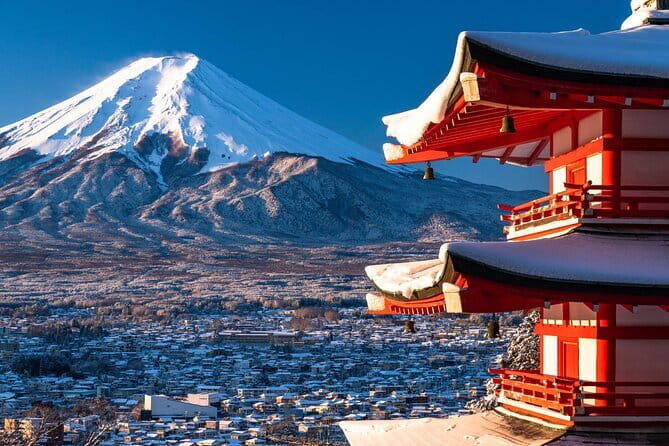
- Multiple Fuji viewpoints, not one: Arakurayama Sengen Park, a Mount Fuji lookout stop, and lake-area parks all give you different angles.
- Small group, join-in style: max 8 travelers per booking, with other guests possible since it’s a shared tour.
- Honcho Street time for lunch: you get a built-in window to wander and eat in Fujiyoshida.
- Seasonal stop at Oishi Park (April to June): if your departure matches those months, you’ll get the lake-and-flowers view there.
- Saiko Iyashi no Sato Nenba included: the Healing Village gives you a more old-Japan feel beyond just scenery photos.
- Cash matters around Fuji: many places only take cash, so carry enough yen.
Shinjuku start: where the day really begins
The meeting point is Kogakuin University Shinjuku Campus (1-chōme-24-2 Nishishinjuku). You’ll want to arrive early—about 10 minutes before departure—because the tour leaves on time and the day is built around that.
At 08:20, you’ll be guided from the West Exit of Shinjuku (the Central West Exit underground). Follow signs toward the Chuo-dori Underpass and the Tokyo Metropolitan Government Building, then emerge onto the street and walk a minute or two to the university entrance area near Keio Plaza Hotel. If you’re trying to avoid stress, give yourself extra buffer if you’re juggling phone maps and Japanese station signage.
This start area is also useful in a practical way: once you know where this meeting spot is, you can come back to Shinjuku easily later for dinner on your own. That matters because the tour ends back at the meeting point.
Other Mount Fuji tours we've reviewed at Mt Fuji & Kawaguchiko
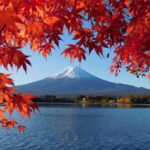
Stop 1: Kogakuin University Shinjuku Campus (the warm-up)
This first stop is basically your launchpad—30 minutes, free admission. You’re not there to sightsee; you’re there to get sorted, match your timing, and find your bus with your group.
What I like about this approach is that it reduces the chance you’ll miss the whole chain of stops. A lot of Japan day tours fail simply because the meeting point is confusing. Here, the instructions are very specific: aim for the Tokyo Metropolitan Government Building area and the Keio Plaza Hotel landmark across the street.
Stop 2: Arakurayama Sengen Park with city-and-Fuji views
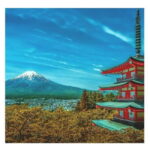
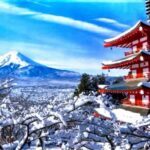
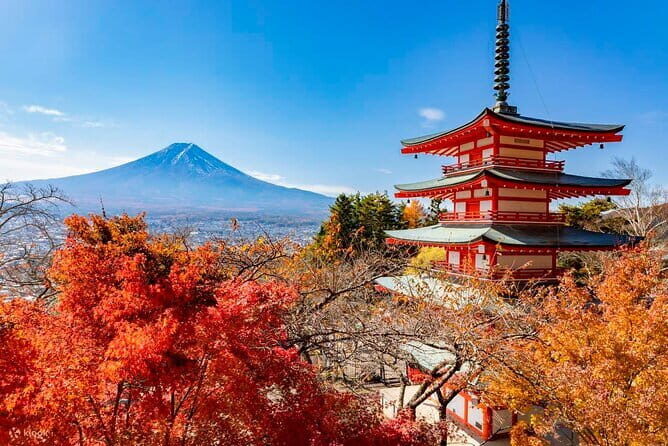
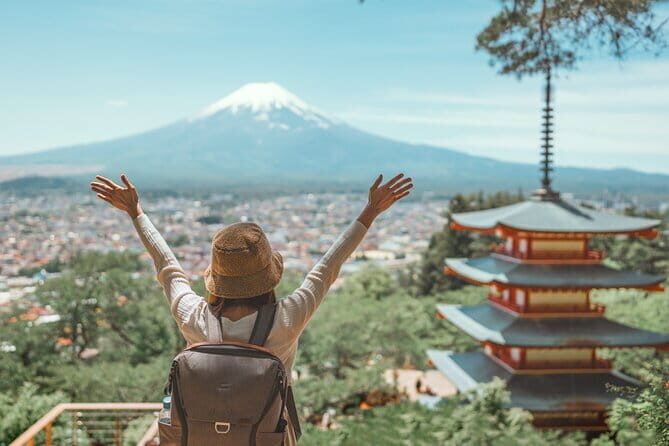
Your next move is to Arakurayama Sengen Park, where you can see a panoramic spread of the city with Mount Fuji in the background. The tour gives you about 1 hour, and admission is included.
This is a key stop because it sets the tone for the day. It’s also where conditions matter: clear skies mean a crisp Fuji silhouette. If clouds roll in, the view can soften or disappear. Either way, it’s still a good photography and lookout zone, and you’ll quickly learn whether your best chance for Fuji is early or later.
When I’m choosing a Mount Fuji day trip, I want at least one stop designed for wide views—and this one is. The park also helps you feel the geography shift: you go from Tokyo’s dense geometry into the Fuji region’s open-air rhythm.
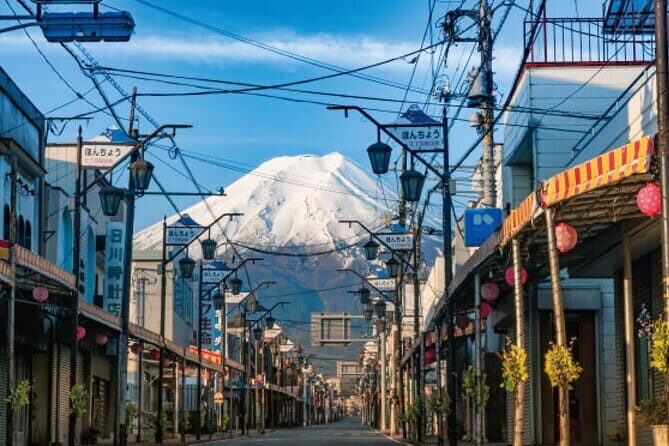
Stop 3: Fujiyoshida and Honcho Street (the lunch-and-stroll hour)
You’ll reach Fujiyoshida, then spend time on the iconic Honcho Street. You get around 2 hours total, with about 90 minutes for lunch.
Lunch is not included, so treat this as your chance to make the meal choice you want. What works well here is simple: choose something local and grab-and-go if you want to keep walking without slowing the group too much. If you’re following dietary needs, plan ahead—Japan’s small shops can be great, but menus aren’t always obvious if you rely on English labels.
I like Honcho Street time because it breaks the monotony of parking-lot sightseeing. You get the human side: streets made for wandering, snacks, souvenir shops, and the easy feeling that you’ve left the train-station circuit behind.
One practical note: many places around Mount Fuji run on cash, so don’t assume card payments will be universal. Having yen in hand is one of those small moves that saves a lot of hassle.
Stop 4: Mount Fuji viewpoint stop (short, but atmospheric)
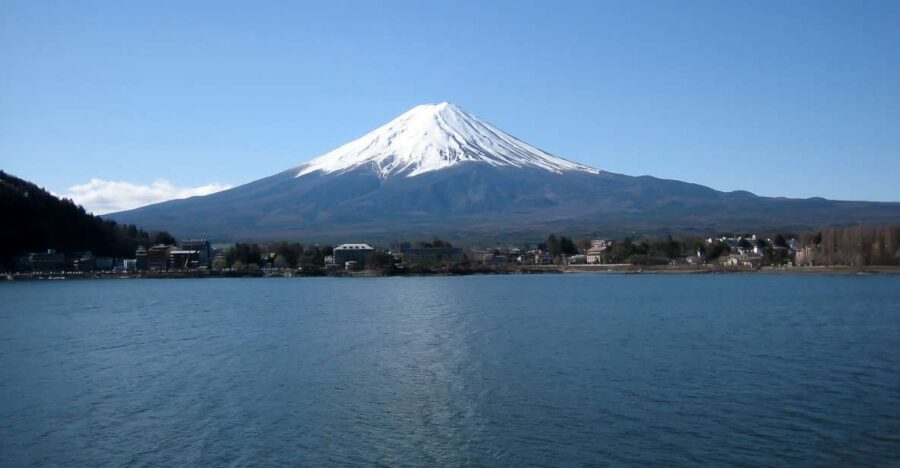
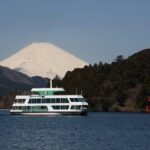
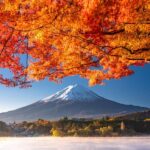
After Fujiyoshida, the itinerary includes a dedicated Mount Fuji stop, about 30 minutes with free admission. It’s not long, but it’s enough time to pause, look up, and decide what to photograph quickly.
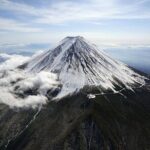
This is also the part of the day where expectations should stay flexible. Mount Fuji visibility can swing due to wind, haze, and cloud cover. If Fuji is clearly visible, you’ll want to spend the full window composing shots and enjoying the air. If it’s not, keep calm and focus on the atmosphere—this tour is built to give you several chances, so one short stop won’t make or break your day.
Also, because this is a shared tour schedule, you’ll want to keep moving at the pace set by the guide. The tour includes short windows, and running late can shorten what you personally get out of the view.

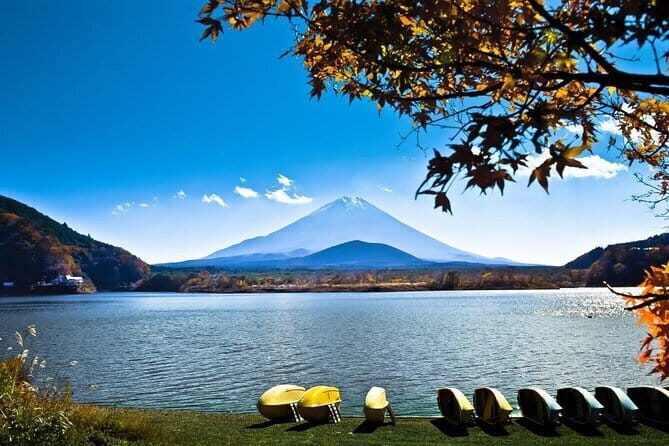
Stop 5: Oishi Park by Lake Kawaguchi (only for April to June)
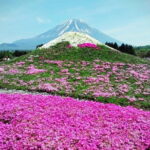
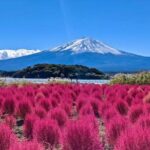
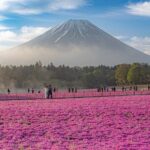
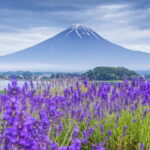
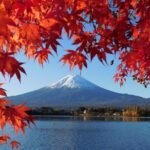
Depending on your departure month, you may stop at Oishi Park, located by Lake Kawaguchi with views over the lake and Mount Fuji, plus seasonal flowers. It’s listed as stopover only for departures from April to June, with about 1 hour and admission included.
If you’re traveling in that spring window, this stop can feel like the classic Fuji-cards you’ve seen online—lake reflections, flower season, and wide skies. Even if Fuji isn’t perfectly visible, the lake setting is still a pleasant break from streets and temples.
If you’re traveling outside April to June, don’t worry: you’ll still get other viewpoints and the Healing Village. Just know that Oishi Park may not appear on your exact version of the itinerary.
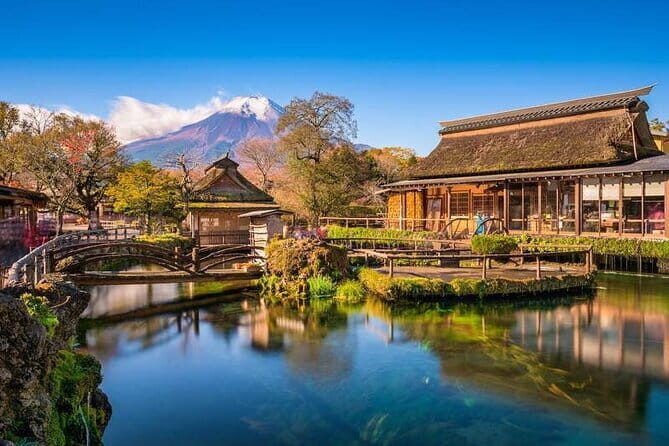
Stop 6: Saiko Iyashi no Sato Nenba (Healing Village, included entry)
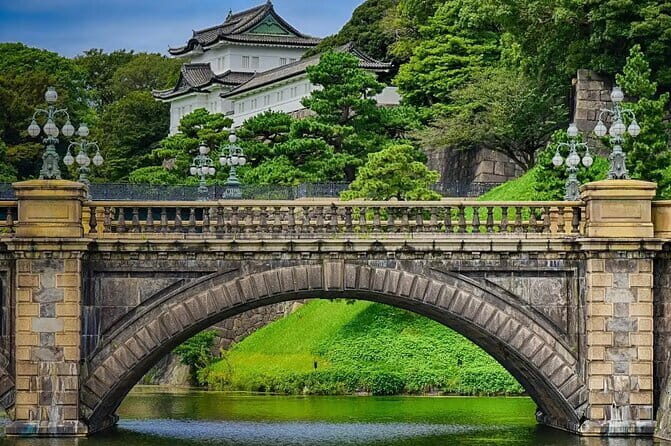
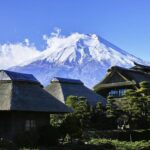
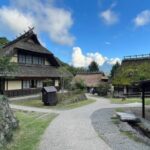
This is one of the more interesting stops because it’s not only about views. Saiko Iyashi no Sato Nenba, often described as a Healing Village, gives you a nostalgic look at traditional Japanese scenery. You’ll have about 1 hour, and entry is included.
I like this stop because it adds variety. After chasing viewpoints, you get a slower-feeling place where you can look around at structures, atmosphere, and the sense of time stretching out. It’s also a good moment to take a breath if the morning has been fast and the bus day feels long.
Here’s the practical side: wear shoes that handle uneven pavement and small walking paths. The tour asks for moderate physical fitness, and a comfortable shoe choice helps you enjoy the village rather than rushing through it.
Stop 7: Back to Shinjuku Station and the end-of-day reset
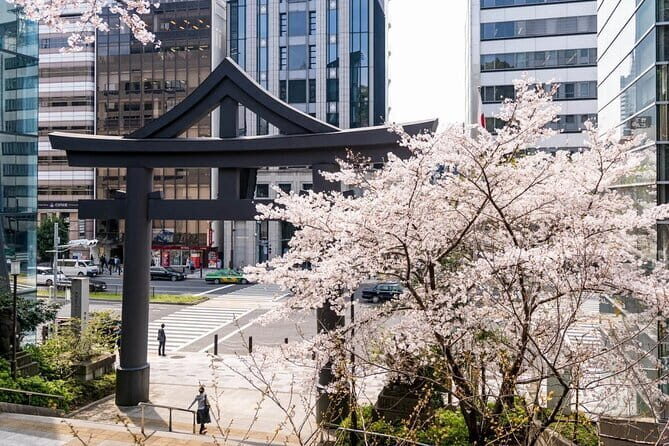
The tour returns with an arrival at Shinjuku Station around 18:00 (the scheduled arrival is 6:00 pm). Your tour ends back at the meeting point area.
This timing is useful because it gives you a full evening after you get back. You can eat where you want, go shopping, or just decompress. If you’re planning other commitments that night, keep them flexible—travel time can shift with traffic.
One more reality check: road and congestion issues can shorten stops, and arrival times can slip. The good news is that the itinerary is still structured to cover the main highlights. The caution is simple: don’t plan a hard-to-miss reservation right after the tour.
Price and value: is $77 a fair deal?
At $77 per person, this tour is priced like a budget-friendly day trip for the amount of transportation and sightseeing structure you get. You’re paying for more than a ride: you’re getting multiple guided stops around Fuji, a long enough block for a lunch wander, and included admissions like Saiko Iyashi no Sato Nenba.
What makes the value feel real is the mix. Some stops are viewpoint-heavy, some are street time in Fujiyoshida, and one is a cultural-feeling village with included entry. If you were to piece together trains, buses, parking, and separate attractions yourself, costs and friction usually rise quickly.
The main thing you’re trading off is flexibility. This isn’t a slow, choose-your-own-day setup. You follow the schedule, and weather can affect what you see—especially Mount Fuji itself.
Guide quality and group size: how the day feels
This tour runs with a maximum of 8 travelers per booking, but it’s still a join-in tour, so you may share the bus with other groups. That’s a nice middle point: smaller than large coach tours, but still social.
In the best versions of the experience, guides focus on clear communication and helpful guidance. You might get a guide such as Sam, noted for strong English conversation and in-depth cultural context. Even if your guide isn’t Sam, the tour’s design suggests you’ll get a real guide-led day rather than a loose hop-on hop-off setup.
Bus rules also matter. Food and drink on the bus are prohibited, and loud talking is limited as a COVID-era measure. That means you’ll want to use the stop times for snacks and meals—then settle in during the drive.
Practical tips that prevent day-trip headaches
Mount Fuji day trips can go smoothly or feel chaotic depending on small choices. Here’s what helps most based on how the tour operates.
Bring enough cash in yen
Many spots around Mount Fuji accept cash only. You’ll use it for snacks, souvenirs, and lunch options since meals aren’t included.
Wear comfortable walking shoes
You’ll do some walking and light climbing at parks and lookouts. Comfortable shoes turn a stressful scramble into a pleasant stroll.
Be early at the meeting point
Arriving 10 minutes before departure helps everything. If you’re late, the tour timing won’t wait, and a delayed return can become your problem.
Plan for visibility uncertainty
If Mount Fuji is hidden by cloud at one stop, you still have other chances later in the day. Keep expectations flexible and ready for photos that may be more atmospheric than crisp.
Who this tour suits best
This is a strong fit if you want a structured day around Mount Fuji without managing train transfers and parking. It’s especially good for first-timers who want the highlights—city view at Arakurayama, street time in Fujiyoshida, lake-region scenery, and the Healing Village.
It’s also a good choice for people who like a guide’s context. A good guide can turn quick stops into meaningful moments by explaining what you’re seeing and what the seasonal details mean.
If you’re the type who needs full control over timing—lingering for hours in one place—this tour may feel too scheduled. The windows are real and sometimes short, and the day can shift with traffic or weather.
Should you book Japan’s Best Mount Fuji Tour?
I’d book it if you want value, structure, and multiple Fuji chances in one day. The $77 price, the included transport/tolls/taxes, and included access at Saiko Iyashi no Sato Nenba make it a practical way to do the region.
I’d think twice if your trip dates are very tight and you can’t handle schedule changes. The tour can shorten stops due to weather or road congestion, and Mount Fuji visibility isn’t guaranteed—sometimes it’s right there, and sometimes it’s hiding behind clouds.
My rule of thumb: if you’re okay with a plan that adapts, and you want a day trip that covers the main Fuji sights in a sensible order, this one fits well. If you need guaranteed views at a single iconic spot, you may prefer a more flexible, independent plan.
FAQ
How long is the Mount Fuji tour?
It runs about 7 to 8 hours.
Where do you meet for the tour?
You meet at Kogakuin University Shinjuku Campus in Nishishinjuku, Shinjuku.
What time does the tour start?
Meeting is around 08:20, with the tour starting from there and departing at about 8:30 am.
What time does the tour return to Shinjuku?
You’re scheduled to arrive back around 18:00 (around 6:00 pm).
Is lunch included?
No. Meals are not included, but the itinerary includes time for lunch in Fujiyoshida.
Do I need to pay for entry tickets?
Some stops are free admission, and Saiko Iyashi no Sato Nenba entry is included. The tour also lists admission included for Arakurayama Sengen Park and Oishi Park (when your departure includes it).
Is the Oishi Park stop always included?
No. Oishi Park is only included for departures from April to June.
Does the tour require walking or physical effort?
Yes, you should have moderate physical fitness, and you’ll want comfortable walking shoes due to some walking/hiking involved.