REVIEW · TOKYO
Best Mt Fuji and Hakone Full-Day Bus Tour from Tokyo
Book on Viator →Operated by Beauty of Japan · Bookable on Viator
One day. Two icons of Japan. This full-day shared bus tour is a smart way to see Mt. Fuji and Hakone without handling train transfers, lineups, and ticket math in the middle of your Tokyo trip. Two standout parts for me are the ninja-themed stop at Oshino Shinobi no Sato and the fact you travel with a professional English guide—on at least one recent run, Yuki-san was praised for being kind and useful with on-the-ground tips.
The main thing to watch is that Fuji-area access can depend on conditions. If visibility is limited, the visit is still on the clock, and you only get about 30 minutes at Mt. Fuji 5th Station before the day moves on.
In This Review
- Key takeaways before you go
- Why this shared bus day trip feels worth it from Tokyo
- Start in Shinjuku: the i-Land tower meeting point and early rhythm
- Mt. Fuji 5th Station: the photo window and weather reality
- Oshino Shinobi no Sato: ninja theming plus a Fuji-adjacent mood
- Owaku-dani Valley and the Hakone Ropeway ride
- Lake Ashi Wild Grass Garden and the cruise for Fuji views
- Hakone Jinja and the Torii of Peace on the water
- Odawara Station: your options and how the day wraps up
- Small-group touring with English guide and multilingual audio support
- Practical tips to get better photos and a smoother day
- Who this Mt. Fuji and Hakone bus tour suits best
- Should you book this Mt. Fuji and Hakone full-day tour?
- FAQ
- Where is the meeting point for this tour?
- What time does the tour depart?
- How long is the tour?
- Where does the tour end?
- Is the tour ticket mobile?
- What are the main stops during the day?
- Is the Mt. Fuji stop weather dependent?
- What’s included in the price?
- What is not included?
- How big is the group?
- What is the cancellation policy?
Key takeaways before you go
- Small group (max 15): shared touring without feeling packed-in.
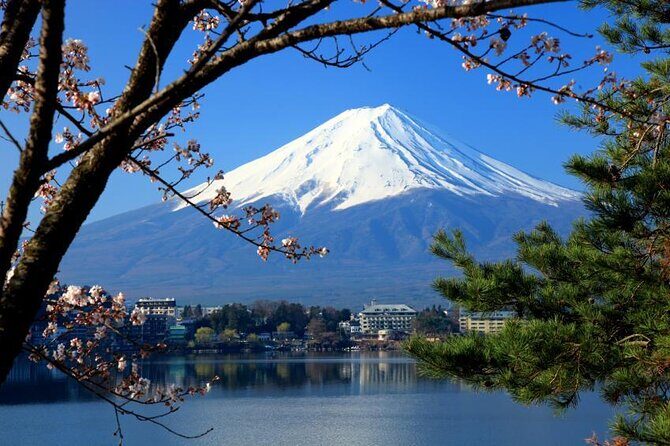
- Photo-first itinerary: Fuji, Hakone Ropeway, Lake Ashi cruise, and a famous torii shot.
- Ninja stop included: Oshino Shinobi no Sato adds a fun break from pure scenery.
- Big-ticket sights are covered: ropeway fee and Lake Ashi cruise are included.
- Multilingual audio backup: English and several other languages help if your guide is busy.
- You must start early: check-in at 7:50am, depart at 8:00am from Nishishinjuku.
Why this shared bus day trip feels worth it from Tokyo
At $188.59 per person, this isn’t the cheapest way to do Fuji + Hakone. But when you look at what’s bundled, it becomes easier to justify. You’re paying for shared transport, an English-speaking professional guide, buffet lunch, and key transport/admission pieces like the ropeway fee, the Shinobi no Sato admission, and the Lake Ashi cruise.
If you’re doing Fuji and Hakone by yourself, you’ll likely spend a lot of time sorting routes and separate tickets. With this tour, you get a tight schedule that is designed to compress the best-known highlights into one single day.
You also get a big practical advantage: mobile ticket. That matters on Japan days when you’re bouncing between stations and boarding points and you don’t want to hunt for paperwork.
The “watch out” side is the same thing that makes it good value for many people: the timing is fixed. You’ll have limited flexibility if you want more time at one stop, or if crowds push you along faster than expected.
Other Mount Fuji tours we've reviewed at Mt Fuji & Kawaguchiko
Start in Shinjuku: the i-Land tower meeting point and early rhythm

The meeting point is in Nishishinjuku, at the LOVE statue in front of the i-Land tower. The address is listed as 6-5-1 Nishi-shinjuku, Shinjuku, Tokyo. Check-in starts at 7:50am with departure at 8:00am.
That early start is not random. Hakone and the Fuji area can get busy, and this itinerary is built to hit the Fuji viewing window around late morning. If you’re staying in Shinjuku (or close enough to reach it easily), this is a convenient setup because you’re not fighting hotel pick-ups or long pre-trip transfer legs.
One small logistical tip: give yourself a little buffer to find the correct spot in Nishishinjuku. “In front of i-Land tower” is clear, but Shinjuku is still Shinjuku—doors, underpasses, and station exits can eat time fast.
At the end of the day, you return to Shinjuku Station West Exit (about 70 minutes after Odawara), unless you choose an option that ends at Odawara Station.
Mt. Fuji 5th Station: the photo window and weather reality
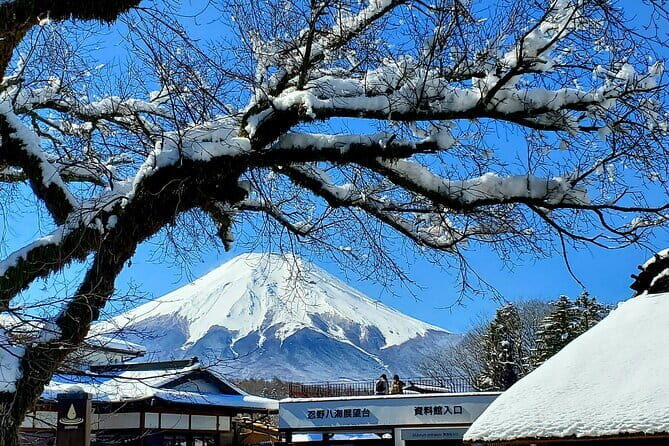
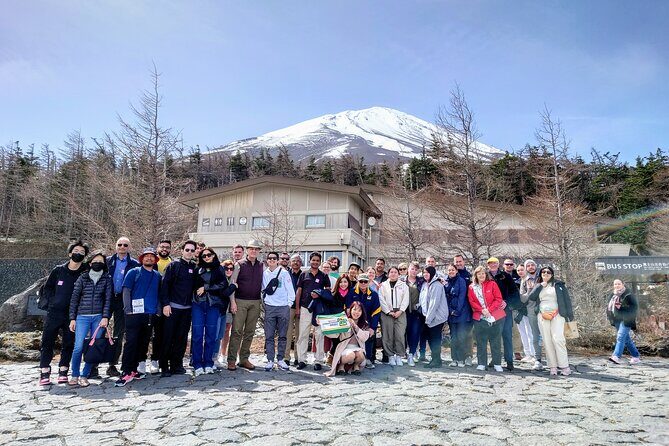
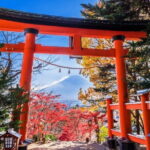
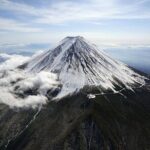
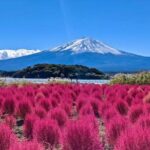
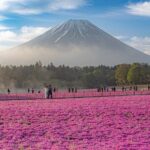
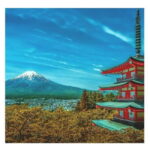
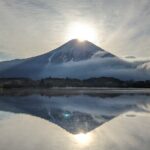
Your Fuji visit happens at Mt. Fuji 5th Station (Subashiri Trail), reached around 10:30am. The tour notes it’s on the eastern side of Mt. Fuji and is about 2,000 meters from sea level.
What I like here is the clarity: you’re not just passing by a view point and hoping for the best. A 5th Station stop is a real altitude shift, and it gives you a stronger chance to see Fuji up close rather than just from Tokyo distance.
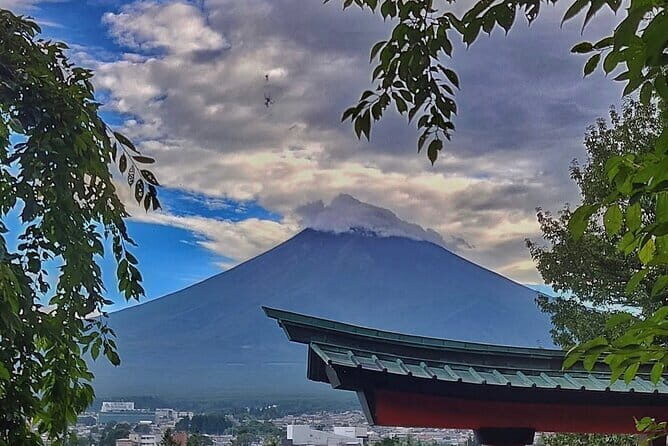
The tradeoff is weather. Access to the mountain area may be contingent on conditions. That means you should treat Fuji visibility as a variable and plan your expectations accordingly. Even with great skies, it’s still a scheduled stop: you have about 30 minutes.
Practical take: if it’s cold or windy, you’ll feel it more at elevation. Wear layers you can handle in a quick photo sprint—because once the bus departs, the day keeps going.
Oshino Shinobi no Sato: ninja theming plus a Fuji-adjacent mood

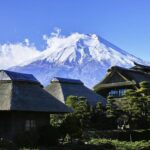
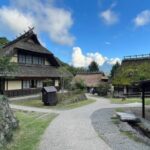
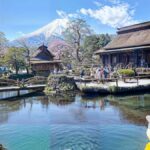
After Fuji, you head to Oshino Shinobi no Sato in Yamanashi Prefecture. The tour frames it as a ninja-themed village, with a view over Mt. Fuji that makes the theme feel less like a gimmick and more like an intentional contrast to the mountain morning.
You also get lunch here. The itinerary lists lunch at the Samurai Restaurant, with about 1 hour 10 minutes total at this stop (and the admission to the attraction is included).
This is one of the smartest stops on the day for families or anyone who’s worried the day might feel like nonstop viewpoints. You get a change of pace: walking around a themed area, getting a meal, then boarding again with energy intact.
Potential drawback: as with any popular stop, the best photos can be time-sensitive. Since this is a shared day with fixed timing, you’ll likely get a brief window rather than wandering at your own pace for hours.
Owaku-dani Valley and the Hakone Ropeway ride

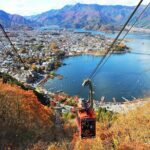
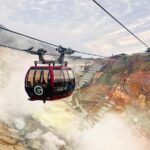
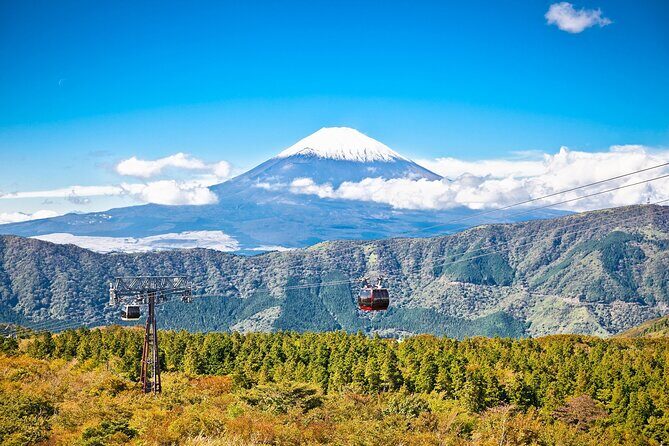
Around 1:30pm, you move into Hakone. The highlight here is the Hakone Ropeway, where you take a short ride to Owaku-dani Valley while enjoying views of Hakone.
The tour gives you about 1 hour at this segment area. It’s not designed for long exploration or slow shopping. Instead, it’s geared toward the classic “get up high, see the region from the air, then move on” rhythm.
One realistic consideration: ropeway time is affected by weather. The day states it operates in all weather conditions and you should dress appropriately. Still, visibility can change quickly on mountain routes, so plan to take photos even if they aren’t perfect. You’re collecting a series of views, not placing all your hope on one.
If you like structure, this part is satisfying: it delivers Hakone’s signature transportation experience without making you coordinate transfers yourself.
Other Mt Fuji and Hakone combo tours at Mt Fuji & Kawaguchiko

Lake Ashi Wild Grass Garden and the cruise for Fuji views

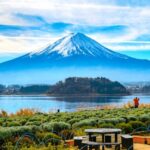
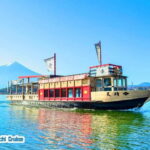
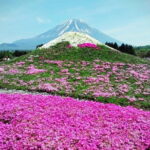
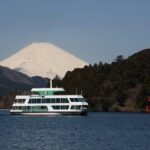
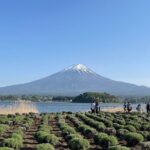
Next comes Lake Ashi and a stop labeled Lake Ashi Wild Grass Garden. You’ll arrive around 2:50pm, then take a leisure cruise for about 45 minutes.
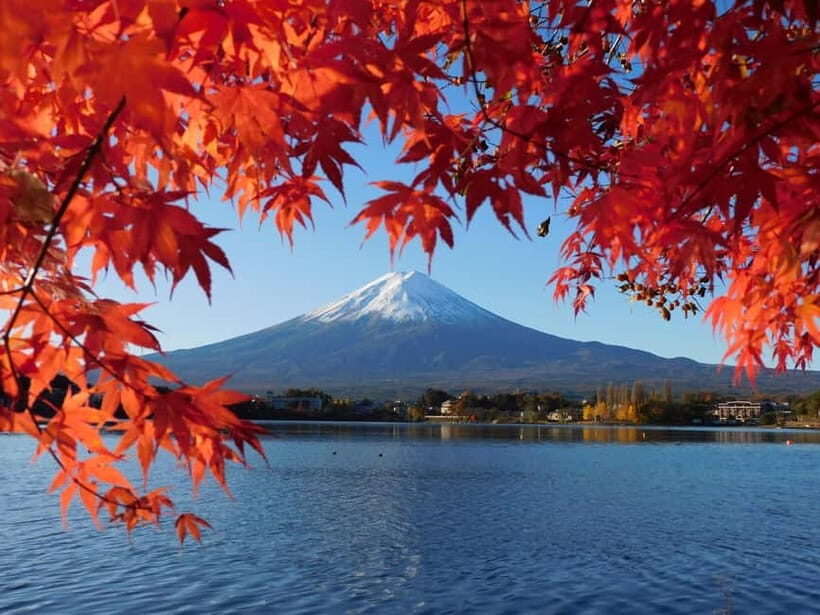
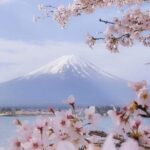
This is where your day turns scenic in a different way. A lake cruise adds motion, wider sightlines, and the chance to see Mt. Fuji in the backdrop. The itinerary even notes it’s an iconic scene, which is exactly why this is included rather than left for you to plan.
The big value: the Lake Ashi cruise fee is included, so you avoid the “ticket hunt” on the spot. And because the cruise is timed into the itinerary, you’re less likely to miss it due to early or late arrivals from earlier stops.
Drawback? Cruising is relaxing, but it does eat one solid block of time. If you’re the type who wants to maximize walking, this could feel like less free exploration than you want. For most people, though, it’s a great trade because you’re also getting a low-stress view payoff.
Hakone Jinja and the Torii of Peace on the water
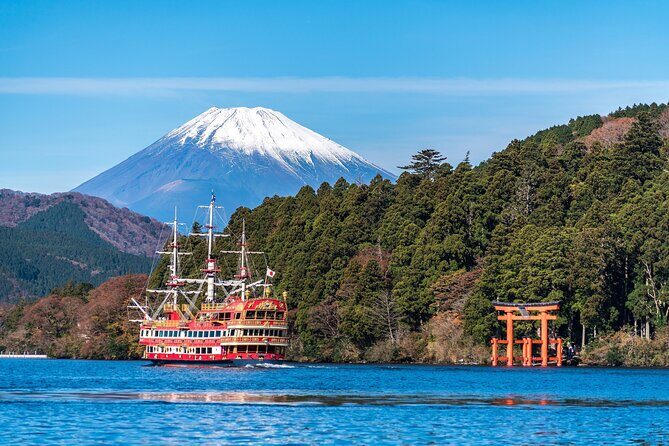
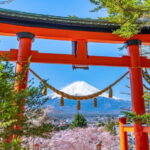
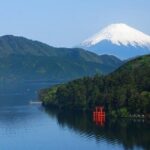
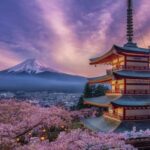
At 3:15pm, you ride to Hakone Shrine (Hakone Jinja), then spend about 30 minutes on-site (with the shrine described as one of the most famous in the area). The signature image is a red torii gate on the water, called the Torii of Peace.
I like this stop because it’s the kind of sight you remember long after the bus ride ends. It also pairs nicely with the lake cruise: you’ve already been looking at the water from the boat, and then you shift to the shrine view over the same watery setting.
Timing matters here. You get enough time to take photos and walk around, but not enough to wander off into nearby areas for an extended side quest. So if you have a strong urge to do extra shrine wandering, you may need a different tour style.
The tour notes the shrine admission is free, which is another small value win: you’re not paying extra at every site.
Odawara Station: your options and how the day wraps up
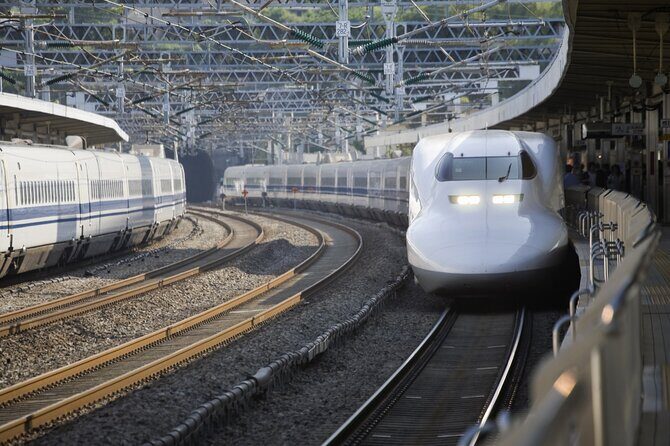
Around 4:30pm, you reach Odawara Station Tourist Information Center, and you have about 10 minutes there.
This is also the decision point. The itinerary states that customers choosing the Shinkansen option finish the tour at Odawara. If you’re not on that option, you ride the bus back toward Tokyo—about 70 minutes—arriving at Shinjuku Station around 6:50pm, then you return to the west exit.
I like that this flexibility exists. It’s helpful if you’re continuing your trip onward the same day. The downside is that your “end time” depends on which option you choose, so double-check your own train plan if you’re making onward reservations.
Small-group touring with English guide and multilingual audio support
This tour caps at 15 travelers per booking. That matters. In a small group, you’re more likely to be able to hear the guide when you need instructions, and you spend less time feeling squeezed on and off the bus.
You also get multilingual audio guidance in English, Spanish, French, Italian, Indonesian, Thai, Russian, and Ukrainian. Even if you’re fluent in English, audio guidance can be a lifesaver during louder moments or when you’re stepping away to take photos.
On a recent run, the guide Yuki-san was highlighted as kind and especially good with tips. I’d treat that as a sign of the guide quality goal: you’re not just riding in silence. You’re getting human help in an area where it’s easy to feel like you’re always one train transfer away from confusion.
Practical tips to get better photos and a smoother day
This is a packed schedule, so your “win” comes from preparation.
- Dress for weather swings. The day runs in all weather conditions, and Fuji is high enough that it can feel very different from Tokyo.
- Wear comfortable shoes. You’ll be walking around at multiple stops, and your time is short.
- Plan your photo approach. Fuji and the lake can deliver great shots, but you’ll have limited time windows. Take a few wide shots, then switch to close framing when crowds allow.
- Bring a small snack plan. Lunch is included, but drinks are not. If you rely on water or prefer a specific beverage, factor that into your budget.
- Use the mobile ticket. Keep it ready so check-in and boarding stay quick.
If you’re traveling with kids, the ninja-themed stop can be a nice morale reset. If you’re a solo traveler, the small group size helps you feel less like you’re trapped in a tour conveyor belt.
Who this Mt. Fuji and Hakone bus tour suits best
You’ll probably love this tour if you:
- want one-day convenience from Tokyo
- prefer guided timing over DIY train planning
- want major highlights covered—Fuji Station, ropeway, Lake Ashi cruise, and Hakone Jinja—without extra ticket hassles
- like the idea of adding something fun and different with Oshino Shinobi no Sato
You might not love it if you:
- want lots of free time at one site
- are chasing an ultra-flexible itinerary where you can linger or skip stops
- are very sensitive to weather effects on the Fuji-area access window
Should you book this Mt. Fuji and Hakone full-day tour?
I think this is a strong pick for the kind of traveler who wants a “greatest hits” day without the stress. The price feels more reasonable when you consider what’s already included: the guide, the buffet lunch, the ropeway fee, the Lake Ashi cruise, and the main attraction admissions.
If you’re short on time in Tokyo, or you don’t want to spend your only Fuji/Hakone day building an itinerary around transfers, this bus format makes a lot of sense. Just go in with the right mindset: Fuji and mountain-area conditions can vary, and the schedule is designed for efficiency, not lingering.
FAQ
Where is the meeting point for this tour?
The meeting point is in Nishishinjuku at the LOVE statue in front of i-Land tower, address 6-5-1 Nishi-shinjuku, Shinjuku, Tokyo.
What time does the tour depart?
Check-in is at 7:50am and departure time is 8:00am.
How long is the tour?
The duration is listed as about 9 hours.
Where does the tour end?
The tour returns to Shinjuku Station West Exit. There is also an option to finish at Odawara Station for those who chose the Shinkansen option.
Is the tour ticket mobile?
Yes, the tour includes a mobile ticket.
What are the main stops during the day?
Key stops include Mt. Fuji 5th Station, Oshino Shinobi no Sato (with lunch), Owaku-dani Valley via the Hakone Ropeway, Lake Ashi cruise, Hakone Jinja, and Odawara Station.
Is the Mt. Fuji stop weather dependent?
The access to the mountain area may be contingent on weather conditions.
What’s included in the price?
Included are bus fare, a professional English-speaking tour guide, buffet lunch, ropeway fee, admission for Shinobi no Sato, Lake Ashi cruise, and multilingual audio guidance.
What is not included?
Drinks are not included.
How big is the group?
The tour has a maximum of 15 travelers per booking.
What is the cancellation policy?
You can cancel for a full refund up to 24 hours before the experience’s start time.