REVIEW · TOKYO
Mount Fuji: Full-Day Tour with Private Van
Book on GetYourGuide →Operated by JCK co Ltd · Bookable on GetYourGuide
Mount Fuji can steal your focus in an instant. This full-day private van tour works because you get a smooth Tokyo-to-Fuji ride, then multiple stops that let you actually see the mountain and the region around it. I like the flexibility of a private group pace, and I also like that the afternoon portion hits Hakone’s famous natural sights. One thing to consider: the driver can speak basic English but can’t run a full English narration, so if you want detailed commentary, ask about Chinese support.
You’ll spend about 10 hours on the road and stops, with a comfortable schedule that still gives you time for photos. I also appreciate the practical sequencing: Fuji viewpoints early, then Oshinohakkai and a lunch break, then Hakone’s lake and volcano valley before the return to Tokyo. The only real drawback I’d watch for is simple logistics—double-check your pickup address so the van doesn’t hunt for the wrong hotel.
In This Review
- Key Highlights to Know Before You Go
- How the Day Flows: Pickup, Fuji Views, and Hakone by Evening
- From Your Tokyo Hotel to the Fuji Visitor Center Photo Stop
- Mount Fuji Breaks at Oshinohakkai (The Eight-Pond Stop)
- The Gotenba Lunch Break: Fuel Without Breaking the Route
- Hakone Ashinoko Lake: Nature, Open Views, and Hot-Spring Country Vibes
- Owakudani Volcano Valley: The Most Dramatic Stop on the List
- Transportation and Language Reality: A Private Van, But Not Always Full English
- Price and Value: When $740 Per Group Makes Sense
- What Past Days Have Taught Me About This Tour Style
- Who This Tour Fits Best (And Who Might Want Something Else)
- Should You Book This Mount Fuji and Hakone Private Van Tour?
- FAQ
- How long is the Mount Fuji and Hakone full-day tour?
- What’s included in the price?
- Is lunch included?
- Are entrance fees included?
- What languages can the driver use?
- What time do you return to Tokyo?
Key Highlights to Know Before You Go
- Private van pickup in Tokyo (23 wards): You start where you’re staying, not at a distant meeting point.
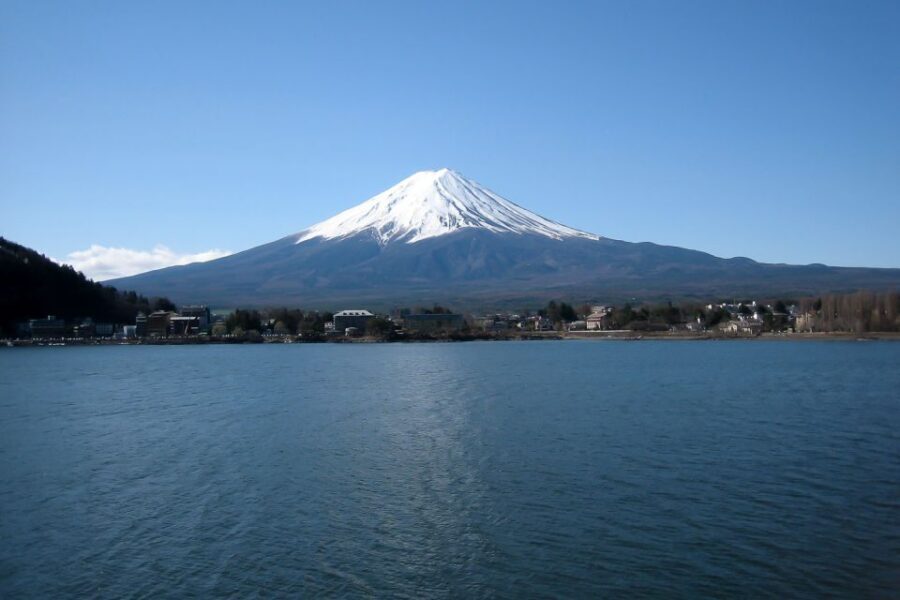
- Fuji Visitor Center photo time: Enough time to get a view without turning the day into a photo scramble.
- Oshinohakkai’s eight ponds: A classic Fuji-area stop that’s easy to pair with scenic breaks.
- Gotenba lunch break: A mid-day reset point built into the route, even though lunch isn’t included.
- Hakone Ashinoko Lake + Owakudani: A nature-and-volcano combo that gives Hakone its signature feel.
- Return to Tokyo by about 6:00 PM: A clear end time helps you plan dinner and evening plans back home.
How the Day Flows: Pickup, Fuji Views, and Hakone by Evening
This is a straightforward, full-day “see the big icons” plan without the hassle of transfers. After pickup, you head out of central Tokyo toward the Fuji Visitor Center, which is where you get your first real chance to look at Mount Fuji up close.
From there, the day keeps moving in a logical line: Fuji area stops in the morning, a lunch break around mid-day, then Hakone in the afternoon. You finish by returning to Tokyo, arriving at 6:00 PM. That timing matters because it helps you avoid the tired, stop-and-go feeling that can happen on long sightseeing days.
Other Mount Fuji tours we've reviewed at Mt Fuji & Kawaguchiko
From Your Tokyo Hotel to the Fuji Visitor Center Photo Stop
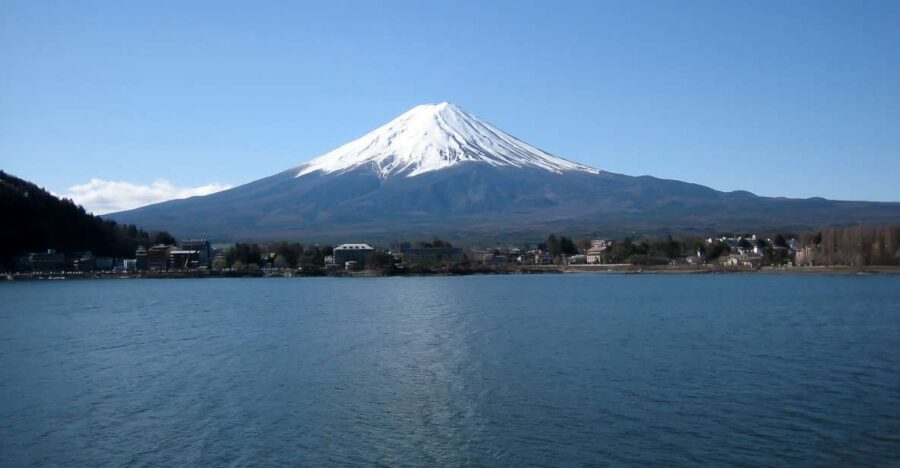
Pickup is included from your accommodation within Tokyo’s 23 wards, so you can start the day without carrying bags to a station. Once you set off, you’ll drive about 1.5 hours to the Fuji Visitor Center area.
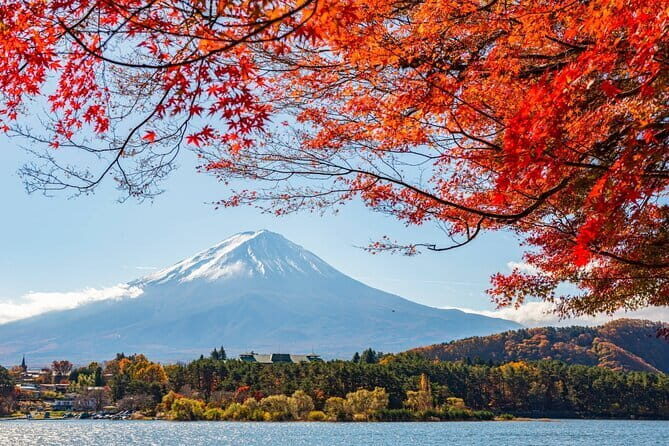
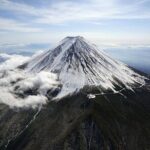
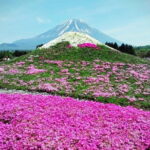
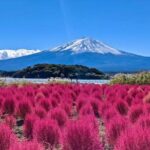
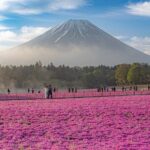
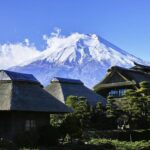
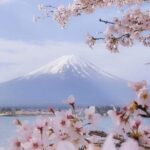
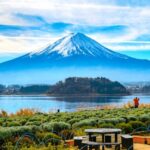
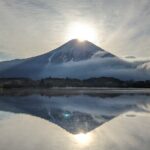
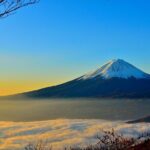
This first stop is built for observation. You’ll have time to take photos and simply absorb what makes Mount Fuji such a magnet—shape, scale, and the way the light changes as clouds shift. If visibility is strong, this is the moment that can set the tone for the entire day.
A small planning tip: bring a light layer and keep your phone charged. Mountain weather can change fast, and you’ll likely want to try a few angles rather than grab one “good enough” shot.
Mount Fuji Breaks at Oshinohakkai (The Eight-Pond Stop)
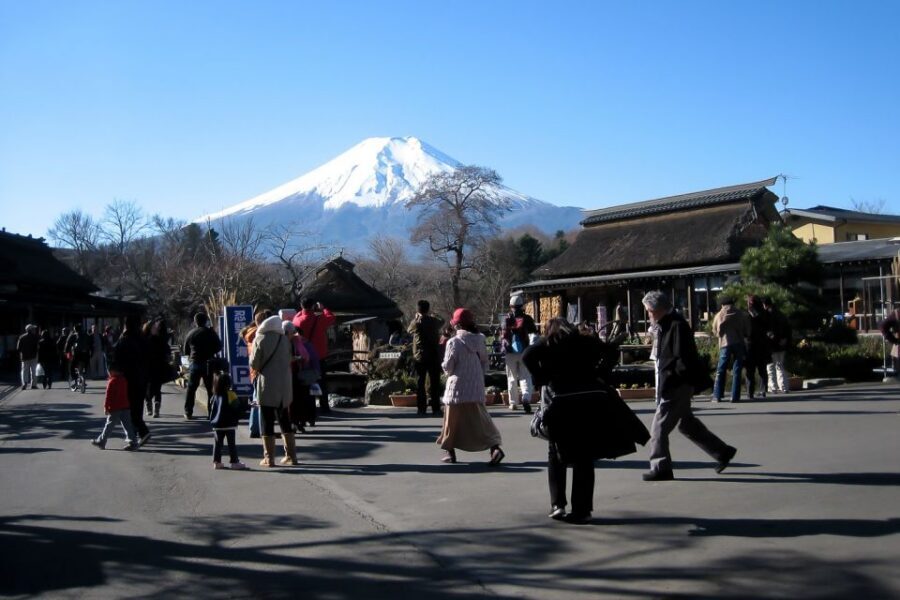
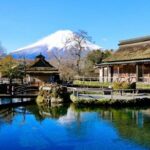
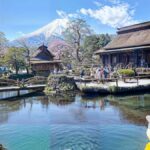
After the visitor center time, you’ll head to Oshinohakkai, known for its eight ponds near Mount Fuji. This stop is a nice contrast to the mountain viewpoint—you go from “big picture” to something more human-scale and quietly scenic.
Why it works: those ponds are easy to wander around, so you’re not stuck in one fixed spot. It’s a good place for a slower pace, especially if you want more than one type of view—reflections, water textures, and the surrounding Fuji-area feel.
Potential drawback: this is popular in its own way. You’ll want to move with purpose, but don’t rush. If the ponds are crowded, you can still get good photos by shifting position and waiting for a gap in foot traffic.
The Gotenba Lunch Break: Fuel Without Breaking the Route
Mid-day, the plan includes a stop in Gotenba for a lunch break. Lunch itself isn’t included, so you’ll be choosing your own meal option on the day.
This is where the private format helps. Even with fixed routing, a driver can often guide you to a practical place to eat so you don’t lose sightseeing time hunting for something open. In past experiences like this, it’s also common to get help choosing a restaurant rather than guessing from the street.
What I’d do: use the lunch break to reset your energy and strategy. Eat something filling, drink water, and check your priorities for Hakone—because once the afternoon starts, you’ll want to stay flexible.
Hakone Ashinoko Lake: Nature, Open Views, and Hot-Spring Country Vibes
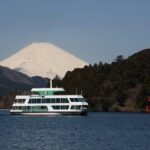
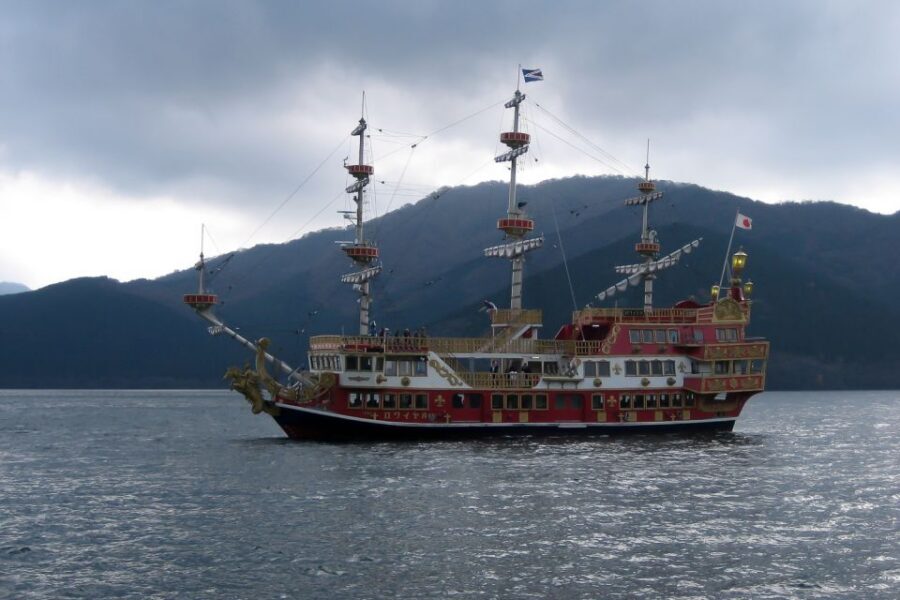
In the afternoon, you’ll move into the Hakone area, which is famous for nature and hot springs. The first major stop is Hakone Ashinoko Lake, a place that gives you a more open, airy view of the region compared with the Fuji-area stops.
Why this portion feels worth it: Hakone is where the day shifts from “Fuji icon” to “regional atmosphere.” The lake area gives you a sense of space, and it’s a good place to slow down and enjoy the scenery without feeling like every minute is a timed photo mission.
If you care about viewpoints, this is a good time to keep your eyes up and your plans simple. Look for angles that let you include both the water and the surrounding features. Then take a few minutes to just sit—your day will feel longer in a good way.
Other private tours in Tokyo

Owakudani Volcano Valley: The Most Dramatic Stop on the List
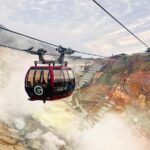
Next up is Owakudani, the volcano valley area. This is the part of the tour that feels the most “Hakone specific,” because it’s the one tied directly to the volcanic character of the region.
What to expect in practical terms: you’re going from lake calm to more dramatic, active-feeling scenery. Even if you’re not chasing facts or geology, it’s a visually strong stop, and it’s the kind of location where photos look different from most sightseeing spots.
The main consideration here is comfort. Owakudani is more of an “experience the area” stop than a quick in-and-out photo. Wear shoes you’re comfortable walking in, and keep your expectations flexible if weather affects visibility.
Transportation and Language Reality: A Private Van, But Not Always Full English
This tour includes transportation with a driver, and it’s set up as a private group. That’s a big value factor because it reduces friction—no waiting for others, fewer transfer steps, and a pace that feels more like your day than a group schedule.
The important language note: while the driver can speak basic English, they cannot conduct the tour in English. It is possible to have the tour in Chinese. The language you choose matters because it can change the quality of what you learn at stops.
If you’re traveling in English and want more commentary, consider preparing a few “self-guided” points in advance—what you want to notice at each stop, and a few questions you can ask even with limited English. If you can travel in Chinese, you’ll likely get a smoother explanation experience.
Price and Value: When $740 Per Group Makes Sense
At $740 per group up to 9 people, this pricing is about sharing a private vehicle cost rather than paying per person for a guided train-and-bus circuit. The value depends on how many people are in your group and what you want from the day.
Here’s the practical math logic: if you’re traveling as a couple, the per-person feel can be higher than seat-based tours. If you have a family or small group, the cost spreads out quickly and the private format becomes the point. You’re paying for convenience, time efficiency, and a plan that fits your group instead of fitting a crowd.
Also, lunch and entrance fees aren’t included. That’s normal for this style of tour, but it means you should budget for on-the-day meals and any ticket costs at stops you choose to enter.
What Past Days Have Taught Me About This Tour Style
The standout pattern in the experience details here is that the driver and guiding support can make the day feel “handled.” People appreciated clear guidance on where to go and how to manage the day when conditions weren’t perfect.
One useful lesson: hotel addresses matter. On a similar booking, the van went to another hotel because the pickup address wasn’t clear. My advice is simple—write your hotel address clearly, include the exact name, and make sure your local contact info is ready if someone needs to confirm details quickly.
If the weather isn’t ideal for Mount Fuji views, prioritize flexibility. This type of day works best when you accept that visibility can change and you focus on getting to the right spots rather than chasing a perfect single view for hours.
Who This Tour Fits Best (And Who Might Want Something Else)
I think this day trip is a strong match if you want a one-day “greatest hits” route that still feels comfortable and organized. It’s ideal for small groups who care about convenience and don’t want to wrestle with trains, transfers, and multiple ticket lines.
You’ll also like it if you enjoy a mix of scenery types: Fuji viewpoints, pond walks at Oshinohakkai, and then Hakone’s lake and volcanic valley. If you prefer a slower, more flexible exploration style with no set sequence, you might find a full-day route a bit intense.
Finally, language matters. If you need detailed English narration, this format might require careful expectation-setting because the driver can’t conduct the tour in English.
Should You Book This Mount Fuji and Hakone Private Van Tour?
Book it if you want: a convenient Tokyo pickup, a tight sightseeing plan that hits Mount Fuji and Hakone in one shot, and the comfort of a private ride. The timing (returning by 6:00 PM) is also a big plus for staying realistic with your schedule.
I’d think twice before booking if you strongly need English commentary throughout the day, or if your main goal is a very specific single viewpoint without caring about multiple stops. In that case, you may want a more language-focused guide setup or a different pacing.
FAQ
How long is the Mount Fuji and Hakone full-day tour?
The duration is 10 hours.
What’s included in the price?
Transportation with a driver is included, and pickup is included from your accommodation in Tokyo’s 23 wards.
Is lunch included?
No. Lunch is not included.
Are entrance fees included?
No. Entrance fees are not included.
What languages can the driver use?
The driver can speak Japanese, Chinese, and English, but they cannot conduct the tour in English (Chinese may be possible).
What time do you return to Tokyo?
You return to Tokyo and arrive at about 6:00 PM.