REVIEW · TOKYO
Mount Fuji, Hakone and Owakudani One Day Bus Tour from Tokyo
Book on Viator →Operated by F Trip · Bookable on Viator
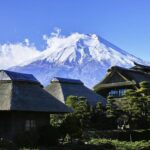
Fuji day trips are all about timing, and this one packs a lot in. You’ll roll out of Tokyo for Hakone and Mount Fuji viewpoints, then finish at Enoshima for shrine sights over the sea. It’s a full 10-hour schedule with multiple chances to catch clear views of Fuji.
What I like: the tour is built around real Hakone highlights, especially the Lake Ashi cruise and the volcanic drama of Owakudani. What I like: you also get Enoshima’s mix of sea views, the Enoshima Shrine, and an old-style shopping street.
One drawback to plan for: Mount Fuji is weather-dependent. If it’s cloudy, you may only get distant peeks instead of the big close-up many people hope for.
In This Review
- Quick hits before you go
- A One-Day Route That Tries for Mount Fuji Twice
- Meeting Up in Tokyo (or Shinjuku) and Staying Sane for 10 Hours
- Lake Ashi (Lake Ashinoko) and the Cruise That Sets the Tone
- Owakudani Sulfur Valley: Volcanic Reality in 30 Minutes
- Hakone Ropeway: Panoramas, Timing, and a Ticket You’ll Want
- Enoshima Island Adds Sea Views and a Shrine-Then-Shopping Flow
- Guide Quality Can Make or Break This Busy Day
- Price and Value: Is $59 Enough for This Day?
- Who This Tour Is Best For (and Who Should Skip It)
- Should You Book This Mount Fuji, Hakone, and Owakudani Day Trip?
- FAQ
- How long is the Mount Fuji, Hakone and Owakudani One Day Bus Tour from Tokyo?
- What is included in the $59 price?
- What extra tickets do I need to pay for on the day?
- Where does the tour pick you up from?
- Can I expect to see Mount Fuji?
- Is the cruise included, or do I buy a ticket separately?
- What happens at Owakudani?
- How much time do you spend at Enoshima?
- How big is the group, and what’s the cancellation rule?
Quick hits before you go
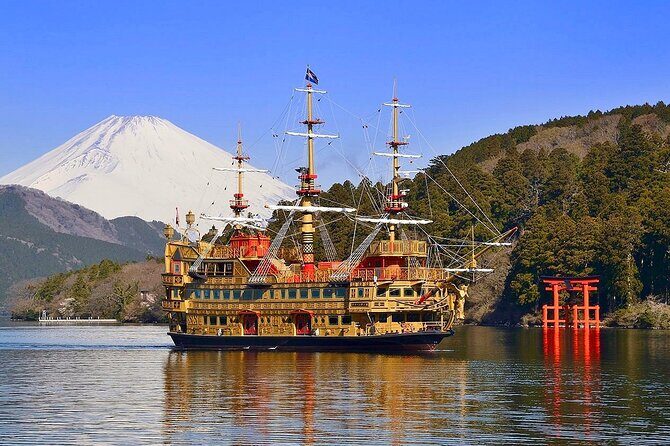
- Two real viewpoint shots for Mount Fuji: on the lake cruise and from the Ropeway areas on clear days
- Volcanic payoff at Owakudani: sulfur fields plus the famous black eggs idea
- Enoshima adds a change of pace: shrine visits and Benzaiten Shopping Street
- Your schedule can flex: traffic may shift stop order, but you still hit the same main spots
- Guides matter a lot here: names like Sandy, Augustine, Pin, Winnie, and Brewster Chisei show up often in strong feedback
A One-Day Route That Tries for Mount Fuji Twice
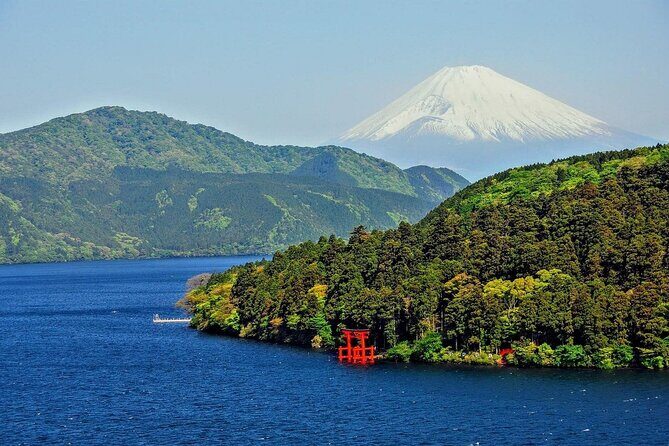
This is a classic “maximum highlights in one day” route. The logic is simple: you get more than one shot at Mount Fuji, which is the whole point of doing Hakone from Tokyo. The tour’s main idea is Lake Ashi → Hakone’s volcanic zone → Enoshima.
The most important thing to understand: visibility is not guaranteed. The itinerary leans on “clear days” for Fuji views during the cruise, from Ropeway areas, and around Enoshima. So go in with flexible expectations. Even on a gray day, you’ll still see Hakone’s volcanic scenery and Enoshima’s coastal vibe.
Other Mount Fuji tours we've reviewed at Mt Fuji & Kawaguchiko
Meeting Up in Tokyo (or Shinjuku) and Staying Sane for 10 Hours
The tour runs about 10 hours and you’ll depart from either Tokyo or Shinjuku (pickup is near public transportation). That matters because you don’t want to waste your day fighting trains or figuring out the meeting point.
The bus is air-conditioned and the operator keeps the total tour group to a maximum of 45. Still, comfort can be uneven on day trips. Some people praised the bus as comfortable, while at least a couple flagged cramped seating on particular vehicles. My practical advice: if you’re sensitive to space or prone to motion discomfort, bring a small cushion and hydrate early.
Also note the schedule isn’t always fixed to the minute. Traffic can affect the order of stops, but you should still see the same number of major locations. If you’re strict about a photography window, build in buffer time at every stop.
Lake Ashi (Lake Ashinoko) and the Cruise That Sets the Tone
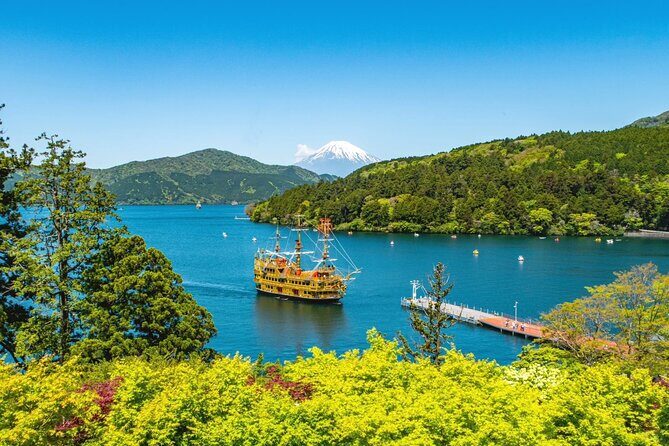
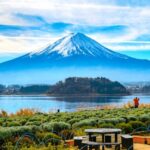
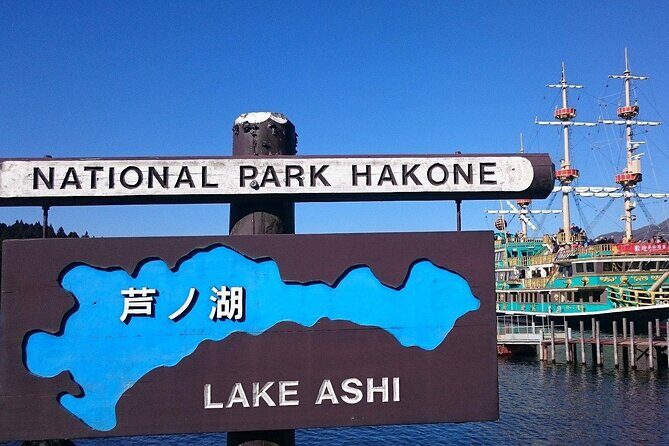
You start at Lake Ashi (Lake Ashinoko) for about 20 minutes. This is the symbolic heart of Hakone: a caldera lake formed after volcanic activity long ago, with volcanic springs that keep the water from freezing. In plain terms, it’s water with an attitude.
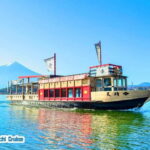
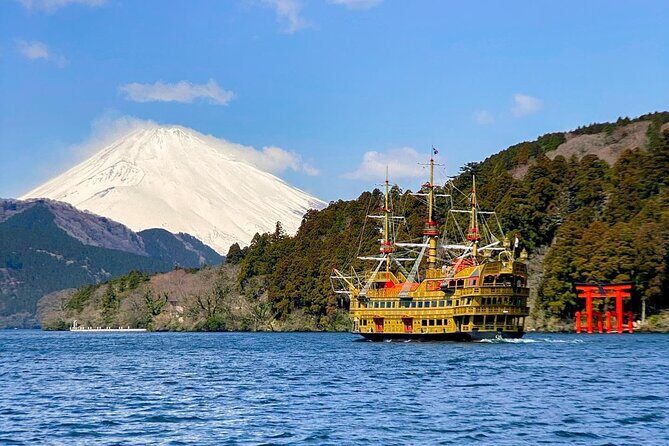
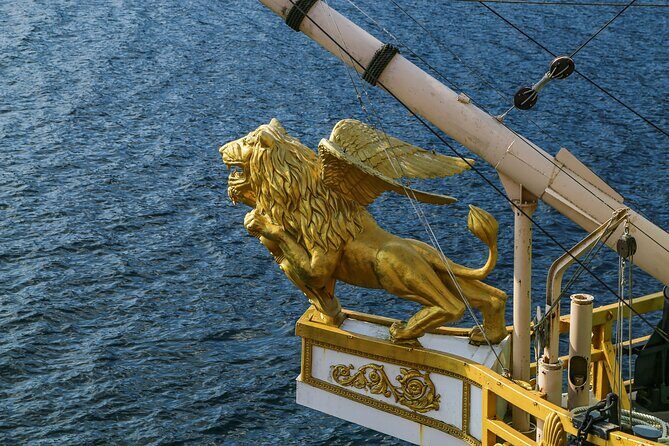
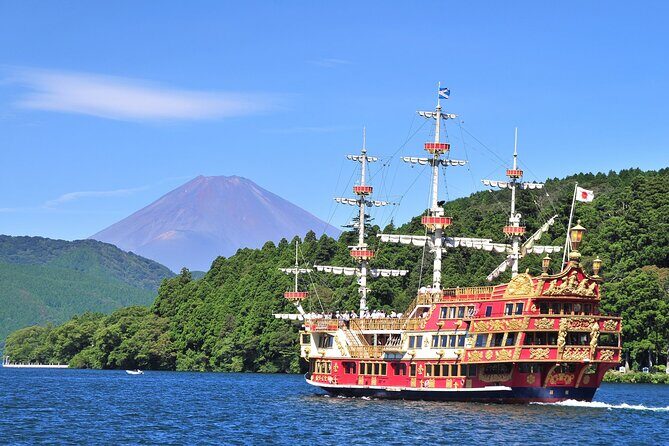
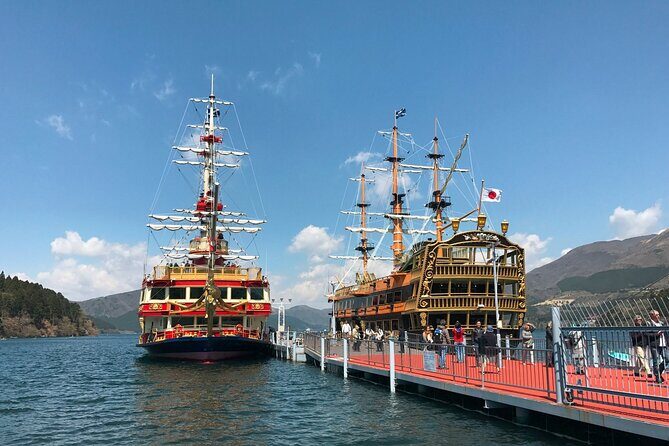
Then comes the Hakone Sightseeing Cruise for about 25 minutes. The cruise is not an optional detour. It’s where the tour gives you that “wow, we’re really in Hakone” moment. The boat is inspired by European battleships, so it feels like a themed ride, but the real magic is what you see across the water.
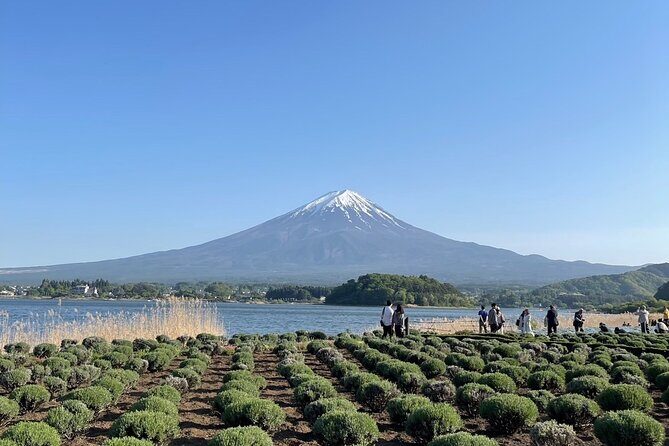
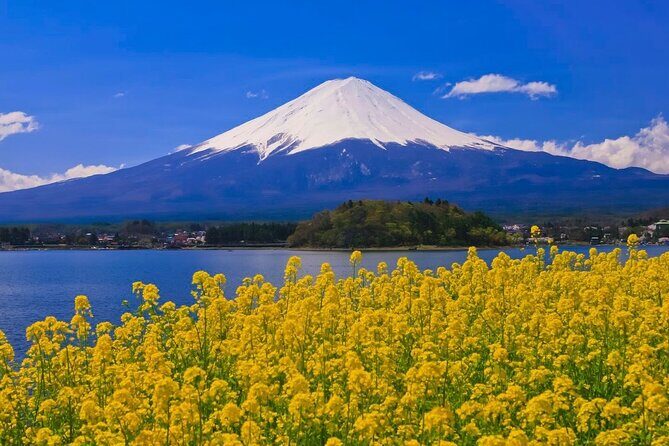
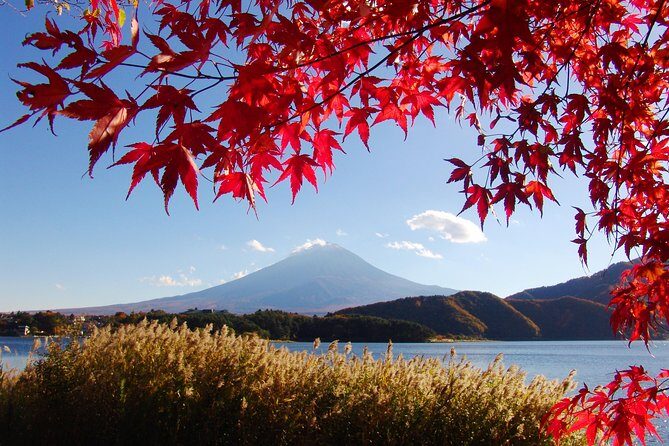
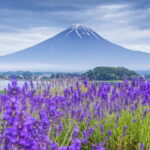
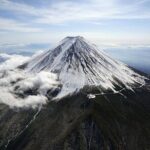
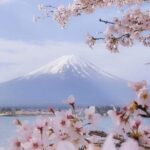
One detail that really matters for Fuji fans: on clear days, you have your best odds of seeing Mount Fuji from the lake and its surroundings. On cloudy days, don’t get annoyed. Just treat the cruise as a scenic reset before the volcanic part of the day.
Ticket note: the cruise ticket costs 1,200 yen and is not included in the $59 price.
Owakudani Sulfur Valley: Volcanic Reality in 30 Minutes
Next up is Owakudani Valley for about 30 minutes. This is where the tour stops being gentle. Owakudani is volcanic terrain shaped around 3,000 years ago. You’re not looking at scenery that looks “pretty and calm.” You’re seeing geology at work.
The biggest draw here is the atmosphere: sulfur activity, steam, and that distinctive volcanic smell that makes you realize you’re standing in the middle of something alive. It’s short time, but it’s designed to give you a quick experience without turning the day into a hike-fest.
The tour also points you to a local specialty: black eggs cooked in the hot spring waters. You don’t have to buy anything, but this is one of the most “Hakone-famous” snack rituals. Plan for it as a small budget add-on because lunch isn’t included and the black egg stops people from turning hungry in the middle of a long day.
Admission note: Owakudani is listed with free admission time on the schedule.
Hakone Ropeway: Panoramas, Timing, and a Ticket You’ll Want
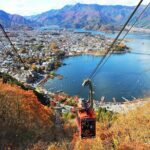
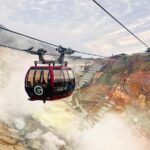
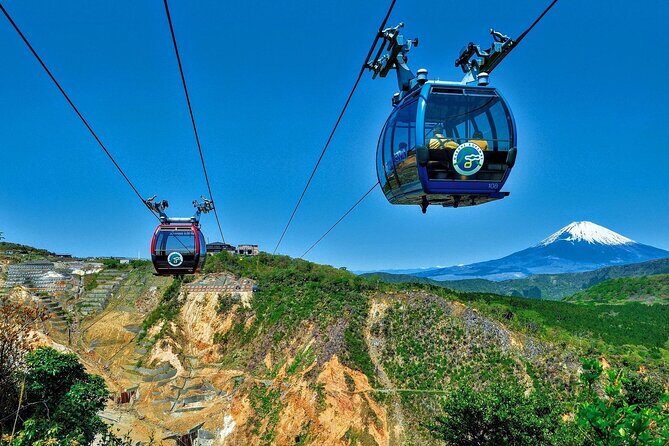
After Owakudani, you ride the Hakone Ropeway for about 25 minutes. This is a key transport-and-view piece. The ropeway passes through the Owakudani area and is built for panoramic looks over Lake Ashi and the volcanic zone.
Again, Fuji visibility is weather-driven. The schedule specifically references catching glimpses of Mount Fuji on clear days from this area. If the day is foggy, you’ll still get vertical, dramatic views of the valley and the geothermal features.
Ticket note: the Ropeway costs 1,500 yen and is not included.
Here’s how I’d handle this stop: stand near windows or the best viewpoint section early in the ride, and don’t wait until the ropeway is halfway done. The views can change quickly with the mist and cloud cover.
Other Mt Fuji and Hakone combo tours at Mt Fuji & Kawaguchiko

Enoshima Island Adds Sea Views and a Shrine-Then-Shopping Flow
The day finishes in a very different mood at Enoshima Island. You get about 30 minutes on the island itself, with views out over Sagami Bay on clear days. If Hakone is heat and steam, Enoshima is salt air and sea-level charm.
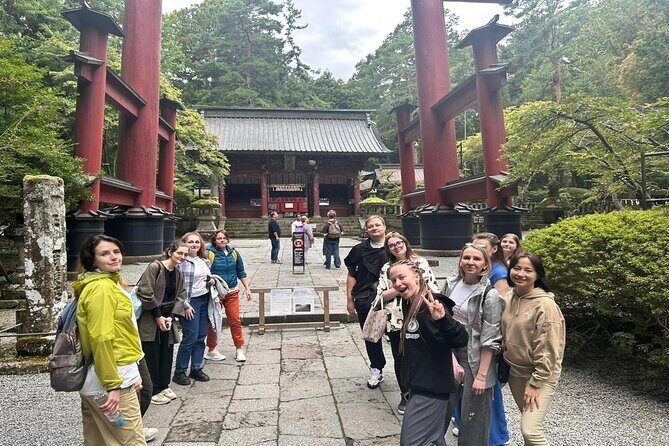
Then you visit the Enoshima Shrine for about 50 minutes. It’s made up of three main shrines: Hetsumiya, Nakatsumiya, and Okutsumiya. The shrine connects to maritime deities like those associated with fishing and sea transport, and it became part of the wider Enoshima religious story over time.
After that, you have about 40 minutes at the Enoshima Benzaiten Shopping Street, starting with a recognizable old bronze torii gate. This is the kind of alley where you can snack, buy small souvenirs, and slow down after a busy travel day. It’s also a nice way to end without rushing through museum-style sightseeing.
Admission is listed as free for the island, shrine, and shopping street on the schedule.
Guide Quality Can Make or Break This Busy Day
This tour has a big “human factor.” The route is tight. When a guide handles timing well, the day feels smooth and relaxed. When they don’t, you can end up standing around or feeling like you’re watching the clock.
In the feedback you’ve got here, certain names pop up in consistently positive ways: guides like Sandy, Augustine, Brewster Chisei, Pin, Winnie, Nakajima, Lucy, and Jackson are described as friendly, attentive, and good at explaining what to do at each stop. There are also comments about guides handling small needs, like toilet stops, and making quick adjustments.
One guide example from the notes: Jimmy is described as translating into both English and Chinese and answering individual questions after the group presentation. That tells me the instruction style here can be more than just a generic “follow me” script.
Practical tip: if you have mobility needs or you want pacing, bring it up early to your guide. In a day like this, tiny changes in your starting plan matter.
Price and Value: Is $59 Enough for This Day?
Let’s break down the math. The tour is $59 per person. That includes an air-conditioned vehicle and a guide. But two major transport elements are not included:
- Hakone Sightseeing Cruise: 1,200 yen
- Hakone Ropeway: 1,500 yen
- Lunch: not included
At today’s exchange rates, those extra yen amounts can feel like a “surprise” if you don’t plan for them. But for a one-day push from Tokyo that covers Lake Ashi + Owakudani + Ropeway + Enoshima Shrine, it still looks like decent value versus booking each segment separately or spending extra time commuting.
My value advice:
- If you care about both the cruise and the ropeway, you’re likely getting your money’s worth.
- If you’re the type who doesn’t enjoy transport rides and only wants one or two stops, this may feel like too much bus time.
Who This Tour Is Best For (and Who Should Skip It)
This tour fits best if you:
- want a structured one-day plan from Tokyo or Shinjuku
- want the Hakone highlights without building an itinerary yourself
- enjoy short-but-intense sightseeing blocks
- like the combo of volcanic sights (Owakudani) plus coastal culture (Enoshima)
It may not be the best fit if you:
- get cranky with long bus hours and tight stop times
- need a very spacious ride every day
- are expecting a guaranteed, close-up Mount Fuji photo. You’re in the “hop for clear skies” category.
If your goal is Mount Fuji specifically, watch the weather in the days leading up to your trip and keep your expectations flexible once you’re in Hakone.
Should You Book This Mount Fuji, Hakone, and Owakudani Day Trip?
If you want an efficient Tokyo-to-Hakone day that hits the big names—Lake Ashi, Owakudani, Hakone Ropeway, and Enoshima—this tour is a strong candidate. The structure is sensible, and the guide feedback is often excellent, with people praising guides by name like Augustine, Pin, and Brewster Chisei.
Just don’t treat it like a guaranteed Fuji showdown. If the sky is doing its own thing, your experience will still be solid because Owakudani and Enoshima are interesting even without a perfect Fuji backdrop.
FAQ
How long is the Mount Fuji, Hakone and Owakudani One Day Bus Tour from Tokyo?
It runs about 10 hours.
What is included in the $59 price?
The price includes an air-conditioned vehicle and a guide.
What extra tickets do I need to pay for on the day?
The Hakone Sightseeing Cruise ticket is 1,200 yen, and the Hakone Ropeway ticket is 1,500 yen. Lunch is also not included.
Where does the tour pick you up from?
The tour departs from Tokyo or Shinjuku, and the meeting point is near public transportation.
Can I expect to see Mount Fuji?
Views of Mount Fuji are tied to clear days. The tour highlights indicate you can catch glimpses from places like the lake area and ropeway, but it’s not guaranteed.
Is the cruise included, or do I buy a ticket separately?
The cruise ride is part of the itinerary, but the cruise ticket is not included and costs 1,200 yen.
What happens at Owakudani?
You visit Owaku-dani Valley for about 30 minutes to see the volcanic sulfur fields. The tour also mentions the chance to try local black eggs cooked in hot spring waters.
How much time do you spend at Enoshima?
You spend about 30 minutes on Enoshima Island, 50 minutes at Enoshima Shrine, and 40 minutes at Enoshima Benzaiten Shopping Street.
How big is the group, and what’s the cancellation rule?
The tour has a maximum of 45 travelers. You can cancel for a full refund up to 24 hours in advance of the start time.