REVIEW · TOKYO
Sightseeing Day Trip to Mount Fuji and Hakone Green Number
Book on GetYourGuide →Operated by LiveNipponLLC · Bookable on GetYourGuide
Fuji in one long, well-paced day. You get sweeping views, plus a guide who helps you hit the right photo angles and understand what you’re seeing. What I like most is the private pace—no waiting around—and the way the stops connect into a clear route from Mount Fuji viewpoints to Hakone’s lakes and greenery. One thing to consider: Mt. Fuji 5th Station is weather dependent, and traffic can also steal time from the plan.
You can do both areas in one day or focus just on the Mount Fuji side, which makes this easier if you’re chasing one specific vibe. I especially enjoyed the “look again” moments—Lake Kawaguchi and Lake Ashi each give a different angle on Fuji. The guides I met through this experience also seemed to work hard on timing and comfort, including thoughtful handling when families were along.
On value: $419 per group (up to 5) sounds like a lot until you compare it with private transport plus a guide for a full day. For the right group, it can feel like paying for convenience and fewer regrets—though you’ll still want to budget for the Mt. Fuji 5th Station entry fee (¥2,800) if you go up.
In This Review
- Key things you’ll notice on this Mount Fuji and Hakone green-space day
- How this day trip works: Tokyo pickup, one driver, and smart pacing
- Choosing your route: Fuji + Hakone in one day vs Fuji-only for a tighter focus
- The Fuji + Hakone itinerary (best if you want variety)
- The Fuji-only itinerary (best if you’re chasing Fuji views hard)
- Customizing: when you should ask for changes
- Morning reality check: timing, traffic, and why early matters
- Mt. Fuji 5th Station: the star stop, but weather decides
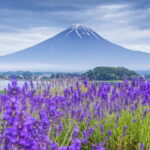
- Lake Kawaguchi: where Fuji shows up from water-level
- Kachi Kachi Ropeway: quick elevation, better sightlines
- Oshino Hakkai: water, quiet, and a breather from viewpoint chasing
- Hakone Ropeway and Wakudani: when the day turns volcanic
- Lake Ashi: classic Hakone views and a good reset between rides
- Oishi Park and Arakurayama Sengen Park: lakeside calm meets postcard angles
- Shrines that actually fit the route: Fuji Sengen and the meaning of the stops
- Guide quality is the difference maker: the personal touch you can feel
- Price and logistics: what $419 per group buys you in real terms
- Who this tour is best for (and who should think twice)
- My booking verdict: should you book this private Fuji and Hakone day trip?
- FAQ
- How long is the Mount Fuji and Hakone day trip?
- Does the tour include entry tickets for Mt. Fuji 5th Station?
- Can I choose a Mount Fuji-only itinerary instead of adding Hakone?
- What’s included in the price?
- Is the tour guide available in English?
- What is the cancellation policy?
Key things you’ll notice on this Mount Fuji and Hakone green-space day
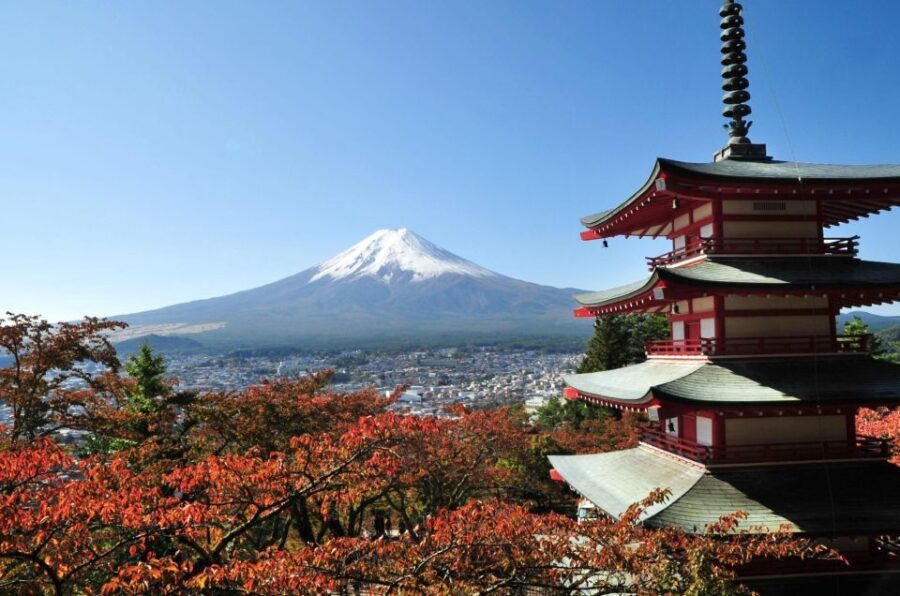
- Private guide + driver combo means less confusion and more time at each stop
- Two itinerary styles: Fuji + Hakone together, or Fuji-only for a tighter focus
- Kachi Kachi Ropeway and Lake views help you get elevation and better angles without stress
- Oshino Hakkai adds a calm, water-focused break from viewpoint hopping
- Hakone Ropeway and Lake Ashi give you that classic Hakone mix of ridges and open water
- Weather can change the day, especially for the 5th Station
How this day trip works: Tokyo pickup, one driver, and smart pacing
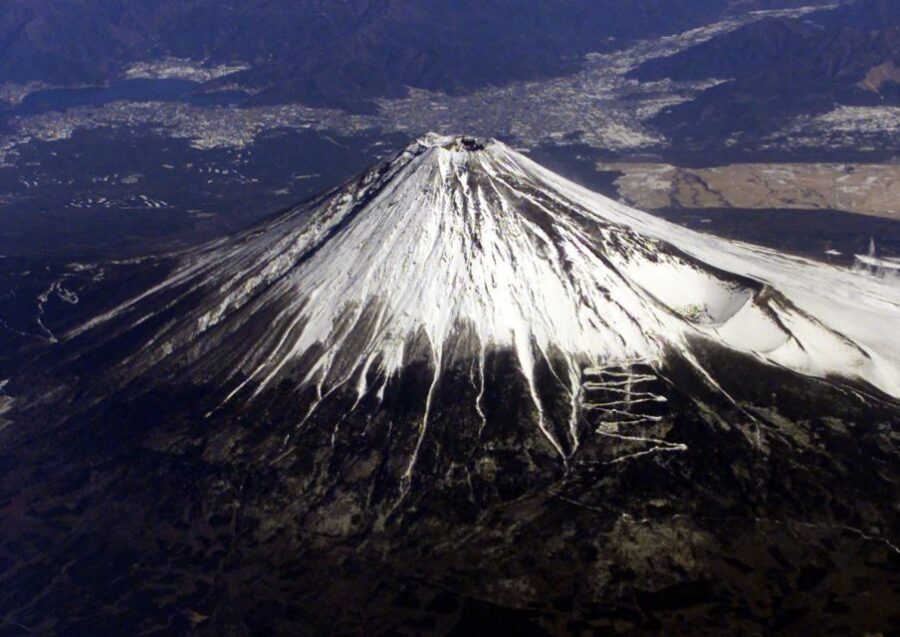
This is a 10-hour private tour with hotel pickup and drop-off in Tokyo. Your guide also drives, which matters more than you might think. When one person handles both navigation and the story at the stops, you lose less time to changing plans or figuring out what’s next.
You’ll choose an itinerary before you go, or customize if time allows:
- Mt. Fuji + Hakone together (a full day route)
- Mt. Fuji area only (still packed, but more focused)
- Or a blend, depending on what you want most
Because it’s private, you can move with the group’s comfort level. That shows up in the way guides described the day: hitting the best photo spots, keeping stops efficient, and adjusting for real-world conditions. One guide even highlighted photo planning and local food stops as part of the experience, not an afterthought.
Other Mount Fuji tours we've reviewed at Mt Fuji & Kawaguchiko
Choosing your route: Fuji + Hakone in one day vs Fuji-only for a tighter focus
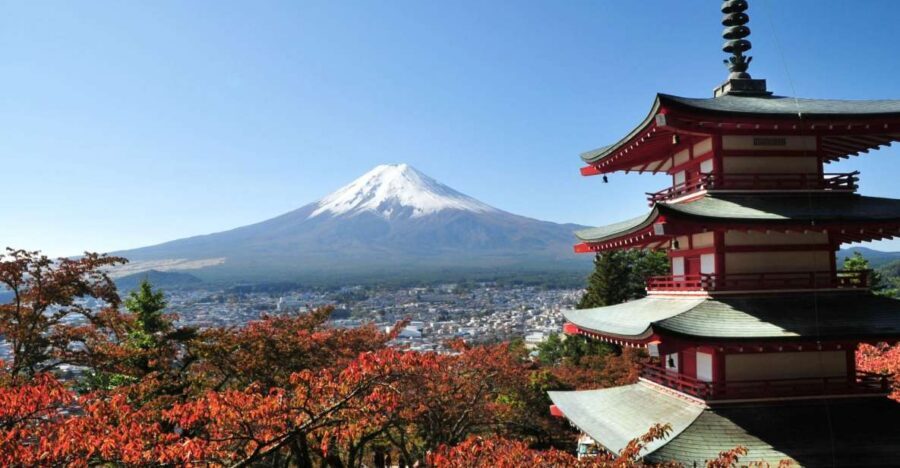
Here’s the simplest way to decide: do you want a single Fujisan day, or a Fuji day that also includes Hakone’s lakes and ropeways?
The Fuji + Hakone itinerary (best if you want variety)
This route layers the Fuji side first, then shifts into Hakone’s “green space” feel:
- Lake Kawaguchi
- Mt. Fuji 5th Station (weather dependent)
- Kachi Kachi Ropeway
- Hakone Ropeway
- Lake Ashi
- Wakudani
- Plus additional Hakone-side sightseeing time
This is ideal if you want a full menu: mountain viewpoint, lake scenery, ropeway rides, and Hakone’s volcanic/river-valley atmosphere around Wakudani. It’s also the best bet if you’re excited by the idea of seeing Fuji from different directions in one day.
The Fuji-only itinerary (best if you’re chasing Fuji views hard)
If you want to maximize your time around the mountain area, you’ll focus on:
- Mt. Fuji 5th Station (weather dependent)
- Lake Kawaguchi
- Kachi Kachi Ropeway
- Kitaguchi Hongu Fuji Sengen Shrine
- Oshino Hakkai
- Oishi Park
- Arakurayama Sengen Park
This route feels like a “greatest hits” version of the Fuji region. Oshino Hakkai is a standout because it’s not just scenic—it’s water-driven and calmer than the viewpoint stops. Oishi Park also adds that lakeside lookout feeling that many people come for. And Arakurayama Sengen Park is a solid end-stop when the weather plays nice.
Customizing: when you should ask for changes
The tour allows you to customize, depending on time. The best time to ask is when you’re already in motion and your guide can judge traffic and weather. If the weather looks iffy near the 5th Station, it’s smart to ask how the route might adjust so you still get strong Fuji views.
Other Mt Fuji and Hakone combo tours at Mt Fuji & Kawaguchiko

Morning reality check: timing, traffic, and why early matters
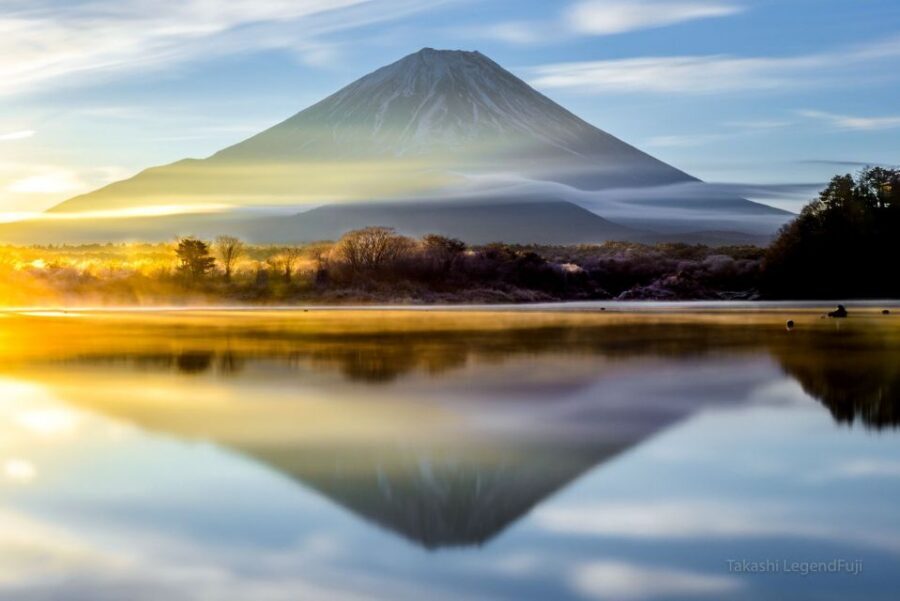
You start with pickup in Tokyo and you’ll be driving out to the mountain region. That means the day is sensitive to timing. One experience shared a frustrating outcome: traffic delayed the drive to the point that they couldn’t visit Mt. Fuji, even though the rest of the plan still worked. That’s not the norm you should assume, but it is a real possibility on road-heavy days.
My advice: go in ready for a fast rhythm. If you can, dress like you’re expecting changing conditions—cooler mornings, warmer afternoons, and wind at viewpoints. And be flexible in your mindset. The difference between a great day and a merely good one often comes down to weather at the key stop and the time it takes to get there.
Mt. Fuji 5th Station: the star stop, but weather decides
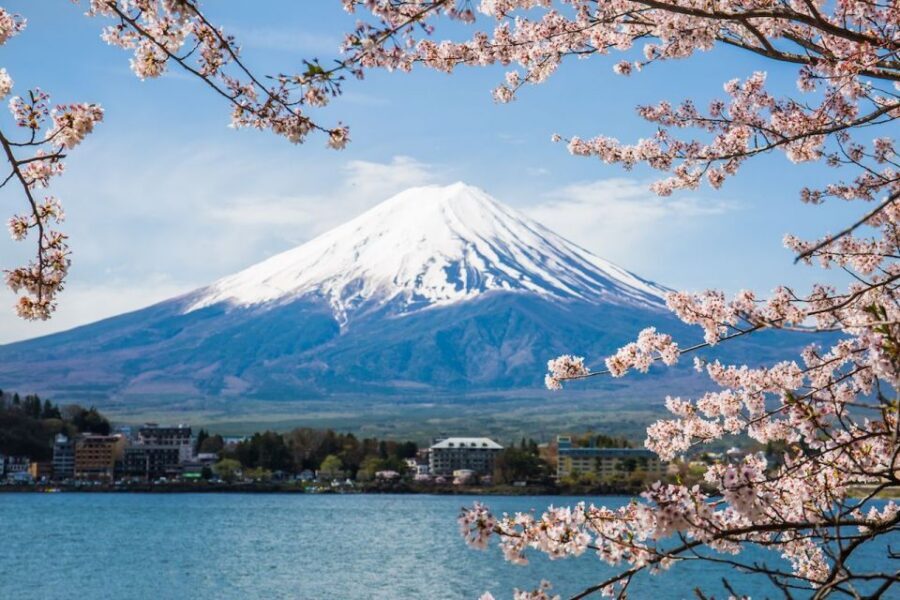
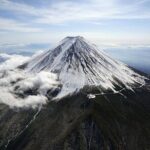
Mt. Fuji 5th Station is the highlight for a reason: it’s one of the most iconic places to experience Fujisan up close without planning a full climb.
But it’s explicitly weather dependent. When it works, you get the “wow, that’s the real scale” feeling. When it doesn’t, you may still enjoy the surrounding areas and views, just with less mountain definition.
Budget for the entrance fee: ¥2,800 is not included. If you’re the type who wants to say yes to everything once you’re there, plan for it. If your priority is simply seeing Fuji’s shape and silhouette from lakes and parks, you can still have a memorable day even if the 5th Station is limited.
Lake Kawaguchi: where Fuji shows up from water-level
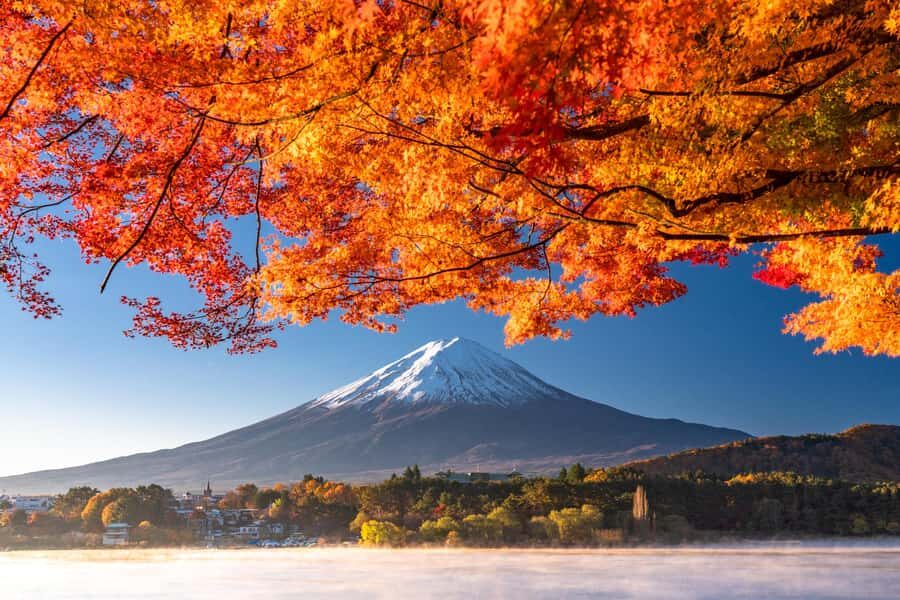
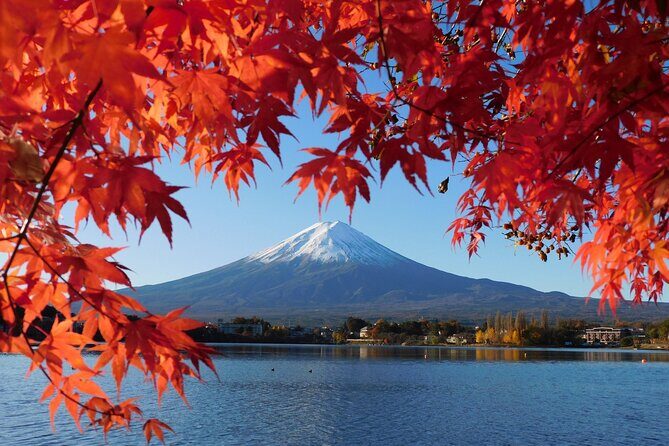
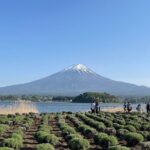
After or around the 5th Station time window, you’ll head to Fujikawaguchiko / Lake Kawaguchi for about an hour of sightseeing. This is a smart move in the schedule. Lakes give you a calmer, more forgiving viewpoint than high-altitude spots.
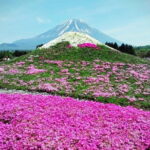
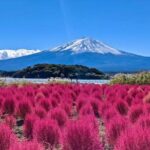
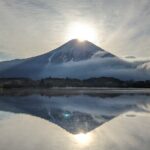
This is also where you get the classic Fuji reflected-in-the-water feeling when conditions allow. Even when the reflection isn’t perfect, the lakefront angles are useful for photos because you can step around and find compositions quickly.
If you’re pairing this day with Hakone, Lake Kawaguchi also sets you up emotionally for the rest of the trip—mountain first, then water again later at Lake Ashi.
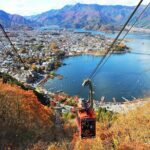
Kachi Kachi Ropeway: quick elevation, better sightlines
The Kachi Kachi Ropeway is one of those “small time investment, big viewpoint payoff” stops. It helps you see the area from higher ground, which can make the landscape feel less flat and more layered.
In plain terms: if the weather is decent, a ropeway ride can turn a good view into a great one. If visibility is poor, it’s still a worthwhile break from walking and helps you move efficiently without losing your day to long detours.
Oshino Hakkai: water, quiet, and a breather from viewpoint chasing
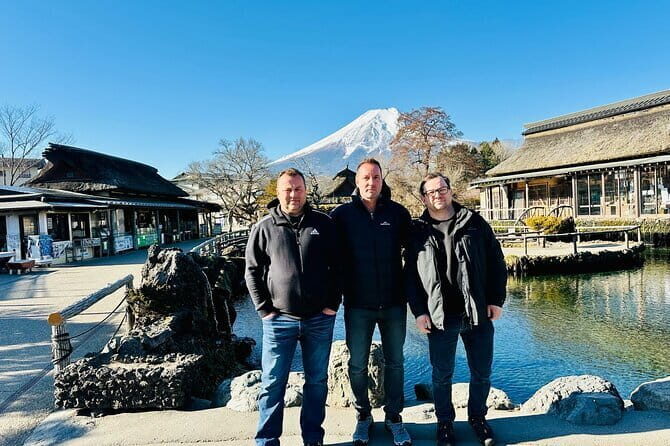
Oshino Hakkai is a much-needed pause in a day packed with iconic stops. You’ll spend about an hour here. The feel is different: less “big monument” energy and more “how does this water keep flowing” curiosity.
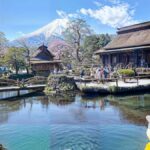
This is also one of the best places to slow down with a guide. A good guide can explain what you’re seeing at the ponds and why the site matters to the Fuji region’s water story. It’s the kind of stop that makes the day feel real, not just checklist tourism.
Hakone Ropeway and Wakudani: when the day turns volcanic
If you’re doing the full Fuji + Hakone route, Hakone adds a completely different texture. After the Fuji-side lake and ropeway, you’ll spend time around:
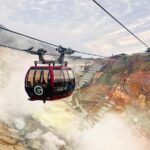
- Hakone Ropeway
- Lake Ashi
- Wakudani
This is where the scenery shifts from lakeside calm to Hakone’s ridge-and-valley vibe. Wakudani is the kind of place that visually signals geothermal activity. Even if you don’t go deep into science, the terrain helps you understand why Hakone became the onsen-and-viewpoint region it is today.
Lake Ashi: classic Hakone views and a good reset between rides
Lake Ashi is a key stop on the Hakone side, with about an hour of sightseeing time. The advantage here is that the lake gives you breathing room. It’s easier on your feet than more walking-heavy stops, and it gives your eyes a break after ropeways and viewpoint crowds.
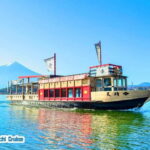
One guide in an experience described a speed-boat style ride on the lake for views back toward Fuji. If that’s part of your day, it’s a great way to shift perspective fast—especially if you’ve already looked at Fuji from shorelines earlier.
Oishi Park and Arakurayama Sengen Park: lakeside calm meets postcard angles
If you choose the Fuji-only itinerary, you’ll also hit:
- Oishi Park (lakeside sightseeing)
- Arakurayama Sengen Park (about an hour)
Oishi Park works well because it’s another angle on the Fuji-lake relationship. You’re not repeating the same view—you’re finding a slightly different composition and light, which is exactly what you want after Lake Kawaguchi.
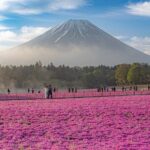
Arakurayama Sengen Park is often the kind of end-stop that feels like a payoff. You get a viewpoint setting that can give you strong “postcard Fuji” results when the weather cooperates.
Shrines that actually fit the route: Fuji Sengen and the meaning of the stops
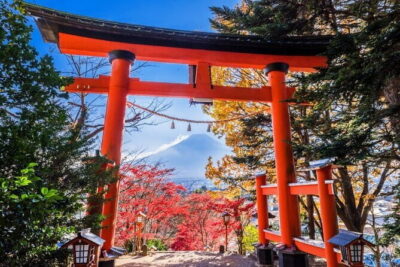
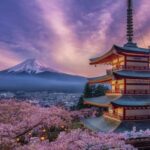
Your itinerary can include Kitaguchi Hongu Fuji Sengen Shrine, plus the Arakurayama Sengen Park area. These aren’t just scenic add-ons. They connect the mountain to local belief and long-term tradition, which makes your day feel grounded rather than purely sightseeing-driven.
A good private guide helps here. The best part of a shrine stop isn’t the building—it’s the context: why the site exists, what it symbolizes, and why locals treat the mountain as more than a backdrop.
Guide quality is the difference maker: the personal touch you can feel
A lot of tours list stops. This one leans on the fact that you’ll have a live English guide who also drives. That combination can make the day feel smooth and safe.
In the experiences shared, guides named Zia and Ghazi Ali got praise for knowing photo spots, handling schedules carefully, and making the day fun without rushing. Petteri was noted for adapting to needs and turning the day into something more personal, with strong local knowledge. Israr and Mukarram were both praised for guiding guests through the Fuji experience with patience and good picture timing. And Hadir stood out for being considerate during a day impacted by traffic.
That matters for you if:
- you care about getting the best angles, not just arriving at a sign
- you want food and practical tips along the way
- you don’t want the stress of figuring out the transport chain yourself
Price and logistics: what $419 per group buys you in real terms
Let’s talk money like a planner, not a brochure.
At $419 per group (up to 5) for a full 10-hour day, the price can feel high for a solo traveler. But the math shifts quickly if you’re sharing the ride with family or friends. You’re paying for:
- Private roundtrip transportation from Tokyo
- Hotel pickup/drop-off
- A private guide who also drives
- Fully insured tour coverage
- A car with Green Number plates
- A structured route that hits Fuji and/or Hakone highlights
Then you still have a couple of extra costs to expect, like the ¥2,800 Mt. Fuji 5th Station entry fee (when you go up). The biggest “hidden” cost is time and weather risk. If you’re traveling in peak seasons with heavy traffic or strong weather shifts, your guide’s routing decisions matter.
For value, I’d put it this way: if you want convenience and a high shot of satisfaction, this tour is priced like you’re buying that. If you’re a confident DIY traveler who enjoys transit puzzles, you might spend less—but you’ll also spend more mental effort.
Who this tour is best for (and who should think twice)
This private day trip is a great fit if you:
- want more guide attention than you’d get on a bus tour
- care about Fuji viewpoints but also want Hakone’s lakes and ropeways
- travel with kids or mixed pacing and want comfort and safety prioritized
- want a day that runs smoothly without you juggling tickets and transit
It may be less ideal if:
- you’re traveling on a super tight schedule and can’t handle any plan changes
- your top priority is going to the 5th Station no matter what (weather can beat that plan)
- you’re the type who loves spontaneity and doesn’t want a set route
My booking verdict: should you book this private Fuji and Hakone day trip?
If your ideal day is a focused Fuji experience with optional Hakone variety, I’d book this—especially for groups of up to five where private transport adds real value. The route is structured around the classic sites people remember: Lake Kawaguchi, the ropeway, Oshino Hakkai, Lake Ashi, and the scenic shrine/park viewpoints. And the guide approach—often praised for photo planning, knowledge, and patience—seems built for people who want fewer hassles and better results.
Just be honest with yourself about the two big variables: weather at the 5th Station and the likelihood of road delays. If you’re okay treating the 5th Station as a bonus rather than the whole trip, this is a strong way to see a lot of Japan’s Fuji-and-Hakone side in one day.
FAQ
How long is the Mount Fuji and Hakone day trip?
The tour runs for 10 hours, including roundtrip transportation from Tokyo.
Does the tour include entry tickets for Mt. Fuji 5th Station?
No. Mt. Fuji 5th Station entry tickets cost ¥2,800 and are not included.
Can I choose a Mount Fuji-only itinerary instead of adding Hakone?
Yes. You can choose a route that covers Mount Fuji and Hakone in one day, or focus your day trip entirely on the Mount Fuji area. You can also customize if time allows.
What’s included in the price?
Included are hotel pickup and drop-off, private roundtrip transportation, a private tour guide (who also drives), Green Number plates, and the tour is fully insured.
Is the tour guide available in English?
Yes. The live tour guide speaks English.
What is the cancellation policy?
You can cancel up to 24 hours in advance for a full refund.