REVIEW · FUJIKAWAGUCHIKO
Mt Fuji Hakone/Enoshima Tour:Optional Ropeway/Lake Ashi Boat
Book on GetYourGuide →Operated by Tour Easy · Bookable on GetYourGuide
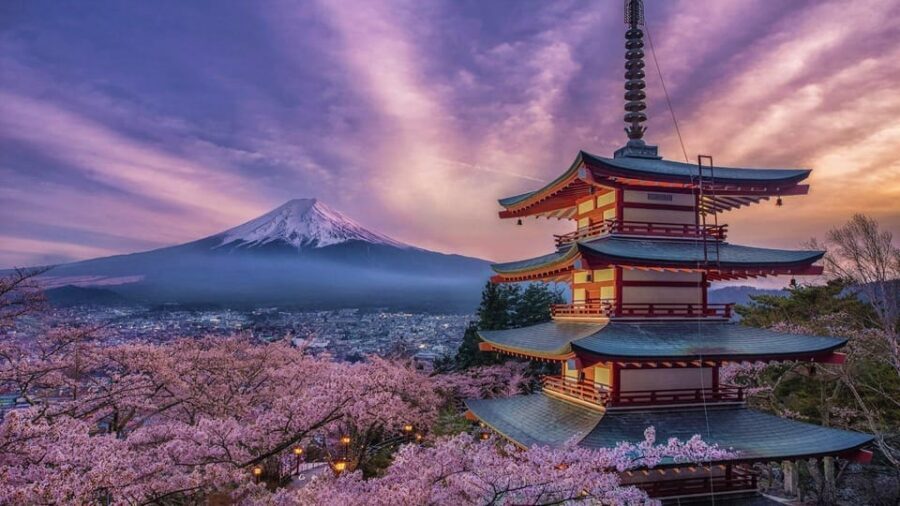
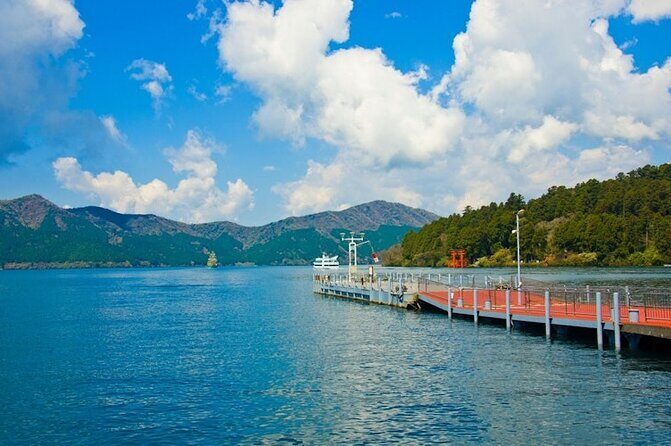
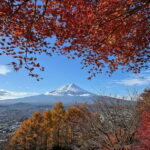
Fuji looks almost unreal from Lake Ashi. This day trip strings together two of Hakone’s most photogenic moments: the lakefront torii view and a pirate-themed cruise that makes the whole scene feel like a movie set.
I also really like how the route uses height changes to tell the story of the area—Hakone Ropeway gives wide views over volcanic terrain, then you drop down to Owakudani’s steam vents and finish with Enoshima’s shrine-and-street vibe. One thing to consider: Mt. Fuji visibility depends on the weather, so you should plan for the possibility that clouds steal the show.
In This Review
- Key Things I’d Prioritize on This Tour
- A Tokyo Day Trip That Bundles Fuji, Hakone, and Enoshima
- Starting From Tokyo: Options, Timing, and Meeting-Point Reality
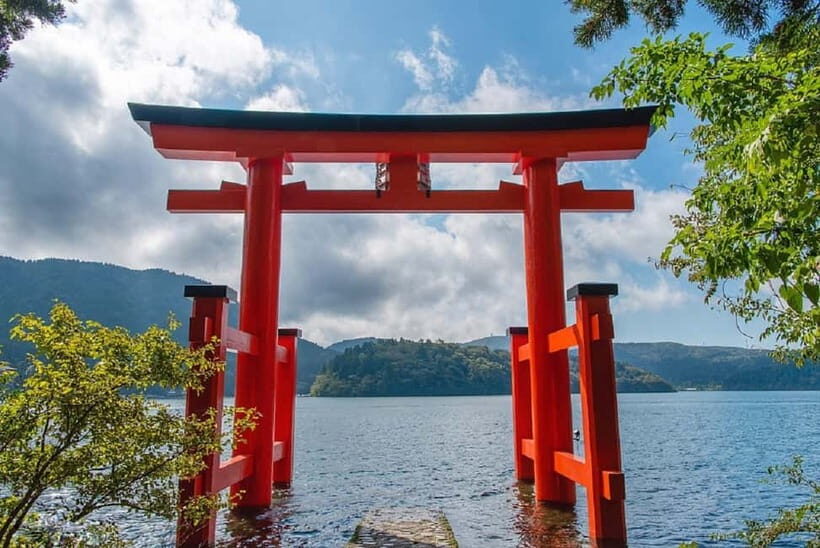
- Hakone Shrine Photo Stop: The Torii Moment by the Water
- Hakone Sightseeing Cruise on the Pirate Ship (30 Minutes)
- Hakone Ropeway: Views Over Volcanic Ground Between Stops
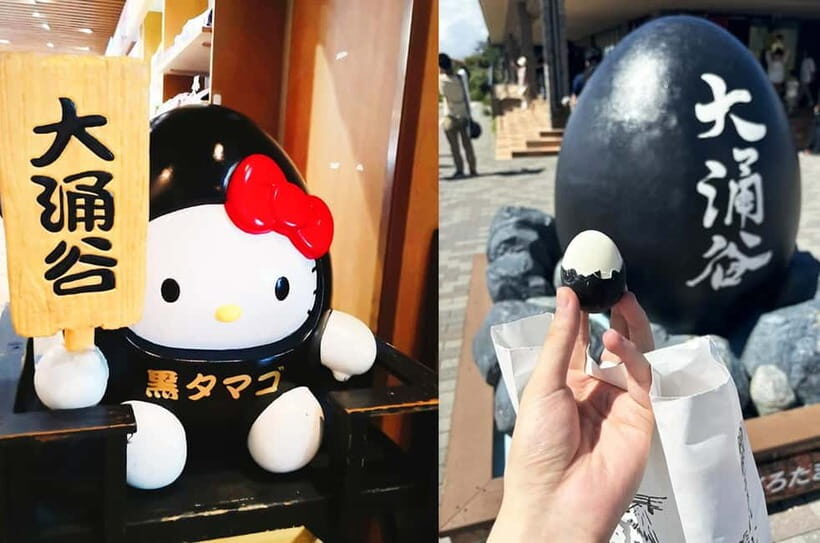
- Owakudani Volcanic Valley and the Black Eggs
- Enoshima Island: Benzaiten Shrine Streets and Coastal Wander Time
- Benzaiten Nakamise Dori and the snack-walk vibe
- Enoshima Shrine (Hetsunomiya) and the steps upward
- Komachi Street: A Break for Coffee, Crafts, and Old-Town Mood
- Time, Pace, and What’s Realistically Left for Photos
- Price and Value: What $53 Buys (and What It Doesn’t)
- Guide and Group Size: Multilingual Help, and Why It Can Vary
- What to Bring (So the Day Feels Easier)
- Should You Book This Mt. Fuji / Hakone / Enoshima Tour?
- FAQ
- How long is the Mt. Fuji Hakone/Enoshima day trip?
- How much does the tour cost?
- What’s included in the price?
- Is food included?
- Where do we meet?
- What should I bring?
- Is Mt. Fuji guaranteed to be visible?
- What happens if the weather or traffic is bad?
- Who is this tour not suitable for?
Key Things I’d Prioritize on This Tour
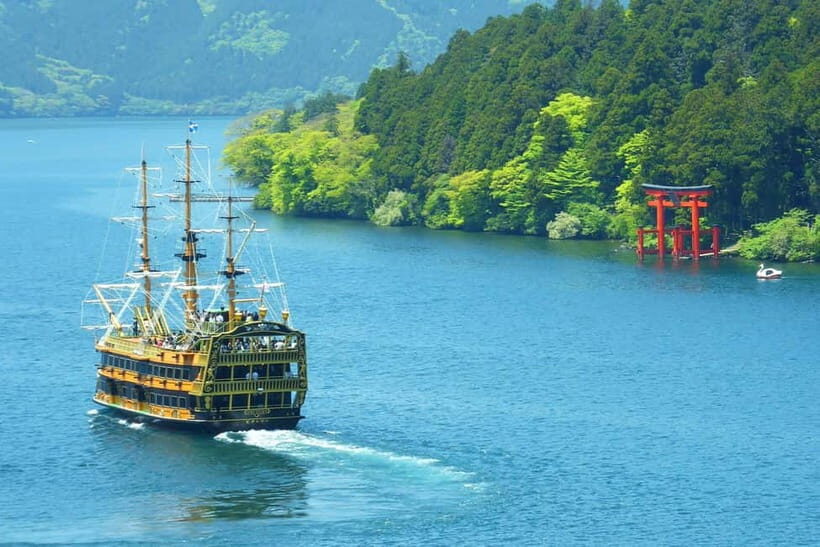
- Lake Ashi views with the Hakone Shrine torii: a classic sight framed by the calm water
- Pirate ship atmosphere on a real sightseeing cruise: open-deck breezes and panoramic angles
- Ropeway over volcanic zones: a fast way to see the scale of Hakone from above
- Owakudani sulfur valley and black eggs: a memorable stop beyond just photos
- Enoshima Shrine plus Benzaiten Nakamise Street: spiritual quiet paired with snack-and-shop time
- Multilingual guiding (English/Japanese/Chinese): makes a shared group day run smoother
A Tokyo Day Trip That Bundles Fuji, Hakone, and Enoshima
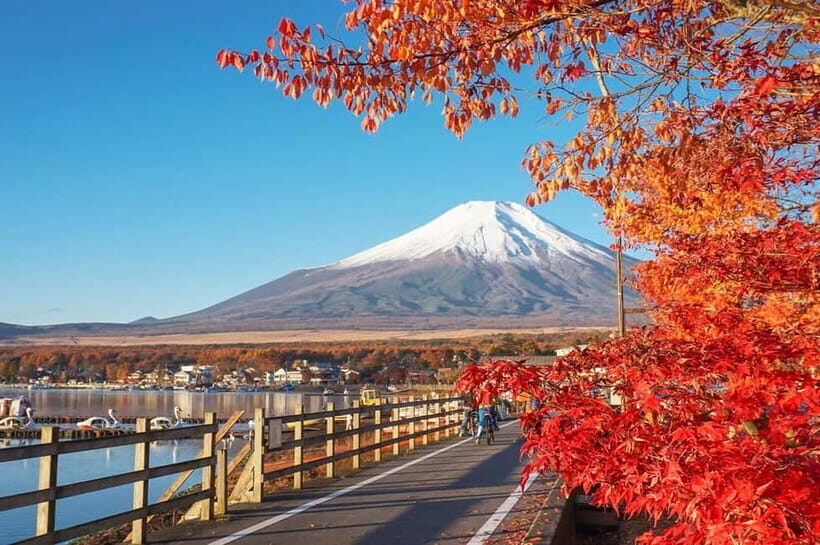
This tour is built for people who want a lot of Japan in one long day without navigating transfers on their own. You’ll start with the Tokyo-to-Hakone rhythm, then hit the region’s big visual hits: Lake Ashi, the Hakone Shrine photo scene, volcanic Owakudani, and finally Enoshima’s coastal shrine street energy.
What I like about the design is that it moves through different “modes.” You get still, lake views; then a cable-car glide; then a steamy volcanic valley; then a cultural island walk with shopping streets. That mix makes the day feel full, but not random—you can connect each stop to the geography.
Other Mount Fuji tours we've reviewed at Mt Fuji & Kawaguchiko
Starting From Tokyo: Options, Timing, and Meeting-Point Reality
You’ll depart from one of two starting locations in Tokyo (listed as different stands), and the meeting point can vary by option. The most important practical tip is simple: arrive at least 15 minutes early. The area can be crowded with tour groups, and you’re looking for your specific guide/flag.
One review highlighted a meeting-point “search” moment when there were many groups with yellow flags, and the guide wasn’t clearly waving it. I can’t change how chaotic that might feel on the ground, but you can reduce the stress by showing up early and checking your confirmation email the night before for the guide and driver contact details.
Also, plan your day around a long bus segment. From Tokyo to the Hakone area, the coach time is about 2.5 hours each way (plus additional time tied to traffic). That’s not a short hop, so dress for the commute and keep your water handy.
Hakone Shrine Photo Stop: The Torii Moment by the Water
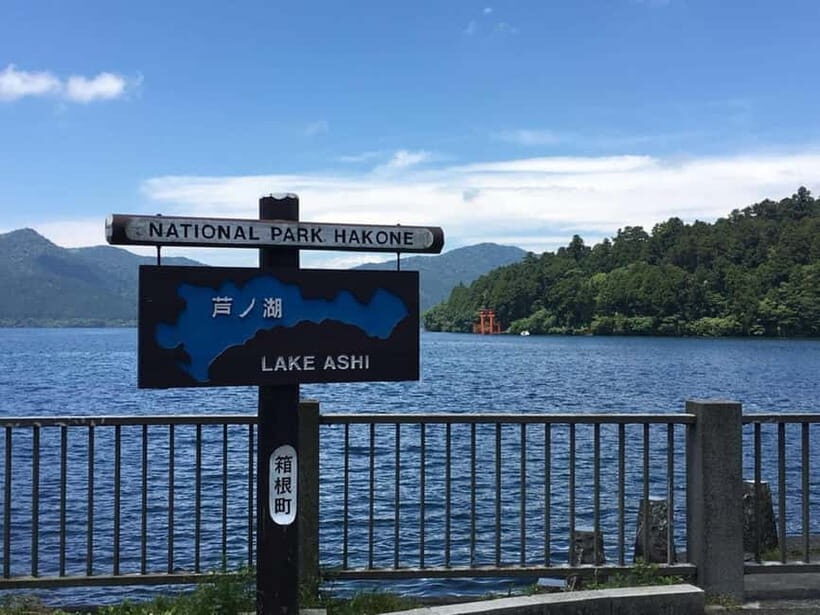
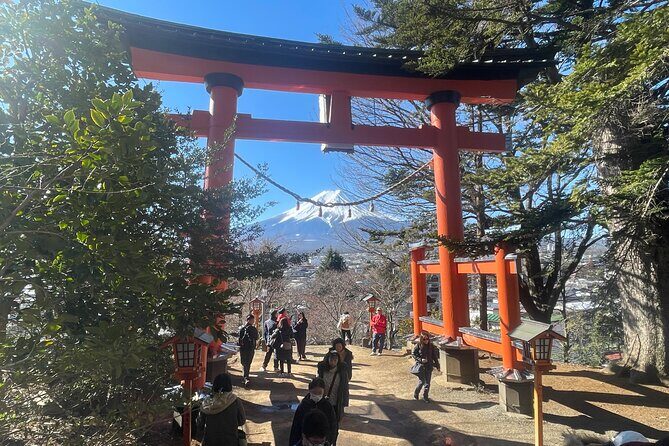
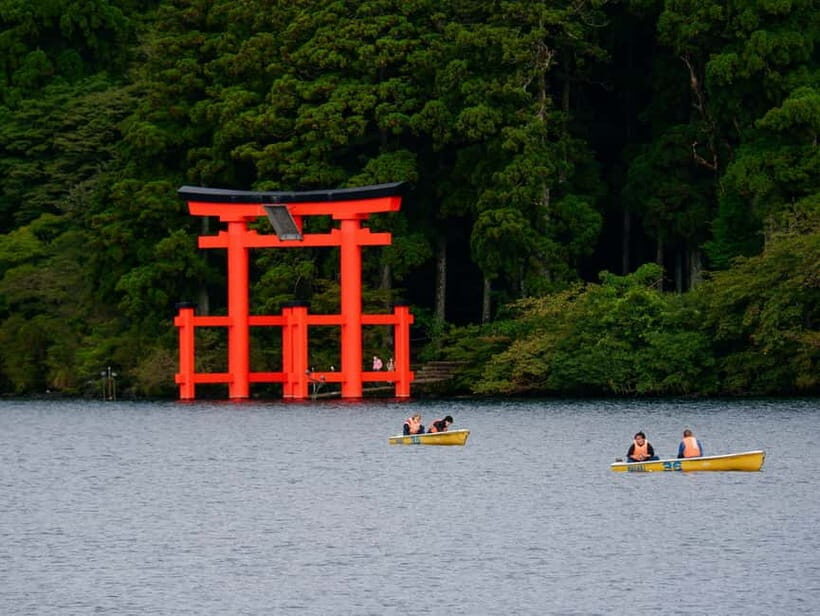
The Hakone Shrine stop is a 20-minute photo stop and sightseeing, which means you won’t have time for a long wandering plan. Still, it’s one of those moments you’ll remember because it’s so “Hakone.” You’re looking for the signature feel of the lakefront vermilion torii—a visual that looks like it’s floating right on the water.
Two helpful mindset notes here:
- Treat it like a photo window, not a full temple visit.
- Be ready to step quickly, because the coach schedule is the backbone of everything else.
If visibility is good, this is where you’re most likely to see Mt. Fuji’s silhouette in the distance. If clouds roll in, don’t panic—the rest of the day still gives plenty of volcanic and coastal texture.
Hakone Sightseeing Cruise on the Pirate Ship (30 Minutes)
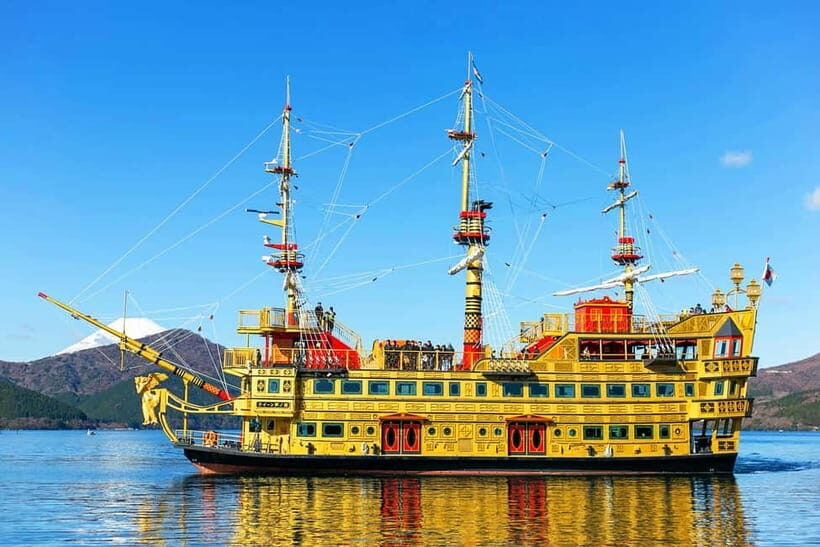
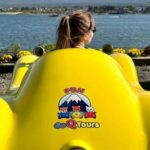
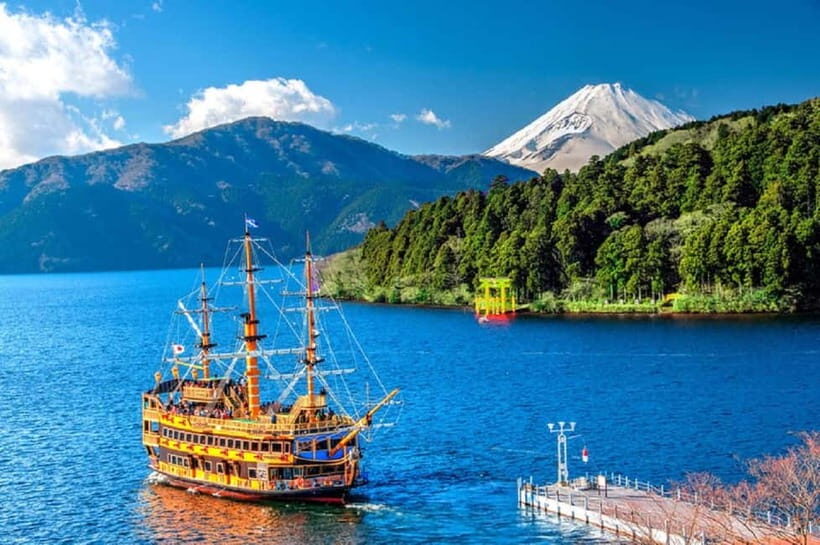
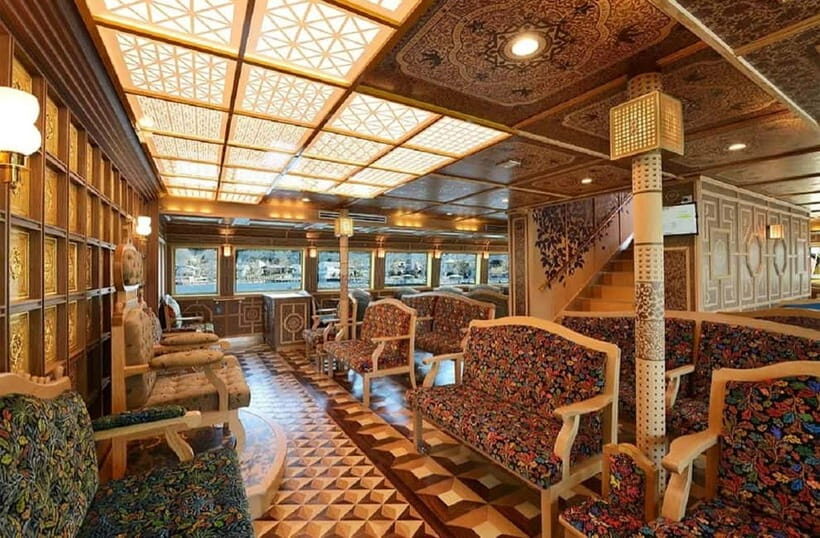
Next comes the Hakone sightseeing cruise (about 30 minutes), and the theme is a “pirate ship” style vessel. Whether you’re into pirate stories or not, the value here is the perspective: you’re not just looking at the lake from land, you’re watching it unfold from the water.
On the open deck, you’ll catch the lake breeze and get broader angles back toward the shoreline. This is also a good time to look for the red torii reflection and layered mountain shapes—Lake Ashi tends to look calm from the boat, which makes the scenery feel extra cinematic.
Because the cruise is short, I suggest you pick one or two things to do: take photos from a single best spot and then just watch the water for a while. Don’t treat it like a marathon sightseeing session.
Hakone Ropeway: Views Over Volcanic Ground Between Stops
Then you get a 30-minute ropeway (cable car) ride. This is one of the best “return on time” parts of the day because height reveals what the valley roads can’t.
From the ropeway, you’re traveling above a volcanic region, and you’ll get sweeping views over Lake Ashi and Mt. Fuji when conditions allow, plus the rough, steam-touched terrain that defines Hakone. Even if you miss a sharp Fuji view, the volcanic textures still look striking from above.
Practical tip: bring a light layer. Cable cars can feel cooler than you expect, and you’ll be standing near windows for photos.
Other Mt Fuji and Hakone combo tours at Mt Fuji & Kawaguchiko
Owakudani Volcanic Valley and the Black Eggs
Owakudani is where the day turns from pretty views to real geothermal energy. You’ll spend about 40 minutes here for photo stops and sightseeing.
Expect sulfur vents, steam, and that unmistakable mineral smell in the air. The ground feels alive—there’s hissing and steaming that makes the volcanic setting feel immediate instead of just atmospheric.
And yes, there’s the famous food moment: black eggs boiled in hot spring water associated with the volcanic area. They’re known locally as an item believed to add longevity (the common claim is seven years). You don’t need a deep lore background to enjoy this stop—the experience is fun, the setting is memorable, and it’s one of the easiest “only-in-Hakone” things to grab and try.
Enoshima Island: Benzaiten Shrine Streets and Coastal Wander Time
After the volcanic hits, the schedule shifts to Enoshima Island, and that contrast is part of the reason this tour works. You get about two hours on Enoshima Island plus additional time for shrine visits and the famous shopping street.
Benzaiten Nakamise Dori and the snack-walk vibe
When you cross over to Enoshima, the route begins along Benzaiten Nakamise Dori—a street with lively stalls and snack shops. The air here is food-driven: grilled seafood smells, sweet treats, and traditional souvenirs. The best move is to walk slowly for 20 minutes to get your bearings, then pick one snack and one small souvenir to avoid blowing your time and budget.
Enoshima Shrine (Hetsunomiya) and the steps upward
You’ll also visit Enoshima Shrine, including the Hetsunomiya. This is where the day gets quieter. The shrine is dedicated to the three sister goddesses of fortune, and it’s known for a long-running spiritual presence.
Because the time is shared with the group, you’ll likely do a practical circuit: see the main shrine area, look for lanterns and red shrine elements, and take in the views as you move upward and back down.
If you enjoy mixing spiritual sites with casual street culture, Enoshima is one of the best endings for a long day out of Tokyo. It doesn’t feel rushed like some “photo-only” island stops.
Komachi Street: A Break for Coffee, Crafts, and Old-Town Mood
Your day also includes mention of a stroll around the Komachi Street area in Kamakura. This is more of a mood adjustment than a core activity. It gives you a chance to slow down, look at craft shops or tea-house style spots, and grab something warm or sweet before returning to Tokyo.
Even if you don’t buy much, it’s the kind of walk that helps the day feel complete—like you’re not just collecting checkpoints, you’re also seeing how locals spend time.
Time, Pace, and What’s Realistically Left for Photos
This is a 10–11 hour day, and the itinerary is packed with short segments at each main site. Some stops are explicitly photo-focused (like Hakone Shrine and Owakudani), and others are longer (Enoshima Island gets about two hours, plus shrine and Nakamise street time).
That pacing has a downside and a benefit:
- Benefit: you see a lot without committing to a full self-planned day.
- Downside: you need quick decisions. If you want a specific photo angle, you’ll have to hustle a bit, and you won’t have hours to explore like you would on your own.
For photos, I’d prioritize:
- Torii + Mt. Fuji sightline (weather permitting)
- Boat deck angles on Lake Ashi
- Ropeway panoramas above the volcanic ground
- Owakudani steam vents (even without Fuji)
Price and Value: What $53 Buys (and What It Doesn’t)
At $53 per person for a full day, the value is mostly in the logistics you don’t have to figure out. You’re paying for:
- An A/C vehicle with parking, gas, and taxes handled
- A live guide (English/Japanese/Chinese) plus the driver
- A structured route that hits multiple regions in one pass
What’s not included is also important: food and drinks are on you. That means your budget should include snacks, lunch, and any extra treats you want on Enoshima’s Nakamise Street.
If you like “greatest hits” travel and you’re short on time in Tokyo, this price can feel fair because it bundles transport + guiding across Hakone and Enoshima. If you’re a slow traveler who hates fixed windows, you may find the pace squeezes the experience. In that case, it may be better to plan Hakone and Enoshima separately.
Guide and Group Size: Multilingual Help, and Why It Can Vary
This is a shared group tour, so you’re not traveling solo. The guide provides explanations in multiple languages, and the guide language set includes Chinese, English, and Japanese. In the reviews, I saw praise for guides who made the day feel organized and helpful—one guide named Wanting was specifically called out for being helpful and handling multiple languages smoothly.
Another review mentioned Laila, with compliments on her attentiveness and friendly approach, and the group being able to complete everything on the plan.
That said, not every day runs identically. One review described the experience as having little explanation, with the driver just dropping the group at sights. Another mentioned a more uncomfortable bus situation due to the driver being unwell and temperature swings. You can’t control those day-to-day human factors, but you can control your preparation:
- Keep your expectations flexible.
- Bring a layer for temperature changes in the bus.
- Ask your guide for a quick check on what to do at each stop if anything feels unclear.
What to Bring (So the Day Feels Easier)
The tour asks for a practical kit:
- Comfortable shoes (you’ll walk on island streets and shrine areas)
- Camera (you’ll want it for Lake Ashi, ropeway panoramas, and Owakudani)
- Water
- Comfortable clothes
And a couple of rules that affect your day:
- Smoking isn’t allowed
- Food isn’t allowed in the vehicle
Also bring some cash, because certain locations may not accept credit cards.
Should You Book This Mt. Fuji / Hakone / Enoshima Tour?
Book it if:
- You want a single-day introduction to Hakone plus Enoshima without the hassle of planning
- You like structured itineraries with guided context (especially with multilingual support)
- You’re excited by the combination of Lake Ashi views, volcanic Owakudani, and shrine-street culture
Skip it or reconsider if:
- You want a slow, fully flexible day. This tour works in short time windows.
- You feel strongly about seeing Mt. Fuji. Visibility is weather-dependent, and it’s not guaranteed.
My take: for first-time visitors, this is a strong value day trip because it compresses the region’s main experiences into one route, and the guided format helps you connect the dots between lake, volcano, and coastal shrine life. Just go in prepared for the weather gamble, arrive early to avoid meeting-point stress, and you’ll get a day that feels both scenic and genuinely varied.
FAQ
How long is the Mt. Fuji Hakone/Enoshima day trip?
The duration is 10 to 11 hours, depending on the starting time availability.
How much does the tour cost?
It costs $53 per person.
What’s included in the price?
You get a vehicle with A/C, all taxes/parking/gas fees, an English/Japanese/Chinese speaking guide, and the driver.
Is food included?
No. Food and drinks are not included. Personal expenses are also not included.
Where do we meet?
The meeting point may vary depending on the option booked, so you’ll want to follow the specific meeting details you receive.
What should I bring?
Bring comfortable shoes, a camera, water, and comfortable clothes.
Is Mt. Fuji guaranteed to be visible?
No. Mt. Fuji visibility depends on weather and cannot be guaranteed.
What happens if the weather or traffic is bad?
If there’s bad weather, holiday congestion, or traffic, the return time might be later than planned, which can affect attraction time or cause cancellations.
Who is this tour not suitable for?
It’s not suitable for pregnant women and wheelchair users.