REVIEW · TOKYO
Mt Fuji, Takayama, Nagano Private Tour w Local guide/photographer
Book on Viator →Operated by Japan Experiences · Bookable on Viator
Three days, four prefectures, zero stress. This private tour strings together Mt Fuji photo spots and Japan’s lesser-frequented stops in Takayama and Nagano, with a local guide who also shoots photos. I like that you’re not just moving through places; you’re getting help to see them in a way that actually works for real photos and real time.
My favorite part is Kye himself: a Japan-born, half-Australian, semi-pro photographer who’s quick with jokes and keeps the vibe relaxed. The second big win is the pacing that leaves room for transportation, so you’re not constantly guessing where to go next. One consideration: meals aren’t included, and several day-3 attractions have admission fees you’ll pay yourself.
In This Review
- Key highlights at a glance
- What makes this private tour feel different from a bus day
- Mt Fuji photo stops: getting the shot without the stress
- “Big-name” prefecture stops and why they still work
- Day 2 energy: Osaka theme-park time, then Takayama calm
- Nagano snow monkey day: Jigokudani Yaen-Koen and the real payoff
- Add-on zoo stop: Chausuyama Zoo for red pandas
- Zenkoji temple and the quieter route feel
- Hakuba Goryu and Shiga Kogen: winter-snow stops that depend on timing
- Togakushi soba museum: learning the noodle side of Nagano
- Endo Sake Brewery tastings: a calmer finale with local flavor
- Matsumoto Castle: inside a real fortress, not just a photo wall
- Comfort, tickets, and what you need to budget
- The guide experience: Kye’s photo mindset and the private advantage
- Who this tour suits best
- Should you book this Mt Fuji, Takayama and Nagano private tour?
- FAQ
- Is this a private tour?
- How many people is the group size?
- What vehicle do you use?
- Is pickup offered and where does the tour start?
- Is WiFi included?
- What admissions are included versus not included?
- Are meals included?
Key highlights at a glance
- Local guide-photographer Kye who turns stops into photo moments, not just check-the-box sightseeing
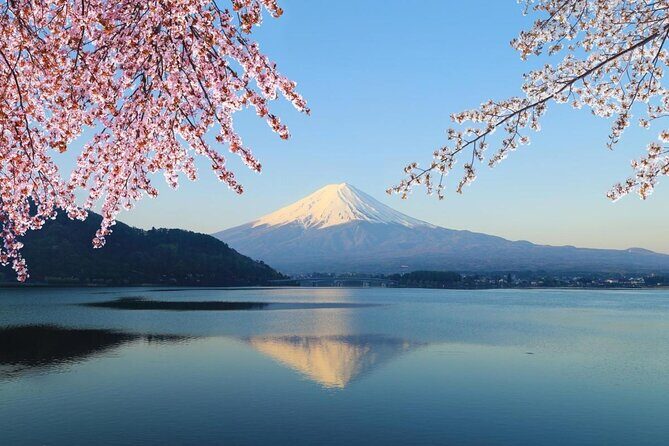
- Mt Fuji viewing with multiple photo spots so you can try different angles and timing
- Takayama’s small-town feel (often called miniature Kyoto) with a quieter atmosphere
- Nagano snow monkey country at Jigokudani, plus extra animal and culture stops nearby
- Ski-area flexibility in winter with Hakuba Goryu and Shiga Kogen framed as snow-focused options
- Comfort logistics: air-conditioned vehicle, WiFi on board, pickup offered, and mobile tickets
What makes this private tour feel different from a bus day
This is a private setup for up to four people, so the plan can feel tailored without you having to micromanage everything. You get a local guide who knows how to move you between viewpoints efficiently and how to talk you through what you’re seeing. In practice, that means less time standing around wondering what to do next, and more time with the view in front of you.
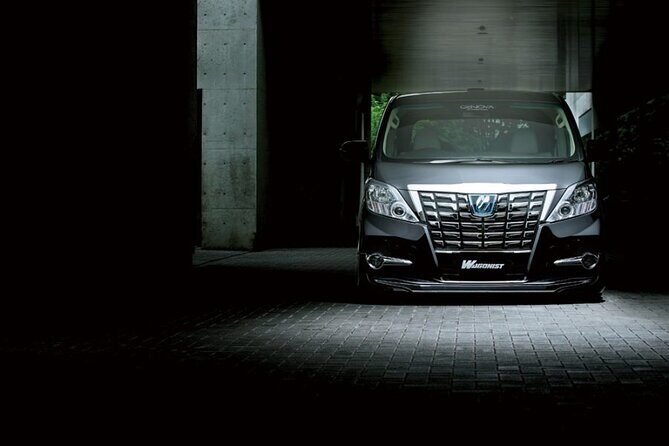
The vehicle matters too. The standard ride is a 2023 Toyota Land Cruiser Prado, with a Japanese luxury van available if you want extra space. Add air-conditioning and WiFi on board, and you’ve got something that’s actually pleasant when you’re bouncing between stops.
One more thing I appreciate: the experience is set up as a “3 days in motion” style tour. Some days are heavier on travel and orientation, so you should expect short stops rather than long, slow wandering at every location.
Other Mount Fuji tours we've reviewed at Mt Fuji & Kawaguchiko
Mt Fuji photo stops: getting the shot without the stress
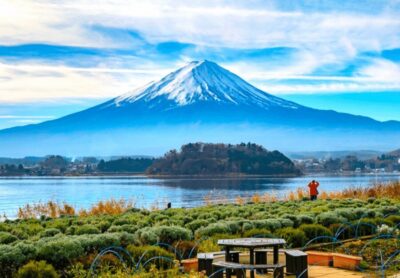
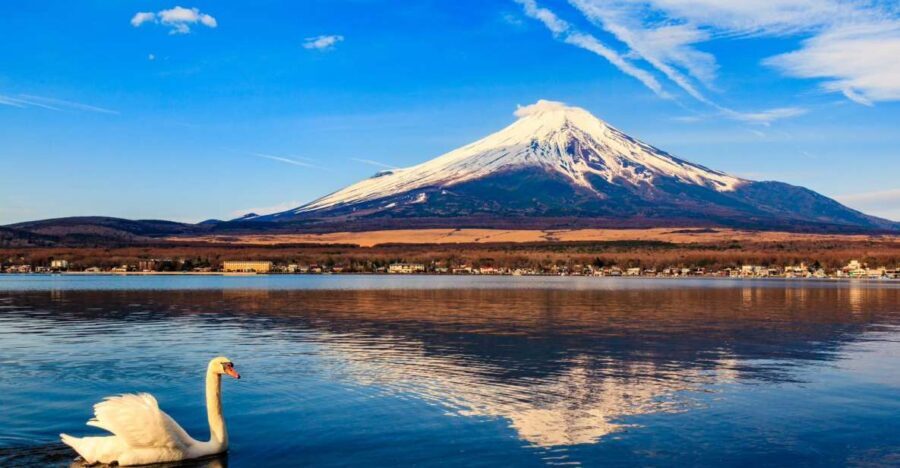
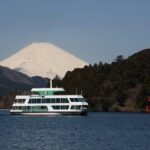
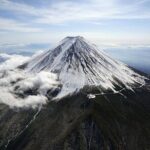
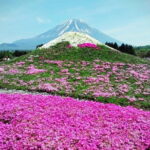
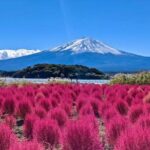
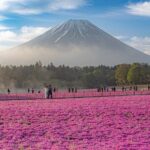
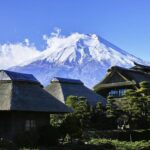
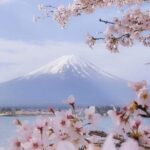
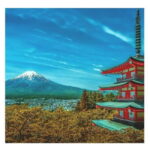
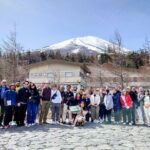
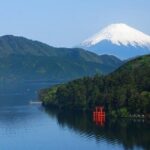
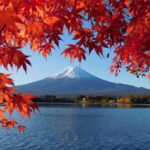
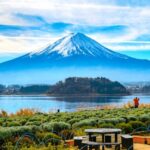
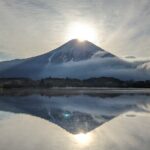
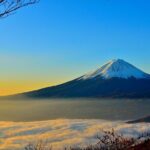
Day 1 starts with Mount Fuji and multiple photo spots. That detail sounds simple, but it’s the difference between one quick look and a real attempt at capturing the mountain in a few different ways. Fuji photography is all about timing and angle, and having several pull-offs helps you adjust when the light shifts.
You’ll also notice the tour label says admission is free for this stop. That’s useful because it keeps your budget predictable for the most famous landmark in the country.
What I’d do if you want great results: keep your camera ready, but also watch the mountain like you’re not photographing. The guide’s photo instincts help, yet the best Fuji moments come from catching the clarity of the sky and the rhythm of the scene, not just the peak itself.
“Big-name” prefecture stops and why they still work
After Fuji, the schedule includes short stops labeled with Kyoto Prefecture, Sapporo, and later on other regions. Even though they’re not long stays, these are the kinds of stops that help you get your bearings fast across Japan. Think of them as quick hits: a feel for the region’s character, a break from driving, and a chance to reset before the next major destination.
For you, that can be a smart trade. You’re visiting three headline areas—Fuji, Takayama, Nagano—so you don’t want every day to turn into an all-day scramble. These shorter stops keep the trip from feeling like pure transit, while still getting you to the places that deserve more time.
Day 2 energy: Osaka theme-park time, then Takayama calm
Day 2 begins with Osaka and a major theme park experience. The description leans into the excitement angle—speed, height, and fear—so plan for a fun, high-energy block of time. Admission is listed as free for this stop, which is one of the best value surprises in the plan.
If you’re traveling with anyone who likes big attractions, this part is usually where the group gets its smiles back. Even if thrill rides aren’t your thing, being there for a theme park day can still be a great break from temple-and-castle mode.
Then you pivot to Takayama, described as miniature Kyoto. This is where the tour changes from adrenaline to atmosphere. Takayama is known for its old-town feel and a calmer pace than some of Japan’s more overloaded heritage destinations. The plan frames it as a chance for history and nature, which is exactly what you want in this kind of private tour: a town stop that gives your day texture instead of just ticking boxes.
You’ll likely appreciate that Takayama is set up as a shorter stop. You can still enjoy streets and viewpoints without burning the day fighting crowds.
Nagano snow monkey day: Jigokudani Yaen-Koen and the real payoff
Day 3 is the most nature-and-culture focused. It starts with Jigokudani Yaen-Koen, the place most people come for. The highlight is seeing the Japanese red-faced snow monkeys in a semi-natural setting. The name Jigokudani translates to hell valley, and the tour notes the sulfur environment makes it hard for plants to grow. That odd detail helps the whole place make sense once you’re there.
The time you get here—about two hours—is enough for first viewing, watching monkey behavior, and finding your rhythm. This is one of those attractions where you’ll get better results the less you rush. If you can, let your brain settle in before you start trying to plan shots.
Admission is not included for this stop, so budget for that upfront.
Other private guided tours at Mt Fuji & Kawaguchiko

Add-on zoo stop: Chausuyama Zoo for red pandas
Right after snow monkeys, there’s Chausuyama Zoo for red pandas. This is one of those “why not” stops that works well because you’re already in the snow monkey region. The tour gives you about one hour here, which is enough to enjoy the cuteness factor without turning your day into a zoo marathon.
Admission is also not included for this stop. Still, it’s a practical add-on if you’re traveling with kids, animal lovers, or just people who like variety.
Zenkoji temple and the quieter route feel
Next up is Zenko-ji Temple in Nagano. The description calls it more traditional than some you might see in Tokyo, and it’s framed as a place where you won’t feel buried under crowds. That matters because temple visits go from enjoyable to annoying when you’re stuck behind a wall of people.
There are two separate Zenkoji-related stops listed: Zenko-ji Temple, plus another stop described as a traditional path leading to Zenkoji. In real-life terms, that gives you two chances to see different aspects of the area—main temple atmosphere first, then the approach feel.
Admission is listed as free for these Zenkoji stops. That’s good value for a day that already includes a couple of paid attractions.
If you want a simple travel tip: slow down on the approach path. You get a better sense of the layout and mood, and you’re less likely to feel rushed when you reach the main area.
Hakuba Goryu and Shiga Kogen: winter-snow stops that depend on timing
After temples and monkeys, the schedule shifts to snow-country attractions: Hakuba Goryu Ski Resort / Alpine Botanical Garden and then Shiga Kogen. The notes are clear that these are winter-focused. Hakuba Goryu is described as a top powder snow destination and is known in off-piste circles, while Shiga Kogen is positioned as a nearby area right next to the snow monkeys offering good snow.
Also helpful: Hakuba is described as only about a two-hour drive from the snow monkey area. That gives you context for why it fits into a same-day block.
Admission is not included for these winter stops. If you’re not visiting during a season when these places are operating as expected, you may need to treat them as scenic areas and plan around what’s open.
Even so, for winter travelers this is one of the strongest sections of the trip because it connects culture stops with snow scenery in a way that feels logical, not random.
Togakushi soba museum: learning the noodle side of Nagano
Then comes Togakushi Soba Museum Tonkururin, framed as a chance to learn how to make traditional soba from scratch. Nagano is one of Japan’s major soba prefectures, so this is a good cultural match after the more scenic and animal-heavy morning.
Admission is not included for this stop. Still, I like that this isn’t just “watch someone else cook.” The tour description puts learning at the center, which is what makes a food experience travel-worthy.
If you’re the type who remembers trips by what you tasted, this stop helps you remember them by what you learned too. Even a short hands-on or step-by-step experience can stick.
Endo Sake Brewery tastings: a calmer finale with local flavor
Next is Endo Sake Brewery, described as one of more than ten sake breweries in the area, with tastings available. Admission is not included here. But if you like alcohol tastings as a cultural activity, this is a great way to end a day that started with monkeys and temples.
Sake tasting stops work best when you’re not trying to do it like a race. The guide can help you keep it fun and not overwhelming, and you’ll leave with a sense of local flavor styles rather than just a single quick sip.
Matsumoto Castle: inside a real fortress, not just a photo wall
Finally, the tour closes with Matsumoto Castle. The plan highlights that it’s one of Japan’s treasured castles, and that you can go inside. It also gives specific details: it has a five-tiered, six-story main tower built in the late 16th century, and it’s the oldest surviving castle tower in Japan.
That kind of specificity matters for value. Castles can feel generic when you’re just walking by. Being able to enter and knowing what you’re looking at turns it into a deeper stop, even if your time there is about an hour.
Admission is not included for this stop.
Comfort, tickets, and what you need to budget
This tour includes an air-conditioned vehicle and WiFi on board, plus pickup offered and mobile tickets. Those are the practical things that make a multi-stop private day feel manageable.
On the money side, admissions are mixed:
- Some key stops are listed as free (like Mt Fuji viewpoints and the Osaka theme-park stop).
- Several day-3 attractions list admission not included, including the snow monkeys, red pandas, ski-area stops, the soba museum, the sake brewery, and Matsumoto Castle.
Also, meals are not included. That’s not a deal-breaker, but it’s something you should plan for so you aren’t forced into expensive convenience-store meals when the day is moving.
The guide experience: Kye’s photo mindset and the private advantage
Kye is described as a Japan-born, half-Australian, semi-pro photographer who’s quick with a joke. That matters because photos in Japan aren’t just about having a good camera. You want help knowing where to stand, how to frame a scene, and when it’s worth trying again because the light and weather shift.
In a private tour, that photo mindset becomes more than a hobby. It helps the whole trip feel intentional. Instead of rushing to every famous spot, you get a chance to get your bearings and then work the moment.
Who this tour suits best
I think this works best for:
- Small groups of up to four who want private guidance instead of joining big bus crowds
- Photo-minded travelers who want help beyond pointing at landmarks
- People combining famous icons (Mt Fuji) with quieter regional experiences (Takayama and Nagano)
- Winter travelers who can take advantage of snow-focused stops like Hakuba Goryu and Shiga Kogen
It might feel less ideal if you’re the type who wants long stays in every place or you’re strict about avoiding extra paid admissions on day 3.
Should you book this Mt Fuji, Takayama and Nagano private tour?
If you want a comfortable private way to see three major Japan areas without feeling lost, I’d lean yes. The blend of Fuji photo stops, Takayama’s calmer old-town vibe, and Nagano’s snow-monkey region is a strong combination, especially with a guide who thinks like a photographer.
Before you book, do two things: (1) confirm which day-3 attractions require you to pay admission yourself, and (2) plan your meals so you’re not stuck deciding on an empty stomach. If you’re traveling in winter and can enjoy the snow-area stops, the value feels even stronger.
One more practical point: this experience is non-refundable. So lock in your dates only when you’re confident you can keep them.
FAQ
Is this a private tour?
Yes. It’s a private tour/activity, and only your group participates.
How many people is the group size?
The tour price is per group for up to 4.
What vehicle do you use?
The standard vehicle is a 2023 Toyota Land Cruiser Prado. A Japanese luxury van is available as an option if you want more space.
Is pickup offered and where does the tour start?
Pickup is offered, and the experience starts in Tokyo, Japan. It ends back at the meeting point.
Is WiFi included?
Yes. WiFi on board is included.
What admissions are included versus not included?
Some stops list admission tickets as free, while several stops are marked as admission not included (including the snow monkeys area and other day-3 attractions).
Are meals included?
No. Meals are not included.