REVIEW · FUJIKAWAGUCHIKO
From Kawaguchiko: Mt. Fuji Private Tour with a Local Guide
Book on GetYourGuide →Operated by Johnny's Mt Fuji Kawaguchiko Tours · Bookable on GetYourGuide
Six hours with Fuji views and zero crowd stress. This private Kawaguchiko-area tour is built around changing weather and visibility, so your day feels like a smart local plan instead of a fixed bus route.
I like how it mixes famous spots with quieter, more personal places, and how the guide actively helps you time photo stops and walking breaks. One thing to note: the itinerary is not going up to Mt. Fuji 5th Station, so it’s more about the Fuji-area lakes, temples, and viewpoints than summit-level views.
In This Review
- Key Points Worth Booking This For
- Why a Private 6-Hour Fuji Day Beats the Usual Bus Plan
- Meeting Pickup, Not a Meeting-Point Shuffle
- Weather-Driven Planning: How You Still Win When Fuji Hides
- Yagizaki Park to Lake Kawaguchi: First Fuji-View Chances
- Oishi Park, Kubota Itchiku Art Museum, and the Easy Art-and-View Mix
- Waterfall Walks and Shrine Time: Haha-no-Shirataki to Fujikawaguchiko’s Temple Circuit
- Big Shrine Names and Museum Stops: Kitaguchi-hongu to Fujisan Museum
- Oshino Hakkai: The Stop That Turns Fuji Scenery Into a Mini Market Day
- Hard Off and Saiko Iyashi-no-Sato Nenba: The Quirky Pairing That Keeps It Local
- Arakura Fuji Sengen Shrine and the Dragon Cave: Fuji Views With Movement
- Lake Motosu to Finish Strong: Calm Fuji-Time at the End
- Food on Your Terms: What It Costs and How the Guide Helps
- Price and Value: $387 for Up to 7 Isn’t About Discounts
- Who This Tour Suits Best (and Who Might Skip It)
- Should You Book This Kawaguchiko Private Tour?
- FAQ
- FAQ
- How long is the Mt. Fuji private tour from Kawaguchiko?
- Is this tour a private group?
- How much does it cost?
- Does the tour visit Mt. Fuji Fifth Station?
- Where can we be picked up?
- What language is the tour guide?
- What’s included in the price?
- Are food and drinks included?
- How does the itinerary handle weather or visibility?
- Can I cancel and get a full refund?
Key Points Worth Booking This For
- Private group up to 7: easy pacing for families, couples, and small friends groups
- English live guide (Johnny) who adjusts the route when rain or haze hits
- Weather/visibility-based itinerary focused on getting you the best possible Fuji moments
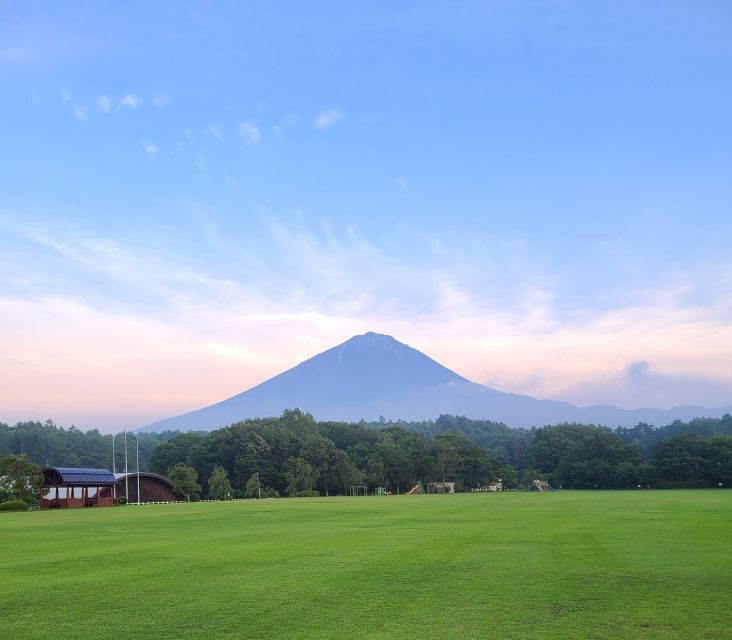
- Iconic lakes and parks like Lake Kawaguchi and Oishi Park plus shrine stops
- Oshino Hakkai and Saiko Iyashi-no-Sato Nenba for classic Fuji countryside atmosphere
- Breaks and short walks built in: waterfall time, cave time, and museum time
Why a Private 6-Hour Fuji Day Beats the Usual Bus Plan
If you’ve ever taken a day trip around Mt. Fuji and felt like you spent more time in line than looking at the mountain, this tour hits a different note. You’re not stuck with a crowd’s pace, and you’re not waiting for everyone to finish the same 12-photo routine.
I also like the fact that the schedule is designed around what Fuji is doing that day. The tour is explicitly based on weather and visibility, which matters here because you can go from clear mountain views to flat gray skies in a hurry.
The other big advantage is simple: you get a local guide with a plan that still has wiggle room. At this length (6 hours), that flexibility turns a short day into something that actually feels worthwhile.
Other Mount Fuji tours we've reviewed at Mt Fuji & Kawaguchiko
Meeting Pickup, Not a Meeting-Point Shuffle
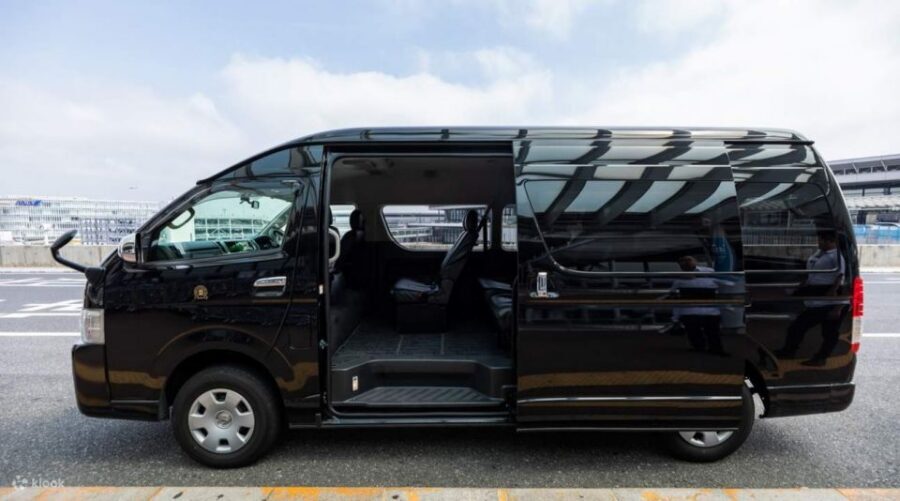
Logistics make or break a short day around Kawaguchiko, so I appreciate how pickup is handled. You can be collected from your hotel, or from major Kawaguchiko-area points like Kawaguchiko Station, Mt Fuji Station, and Fuji Q Highland Station—plus pickup is available within Fujiyoshida, Kawaguchiko, and Narusawa.
You also get drop-off flexibility at the end, with the tour finishing back at Fujikawaguchiko, Narusawa, or Fujiyoshida. That means less last-minute taxi math and more time spent where you actually planned to go.
Weather-Driven Planning: How You Still Win When Fuji Hides
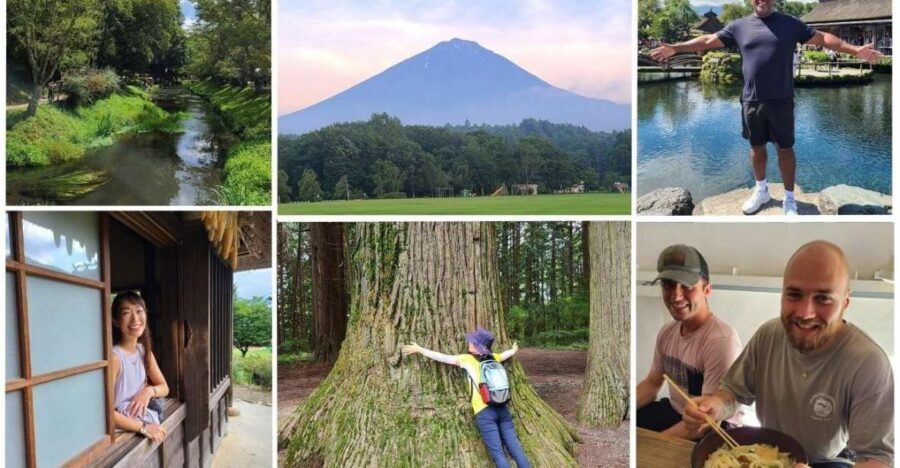
Mt. Fuji can be shy. Even on days with rain or low visibility, the tour approach is to keep moving toward the best chances, rather than throwing in the towel early.
The itinerary is built around the day’s conditions, and your guide can adjust on the fly so you spend time at the places most likely to deliver good views or a great experience regardless of the sky. In practice, this is why many groups end up happy even when Mt. Fuji itself doesn’t show at the exact moment they hoped.
If your dream is a clear postcard view, prioritize timing and patience. But if your goal is to experience the Fuji-area culture and nature, this kind of weather-aware planning keeps the day fun instead of frustrating.
Yagizaki Park to Lake Kawaguchi: First Fuji-View Chances
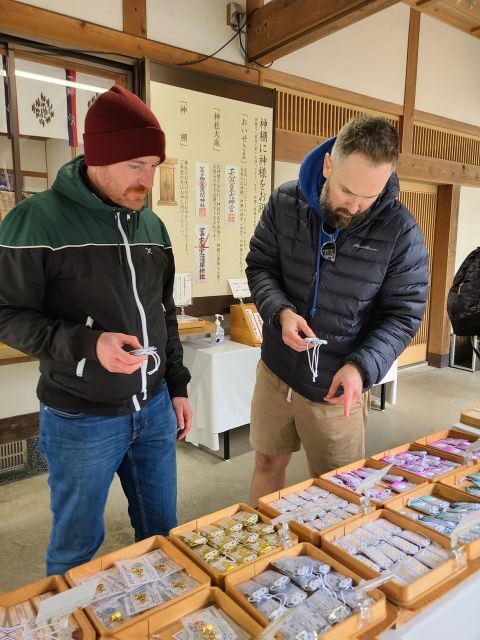
Your morning starts with pickup, then you’ll head to Yagizaki Park. It’s set up as a photo stop plus a short visit (about 15 minutes). This quick start works well because it gets you into the right rhythm for the day: look, take photos, then move on before crowds pile in.
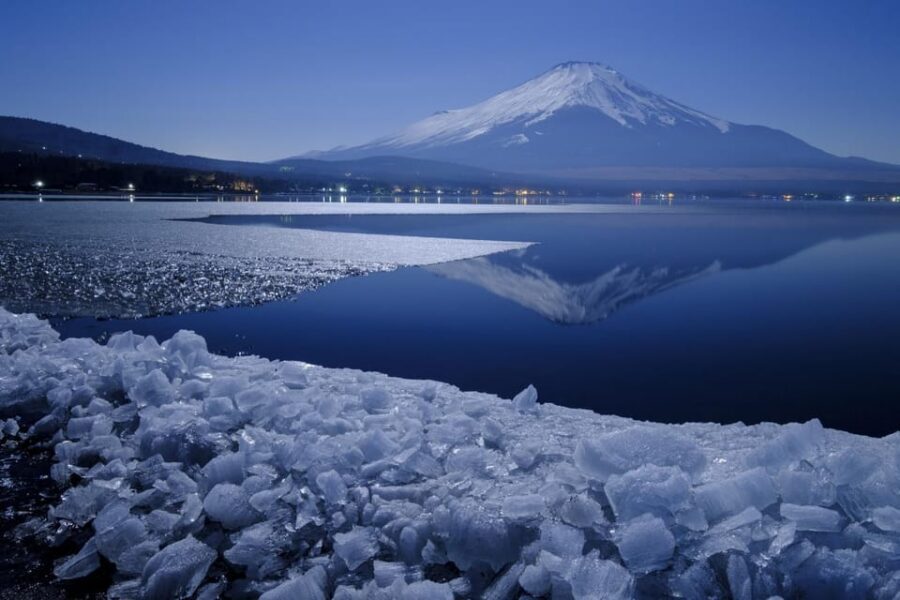
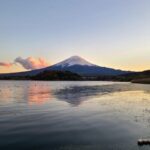
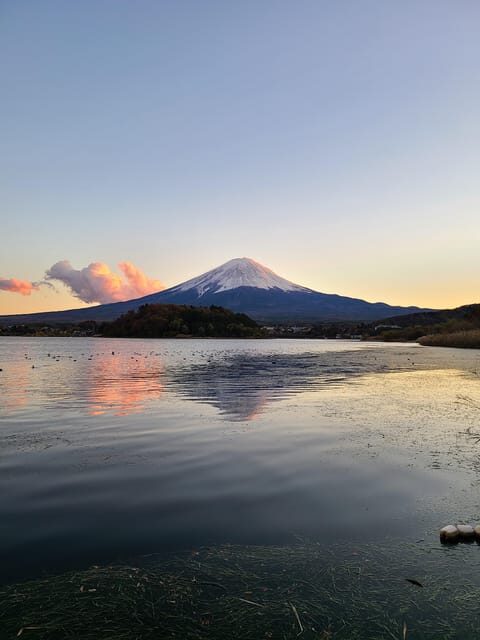
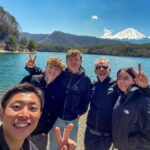
Next is Lake Kawaguchi, also framed as a photo stop and visit with time to enjoy the area and try for the most scenic moment. The schedule even includes sunset timing at this stop, plus scenic driving and scenic views along the way (about 15 minutes for the lake segment).
For many people, Lake Kawaguchi is the emotional heart of a Kawaguchiko day. Even when Fuji is faint, the lake’s shoreline views and the calm pace of the area still feel like Japan’s mountain-side postcard world.
Oishi Park, Kubota Itchiku Art Museum, and the Easy Art-and-View Mix
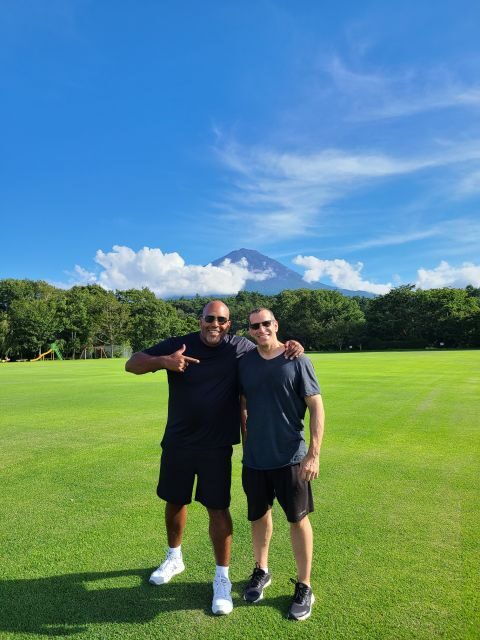
After the lakeside feel, the tour transitions to Oishi Park. You’ll get another photo stop and a bit of free time with shopping built in (about 20 minutes). This is a good place for relaxed wandering and grabbing small snacks or souvenirs without turning the day into a shopping marathon.
Then comes Kubota Itchiku Art Museum with a stop that includes sightseeing and scenic views on the way (about 20 minutes). If you like art that connects to place and materials—rather than just stopping at another view point—this gives your day a different flavor. It also breaks up the outdoors time so you don’t feel like you’re only walking between scenery.
This art-and-nature pacing is one reason the 6 hours feel balanced. You’re not forced to choose between “only views” and “only indoor stuff.”
Other Lake Kawaguchiko tours at Mt Fuji & Kawaguchiko

Waterfall Walks and Shrine Time: Haha-no-Shirataki to Fujikawaguchiko’s Temple Circuit
From park energy, you’ll shift toward classic Fuji-area nature and spirituality.
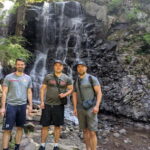
You’ll visit Haha-no-Shirataki Waterfall, with a stop that includes viewing and a short walk (about 20 minutes). Waterfall areas are usually easier to enjoy when you can move at your own pace, and a private tour makes that possible. Even if the waterfall isn’t huge, it’s still a refreshing break from the open-lake views.
After that, there’s Kawaguchi Asama Shrine (about 15 minutes). You’ll have time for a photo stop, a walk, and sightseeing. Shrine visits can feel repetitive on big group tours, but here it’s more like a calm pause—short, respectful, and scenic.
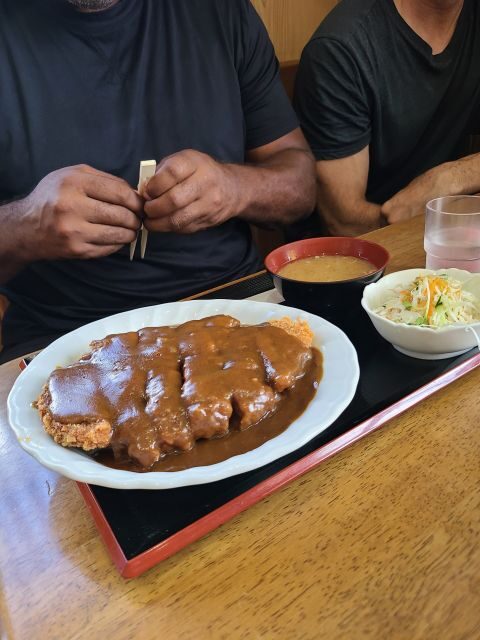
Then you’ll take a break time (35 minutes) at Houtou Fudou. Food isn’t included on the tour, so this is the moment to eat if you want. This stop is also where your guide’s local advice really matters: you’ll be choosing based on what’s good that day, not just what’s easy to spot from the sidewalk.
Big Shrine Names and Museum Stops: Kitaguchi-hongu to Fujisan Museum
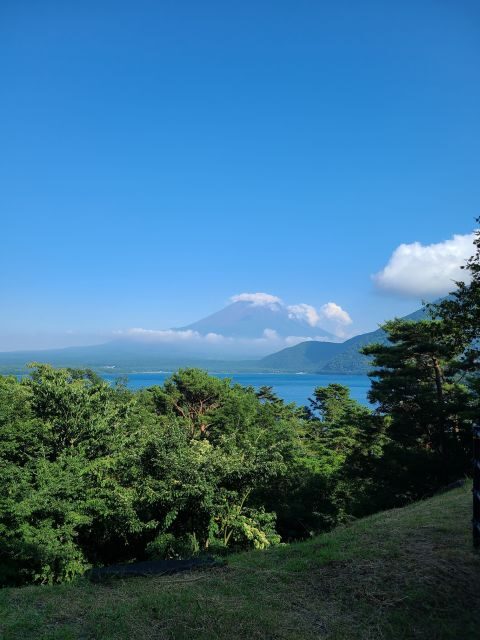
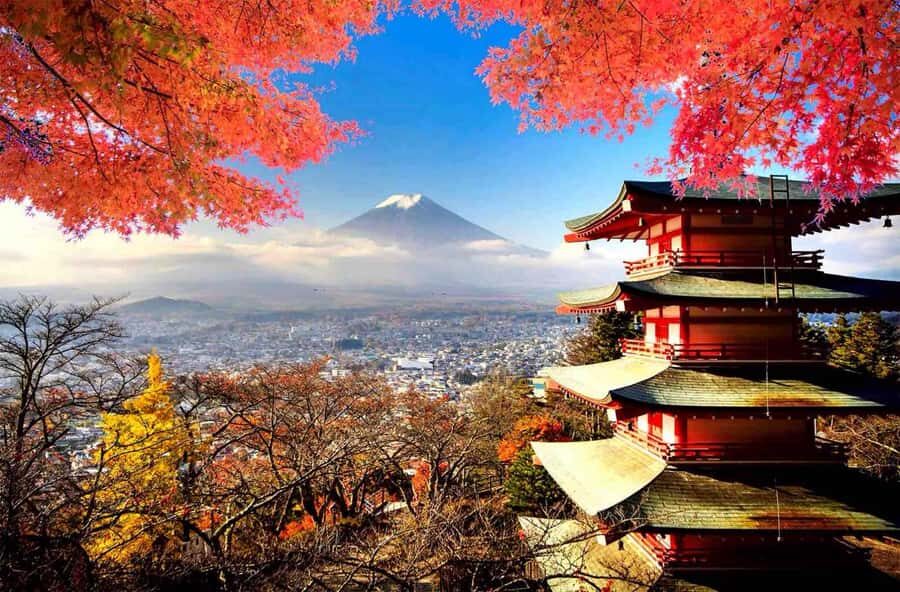
Next is Kitaguchi-hongu Fuji Sengen Shrine with a photo stop, sightseeing, and walking time (about 25 minutes). This is one of the places where the mountain theme shifts from “viewpoint” to “meaning.” The shrine is named directly around Fuji, so you get that cultural context without needing a lecture.
Then you’ll visit Fujisan Museum (about 20 minutes). It’s another short stop, but it’s useful because it can help you connect what you’re seeing—lakes, shrines, and nature—into a broader Fuji story.
I like these mid-day stops because they keep the day from becoming only photo angles. You get a more rounded sense of how locals think about Fuji and the surrounding area.
Oshino Hakkai: The Stop That Turns Fuji Scenery Into a Mini Market Day

One of the best-supported highlight stops is Oshino Hakkai, with a photo stop, visit, free time, shopping, and a food market visit (about 35 minutes). This is where you can slow down a bit, snack, and pick up small gifts without needing a long detour.
Oshino Hakkai also works because it’s visually distinct from the lake-promenade areas. Think of it as a different texture in your day: water-related sights, walk-around time, and plenty to see in a compact area.
One practical tip: with markets, it’s easy to spend 20 minutes “just looking.” Build that time into your plan, because it’s part of the fun here.
Hard Off and Saiko Iyashi-no-Sato Nenba: The Quirky Pairing That Keeps It Local
Yes, there’s a stop for Hard Off, and it’s listed as visit and pass by time (about 15 minutes). If you’ve never browsed Japanese thrift electronics and bargain shops, this can be an amusing reset between bigger sights. If you don’t care about that sort of stop, you still keep your day’s pace because it’s not too long.
Then the tour heads to Saiko Iyashi-no-Sato Nenba with a self-guided tour plus walking time (about 20 minutes). This is a classic “slow wandering” style stop, where you can take in the atmosphere and choose how much time you need without your guide constantly redirecting you.
What you get out of Nenba is a different feel from the lakes and major shrine areas. It’s more about stepping into a calmer rural mood and letting the area do the talking.
Arakura Fuji Sengen Shrine and the Dragon Cave: Fuji Views With Movement
Next up is Arakura Fuji Sengen Shrine (about 35 minutes), including a photo stop, sightseeing, and walking time. This longer window is useful because shrine viewpoints are often better when you can move around a bit, rather than just snap photos from one angle.
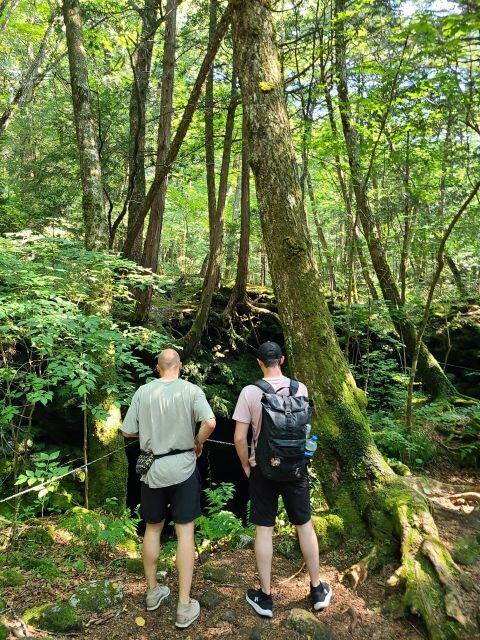
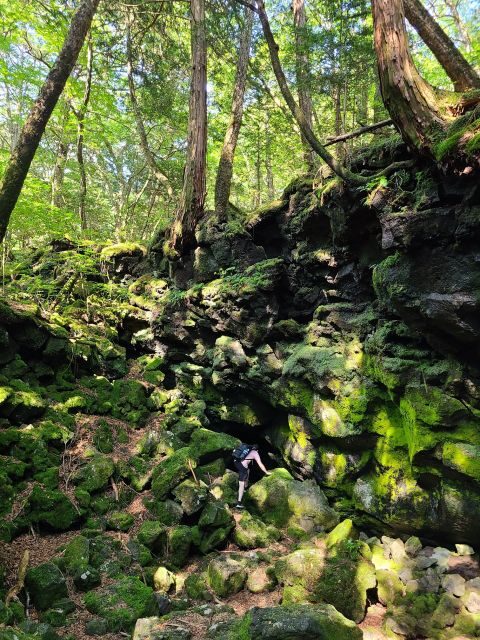
Then comes The Dragon Cave (about 15 minutes): photo stop, visit, sightseeing, and scenic views on the way. Caves are the kind of stop that feel extra fun when you’re with kids or when you just want a more adventurous break. It also adds variety in your day: you’ve had lakes, waterfalls, shrines, and now something with a story-like name and a more tactile environment.
Lake Motosu to Finish Strong: Calm Fuji-Time at the End
You’ll end with Lake Motosu (about 30 minutes), including a photo stop, visit, sightseeing, and scenic drive and views on the way. This works well as a final act because it’s the kind of ending that lets you absorb the day rather than sprinting toward the last landmark.
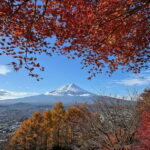
If Fuji has shown itself earlier, you may get a final chance for views. If not, the quiet lake atmosphere still gives your trip a satisfying close.
Food on Your Terms: What It Costs and How the Guide Helps
Food and drinks are not included, but your guide is there to help you eat well without guessing. If you choose to eat during the tour, budget about 1,500 to 2,000 yen per person (roughly $10–$17) for the day.
The value here isn’t just the cost. It’s that you’re getting local recommendations for what to try near where you are, and you’re not wasting time trying to translate menus while your tour is ticking.
If you’re traveling with kids, food timing matters even more. The built-in break at Houtou Fudou makes it easier to plan a real meal instead of snack-chasing all afternoon.
Price and Value: $387 for Up to 7 Isn’t About Discounts
At $387 per group (up to 7) for about 6 hours, the pricing makes sense if you compare it to what “value” looks like in Japan: not just cost, but time, stress, and wasted walking.
A standard bus day from Tokyo can feel cheap until you count the long transfers, fixed timings, and the fact that you may spend your “precious Fuji day” herding with everyone else. Here, you’re paying for the guide, the private pacing, and the route flexibility.
This is especially good value when:
- You’re a family (less waiting, more bathroom-and-pace control)
- You want to see more than just one lake or one shrine
- You care about good photo timing when weather shifts
- Your group has mixed interests (views + shrines + short walks + a museum)
Also, the tour is described as having highly-rated transport and strong guide feedback. That matters because private tours live and die by comfort and communication.
Who This Tour Suits Best (and Who Might Skip It)
This tour fits best if you want a private Mt. Fuji day in the Kawaguchiko region and you prefer flexibility over a strict checklist. It’s great for first-timers who want the famous sites but still want space to breathe.
You might consider a different option if your top priority is reaching the Mt. Fuji Fifth Station, because this tour does not go there. And if you only want one or two ultra-famous stops with lots of free time back at your base, you may find a packed-but-short itinerary more than you need.
Should You Book This Kawaguchiko Private Tour?
I’d book it if you want a practical, guide-led day where the route adapts when the sky changes. The mix of lakes, shrines, waterfalls, Oshino Hakkai, a cave stop, and a museum makes the 6 hours feel full without turning into a long day-trip grind.
Book it if your group values comfort and control. Pickup and drop-off within Fujiyoshida, Kawaguchiko, and Narusawa means you can plan around where you actually stay, not where a bus decides you must meet.
If you’re unsure, pick based on your Fuji goals. If you want the summit experience, look elsewhere. If you want the Fuji-area culture, nature, and viewpoints done well in a single day, this is a strong choice.
FAQ
FAQ
How long is the Mt. Fuji private tour from Kawaguchiko?
The tour is 6 hours.
Is this tour a private group?
Yes, it’s a private group (up to 7 people).
How much does it cost?
It costs $387 per group (up to 7).
Does the tour visit Mt. Fuji Fifth Station?
No, this tour does not go to Mt. Fuji Fifth Station.
Where can we be picked up?
Pickup is available from any location within Fujiyoshida, Kawaguchiko, and Narusawa, and there are also pickup options such as Kawaguchiko Station, Mt Fuji Station, and Fuji Q Highland Station.
What language is the tour guide?
The live tour guide is English.
What’s included in the price?
Hotel pickup and drop-off are included, along with a local guide.
Are food and drinks included?
No. If you eat during the tour, food costs average about 1,500 to 2,000 yen per person (roughly $10–$17).
How does the itinerary handle weather or visibility?
The itinerary is based on the day’s weather and Mt. Fuji visibility.
Can I cancel and get a full refund?
Yes, you can cancel up to 24 hours in advance for a full refund.