REVIEW · TOKYO
Mount Fuji Full-Day Private Tour from Tokyo (Customizable)
Book on GetYourGuide →Operated by Travels on peak · Bookable on GetYourGuide
Fuji in a single day is possible. This private tour strings together the best sighting spots around Mount Fuji and Hakone with a live English-speaking guide. It’s a full-day plan that saves you from the timing headaches of hopping between towns on your own.
I like two things most. First, the views from Subaru 5th Station are the real start of the day, because you’re up at about 2,300 meters with huge mountain-and-crater perspective. Second, you get a mix of classic Fuji photo stops (shrines, the pagoda viewpoint) plus Hakone scenery like Lake Ashi and the ropeway area, without feeling like you’re just stuck on a bus. One drawback to plan for: lunch and key paid experiences (Fuji Subaru Line 5th Station fees, plus ropeway and pirate-ship tickets) aren’t included, so you’ll want extra yen for those.
In This Review
- Why this private Fuji + Hakone day works
- A private Fuji and Hakone day: how the route feels
- Subaru 5th Station at 2,300 meters: the first big Fuji wow
- Fujiyoshida shrine stops and Chureito Pagoda: Fuji photos with personality
- Oshino Hakkai ponds: a calm Fuji-side detour
- Lake Kawaguchi, Oishi Park, and Saiko Iyashi-no-Sato Nenba: variety without chaos
- Hakone National Park: Lake Ashi and the ropeway day
- Budget and ticket reality: what you’ll actually spend
- Timing, weather, and how to maximize your odds for clear Fuji
- Best for who: families, first-timers, and people who want a smooth plan
- Should you book this Mount Fuji and Hakone private tour?
- FAQ
- What’s the duration of the Mount Fuji full-day private tour from Tokyo?
- How much does the tour cost?
- Where can the tour pick you up and drop you off?
- What languages are the guide available in?
- What’s included in the price?
- What isn’t included?
- What should I bring for the tour?
Why this private Fuji + Hakone day works
- Subaru 5th Station (2,300 m) as your morning anchor for the best chance at clear Fuji views
- A guide who handles timing and flow, with English support and helpful local tips from guides like Fahdi, Yousaf, Shaon Khan, and Ali (as seen in prior trips)
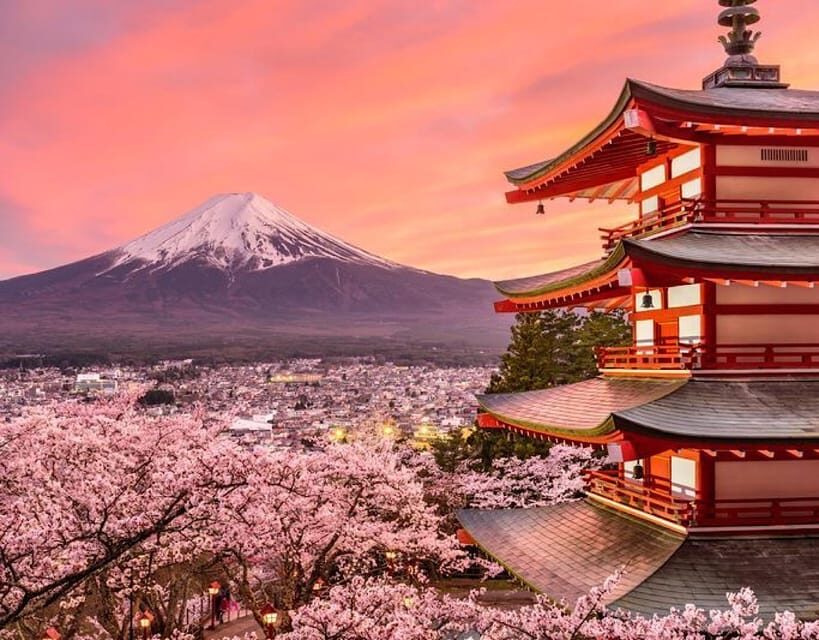
- Classic Fuji viewpoints without the scramble, including shrines and the Chureito Pagoda area
- Hakone’s Lake Ashi plus ropeway terrain, pairing calm water with volcanic scenery
- Comfort-focused logistics, including air-conditioned transport, bottled water, and hotel pickup/drop-off
A private Fuji and Hakone day: how the route feels
This is one of those days where you can keep your energy for looking, not for figuring out. You start with hotel pickup (options include Tokyo, Hakone, or Fujiyoshida), and the driver contacts you before pickup so you’re not guessing where to stand. Expect a long but manageable rhythm: you’ll spend meaningful time at each stop, then move on to the next, with breaks built in.
Because it’s private (or small group), the day tends to move at a pace that actually fits sightseeing. In practice, that means the guide can adjust to small delays and keep you from feeling rushed when a view is worth waiting for. In the past, guides on this kind of trip have been praised for being punctual and clear with English—helpful when you want to ask quick questions like where to stand for the cleanest Mount Fuji angle.
Also, remember the basics: it’s about 10 hours total, so comfy shoes matter. This isn’t a sit-down museum day. It’s photo stops, short walks, and viewpoints.
One more practical note: the tour isn’t suitable for people over 95. If you’re older or have mobility limits, check with the operator before you book, since much of the day involves getting in and out of vehicles and walking around outdoor areas.
Other Mount Fuji tours we've reviewed at Mt Fuji & Kawaguchiko
Subaru 5th Station at 2,300 meters: the first big Fuji wow
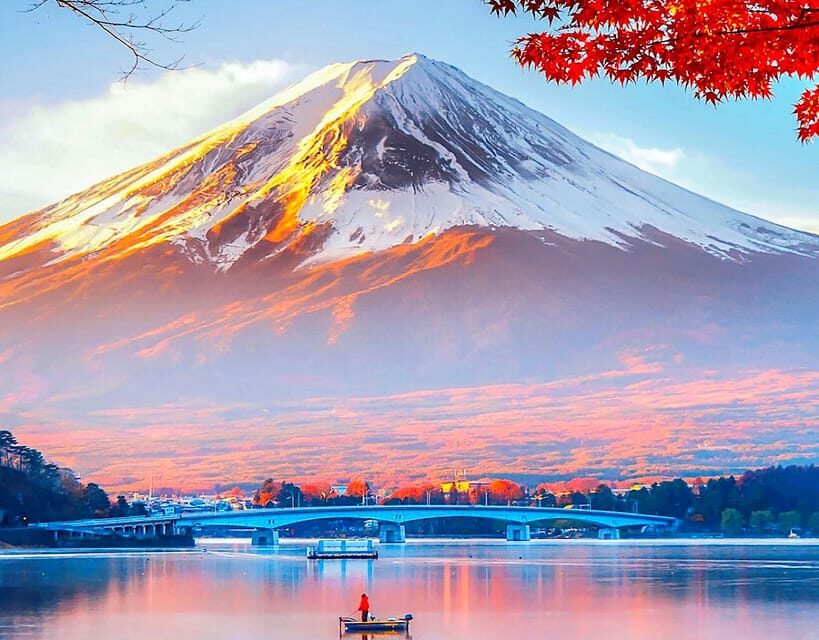
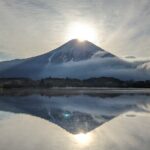
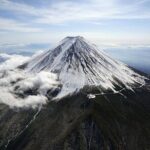
If you want the Mount Fuji moment to start strong, this is where the day earns its reputation. Subaru 5th Station sits around 2,300 meters above sea level, and that altitude gives you a much more dramatic sense of the mountain than you get from town viewpoints.
Here’s what makes the stop feel worthwhile instead of just scenic parking:
- you get panoramic views of the surrounding area, including the crater and distant mountain layers
- you can see how Mount Fuji connects to the Fuji Five Lakes region
- you visit the Tenjosan Komitake Shrine, which is a nice “pause and look” stop rather than just a quick photo
This is also a major starting point for hikers (even if you’re not hiking), so the location has that grounded, real-world Fuji vibe. You’ll likely want to spend time just watching how the light hits the ridges. If conditions are clear, this is often the best time to catch a sharp outline before the day gets busier and weather shifts.
One thing to know: entry fees for the Subaru 5th Station area are not included, and you’ll also want cash on hand. Plan on bringing your wallet even if you’re used to tapping a card in Japan.
Fujiyoshida shrine stops and Chureito Pagoda: Fuji photos with personality
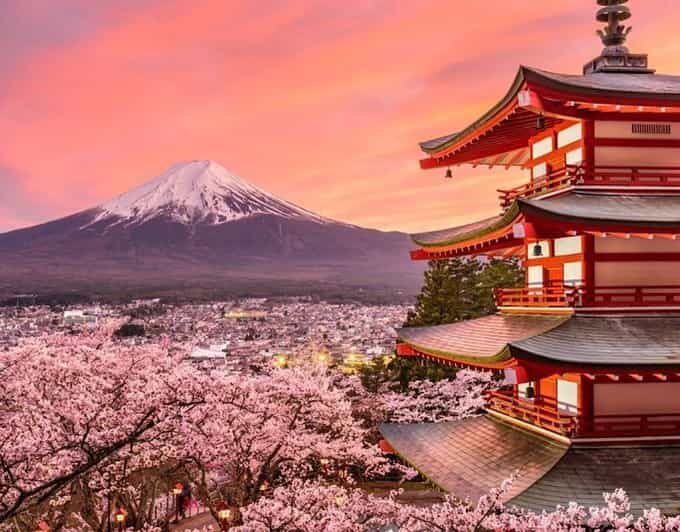
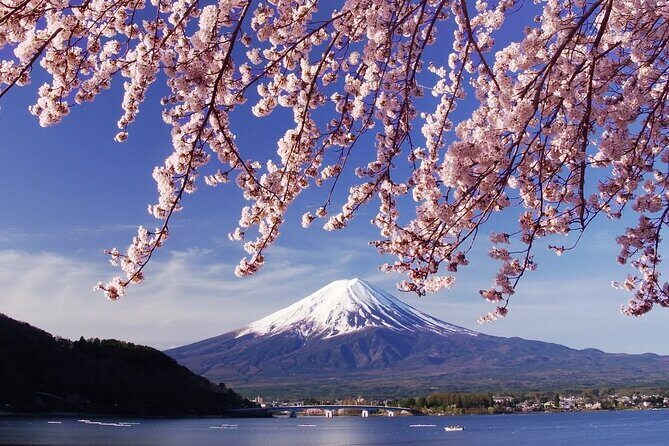
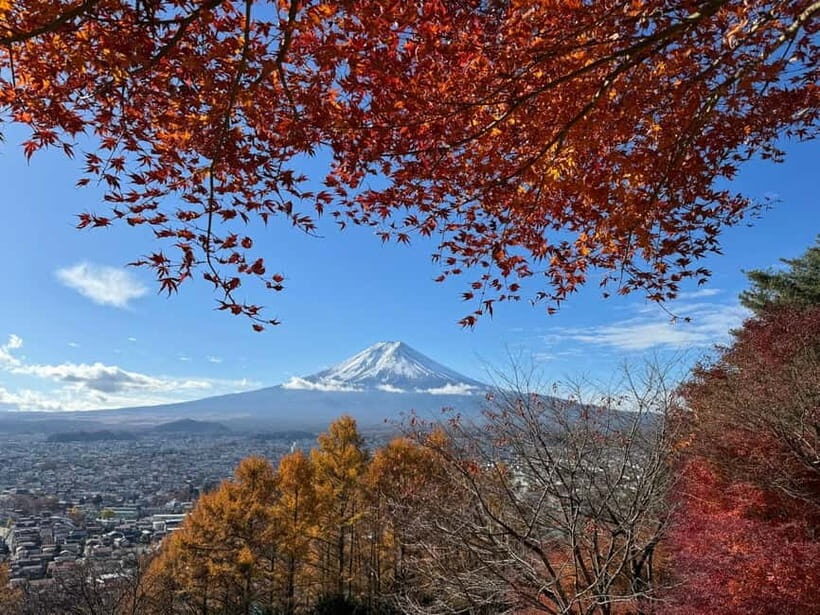
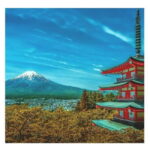
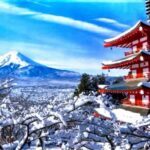
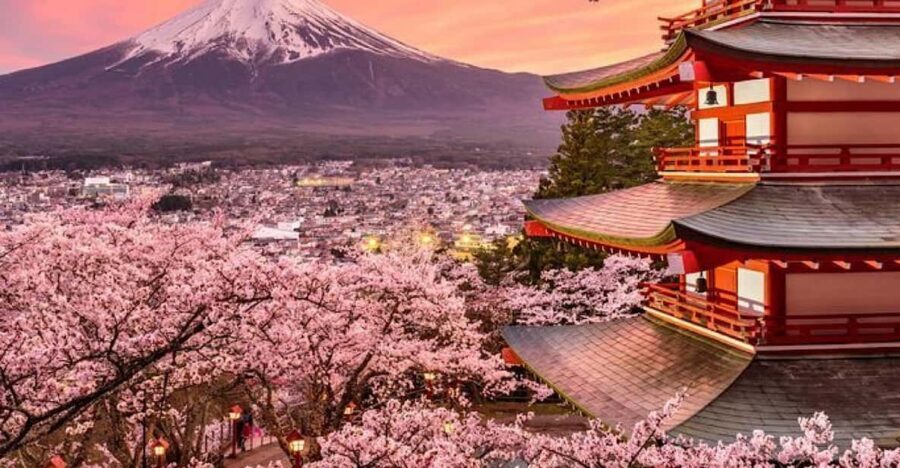
After the high-altitude start, the day shifts gears into cultural viewpoints—still with Mount Fuji framed in the background. In Fujiyoshida, one of the signature stops is Chureito Pagoda, a five-story pagoda in Arakurayama Sengen Park. It’s known for Mount Fuji views, and timing matters here because seasonal scenery can change the vibe a lot (cherry blossoms and autumn foliage are big for the look).
What you’ll appreciate on this kind of stop is that you get different “levels” of viewing:
- the pagoda area gives you classic composition shots
- nearby walkways let you reposition for better angles
- the crowd tends to move in pulses, so if you follow the guide’s advice on where to stand, you improve your odds for a clean view
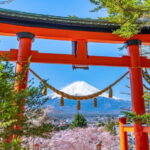
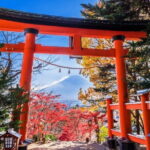
Along the way, the tour also stops at Kitaguchi Hongu Fuji Sengen Shrine, another important Mount Fuji shrine. This one is especially memorable because of the striking red torii gates and a peaceful approach through tall cedar trees (described as more than 1,000 years old). Even if you’re not a shrine person, it’s a pleasant contrast to the “Fuji on a screen” feeling. You end up with a more grounded sense of why the mountain matters to local culture.
For you, the takeaway: these stops aren’t just “check a box.” They’re Fuji framing tools. If you’re trying to get variety in your photos—pagoda, torii, shrine paths, and distant outlines—this is where the day starts to feel like a planned story.
Oshino Hakkai ponds: a calm Fuji-side detour
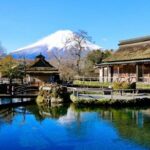
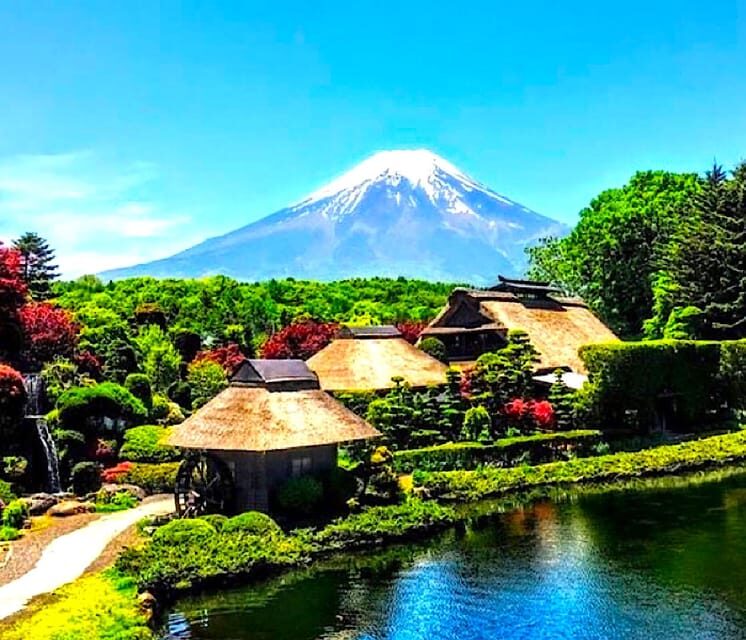
Oshino Hakkai Village is the kind of stop that slows you down a bit, which is exactly what you want in a busy day. You’ll explore the area known for eight ponds formed from snowmelt from Mount Fuji. The ponds and traditional houses create a quiet setting that’s much less about climbing and more about walking slowly, looking, and taking photos.
Why I like it for this tour: it balances the day. After you’ve been up at altitude and around viewpoints, Oshino Hakkai gives you a gentler pace. You can step away from the biggest photo crowds and focus on the details—water color, stone edges, and the way everything looks under changing light.
The stop includes free time for strolling and shopping. That matters because souvenirs and small snacks aren’t just extras here; they keep the day comfortable when you’re not eating lunch at a set restaurant.
Just keep expectations realistic: you’re here for the ponds and the atmosphere. It’s not a long museum visit. If you’re the type who wants “5 minutes, then next stop,” this won’t annoy you. If you’re the type who likes slow photos, you’ll have enough time to do it.
Lake Kawaguchi, Oishi Park, and Saiko Iyashi-no-Sato Nenba: variety without chaos
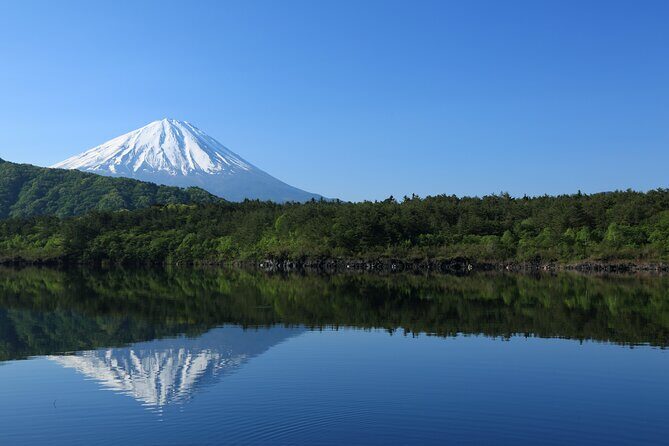
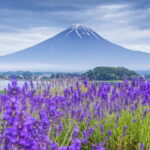
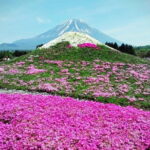
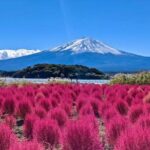
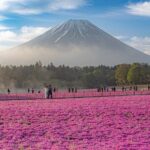
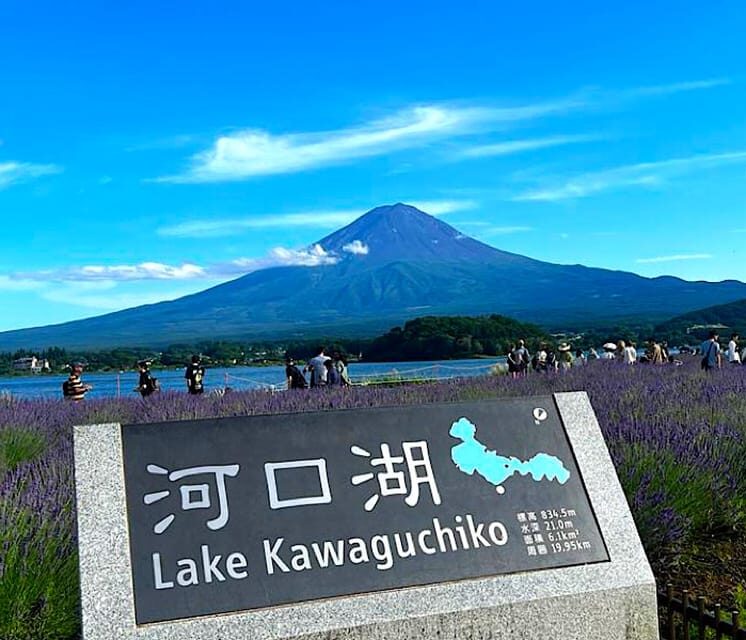
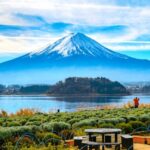
The day includes scenic stops around the Fuji Five Lakes area that help you keep seeing Mount Fuji from different angles. You’ll make a stop at Lake Kawaguchi with time for photos and sightseeing, and you’ll also visit Oishi Park, which is known for Mount Fuji views.
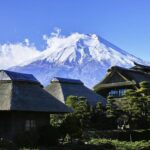
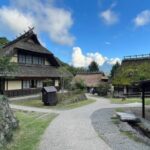
Then there’s Saiko Iyashi-no-Sato Nenba, a look at an old-style village setting. It adds a different feel than lakeside overlooks or pagoda areas. Even if you don’t go deep into the buildings, it’s a nice change of scenery that helps your brain “reset” during a long day.
Here’s my practical advice: at these stops, you’ll usually have limited time to walk and reposition. If you want the best odds for clear Fuji silhouettes, do this:
- go to the spots the guide points out first
- then, after you get one good photo, walk 2–3 minutes to see if there’s a better framing angle
- don’t get stuck at one spot if the guide suggests a quick alternative view nearby
Also, because lunch isn’t included, those free-time sections can help you manage hunger. You might find small shops in these areas, but your exact options depend on the day and season.
Other day trips from Tokyo to Mt Fuji & Kawaguchiko

Hakone National Park: Lake Ashi and the ropeway day
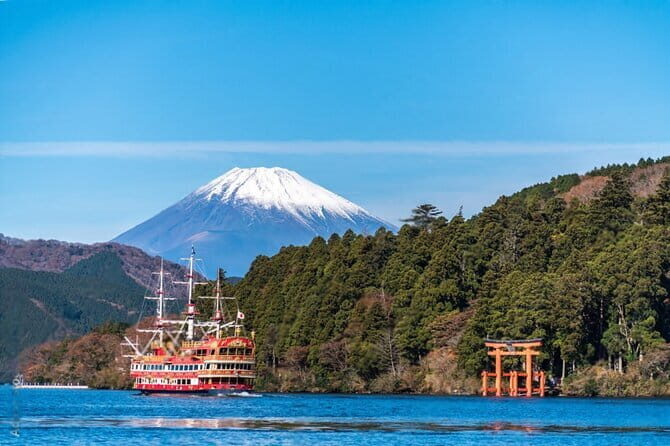
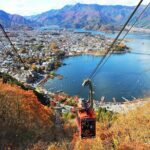
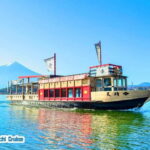
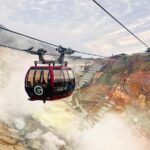
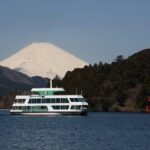
Now for the part that makes this tour feel like more than a “Fuji day.” Hakone scenery is all about the mix: lakes, volcanic terrain, and cable-car views. The tour includes a scenic cruise on Lake Ashi, and you’ll also have time around the Hakone ropeway area.
Lake Ashi is the star for a reason. The water setting makes Mount Fuji feel distant and dramatic, and Hakone’s surrounding mountains give the whole scene depth. You’ll also get views of the Hakone Ropeway area and volcanic surroundings as part of the route.
You’ll need to pay for certain rides separately. Ropeway and pirate ship tickets are not included, even though the day is planned around them. So think of this as a “you’ll likely buy these tickets” kind of tour, not a fully all-in package.
Even with that extra cost, I find this pairing smart:
- Fuji gives you the big iconic subject
- Hakone gives you the layered atmosphere—volcanic textures and lake reflections
- the cruise portion gives you a break from walking and helps the day feel like it has rhythm
If the weather cooperates, Hakone is often where the day becomes memorable beyond photos. You start noticing how the volcanic terrain changes with light and haze. It’s scenic, but it’s also interesting in a grounded, real way.
Budget and ticket reality: what you’ll actually spend
The listed price is $116 per person, for about 10 hours with a private vehicle, a driver, bottled water, and parking/highway tolls included. That’s the good part: the transportation side is handled, and you’re not paying extra for the ride.
But here are the “surprise” costs to budget for:
- lunch (not included)
- Fuji Subaru Line 5th Station entry fees (not included)
- ropeway ride and pirate ship ride tickets (not included)
This is why the real value question matters. If you’re already planning to do the ropeway and the Lake Ashi cruise, the tour price starts to look like a bargain because you’re paying mainly for the guided route and transport. If you skip those paid activities, you’re mostly paying for scenic stops and a drive.
My rule: if your goal is to hit the classic Hakone sights plus the Fuji viewpoints, you’ll likely use most of the day. If your goal is only Mount Fuji photos and you hate add-on tickets, then you might prefer a narrower day plan.
Timing, weather, and how to maximize your odds for clear Fuji
Mount Fuji is famous for views that can change fast. Even with a perfect plan, clouds and haze happen. So you need a strategy that fits how this tour is structured.
Because Subaru 5th Station is early and high up, you’re starting with one of the better chances for clear visibility. After that, the day includes many additional stops where Fuji might appear different depending on wind, cloud cover, and time of day.
What you can do:
- dress in layers and be ready for cool mountain air at elevation
- keep your eyes on the sky during transitions, not just at the stops
- bring cash for entry fees and paid rides you’ll do along the way
Season matters too. One of the best hints from prior travelers is that clearer conditions and smaller crowds can show up when you’re not in the busiest travel stretch. You can’t control weather, but you can control how packed the viewing areas feel.
Also, the day involves walking around outdoor viewpoints and park paths. Comfortable shoes aren’t optional.
Best for who: families, first-timers, and people who want a smooth plan
I think this tour is ideal if:
- it’s your first time in Japan and you want a guided day without juggling trains
- you want a one-day hit of both Mount Fuji and Hakone
- you like structure, but you still want time to wander at viewpoints
- your group includes people who would rather ask questions than read signs all day
In the feedback from past trips, the guides have been praised for punctuality, clear English, and planning that keeps you from feeling rushed. That kind of service matters a lot on a day like this, because when weather is good, you’ll want to be in the right place at the right time—not sprinting between stops.
It’s also a strong choice for families, since hotel pickup and drop-off reduces the “where are the kids right now?” stress. Just keep in mind the long day and the walking.
Should you book this Mount Fuji and Hakone private tour?
Book it if you want the best shot at a Fuji-and-Hakone day where someone else handles the driving, timing, and the sequence of viewpoints. The value is strongest when you’re planning to do the paid experiences like the ropeway/gondola and the Lake Ashi cruise, and when you want cultural stops like shrines and Chureito Pagoda mixed into the scenery.
Skip it or reconsider if:
- you don’t want to pay extra for tickets and lunch
- you prefer a shorter day focused only on one area
- you have limited mobility or need lots of downtime (the tour is designed as a full day outdoors)
If you do book, do one thing before you go: pack for changing weather, bring comfortable shoes, and keep some cash accessible. Then let the guide take care of the flow. On a good visibility day, this is exactly the kind of structured adventure that turns into real memories instead of a blur of bus windows.
FAQ
What’s the duration of the Mount Fuji full-day private tour from Tokyo?
The tour runs for 10 hours.
How much does the tour cost?
The price is $116 per person.
Where can the tour pick you up and drop you off?
Pickup options include Fujiyoshida, Tokyo, and Hakone. Drop-off options include Fujiyoshida, Hakone, and Tokyo.
What languages are the guide available in?
The live tour guide is available in English, Japanese, and Hindi.
What’s included in the price?
Hotel pickup and drop-off, transportation in an air-conditioned vehicle, a driver, bottled water, fuel surcharge, parking fees, and highway tolls are included.
What isn’t included?
Lunch is not included. Also not included are Fuji Subaru Line 5th Station entry fees, and ropeway ride and pirate ship ride tickets.
What should I bring for the tour?
Bring comfortable shoes and comfortable clothes, and have cash with you. Smoking is not allowed in the vehicle.